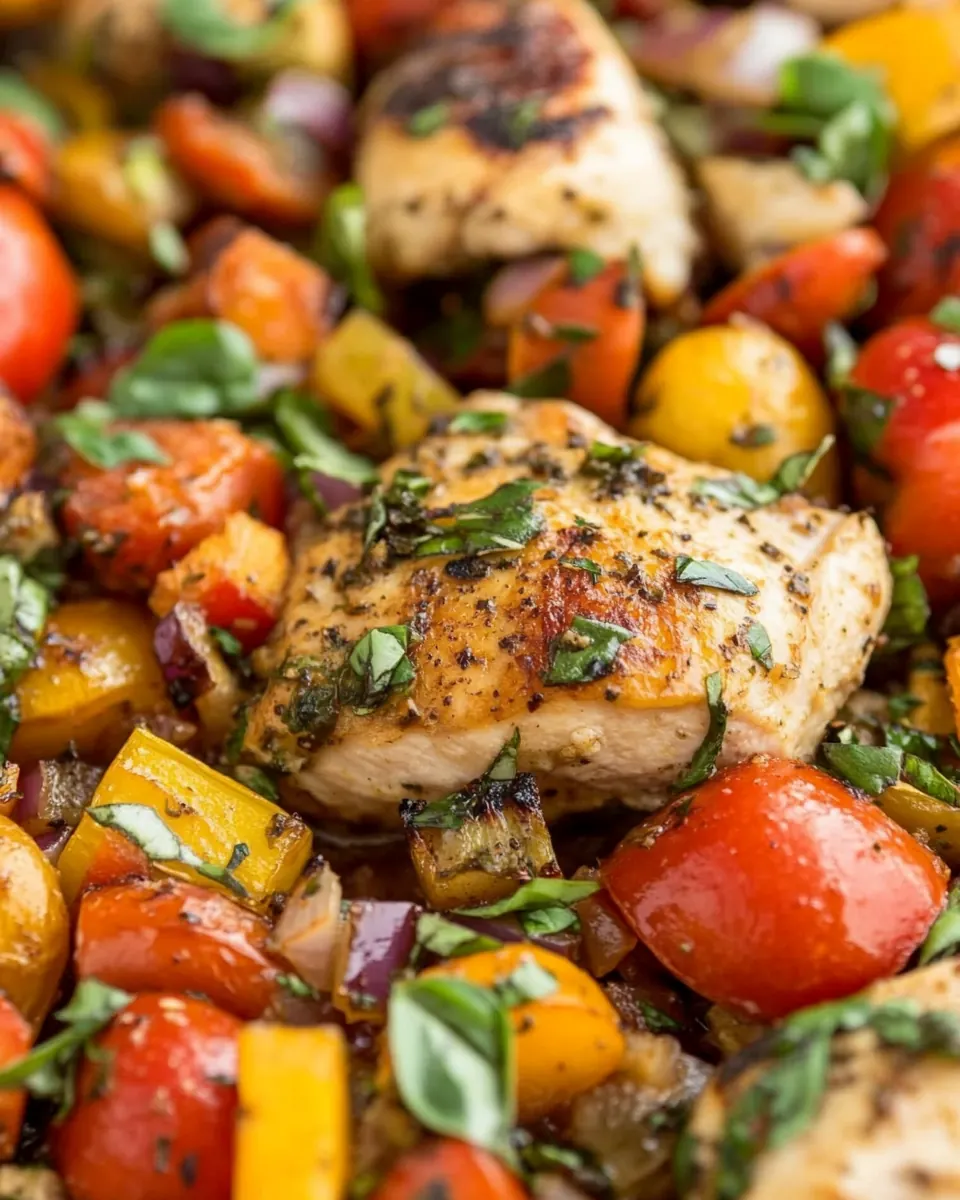
Sheet Pan Italian Chicken and Vegetables
Sheet Pan Italian Chicken and Vegetables is one of those recipes I reach for when life gets busy and I still want something that tastes like I cared all afternoon. I remember the first time I tossed everything together on a single sheet pan, skeptical that a simple mix of chicken and colorful vegetables could deliver so much flavor with so little fuss. That evening turned into a small tradition in my home, the kind of meal that invites conversation while it roasts, and somehow manages to feel both homey and a little elegant.
Over the years I learned small adjustments that make the dish consistently good. I’ll tell you about the marinade I use, why I halve the larger breasts, and how to arrange the pan so everything finishes at the same moment. There are little sensory cues I watch for, the sound of gentle sizzling as juices meet hot sheet metal, and the smell of balsamic and Italian herbs warming and concentrating in the oven. These tiny details are what turn simple ingredients into a satisfying dinner.
Recipe Snapshot
35 mins
5 mins
30 mins
Easy
400 kcal
Italian
Gluten-Free, Paleo
Dinner
Baking sheet, Large zip top bag, Slotted spoon, Aluminum foil, Instant read thermometer
The Beauty of This Sheet Pan Italian Chicken and Vegetables
One Pan Ease
I love how Sheet Pan Italian Chicken and Vegetables simplifies a weeknight. You get protein and produce with almost no cleanup, and that freedom means more time for family, longer walks, or just a calm kitchen while the oven does the heavy lifting. The efficiency does not come at the cost of flavor, which is rare and worth celebrating.
Bright, Balanced Flavors
The combination of olive oil, balsamic vinegar, and herbs creates a lively marinade that soaks into the chicken and gently seasons each piece of vegetables. I adore how the acidity from the balsamic vinegar softens as it roasts, leaving sweet, caramelized notes that elevate simple produce.
Texture Contrast
I appreciate how this recipe gives you both tender chicken and slightly crisp edges on the vegetables. The key is spacing and oven temperature, which produce golden edges and juicy centers. That contrast keeps every bite interesting and satisfying.
Flexible and Seasonal
This dish easily adapts to what’s available. I often swap the type of pepper or use different summer vegetables, but the core method stays the same. That flexibility makes Sheet Pan Italian Chicken and Vegetables a reliable choice across meals and occasions.
Family Friendly
Finally, this recipe travels well from plate to leftovers. It reheats gracefully, and I value a recipe that can do double duty as tonight’s dinner and tomorrow’s lunch. For busy households, that reliability is a real selling point.
Everything You Need for Sheet Pan Italian Chicken and Vegetables
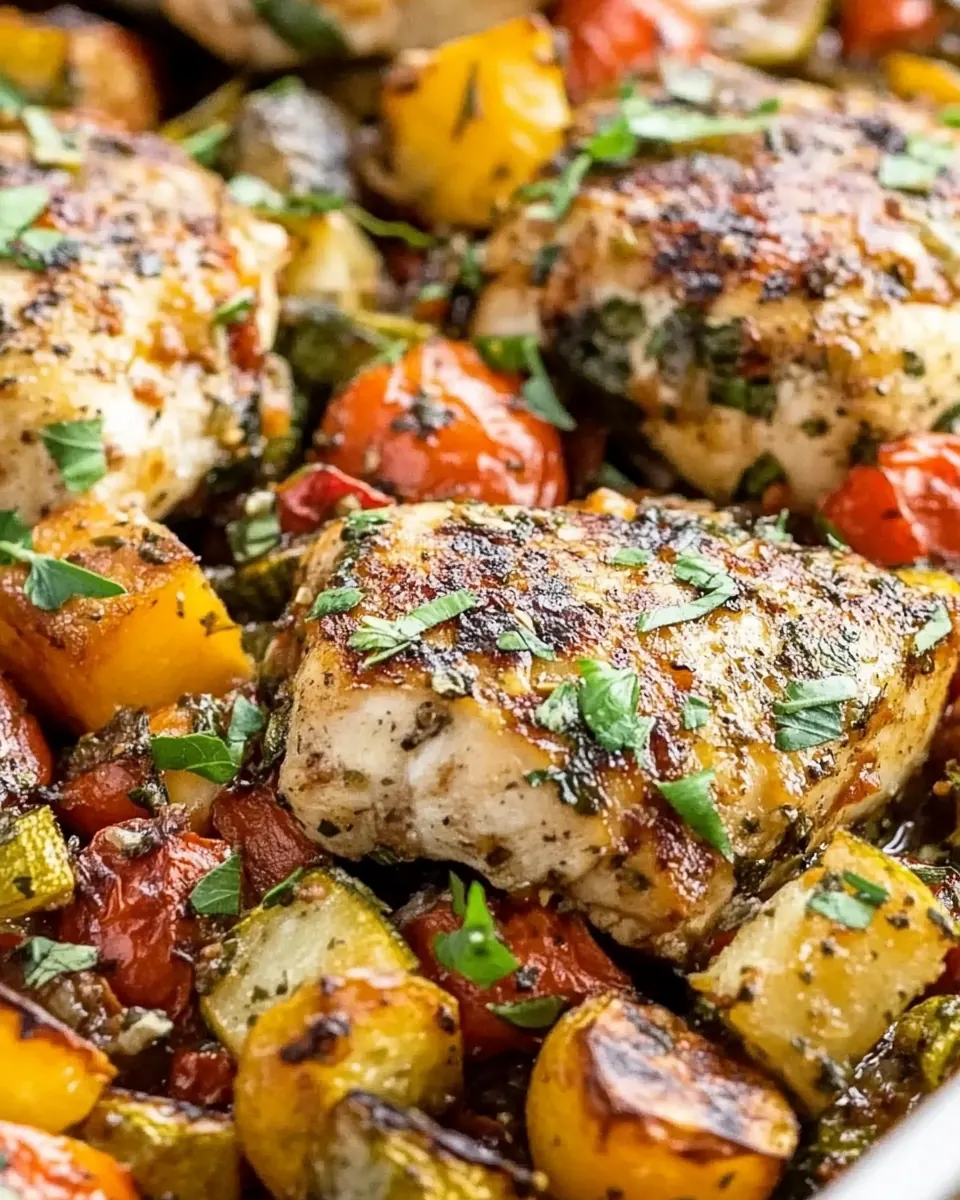
The philosophy behind these ingredients is simplicity with intention. Each item plays a clear role, from the fat that carries flavor to the acid that brightens it. Together they create a balanced profile where the herbs and vinegar highlight the natural sweetness of roasted vegetables, while the chicken stays juicy thanks to the oil and proper roasting temperature.
- 1/3 cup olive oil: Drizzle with fruity oil to coat and help infuse the chicken and vegetables with rich flavor while preventing sticking during roasting. Use high-quality olive oil for a silky mouthfeel and to carry other seasonings into the dish. Adjust quantity slightly if using a larger sheet pan to ensure even coverage.
- 1/3 cup balsamic vinegar: Pour tangy vinegar to add bright acidity that balances the richness of the oil and vegetables, helping tenderize the chicken during marination. Choose a good-quality balsamic for depth and slightly sweet undertones that caramelize when roasted. Combine with herbs and aromatics to create a balanced marinade.
- 1 1/2 tablespoons Italian seasoning: Sprinkle aromatic herb blend to provide a classic Mediterranean flavor profile that complements chicken and vegetables. Use a measured amount to ensure herbaceous notes without overpowering, and distribute evenly for consistent seasoning. Dried Italian seasoning remains stable during high-heat roasting.
- 1 tablespoon dried onion flakes: Add savory dehydrated onion to impart a concentrated onion flavor without extra moisture, promoting quick seasoning and ease of use. Rehydrate slightly when mixed with oil and vinegar so the flakes soften and release flavor during roasting. Use as part of a marinade to build foundational savory notes.
- 1 teaspoon kosher salt, or to taste: Season with coarse salt to enhance natural flavors, help draw out moisture for improved browning, and balance acidity and sweetness. Taste and adjust toward the end if needed to prevent over-salting, especially when using Parmesan garnish. Kosher salt granules provide predictable seasoning by volume.
- 1 teaspoon freshly ground black pepper, or to taste: Grind pungent pepper to introduce a warm, slightly spicy background note that enlivens the overall dish. Apply freshly ground for best aromatic impact; it will bloom in the hot oven and complement the Italian seasoning. Start with the suggested amount and adjust to personal heat preference.
- about 1 to 1.25 pounds boneless skinless chicken breasts, I halved one large breast and each half was about 1/2 pound: Prepare lean protein pieces to supply the main substance and absorb the marinade flavors, ensuring tender, juicy results when roasted. Halve or pound breasts for even thickness so chicken cooks uniformly alongside vegetables on the sheet pan. Aim for the specified weight range to match cooking time recommendations.
- 1 cup cherry or grape tomatoes: Scatter small sweet tomatoes to contribute bursts of juicy acidity and natural sugars that caramelize under heat, adding texture contrast and color. Use cherry or grape varieties for even sizing and quick roasting without cutting. Add toward the beginning of roasting to blister and release concentrated flavor.
- 1 medium/large zucchini, diced into bite-sized pieces: Dice mild squash to add tender, slightly sweet vegetable bites that roast to golden edges and soak up surrounding marinade flavors. Cut into bite–sized pieces for even cook time with bell pepper and tomatoes, preventing mushy or underdone pieces. Zucchini provides moisture and a delicate texture to the pan.
- 1 medium/large yellow bell pepper, diced into bite-sized pieces (another color pepper may be substituted): Cube crisp pepper to deliver crunchy, sweet, and slightly vegetal notes that contrast with softer zucchini and chicken. Choose a similar-sized dice for uniform roasting and to promote caramelized surfaces. Substitute colors cautiously to maintain visual appeal and comparable sweetness.
- freshly grated Parmesan cheese, for garnishing (optional): Sprinkle nutty cheese as an optional finishing garnish to introduce savory umami and a salty accent that enhances roasted flavors. Grate fresh Parmesan over hot servings so it melts slightly and melds with pan juices for extra richness. Add sparingly to taste, especially if kosher salt was used earlier.
- fresh basil, for garnishing (optional): Tear aromatic leaves as an optional fresh herb garnish to brighten the dish with a peppery-sweet, slightly clove-like finish. Add basil just before serving to preserve its vibrant flavor and prevent wilting from oven heat. Use whole or chiffonade ribbons to distribute aroma evenly over the plated dish.
- balsamic glaze or balsamic reduction, for garnishing (make your own (optional): Drizzle glossy reduction as an optional finishing touch to concentrate sweet-tart balsamic flavors and add a visually striking, syrupy glaze. Apply sparingly over plated chicken and vegetables to avoid overwhelming the dish, enhancing caramelized notes and balancing savory elements. Make or buy a thick balsamic glaze for controlled application.
Recipe Directions for Sheet Pan Italian Chicken and Vegetables
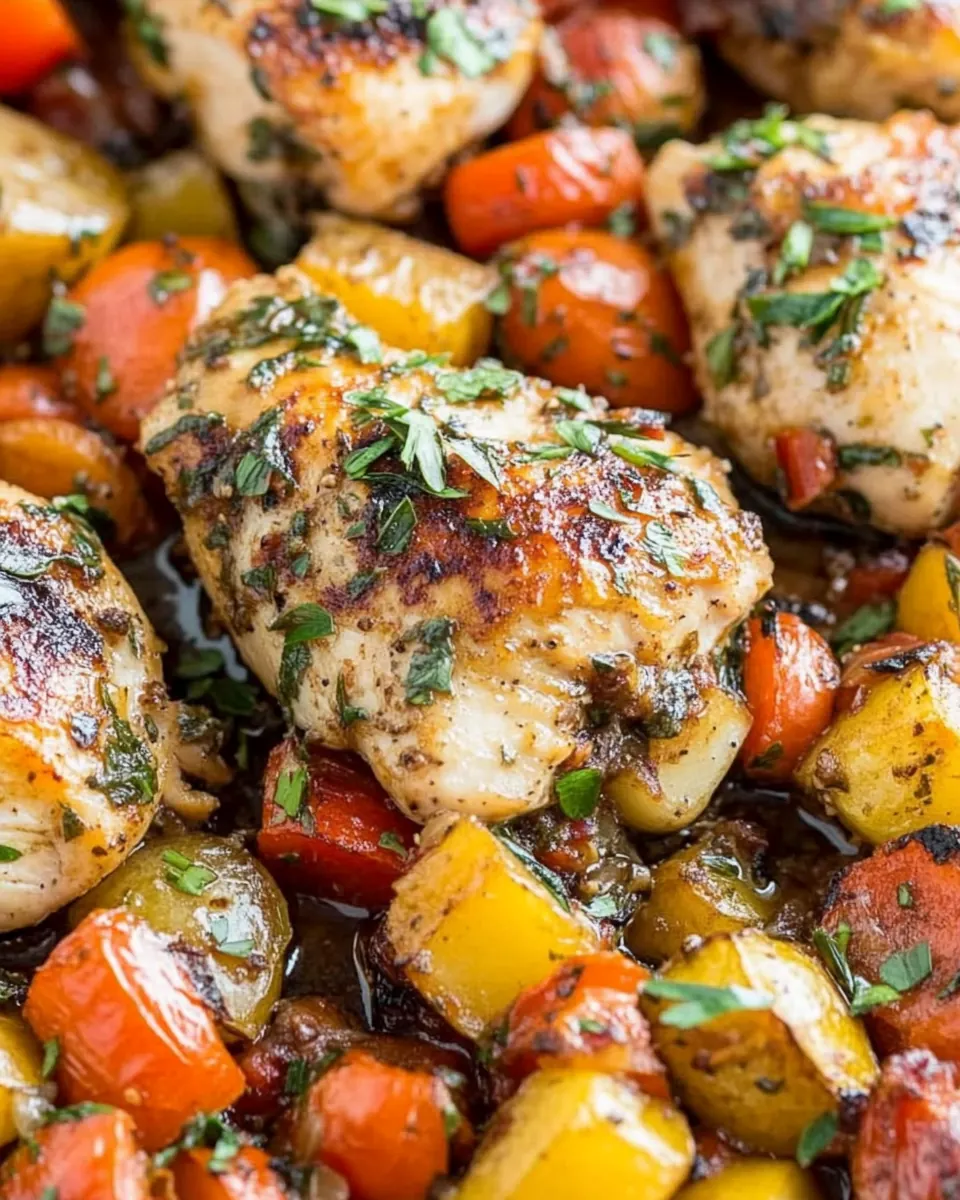
This method is straightforward and forgiving, making it perfect for cooks at any level. I recommend reading through the steps once before you start to visualize how the marinade interacts with the chicken and vegetables. Keep your pan roomy so heat circulates, and don’t be shy about checking doneness with a thermometer.
- To a large zip top bag, add the olive oil, balsamic vinegar, Italian seasoning, onion flakes, salt, pepper, chicken, tomatoes, zucchini, peppers, seal bag, and squish everything around to combine.: The aroma of olive oil and balsamic vinegar mingling with herbs is immediate and inviting, and you should notice the glossy coating on the chicken and vegetables once massaged. This tactile step helps the seasoning penetrate surfaces, and squishing ensures even coverage. Watch for pooled liquid at the bottom of the bag, which indicates good contact, but avoid overhandling which can bruise delicate tomatoes . A common mistake is using too small a bag, which prevents thorough mixing and leaves some pieces underseasoned.
- Place bag in fridge to marinate for at least 30 minutes and longer if you have time. I marinated overnight.: As the mixture chills, the balsamic vinegar gently tenderizes the chicken and the flavors meld into the vegetables . Overnight gives the most developed taste, while 30 minutes still imparts noticeable flavor. You should feel the marinade slightly cling to the protein when you take it out; that is a good visual cue. Avoid marinating too long with highly acidic marinades for very thin pieces of chicken , which can make the texture mushy.
- Preheat oven to 425 F, line a baking sheet with aluminum foil for easier cleanup, and spray with cooking spray.: The oven’s heat is what creates those golden edges, and setting it to 425 F gives a lively roast without drying the chicken . Lining the pan helps transfer from oven to table and keeps cleanup quick, and a light spray prevents sticking. You should hear a subtle sizzle when the pan goes in, which is a satisfying sound that means caramelization is starting. Do not use a crowded pan or a low temperature, which will produce steamed, pale vegetables instead of roasted ones.
- Using a slotted spoon, remove the chicken and vegetables from the bag and place them in an even, flat layer on baking sheet.: As you transfer, let excess marinade drip back into the bag to prevent pooling on the sheet, which can cause sogginess. Arrange the pieces so nothing overlaps, giving each item room to brown. Visual cues to aim for include a single layer with pieces not touching too much, and varied spacing so hot air circulates. A mistake I see often is crowding the pan, which leads to uneven cooking and lackluster browning.
- Bake for about 25 to 30 minutes or until chicken is cooked through (internal temp of 165 F) and vegetables are tender. Flip chicken and toss vegetables halfway through baking to ensure even cooking. Cooking time will vary based on how thick your chicken is.: During roasting you will notice the edges crisping and the vegetables beginning to collapse slightly as their sugars caramelize. Flip and toss at the halfway point so both sides get those golden notes and the aromatics concentrate. Use an instant read thermometer to check that the chicken reaches 165 F, and look for tender, blistered tomatoes and peppers with charred bits. Avoid overbaking, which dries the chicken and makes zucchini too soft.
- Optionally, evenly sprinkle with Parmesan, basil, and drizzle with balsamic glaze before serving.: The final garnishes add layers of texture and brightness, the salty Parmesan cheese melting slightly on hot pieces, and fresh basil releasing perfume as it warms. A light drizzle of glaze glistens and ties flavors together. Add these touches at the end so they keep their visual and aromatic impact. A common misstep is adding cheese too early, which can burn and become bitter instead of nutty and melty.
Tips and Variations
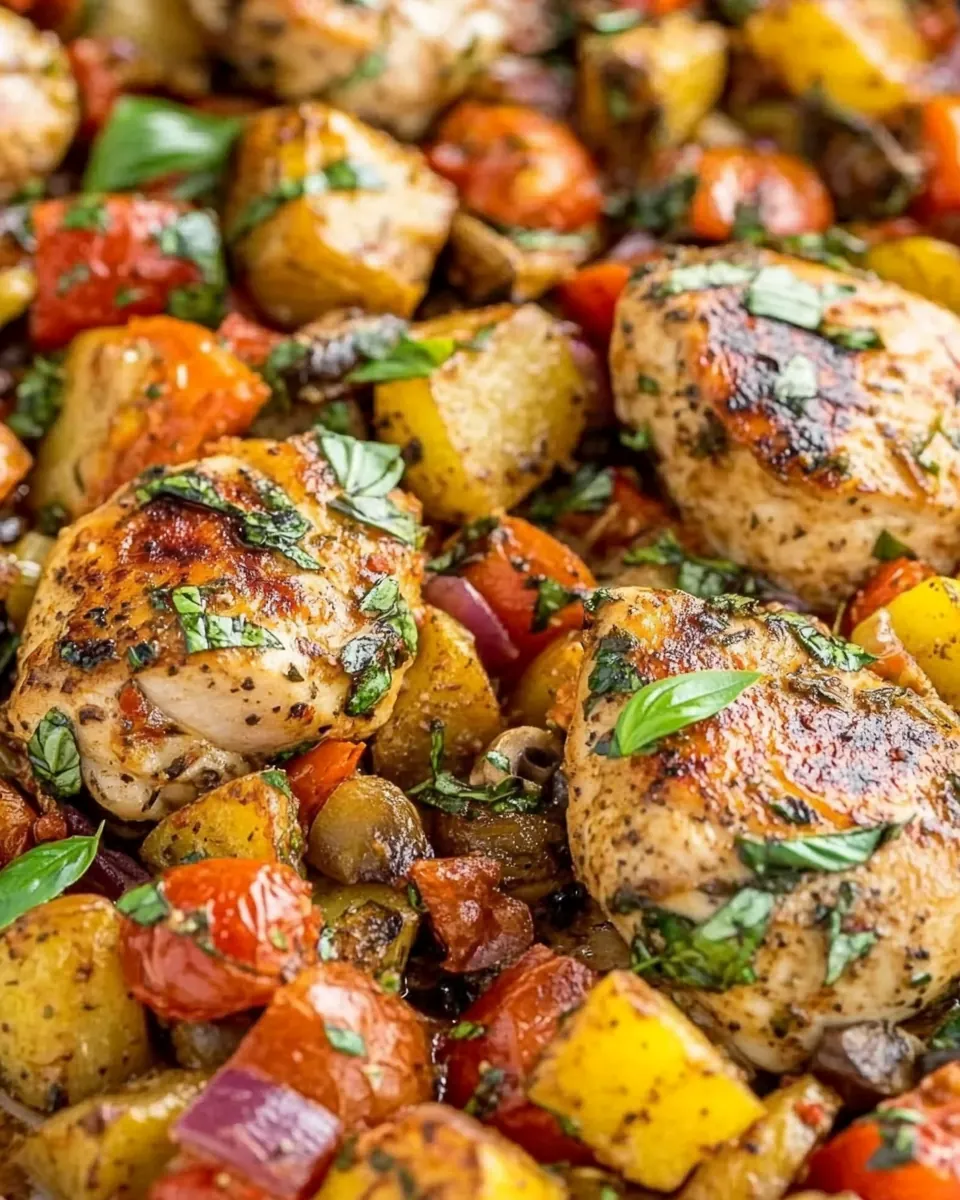
This recipe thrives on small, purposeful tweaks. Below are practical tips and variations that have elevated my version over time, and each one is written so you can pick what matters most to your kitchen and schedule.
- Marinate Longer for Deeper Flavor Allowing the mixture to sit overnight intensifies the meld of olive oil, balsamic vinegar, and herbs, creating a richer bite that is well worth the wait.
- Halve Large Breasts for Even Cooking Splitting a big piece of chicken into two ensures consistent thickness so everything finishes at the same time without overcooking smaller pieces.
- Use a Thermometer An instant read thermometer is the most reliable way to hit 165 F for safe, juicy chicken, avoiding guesswork and dry results.
- Roast on Convection if Available Convection mode encourages faster, more even browning, producing crisp edges on the vegetables and nicely roasted surfaces on the chicken.
- Finish with Fresh Herbs and Cheese Scatter fresh basil and freshly grated Parmesan cheese just before serving to add aroma, saltiness, and a polished look.
Perfect Pairings for Sheet Pan Italian Chicken and Vegetables
This recipe stands well on its own, but pairing it thoughtfully can elevate the meal for different occasions. Whether you are setting a casual weeknight table or serving something for guests, these suggestions aim to complement the flavors without overwhelming them.
- Simple Green Salad A bowl of crisp, lightly dressed greens offers a refreshing contrast to the roasted textures and balances the meal with extra freshness.
- Crusty Bread A warm, rustic loaf is perfect for soaking up any pan juices and adds a comforting, communal element to the table.
- Light Grain Side A small serving of couscous, orzo, or quinoa pairs well if you want a starchy element that soaks up flavors without stealing the spotlight.
- Occasion Ideas This dish is ideal for an easy weeknight dinner, a relaxed summer gathering, or a light family meal during Ramadan evenings when you want something hearty but not heavy.
- Storage Tips Store leftovers airtight in the fridge for up to five days, and reheat gently in an oven or at a low temperature to preserve texture. Avoid microwaving for prolonged periods which can make vegetables limp.
- Seasonal Pairings In summer enjoy it with brighter side salads and chilled beverages, while in cooler months serve it with warm grains and heartier sides for comfort.
FAQ
Conclusion
What makes this recipe special is its simplicity combined with bold, concentrated flavor from a short marinade and a hot roast. The technique brings out the natural sweetness of the vegetables while keeping the chicken juicy, and the whole meal requires minimal cleanup so you can enjoy the company at the table. I encourage you to try this method, adjust the herb levels to your taste, and take pleasure in how a single pan can deliver both comfort and brightness. It’s a dependable go to when you want an easy, satisfying dinner that still feels thoughtfully prepared.
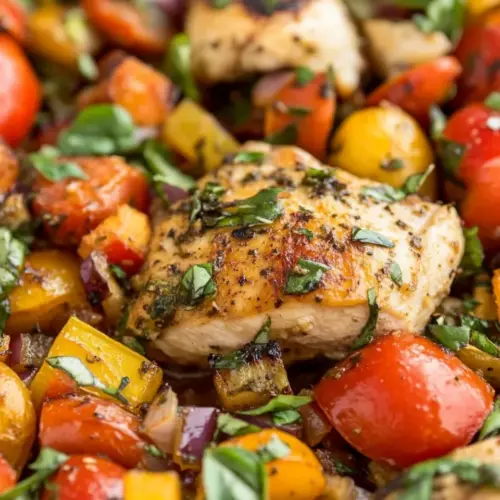
Sheet Pan Italian Chicken and Vegetables
Equipment
- Baking Sheet
- large zip-top bag
- Slotted Spoon
- Aluminum Foil
- Instant read thermometer
Ingredients
- 1/3 cup olive oil Drizzle with fruity oil to coat and help infuse the chicken and vegetables with rich flavor while preventing sticking during roasting. Use high-quality olive oil for a silky mouthfeel and to carry other seasonings into the dish. Adjust quantity slightly if using a larger sheet pan to ensure even coverage.
- 1/3 cup balsamic vinegar Pour tangy vinegar to add bright acidity that balances the richness of the oil and vegetables, helping tenderize the chicken during marination. Choose a good-quality balsamic for depth and slightly sweet undertones that caramelize when roasted. Combine with herbs and aromatics to create a balanced marinade.
- 1 1/2 tablespoons Italian seasoning Sprinkle aromatic herb blend to provide a classic Mediterranean flavor profile that complements chicken and vegetables. Use a measured amount to ensure herbaceous notes without overpowering, and distribute evenly for consistent seasoning. Dried Italian seasoning remains stable during high-heat roasting.
- 1 tablespoon dried onion flakes Add savory dehydrated onion to impart a concentrated onion flavor without extra moisture, promoting quick seasoning and ease of use. Rehydrate slightly when mixed with oil and vinegar so the flakes soften and release flavor during roasting. Use as part of a marinade to build foundational savory notes.
- 1 teaspoon kosher salt, or to taste Season with coarse salt to enhance natural flavors, help draw out moisture for improved browning, and balance acidity and sweetness. Taste and adjust toward the end if needed to prevent over-salting, especially when using Parmesan garnish. Kosher salt granules provide predictable seasoning by volume.
- 1 teaspoon freshly ground black pepper, or to taste Grind pungent pepper to introduce a warm, slightly spicy background note that enlivens the overall dish. Apply freshly ground for best aromatic impact; it will bloom in the hot oven and complement the Italian seasoning. Start with the suggested amount and adjust to personal heat preference.
- about 1 to 1.25 pounds boneless skinless chicken breasts, I halved one large breast and each half was about 1/2 pound Prepare lean protein pieces to supply the main substance and absorb the marinade flavors, ensuring tender, juicy results when roasted. Halve or pound breasts for even thickness so chicken cooks uniformly alongside vegetables on the sheet pan. Aim for the specified weight range to match cooking time recommendations.
- 1 cup cherry or grape tomatoes Scatter small sweet tomatoes to contribute bursts of juicy acidity and natural sugars that caramelize under heat, adding texture contrast and color. Use cherry or grape varieties for even sizing and quick roasting without cutting. Add toward the beginning of roasting to blister and release concentrated flavor.
- 1 medium/large zucchini, diced into bite-sized pieces Dice mild squash to add tender, slightly sweet vegetable bites that roast to golden edges and soak up surrounding marinade flavors. Cut into bite-sized pieces for even cook time with bell pepper and tomatoes, preventing mushy or underdone pieces. Zucchini provides moisture and a delicate texture to the pan.
- 1 medium/large yellow bell pepper, diced into bite-sized pieces (another color pepper may be substituted) Cube crisp pepper to deliver crunchy, sweet, and slightly vegetal notes that contrast with softer zucchini and chicken. Choose a similar-sized dice for uniform roasting and to promote caramelized surfaces. Substitute colors cautiously to maintain visual appeal and comparable sweetness.
- freshly grated Parmesan cheese, optional for garnishing Sprinkle nutty cheese as an optional finishing garnish to introduce savory umami and a salty accent that enhances roasted flavors. Grate fresh Parmesan over hot servings so it melts slightly and melds with pan juices for extra richness. Add sparingly to taste, especially if kosher salt was used earlier.
- fresh basil, optional for garnishing Tear aromatic leaves as an optional fresh herb garnish to brighten the dish with a peppery-sweet, slightly clove-like finish. Add basil just before serving to preserve its vibrant flavor and prevent wilting from oven heat. Use whole or chiffonade ribbons to distribute aroma evenly over the plated dish.
- balsamic glaze or balsamic reduction, optional for garnishing (make your own Drizzle glossy reduction as an optional finishing touch to concentrate sweet-tart balsamic flavors and add a visually striking, syrupy glaze. Apply sparingly over plated chicken and vegetables to avoid overwhelming the dish, enhancing caramelized notes and balancing savory elements. Make or buy a thick balsamic glaze for controlled application.
Instructions
- To a large zip top bag, add the olive oil, balsamic vinegar, Italian seasoning, onion flakes, salt, pepper, chicken, tomatoes, zucchini, peppers, seal bag, and squish everything around to combine.: The aroma of olive oil and balsamic vinegar mingling with herbs is immediate and inviting, and you should notice the glossy coating on the chicken and vegetables once massaged. This tactile step helps the seasoning penetrate surfaces, and squishing ensures even coverage. Watch for pooled liquid at the bottom of the bag, which indicates good contact, but avoid overhandling which can bruise delicate tomatoes . A common mistake is using too small a bag, which prevents thorough mixing and leaves some pieces underseasoned.
- Place bag in fridge to marinate for at least 30 minutes and longer if you have time. I marinated overnight.: As the mixture chills, the balsamic vinegar gently tenderizes the chicken and the flavors meld into the vegetables . Overnight gives the most developed taste, while 30 minutes still imparts noticeable flavor. You should feel the marinade slightly cling to the protein when you take it out; that is a good visual cue. Avoid marinating too long with highly acidic marinades for very thin pieces of chicken , which can make the texture mushy.
- Preheat oven to 425 F, line a baking sheet with aluminum foil for easier cleanup, and spray with cooking spray.: The oven’s heat is what creates those golden edges, and setting it to 425 F gives a lively roast without drying the chicken . Lining the pan helps transfer from oven to table and keeps cleanup quick, and a light spray prevents sticking. You should hear a subtle sizzle when the pan goes in, which is a satisfying sound that means caramelization is starting. Do not use a crowded pan or a low temperature, which will produce steamed, pale vegetables instead of roasted ones.
- Using a slotted spoon, remove the chicken and vegetables from the bag and place them in an even, flat layer on baking sheet.: As you transfer, let excess marinade drip back into the bag to prevent pooling on the sheet, which can cause sogginess. Arrange the pieces so nothing overlaps, giving each item room to brown. Visual cues to aim for include a single layer with pieces not touching too much, and varied spacing so hot air circulates. A mistake I see often is crowding the pan, which leads to uneven cooking and lackluster browning.
- Bake for about 25 to 30 minutes or until chicken is cooked through (internal temp of 165 F) and vegetables are tender. Flip chicken and toss vegetables halfway through baking to ensure even cooking. Cooking time will vary based on how thick your chicken is.: During roasting you will notice the edges crisping and the vegetables beginning to collapse slightly as their sugars caramelize. Flip and toss at the halfway point so both sides get those golden notes and the aromatics concentrate. Use an instant read thermometer to check that the chicken reaches 165 F, and look for tender, blistered tomatoes and peppers with charred bits. Avoid overbaking, which dries the chicken and makes zucchini too soft.
- Optionally, evenly sprinkle with Parmesan, basil, and drizzle with balsamic glaze before serving.: The final garnishes add layers of texture and brightness, the salty Parmesan cheese melting slightly on hot pieces, and fresh basil releasing perfume as it warms. A light drizzle of glaze glistens and ties flavors together. Add these touches at the end so they keep their visual and aromatic impact. A common misstep is adding cheese too early, which can burn and become bitter instead of nutty and melty.
Notes
- Marinate Longer for Deeper Flavor Allowing the mixture to sit overnight intensifies the meld of olive oil, balsamic vinegar, and herbs, creating a richer bite that is well worth the wait.
- Halve Large Breasts for Even Cooking Splitting a big piece of chicken into two ensures consistent thickness so everything finishes at the same time without overcooking smaller pieces.
- Use a Thermometer An instant read thermometer is the most reliable way to hit 165 F for safe, juicy chicken, avoiding guesswork and dry results.
- Roast on Convection if Available Convection mode encourages faster, more even browning, producing crisp edges on the vegetables and nicely roasted surfaces on the chicken.
- Finish with Fresh Herbs and Cheese Scatter fresh basil and freshly grated Parmesan cheese just before serving to add aroma, saltiness, and a polished look.
