Cranberry Rice Pilaf
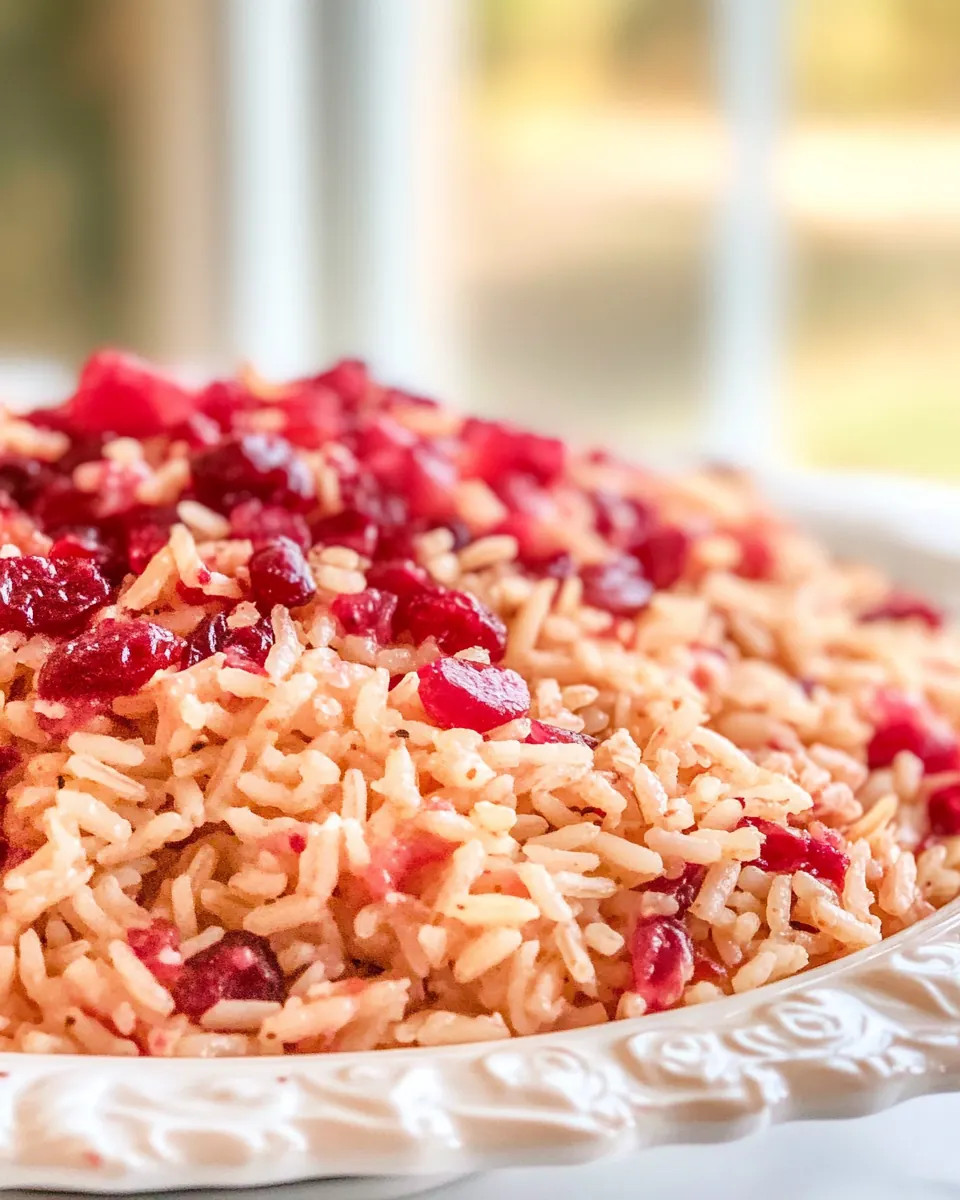
Cranberry Rice Pilaf has been one of those dishes that sneaks into holiday memories, the kind that made me want to learn how to balance sweet and savory at the table. The first time I cooked it, I was juggling a slow oven roast and a chaotic kitchen, yet this simple pot of rice quietly became the highlight. I remember stirring the pot and thinking how the fruity brightness cut through everything else on the plate, and how the toasted almonds added a little crackle under the fork.
Over the years, this recipe followed me to potlucks, weeknight dinners, and cozy Sunday lunches. It is the kind of side I turn to when I need something unfussy but thoughtful. I love that the flavors are straightforward, and that a handful of pantry staples — plus a splash of orange juice — makes the whole dish sing. Whenever guests ask what I made, their faces brighten before they even taste it.
What I enjoy most about Cranberry Rice Pilaf is how forgiving it is. You can scale it, make it ahead, or pair it with different mains depending on the season. I often toast the almonds last minute so they stay vibrant, and I will sometimes gently mash a few cranberries so the sauce coats the grains. Those little choices are why this pilaf shows up again and again at my table.
Recipe Snapshot
20 mins
10 mins
10 mins
Easy
220 kcal
American
Gluten-Free, Low FODMAP
Side Dishes
Saucepan, Lid, Spoon, Skillet
The Magic of This Cranberry Rice Pilaf
1. Bright seasonal flavor
I love how Cranberry Rice Pilaf brings forward a bright, citrusy note without being sugary. The combination of orange juice and fresh cranberries gives a lively acidity that lifts the whole plate, making it perfect for autumn and winter meals.
2. Quick and reliable
This pilaf is refreshingly fast to make. With minimal active time, it becomes my go to when I need a reliable side that does not demand attention. The simple method means you can focus on other dishes, and it still turns out consistent, which I really appreciate on busy days.
3. Texture contrast
The toasted almonds add a crunchy contrast to the soft, fluffy rice. That crunch brings a pleasing mouthfeel that elevates an otherwise plain grain component into something memorable and satisfying.
4. Friendly for menus
I often reach for Cranberry Rice Pilaf because it pairs beautifully with many mains. It feels festive enough for holiday spreads, yet simple enough for weeknight dinners. It complements roasted vegetables and lean proteins without competing with them.
5. Minimal ingredient list
With just a handful of ingredients, this pilaf is accessible. I appreciate recipes that respect pantry constraints and still offer layered flavor. Because the list is short, you can focus on quality, like fresh cranberries and good chicken broth, and those small upgrades really show.
Shopping List for Cranberry Rice Pilaf
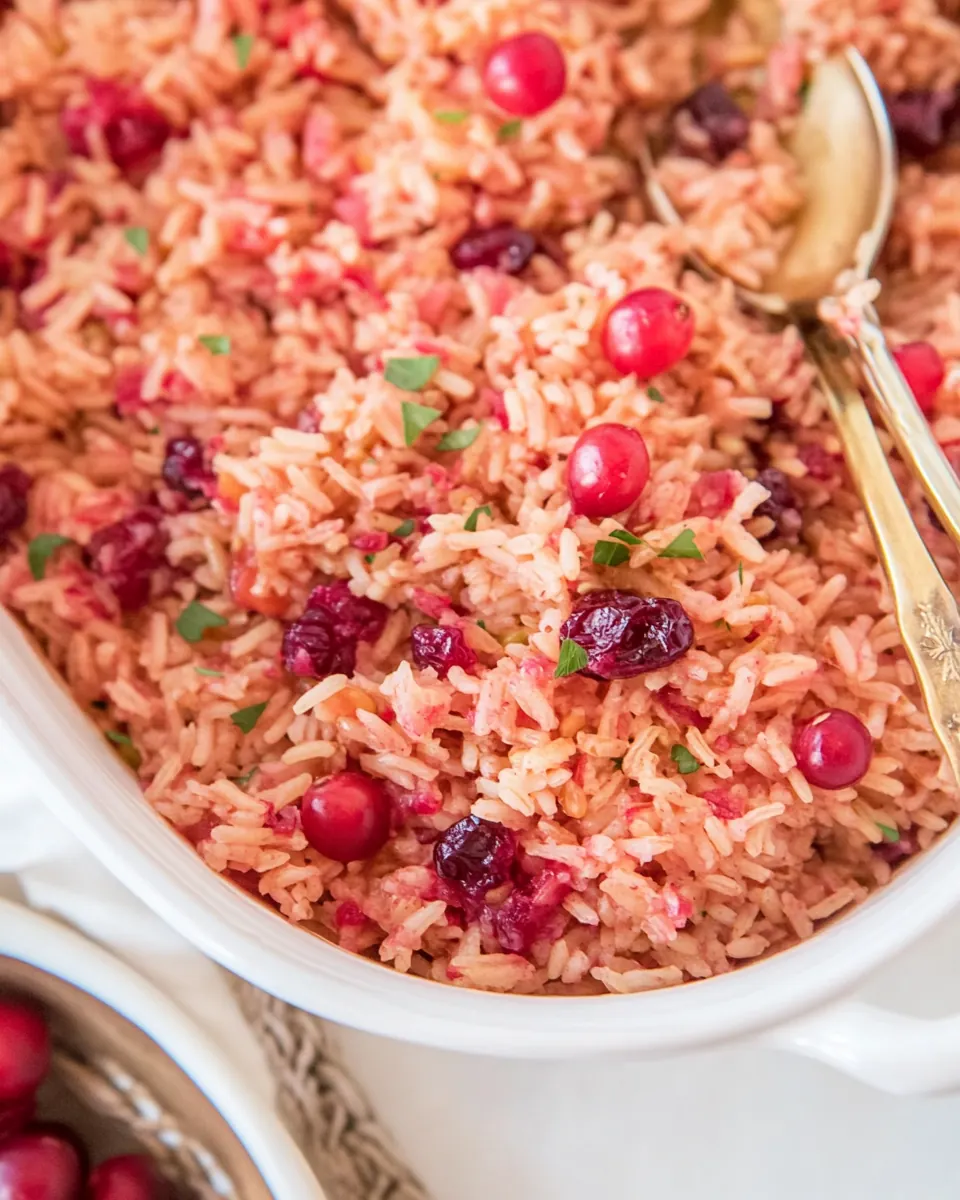
This ingredient lineup reflects a philosophy of balance and simplicity. Each element has a clear role: the liquid provides depth, the fruit gives brightness, the grain supplies substance, and the almonds introduce texture. When combined, they create contrasts of flavor and mouthfeel that make the dish feel much more composed than the short list implies. Below you will find the exact shopping items followed by short notes to help you choose the best versions.
- 1 cup chicken broth: Provide savory liquid and gentle seasoning that cooks the rice, infusing it with depth and moisture; use warm broth to ensure even rice absorption and enhanced flavor throughout. Combine with juices to balance sweetness and prevent dryness while simmering until rice is tender.
- 1/2 cup orange juice: Add bright citrus flavor and natural sweetness to complement the savory broth; stir in to introduce acidity that lifts the overall profile and balances richer elements. Use freshly squeezed or packaged orange juice to contribute moisture and aromatic notes while cooking the rice.
- 2 tablespoons granulated white sugar: Contribute subtle sweetness and help balance tart cranberries and citrus; sprinkle in with other liquids so sugar dissolves and melds evenly during cooking. Adjust quantity slightly if a sweeter pilaf is desired, ensuring flavors harmonize without overpowering.
- 1 1/2 cups uncooked instant brown rice: Provide the bulk and texture of the dish, absorbing liquids and flavors to become tender and fluffy; follow package timing for instant brown rice to avoid overcooking. Combine with liquids and other ingredients early so rice can swell and take on the sweet-tart and savory elements.
- 1/2 cup fresh or frozen cranberries, halved: Introduce bright tartness and fruity bursts that contrast the rice's mildness; halve fresh or frozen berries to release juices and distribute flavor more evenly. Fold in towards the end of cooking or after resting to preserve some texture and vibrant color in the pilaf.
- 1 tablespoon butter: Impart rich, silky mouthfeel and a hint of richness that rounds out the pilaf; stir in until melted to coat rice grains lightly and carry flavors. Use at the end of cooking to provide sheen and a smooth finish to each serving.
- 2 tablespoons sliced almonds, toasted: Add crunchy texture and a toasty, nutty flavor that complements the sweet and tart components; sprinkle toasted sliced almonds on top just before serving. Toasting beforehand intensifies nuttiness and prevents sogginess when combined with the warm pilaf.
Directions for Cranberry Rice Pilaf
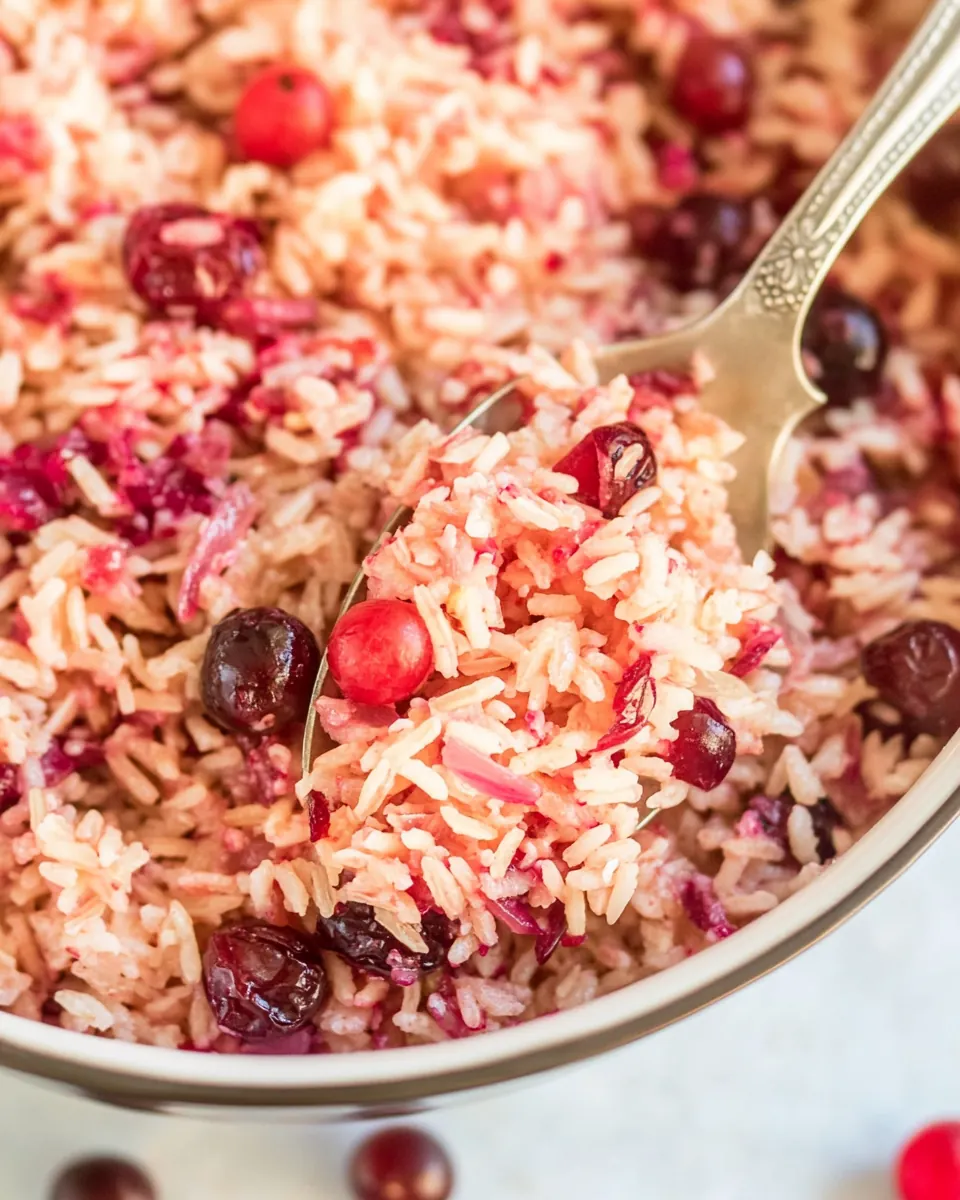
This pilaf is straightforward but deserves attention to timing and sensory cues. Below I walk you through each step with notes on what you should see, smell and listen for, plus why each detail matters and how to avoid common pitfalls.
- In a saucepan, bring the broth, orange juice and sugar to a boil. Stir in the rice, cranberries and butter. Reduce the heat; cover and cook for 5 to 8 minutes or until the water is absorbed.: The moment the liquid begins to bubble steadily is when aromas open up, and you should notice a bright citrus scent mingling with the savory note of chicken broth . Boiling helps dissolve the granulated white sugar evenly so it can infuse the rice. Stir gently while heating to prevent sugar from sticking to the pan bottom. A common mistake is heating too quickly, which can cause the liquid to foam or reduce unevenly, throwing off the liquid ratio.
- Remove from the heat and let stand for 5 minutes. Sprinkle with almonds.: As soon as you add the uncooked instant brown rice , the pot will quiet and the bubbles will settle into a gentle simmer. The cranberries will begin to release bright flecks of color when they hit the hot liquid, and the butter will melt into a glossy sheen. Gently stir once to distribute the fruit and grain, but avoid vigorous stirring which can make the rice sticky. Over stirring is the typical error here, it breaks grains and leads to a gluey texture.
- Reduce the heat; cover and cook for 5 to 8 minutes or until the water is absorbed.: You should hear a soft, steady simmer under the lid and see occasional steam escaping. Visual cues are key: when the liquid level has dropped and the surface looks dimpled, the rice is nearing doneness. The uncooked instant brown rice will soften and swell, absorbing the juices from the cranberries . Keep the heat low so the pot simmers gently, if it bubbles violently the rice can cook unevenly. A frequent misstep is removing the lid too often to check, which wastes steam and lengthens cook time.
- Remove from the heat and let stand for 5 minutes.: After removing the saucepan from heat, the resting period lets residual steam finish cooking the rice, resulting in evenly tender grains. You will notice a gentle settling of steam and the aroma will intensify as flavors marry. Resist the urge to cut into the rice right away, because doing so releases steam and can make the texture denser. People sometimes stir immediately and end up with tougher grains.
- Sprinkle with almonds.: Right before serving, scatter the toasted sliced almonds over the top to preserve crunch and aroma. The warm rice will lift the nutty scent from the almonds and offer a pleasing textural contrast. If you add the nuts too early, they will absorb moisture and lose their crispness. The best approach is to toast and add them at the last moment to keep their snap.
Helpful Notes about Cranberry Rice Pilaf
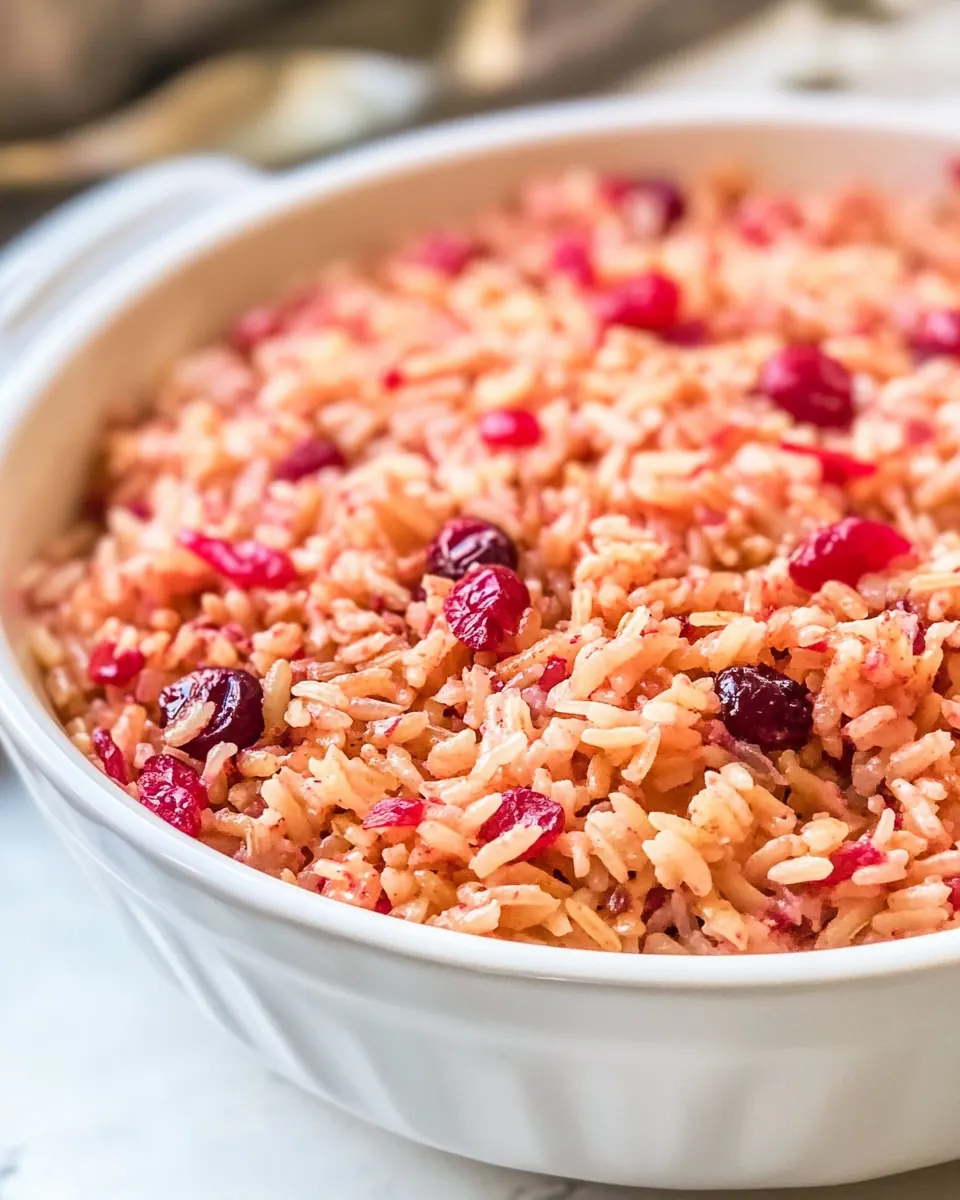
This recipe rewards small attentions. Below I expand practical tips and clarifications to make your experience smoother, from ingredient choices to timing and texture preservation. These notes come from repeated cooking, and I hope they save you a little time and worry.
- Choose fresh citrus: Fresh orange juice gives brighter aroma and a natural sweetness that bottled juice cannot match. If you squeeze two oranges, you will get a fresher, more fragrant result that lifts the whole dish.
- Pick the right rice: Using uncooked instant brown rice is what keeps this recipe quick. If you substitute another rice, watch cooking times closely, and you may need to adjust liquid amounts to avoid under or over cooking.
- Control salt early: Start with a low sodium chicken broth so you can fine tune seasoning at the end. Overly salty broth is hard to correct once the dish is finished.
- Toast almonds last: Toast the sliced almonds just before serving to retain crunch and aroma. If you toast them too early they will absorb moisture and soften against the warm rice.
- Halve the cranberries: Cutting the cranberries helps them release their juices during cooking and distribute their tartness throughout the rice evenly, rather than all in larger bursts.
Great Combinations for Cranberry Rice Pilaf
This section covers pairing ideas, serving occasions and storage tips. I like to think in terms of texture and temperature contrasts to build a balanced plate, and this pilaf fits a variety of menus from casual dinners to holiday spreads.
- Holiday centerpiece pairing: Serve Cranberry Rice Pilaf alongside roasted turkey or chicken for a festive Thanksgiving plate, its fruity brightness complements richer roast flavors.
- Weeknight protein pairing: Pair the pilaf with simply grilled or pan seared lean proteins for an easy weeknight dinner where the pilaf brings an elevated side without fuss.
- Vegetarian friendly: Use the pilaf as a base for roasted vegetables, adding a variety of textures and colors for a satisfying meatless main.
- Make ahead and reheat: You can prepare the pilaf a few hours ahead, keep covered at room temperature briefly or refrigerate, then gently rewarm in a saucepan with a splash of broth to revive moisture.
- Seasonal serving ideas: In fall or winter, plate the pilaf with root vegetables and a citrus salad; in spring or summer, pair with lighter grilled fare and a crisp green salad for balance.
- Storage tips: Store leftovers in an airtight container in the fridge for up to three days, and refresh with a little warm broth when reheating to restore a fluffy texture.
FAQ
Conclusion
Cranberry Rice Pilaf shines because it combines bright citrus, tart cranberries and toasty almonds into a quick, satisfying side that feels both festive and everyday. Give it a try the next time you want a simple dish that still impresses, whether you are feeding guests or rounding out a weeknight meal. It’s approachable, adaptable, and one of those recipes that grows more charming each time you make it.
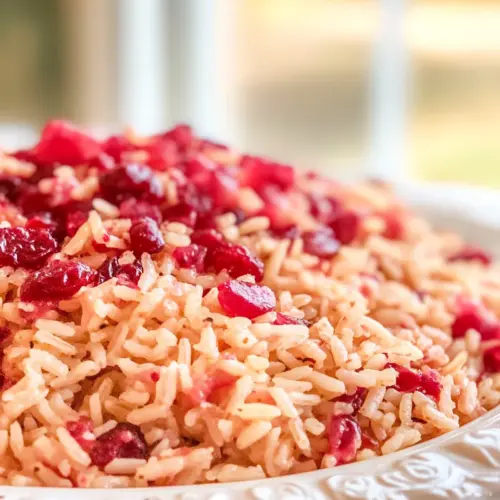
Cranberry Rice Pilaf
Equipment
- Saucepan
- Lid
- Spoon
- Skillet
Ingredients
- 1 cup chicken broth Provide savory liquid and gentle seasoning that cooks the rice, infusing it with depth and moisture; use warm broth to ensure even rice absorption and enhanced flavor throughout. Combine with juices to balance sweetness and prevent dryness while simmering until rice is tender.
- 1/2 cup orange juice Add bright citrus flavor and natural sweetness to complement the savory broth; stir in to introduce acidity that lifts the overall profile and balances richer elements. Use freshly squeezed or packaged orange juice to contribute moisture and aromatic notes while cooking the rice.
- 2 tablespoons granulated white sugar Contribute subtle sweetness and help balance tart cranberries and citrus; sprinkle in with other liquids so sugar dissolves and melds evenly during cooking. Adjust quantity slightly if a sweeter pilaf is desired, ensuring flavors harmonize without overpowering.
- 1 1/2 cups uncooked instant brown rice Provide the bulk and texture of the dish, absorbing liquids and flavors to become tender and fluffy; follow package timing for instant brown rice to avoid overcooking. Combine with liquids and other ingredients early so rice can swell and take on the sweet-tart and savory elements.
- 1/2 cup fresh or frozen cranberries, halved Introduce bright tartness and fruity bursts that contrast the rice's mildness; halve fresh or frozen berries to release juices and distribute flavor more evenly. Fold in towards the end of cooking or after resting to preserve some texture and vibrant color in the pilaf.
- 1 tablespoon butter Impart rich, silky mouthfeel and a hint of richness that rounds out the pilaf; stir in until melted to coat rice grains lightly and carry flavors. Use at the end of cooking to provide sheen and a smooth finish to each serving.
- 2 tablespoons sliced almonds, toasted Add crunchy texture and a toasty, nutty flavor that complements the sweet and tart components; sprinkle toasted sliced almonds on top just before serving. Toasting beforehand intensifies nuttiness and prevents sogginess when combined with the warm pilaf.
Instructions
- In a saucepan, bring the broth, orange juice and sugar to a boil. Stir in the rice, cranberries and butter. Reduce the heat; cover and cook for 5 to 8 minutes or until the water is absorbed.: The moment the liquid begins to bubble steadily is when aromas open up, and you should notice a bright citrus scent mingling with the savory note of chicken broth . Boiling helps dissolve the granulated white sugar evenly so it can infuse the rice. Stir gently while heating to prevent sugar from sticking to the pan bottom. A common mistake is heating too quickly, which can cause the liquid to foam or reduce unevenly, throwing off the liquid ratio.
- Remove from the heat and let stand for 5 minutes. Sprinkle with almonds.: As soon as you add the uncooked instant brown rice , the pot will quiet and the bubbles will settle into a gentle simmer. The cranberries will begin to release bright flecks of color when they hit the hot liquid, and the butter will melt into a glossy sheen. Gently stir once to distribute the fruit and grain, but avoid vigorous stirring which can make the rice sticky. Over stirring is the typical error here, it breaks grains and leads to a gluey texture.
- Reduce the heat; cover and cook for 5 to 8 minutes or until the water is absorbed.: You should hear a soft, steady simmer under the lid and see occasional steam escaping. Visual cues are key: when the liquid level has dropped and the surface looks dimpled, the rice is nearing doneness. The uncooked instant brown rice will soften and swell, absorbing the juices from the cranberries . Keep the heat low so the pot simmers gently, if it bubbles violently the rice can cook unevenly. A frequent misstep is removing the lid too often to check, which wastes steam and lengthens cook time.
- Remove from the heat and let stand for 5 minutes.: After removing the saucepan from heat, the resting period lets residual steam finish cooking the rice, resulting in evenly tender grains. You will notice a gentle settling of steam and the aroma will intensify as flavors marry. Resist the urge to cut into the rice right away, because doing so releases steam and can make the texture denser. People sometimes stir immediately and end up with tougher grains.
- Sprinkle with almonds.: Right before serving, scatter the toasted sliced almonds over the top to preserve crunch and aroma. The warm rice will lift the nutty scent from the almonds and offer a pleasing textural contrast. If you add the nuts too early, they will absorb moisture and lose their crispness. The best approach is to toast and add them at the last moment to keep their snap.
Notes
- Choose fresh citrus: Fresh orange juice gives brighter aroma and a natural sweetness that bottled juice cannot match. If you squeeze two oranges, you will get a fresher, more fragrant result that lifts the whole dish.
- Pick the right rice: Using uncooked instant brown rice is what keeps this recipe quick. If you substitute another rice, watch cooking times closely, and you may need to adjust liquid amounts to avoid under or over cooking.
- Control salt early: Start with a low sodium chicken broth so you can fine tune seasoning at the end. Overly salty broth is hard to correct once the dish is finished.
- Toast almonds last: Toast the sliced almonds just before serving to retain crunch and aroma. If you toast them too early they will absorb moisture and soften against the warm rice.
- Halve the cranberries: Cutting the cranberries helps them release their juices during cooking and distribute their tartness throughout the rice evenly, rather than all in larger bursts.