California Roll Sushi Bowls
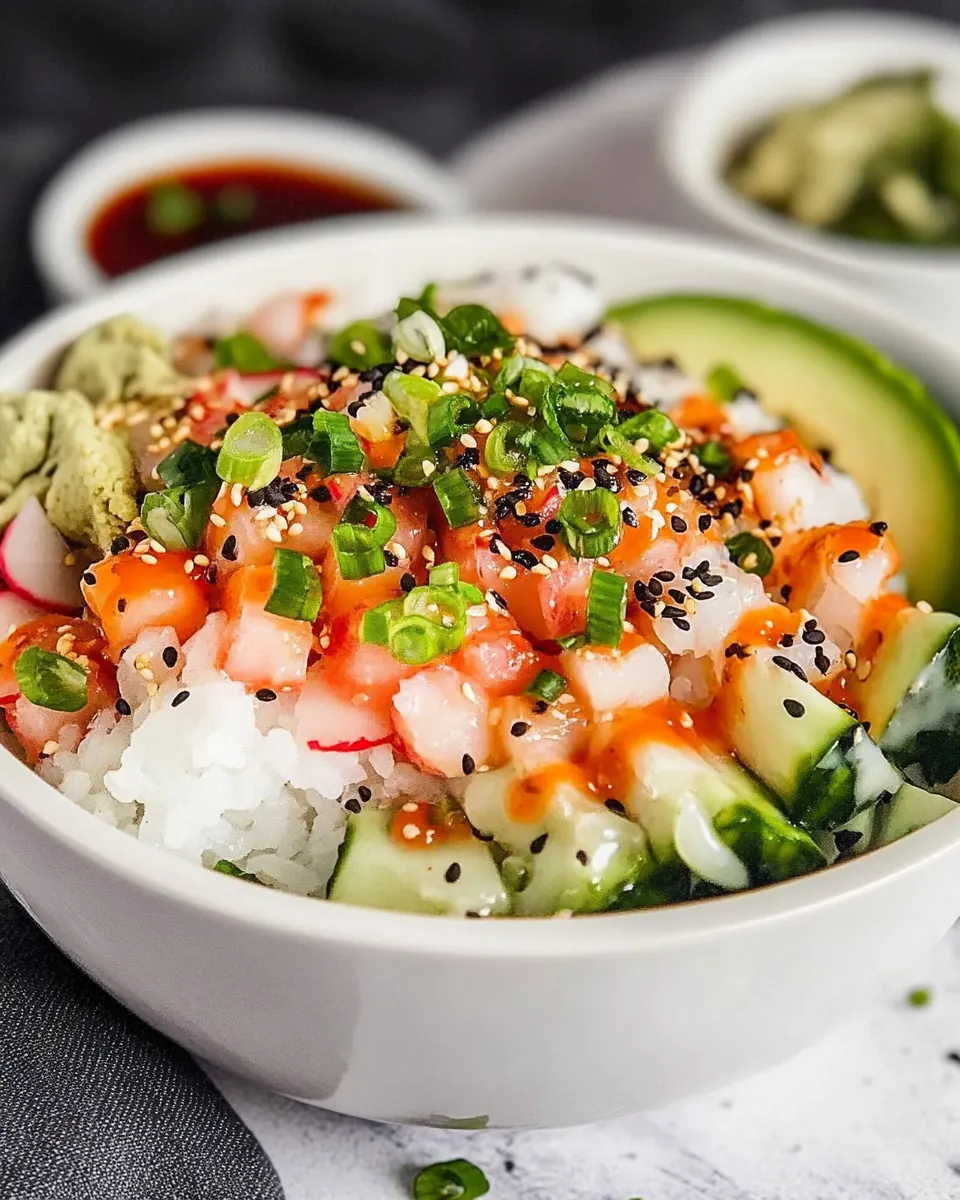
California Roll Sushi Bowls came into my weeknight repertoire the summer I wanted sushi without the fuss of rolling mats and exacting knife skills. I remember the first time I layered warm, glossy sushi rice into a bowl and topped it with creamy avocado, crisp cucumber, sweet shredded crab, and a touch of spicy mayo. It felt like the heart of a restaurant plate, simplified for home cooking, and it changed the way I think about casual meals.
What hooked me was how personal each bowl could be. I’d assemble one for a friend who loved extra heat, another for someone who preferred mild flavors, and a kid friendly version without the sriracha. The textural play between soft rice, tender crab, and crunchy carrot made every spoonful interesting. I found that prepping the components in advance transformed a rushed evening into a relaxed, sociable dinner where everyone assembled their own bowl.
Recipe Snapshot
35 mins
15 mins
20 mins
Medium
500 kcal
Japanese
Low FODMAP, Gluten-Free
Dinner
Fine mesh strainer, Saucepan, wooden spoon
What Sets This California Roll Sushi Bowls Apart
It’s sushi without the stress
I love that California Roll Sushi Bowls capture the familiar flavors of a classic roll, while skipping the tricky rolling step. For home cooks who want the experience of sushi without specialized tools, this is a joyful shortcut. You still get that seasoned sushi rice, but plated in a way that is forgiving and fast.
Customizable and crowd friendly
One of the main reasons I keep this recipe in my back pocket is how easy it is to scale. I’ve served it at casual dinners where guests build their own bowls, and everyone ends up happy because the components are separate and adjustable. If someone wants more spice or less soy, it’s simple to accommodate, and the bowls feel curated rather than thrown together.
Balanced textures and flavors
The mix of creamy avocado, flaky crab, crunchy cucumber, and slightly sweet, tangy sushi rice makes every bite sing. I find that the little details, like the toasted sesame seeds and crumbled nori, lift the overall profile and keep things from feeling flat. It’s an approachable study in contrasts that works every time.
Fast, fresh, and satisfying
From washing the rice to plating, this comes together quickly, which is why I turn to it on busy evenings. The prep is straightforward and the results are anything but basic. You get vibrant color, bright flavors, and a satisfying, spoonable meal that feels nutritious and indulgent at once.
Kid friendly and adaptable
I appreciate that my picky eaters will eat this because they can pick and choose what goes into their bowl. I’ve swapped the crab for cooked shrimp or salmon for special occasions, and the format still works beautifully. It’s forgiving and flexible, which makes it a staple in my summer rotation.
California Roll Sushi Bowls Shopping List
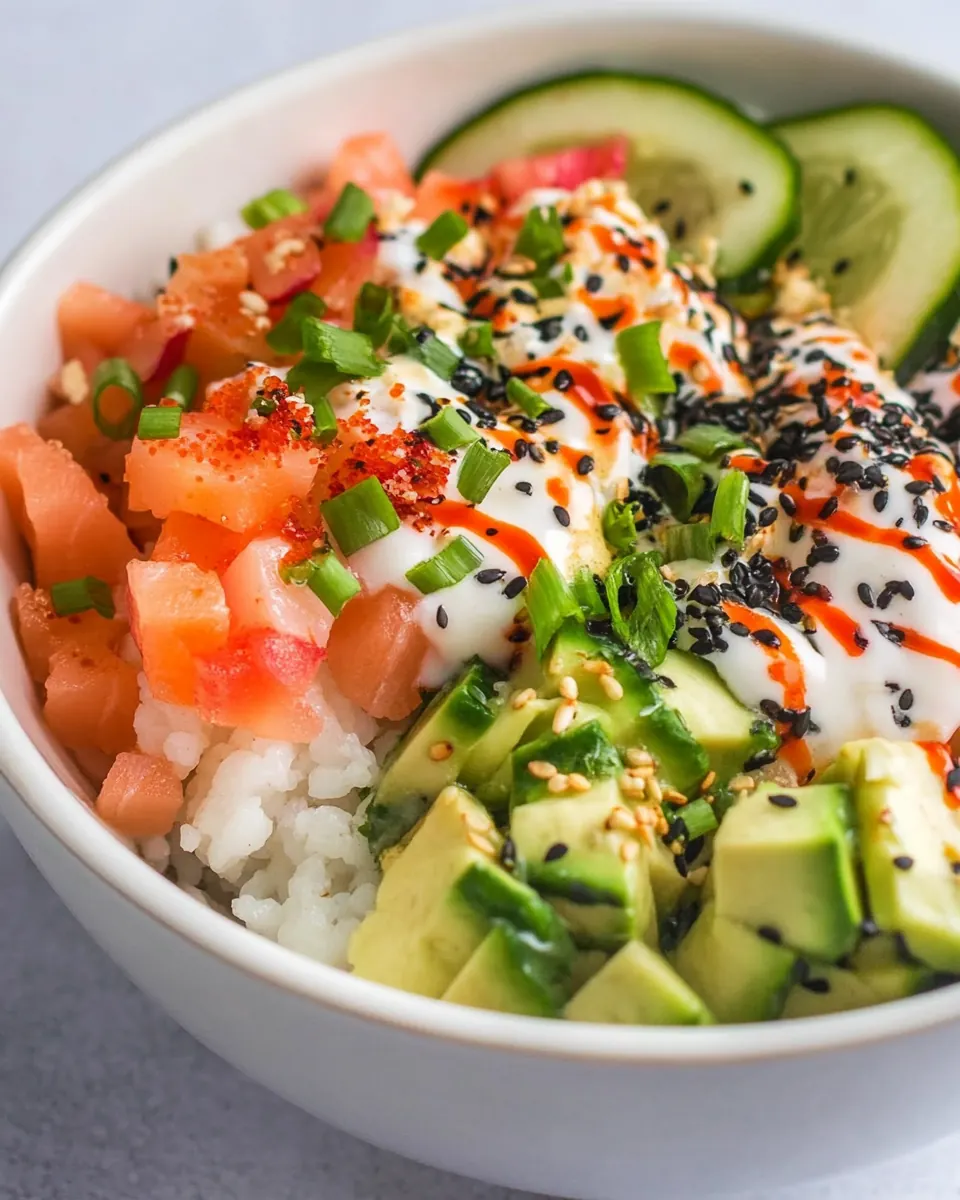
These ingredients are chosen to recreate the essence of a California roll in bowl form. The philosophy here is simple, each component plays a clear role: the seasoned sushi rice forms the base, while the toppings provide contrast in texture and flavor. Together they make a balanced, bright, and satisfying bowl that you can personalize easily.
- 2 cup s (400 grams) sushi rice like Japanese Calrose rice, uncooked: Rinse and cook to create the sticky base for the bowl; sushi rice like Calrose yields the proper chewy texture and helps toppings adhere when seasoned.
- 2 cups (480 ml) water: Simmer and absorb to properly cook the rice; precise water measurement ensures fluffy, tender grains without becoming mushy.
- 3 tablespoon (50 ml) rice vinegar: Season and brighten the rice; rice vinegar provides the characteristic tang that balances sweetness and enhances overall sushi flavor.
- 2 tablespoons granulated sugar: Sweeten and balance the seasoning; granulated sugar dissolves into the vinegar solution to mellow acidity and contribute authentic sushi rice taste.
- 3/4 teaspoon salt: Season and enhance flavor depth; salt in the rice seasoning brings out the natural flavors of the rice and other components.
- 1/4 cup (60 grams) mayonnaise preferably Japanese mayo like kewpie: Cream and bind spicy elements; Japanese-style mayonnaise gives a rich, slightly sweet creaminess that blends well with sriracha for spicy crab.
- 1 tablespoon sriracha sauce: Spice and flavor the mayo mixture; sriracha adds heat and umami to the mayo, creating a zesty dressing for the imitation crab.
- 8 ounces (225 grams) imitation crab chopped into bite-size pieces: Provide texture and savory seafood flavor; chopped imitation crab offers bite–size pieces that mimic crab meat while soaking up seasoned mayo and soy.
- 1 cup (120 grams) sliced or diced cucumber: Freshen and add crunch to each bite; sliced or diced cucumber introduces crispness and a cool contrast to richer components.
- 1 avocado peeled, pitted, and diced: Enrich and add creaminess to the bowl; diced avocado contributes a buttery mouthfeel and mild flavor that complements other ingredients.
- 1 small carrot grated: Add color and subtle sweetness; grated carrot gives a crunchy, slightly sweet element and visual contrast to the bowl.
- 1 2 nori sheets chopped or crumbled: Impart sea-salty umami and a slight crispness; chopped or crumbled nori sheets bring authentic sushi–like ocean flavor and texture to the bowl.
- 1 tablespoon sesame seeds a mix of toasted sesame seeds, and black sesame seeds: Toast and garnish with nutty crunch; a mix of toasted and black sesame seeds adds aromatic depth, visual contrast, and a pleasant crunch.
- 1/4 cup (60 ml) low-sodium soy sauce: Season and provide savory finishing flavor; low-sodium soy sauce delivers salty umami for drizzling or dipping while keeping sodium moderate.
Preparation Steps for California Roll Sushi Bowls
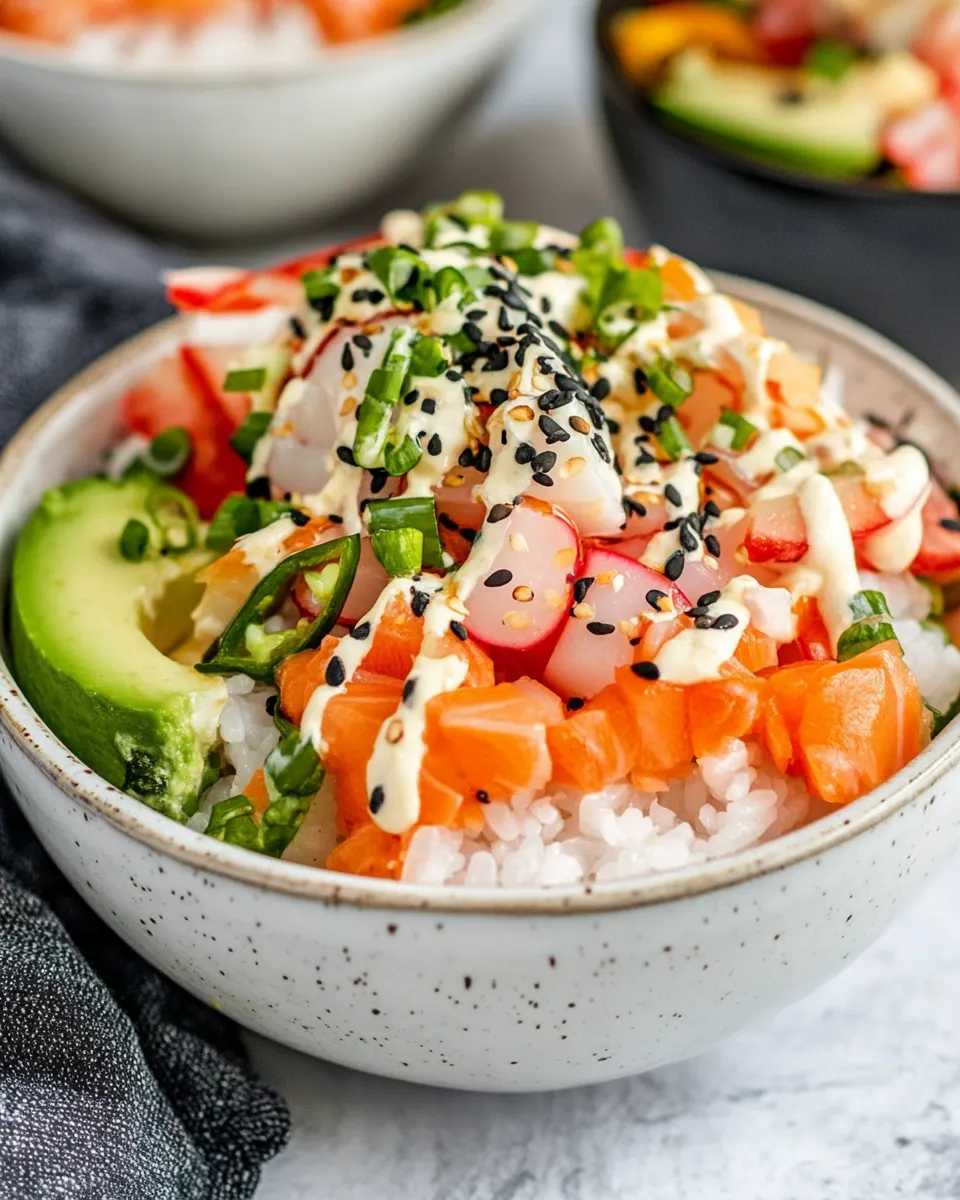
These steps will guide you through cooking the rice, seasoning it, making the spicy mayo, and assembling the bowls. I like to stay relaxed while working through the sequence, since the rice needs gentle handling and the toppings are mostly assembly work.
- To cook the rice, start by washing it very well. Using a fine mesh strainer, rinse the rice under cool running water for 2 minutes, or until the water runs clear. Drain the rice.: You should sense the cool running water turn from cloudy to clear, that visual cue means surface starches are gone and the rice will cook with a clean texture. Washing reduces stickiness and prevents gummy clumps, which is essential for separate, glossy grains. A common mistake is rushing this step, leaving cloudy water behind which leads to overly sticky rice. Also, be gentle when rinsing; vigorous agitation can break delicate grains.
- Combine the drained rice with water in a saucepan, bring to a boil, cover with the lid and reduce the heat to low, and simmer for 15 minutes without removing the lid. Remove from heat, and do not touch it for 5 minutes. Then remove the lid and fluff it with a wooden spoon.: When you hear the first steady simmer, lower the heat so the rice cooks evenly, and keep the lid on to trap steam. After 15 minutes of quiet bubbling, removing it from heat and letting it rest for 5 minutes allows residual steam to finish the cook, producing tender centers and slightly chewy exteriors. If you lift the lid too soon, the steam escapes and cooking becomes uneven, yielding undercooked pockets. The visual cue to watch for is the pot surface calming, not frantic bubbling.
- In a small bowl or jug, combine the sushi rice seasoning (rice vinegar, sugar, and salt). If needed, warm the mixture in the microwave or over the stove so that the sugar is fully dissolved.: Stir until the sugar and salt are completely dissolved and the mixture glints slightly, that indicates it will spread smoothly through the warm rice. Warming the mixture a bit helps dissolution and keeps the rice from cooling too fast when you combine them. If the sugar feels gritty, the seasoning won’t integrate well and you’ll get uneven flavor pockets, so always dissolve fully before adding.
- Add the mixture to the rice, and stir with a wooden spoon. Set aside, and allow to cool a little.: As you toss, you should hear a faint stirring sound and see the grains become glossy and separated, each one coated in a thin sheen of seasoned vinegar. Using a wooden spoon prevents smashing the grains, preserving texture. A technique mistake is stirring aggressively in a circular chopping motion, which breaks grains; instead gently fold and cut through the rice to distribute the seasoning without mashing.
- To make the spicy mayo, in a small bowl combine the mayo with sriracha, and set aside.: Whisk until the sauce is smooth and the color is uniform, that indicates the heat is evenly distributed. The aroma will be rich and slightly tangy from the mayonnaise, with a peppery lift from the sriracha. Overpowering the mayo with too much sriracha is common, so add a little at a time and taste as you go to maintain balance.
- To assemble the bowl, divide the rice between 4 bowls, and top with crab, cucumber, avocado, carrot, and nori sheets. Sprinkle with sesame seeds, and drizzle with spicy mayo.: As you layer, notice the contrast of textures, the glossy warm sushi rice under the cool, crisp cucumber , the creamy avocado , and the flaky crab . Building the bowl visually makes it appetizing, and arranging ingredients in small clusters helps each bite include multiple components. A frequent misstep is mixing everything together too early, which loses the texture contrasts; keep components separate until serving.
- Serve with soy sauce on the side.: The sesame seeds will add a faint crunch and a toasty fragrance that complements the bowl; the spicy mayo provides richness and subtle heat that ties the elements together. Drizzle in a thin ribbon so each spoonful gets a touch, rather than drowning the ingredients. People sometimes add too much sauce, which masks the delicate balance, so err on the side of restraint and offer extra on the side.
- Serve with soy sauce on the side: Presenting soy sauce separately lets each person control saltiness and intensity. The sound of small dipping bowls being lifted and the sight of someone flicking a bit of soy onto a piece of avocado adds to the convivial experience. Avoid pre-salting the bowl too heavily, because it is much easier to add salt than to remove it once incorporated.
Helpful Hints
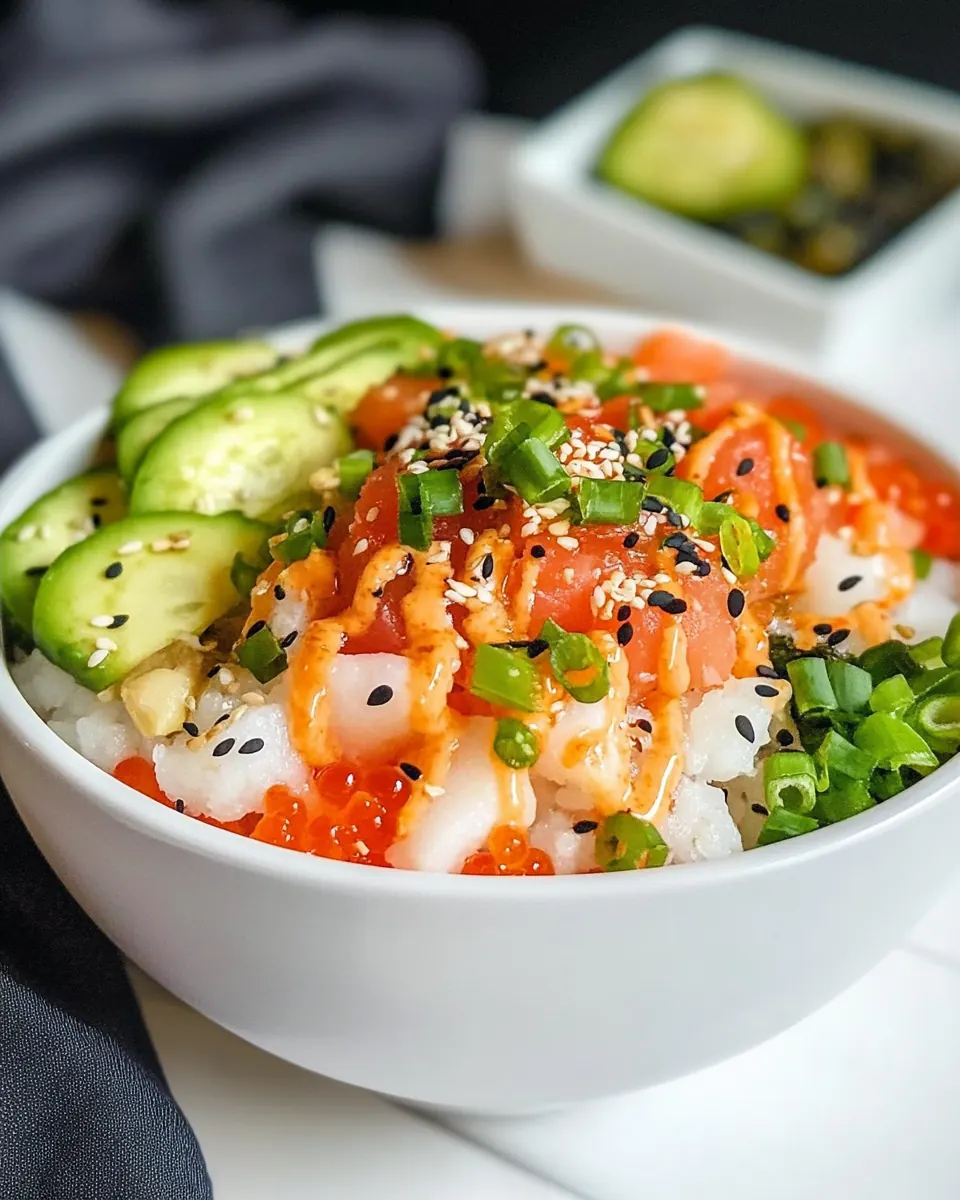
I like to keep these practical hints close when making California Roll Sushi Bowls. They address common pitfalls and ways to elevate the bowls with small changes that make a big difference.
- Rice rinse ritual Always rinse the sushi rice until the water runs clear, this removes surface starch and prevents a gluey final texture.
- Control the simmer Bring rice to a boil, then immediately reduce to low and keep the lid on; steady gentle steam yields even cooking and avoids scorched bottoms.
- Season while warm Fold the vinegar mixture into warm rice so it soaks in and gives glossy, seasoned grains rather than sitting on the surface.
- Mayo mix-ins Make the spicy mayo a little at a time and taste, that way you can balance heat without overpowering the subtle seafood notes.
- Prep components ahead Chop and prepare toppings in advance, but keep avocado last so it stays vibrant and creamy at serving time.
What Complements This California Roll Sushi Bowls
These bowls pair well with light sides and occasions where fresh flavors shine. I often think of them for relaxed lunches, summer dinners, or gatherings where guests assemble their own bowls. They travel well for potlucks if you keep sauces separate, and they fit particularly nicely into warm weather menus when crisp vegetables feel most satisfying.
- Light salads A simple green salad with a citrusy dressing adds brightness and balances the richer mayo element.
- Pickled accompaniments Pickled ginger or quick pickles help cleanse the palate between bites and echo sushi bar traditions.
- Family occasions These are perfect for casual get togethers because everyone can customize their bowl, making them ideal for informal lunches and summer dinners.
- Storage tips Keep rice and wet toppings separate if you must store leftovers; consume within a day, as the rice texture changes over time.
- Seasonal pairing In summer the crisp cucumber and fresh carrot feel especially appropriate, making this a go to during warmer months.
FAQ
Conclusion
What makes this recipe special is how it captures the classic California roll flavors with minimal fuss, delivering layered textures and bright, balanced tastes in a single bowl. It’s approachable for weeknights, flexible for guests with different preferences, and satisfying enough to feel like a treat. Give it a try the next time you want sushi flavors at home without rolling a single piece, and enjoy the pleasure of building each bowl exactly the way you like it.
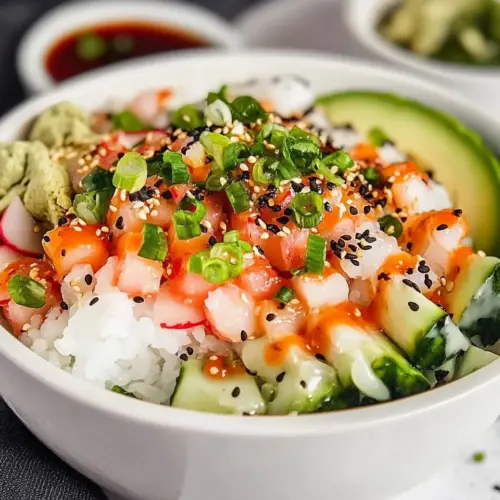
California Roll Sushi Bowls
Equipment
- Fine-mesh strainer
- Saucepan
- Wooden Spoon
Ingredients
- 2 cup s (400 grams) sushi rice like Japanese Calrose rice, uncooked Rinse and cook to create the sticky base for the bowl; sushi rice like Calrose yields the proper chewy texture and helps toppings adhere when seasoned.
- 2 cups (480 ml) water Simmer and absorb to properly cook the rice; precise water measurement ensures fluffy, tender grains without becoming mushy.
- 3 tablespoon (50 ml) rice vinegar Season and brighten the rice; rice vinegar provides the characteristic tang that balances sweetness and enhances overall sushi flavor.
- 2 tablespoons granulated sugar Sweeten and balance the seasoning; granulated sugar dissolves into the vinegar solution to mellow acidity and contribute authentic sushi rice taste.
- 3/4 teaspoon salt Season and enhance flavor depth; salt in the rice seasoning brings out the natural flavors of the rice and other components.
- 1/4 cup (60 grams) mayonnaise preferably Japanese mayo like kewpie Cream and bind spicy elements; Japanese-style mayonnaise gives a rich, slightly sweet creaminess that blends well with sriracha for spicy crab.
- 1 tablespoon sriracha sauce Spice and flavor the mayo mixture; sriracha adds heat and umami to the mayo, creating a zesty dressing for the imitation crab.
- 8 ounces (225 grams) imitation crab chopped into bite-size pieces Provide texture and savory seafood flavor; chopped imitation crab offers bite-size pieces that mimic crab meat while soaking up seasoned mayo and soy.
- 1 cup (120 grams) sliced or diced cucumber Freshen and add crunch to each bite; sliced or diced cucumber introduces crispness and a cool contrast to richer components.
- 1 avocado peeled, pitted, and diced Enrich and add creaminess to the bowl; diced avocado contributes a buttery mouthfeel and mild flavor that complements other ingredients.
- 1 small carrot grated Add color and subtle sweetness; grated carrot gives a crunchy, slightly sweet element and visual contrast to the bowl.
- 1 -2 nori sheets chopped or crumbled Impart sea-salty umami and a slight crispness; chopped or crumbled nori sheets bring authentic sushi-like ocean flavor and texture to the bowl.
- 1 tablespoon sesame seeds a mix of toasted sesame seeds, and black sesame seeds Toast and garnish with nutty crunch; a mix of toasted and black sesame seeds adds aromatic depth, visual contrast, and a pleasant crunch.
- 1/4 cup (60 ml) low-sodium soy sauce Season and provide savory finishing flavor; low-sodium soy sauce delivers salty umami for drizzling or dipping while keeping sodium moderate.
Instructions
- To cook the rice, start by washing it very well. Using a fine mesh strainer, rinse the rice under cool running water for 2 minutes, or until the water runs clear. Drain the rice.: You should sense the cool running water turn from cloudy to clear, that visual cue means surface starches are gone and the rice will cook with a clean texture. Washing reduces stickiness and prevents gummy clumps, which is essential for separate, glossy grains. A common mistake is rushing this step, leaving cloudy water behind which leads to overly sticky rice. Also, be gentle when rinsing; vigorous agitation can break delicate grains.
- Combine the drained rice with water in a saucepan, bring to a boil, cover with the lid and reduce the heat to low, and simmer for 15 minutes without removing the lid. Remove from heat, and do not touch it for 5 minutes. Then remove the lid and fluff it with a wooden spoon.: When you hear the first steady simmer, lower the heat so the rice cooks evenly, and keep the lid on to trap steam. After 15 minutes of quiet bubbling, removing it from heat and letting it rest for 5 minutes allows residual steam to finish the cook, producing tender centers and slightly chewy exteriors. If you lift the lid too soon, the steam escapes and cooking becomes uneven, yielding undercooked pockets. The visual cue to watch for is the pot surface calming, not frantic bubbling.
- In a small bowl or jug, combine the sushi rice seasoning (rice vinegar, sugar, and salt). If needed, warm the mixture in the microwave or over the stove so that the sugar is fully dissolved.: Stir until the sugar and salt are completely dissolved and the mixture glints slightly, that indicates it will spread smoothly through the warm rice. Warming the mixture a bit helps dissolution and keeps the rice from cooling too fast when you combine them. If the sugar feels gritty, the seasoning won’t integrate well and you’ll get uneven flavor pockets, so always dissolve fully before adding.
- Add the mixture to the rice, and stir with a wooden spoon. Set aside, and allow to cool a little.: As you toss, you should hear a faint stirring sound and see the grains become glossy and separated, each one coated in a thin sheen of seasoned vinegar. Using a wooden spoon prevents smashing the grains, preserving texture. A technique mistake is stirring aggressively in a circular chopping motion, which breaks grains; instead gently fold and cut through the rice to distribute the seasoning without mashing.
- To make the spicy mayo, in a small bowl combine the mayo with sriracha, and set aside.: Whisk until the sauce is smooth and the color is uniform, that indicates the heat is evenly distributed. The aroma will be rich and slightly tangy from the mayonnaise, with a peppery lift from the sriracha. Overpowering the mayo with too much sriracha is common, so add a little at a time and taste as you go to maintain balance.
- To assemble the bowl, divide the rice between 4 bowls, and top with crab, cucumber, avocado, carrot, and nori sheets. Sprinkle with sesame seeds, and drizzle with spicy mayo.: As you layer, notice the contrast of textures, the glossy warm sushi rice under the cool, crisp cucumber , the creamy avocado , and the flaky crab . Building the bowl visually makes it appetizing, and arranging ingredients in small clusters helps each bite include multiple components. A frequent misstep is mixing everything together too early, which loses the texture contrasts; keep components separate until serving.
- Serve with soy sauce on the side.: The sesame seeds will add a faint crunch and a toasty fragrance that complements the bowl; the spicy mayo provides richness and subtle heat that ties the elements together. Drizzle in a thin ribbon so each spoonful gets a touch, rather than drowning the ingredients. People sometimes add too much sauce, which masks the delicate balance, so err on the side of restraint and offer extra on the side.
- Serve with soy sauce on the side: Presenting soy sauce separately lets each person control saltiness and intensity. The sound of small dipping bowls being lifted and the sight of someone flicking a bit of soy onto a piece of avocado adds to the convivial experience. Avoid pre-salting the bowl too heavily, because it is much easier to add salt than to remove it once incorporated.
Notes
- Rice rinse ritual Always rinse the sushi rice until the water runs clear, this removes surface starch and prevents a gluey final texture.
- Control the simmer Bring rice to a boil, then immediately reduce to low and keep the lid on; steady gentle steam yields even cooking and avoids scorched bottoms.
- Season while warm Fold the vinegar mixture into warm rice so it soaks in and gives glossy, seasoned grains rather than sitting on the surface.
- Mayo mix-ins Make the spicy mayo a little at a time and taste, that way you can balance heat without overpowering the subtle seafood notes.
- Prep components ahead Chop and prepare toppings in advance, but keep avocado last so it stays vibrant and creamy at serving time.