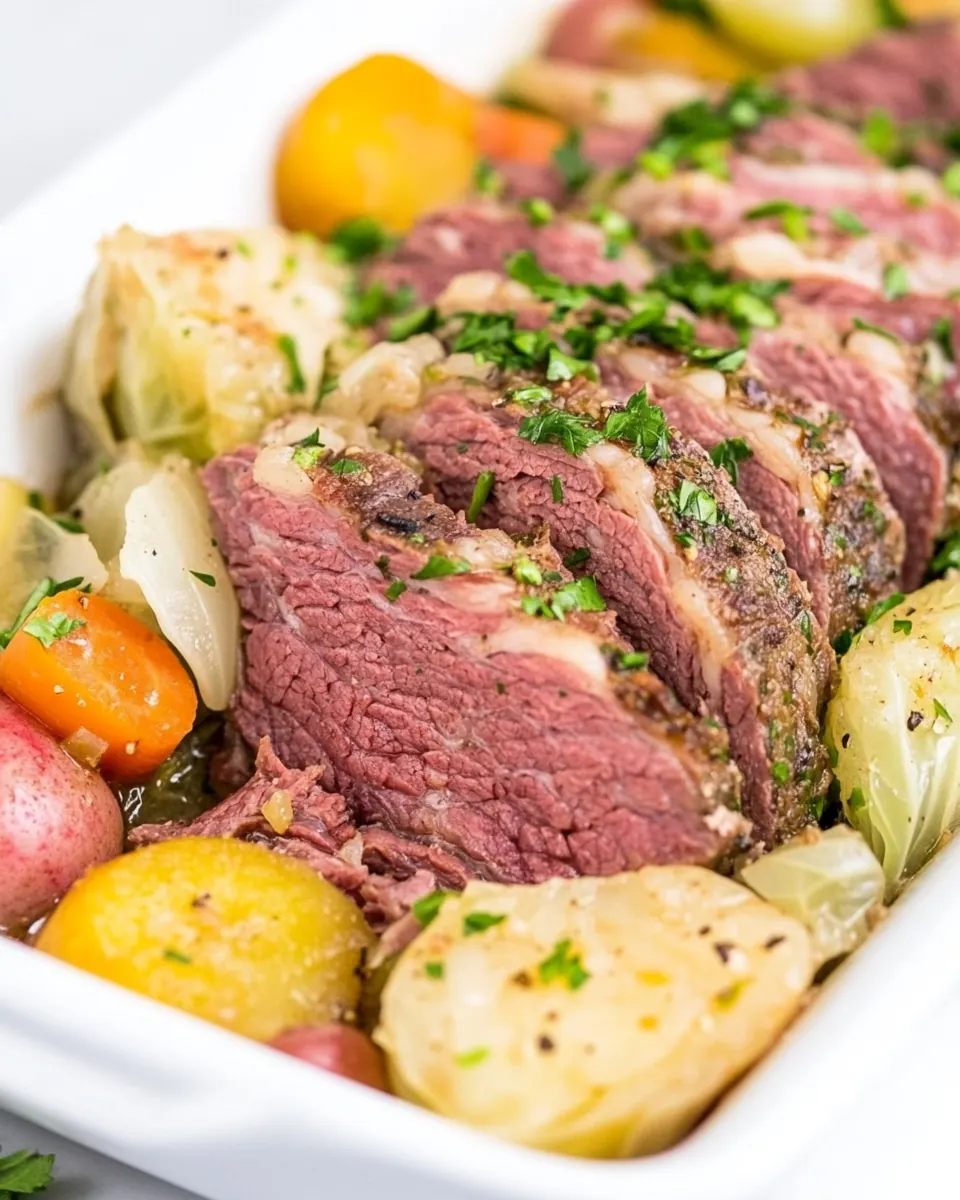
Corned Beef and Cabbage
Corned Beef and Cabbage is the kind of meal I turn to when I want something honest, comforting, and with memories stitched into every forkful. The smell of the slow cooker filling the kitchen with a savory, briny aroma takes me right back to family dinners where everyone gathered around the table after a long winter day. I still remember the soft conversation, the clink of forks, and the way the meat would pull apart tenderly, giving up those deep beefy flavors infused with fragrant bay and garlic.
That first sentence is true for me because this dish has a way of making a house feel like a home. I love how the simple act of layering ingredients in a pot yields a bowl that feels both humble and celebratory. When I make Corned Beef and Cabbage, I often hum a little tune while chopping the vegetables, savoring the ordinary ritual that leads to such warming results. Over time I learned which small moves matter, like letting the meat rest before slicing, and how the vegetables soak up the broth so they carry the same depth as the beef.
On a chilly afternoon, this is the recipe I reach for to feed friends who dropped by unexpectedly, because it is forgiving and feeds a crowd without drama. I’ll admit, sometimes I overcook the carrots a tad, but that only means they become melt in your mouth sweet little bites that contrast nicely with the tang of the corned beef. Each time I serve Corned Beef and Cabbage, I find myself telling the same family stories, and we end up laughing more than we planned.
Recipe Snapshot
8 hr 30 mins
15 mins
495 mins
Hard
400 kcal
American
Gluten-Free, Paleo
Dinner
Slow Cooker, Cutting Board, Chef’s Knife
What Makes This Corned Beef and Cabbage Special
Hearty, Reliable Comfort
I adore how Corned Beef and Cabbage produces a bowl that feels substantial without fuss. The slow, steady cooking transforms a modest corned beef brisket into tender shreds that practically melt on the tongue. I find this very comforting on long winter evenings, when you want something dependable and filling.
One Pot Simplicity
We love recipes that limit cleanup, and this one shines. Everything goes into a single slow cooker, so the flavors marry as they cook. That simplicity means you can focus on conversation or prep a light starter while the main simmers away, which is a real win in my book.
Vegetables that Soak Up Flavor
The way the potatoes, carrots, and cabbage absorb the seasoned broth is magical. They become vessels for the beefy, garlicky notes and provide textural contrast, with soft, yielding potatoes and slightly crisp cabbage wedges if timed right. I always appreciate how the veg carries the essence of the dish.
Flexible Timing for Busy Days
Because it cooks low and slow, this recipe adapts to my schedule. If I need it ready for dinner after a long day, I set it early in the morning. When guests are running late, the slow cooker keeps the meal warm without drying it out. That flexibility has saved many gatherings for me.
Perfect for Sharing and Leftovers
Leftovers are another reason I adore this recipe. Sliced corned beef makes excellent sandwiches the next day, and the vegetables reheat beautifully. I often plan extra on purpose, knowing the second day the flavors deepen even more, making a simple meal feel like something carefully crafted.
Corned Beef and Cabbage Shopping List
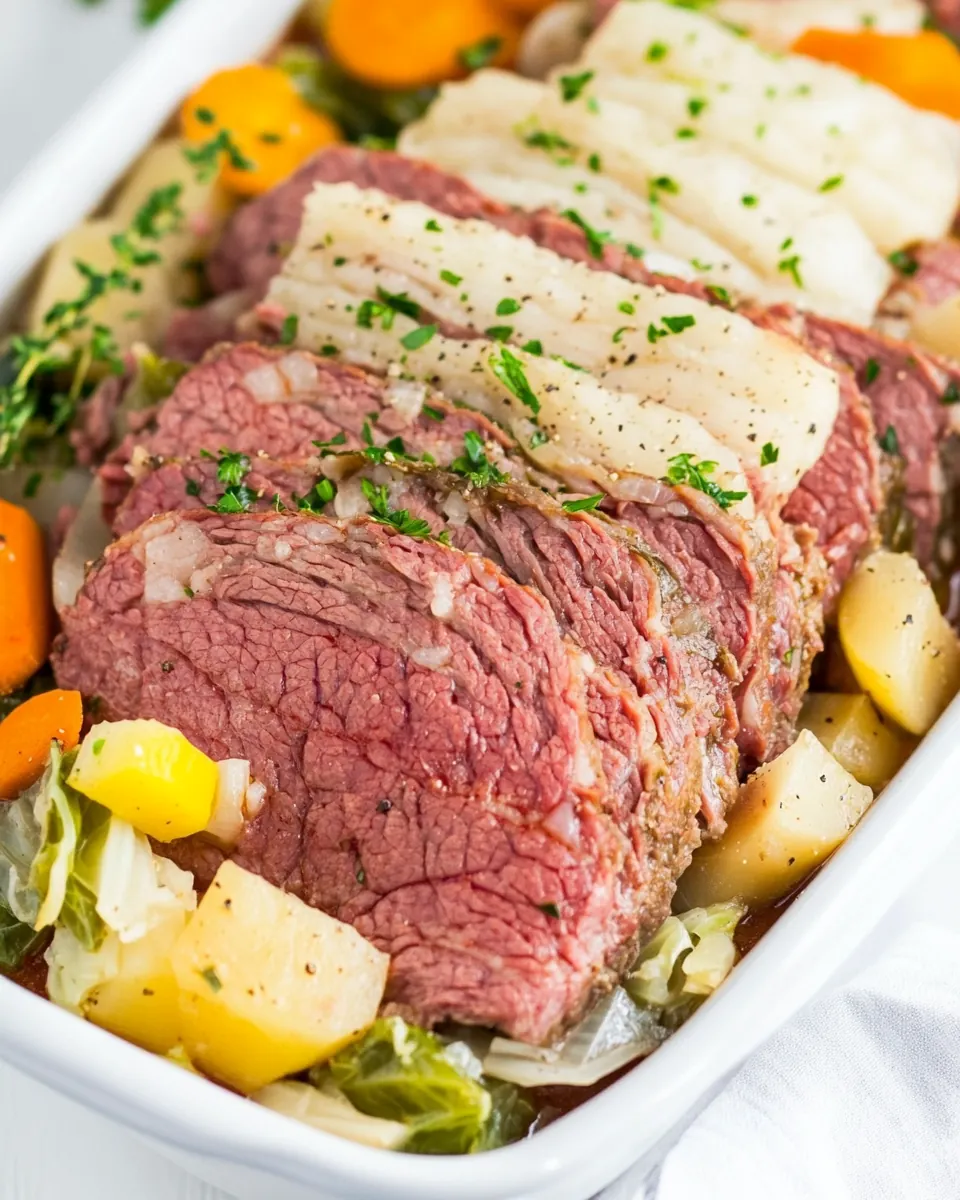
I treat these ingredients as a small ensemble, each with a clear role to play. The corned beef is the star, delivering that salty, savory backbone. The potatoes and carrots soak up the braising liquid and bring soothing texture, while the cabbage adds a lightly sweet, leafy contrast. Aromatics like onion, garlic, and bay leaves do the heavy lifting for fragrance, tying everything together into a warm, comforting whole.
- 3 4 pounds corned beef brisket with seasoning packet: Brine-soaked and flavorful, provides the primary savory, salty, and spiced foundation for the dish; cook slowly to render fat and tenderize the meat while infusing the cooking liquid with its characteristic corned–beef flavor. Include the seasoning packet during simmering to release pickling spices that deepen the broth and complement the vegetables.
- 1 onion chopped: Aromatic and slightly sweet when cooked, adds depth and a mild savory backbone to the braising liquid; chop fairly uniformly so it softens and melds into the sauce during the long simmer. Sauté briefly if desired before adding broth to bloom flavor, or add raw to cook down with the meat.
- 3 cloves garlic minced: Pungent and savory, contributes a bright, garlicky note that balances the rich meat and broth; mince to distribute flavor evenly throughout the pot. Add early in cooking to mellow and infuse the liquid, or later for a sharper garlic presence depending on taste.
- 2 bay leaves: Herbaceous and mildly floral, imparts a subtle background aroma that enhances the overall savory profile; add whole and remove before serving if preferred. Use two leaves to provide a gentle bay flavor without overwhelming the other seasonings.
- 3 cups beef broth: Liquid base and umami carrier, supplies moisture for braising while concentrating flavors from the meat and aromatics; choose beef broth for a richer, complementary stock. Pour enough to partially submerge the brisket and allow vegetables to simmer tenderly in the resulting cooking liquid.
- 2 pounds potatoes red or Yukon gold potatoes, peeled and quartered: Starchy and hearty, absorbs flavors from the broth and meat while providing a tender, comforting texture; peel and quarter for even cooking. Use red or Yukon gold varieties to maintain shape and yield creamy, buttery bites after simmering.
- 2 large carrots chopped: Sweet and earthy, offers body, color, and a natural sweetness that contrasts the salty meat; chop into sizable pieces so they roast or simmer to a tender consistency alongside the potatoes. Add carrots early enough to become fork-tender without disintegrating into the broth.
- 1 small head of cabbage cut into 6 wedges: Crisp and mildly bitter when raw, becomes tender and subtly sweet when braised, rounding out the meal with a light, vegetal component; cut into wedges to cook evenly and retain structure. Add near the end of cooking so the cabbage softens but still holds its wedge shape and texture.
Making This Corned Beef and Cabbage
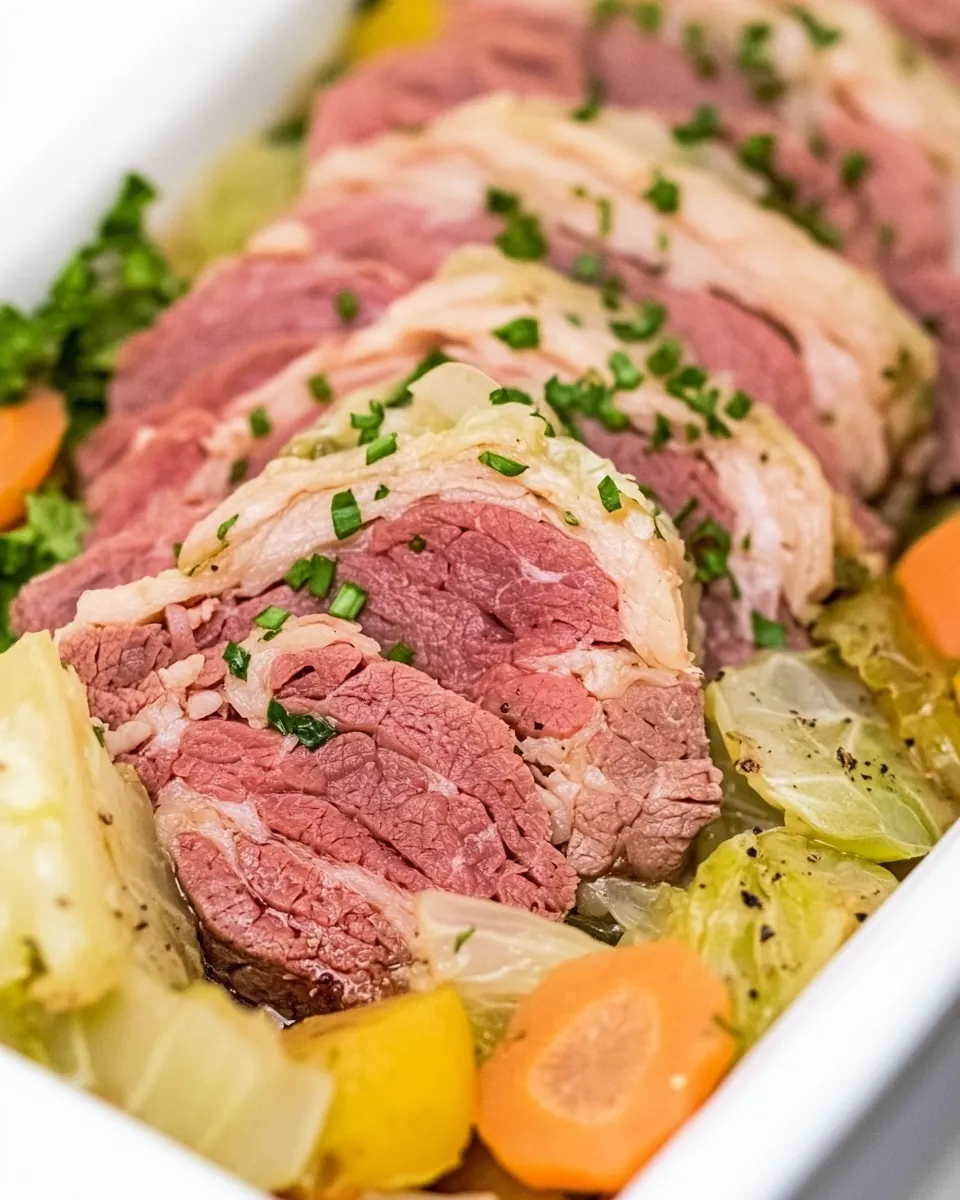
This recipe moves simply from prep to a patient slow cook. The steps below expand on each instruction with sensory cues, the reasons behind the moves, and common pitfalls to avoid so you can trust the result. Read each step before you begin so you have a clear sense of timing and texture.
- Chop onion into bite size pieces and place in the bottom of a 6 quart slow cooker. Top with corned beef and seasoning packet.: Right away you will notice the fragrant sweetness of the onion as you chop, and when it hits the bottom of the cooker it forms a soft aromatic bed that helps distribute heat and prevent the bottom from scorching. This layer is important because it catches any rendered juices from the corned beef , creating a more flavorful base for the broth. Expect the scent to shift from sharp to mellow as the cooker warms, which indicates the onions are softening. A frequent mistake here is chopping unevenly; tiny slivers will dissolve while large chunks will remain firm, so aim for uniform bite sized pieces.
- Add the potatoes and carrots to the slow cooker. Then pour the beef broth into the slow cooker. Add garlic and bay leaves.: The moment you nestle the corned beef into the cooker and add the seasoning packet, the air fills with the pickling spice aroma from the packet, a heady mix of mustard seeds and peppercorns. Positioning the meat right on the onions allows the flavors to meld as fat and juices render down. Why this matters is texture and infusion, the brisket slowly accepting the spice profile. A common error is leaving the seasoning packet aside; using it ensures that classic corned beef personality, so tuck it in with the meat for even flavor distribution.
- Cover slow cooker and cook on low for 8-10 hours.: Adding the potatoes and carrots now gives them plenty of time to absorb savory notes. As they submerge, you will see the broth bubble gently when the cooker reaches temperature, and the veg will swell slightly as they soak up that liquid. The goal is tenderness with structure, not a collapsed mash, so cut the vegetables into consistent pieces. One mistake people make is overcrowding the cooker which can lead to uneven cooking; leave a bit of space for heat circulation.
- Two hours before serving, add cabbage wedges to the slow cooker.: Pouring in the beef broth adds the primary cooking medium, and you will hear a soft hiss as it settles around the meat and veg. The broth balances the salt from the brisket, and it is what steeps the seasoning packet into every ingredient. Pay attention to the level, you want liquid reaching around the ingredients without drowning them entirely, which helps concentration of flavor. A slip here is using low quality broth, which creates a thinner tasting final dish, so choose a rich broth for depth.
- When cooking time is done, remove corned beef from the slow cooker and let rest 15 minutes before slicing against the grain. Serve with potatoes, carrots and cabbage.: When you tuck in the minced garlic and the bay leaves , the aroma becomes layered and complex, moving from sweet onion to garlicky warmth and an earthy bay note. These aromatics subtly elevate the broth over the long cook, giving backtones that mature with time. Avoid adding too many bay leaves, which can overpower with a medicinal bitterness, and remove them before serving to prevent an unexpected chew.
- Cover slow cooker and cook on low for 8 to 10 hours: As the cooker hums away on low, the scent evolves into a deep, savory perfume. The low slow heat breaks down collagen in the brisket, turning it tender and succulent. You want the meat to reach a point where a fork slides in and there is gentle resistance before it yields, a sign collagen has gelatinized nicely. Common pitfalls include switching to high heat to rush the process, which can toughen beef and dry out the veg; patience yields the best texture here.
- Two hours before serving, add cabbage wedges to the slow cooker: When you add the cabbage two hours before the end, you will notice its leaves begin to soften but still hold shape, soaking up the cooking liquid without turning to mush. This timing gives the cabbage a tender crunch and prevents it from becoming overly limp. The correct feel is slightly yielding with structure, and a mistake is adding it too early which results in a faded, overly soft vegetable.
- When cooking time is done, remove corned beef from the slow cooker and let rest 15 minutes before slicing against the grain: At the finish, lifting the corned beef out will release a rich steam and a perfume that signals readiness. Resting for 15 minutes lets the juices redistribute rather than running out when sliced, keeping each slice moist. Slice against the grain to shorten muscle fibers so each piece is tender. A usual error is slicing too soon, which causes juices to spill and the meat to be less succulent, so the rest is important.
- Serve with potatoes, carrots and cabbage: Arrange plated portions with generous helpings of the softened potatoes , sweet carrots , and wedge shaped cabbage , each soaked in the savory broth. You will notice the balance between the salty, meaty slices and the mellowed vegetables, a combination that feels both grounding and nuanced. If anything tastes flat, a small spoon of the cooking broth spooned over will refresh the dish, whereas over salting can not be undone easily, so taste before adjusting.
Helpful Hints
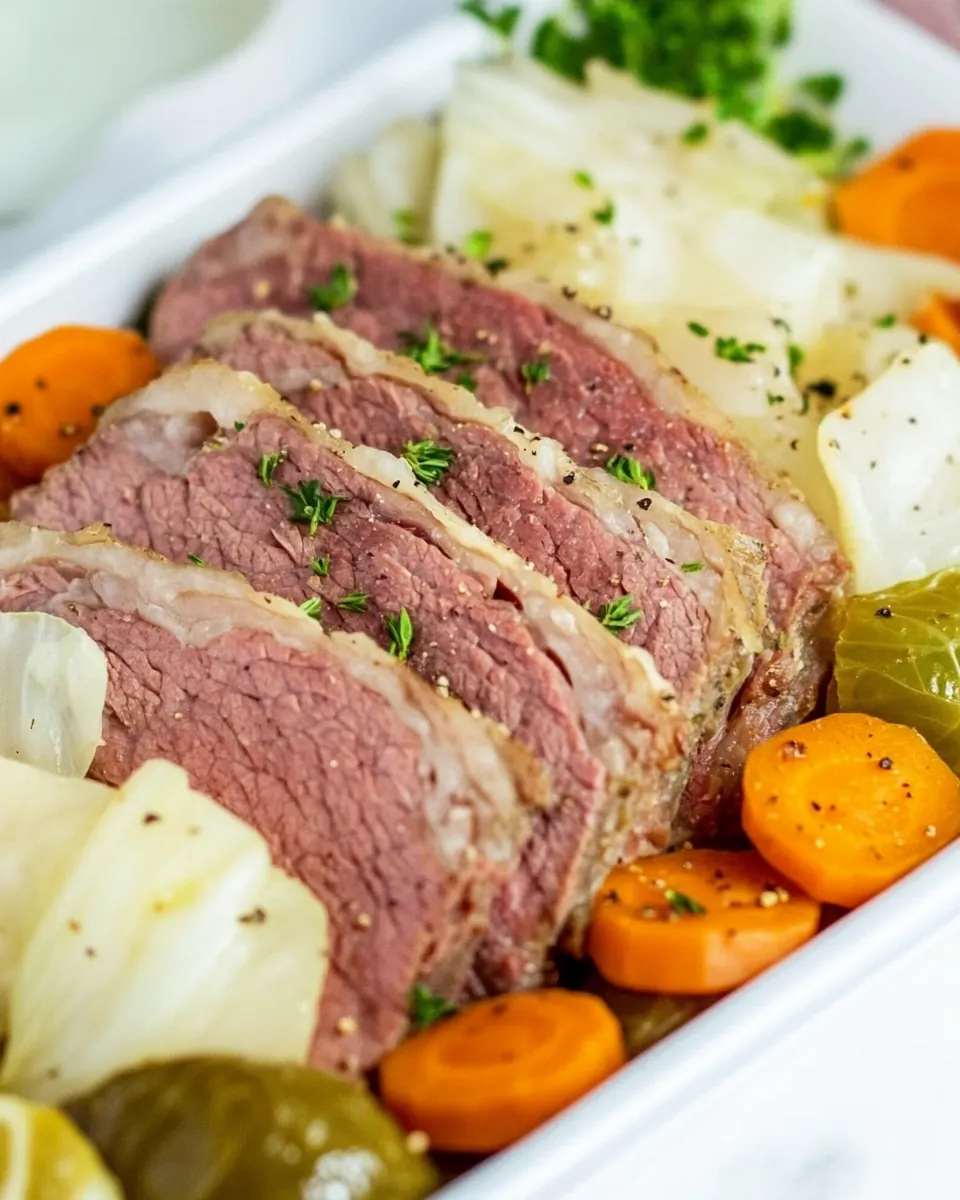
This collection of tips will help you get predictable results with Corned Beef and Cabbage. I expand each note into practical steps you can follow, because small adjustments often create the biggest improvements in comfort food like this.
- Use the seasoning packet: The included packet contains pickling spices that define the dish, so include it with the meat to ensure that classic flavor foundation.
- Low and slow matters: Cooking on low for an extended time breaks down tough fibers and unlocks gelatin, creating a tender, juicy brisket that high heat cannot replicate.
- Space ingredients: Avoid overfilling the slow cooker, because crowded ingredients can cook unevenly; leave room for heat circulation to ensure even tenderness.
- Timing for cabbage: Add cabbage late to preserve texture and avoid over softening, which keeps a pleasant bite that balances the tender potatoes and meat.
- Rest before slicing: Let the cooked brisket rest for about 15 minutes so juices redistribute, yielding moist slices rather than a dry cut.
- Store leftovers smartly: Chill in airtight containers for three to four days, or slice thin and freeze for future sandwiches, thawing slowly in the fridge before reheating.
What to Serve With Corned Beef and Cabbage
This dish stands well on its own, but thoughtful accompaniments can elevate the meal. Consider simple, fresh touches and flexible sides that complement the savory brisket and vegetable medley. Below are practical serving ideas, storage notes, and occasion suggestions written as a list so you can pick what suits your table.
- Classic mustard: A spoonful of grainy mustard alongside slices of the corned beef brightens each bite and offers a pleasing tang against the rich meat.
- Crusty bread or rolls: Warm rolls help soak up the broth and make the meal feel more substantial for a family dinner or casual gathering.
- Simple green salad: A crisp salad with a light vinaigrette provides contrast in texture and freshness, cutting through the richness of the dish.
- Occasions: This recipe works beautifully for winter dinners, casual Sunday meals, and holiday gatherings where you need a comforting center piece that feeds a group.
- Storage tips: Refrigerate leftovers in airtight containers for three to four days, or freeze sliced beef for up to two months, thawing slowly before reheating.
- Reheating suggestions: Rewarm gently in the oven with a bit of broth at 350 degrees Fahrenheit until heated through, which helps preserve moisture and texture.
- Seasonal pairings: In cold months, pair with roasted root vegetables or boiled new potatoes; in milder weather, pair with brighter sides like a lemony slaw to lift the plate.
FAQ
Conclusion
What makes this Corned Beef and Cabbage special is its straightforward, slow cooked depth, where a simple set of ingredients transforms into a richly flavored, comforting meal. The interplay of tender brisket and vegetables soaked in savory broth creates a satisfying plate that feels both nostalgic and robust. Give it a try on a chilly day or when you need a warm, crowd pleasing dish, and enjoy the ease of a one pot meal that also shines as leftovers. I hope it becomes one of your reliable go to recipes for feeding family and friends.
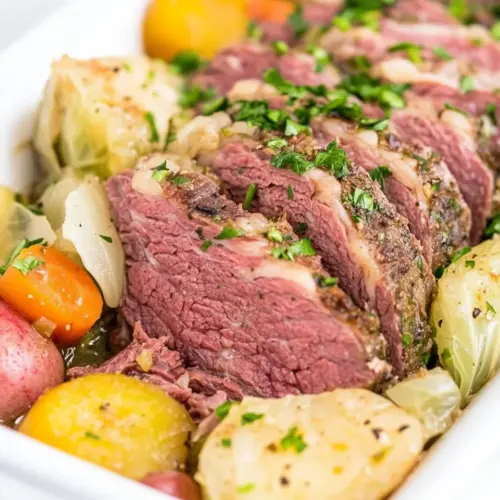
Corned Beef and Cabbage
Equipment
- Slow Cooker
- Cutting Board
- Chef's Knife
Ingredients
- 3 -4 pounds corned beef brisket with seasoning packet Brine-soaked and flavorful, provides the primary savory, salty, and spiced foundation for the dish; cook slowly to render fat and tenderize the meat while infusing the cooking liquid with its characteristic corned-beef flavor. Include the seasoning packet during simmering to release pickling spices that deepen the broth and complement the vegetables.
- 1 onion chopped Aromatic and slightly sweet when cooked, adds depth and a mild savory backbone to the braising liquid; chop fairly uniformly so it softens and melds into the sauce during the long simmer. Sauté briefly if desired before adding broth to bloom flavor, or add raw to cook down with the meat.
- 3 cloves garlic minced Pungent and savory, contributes a bright, garlicky note that balances the rich meat and broth; mince to distribute flavor evenly throughout the pot. Add early in cooking to mellow and infuse the liquid, or later for a sharper garlic presence depending on taste.
- 2 bay leaves Herbaceous and mildly floral, imparts a subtle background aroma that enhances the overall savory profile; add whole and remove before serving if preferred. Use two leaves to provide a gentle bay flavor without overwhelming the other seasonings.
- 3 cups beef broth Liquid base and umami carrier, supplies moisture for braising while concentrating flavors from the meat and aromatics; choose beef broth for a richer, complementary stock. Pour enough to partially submerge the brisket and allow vegetables to simmer tenderly in the resulting cooking liquid.
- 2 pounds potatoes red or Yukon gold potatoes, peeled and quartered Starchy and hearty, absorbs flavors from the broth and meat while providing a tender, comforting texture; peel and quarter for even cooking. Use red or Yukon gold varieties to maintain shape and yield creamy, buttery bites after simmering.
- 2 large carrots chopped Sweet and earthy, offers body, color, and a natural sweetness that contrasts the salty meat; chop into sizable pieces so they roast or simmer to a tender consistency alongside the potatoes. Add carrots early enough to become fork-tender without disintegrating into the broth.
- 1 small head of cabbage cut into 6 wedges Crisp and mildly bitter when raw, becomes tender and subtly sweet when braised, rounding out the meal with a light, vegetal component; cut into wedges to cook evenly and retain structure. Add near the end of cooking so the cabbage softens but still holds its wedge shape and texture.
Instructions
- Chop onion into bite size pieces and place in the bottom of a 6 quart slow cooker. Top with corned beef and seasoning packet.: Right away you will notice the fragrant sweetness of the onion as you chop, and when it hits the bottom of the cooker it forms a soft aromatic bed that helps distribute heat and prevent the bottom from scorching. This layer is important because it catches any rendered juices from the corned beef , creating a more flavorful base for the broth. Expect the scent to shift from sharp to mellow as the cooker warms, which indicates the onions are softening. A frequent mistake here is chopping unevenly; tiny slivers will dissolve while large chunks will remain firm, so aim for uniform bite sized pieces.
- Add the potatoes and carrots to the slow cooker. Then pour the beef broth into the slow cooker. Add garlic and bay leaves.: The moment you nestle the corned beef into the cooker and add the seasoning packet, the air fills with the pickling spice aroma from the packet, a heady mix of mustard seeds and peppercorns. Positioning the meat right on the onions allows the flavors to meld as fat and juices render down. Why this matters is texture and infusion, the brisket slowly accepting the spice profile. A common error is leaving the seasoning packet aside; using it ensures that classic corned beef personality, so tuck it in with the meat for even flavor distribution.
- Cover slow cooker and cook on low for 8-10 hours.: Adding the potatoes and carrots now gives them plenty of time to absorb savory notes. As they submerge, you will see the broth bubble gently when the cooker reaches temperature, and the veg will swell slightly as they soak up that liquid. The goal is tenderness with structure, not a collapsed mash, so cut the vegetables into consistent pieces. One mistake people make is overcrowding the cooker which can lead to uneven cooking; leave a bit of space for heat circulation.
- Two hours before serving, add cabbage wedges to the slow cooker.: Pouring in the beef broth adds the primary cooking medium, and you will hear a soft hiss as it settles around the meat and veg. The broth balances the salt from the brisket, and it is what steeps the seasoning packet into every ingredient. Pay attention to the level, you want liquid reaching around the ingredients without drowning them entirely, which helps concentration of flavor. A slip here is using low quality broth, which creates a thinner tasting final dish, so choose a rich broth for depth.
- When cooking time is done, remove corned beef from the slow cooker and let rest 15 minutes before slicing against the grain. Serve with potatoes, carrots and cabbage.: When you tuck in the minced garlic and the bay leaves , the aroma becomes layered and complex, moving from sweet onion to garlicky warmth and an earthy bay note. These aromatics subtly elevate the broth over the long cook, giving backtones that mature with time. Avoid adding too many bay leaves, which can overpower with a medicinal bitterness, and remove them before serving to prevent an unexpected chew.
- Cover slow cooker and cook on low for 8 to 10 hours: As the cooker hums away on low, the scent evolves into a deep, savory perfume. The low slow heat breaks down collagen in the brisket, turning it tender and succulent. You want the meat to reach a point where a fork slides in and there is gentle resistance before it yields, a sign collagen has gelatinized nicely. Common pitfalls include switching to high heat to rush the process, which can toughen beef and dry out the veg; patience yields the best texture here.
- Two hours before serving, add cabbage wedges to the slow cooker: When you add the cabbage two hours before the end, you will notice its leaves begin to soften but still hold shape, soaking up the cooking liquid without turning to mush. This timing gives the cabbage a tender crunch and prevents it from becoming overly limp. The correct feel is slightly yielding with structure, and a mistake is adding it too early which results in a faded, overly soft vegetable.
- When cooking time is done, remove corned beef from the slow cooker and let rest 15 minutes before slicing against the grain: At the finish, lifting the corned beef out will release a rich steam and a perfume that signals readiness. Resting for 15 minutes lets the juices redistribute rather than running out when sliced, keeping each slice moist. Slice against the grain to shorten muscle fibers so each piece is tender. A usual error is slicing too soon, which causes juices to spill and the meat to be less succulent, so the rest is important.
- Serve with potatoes, carrots and cabbage: Arrange plated portions with generous helpings of the softened potatoes , sweet carrots , and wedge shaped cabbage , each soaked in the savory broth. You will notice the balance between the salty, meaty slices and the mellowed vegetables, a combination that feels both grounding and nuanced. If anything tastes flat, a small spoon of the cooking broth spooned over will refresh the dish, whereas over salting can not be undone easily, so taste before adjusting.
Notes
- Use the seasoning packet: The included packet contains pickling spices that define the dish, so include it with the meat to ensure that classic flavor foundation.
- Low and slow matters: Cooking on low for an extended time breaks down tough fibers and unlocks gelatin, creating a tender, juicy brisket that high heat cannot replicate.
- Space ingredients: Avoid overfilling the slow cooker, because crowded ingredients can cook unevenly; leave room for heat circulation to ensure even tenderness.
- Timing for cabbage: Add cabbage late to preserve texture and avoid over softening, which keeps a pleasant bite that balances the tender potatoes and meat.
- Rest before slicing: Let the cooked brisket rest for about 15 minutes so juices redistribute, yielding moist slices rather than a dry cut.
- Store leftovers smartly: Chill in airtight containers for three to four days, or slice thin and freeze for future sandwiches, thawing slowly in the fridge before reheating.