
Instant Pot Macaroni and Cheese
Instant Pot Macaroni and Cheese is the sort of recipe I reach for on nights when life is loud and I want comfort without ceremony. I still remember the first time I tossed pasta and a handful of seasonings into the pot, closed the lid, and wandered off to fold laundry, thinking this would be a quick experiment. When I came back the kitchen smelled warm and savory, and the noodles gleamed in a creamy sauce that reminded me of childhood dinners with a grown up twist.
That evening taught me to trust simple techniques and good ingredients. I love how pasta transforms under pressure, how a tiny amount of butter smooths the sauce, and how a mix of Cheddar cheese and Monterey Jack cheese gives both backbone and silk. After a few tries, I learned to read the pot more than the clock, noticing the subtle milky foam that signals readiness and the satisfying stretch when the cheese is properly melted. Those small cues keep me calm, even when I have kids asking for snacks in rapid succession.
Now, this version of Instant Pot Macaroni and Cheese lives in my regular rotation. It’s a one pot solution that feels indulgent without being fussy. I’ll tell you honestly, it took me a handful of attempts to get the texture I wanted but once I dialed the water, timing, and the cheese mix, it became reliably creamy every time. Serve it straight from the pot, and you’ll understand why it’s become my go to for busy weeknights and cozy winter evenings alike.
Recipe Snapshot
15 mins
5 mins
10 mins
Easy
400 kcal
American
Gluten-Free, Low FODMAP
Dinner
Instant Pot, Colander, Measuring cups
Why This Instant Pot Macaroni and Cheese Stands Out
Effortless Comfort Food
I adore how Instant Pot Macaroni and Cheese turns pantry staples into something that feels special. With just a few moments of active work, the pressure cooker handles the heavy lifting, delivering pasta that is tender yet resilient. For me, that convenience is a game changer on hectic evenings.
Reliable Texture Every Time
Using an electric pressure cooker gives consistent heat and timing, which means you avoid gummy or undercooked noodles. I trust the method because it reduces guesswork, and that consistent result makes serving less stressful when I have hungry guests or family members waiting.
Balanced, Bold Flavor
Small touches like dry mustard powder and a splash of hot sauce lift the cheese forward without overpowering it. I like recipes that layer flavors quietly, and this one does exactly that. Each bite has a subtle tang and warmth that keeps you coming back.
Family Friendly Yet Flexible
This dish feels like a hug for dinner time, but it is also forgiving. If someone prefers creamier texture, a little more milk or half and half smooths the sauce. If you want a touch more bite, a sharper Cheddar cheese does the trick. I appreciate recipes that let me adapt on the fly without breaking the end result.
Speed Without Sacrifice
We all want dinner fast and satisfying. I love that Instant Pot Macaroni and Cheese offers both, so I can spend minimal time prepping and still serve something cozy and rich. That balance is why I keep coming back to this method.
Everything You Need for Instant Pot Macaroni and Cheese
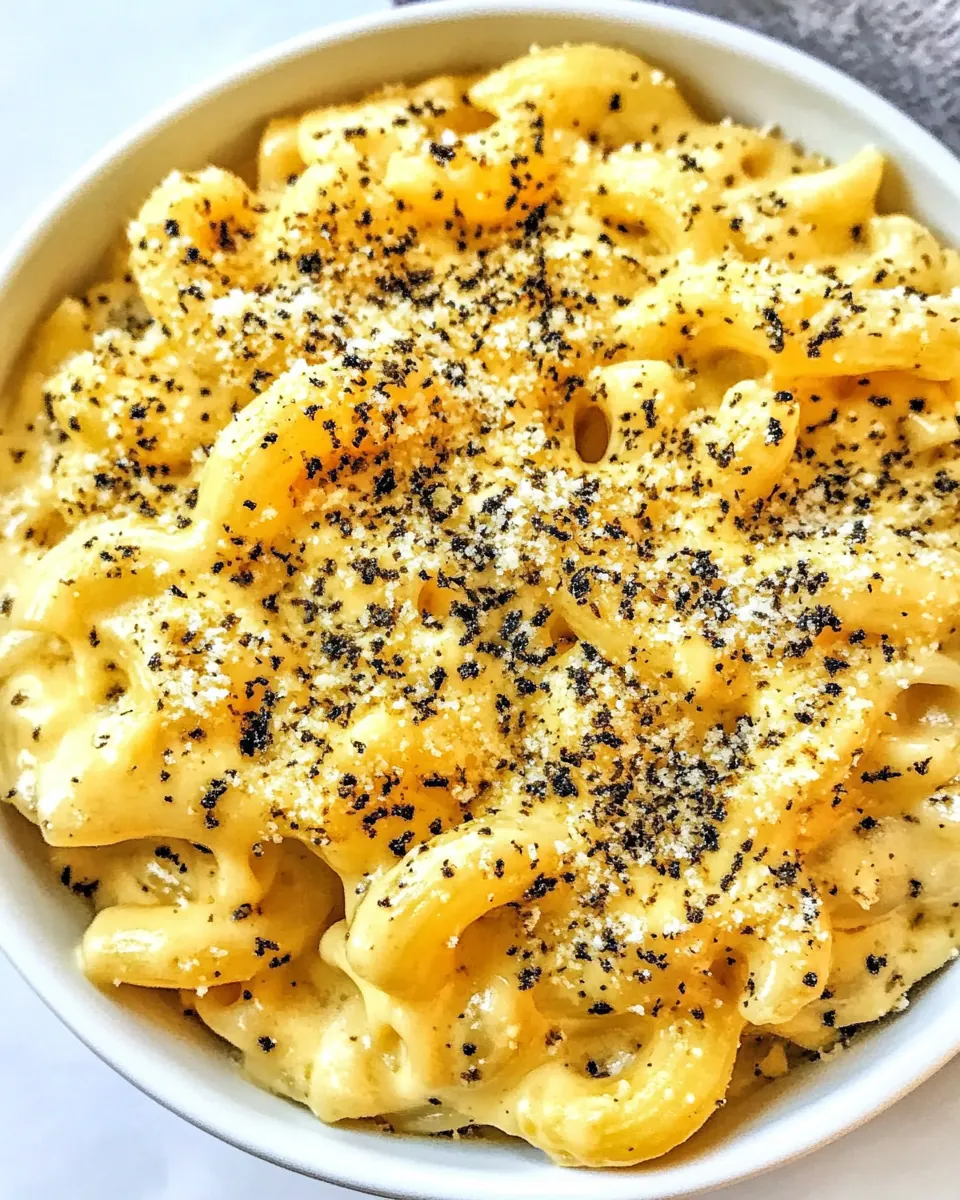
The philosophy behind these ingredients is simple, functional, and tuned for comfort. Each item plays a distinct role: the pasta forms the base and provides chew, the water cooks the noodles under pressure, the butter and milk build a silky texture, and the cheeses create flavor depth and body. A touch of dry mustard powder brightens the cheese, while a dash of hot sauce adds a subtle lift to keep the dish from tasting flat.
- 1 pound pasta (note all boxes are not 1 pound, also you need to use regular pasta, gluten-free, and other pasta will not work): Boil to provide the base starch that absorbs liquid and carries the cheese sauce; cook to al dente so it retains structure after pressure cooking and reheating.
- 1 teaspoon hot sauce: Introduce heat to brighten and balance the richness; add sparingly and taste to achieve a subtle tang without overpowering the cheese.
- 2 tablespoons butter: Melt to create a silky, cohesive sauce and add richness; whisk in at the end so it emulsifies with the milk and cheese for creaminess.
- 1 tablespoon dry mustard powder: Powder to add a sharp, slightly tangy depth that enhances the cheese flavor; sprinkle into the liquid early so it rehydrates and distributes evenly.
- 4 cups water: Boil to hydrate and cook the pasta under pressure while dissolving other dry components; measure accurately to ensure correct cooking time and sauce consistency.
- 1 cup milk or half and half: Enrich to create a creamy mouthfeel and stabilize the sauce; warm slightly before adding so it blends smoothly with melted cheese without seizing.
- 1 pound Cheddar cheese: Melt to supply the primary savory, sharp cheddar flavor and body; grate finely so it melts quickly and contributes to a smooth, cheesy texture.
- 1 cup Monterey Jack cheese: Melt to add a mild, creamy stretch and mellow flavor that balances the sharper cheddar; grate and stir in gradually for an even, gooey finish.
Instant Pot Macaroni and Cheese Instructions

I like to approach the cooking with a relaxed focus, listening for the cues the pot gives me. The pressure method is forgiving, but small details influence texture and final creaminess. Below, I expand the listed directions into steps you can follow with confidence.
- Place the following in the instant pot: the pasta, water, dry mustard, and hot sauce. Pressure cook on high for 4 minutes. Perform a quick release on the pasta. If the Instant Pot sputters out a milky liquid, wait 4 to 5 minutes before performing the quick release.: the pasta, water, dry mustard, and hot sauce : The aroma as you add water and dry mustard powder is subtle and earthy, while the tiny splash of hot sauce will not dominate but will lift the whole pot. I like to spread the pasta evenly so it sits mostly flat in the liquid, which promotes uniform cooking. A common misstep is piling pasta vertically which can cause uneven doneness or clumping. If you notice pockets of dry pasta above the water, press them gently to submerge; you should see steam start to gather on the inner lid when the pot comes to pressure.
- If the pasta needs to be drained, drain the pasta and place the pasta back into the pot.: When the cooker comes to pressure you may hear a steady hum and a faint metallic click as the mechanism engages. The 4 minute high pressure window allows the pasta to soften quickly while retaining some bite. This short, intense cooking produces noodles that hold their shape rather than turning mushy. Avoid increasing time thinking it will make it softer, because overcooking under pressure is the fastest route to gluey texture. If your pot takes longer than expected to reach pressure, that is fine, just start your timer once pressure is reached.
- Stir in butter, cheese, hot sauce, and milk and allow the cheese to melt. Serve promptly.: You will hear a rushing hiss as steam escapes during the quick release. That sound signals rapid depressurization and the end of the cooking phase. After releasing, carefully open the lid away from your face to avoid hot steam. A typical mistake is to leave the release running too long which can blow foamy starchy liquid out of the valve; if you see sputtering, stop and wait one to two minutes before finishing the release.
- If the Instant Pot sputters out a milky liquid, wait 4 to 5 minutes before performing the quick release: When the pot sputters with a frothy, milky foam it means starch is boiling vigorously and may clog the vent. The kitchen will smell faintly sweet and the pot may gurgle. Waiting allows the foam to settle and reduces the chance of a messy release. Rushing this step can lead to a messy countertop and potential safety concerns. Be patient, and you'll avoid that sputter related spray.
- If the pasta needs to be drained, drain the pasta and place the pasta back into the pot: As you drain, notice the weight and texture of the cooked pasta ; it should feel tender with slight resistance. Return the noodles to the inner pot while they are hot so they readily absorb the melting cheese and butter . A common error is rinsing the pasta under cold water, which strips starch and reduces sauce adhesion. Keep the three quarter cup of cooking liquid or add a splash of reserved water if the pasta seems dry when you stir in the dairy.
- Stir in butter, cheese, hot sauce, and milk and allow the cheese to melt: The immediate sensory moment here is the glossy shine as the butter and milk blend with the grated Cheddar cheese and Monterey Jack cheese . Use a gentle folding motion to combine, and pause to watch the sauce become smooth and elastic. If the cheese seems grainy, lower the heat and add a splash more milk , stirring until it becomes silky. One mistake I see is adding cold cheese straight from the fridge, which can slow melting and make the sauce clump; grate and bring ingredients closer to room temperature if possible. Serve promptly to enjoy the ideal creamy mouthfeel.
Pro Tips and Tweaks

I keep these pro tips close at hand whenever I make Instant Pot Macaroni and Cheese. They help with timing, texture, and the little details that make the dish feel professional. A few adjustments will let you customize richness and mouthfeel without risking the base recipe.
- Choose the right pasta, semolina based shapes maintain their texture under pressure and absorb sauce well, while alternative flours often fall apart.
- Grate cheese fresh, freshly grated Cheddar cheese and Monterey Jack cheese melt smoother than pre shredded varieties that include anti caking agents.
- Bring dairy closer to room temperature, adding cold milk or cheese straight from the fridge can slow melting and create a grainy sauce.
- Watch the quick release, if you see foamy sputtering, stop the release and let the pot rest to avoid messy spills from the valve.
- Adjust creaminess with milk, add a splash more milk or half and half after mixing if the sauce feels too thick or the pasta has absorbed too much liquid.
- Use unsalted butter if you want tighter control over seasoning, then finish with a pinch of salt at the end.
Best Served With
Instant Pot Macaroni and Cheese pairs beautifully with simple sides and makes a cozy centerpiece for family meals. Consider the serving context and temperature, and plan accompaniments that contrast texture and brightness. Below are serving ideas, storage notes, and occasion suggestions to help you present it well.
- Casual family dinner, serve the dish hot from the pot with a spoon on the side so everyone can help themselves. The creamy texture is perfect for kids and adults alike, and the pot style presentation keeps things relaxed and communal.
- Weeknight comfort, pair with a crisp green salad for contrast. The crunchy freshness offsets the rich mouthfeel of the cheese, creating a balanced plate for an easy weeknight meal.
- Potluck friendly, keep the mac and cheese warm in a slow cooker insert for serving. Transfer to an insulated carrier for travel, and finish by stirring in a little extra milk if it thickens while waiting to serve.
- Storage tips, refrigerate leftovers in an airtight container for up to three days. Reheat gently on low heat with a splash of milk to revive creaminess, stirring frequently to prevent sticking.
- Seasonal occasions, this recipe is comforting in the cooler months like winter, when warm, hearty dishes feel most welcome at the table. It also works for casual holiday sides when you need a familiar crowd pleaser.
- Serving style, for a family style presentation, serve directly from the pot and let guests scoop onto plates. For a more finished look, transfer to an oven safe dish and top with breadcrumbs before broiling briefly, watching carefully to avoid burning.
FAQ
Conclusion
This Instant Pot Macaroni and Cheese stands out because it delivers a truly creamy, reliable result with minimal fuss. The pressure cooking method brings the pasta to the right texture quickly, while the combination of Cheddar cheese and Monterey Jack cheese creates a pleasing balance of flavor and melt. Give it a try on a busy weeknight or a cold winter evening, and you may find it becomes a comforting staple in your rotation. I hope this recipe brings the same warm, easy satisfaction it has brought to my table time and time again.

Instant Pot Macaroni and Cheese
Equipment
- Instant Pot
- Colander
- Measuring Cups
Ingredients
- 1 pound pasta (note all boxes are not 1 pound, also you need to use regular pasta, gluten-free, and other pasta will not work) Boil to provide the base starch that absorbs liquid and carries the cheese sauce; cook to al dente so it retains structure after pressure cooking and reheating.
- 1 teaspoon hot sauce Introduce heat to brighten and balance the richness; add sparingly and taste to achieve a subtle tang without overpowering the cheese.
- 2 tablespoons butter Melt to create a silky, cohesive sauce and add richness; whisk in at the end so it emulsifies with the milk and cheese for creaminess.
- 1 tablespoon dry mustard powder Powder to add a sharp, slightly tangy depth that enhances the cheese flavor; sprinkle into the liquid early so it rehydrates and distributes evenly.
- 4 cups water Boil to hydrate and cook the pasta under pressure while dissolving other dry components; measure accurately to ensure correct cooking time and sauce consistency.
- 1 cup milk or half and half Enrich to create a creamy mouthfeel and stabilize the sauce; warm slightly before adding so it blends smoothly with melted cheese without seizing.
- 1 pound Cheddar cheese Melt to supply the primary savory, sharp cheddar flavor and body; grate finely so it melts quickly and contributes to a smooth, cheesy texture.
- 1 cup Monterey Jack cheese Melt to add a mild, creamy stretch and mellow flavor that balances the sharper cheddar; grate and stir in gradually for an even, gooey finish.
Instructions
- Place the following in the instant pot: the pasta, water, dry mustard, and hot sauce. Pressure cook on high for 4 minutes. Perform a quick release on the pasta. If the Instant Pot sputters out a milky liquid, wait 4 to 5 minutes before performing the quick release.: the pasta, water, dry mustard, and hot sauce : The aroma as you add water and dry mustard powder is subtle and earthy, while the tiny splash of hot sauce will not dominate but will lift the whole pot. I like to spread the pasta evenly so it sits mostly flat in the liquid, which promotes uniform cooking. A common misstep is piling pasta vertically which can cause uneven doneness or clumping. If you notice pockets of dry pasta above the water, press them gently to submerge; you should see steam start to gather on the inner lid when the pot comes to pressure.
- If the pasta needs to be drained, drain the pasta and place the pasta back into the pot.: When the cooker comes to pressure you may hear a steady hum and a faint metallic click as the mechanism engages. The 4 minute high pressure window allows the pasta to soften quickly while retaining some bite. This short, intense cooking produces noodles that hold their shape rather than turning mushy. Avoid increasing time thinking it will make it softer, because overcooking under pressure is the fastest route to gluey texture. If your pot takes longer than expected to reach pressure, that is fine, just start your timer once pressure is reached.
- Stir in butter, cheese, hot sauce, and milk and allow the cheese to melt. Serve promptly.: You will hear a rushing hiss as steam escapes during the quick release. That sound signals rapid depressurization and the end of the cooking phase. After releasing, carefully open the lid away from your face to avoid hot steam. A typical mistake is to leave the release running too long which can blow foamy starchy liquid out of the valve; if you see sputtering, stop and wait one to two minutes before finishing the release.
- If the Instant Pot sputters out a milky liquid, wait 4 to 5 minutes before performing the quick release: When the pot sputters with a frothy, milky foam it means starch is boiling vigorously and may clog the vent. The kitchen will smell faintly sweet and the pot may gurgle. Waiting allows the foam to settle and reduces the chance of a messy release. Rushing this step can lead to a messy countertop and potential safety concerns. Be patient, and you'll avoid that sputter related spray.
- If the pasta needs to be drained, drain the pasta and place the pasta back into the pot: As you drain, notice the weight and texture of the cooked pasta ; it should feel tender with slight resistance. Return the noodles to the inner pot while they are hot so they readily absorb the melting cheese and butter . A common error is rinsing the pasta under cold water, which strips starch and reduces sauce adhesion. Keep the three quarter cup of cooking liquid or add a splash of reserved water if the pasta seems dry when you stir in the dairy.
- Stir in butter, cheese, hot sauce, and milk and allow the cheese to melt: The immediate sensory moment here is the glossy shine as the butter and milk blend with the grated Cheddar cheese and Monterey Jack cheese . Use a gentle folding motion to combine, and pause to watch the sauce become smooth and elastic. If the cheese seems grainy, lower the heat and add a splash more milk , stirring until it becomes silky. One mistake I see is adding cold cheese straight from the fridge, which can slow melting and make the sauce clump; grate and bring ingredients closer to room temperature if possible. Serve promptly to enjoy the ideal creamy mouthfeel.
Notes
- Choose the right pasta, semolina based shapes maintain their texture under pressure and absorb sauce well, while alternative flours often fall apart.
- Grate cheese fresh, freshly grated Cheddar cheese and Monterey Jack cheese melt smoother than pre shredded varieties that include anti caking agents.
- Bring dairy closer to room temperature, adding cold milk or cheese straight from the fridge can slow melting and create a grainy sauce.
- Watch the quick release, if you see foamy sputtering, stop the release and let the pot rest to avoid messy spills from the valve.
- Adjust creaminess with milk, add a splash more milk or half and half after mixing if the sauce feels too thick or the pasta has absorbed too much liquid.
- Use unsalted butter if you want tighter control over seasoning, then finish with a pinch of salt at the end.
