Easy Spinach Pesto
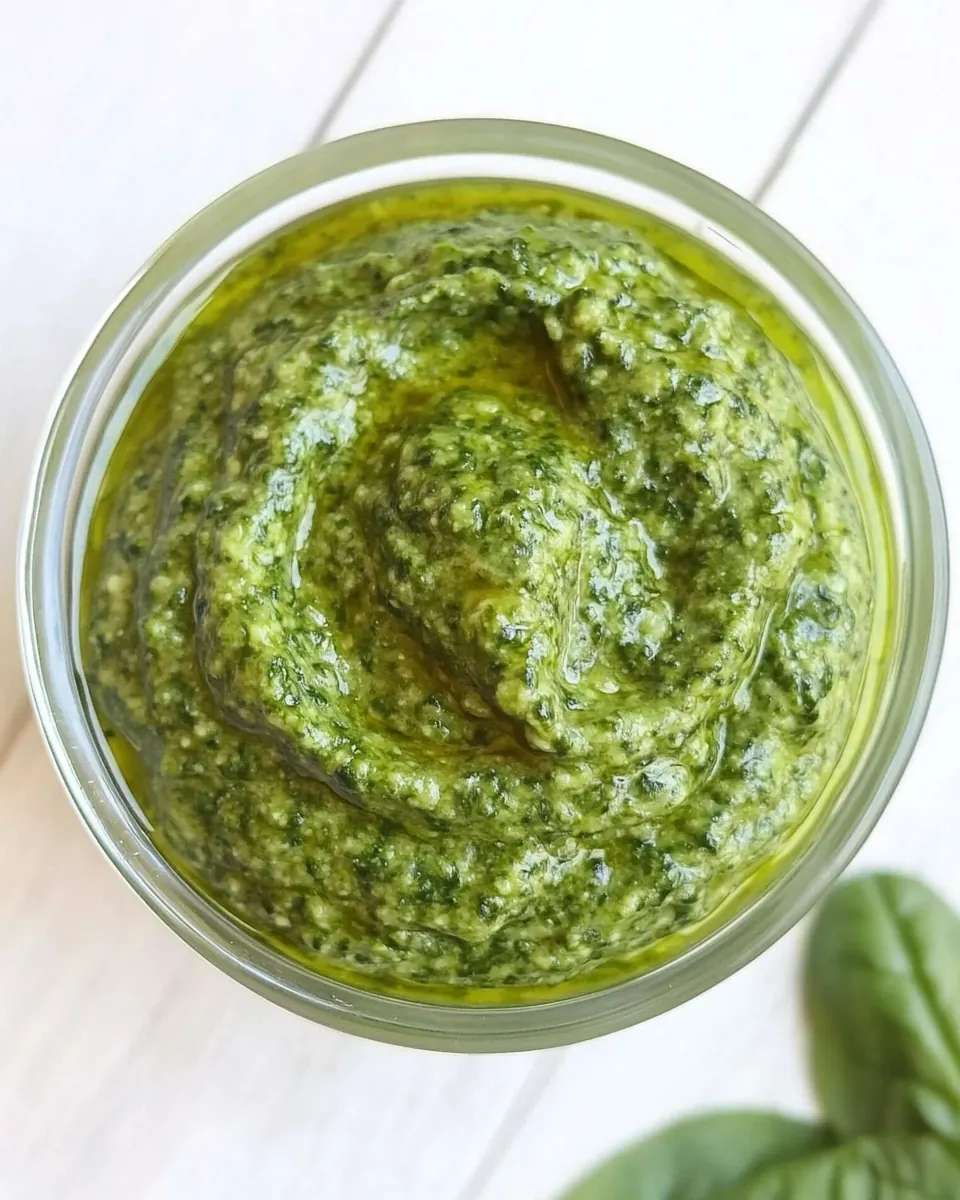
Easy Spinach Pesto was one of those pantry-salvage wins that I still talk about when friends ask for a quick green sauce. The first time I made it I had a sad bag of baby spinach in the fridge and a craving for something bright and herbal, so I tossed a few simple staples into the blender and discovered a silky, verdant spread that seemed to make everything from pasta to toast sing. I remember the blender motor humming as the leaves broke down, and how the lemon lifted the whole bowl with a vivid, sunny note.
Now I reach for this jar whenever I want a fast flavor upgrade. I love that Easy Spinach Pesto feels both indulgent and light, creamy without being heavy, with a whisper of nuttiness from the seeds and a salty hit from the grated cheese. It became my go to when friends popped over unexpectedly, because it comes together in minutes and plays well with so many dishes. Over time I learned small tricks that keep it consistently smooth and bright, and I enjoy swapping the use around the kitchen, from pasta nights to weeknight sandwiches.
Recipe Snapshot
10 mins
10 mins
Easy
150 kcal
Italian
Vegan, Gluten-Free
Dinner
Vitamix Blender, Food Processor, Olive Oil
What We Adore About This Easy Spinach Pesto
Speed and simplicity
I love how Easy Spinach Pesto comes together in under ten minutes, which makes it a lifesaver on rushed evenings. The process is straightforward, so you can focus on flavor rather than technique, and I often make a double batch when I know I will need quick dinners later in the week.
Versatility at its best
We use this pesto in so many ways. It brightens a simple bowl of pasta, lifts roasted vegetables, and works as a vibrant sandwich spread. Because it stores well frozen, I keep portions ready so a small spoonful can transform leftovers into something that feels intentional.
Fresh yet comforting flavor
There is something comforting about a sauce that is both herbaceous and creamy. The combination of spinach, lemon juice, and olive oil reads fresh, while the Parmesan and roasted seeds add a rounded, savory backbone. Every bite has a balance that keeps me coming back.
Good texture power
I appreciate how the seeds give body without needing nuts, making the sauce pleasantly smooth and slightly rustic depending on how long you blend. You can go velvet smooth or leave a little texture, and both versions taste great with grilled vegetables or pasta.
Accessible ingredients
This recipe uses pantry staples we almost always have on hand. That accessibility means you can make Easy Spinach Pesto at a moment’s notice, which is one reason I encourage friends to try it. It feels gourmet without requiring specialty shopping.
Ingredients to Make Easy Spinach Pesto
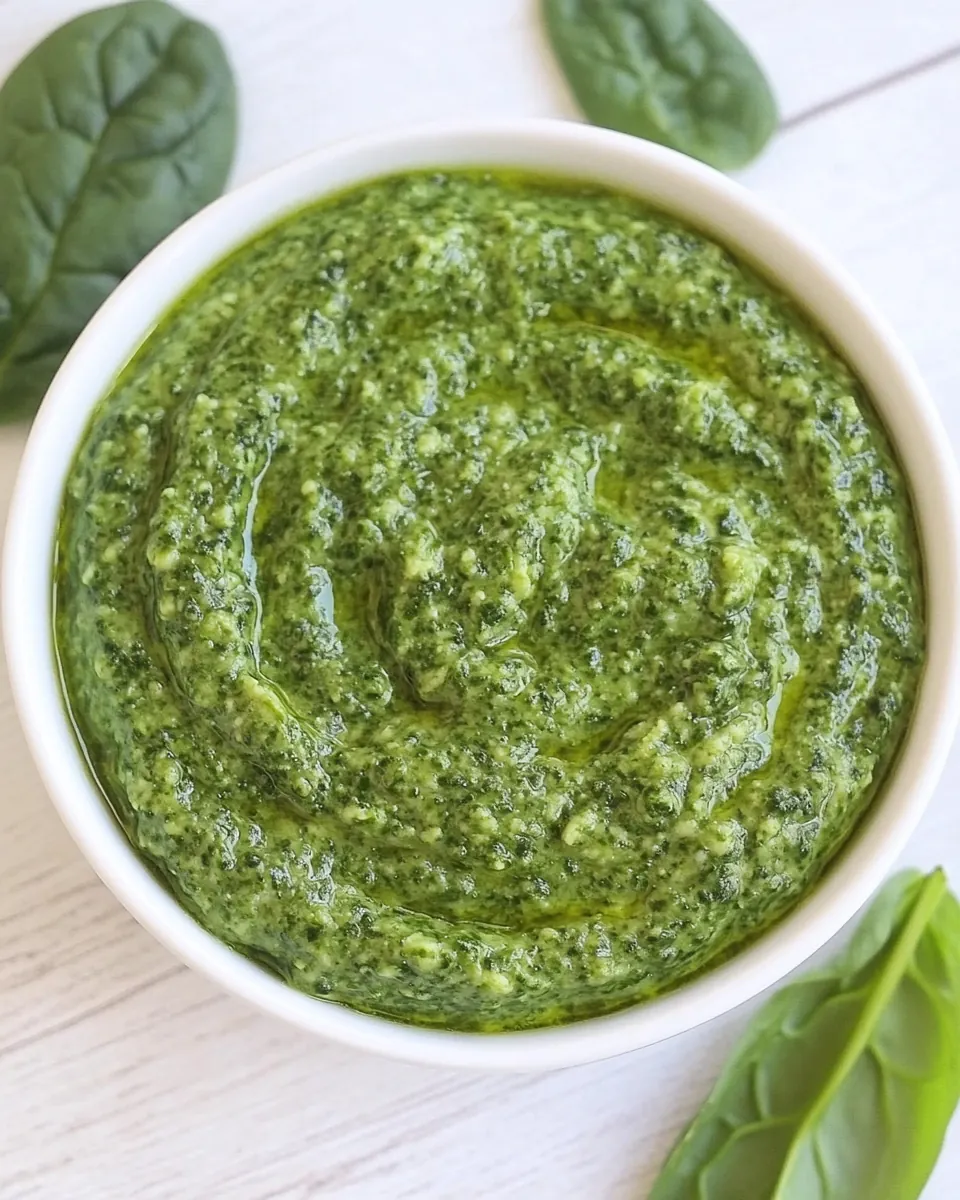
I approach these ingredients with a simple philosophy: keep the green flavor front and center, support it with fat for silkiness, and add umami and texture for balance. The key players are the baby spinach for a fresh base, olive oil to create that creamy mouthfeel, lemon juice for bright acidity, Parmesan for savory depth, and roasted sunflower seeds for a nutty backbone. Each element has a job, and together they produce a lively, spreadable pesto that complements many dishes.
- 4 cups lightly packed baby spinach: Add vibrantly to provide a fresh, leafy base for the pesto and contribute mild, slightly sweet greens flavor; blend until smooth for a bright green color and light texture. Packed with vitamins, it also helps stretch the sauce while keeping it light and nutritious.
- 1/3 cup olive oil: Drizzle smoothly to bind the sauce and carry fat-soluble flavors, ensuring a silky mouthfeel and glossy finish when emulsified with the greens. Choose extra-virgin for depth of flavor, and add gradually while blending to control consistency.
- 1/4 cup fresh lemon juice (from about 1 lemon): Squeeze brightly to introduce acidity that balances the richness of oil and cheese, cutting through fat and lifting overall flavor. Freshly pressed lemon juice also enhances the green color and adds a clean citrus aroma.
- 1/2 cup grated Parmesan: Grate finely to deliver savory umami and salty depth, helping to thicken and enrich the pesto while providing a nutty, aged-cheese character. Use freshly grated for best melting into the emulsion and for more pronounced flavor.
- 1/2 cup roasted unsalted sunflower seeds: Toast lightly to contribute a crunchy, nutty backbone and act as a parmesan substitute for body and texture in the pesto; blend until they help create a creamy consistency. Choose roasted, unsalted seeds to control salt levels while maximizing toasty flavor.
- salt (to taste): Season sparingly to adjust and enhance all flavors, balancing acidity, fat, and savory notes to taste; add incrementally and taste between additions. Use fine salt to dissolve quickly and avoid grainy texture in the finished sauce.
Cooking Method for Easy Spinach Pesto
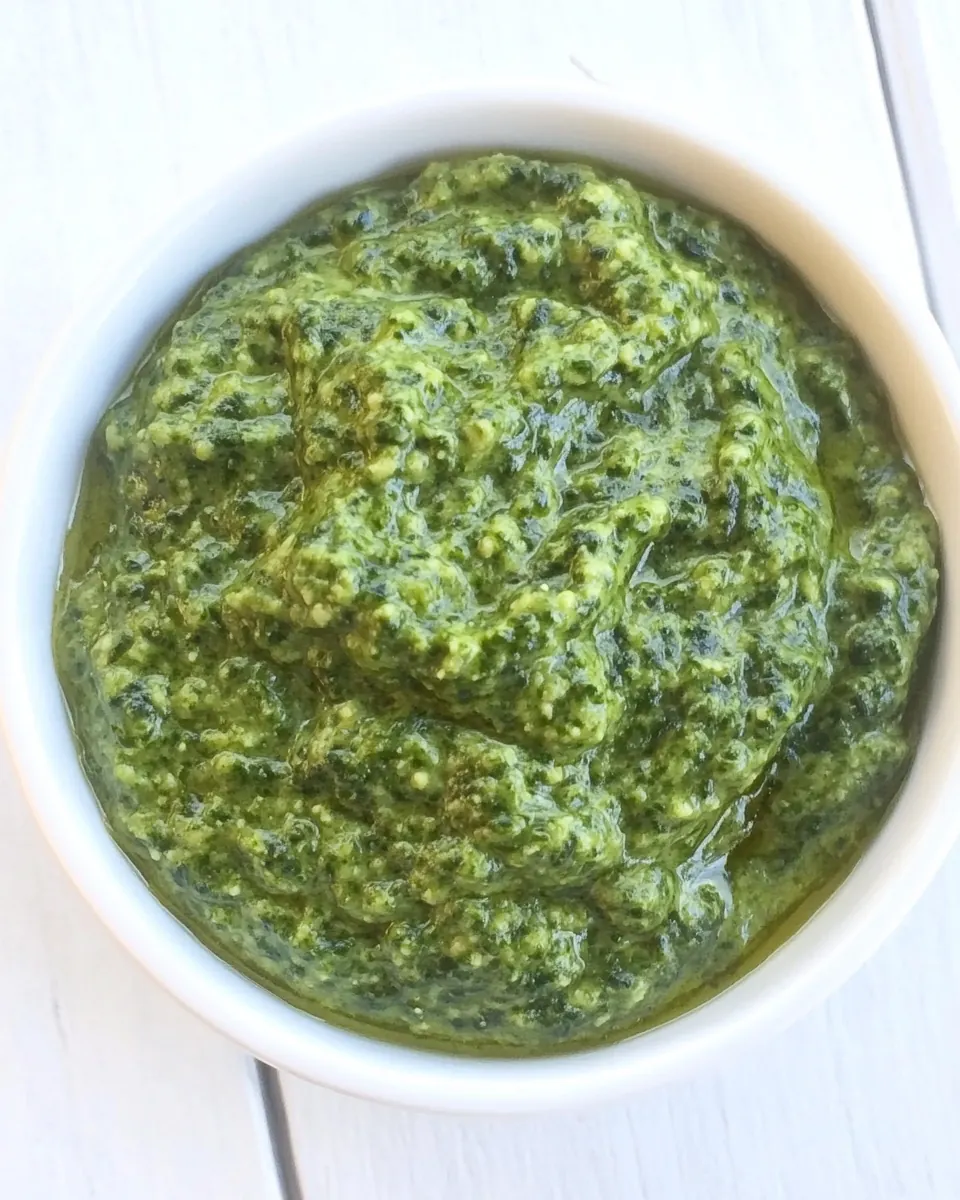
Working with a blender or food processor keeps this method clean and fast. You will notice aromas bloom as the motor breaks down the leaves and releases the lemon and oil, which is part of the magic. These steps guide you through blending, scraping, and seasoning so the texture and flavor are consistent every time.
- Add the spinach, olive oil, lemon juice, Parmesan, and seeds to a blender.: The initial wave of herb aroma will hit you first, a fresh, grassy scent that signals the spinach is prime. As the ingredients sit in the blender bowl, the contrast between the glossy olive oil and the dry seeds is apparent, and this is why layering matters for a more even puree. One trap is overcrowding the blender which can lead to uneven processing; work in batches if your container is small.
- Blend very well until very smooth, stopping to scrape down the sides of the bowl or using the stick that came with the blender as needed. You can also do this in a food processor.: You will hear the motor change pitch as the mixture becomes more uniform, and the surface will move in a glossy vortex. The texture should go from coarse to creamy, and scraping ensures no leafy islands remain on the sides. If you do not scrape, pockets of unblended spinach can stay fibrous and impart a slightly bitter note.
- Season to taste with salt if needed.: The machine will produce a slightly different texture, often a touch more rustic with tiny bits of seed or leaf. The sounds here are more intermittent, a pulsing thrum rather than a continuous roar, which helps control chunk size. A common error is over pulsing, which can leave a paste that is too dense, so pulse and check frequently for the texture you prefer.
- Use with a pound of pasta, as a topping for pizza, or however you like!: At this point the full flavor profile is coming together and the lemon will shine through, so add salt in small increments and taste after each addition. Salt wakes up the savory notes in the Parmesan and harmonizes the oil and greens. Rushing this step or oversalting can mask the delicate freshness of the spinach , so be deliberate and conservative.
- Use with a pound of pasta, as a topping for pizza, or however you like: The finished pesto should coat ingredients smoothly, clinging to pasta or spreading across a crust. When you toss it with hot pasta the aroma brightens and the sauce loosens slightly, making it ideal for warm applications as well as cold. One misstep is adding it to intensely hot items without a little cooling, which can dull the green color, so consider tempering the pesto on a warm dish rather than a steaming one to preserve vibrancy.
Substitutions and Tips
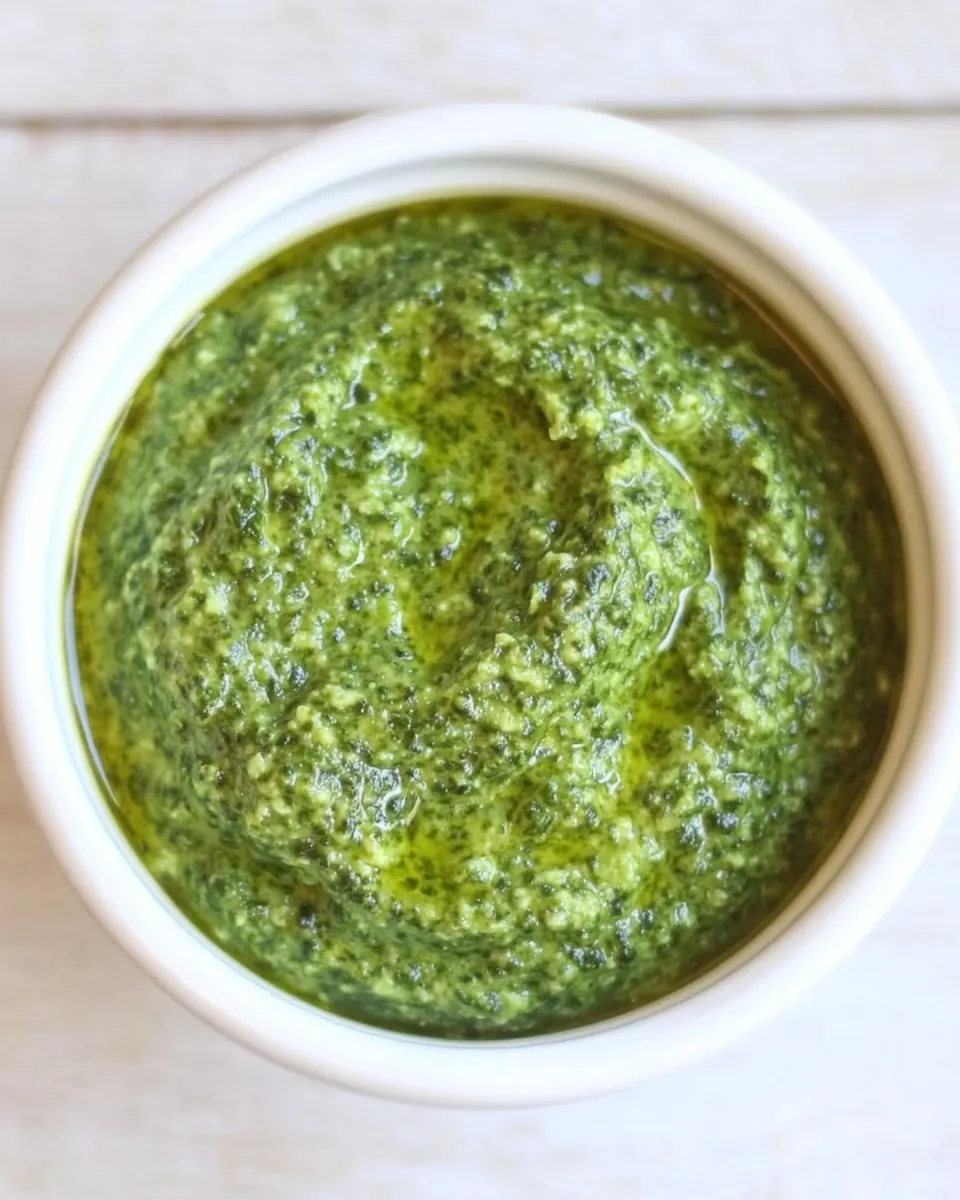
This section collects practical tips I use every time I make Easy Spinach Pesto. They cover storage, texture, and small swaps that keep the recipe flexible while preserving its core flavor profile.
- Storage tip: Store in an airtight container in the fridge for up to three days or freeze in small portions for up to three months; remove excess air to reduce freezer burn.
- Tool flexibility: Use a blender or food processor depending on what you have, and scrape down the sides to keep the texture even; a high power blender will give a silkier finish.
- Blending technique: Blend until there are no noticeable chunks, pausing to scrape the bowl to ensure an even consistency and prevent patches of under blended leaf.
- Seasoning guidance: Taste and add a little salt only after blending, because the Parmesan contributes significant saltiness and can make final adjustments minimal.
- Serving ideas: Use on pasta, pizza, grain bowls, eggs, in soup, or spread on toast to maximize versatility and reduce waste.
Pairing Suggestions for Easy Spinach Pesto
Easy Spinach Pesto pairs beautifully with a wide range of dishes. Whether you are planning a casual lunch or a relaxed dinner, the sauce adds freshness and depth. Here are serving ideas, occasions, and storage suggestions laid out so you can choose how to use it best.
- Pasta pairing: Toss the pesto with cooked pasta for an easy weeknight dinner; add a touch of reserved pasta water to loosen the sauce and create a silky coating.
- Pizza topper: Spoon sparing amounts on pizza after baking to preserve the bright green color and fresh lemon notes, making each slice pop.
- Grain bowls: Drizzle over warm grain bowls for a flavor lift that balances roasted vegetables and whole grains without overpowering them.
- Eggs and breakfast: Use as a spread for toast topped with eggs or as a finishing dollop on omelets to bring a herby brightness to the morning.
- Meal occasions: Great for casual lunches, weeknight dinners, or when you need a quick addition for guests; it works well for Ramadan if you need something to refresh heavier dishes.
- Storage and make ahead: Refrigerate in an airtight jar for up to three days, or freeze in tablespoon or quarter cup portions to have ready additions for months; thaw gently in the fridge before use.
- Seasonal pairings: In spring the fresh green notes match lighter salads and grilled vegetables, while in cooler months it brings vibrant contrast to roasted root vegetables.
FAQ
Conclusion
This recipe stands out because it transforms simple, pantry friendly ingredients into a vibrant, silky sauce that lifts many dishes. It is quick to prepare, adaptable to different uses, and stores well when portioned for the fridge or freezer. Give Easy Spinach Pesto a try the next time you want a fast flavor upgrade, whether you toss it with pasta, dollop it on pizza, or spread it on toast. Once you have a jar ready, you will find countless ways to brighten weeknight meals with minimal fuss.
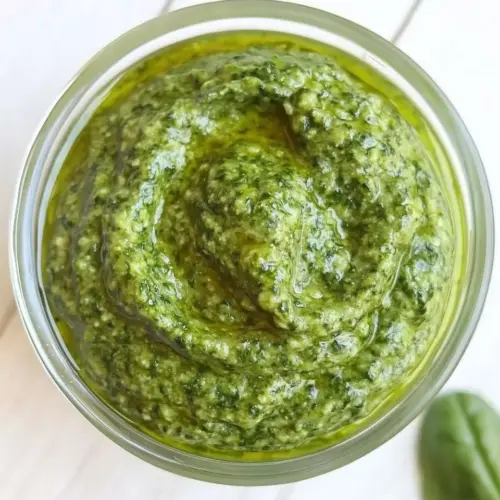
Easy Spinach Pesto
Equipment
- Vitamix Blender
- Food Processor
- Olive Oil
Ingredients
- 4 cups lightly packed baby spinach Add vibrantly to provide a fresh, leafy base for the pesto and contribute mild, slightly sweet greens flavor; blend until smooth for a bright green color and light texture. Packed with vitamins, it also helps stretch the sauce while keeping it light and nutritious.
- 1/3 cup olive oil Drizzle smoothly to bind the sauce and carry fat-soluble flavors, ensuring a silky mouthfeel and glossy finish when emulsified with the greens. Choose extra-virgin for depth of flavor, and add gradually while blending to control consistency.
- 1/4 cup fresh lemon juice (from about 1 lemon) Squeeze brightly to introduce acidity that balances the richness of oil and cheese, cutting through fat and lifting overall flavor. Freshly pressed lemon juice also enhances the green color and adds a clean citrus aroma.
- 1/2 cup grated Parmesan Grate finely to deliver savory umami and salty depth, helping to thicken and enrich the pesto while providing a nutty, aged-cheese character. Use freshly grated for best melting into the emulsion and for more pronounced flavor.
- 1/2 cup roasted unsalted sunflower seeds Toast lightly to contribute a crunchy, nutty backbone and act as a parmesan substitute for body and texture in the pesto; blend until they help create a creamy consistency. Choose roasted, unsalted seeds to control salt levels while maximizing toasty flavor.
- salt (to taste) Season sparingly to adjust and enhance all flavors, balancing acidity, fat, and savory notes to taste; add incrementally and taste between additions. Use fine salt to dissolve quickly and avoid grainy texture in the finished sauce.
Instructions
- Add the spinach, olive oil, lemon juice, Parmesan, and seeds to a blender.: The initial wave of herb aroma will hit you first, a fresh, grassy scent that signals the spinach is prime. As the ingredients sit in the blender bowl, the contrast between the glossy olive oil and the dry seeds is apparent, and this is why layering matters for a more even puree. One trap is overcrowding the blender which can lead to uneven processing; work in batches if your container is small.
- Blend very well until very smooth, stopping to scrape down the sides of the bowl or using the stick that came with the blender as needed. You can also do this in a food processor.: You will hear the motor change pitch as the mixture becomes more uniform, and the surface will move in a glossy vortex. The texture should go from coarse to creamy, and scraping ensures no leafy islands remain on the sides. If you do not scrape, pockets of unblended spinach can stay fibrous and impart a slightly bitter note.
- Season to taste with salt if needed.: The machine will produce a slightly different texture, often a touch more rustic with tiny bits of seed or leaf. The sounds here are more intermittent, a pulsing thrum rather than a continuous roar, which helps control chunk size. A common error is over pulsing, which can leave a paste that is too dense, so pulse and check frequently for the texture you prefer.
- Use with a pound of pasta, as a topping for pizza, or however you like!: At this point the full flavor profile is coming together and the lemon will shine through, so add salt in small increments and taste after each addition. Salt wakes up the savory notes in the Parmesan and harmonizes the oil and greens. Rushing this step or oversalting can mask the delicate freshness of the spinach , so be deliberate and conservative.
- Use with a pound of pasta, as a topping for pizza, or however you like: The finished pesto should coat ingredients smoothly, clinging to pasta or spreading across a crust. When you toss it with hot pasta the aroma brightens and the sauce loosens slightly, making it ideal for warm applications as well as cold. One misstep is adding it to intensely hot items without a little cooling, which can dull the green color, so consider tempering the pesto on a warm dish rather than a steaming one to preserve vibrancy.
Notes
- Storage tip: Store in an airtight container in the fridge for up to three days or freeze in small portions for up to three months; remove excess air to reduce freezer burn.
- Tool flexibility: Use a blender or food processor depending on what you have, and scrape down the sides to keep the texture even; a high power blender will give a silkier finish.
- Blending technique: Blend until there are no noticeable chunks, pausing to scrape the bowl to ensure an even consistency and prevent patches of under blended leaf.
- Seasoning guidance: Taste and add a little salt only after blending, because the Parmesan contributes significant saltiness and can make final adjustments minimal.
- Serving ideas: Use on pasta, pizza, grain bowls, eggs, in soup, or spread on toast to maximize versatility and reduce waste.