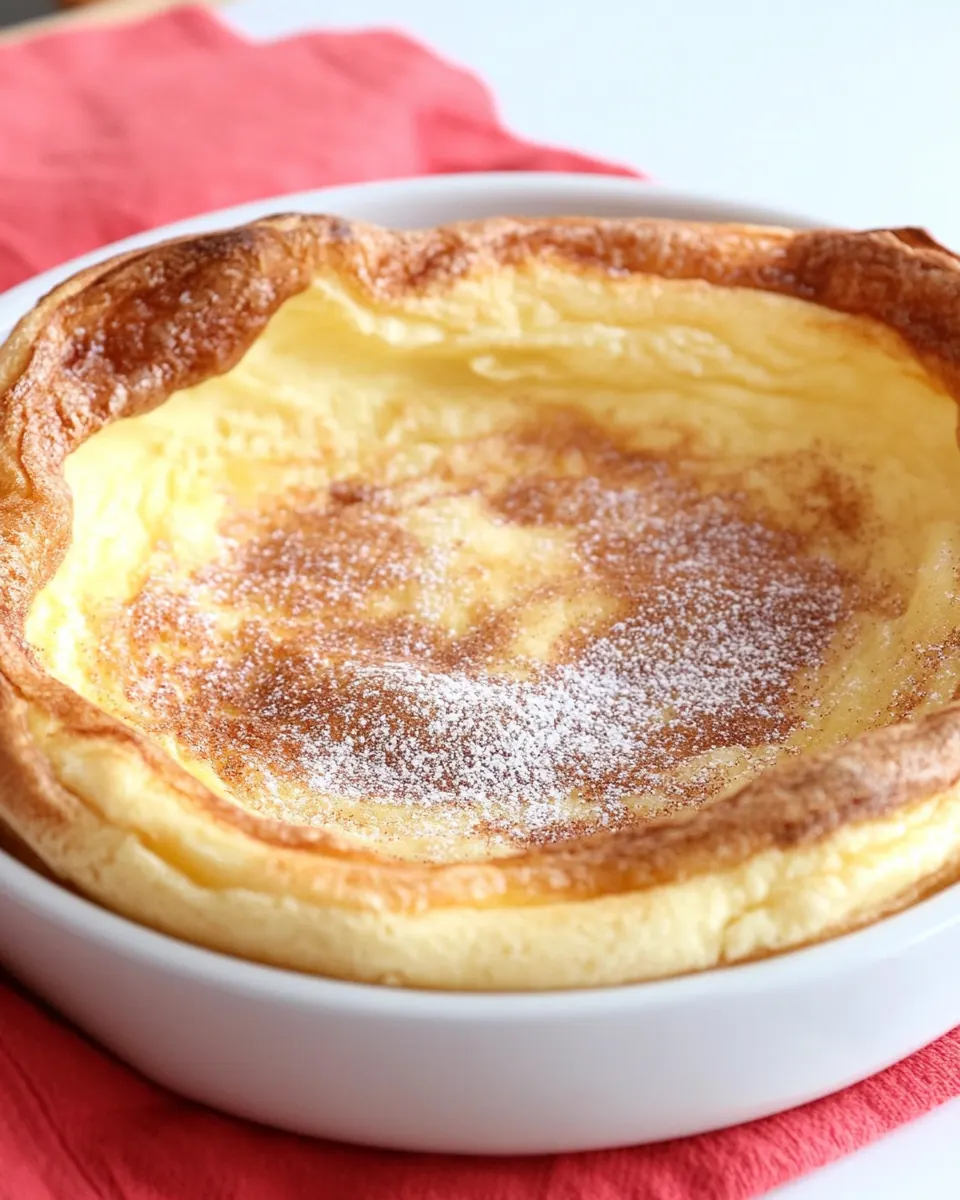
Cinnamon Sugar Dutch Baby
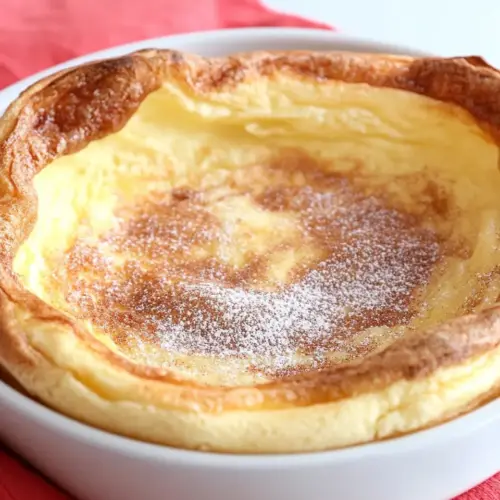
Cinnamon Sugar Dutch Baby has become my go to for weekends when I want something impressive with minimal fuss. The first time I made this, I was juggling a sleepy house and hungry friends, and the way the edges puffed up like a golden crown felt like a tiny kitchen triumph. I still remember the warm cinnamon scent that filled the room as I pulled it from the oven, and how everyone leaned in to claim the crisp rim first.
I love that Cinnamon Sugar Dutch Baby reads like a showstopper but behaves like a comfort dish. The batter is astonishingly simple, and the trick is in timing and heat, which I learned by making a few early mistakes. Now I can tell from the sound and the color when it is right. Each forkful alternates between a tender custardy center and a lacy, crunchy edge, dusted with sugar and spice.
When I serve Cinnamon Sugar Dutch Baby, I like to add a little theater, brushing the warm surface with melted butter and letting extra cinnamon sugar cascade over the top. That final step transforms it from good to unforgettable. Over time, this recipe has become my go to for guests, lazy breakfasts, and those mornings when a touch of sweetness makes everything better.
Recipe Snapshot
45 mins
5 mins
40 mins
Medium
250 kcal
American
Gluten-Free, Low FODMAP
Breakfast
9-12 inch cast iron skillet or 9 inch pie plate, Blender, Oven
The Charm of This Cinnamon Sugar Dutch Baby
It’s quick to pull together
I adore how fast Cinnamon Sugar Dutch Baby comes together. With just a handful of pantry staples like flour, milk, and eggs, you can have batter ready in minutes, which is perfect when time is short but you want something special.
Showstopper without the stress
Even though it puffs into a dramatic shape, this recipe is forgiving. The oven does most of the work, and once you understand the heat and timing, the results are reliably impressive. I love serving it when I want guests to say wow, without spending hours in the kitchen.
Texture contrast that sings
The magic of Cinnamon Sugar Dutch Baby is the contrast between the tender, custardy center and the crisp, caramelized edges. That interplay of textures makes each bite interesting, and the cinnamon sugar adds a fragrant crunch that pulls everything together.
Flexible and familiar flavors
Because the flavor profile is simple, it pairs beautifully with so many things. I often keep it classic with melted butter and cinnamon sugar, but it also welcomes fruit, lemon, or a drizzle of syrup. The base stays true, and small changes let you tailor it to any morning or occasion.
Comfort food that feels a little fancy
There are mornings I want something comforting, and mornings I want to impress. Cinnamon Sugar Dutch Baby checks both boxes. It’s cozy and nostalgic, yet the presentation makes it feel elevated, so I reach for it when I want to treat my family or friends.
Ingredients to Make Cinnamon Sugar Dutch Baby
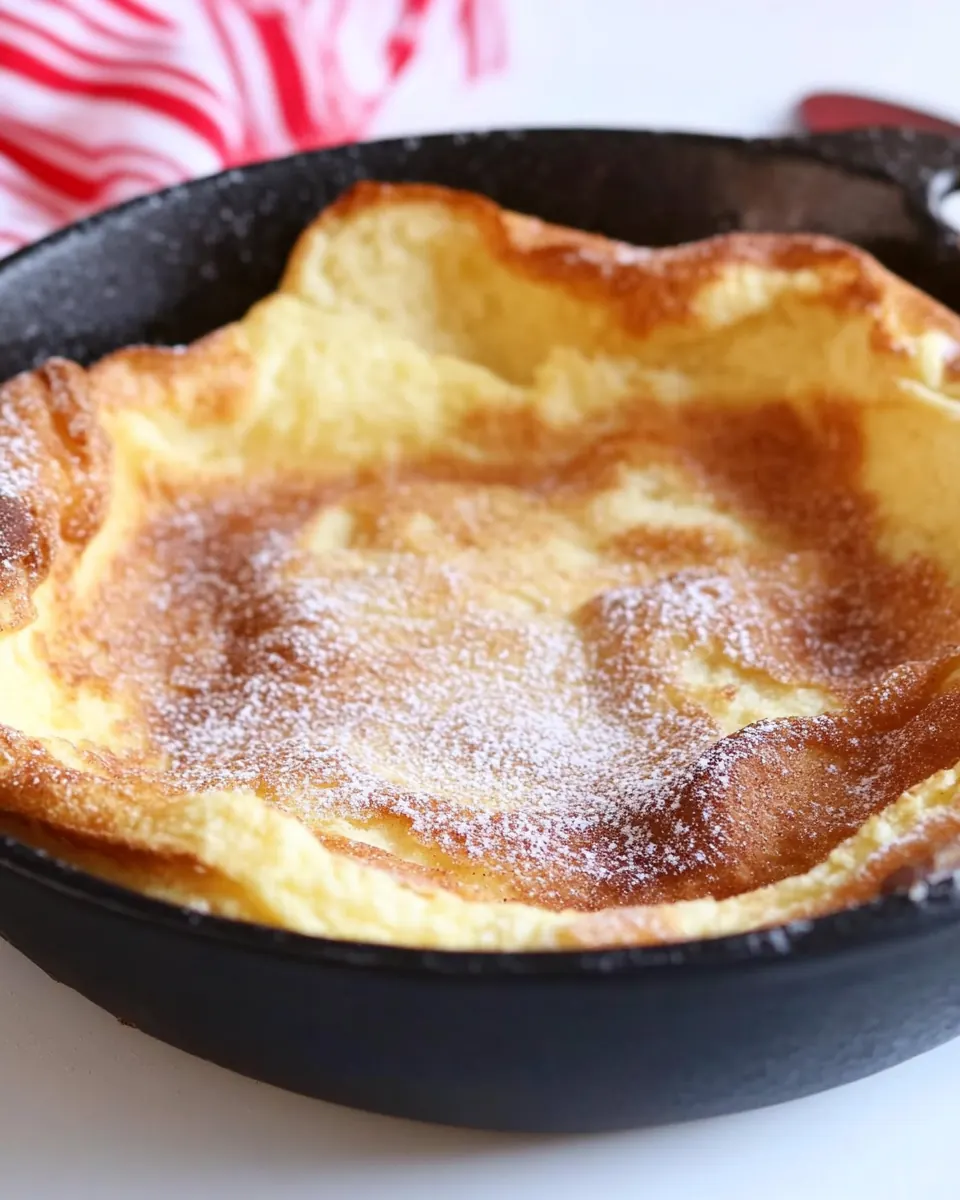
These ingredients are intentionally simple. The batter relies on a precise balance of flour, milk, and eggs for structure and tenderness, while butter and granulated sugar create that caramelized, lacy edge. Aromatics like vanilla extract and cinnamon lift the flavor so the finished pancake tastes warm and nostalgic.
- 2/3 cup flour: Provide structure and bulk to the batter by forming the gluten network that traps steam; whisking smooth prevents lumps and yields a light, puffed Dutch baby. Sift or whisk well to ensure even hydration and a consistent texture throughout baking.
- 2/3 cup milk: Contribute moisture and steam that helps the pancake rise dramatically while creating a tender crumb; use room-temperature milk for best incorporation. Combine gradually with eggs to avoid overworking the batter and to maintain a silky consistency.
- 4 eggs: Leaven and enrich the batter while adding both lift and custardy richness as proteins coagulate during baking; beat until homogenous for an even rise. Use fresh eggs at room temperature to maximize volume and create the signature puff.
- 2 teaspoons vanilla extract: Enhance aroma and add a warm, sweet background flavor that complements cinnamon, improving overall complexity; add with the wet ingredients for even distribution. Use pure extract for a clean flavor that carries through the bake.
- 2 1/2 tablespoons cold butter divided: Provide cold butter pieces that create pockets of steam and flavor during baking, promoting flakiness and aiding rise when placed in the hot pan. Cut or slice the cold butter so it melts unevenly, contributing both richness and a slightly layered texture.
- 1/3 cup granulated sugar: Sweeten and balance the batter while contributing slight texture and caramelization on the surface; stir in to dissolve for even sweetness. Adjust quantity slightly for personal taste but maintain enough to support browning without sogginess.
- 2 teaspoons cinnamon: Impart spicy warmth and aromatic depth that pairs with sugar to create a classic cinnamon–sugar profile; blend evenly into the dry or wet mix for consistent flavor. Use fresh ground cinnamon for the most pronounced, fragrant result.
- 2 tablespoons butter melted: Melted butter adds glossy richness and helps coat the skillet for a crisp, golden edge while contributing buttery flavor to the finished Dutch baby. Pour hot melted butter into the pan before adding batter to sear edges and promote a dramatic puff.
Recipe Directions for Cinnamon Sugar Dutch Baby
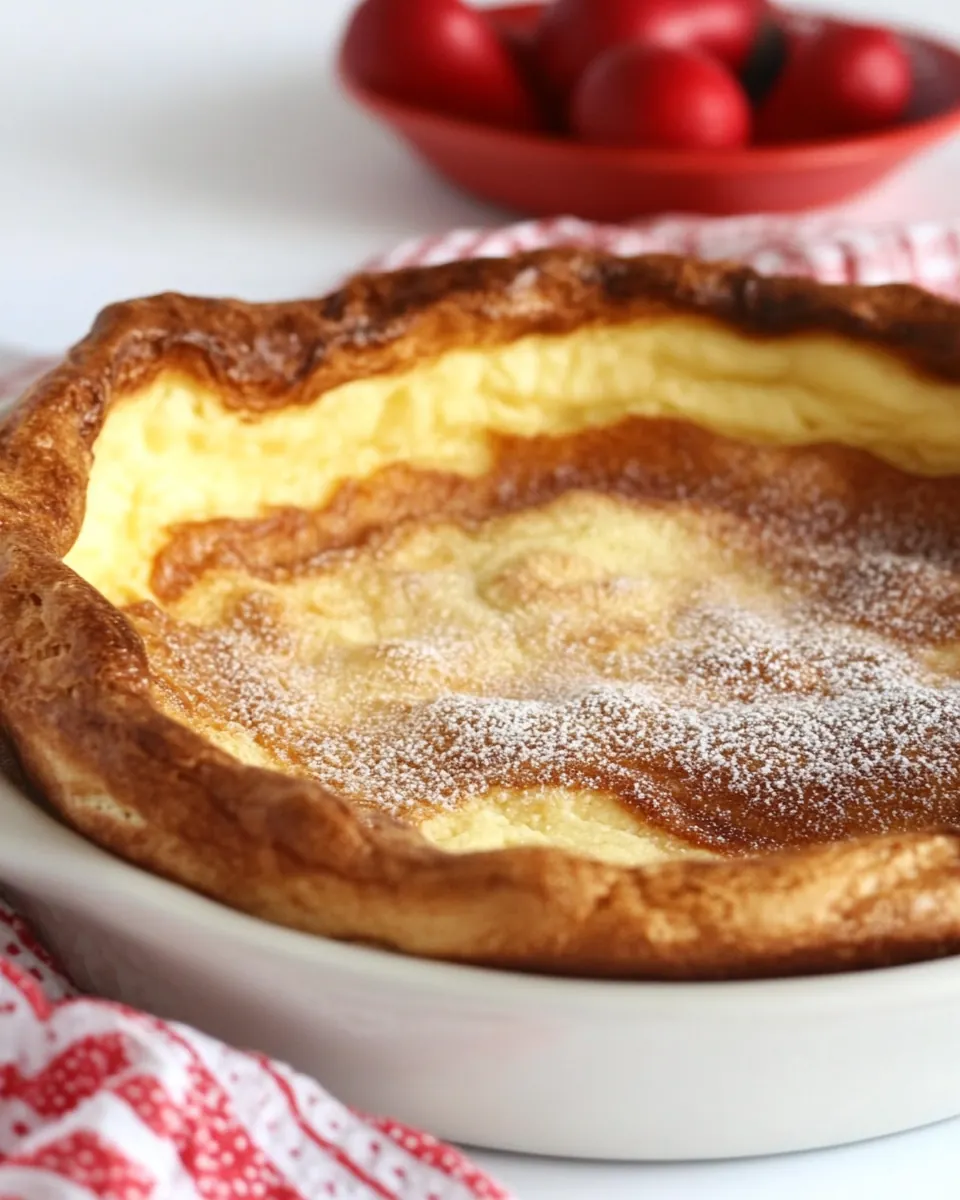
I like to think of the directions as a short performance in the oven, where heat and timing do most of the work. Follow the cues, and you will be rewarded with towering edges and a tender center. Keep your oven closed during key stages so the steam helps the batter puff properly.
- Preheat oven to 450 degrees.: You will notice the house begin to warm and the air carries a dry heat that primes the pan to sear the batter instantly, which is crucial for that dramatic puff. Heating the oven thoroughly ensures the skillet becomes extremely hot, giving immediate lift when the batter hits the surface. A mistake here is not allowing enough time for full heat, which leads to a flatter result, so confirm the oven reads 450 before continuing.
- Place one tablespoon butter in a 9-12 inch cast iron skillet or 9 inch pie plate. Place in the oven for 5 minutes.: The butter sizzles and foams when it hits the hot pan, smelling nutty and inviting, which helps the edges caramelize. The short time in the oven also melts the butter completely and coats the pan, creating a nonstick surface and a flavor base. Be careful removing the skillet, it will be very hot, and using an oven mitt is essential to avoid burns.
- Combine the sugar and cinnamon in a small bowl.: As you stir, the sweet and spicy aroma becomes immediate, and the grains of granulated sugar mingle with the powdery cinnamon to form a topping that will toast in the oven. This pre mix ensures even distribution and prevents clumping when sprinkled, which yields a consistent crust. One pitfall is adding the topping too late, which can cause uneven caramelization, so have it ready before the batter goes in.
- Put the flour, milk, eggs, vanilla, and remaining cold butter in a blender. Blend until well blended. Scrape down the sides and blend for about 30 seconds more.: When you blend, the batter becomes silky and lump free, with air incorporated for lift, and the cold butter breaks into tiny morsels that contribute to richness. A good blender pulse followed by a smoother spin gives an even texture, and you will hear the change as the mixture quiets. Avoid over mixing for too long at high speed, which can heat the batter and reduce puff during baking.
- Remove the skillet or pan from the oven and swirl the butter all around. Sprinkle with 1/3 of the cinnamon sugar and then pour the batter into the skillet. Place in the oven at 450 degrees for 20 minutes. DO NOT OPEN the oven during this first 20 minutes! After 20 minutes turn the oven down to 350 degrees and bake for another 15-20 minutes until the edges begin to brown.: The batter should have a smooth sheen and an even color, free of streaks of flour or bits of unincorporated butter . Continued blending helps create a uniform emulsion so the pancake sets evenly, and those extra seconds give a light, slightly aerated batter. A common error is leaving lumps which can cause uneven pockets and a bumpy surface once baked.
- Remove from oven and let cool for 3-5 minutes. Brush or drizzle with the remaining melted butter, then cover in more cinnamon sugar. Serve immediately.: The sizzling sound as batter meets the hot, buttered skillet confirms a rapid set at the edges, which traps steam and causes the center to puff up dramatically. The initial closed oven stage is critical because any lost steam will deflate the rise, so resist opening the door. When you reduce to 350 after 20 minutes, you will notice the color deepen and the edges tighten into a crisp, lacy frame; that lower heat finishes cooking the center without burning the rim. Opening too early is the most frequent mistake and causes collapse, so be patient and watch the clock.
- Remove from oven and let cool for 3-5 minutes. Brush or drizzle with the remaining melted butter, then cover in more cinnamon sugar. Serve immediately.: The first breath of warm cinnamon as you brush on the melted butter is irresistible, and the sugar melts slightly into the hot surface, forming sticky bits that glisten. Letting it rest briefly helps the interior set so it slices cleanly, while the final buttery shower amplifies the aroma and mouthfeel. Serve right away for best texture, as prolonged sitting can soften the crisp edges, which is a common regret when people wait too long.
Recipe Notes about Cinnamon Sugar Dutch Baby
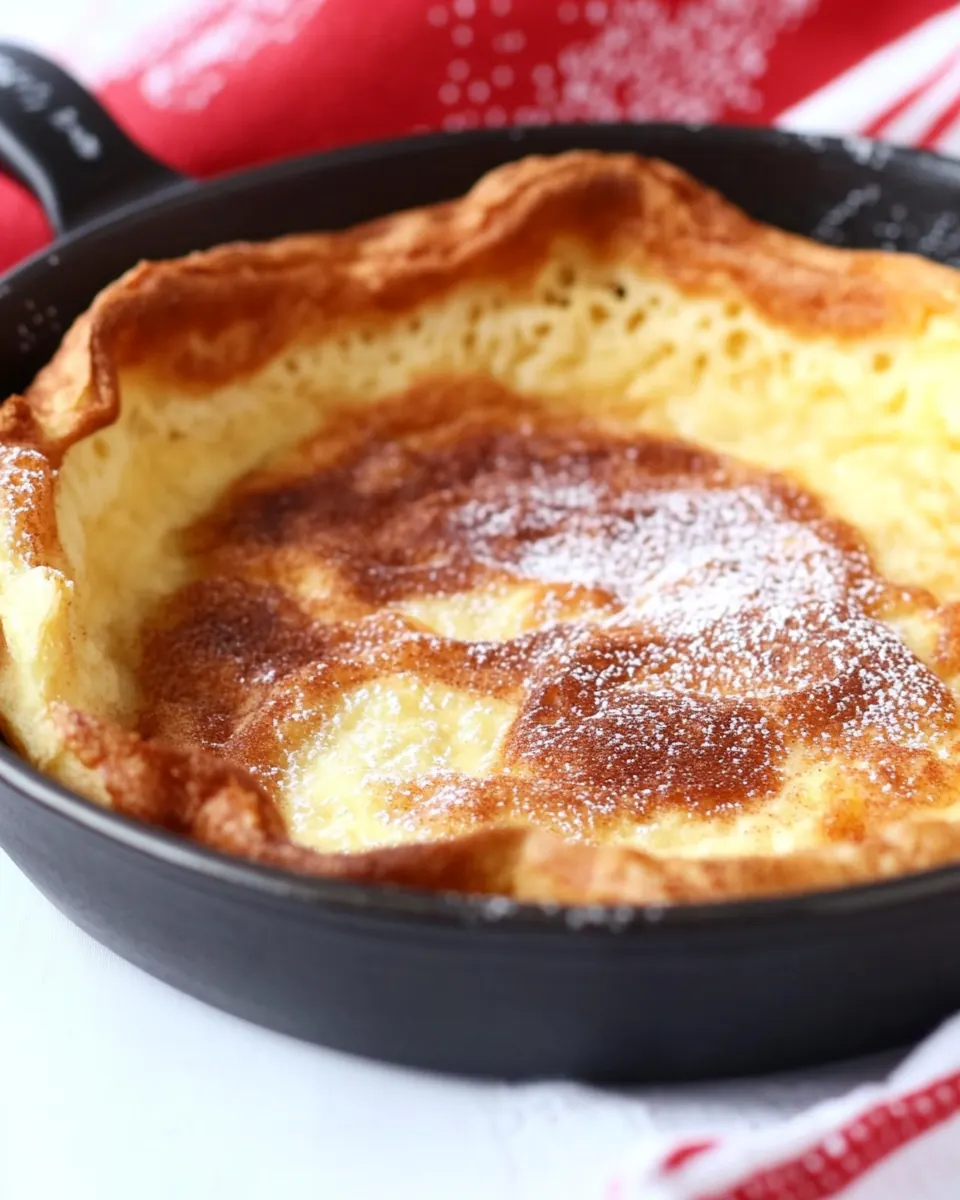
This section expands on small decisions that make a big difference. I will walk you through texture choices, timing nuances, and serving tips so your next Cinnamon Sugar Dutch Baby comes out reliably beautiful. These notes reflect things I learned the hard way, so you do not have to.
- Pan choice matters: A heavy cast iron skillet holds heat and promotes a dramatic rise and crisping. If you use a lighter pan, preheat longer to compensate, otherwise the edges may not brown properly.
- Room temperature eggs help: Cold eggs reduce the batter’s ability to trap air. Leave them out for 15 to 30 minutes before blending for a puffier finish.
- Butter timing: Putting one tablespoon of butter in the hot pan creates a nutty, toasted note, while melted butter brushed on at the end gives glossy richness. Do both for contrast.
- Don’t over sweeten: The cinnamon sugar is potent, so use it thoughtfully. Too much will mask the delicate custard flavor and make the texture syrupy rather than crisp.
- Oven patience: Leaving the oven door closed during the first stage is critical. Opening it releases steam and causes collapse, which is the most common mistake with this recipe.
What Goes Well With This Cinnamon Sugar Dutch Baby
This pancake is wonderful for brunch, special breakfasts, or anytime you want a bit of sweetness with elegance. Serve it with simple accompaniments that respect its texture and warm, spiced flavor. Below are ideas for pairings, occasions, storage, and seasonal notes to help you plan the perfect meal.
- Fresh fruit accompaniment: Serve with sliced berries or citrus segments to add bright contrast to the warm cinnamon sugar, offering a refreshing balance that complements the custardy center.
- Maple or honey drizzle: A light drizzle of syrup or honey adds sticky sweetness and plays well with the caramelized edges, ideal for weekend breakfasts when you want a comforting finish.
- Simple coffee service: Pair with a robust hot coffee or tea to cut through the richness, making it a lovely option for a relaxed brunch with friends or family.
- Occasion suggestions: This is great for lazy weekend mornings, celebratory brunches, or holiday breakfasts where a showy yet simple dish is welcome.
- Storage tips: Leftovers lose their crispness quickly, so store in an airtight container and reheat briefly in a hot oven to restore some edge texture, avoiding the microwave which will make it soggy.
- Seasonal pairings: In cooler months, serve with spiced fruit compote, while in warmer months a topping of fresh stone fruit or berries keeps the flavors bright and balanced.
FAQ
Conclusion
This Cinnamon Sugar Dutch Baby is special because it combines simple pantry ingredients into a dramatic, textured pancake that looks and tastes elevated. Give it a try the next time you want a memorable breakfast or brunch that still feels cozy and approachable. With a hot pan, patient timing, and that final brush of melted butter and cinnamon sugar, you’ll have a crowd pleasing dish that’s both easy and impressive.
Cinnamon Sugar Dutch Baby
Equipment
- 9-12 inch cast iron skillet or 9 inch pie plate
- Blender
- Oven
Ingredients
- 2/3 cup flour Provide structure and bulk to the batter by forming the gluten network that traps steam; whisking smooth prevents lumps and yields a light, puffed Dutch baby. Sift or whisk well to ensure even hydration and a consistent texture throughout baking.
- 2/3 cup milk Contribute moisture and steam that helps the pancake rise dramatically while creating a tender crumb; use room-temperature milk for best incorporation. Combine gradually with eggs to avoid overworking the batter and to maintain a silky consistency.
- 4 eggs Leaven and enrich the batter while adding both lift and custardy richness as proteins coagulate during baking; beat until homogenous for an even rise. Use fresh eggs at room temperature to maximize volume and create the signature puff.
- 2 teaspoons vanilla extract Enhance aroma and add a warm, sweet background flavor that complements cinnamon, improving overall complexity; add with the wet ingredients for even distribution. Use pure extract for a clean flavor that carries through the bake.
- 2 1/2 tablespoons cold butter divided Provide cold butter pieces that create pockets of steam and flavor during baking, promoting flakiness and aiding rise when placed in the hot pan. Cut or slice the cold butter so it melts unevenly, contributing both richness and a slightly layered texture.
- 1/3 cup granulated sugar Sweeten and balance the batter while contributing slight texture and caramelization on the surface; stir in to dissolve for even sweetness. Adjust quantity slightly for personal taste but maintain enough to support browning without sogginess.
- 2 teaspoons cinnamon Impart spicy warmth and aromatic depth that pairs with sugar to create a classic cinnamon-sugar profile; blend evenly into the dry or wet mix for consistent flavor. Use fresh ground cinnamon for the most pronounced, fragrant result.
- 2 tablespoons butter melted Melted butter adds glossy richness and helps coat the skillet for a crisp, golden edge while contributing buttery flavor to the finished Dutch baby. Pour hot melted butter into the pan before adding batter to sear edges and promote a dramatic puff.
Instructions
- Preheat oven to 450 degrees.: You will notice the house begin to warm and the air carries a dry heat that primes the pan to sear the batter instantly, which is crucial for that dramatic puff. Heating the oven thoroughly ensures the skillet becomes extremely hot, giving immediate lift when the batter hits the surface. A mistake here is not allowing enough time for full heat, which leads to a flatter result, so confirm the oven reads 450 before continuing.
- Place one tablespoon butter in a 9-12 inch cast iron skillet or 9 inch pie plate. Place in the oven for 5 minutes.: The butter sizzles and foams when it hits the hot pan, smelling nutty and inviting, which helps the edges caramelize. The short time in the oven also melts the butter completely and coats the pan, creating a nonstick surface and a flavor base. Be careful removing the skillet, it will be very hot, and using an oven mitt is essential to avoid burns.
- Combine the sugar and cinnamon in a small bowl.: As you stir, the sweet and spicy aroma becomes immediate, and the grains of granulated sugar mingle with the powdery cinnamon to form a topping that will toast in the oven. This pre mix ensures even distribution and prevents clumping when sprinkled, which yields a consistent crust. One pitfall is adding the topping too late, which can cause uneven caramelization, so have it ready before the batter goes in.
- Put the flour, milk, eggs, vanilla, and remaining cold butter in a blender. Blend until well blended. Scrape down the sides and blend for about 30 seconds more.: When you blend, the batter becomes silky and lump free, with air incorporated for lift, and the cold butter breaks into tiny morsels that contribute to richness. A good blender pulse followed by a smoother spin gives an even texture, and you will hear the change as the mixture quiets. Avoid over mixing for too long at high speed, which can heat the batter and reduce puff during baking.
- Remove the skillet or pan from the oven and swirl the butter all around. Sprinkle with 1/3 of the cinnamon sugar and then pour the batter into the skillet. Place in the oven at 450 degrees for 20 minutes. DO NOT OPEN the oven during this first 20 minutes! After 20 minutes turn the oven down to 350 degrees and bake for another 15-20 minutes until the edges begin to brown.: The batter should have a smooth sheen and an even color, free of streaks of flour or bits of unincorporated butter . Continued blending helps create a uniform emulsion so the pancake sets evenly, and those extra seconds give a light, slightly aerated batter. A common error is leaving lumps which can cause uneven pockets and a bumpy surface once baked.
- Remove from oven and let cool for 3-5 minutes. Brush or drizzle with the remaining melted butter, then cover in more cinnamon sugar. Serve immediately.: The sizzling sound as batter meets the hot, buttered skillet confirms a rapid set at the edges, which traps steam and causes the center to puff up dramatically. The initial closed oven stage is critical because any lost steam will deflate the rise, so resist opening the door. When you reduce to 350 after 20 minutes, you will notice the color deepen and the edges tighten into a crisp, lacy frame; that lower heat finishes cooking the center without burning the rim. Opening too early is the most frequent mistake and causes collapse, so be patient and watch the clock.
- Remove from oven and let cool for 3-5 minutes. Brush or drizzle with the remaining melted butter, then cover in more cinnamon sugar. Serve immediately.: The first breath of warm cinnamon as you brush on the melted butter is irresistible, and the sugar melts slightly into the hot surface, forming sticky bits that glisten. Letting it rest briefly helps the interior set so it slices cleanly, while the final buttery shower amplifies the aroma and mouthfeel. Serve right away for best texture, as prolonged sitting can soften the crisp edges, which is a common regret when people wait too long.
Notes
- Pan choice matters: A heavy cast iron skillet holds heat and promotes a dramatic rise and crisping. If you use a lighter pan, preheat longer to compensate, otherwise the edges may not brown properly.
- Room temperature eggs help: Cold eggs reduce the batter’s ability to trap air. Leave them out for 15 to 30 minutes before blending for a puffier finish.
- Butter timing: Putting one tablespoon of butter in the hot pan creates a nutty, toasted note, while melted butter brushed on at the end gives glossy richness. Do both for contrast.
- Don’t over sweeten: The cinnamon sugar is potent, so use it thoughtfully. Too much will mask the delicate custard flavor and make the texture syrupy rather than crisp.
- Oven patience: Leaving the oven door closed during the first stage is critical. Opening it releases steam and causes collapse, which is the most common mistake with this recipe.
