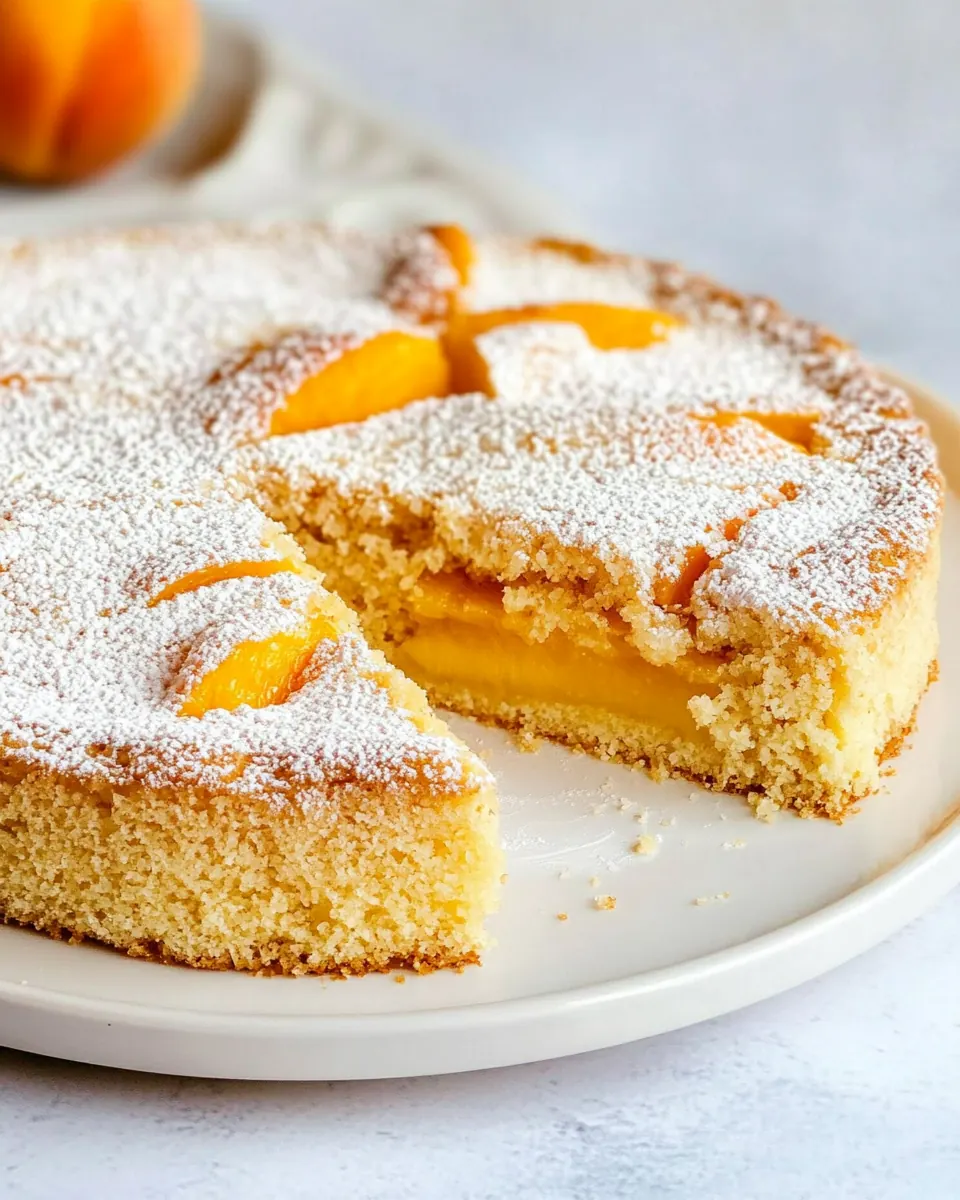
Peach Cake
Peach Cake is the kind of dessert I reach for when summer sends its sweetest fruit to the market stalls. The first time I made this cake, I was chasing a memory of my grandmother’s simple celebrations, a warm kitchen full of sun and the scent of fruit and butter. I remember standing by the counter, peaches glistening from a quick rinse, and thinking how a few humble ingredients could become a centerpiece that everyone asked about.
I love that Peach Cake feels both nostalgic and fresh, like a postcard from a long, lazy afternoon. When friends drop by unexpectedly, I slice a piece straight from the cooling rack and we sit on the back steps, talking about everything and nothing. That easy comfort is what keeps me baking it again and again.
Recipe Snapshot
1 hr 10 mins
20 mins
50 mins
Medium
300 kcal
American
Gluten-Free, Vegan
Desserts
9 inch round cake pan, Mixing bowls, Rubber spatula, Whisk, Wire rack
What’s Great About This Peach Cake
Fresh seasonal fruit that sings
I always use ripe, juicy peaches because they give natural sweetness and a tender, melt in your mouth texture. When peaches are in season, their fragrance perfumes the entire kitchen and the cake needs very little extra fuss to taste amazing.
Simple batter, big payoff
The base relies on pantry staples like all purpose flour, granulated sugar, and unsalted butter. This straightforward combination creates a tender crumb that showcases the fruit rather than masking it, which is exactly what I want when I bake.
Buttery richness balanced with brightness
The interplay between the creamy mouthfeel of unsalted butter and the bright, slightly tart notes of peaches makes every bite interesting. I often find myself savoring the contrast, especially when a peach slice caramelizes slightly against the warm cake during baking.
Reliable technique for dependable results
Following a clear sequence, from creaming the butter and granulated sugar to folding in the peaches, yields consistent texture. I’ve taught this recipe to friends who were nervous about baking and they always call me after, excited that it worked on the first try.
Comfort that travels well
This cake holds up nicely for potlucks, picnics, or a relaxed family dessert. It slices cleanly, travels without collapsing, and still tastes as though it was just pulled from the oven the next day. I love recipes that make people smile with little effort, and this one does exactly that.
Key Ingredients for Peach Cake
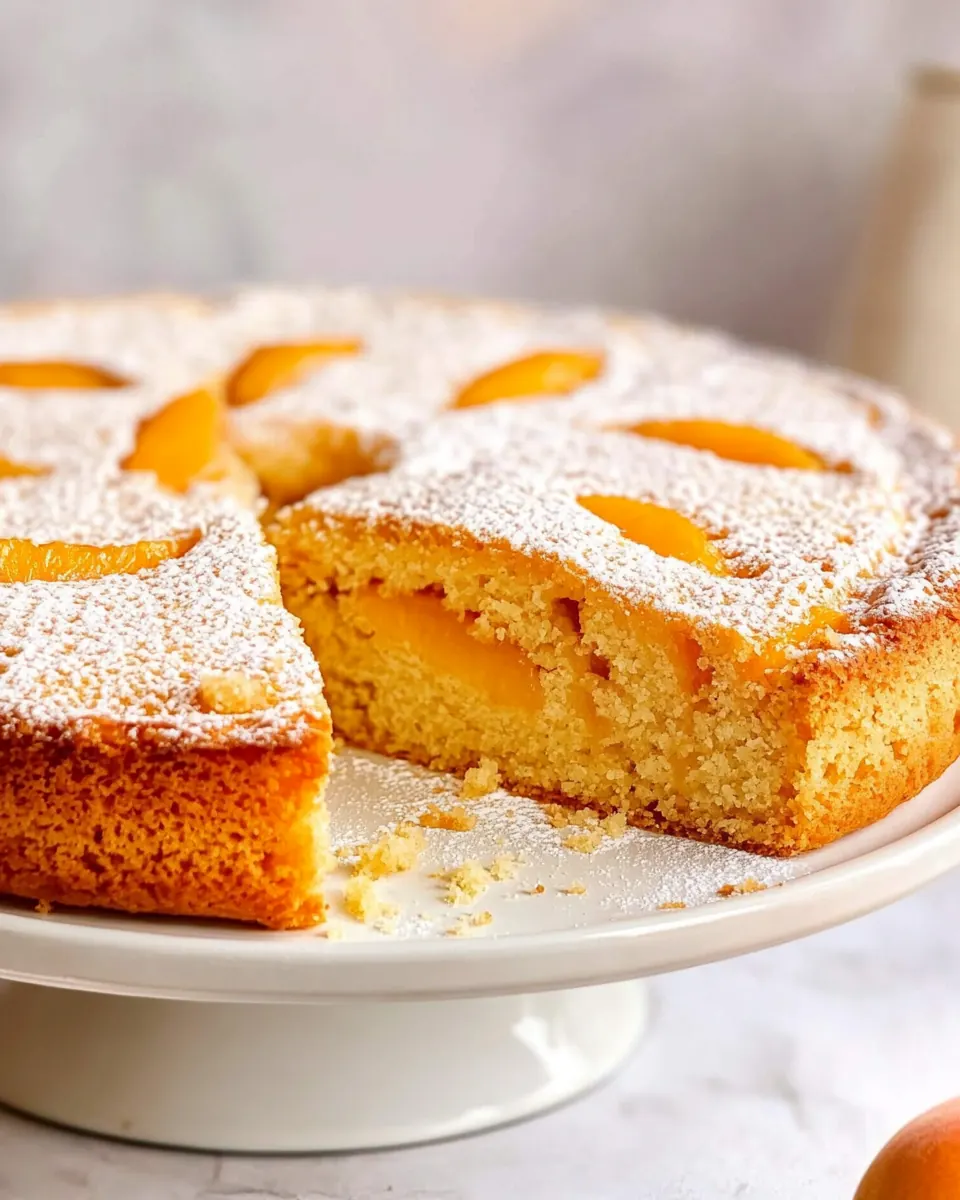
These ingredients are chosen to create a tender, buttery cake that lets the peaches shine. The flour and baking powder set the structure, while the butter, eggs, and sour cream add moisture and richness. The vanilla extract and granulated sugar round out the flavor, and the final star is, of course, the peaches.
- 1 1/2 cups all-purpose flour: Provide structure and bulk to the cake batter; combine with leavening to create a tender crumb. Sift or whisk before measuring to avoid lumps and ensure even distribution. Use room–temperature flour incorporation techniques for best texture.
- 1 1/2 teaspoons baking powder: Leaven and lift the cake by producing carbon dioxide when activated with batter moisture and heat. Measure accurately to avoid over-rising or a metallic aftertaste. Use fresh powder for reliable rise and a light crumb.
- 1/4 teaspoons salt: Season and balance the sweetness while enhancing overall flavor; helps strengthen gluten slightly. Dissolve evenly into dry ingredients to avoid concentrated salty pockets. Use fine salt for consistent distribution.
- 3/4 cup unsalted butter softened: Cream with sugar to incorporate air, contributing to a light, tender cake texture; also provides moisture and richness. Ensure softened but not melted butter for proper aeration during creaming. Use unsalted to control overall salt level.
- 1 cup granulated sugar: Sweeten the cake and aid in moisture retention while assisting creaming to incorporate air for a lighter texture. Can brown slightly during baking to contribute to crust color and flavor. Measure and level for consistent sweetness.
- 3 large eggs room temperature: Bind ingredients, add richness, and contribute to structure and leavening through steam and coagulated proteins. Bring to room temperature to emulsify better with fats for a smoother batter. Add eggs one at a time for even incorporation.
- 1/4 cups sour cream room temperature: Add moisture and tenderness while contributing slight tang that complements the peaches and balances sweetness. Fold in gently to maintain a soft crumb and prevent overworking gluten. Use full-fat sour cream for best richness.
- 1 teaspoon pure vanilla extract: Contribute aromatic depth and enhance the cake's overall flavor profile with a warm, sweet fragrance. Add to batter to complement the fruit and dairy components. Use pure vanilla extract for natural flavor clarity.
- 2 cups fresh peaches peeled, pitted, and sliced: Provide bright, juicy fruit flavor, texture, and visual appeal while adding natural moisture and sweetness to the cake. Peel, pit, and slice uniformly for even distribution and consistent baking. Use ripe but firm peaches to prevent excess juice.
How to Prepare Peach Cake
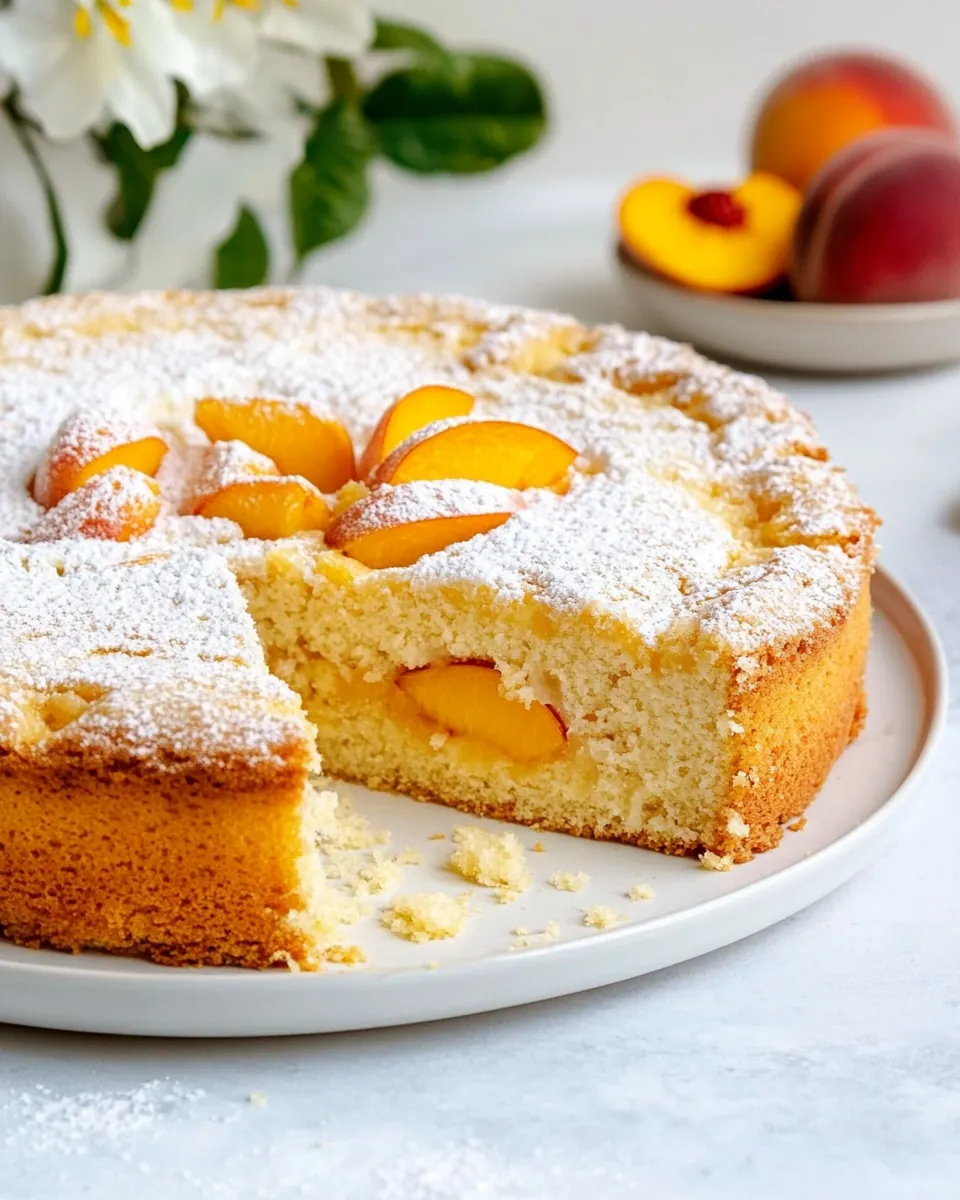
This cake is straightforward, and with a few mindful moves you’ll get consistently great results. I like to set everything out first and work at a relaxed pace, focusing on texture and aroma as I go. Keep an eye on cues like color and toothpick tests, they tell you more than a timer alone.
- Preheat your oven to 350°F and grease a 9-inch round cake pan.: The smell of the warming oven is the first sign that baking has begun, and a well greased pan prevents sticking and encourages even browning along the edges. Preheating ensures the batter meets consistent heat right away, which helps the cake rise properly. A common error is not preheating, which can cause uneven rise and a dense center. Make sure your oven reads the temperature accurately by using an oven thermometer when possible.
- In a medium bowl, whisk together flour, baking powder, and salt.: When you combine the dry ingredients you should notice the fine, powdery texture and a faint, bready scent from the flour . Whisking distributes the baking powder and salt evenly so pockets of leavener do not create uneven rise. Overworking the mixture can activate gluten prematurely, so whisk just until uniform. If lumps persist, sift gently to avoid dense spots in the cake.
- In a large bowl, cream the butter and sugar until light and fluffy. Beat in the eggs one at a time, then stir in sour cream and vanilla extract.: As you beat the unsalted butter and granulated sugar , the mixture should turn paler and increase in volume, nearly doubling, indicating air has been incorporated. This aeration is crucial for a tender crumb. If the butter is too cold, it will not cream properly, leading to a heavier cake. If it looks greasy or overly soft, chill it briefly and try again.
- Gradually mix the dry ingredients into the wet ingredients until just combined. Fold in the sliced peaches.: Adding each egg separately allows the batter to emulsify and maintain volume; you should hear a smooth, slightly glossy batter form and smell the rich aroma of vanilla extract . The sour cream contributes silkiness and tenderness, and you may notice the batter becoming silkier and more cohesive. If the mixture looks curdled after adding eggs, keep beating gently it usually comes together. Avoid rushing or high speed that might overwork the batter.
- Pour the batter into the prepared pan and smooth the top with a spatula.: As you fold in the dry mix, you will see the batter thicken and the dusty flour disappear into glossy batter. Mixing slowly preserves the air you built during creaming, which is the secret to a light texture. Overmixing at this point builds gluten and yields toughness, so stop when streaks of flour are gone. If the batter seems too stiff, a tablespoon of milk can help but is usually unnecessary.
- Bake for 50 minutes, or until a toothpick inserted into the center comes out clean.: Gently folding the peaches allows their juices to mingle without turning the batter soggy, and you will notice juicy ribbons and flecks of peach dispersed through the batter. Folding preserves peach shape and prevents crushing, which keeps pieces intact after baking. If you stir too vigorously, the fruit will break down and sink, creating dense pockets. Use a rubber spatula and a light hand.
- Allow the cake to cool in the pan for 10 minutes, then transfer to a wire rack to cool completely.: The act of smoothing lets you peek at the batter's texture it should be thick but pourable with visible pieces of peach . A level surface bakes evenly and gives a pretty finished top. Avoid packing the batter into the pan, which can compress the crumb. If you see large air pockets, tap the pan gently on the counter to level the batter.
- Bake for 50 minutes, or until a toothpick inserted into the center comes out clean: During baking you will notice the cake's edges pulling slightly from the pan and the top turning golden, often releasing a warm, caramel like fragrance from the sugar and peaches . The toothpick test is the most reliable cue for doneness, as times can vary between ovens. Opening the oven too early may cause the cake to deflate, so resist peeking until toward the end of the bake time. If the top browns too quickly, tent with foil to prevent overcoloring.
- Allow the cake to cool in the pan for 10 minutes, then transfer to a wire rack to cool completely: That brief rest lets the crumb set so the cake holds its shape when removed, and moving it to a wire rack prevents steam from making the bottom soggy. You will still smell an inviting warmth as it cools, and the texture firms to a perfect sliceable state. Cutting too soon can cause tearing and a gummy center. If the cake sticks, run a thin knife around the edge before inverting.
Tips and Tricks about Peach Cake
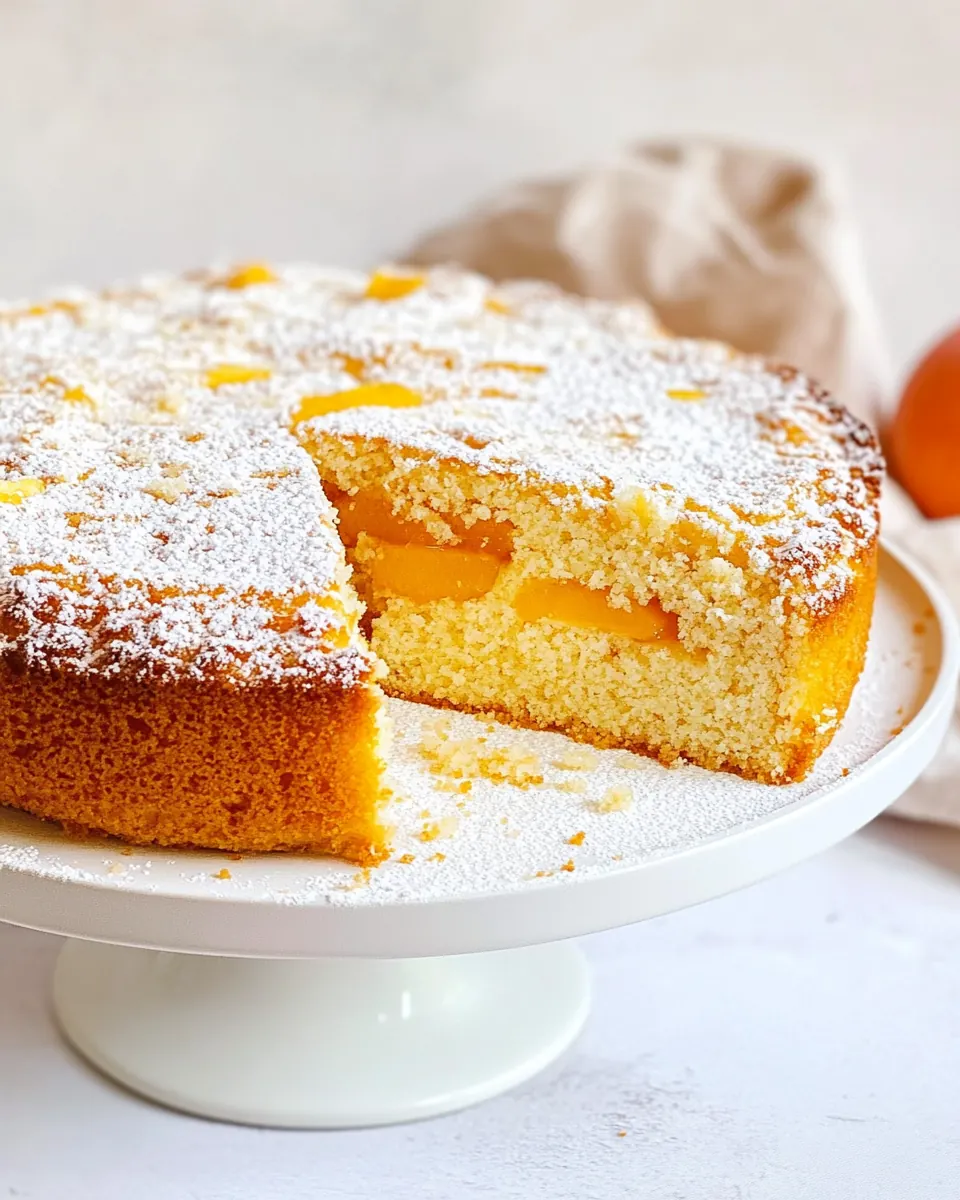
I like to keep a few practical tips handy when baking Peach Cake. These make the process smoother and help ensure consistent results, whether you are a seasoned baker or trying this recipe for the first time.
- Choose the right peaches Fresh, ripe yet slightly firm peaches will hold their shape during folding and baking, giving you distinct fruit pockets rather than a puddle of juice.
- Room temperature ingredients Let the eggs and sour cream come to room temperature so they blend seamlessly into the batter, avoiding lumps and curdling.
- Don’t overmix When combining dry and wet ingredients stop once the flour is incorporated to keep the crumb tender, overmixing creates a chewier texture.
- Tent with foil if browning too fast If the top reaches a deep color before the center is set, loosely cover the cake with foil to finish baking without burning the surface.
- Let it rest briefly Cooling the cake in the pan for about ten minutes before removing helps it keep its shape and prevents tearing when transferring to a rack.
Pairing Suggestions for Peach Cake
Peach Cake pairs beautifully with simple companions that highlight its fruitiness. I serve it for afternoon tea or a relaxed family dessert, and it works well for summertime gatherings where light, fresh flavors are welcome.
- With whipped cream A spoonful of lightly sweetened whipped cream adds a cloud like texture that complements the cake’s tender crumb and juicy peaches.
- With fresh berries A scattering of fresh berries adds brightness and a contrasting tart note that balances the cake’s sweetness nicely.
- As a brunch centerpiece Serve slices alongside soft cheeses and fresh fruit for a casual brunch, the cake’s gentle sweetness meshes well with savory small bites.
- For picnic gatherings The cake travels well when cooled and wrapped, making it a lovely option for outdoor meals and potlucks during summer.
- Storage tip Keep slices in an airtight container at room temperature for one day, or refrigerate up to three days to preserve freshness; bring to room temperature before serving for best flavor.
- Occasions This cake feels right for backyard dinners, weekend baking projects, or whenever you want a dessert that tastes homemade and approachable.
FAQ
Conclusion
This Peach Cake stands out for its balance of buttery richness and the bright, juicy flavor of fresh peaches. Give it a try when peaches are at their peak, and you will find a dessert that feels both comforting and effortless to share. I hope you enjoy the warm aromas and the tender, fruit studded slices as much as I do when I pull this from the oven for friends and family.
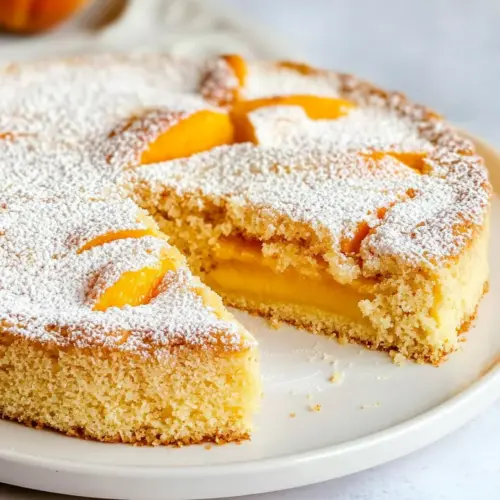
Peach Cake
Equipment
- 9-inch Round Cake Pan
- Mixing Bowls
- Rubber spatula
- Whisk
- Wire Rack
Ingredients
- 1 1/2 cups all-purpose flour Provide structure and bulk to the cake batter; combine with leavening to create a tender crumb. Sift or whisk before measuring to avoid lumps and ensure even distribution. Use room-temperature flour incorporation techniques for best texture.
- 1 1/2 teaspoons baking powder Leaven and lift the cake by producing carbon dioxide when activated with batter moisture and heat. Measure accurately to avoid over-rising or a metallic aftertaste. Use fresh powder for reliable rise and a light crumb.
- 1/4 teaspoons salt Season and balance the sweetness while enhancing overall flavor; helps strengthen gluten slightly. Dissolve evenly into dry ingredients to avoid concentrated salty pockets. Use fine salt for consistent distribution.
- 3/4 cup unsalted butter softened Cream with sugar to incorporate air, contributing to a light, tender cake texture; also provides moisture and richness. Ensure softened but not melted butter for proper aeration during creaming. Use unsalted to control overall salt level.
- 1 cup granulated sugar Sweeten the cake and aid in moisture retention while assisting creaming to incorporate air for a lighter texture. Can brown slightly during baking to contribute to crust color and flavor. Measure and level for consistent sweetness.
- 3 large eggs room temperature Bind ingredients, add richness, and contribute to structure and leavening through steam and coagulated proteins. Bring to room temperature to emulsify better with fats for a smoother batter. Add eggs one at a time for even incorporation.
- 1/4 cups sour cream room temperature Add moisture and tenderness while contributing slight tang that complements the peaches and balances sweetness. Fold in gently to maintain a soft crumb and prevent overworking gluten. Use full-fat sour cream for best richness.
- 1 teaspoon pure vanilla extract Contribute aromatic depth and enhance the cake's overall flavor profile with a warm, sweet fragrance. Add to batter to complement the fruit and dairy components. Use pure vanilla extract for natural flavor clarity.
- 2 cups fresh peaches peeled, pitted, and sliced Provide bright, juicy fruit flavor, texture, and visual appeal while adding natural moisture and sweetness to the cake. Peel, pit, and slice uniformly for even distribution and consistent baking. Use ripe but firm peaches to prevent excess juice.
Instructions
- Preheat your oven to 350°F and grease a 9-inch round cake pan.: The smell of the warming oven is the first sign that baking has begun, and a well greased pan prevents sticking and encourages even browning along the edges. Preheating ensures the batter meets consistent heat right away, which helps the cake rise properly. A common error is not preheating, which can cause uneven rise and a dense center. Make sure your oven reads the temperature accurately by using an oven thermometer when possible.
- In a medium bowl, whisk together flour, baking powder, and salt.: When you combine the dry ingredients you should notice the fine, powdery texture and a faint, bready scent from the flour . Whisking distributes the baking powder and salt evenly so pockets of leavener do not create uneven rise. Overworking the mixture can activate gluten prematurely, so whisk just until uniform. If lumps persist, sift gently to avoid dense spots in the cake.
- In a large bowl, cream the butter and sugar until light and fluffy. Beat in the eggs one at a time, then stir in sour cream and vanilla extract.: As you beat the unsalted butter and granulated sugar , the mixture should turn paler and increase in volume, nearly doubling, indicating air has been incorporated. This aeration is crucial for a tender crumb. If the butter is too cold, it will not cream properly, leading to a heavier cake. If it looks greasy or overly soft, chill it briefly and try again.
- Gradually mix the dry ingredients into the wet ingredients until just combined. Fold in the sliced peaches.: Adding each egg separately allows the batter to emulsify and maintain volume; you should hear a smooth, slightly glossy batter form and smell the rich aroma of vanilla extract . The sour cream contributes silkiness and tenderness, and you may notice the batter becoming silkier and more cohesive. If the mixture looks curdled after adding eggs, keep beating gently it usually comes together. Avoid rushing or high speed that might overwork the batter.
- Pour the batter into the prepared pan and smooth the top with a spatula.: As you fold in the dry mix, you will see the batter thicken and the dusty flour disappear into glossy batter. Mixing slowly preserves the air you built during creaming, which is the secret to a light texture. Overmixing at this point builds gluten and yields toughness, so stop when streaks of flour are gone. If the batter seems too stiff, a tablespoon of milk can help but is usually unnecessary.
- Bake for 50 minutes, or until a toothpick inserted into the center comes out clean.: Gently folding the peaches allows their juices to mingle without turning the batter soggy, and you will notice juicy ribbons and flecks of peach dispersed through the batter. Folding preserves peach shape and prevents crushing, which keeps pieces intact after baking. If you stir too vigorously, the fruit will break down and sink, creating dense pockets. Use a rubber spatula and a light hand.
- Allow the cake to cool in the pan for 10 minutes, then transfer to a wire rack to cool completely.: The act of smoothing lets you peek at the batter's texture it should be thick but pourable with visible pieces of peach . A level surface bakes evenly and gives a pretty finished top. Avoid packing the batter into the pan, which can compress the crumb. If you see large air pockets, tap the pan gently on the counter to level the batter.
- Bake for 50 minutes, or until a toothpick inserted into the center comes out clean: During baking you will notice the cake's edges pulling slightly from the pan and the top turning golden, often releasing a warm, caramel like fragrance from the sugar and peaches . The toothpick test is the most reliable cue for doneness, as times can vary between ovens. Opening the oven too early may cause the cake to deflate, so resist peeking until toward the end of the bake time. If the top browns too quickly, tent with foil to prevent overcoloring.
- Allow the cake to cool in the pan for 10 minutes, then transfer to a wire rack to cool completely: That brief rest lets the crumb set so the cake holds its shape when removed, and moving it to a wire rack prevents steam from making the bottom soggy. You will still smell an inviting warmth as it cools, and the texture firms to a perfect sliceable state. Cutting too soon can cause tearing and a gummy center. If the cake sticks, run a thin knife around the edge before inverting.
Notes
- Choose the right peaches Fresh, ripe yet slightly firm peaches will hold their shape during folding and baking, giving you distinct fruit pockets rather than a puddle of juice.
- Room temperature ingredients Let the eggs and sour cream come to room temperature so they blend seamlessly into the batter, avoiding lumps and curdling.
- Don't overmix When combining dry and wet ingredients stop once the flour is incorporated to keep the crumb tender, overmixing creates a chewier texture.
- Tent with foil if browning too fast If the top reaches a deep color before the center is set, loosely cover the cake with foil to finish baking without burning the surface.
- Let it rest briefly Cooling the cake in the pan for about ten minutes before removing helps it keep its shape and prevents tearing when transferring to a rack.
