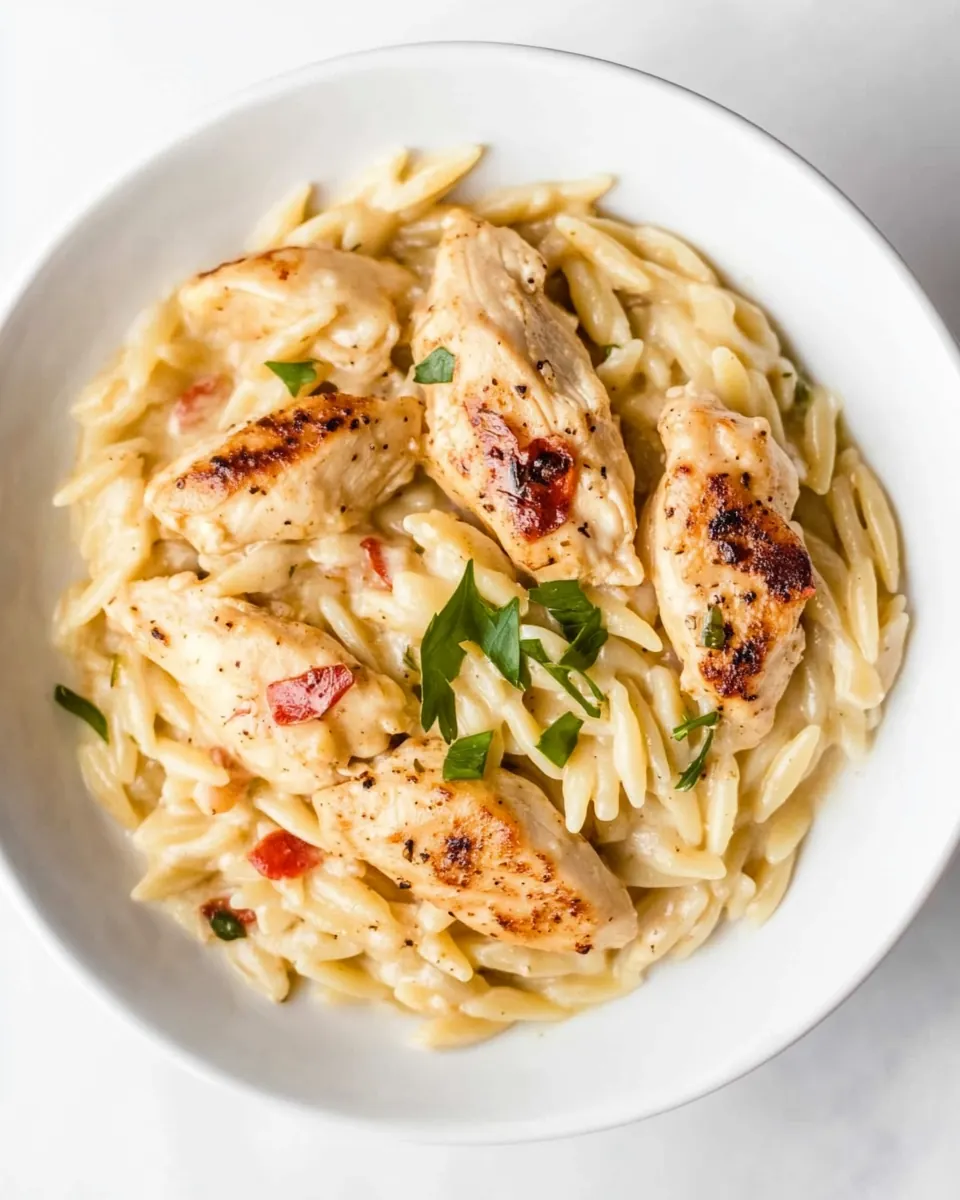
Cajun Chicken Orzo
Cajun Chicken Orzo is the kind of weeknight dinner I turn to when I want bold flavor with minimal fuss. The first time I made this, I was coming home late from a long day and scavenged my fridge for a rotisserie chicken and a few pantry staples, and before I knew it the whole kitchen smelled like a cozy bistro, spicy and comforting.
That evening taught me how a handful of simple techniques turn basic ingredients into something memorable. I remember stirring a pot as the creamy liquid reduced, tasting for balance, and thinking how nicely the heat from the Cajun seasoning played against the bright hint of lemon juice. It felt like a small culinary win, and I wanted to bottle that feeling to share with you.
Over time I tweaked the recipe to keep it reliable when life gets busy. A short sauté brings out sweetness in the onion, and toasting the orzo adds a nutty depth that surprises guests. If you enjoy hearty texture, shredded chicken folded in at the end keeps the dish substantial without overshadowing the silky sauce. This version is forgiving, so you can adjust spice, creaminess, or acidity to your mood.
Recipe Snapshot
30 mins
10 mins
20 mins
Easy
600 kcal
American
Gluten-Free, Low FODMAP
Dinner
Pot, Spoon
What’s Great About This Cajun Chicken Orzo
Comfort that comes together fast
I love that Cajun Chicken Orzo gives you big flavor without a long ingredient list. After a quick sauté and a gentle simmer, you get a creamy, spiced bowl that feels indulgent yet achievable on a weeknight.
Textural harmony
The contrast of tender shredded chicken with plump, slightly al dente orzo creates an inviting mouthfeel. The cream and parmesan cheese bring silkiness, while the sautéed onion and sun dried tomatoes add little bursts of interest.
Flavor balance
Between zesty lemon juice, smoky Cajun seasoning, and the mellowing effect of heavy whipping cream, the dish hits savory, bright, and creamy notes. I find that a little seasoning goes a long way, and the end taste is layered rather than one dimensional.
Hands on but not fussy
This recipe keeps you engaged just enough to feel like you cooked, while staying forgiving. If the orzo drinks liquid too fast you can lower the heat or add a splash more broth, and if it looks too wet, a short covered rest thickens the sauce perfectly.
Great for leftover rescue
I regularly use leftover roast or rotisserie chicken and a box of orzo to make this. It reheats well and tastes even better the next day once the flavors have settled, making it a dependable friend for busy weeks.
Cajun Chicken Orzo Shopping List
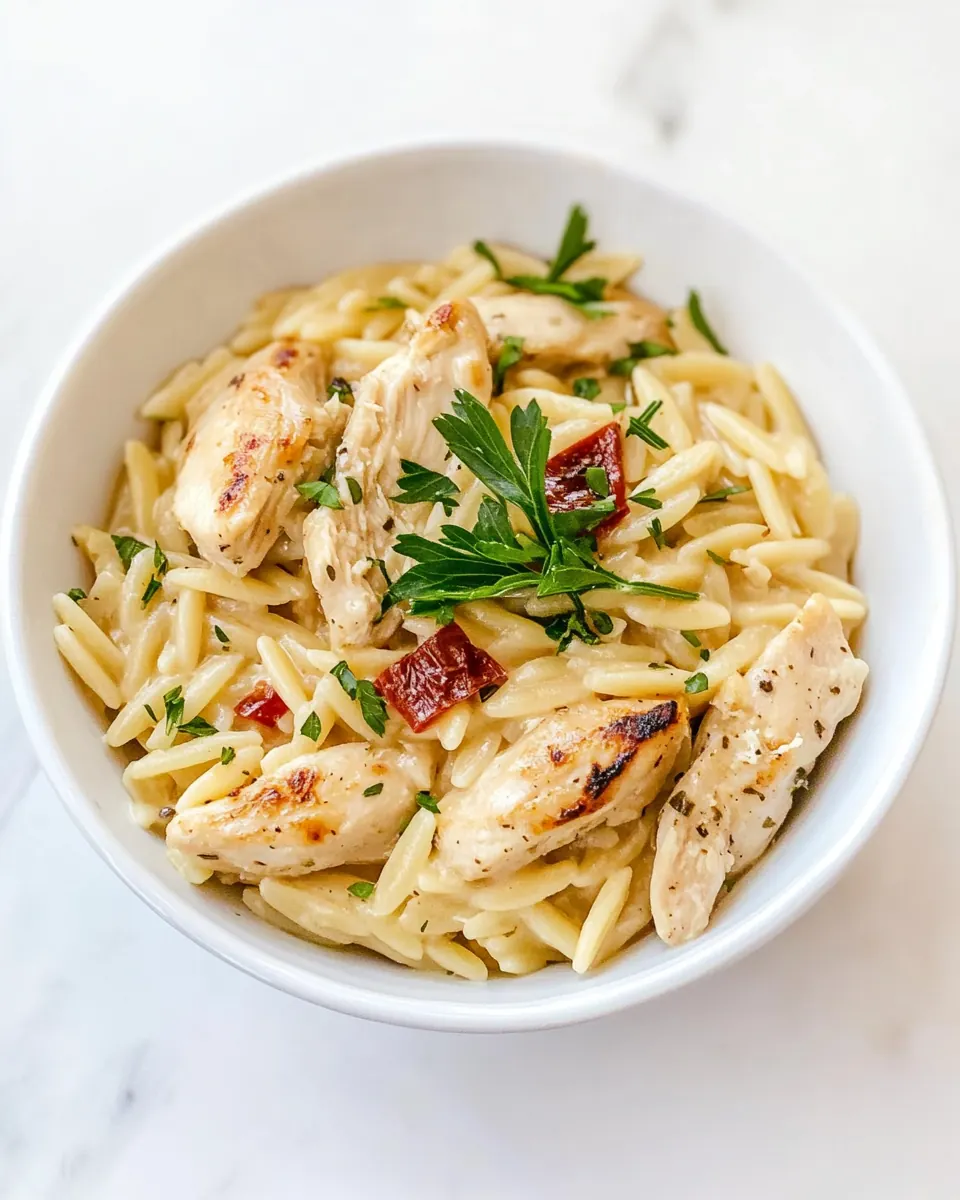
The philosophy behind these ingredients is simplicity with punch. Each item plays a clear role: aromatics like onion and garlic build the flavor base, fats like olive oil and butter carry those flavors, and pantry staples such as orzo and chicken broth form the body of the dish. The creamy finish from heavy whipping cream and umami from parmesan cheese round everything out, while shredded chicken makes it a complete meal.
- 1 tablespoon olive oil: Sauté to provide a flavorful cooking fat that helps brown aromatics and prevents sticking while adding a fruity, mild richness to the dish.
- 2 tablespoons butter: Melt to add creamy richness and a slightly nutty depth that enhances the sauce body and helps deglaze the pan for extra flavor.
- 1/2 medium onion chopped: Chop finely to contribute sweet, savory aromatics that build the flavor base when softened and caramelized during cooking.
- 3 cloves garlic minced: Mince finely to release pungent, aromatic oils that boost savory depth and complement the spices and tomatoes in the sauce.
- 1/4 cups un-dried tomatoes: Dice or chop to introduce concentrated, sweet-tart tomato flavor and chewy texture that intensifies as it simmers with the orzo.
- 1/2 tablespoon Cajun seasoning see note: Season generously to impart smoky, spicy, and herbaceous notes that define the dish’s bold Cajun profile and elevate the chicken and pasta.
- 1 cup uncooked orzo pasta: Cook until al dente to serve as the tender pasta base that absorbs flavors from the broth and cream, providing pleasing bite and body.
- 2 cups low sodium chicken broth: Simmer to infuse the orzo with savory depth and salt balance, creating a flavorful liquid that the pasta soaks up for a cohesive sauce.
- 1 teaspoon lemon juice: Squeeze in to brighten and balance richness with a tangy pop that cuts through the cream and enhances overall flavor complexity.
- 1 cup heavy whipping cream: Pour in to create a luxuriously smooth, rich sauce that coats the orzo and combines with cheese for a creamy mouthfeel.
- 2 cups cooked shredded rotisserie chicken: Shred and fold in to add ready-cooked protein with moist texture and savory meatiness that complements the spicy, creamy orzo.
- 1/2 cup freshly grated parmesan cheese: Grate finely to contribute salty, umami complexity and help thicken and enrich the sauce while providing a nutty, savory finish.
Step by Step Guide for Cajun Chicken Orzo
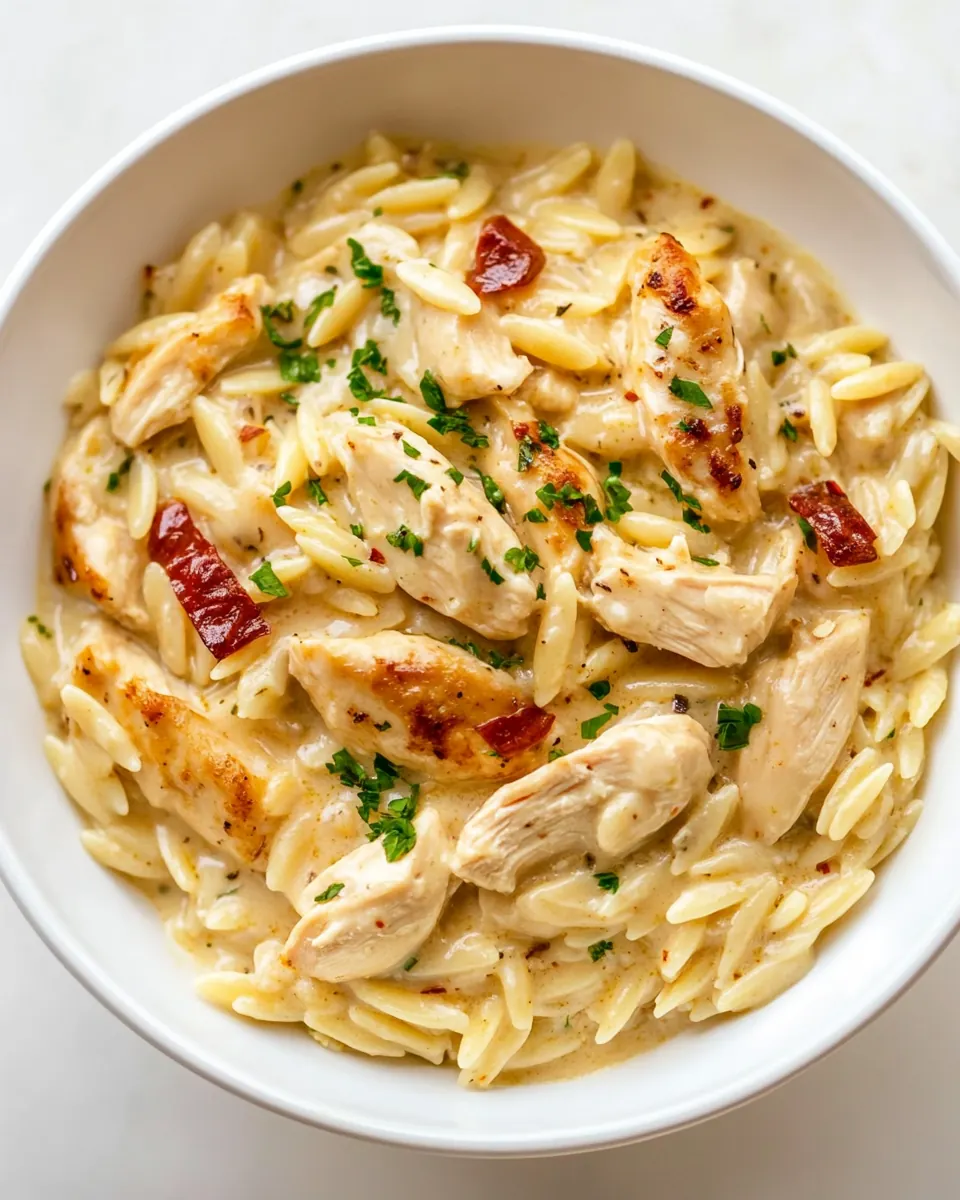
These directions walk you through a comforting, one pot style meal. The technique is straightforward, but attention to heat and timing will pay off with a silky sauce and perfectly cooked orzo. Read each step and use the sensory cues to guide you.
- Add the oil, butter, and onion to a pot over medium-high heat. Sauté the onion for 3-4 minutes.: You should hear a gentle sizzle as the olive oil and butter warm and the diced onion begins to soften. The smell will shift from sharp to sweet and mellow, with the kitchen filling with a warm, savory aroma. Visually the onion will turn translucent and the edges will start to soften and become glossy. This stage develops foundational flavor by allowing natural sugars in the onion to blossom, which supports the spices later. A common mistake is using too high heat, which browns or burns the onion too fast; if you see dark edges, lower the heat and stir more often. Keeping the pan at medium high lets moisture escape but still cooks quickly, creating a tender bite instead of raw crunchy pieces.
- Add the garlic, sun-dried tomatoes, Cajun seasoning, and orzo to the pot. Cook for 2-3 minutes, stirring often.: Right away the aroma will intensify as the minced garlic hits the hot fat, offering a savory perfume that signals flavor bloom. The sun dried tomatoes will soften and release concentrated tomato essence, while the orzo will toast slightly and turn a shade deeper, lending a nutty note. This quick cook infuses the orzo with flavor so the pasta absorbs more than plain liquid later. Pay attention to constant stirring, because toasted garlic can brown quickly and become bitter. If you notice any burnt bits on the pan, reduce heat and gently scrape them up to reincorporate the flavor without grit.
- Stir in the chicken broth, lemon juice, and cream. Once it starts to bubble, continue cooking for 10 minutes, uncovered, stirring fairly often. You will probably need to turn the heat down a bit (to medium or even medium-low). It should gently bubble vs. furiously boil, and you don't want the liquid to reduce too much before the pasta has cooked.: The moment the liquid hits the pot you will see steam and the surface will ripple with tiny bubbles. The smell becomes richer and more rounded as the heavy whipping cream emulsifies with broth, and a faint citrus brightness from the lemon juice will lift the aroma. Keep the pot at a gentle simmer so the orzo cooks evenly without the liquid reducing too quickly, which ensures tender pasta and a creamy sauce. Stirring often prevents sticking and promotes even cooking; if the sauce is evaporating faster than the orzo is absorbing, lower the heat and cover briefly or add a splash more broth. A frequent error is keeping the heat too high so the outside of the pasta gets mushy while the center remains undercooked, so use gentle bubbling as your guide.
- Stir in the chicken and parmesan.: As you fold in the shredded rotisserie chicken , you will feel the pot cool slightly, then the mixture will settle into a cohesive, creamy texture as the parmesan cheese melts. The cheese adds a silky sheen and subtle nuttiness, while the chicken brings savory body and temperature contrast. This step is crucial for integrating flavors without overcooking the pre cooked chicken ; if you leave it on high heat too long, the meat can dry out. Watch for the sauce to look glossy and slightly thicker, and taste for seasoning because the parmesan cheese and Cajun seasoning may have already contributed salt.
- Take the pot off the heat, and cover it for 3-5 minutes or until it has thickened up to your liking.: Once removed from direct heat, steam trapped under the lid will finish cooking the orzo gently and allow the sauce to bind and thicken. You will notice the texture shift from loose to a clingy, velvety sauce that coats each grain of orzo , and aromas will become more concentrated. Resting also evens out temperature and helps flavors marry. A common oversight is skipping the covered rest, which can leave the sauce runnier than intended; if that happens, simply recover and wait a little longer. Use a fork to check consistency after resting, and if it is thicker than you prefer, stir in a splash of broth to loosen it.
Recipe Notes about Cajun Chicken Orzo
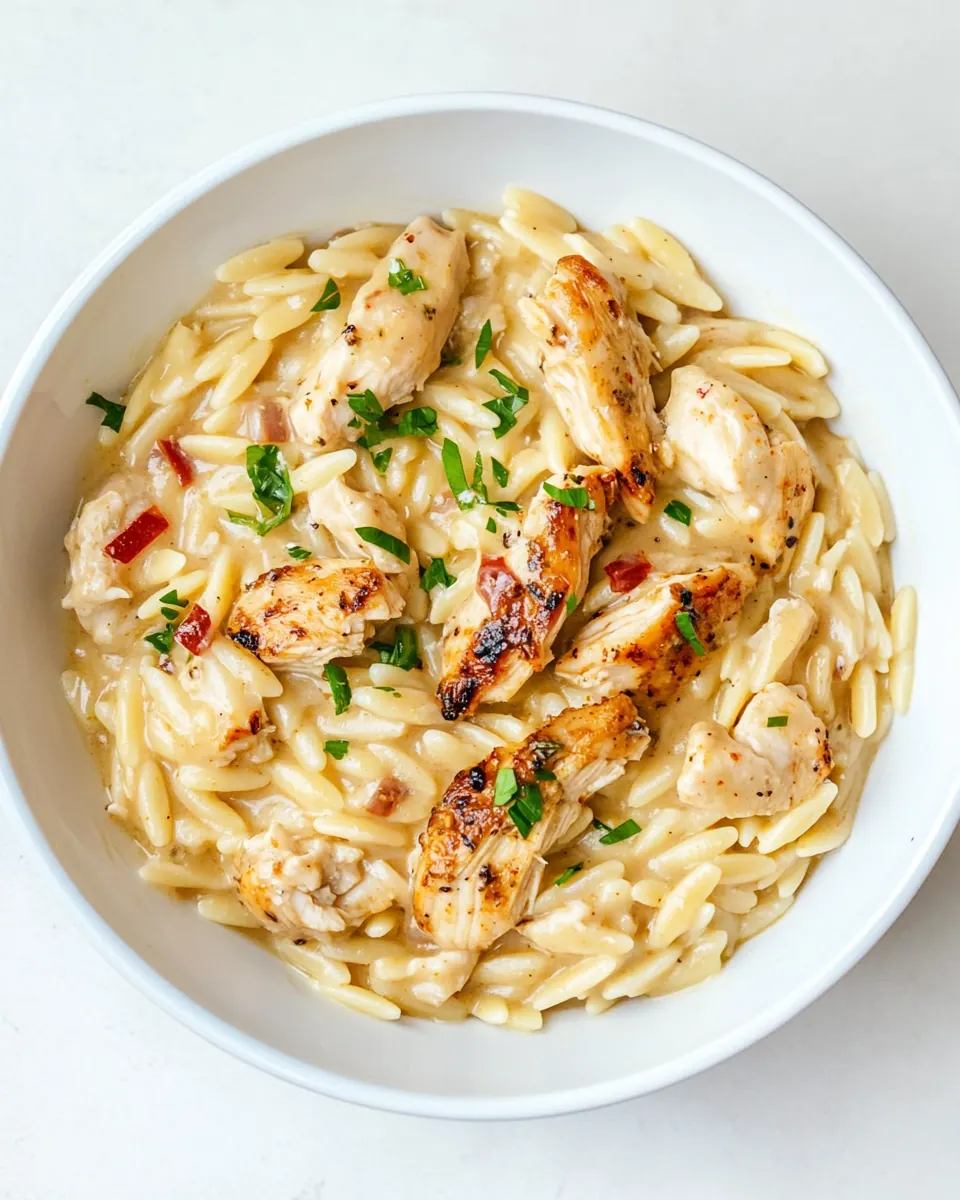
These notes expand on practical adjustments and seasonality so you get consistent results. Read them before you cook, and keep them handy while you work through the recipe.
- Seasoning saltiness: Many Cajun blends vary widely in salt content, so taste the sauce before adding extra salt and choose low sodium broth when possible.
- Pasta texture: Aim for slightly al dente orzo, because it will continue to soften during the covered rest, preventing a mushy final dish.
- Temperature control: Maintain a gentle simmer after adding liquids; too high and the top will reduce before the orzo cooks, too low and the pasta will take much longer to finish.
- Rescue strategies: If the orzo is undercooked and liquid is low, add small amounts of warm broth and continue cooking; if the sauce is too thin, cover and rest until it thickens.
- Cheese integration: Use freshly grated parmesan cheese rather than pre grated for smoother melting and better flavor.
How to Serve Cajun Chicken Orzo
This dish is versatile enough for a casual family dinner or a relaxed gathering with friends. The creamy, spiced bowl is satisfying on its own, but pairing choices can enhance the meal.
- Serve warm in shallow bowls: Spoon the Cajun Chicken Orzo into warm shallow bowls so the sauce spreads evenly and the orzo stays tender.
- Garnish sparingly: A light sprinkle of extra freshly grated parmesan cheese or a few torn herbs adds brightness without masking the Cajun profile.
- Occasions: This works great for weeknight family dinners, casual weekend lunches, or small dinner parties where you want comfort with personality.
- Storage: Cool leftovers quickly and refrigerate in a sealed container for up to three days; reheat gently on the stove with a splash of broth to loosen the sauce.
- Make ahead: Fully assemble, then reheat slowly; for potluck transport, keep sauce slightly looser and let it thicken after reheating.
- Seasonal pairing: The richness pairs well with crisp, acidic sides in warmer months, and stands up to heartier winter salads or roasted vegetables when you want a comforting main.
FAQ
Conclusion
This version of Cajun Chicken Orzo stands out for its creamy texture, bold seasoning, and quick assembly, making it a reliable choice when you want something comforting without a long cook time. Try it on a busy weeknight to enjoy a meal that feels both indulgent and homey. Once you taste the balance of bright lemon, savory parmesan cheese, and tender chicken, I think you will come back to this recipe again and again.
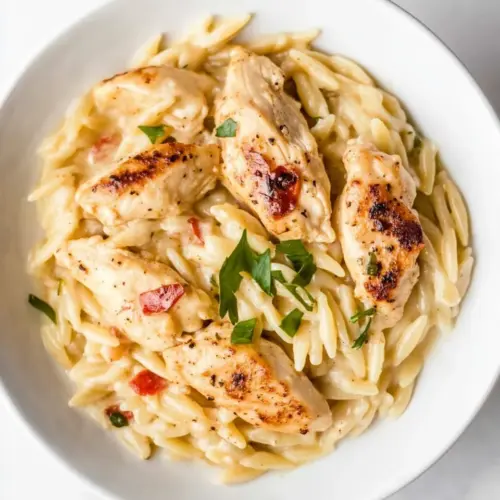
Cajun Chicken Orzo
Equipment
- Pot
- Spoon
Ingredients
- 1 tablespoon olive oil Sauté to provide a flavorful cooking fat that helps brown aromatics and prevents sticking while adding a fruity, mild richness to the dish.
- 2 tablespoons butter Melt to add creamy richness and a slightly nutty depth that enhances the sauce body and helps deglaze the pan for extra flavor.
- 1/2 medium onion chopped Chop finely to contribute sweet, savory aromatics that build the flavor base when softened and caramelized during cooking.
- 3 cloves garlic minced Mince finely to release pungent, aromatic oils that boost savory depth and complement the spices and tomatoes in the sauce.
- 1/4 cups un-dried tomatoes Dice or chop to introduce concentrated, sweet-tart tomato flavor and chewy texture that intensifies as it simmers with the orzo.
- 1/2 tablespoon Cajun seasoning see note Season generously to impart smoky, spicy, and herbaceous notes that define the dish’s bold Cajun profile and elevate the chicken and pasta.
- 1 cup uncooked orzo pasta Cook until al dente to serve as the tender pasta base that absorbs flavors from the broth and cream, providing pleasing bite and body.
- 2 cups low sodium chicken broth Simmer to infuse the orzo with savory depth and salt balance, creating a flavorful liquid that the pasta soaks up for a cohesive sauce.
- 1 teaspoon lemon juice Squeeze in to brighten and balance richness with a tangy pop that cuts through the cream and enhances overall flavor complexity.
- 1 cup heavy whipping cream Pour in to create a luxuriously smooth, rich sauce that coats the orzo and combines with cheese for a creamy mouthfeel.
- 2 cups cooked shredded rotisserie chicken Shred and fold in to add ready-cooked protein with moist texture and savory meatiness that complements the spicy, creamy orzo.
- 1/2 cup freshly grated parmesan cheese Grate finely to contribute salty, umami complexity and help thicken and enrich the sauce while providing a nutty, savory finish.
Instructions
- Add the oil, butter, and onion to a pot over medium-high heat. Sauté the onion for 3-4 minutes.: You should hear a gentle sizzle as the olive oil and butter warm and the diced onion begins to soften. The smell will shift from sharp to sweet and mellow, with the kitchen filling with a warm, savory aroma. Visually the onion will turn translucent and the edges will start to soften and become glossy. This stage develops foundational flavor by allowing natural sugars in the onion to blossom, which supports the spices later. A common mistake is using too high heat, which browns or burns the onion too fast; if you see dark edges, lower the heat and stir more often. Keeping the pan at medium high lets moisture escape but still cooks quickly, creating a tender bite instead of raw crunchy pieces.
- Add the garlic, sun-dried tomatoes, Cajun seasoning, and orzo to the pot. Cook for 2-3 minutes, stirring often.: Right away the aroma will intensify as the minced garlic hits the hot fat, offering a savory perfume that signals flavor bloom. The sun dried tomatoes will soften and release concentrated tomato essence, while the orzo will toast slightly and turn a shade deeper, lending a nutty note. This quick cook infuses the orzo with flavor so the pasta absorbs more than plain liquid later. Pay attention to constant stirring, because toasted garlic can brown quickly and become bitter. If you notice any burnt bits on the pan, reduce heat and gently scrape them up to reincorporate the flavor without grit.
- Stir in the chicken broth, lemon juice, and cream. Once it starts to bubble, continue cooking for 10 minutes, uncovered, stirring fairly often. You will probably need to turn the heat down a bit (to medium or even medium-low). It should gently bubble vs. furiously boil, and you don't want the liquid to reduce too much before the pasta has cooked.: The moment the liquid hits the pot you will see steam and the surface will ripple with tiny bubbles. The smell becomes richer and more rounded as the heavy whipping cream emulsifies with broth, and a faint citrus brightness from the lemon juice will lift the aroma. Keep the pot at a gentle simmer so the orzo cooks evenly without the liquid reducing too quickly, which ensures tender pasta and a creamy sauce. Stirring often prevents sticking and promotes even cooking; if the sauce is evaporating faster than the orzo is absorbing, lower the heat and cover briefly or add a splash more broth. A frequent error is keeping the heat too high so the outside of the pasta gets mushy while the center remains undercooked, so use gentle bubbling as your guide.
- Stir in the chicken and parmesan.: As you fold in the shredded rotisserie chicken , you will feel the pot cool slightly, then the mixture will settle into a cohesive, creamy texture as the parmesan cheese melts. The cheese adds a silky sheen and subtle nuttiness, while the chicken brings savory body and temperature contrast. This step is crucial for integrating flavors without overcooking the pre cooked chicken ; if you leave it on high heat too long, the meat can dry out. Watch for the sauce to look glossy and slightly thicker, and taste for seasoning because the parmesan cheese and Cajun seasoning may have already contributed salt.
- Take the pot off the heat, and cover it for 3-5 minutes or until it has thickened up to your liking.: Once removed from direct heat, steam trapped under the lid will finish cooking the orzo gently and allow the sauce to bind and thicken. You will notice the texture shift from loose to a clingy, velvety sauce that coats each grain of orzo , and aromas will become more concentrated. Resting also evens out temperature and helps flavors marry. A common oversight is skipping the covered rest, which can leave the sauce runnier than intended; if that happens, simply recover and wait a little longer. Use a fork to check consistency after resting, and if it is thicker than you prefer, stir in a splash of broth to loosen it.
Notes
- Seasoning saltiness: Many Cajun blends vary widely in salt content, so taste the sauce before adding extra salt and choose low sodium broth when possible.
- Pasta texture: Aim for slightly al dente orzo, because it will continue to soften during the covered rest, preventing a mushy final dish.
- Temperature control: Maintain a gentle simmer after adding liquids; too high and the top will reduce before the orzo cooks, too low and the pasta will take much longer to finish.
- Rescue strategies: If the orzo is undercooked and liquid is low, add small amounts of warm broth and continue cooking; if the sauce is too thin, cover and rest until it thickens.
- Cheese integration: Use freshly grated parmesan cheese rather than pre grated for smoother melting and better flavor.
