Hokkaido Pumpkin Soup
Hokkaido Pumpkin Soup has been one of those bowls I turn to when the air turns crisp and I want something that feels like a warm kitchen hug. The first time I made this soup I was chasing comfort after a long day of errands, and the house filled with an aroma that immediately made me slow down. I remember setting a kettle on, wiping the counter, and thinking how a few simple ingredients could sing together so clearly.
Over the years I have refined how I prep the Hokkaido Pumpkin Soup so the texture is silky, and the flavor stays bright instead of dull. I often chop my vegetables a bit smaller when I want a faster weeknight version, or a bit chunkier when I want a rustic bowl to spoon slowly. Friends who taste it say it feels both luxurious and honest, and I have to agree. There is a particular comfort in the sweet, earthy note of roasted pumpkin meeting the creamy mouthfeel of potatoes, with a gentle savory backdrop from the veggie broth.
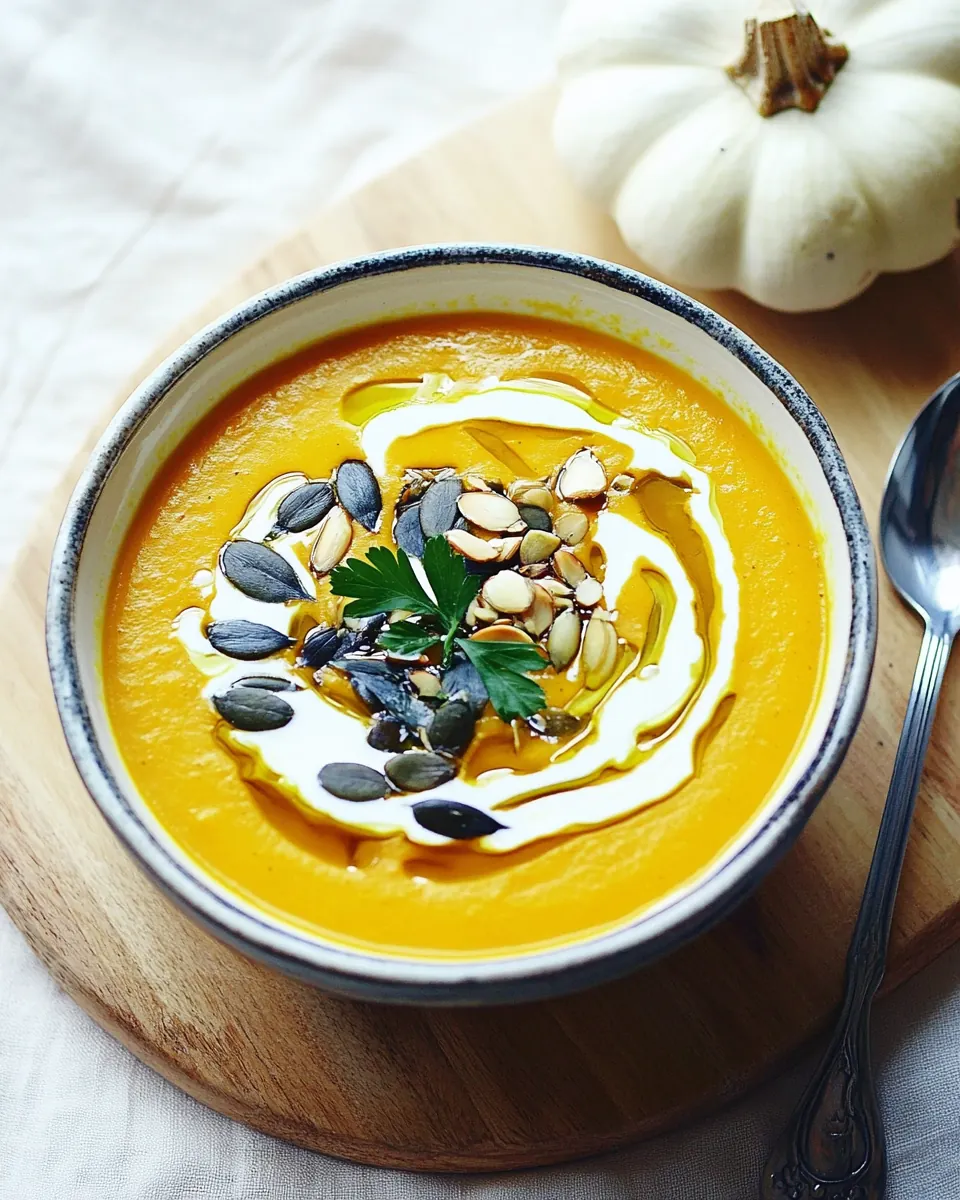
When I serve Hokkaido Pumpkin Soup, I think about simple finishes rather than fuss. A drizzle of high quality oil, a sprinkle of cracked pepper, and maybe a whisper of the herbs I love make each bowl sing. I like to talk while the soup simmers, telling stories about where the pumpkins came from or why this spoonful reminds me of a certain season. That kind of attentiveness changes the meal, and it makes the whole experience feel intentional.
Recipe Snapshot
30 mins
10 mins
20 mins
Easy
250 kcal
Japanese
Paleo, Gluten-Free
Soups
our Vitamix A2300, Immersion hand blender with 20 fl oz container, Cast-iron Dutch Oven (3-quart / 2.8 liter), Stockpot
What We Adore About This Hokkaido Pumpkin Soup
Bright, naturally sweet flavor
I love how the Hokkaido Pumpkin Soup balances sweetness with savory depth. The pumpkin brings a natural sugar that does not need added sweeteners, and the veggie broth amplifies that without taking control. When I taste a spoonful, I notice a clean, rounded sweetness that makes the soup feel indulgent yet wholesome.
Silky, satisfying texture
The combination of potatoes and pumpkin creates an incredibly creamy mouthfeel once pureed. I use an Immersion hand blender for a quick, even puree that captures every bit of velvety goodness. This texture makes it feel like a special meal, even when I have only minutes to put it together.
Simple pantry-friendly ingredients
I often find the ingredients for this soup in my kitchen already. With basic items like olive oil, onion, and garlic, you can transform humble produce into a standout dish. I appreciate recipes that trust the ingredient quality rather than masking it with many extras.
Flexible and forgiving
This recipe is kind to improvisation. If you have slightly less broth or a different size pumpkin, the soup still comes together beautifully. I tweak cooking time based on how small I dice the pieces, and that flexibility makes it perfect for both experienced cooks and busy home cooks.
Comfort that suits occasions
Whether I am serving this at a cozy family dinner or ladling it into bowls for a quiet solo night, the Hokkaido Pumpkin Soup fits the moment. It is elegant enough for guests, yet humble enough for everyday meals, and that balance keeps it in my seasonal rotation.
Everything You Need for Hokkaido Pumpkin Soup
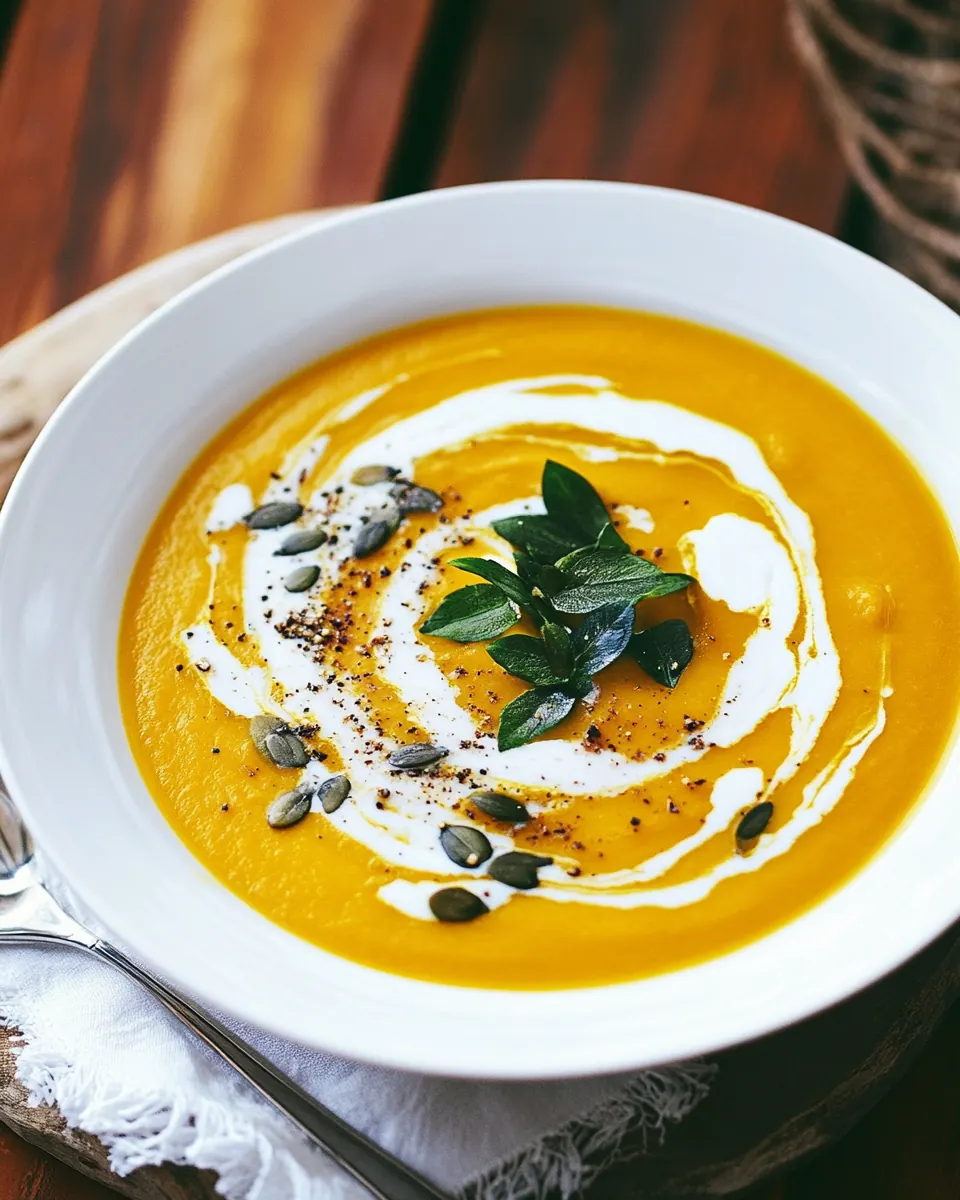
These ingredients are chosen to work in harmony, giving the soup body, flavor, and a clean savory backbone. The pumpkin is the star, offering sweetness and color, while potatoes bring creaminess when pureed. Aromatics like onion and garlic build the savory base, and veggie broth ties everything together. A little olive oil, and seasoning with salt and pepper lets the core flavors shine.
- 1 tbsp Olive oil: Heat gently to create the cooking fat that prevents sticking and helps sauté aromatics; adds a fruity, slightly bitter backbone that complements pumpkin sweetness. Use at the start of cooking to bloom flavors and carry heat for even softening of vegetables.
- 1 Onion (medium): Sauté until translucent to build the soup's aromatic base and contribute subtle sweetness and depth. Chop to even pieces so it softens uniformly and melds with the pumpkin for a smooth texture after blending.
- 2 cloves Garlic: Crush or mince finely to release pungent oils that brighten and enhance savory flavors in the broth. Add early in the sauté stage to infuse the oil and create subtle complexity without overpowering the pumpkin.
- 7 cup Hokkaido pumpkin (without seeds and peel): Cube and simmer until tender to provide the primary body, natural sweetness, and earthy flavor of the soup; its dense flesh purees into a silky, creamy texture without needing much dairy. Remove seeds and peel beforehand to ensure a smooth mouthfeel and consistent cooking.
- 3 Potatoes (medium): Peel and dice then simmer with pumpkin to add starchy creaminess and help thicken the soup naturally; contributes a mellow, comforting flavor that balances pumpkin sweetness. Cut uniformly so potatoes and pumpkin finish cooking at the same time for easy blending.
- 50 fl oz Veggie broth: Pour to cover solids and simmer to extract and unify flavors while providing the liquid base; choose a vegetable stock for complementary savory notes that keep the soup vegetarian. Adjust the amount to achieve desired consistency before blending.
- Salt and Pepper to taste: Season gradually to enhance and balance the overall flavor profile; add salt to bring out natural sweetness and pepper to introduce mild heat and complexity. Taste and adjust at multiple stages to prevent over- or under-seasoning.
Putting Together Hokkaido Pumpkin Soup
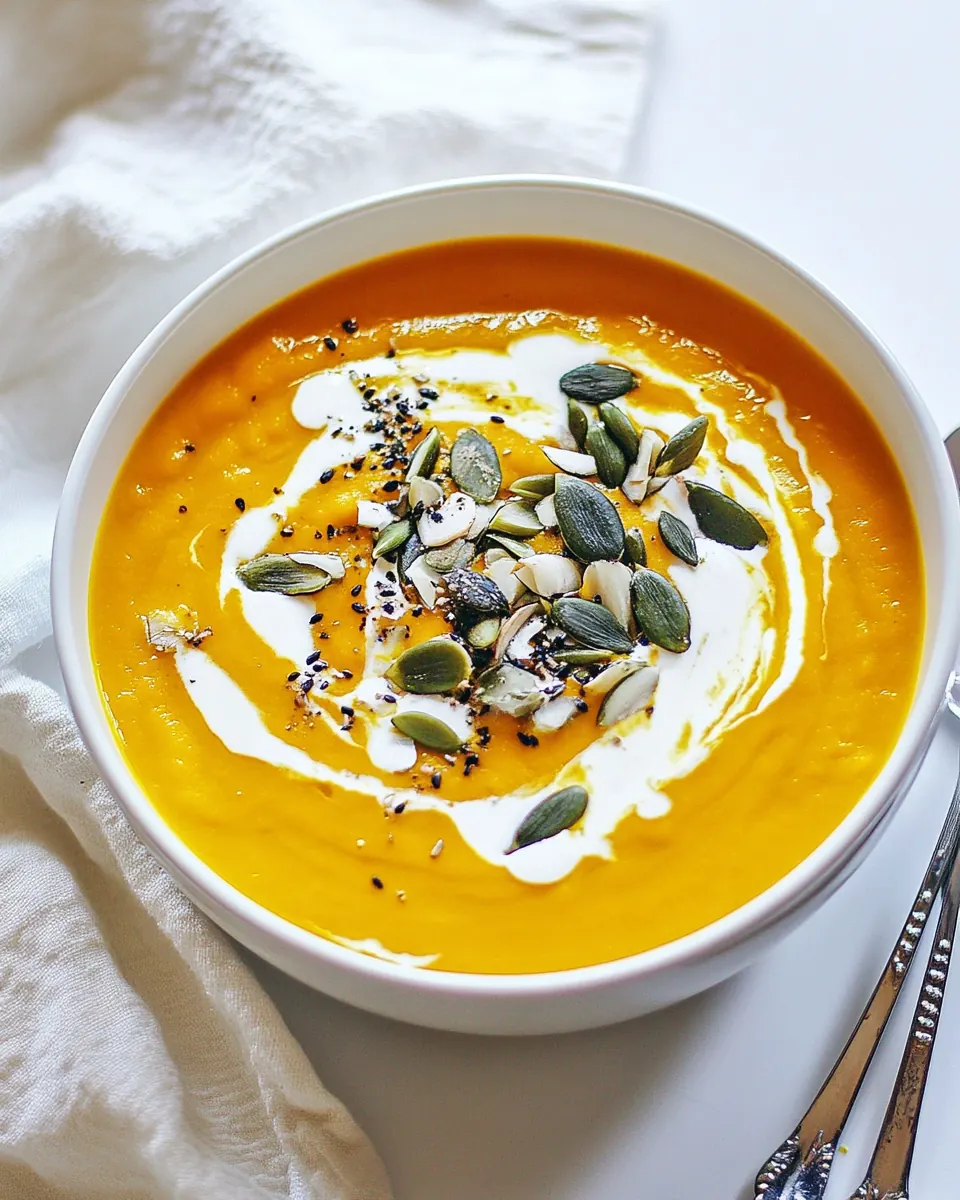
Bringing this soup together is calm and rhythmic, from the first chop to the final blend. The directions below are expanded so you can sense what you should hear, smell, and see at each moment. Read them slowly and enjoy the small sensory clues that tell you you are on the right track.
- Peel and chop the onion and garlic into small pieces. Peel and dice the potatoes.: The moment you start cutting, you will notice the sharp, sweet scent of onion and the slightly pungent aroma of garlic . Small, even pieces create uniform cooking, so aim for similar sizes to the potatoes and pumpkin . While chopping, listen for the steady rhythm of your knife on the board, which helps keep pace. A common mistake is uneven dice which leads to some pieces overcooking while others remain firm, so take a little extra time here. Properly diced pieces will soften in the same window and blend into a consistent texture.
- Peel and chop the Hokkaido pumpkin. For easy reference watch our short video. In short, you need a sharp and large knife to first cut it half. Move slowly and cautiously, so that your knife won’t slip. When ready, use a spoon to scoop out the seeds. Now, turn the pumpkin half upside down so that it firmly stays in one place and use a sharp knife to cut small and thin peels off the pumpkin.: The rind of a Hokkaido pumpkin is firmer than squash flesh but thin enough to slice carefully. As you halve and seed it, you will smell a faintly sweet, leafy aroma. Scoop the seeds and stringy bits, then slice off the peel; the flesh beneath should be dense and bright orange. Cutting slowly and with control reduces risk and yields even chunks for predictable cooking. One mistake is forcing the knife instead of letting it do the work, which can cause slipping and uneven pieces. Proper technique gives you clean, uniform cubes that cook to a buttery tenderness.
- Heat a saucepan on medium heat until olive oil is shimmering. Add the chopped onion and garlic coat it with the oil and spread evenly. Stir occasionally (For WFPB diet – cook them in veggie broth): When the olive oil glimmers and becomes fragrant, add the aromatics. You will hear a soft sizzle as the onion and garlic meet the oil, and an inviting savory scent will rise. Stir to coat everything evenly so that each piece softens at the same rate. The goal is translucent, tender onion , not browned; this preserves a gentle sweetness. A common issue is overheating the oil and scorching the aromatics, which produces bitterness. Keep the heat moderate and adjust as needed to maintain a gentle sizzle.
- Once onion is tender but still white, pour the veggie broth onto it. Stir a couple of times.: Adding the veggie broth deglazes the pan and lifts the concentrated flavors stuck to the bottom, creating a savory base. You will hear a liquid hiss as the broth meets the warm pan, and the aroma broadens into a comforting, souplike scent. Stir a few times so the broth envelops the softened aromatics. If the broth is salty, it will become the dominant flavor, so add cautiously. A mistake to avoid is pouring in too much liquid at once when aiming for a thicker soup; reserve some if you prefer more control over consistency.
- Add diced pumpkin and potatoes. Cook them for approx. 20-30 minutes. The smaller the diced pumpkins/potatoes are the shorter the cooking time. Both have to be tender to be ready.: As the pumpkin and potatoes warm in the broth, steam will carry a sweet, earthy perfume. Bubbles should rise steadily but not violently, indicating a gentle simmer. Check tenderness by piercing a cube with a fork, it should slide off easily when done. Smaller pieces cook faster and are ideal for busy evenings. A common oversight is undercooking the starchy pieces, which results in a gritty texture after blending. Give them adequate time until uniformly soft.
- Use a hand blender and puree them thoroughly. Now add the salt and pepper to taste. Ready to serve it.: The act of pureeing transforms the mixture into a smooth, velvety soup. You will see thick ribbons forming as the pumpkin and potatoes break down, and the aroma tightens into a single, harmonious note. Start blending gently to avoid splatter, and move the blender to capture any pockets of unblended vegetable. After blending, adjust seasoning with salt and pepper , tasting between additions so you do not over season. A typical mistake is adding too much salt before blending, because flavors concentrate differently afterward. Serve warm; the final texture should coat the spoon luxuriously.
Tips for Success
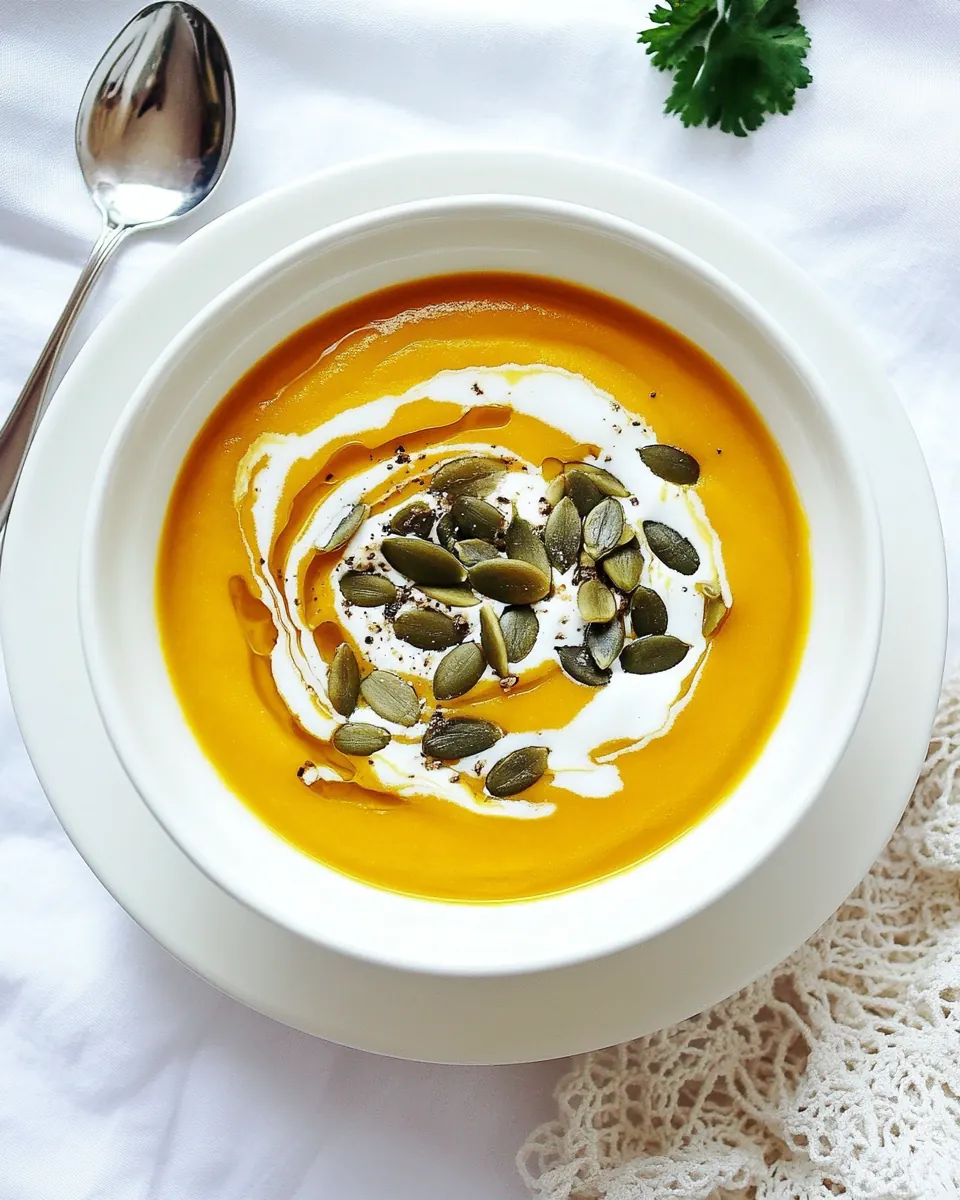
I like to think of these tips as little course corrections that help you reach the exact bowl you want. They cover technique and small decisions that shape the final flavor and texture. Keep these in mind while you cook for easier, more reliable results.
- Even chopping matters Use consistent sizes for the pumpkin and potatoes so they cook evenly and blend into a smooth texture without overcooking some pieces.
- Moderate heat for aromatics Cook the onion and garlic on medium so they soften and release sweetness without browning, which preserves the soup’s delicate balance.
- Reserve broth Start with most of the listed veggie broth but keep some back so you can adjust the final thickness after pureeing, ensuring you do not dilute flavor too soon.
- Blend carefully Use your Immersion hand blender with slow motions and occasional pauses to prevent splatter and to reach a uniformly silky consistency.
- Season at the end Add salt and pepper after blending so you can taste how the flavors concentrated and avoid over seasoning.
- Cool slightly before storing Allow the soup to come down toward room temperature before refrigerating to protect container seals and preserve texture for reheating later.
How to Serve Hokkaido Pumpkin Soup
This soup is versatile for different meals and gatherings, and small serving choices can elevate a simple bowl. Think about temperature, garnishes, and what you pair it with to create a complete experience.
- Serve warm in bowls Ladle the Hokkaido Pumpkin Soup into warmed bowls so each spoonful stays cozy longer, ideal for cool fall evenings or a simple dinner.
- Finish with a drizzle A light drizzle of oil or a few cracks of pepper on top adds contrast and a polished presentation, making the soup feel special for guests.
- Pair with bread Offer crusty bread or soft rolls so diners can sop up every silky bite, a practical and comforting accompaniment for casual lunches or dinners.
- Occasion suggestions This soup works well for family dinners, a fall lunch, or as a starter on a holiday menu where a light first course is preferred.
- Storage tips Cool to room temperature before transferring to airtight containers; the soup keeps well in the fridge for a few days and reheats gently on the stove with a splash of warm veggie broth if needed.
- Seasonal pairings Serve during autumn when pumpkins are at their peak, and consider serving alongside roasted root vegetables or a simple salad for a balanced meal.
FAQ
Conclusion
This Hokkaido Pumpkin Soup stands out for its creamy texture, bright pumpkin flavor, and simple, pantry friendly ingredient list. It’s a bowl that feels both nourishing and a little luxurious, perfect for cool evenings or when you want an easy but impressive starter. Try it soon, and let the straightforward steps and familiar aromas turn a regular meal into a memorable one. I hope this recipe becomes one of your seasonal go tos, a dish you reach for when you want comfort with minimal fuss.
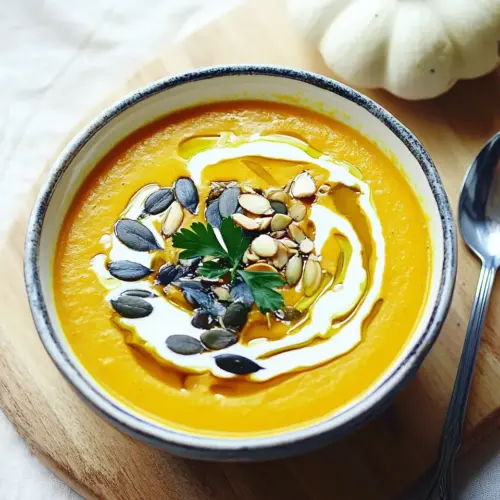
Hokkaido Pumpkin Soup
Equipment
- our Vitamix A2300
- Immersion hand blender with 20 fl oz container
- Cast-iron Dutch Oven (3-quart / 2.8 liter)
- Stockpot
Ingredients
- 1 tbsp Olive oil Heat gently to create the cooking fat that prevents sticking and helps sauté aromatics; adds a fruity, slightly bitter backbone that complements pumpkin sweetness. Use at the start of cooking to bloom flavors and carry heat for even softening of vegetables.
- 1 Onion (medium) Sauté until translucent to build the soup's aromatic base and contribute subtle sweetness and depth. Chop to even pieces so it softens uniformly and melds with the pumpkin for a smooth texture after blending.
- 2 cloves Garlic Crush or mince finely to release pungent oils that brighten and enhance savory flavors in the broth. Add early in the sauté stage to infuse the oil and create subtle complexity without overpowering the pumpkin.
- 7 cup Hokkaido pumpkin (without seeds and peel) Cube and simmer until tender to provide the primary body, natural sweetness, and earthy flavor of the soup; its dense flesh purees into a silky, creamy texture without needing much dairy. Remove seeds and peel beforehand to ensure a smooth mouthfeel and consistent cooking.
- 3 Potatoes (medium) Peel and dice then simmer with pumpkin to add starchy creaminess and help thicken the soup naturally; contributes a mellow, comforting flavor that balances pumpkin sweetness. Cut uniformly so potatoes and pumpkin finish cooking at the same time for easy blending.
- 50 fl oz Veggie broth Pour to cover solids and simmer to extract and unify flavors while providing the liquid base; choose a vegetable stock for complementary savory notes that keep the soup vegetarian. Adjust the amount to achieve desired consistency before blending.
- Salt and Pepper to taste Season gradually to enhance and balance the overall flavor profile; add salt to bring out natural sweetness and pepper to introduce mild heat and complexity. Taste and adjust at multiple stages to prevent over- or under-seasoning.
Instructions
- Peel and chop the onion and garlic into small pieces. Peel and dice the potatoes.: The moment you start cutting, you will notice the sharp, sweet scent of onion and the slightly pungent aroma of garlic . Small, even pieces create uniform cooking, so aim for similar sizes to the potatoes and pumpkin . While chopping, listen for the steady rhythm of your knife on the board, which helps keep pace. A common mistake is uneven dice which leads to some pieces overcooking while others remain firm, so take a little extra time here. Properly diced pieces will soften in the same window and blend into a consistent texture.
- Peel and chop the Hokkaido pumpkin. For easy reference watch our short video. In short, you need a sharp and large knife to first cut it half. Move slowly and cautiously, so that your knife won’t slip. When ready, use a spoon to scoop out the seeds. Now, turn the pumpkin half upside down so that it firmly stays in one place and use a sharp knife to cut small and thin peels off the pumpkin.: The rind of a Hokkaido pumpkin is firmer than squash flesh but thin enough to slice carefully. As you halve and seed it, you will smell a faintly sweet, leafy aroma. Scoop the seeds and stringy bits, then slice off the peel; the flesh beneath should be dense and bright orange. Cutting slowly and with control reduces risk and yields even chunks for predictable cooking. One mistake is forcing the knife instead of letting it do the work, which can cause slipping and uneven pieces. Proper technique gives you clean, uniform cubes that cook to a buttery tenderness.
- Heat a saucepan on medium heat until olive oil is shimmering. Add the chopped onion and garlic coat it with the oil and spread evenly. Stir occasionally (For WFPB diet – cook them in veggie broth): When the olive oil glimmers and becomes fragrant, add the aromatics. You will hear a soft sizzle as the onion and garlic meet the oil, and an inviting savory scent will rise. Stir to coat everything evenly so that each piece softens at the same rate. The goal is translucent, tender onion , not browned; this preserves a gentle sweetness. A common issue is overheating the oil and scorching the aromatics, which produces bitterness. Keep the heat moderate and adjust as needed to maintain a gentle sizzle.
- Once onion is tender but still white, pour the veggie broth onto it. Stir a couple of times.: Adding the veggie broth deglazes the pan and lifts the concentrated flavors stuck to the bottom, creating a savory base. You will hear a liquid hiss as the broth meets the warm pan, and the aroma broadens into a comforting, souplike scent. Stir a few times so the broth envelops the softened aromatics. If the broth is salty, it will become the dominant flavor, so add cautiously. A mistake to avoid is pouring in too much liquid at once when aiming for a thicker soup; reserve some if you prefer more control over consistency.
- Add diced pumpkin and potatoes. Cook them for approx. 20-30 minutes. The smaller the diced pumpkins/potatoes are the shorter the cooking time. Both have to be tender to be ready.: As the pumpkin and potatoes warm in the broth, steam will carry a sweet, earthy perfume. Bubbles should rise steadily but not violently, indicating a gentle simmer. Check tenderness by piercing a cube with a fork, it should slide off easily when done. Smaller pieces cook faster and are ideal for busy evenings. A common oversight is undercooking the starchy pieces, which results in a gritty texture after blending. Give them adequate time until uniformly soft.
- Use a hand blender and puree them thoroughly. Now add the salt and pepper to taste. Ready to serve it.: The act of pureeing transforms the mixture into a smooth, velvety soup. You will see thick ribbons forming as the pumpkin and potatoes break down, and the aroma tightens into a single, harmonious note. Start blending gently to avoid splatter, and move the blender to capture any pockets of unblended vegetable. After blending, adjust seasoning with salt and pepper , tasting between additions so you do not over season. A typical mistake is adding too much salt before blending, because flavors concentrate differently afterward. Serve warm; the final texture should coat the spoon luxuriously.
Notes
- Even chopping matters Use consistent sizes for the pumpkin and potatoes so they cook evenly and blend into a smooth texture without overcooking some pieces.
- Moderate heat for aromatics Cook the onion and garlic on medium so they soften and release sweetness without browning, which preserves the soup's delicate balance.
- Reserve broth Start with most of the listed veggie broth but keep some back so you can adjust the final thickness after pureeing, ensuring you do not dilute flavor too soon.
- Blend carefully Use your Immersion hand blender with slow motions and occasional pauses to prevent splatter and to reach a uniformly silky consistency.
- Season at the end Add salt and pepper after blending so you can taste how the flavors concentrated and avoid over seasoning.
- Cool slightly before storing Allow the soup to come down toward room temperature before refrigerating to protect container seals and preserve texture for reheating later.