Chop Suey Stir Fry
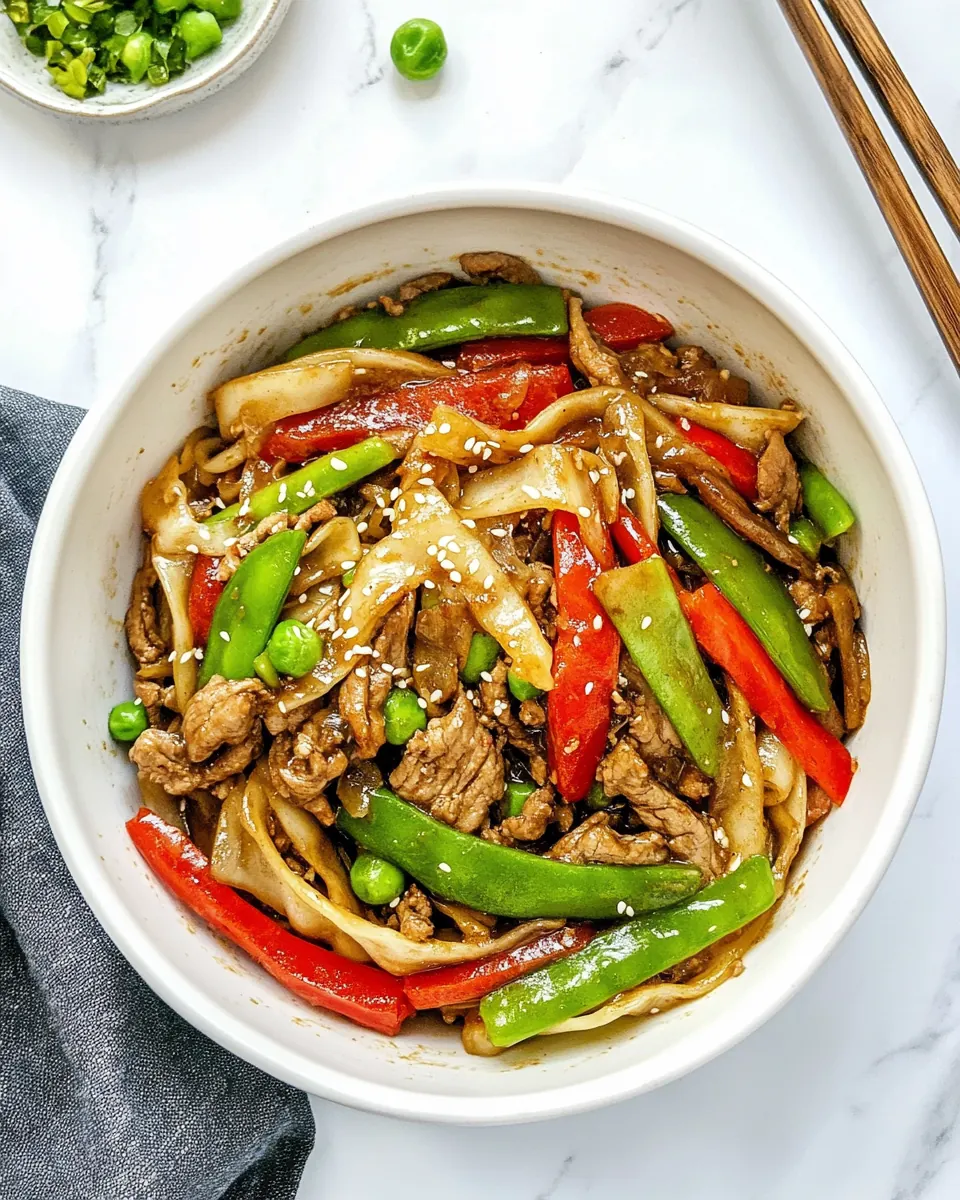
Chop Suey Stir Fry has been my go to when I crave something quick, colorful, and deeply satisfying after a long day in the kitchen. The very first time I made this dish I was juggling a tired pantry, a hungry partner, and a craving for takeout flavors without the fuss, and the result was a steaming plate that tasted familiar yet fresher than anything from a bag or box.
I remember the ritual of slicing that first chicken breast thinly, feeling the smoothness of the egg white whisk under my fork, and knowing the little cornstarch bath would transform the texture. That moment of anticipation, when the wok sings and aromas bloom, hooked me forever. Over time I’ve tweaked the veg mix to what I have on hand, which keeps the dish both dependable and exciting.
On rainy weeknights I turn to this recipe because it feels like comfort without heaviness, and on busy Sundays I make it for friends who appreciate a crisp, saucy stir fry that finishes in minutes. The contrast between the velvety, sauced chicken and the bright, snappy mixed vegetables is what keeps people coming back for seconds. It’s an easy formula to adapt, and it rewards small touches, like a minute longer on the heat to coax a deeper savory edge.
Recipe Snapshot
30 mins
15 mins
15 mins
Medium
350 kcal
Asian
Gluten-Free, Low FODMAP
Dinner
COOKLOVER Nonstick 12.6 inch Black Wok with Lid and Spatula
Why This Chop Suey Stir Fry Is So Good
Speed and Accessibility
I adore how Chop Suey Stir Fry turns pantry basics into a satisfying meal in under an hour. I can pull chicken breast, soy sauce, and a bag of frozen mixed vegetables and have dinner on the table fast. For busy evenings this reliability is invaluable, and it makes weeknight cooking feel effortless rather than frantic.
Textural Play
The quick marinate with egg white and cornstarch gives the chicken a silky, velvety bite that contrasts beautifully with crisped veggies. I love that tender versus crunchy dance; it’s what transforms simple ingredients into a dish that feels thoughtfully composed rather than thrown together.
Flavor Depth with Minimal Effort
Between the splash of soy sauce, the umami-rich oyster sauce, and a little sugar to balance things, the sauce delivers complex flavor with minimal fuss. I often find that a well-balanced sauce is all you need to make humble ingredients sing, and this combination does just that.
Customizable and Flexible
I appreciate how forgiving this recipe is. Swap in whatever mixed vegetables you have, increase the chicken for more protein, or double the sauce for saucier leftovers. That flexibility means I rarely feel limited by what’s in the fridge, which keeps meal planning creative and economical.
Comfort with a Fresh Touch
Finally, Chop Suey Stir Fry hits a comfort note while staying light and bright. It’s the kind of meal that satisfies without weighing you down, perfect for evenings when you want something nourishing and uncomplicated. For me, that balance is the recipe’s biggest charm.
Shopping List for Chop Suey Stir Fry
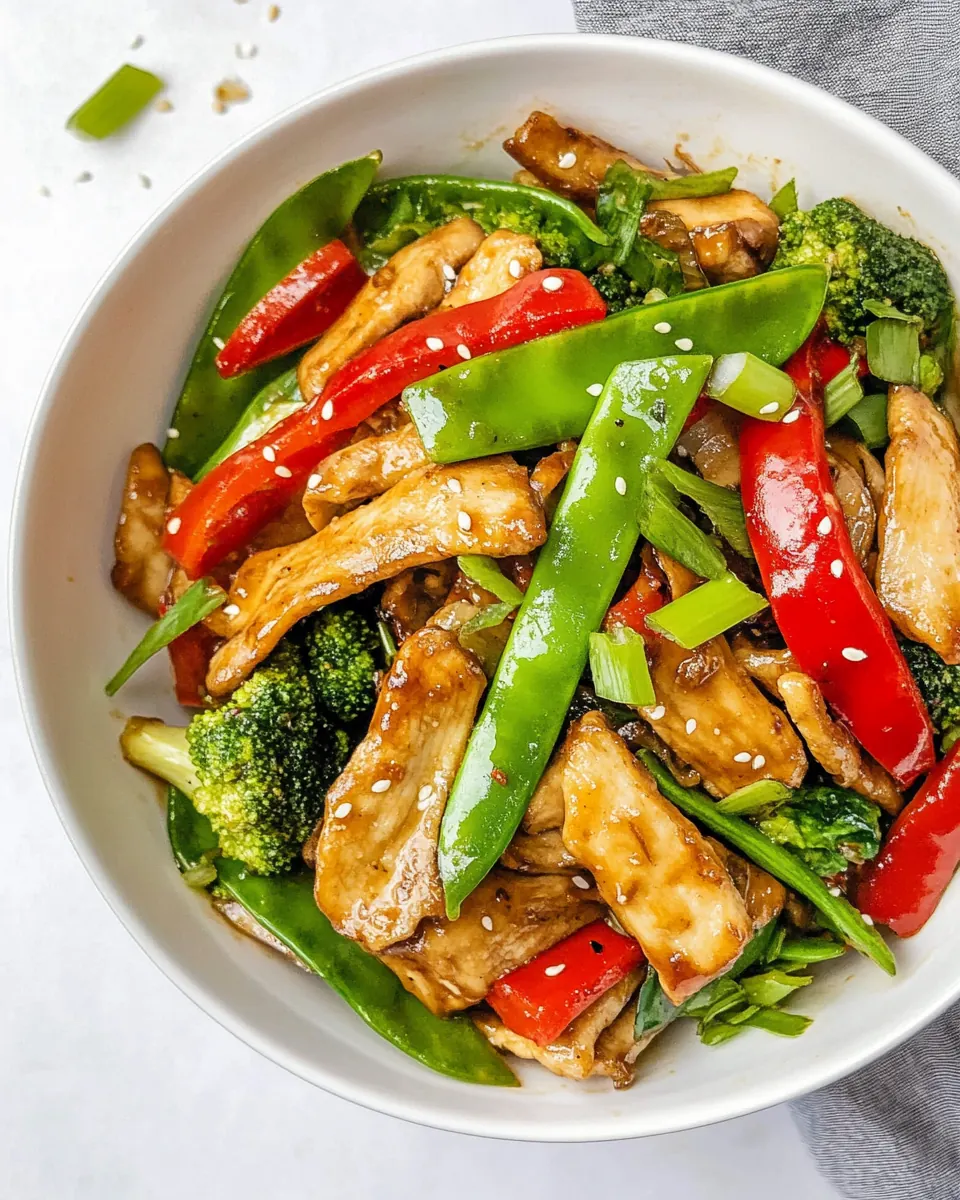
The ingredient list for Chop Suey Stir Fry focuses on a few smart players that work together to create texture, umami, and balance. The quick marinate system makes the chicken silky, while the two stage sauce layering builds savory depth. Vegetables provide color and crunch, and simple pantry staples pull everything into harmony.
- 1/2 pound chicken breast (boneless and skinless, thinly sliced): Thinly sliced to cook quickly and remain tender, helps provide the primary protein and savory base for the stir fry; can be marinated briefly to absorb flavors and stay juicy when stir-frying at high heat.
- 1 egg white: Beaten and used for a light coating, helps bind seasonings and cornstarch to the chicken while adding a tender, silky texture without overpowering the dish; contributes to a glossy finish when cooked.
- 1 tablespoon cornstarch: Combined with the egg white and soy sauce to form a marinade or coating, helps tenderize the chicken and creates a smooth surface that promotes even browning and sauce adherence during high-heat cooking.
- 1 tablespoon soy sauce: Used in small amount for the marinade, provides salty umami and depth to the chicken while balancing other seasonings; helps build the savory backbone of the stir fry.
- 2 tablespoons vegetable oil: Employed for high-heat cooking, allows ingredients to be quickly seared without burning and helps develop flavorful browning on the chicken and vegetables; neutral oil that carries aromatics.
- 2 cloves garlic (minced): Minced and added early to the hot oil, releases aromatic oils that infuse the entire dish with pungent, savory flavor; helps layer complexity and complements the soy and oyster sauces.
- 1 medium onion (thinly sliced): Thinly sliced to soften quickly and add sweet, aromatic notes, provides a mild sharpness that contrasts with the richer sauces and helps enhance overall texture and flavor balance when cooked until translucent.
- 1 medium bell pepper (sliced in strips): Sliced into strips to retain crispness and vibrant color, contributes a sweet, fruity note and crunchy texture that contrasts with tender chicken and cooked vegetables; adds visual appeal and freshness.
- 2 cups mixed vegetables (like carrots, snow peas, broccoli or baby corn, bite sized): Cut into bite–sized pieces to ensure even cooking, supplies textural variety and nutritional balance while absorbing flavors from the sauce; a mix like carrots, snow peas, broccoli, or baby corn enhances color and mouthfeel.
- 1/4 cup soy sauce (low sodium): Added to the stir-fry sauce to deepen savory flavor while controlling salt, supplies consistent umami and helps season the vegetables and chicken uniformly without overpowering other elements.
- 2 tablespoons oyster sauce: Stirred into the sauce for rich, savory complexity and slight thickness, imparts a sweet-salty depth that complements soy sauce and rounds out the overall flavor profile of the dish.
- 1 teaspoon sugar: Used sparingly to balance savory notes, adds a touch of sweetness that brightens and harmonizes the salty and umami components; helps round the overall taste when combined with savory sauces.
- salt and pepper (to taste): Seasoned to taste to enhance and balance flavors, adjusts the final dish by letting you correct saltiness and add a subtle heat from freshly ground pepper; used at the end for precise seasoning.
- 1 cup chicken broth (low sodium or no sodium added): Added as the liquid base for the sauce, provides savory body and allows the cornstarch slurry to create a cohesive sauce; using low- or no-sodium broth helps control overall salt levels while contributing chicken flavor.
- 2 tablespoons cornstarch (mixed with 4 tablespoons of water): Mixed with water to form a slurry and added near the end to thicken the sauce, creates a glossy, clingy coating that binds to chicken and vegetables and ensures the stir fry has a silky, restaurant-style finish.
Recipe Steps for Chop Suey Stir Fry
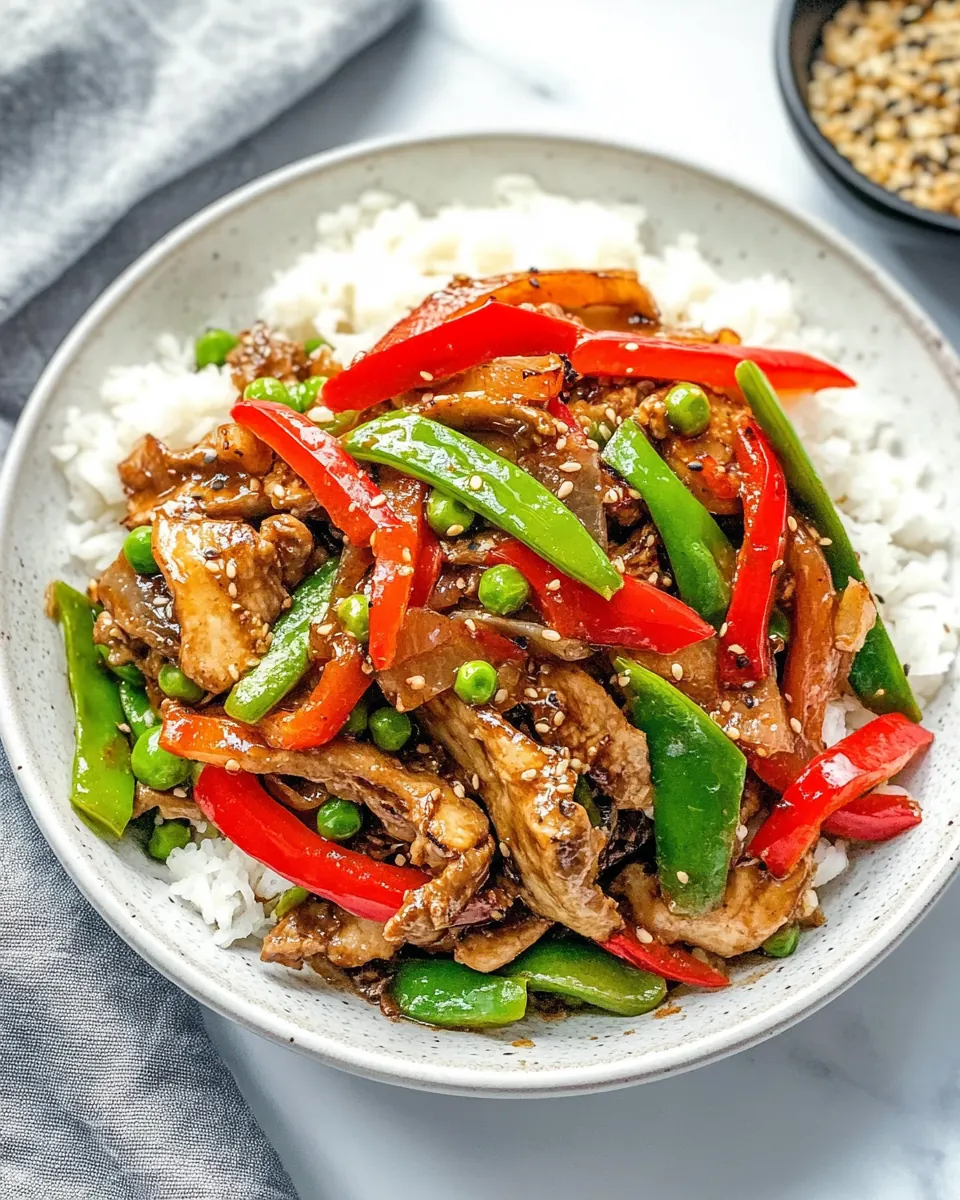
Stir frying moves fast, and the instructions below take the short directions from the recipe and expand them into careful, sensory rich steps so you can follow along confidently. Read through each step before you begin, and have your mise en place ready so you can work steadily at the hot wok.
- In a medium bowl, whisk together 1 egg white, 1 tablespoon cornstarch, and 1 tablespoon soy sauce until smooth. Add the thinly sliced chicken breast to the bowl, ensuring each piece is coated. Allow it to marinate in the refrigerator for 30 minutes.: The bowl should feel steady in your hand as you whisk, and you will notice the mixture go from watery to slightly viscous, clinging to the whisk. This slip is crucial because it forms the velvety coating that will hug each chicken slice; it helps lock in moisture and improves sauce adhesion. Smell a mild soy aroma, and if you see lumps, whisk longer to ensure smoothness. A common mistake is rushing and leaving clumps, which can create uneven pockets on the chicken rather than a uniform film. Use a small whisk or fork and take thirty seconds to fully dissolve the cornstarch.
- Heat 1 tablespoon of vegetable oil in a skillet or wok over medium heat. Add the marinated chicken and cook for 2-3 minutes, just until the chicken turns opaque. Remove from heat and set aside.: As you fold the chicken into the marinade, watch each slice become glossy and slightly thicker at the edges, which signals even coverage. Press pieces gently against the bowl so the coating adheres to all surfaces. The why here is simple, this coating creates a tenderized exterior when cooked quickly, producing that takeout style mouthfeel. A misstep is crowding the bowl with too much chicken , which prevents full contact with the marinade, so give pieces room or coat in two batches.
- In the same skillet or wok, heat an additional tablespoon of vegetable oil over medium-high heat. Add garlic and onion, stir-frying until the onion becomes translucent, about 2 minutes.: You will feel the patience pay off as the flavors sink into the chicken and the cornstarch works its magic. Refrigeration firms up the proteins slightly, improving the texture when they hit the hot pan. The smell will be faintly savory, not strong, and the surface should feel tacky to the touch. Do not skip this if you can help it; an under marinated chicken will be less flavorful and may dry out when stir fried.
- Add the bell pepper and mixed vegetables. Continue stir-frying for 3-4 minutes. Return the cooked chicken to the skillet and mix well.: The oil should shimmer but not smoke, indicating your pan is at the right temperature. When you add the marinated chicken , you should hear a gentle sizzle, and the pieces will quickly turn opaque at the edges. This brief sear starts caramelization, adding savory notes. A typical error is using too low heat which leads to stewing rather than searing; too high heat and the coating may burn, so aim for a steady medium heat.
- Pour in 1/4 cup soy sauce and 2 tablespoons oyster sauce. Add 1 teaspoon sugar, and season with salt and pepper to taste. Stir everything to combine.: Listen for a consistent sizzle and look for the chicken slices to shift from translucent pink to a pale, opaque tone. The textures will firm slightly, and juices should remain clear, not clouded. Remove the pieces just before they are fully cooked, because they will finish in the sauce and overcooking here will produce tough meat. Avoid piling pieces on top of each other; that traps steam and prevents the quick sear needed for the right texture.
- Pour in the chicken broth and bring the mixture to a simmer. Gradually add the cornstarch-water mixture, stirring continuously, until the sauce thickens, about 2 minutes.: As you transfer the chicken to a plate, you’ll notice residual sizzling in the pan and a more concentrated aroma on the meat. Resting briefly prevents further cooking and helps preserve juiciness. Leaving the chicken in the hot pan can cause it to overcook as you continue the next steps, so clear the wok to prepare for aromatics. Forgetting this pause often results in dry chicken .
- Remove from heat and serve with cooked rice.: The second hit of oil helps create a clean surface for the aromatics and vegetables, and should shimmer quickly. This refreshed hot surface is essential for stir frying because it keeps ingredients from sticking and encourages quick browning. If the oil smokes heavily, lower the heat; if it barely sizzles, raise it slightly to get that ideal sear.
- Add garlic and onion, stir-frying until the onion becomes translucent, about 2 minutes: When the garlic hits the hot oil you will smell an immediate fragrant pop, and the onion will soften, becoming glossy and translucent. These aromatics form the flavor base, so cook them until they are soft but not browned. Burning garlic makes a bitter note, so keep the vegetables moving in the pan and listen for a gentle sizzle rather than a rapid blackening.
- Add the bell pepper and mixed vegetables: As the sliced bell pepper and other mixed vegetables hit the wok, expect a brighter aroma and a lively, louder sizzle. Continue stir-frying for 3 to 4 minutes, tossing so edges blister slightly while centers stay crisp. The visual cue is vibrant color and a slight char on some surfaces, which amplifies flavor. A common error is overcooking the vegetables until they are floppy, which loses the textural contrast that makes this dish sing.
- Continue stir-frying for 3-4 minutes: During these minutes the vegetables will transition from raw to tender crisp, emitting a clean vegetal scent and a faint caramelized sweetness. The sound should be steady and energetic, not muffled. Keep pieces moving to encourage even heat distribution. If any pieces seem to steam rather than sear, increase the heat briefly to restore that high temperature sizzle.
- Return the cooked chicken to the skillet and mix well: As you fold the reserved chicken back in, you will notice the pan’s aroma deepen and the meat pick up glossy flecks of sauce. Mixing ensures an even distribution of textures and flavors and allows the previously seared surfaces to integrate with the veggies. A mistake is adding the chicken too early, which can cool the pan and cause steaming rather than a quick finish.
- Pour in 1/4 cup soy sauce and 2 tablespoons oyster sauce: The sauces will hiss and begin to coat ingredients immediately, releasing a rich umami perfume. Stir thoroughly so the soy sauce and oyster sauce dissolve into the pan juices, creating a cohesive glaze. This combination deepens savory notes; if added all at once without stirring, puddles can form and make seasoning uneven. Taste and adjust carefully because these are concentrated flavors.
- Add 1 teaspoon sugar, and season with salt and pepper to taste: The sugar will melt quickly and round out sharp edges, and a small pinch of salt and pepper fine tunes the final balance. Stir to combine and take a quick taste. Since the soy sauce and oyster sauce already contribute salt, add salt sparingly to avoid oversalting. The error here is overshooting the seasoning; it is easier to add more later than to fix an overly salty pan.
- Pour in the chicken broth and bring the mixture to a simmer: When the chicken broth hits the pan you will see steam rise and small bubbles form around the edge, signaling a simmer. This step melds flavors and gives the sauce body before thickening. Allow a minute for flavors to equilibrate; rushing to thicken can trap raw-tasting spots. If your broth is weak, the sauce will taste flat, so use a flavorful stock when possible.
- Gradually add the cornstarch-water mixture, stirring continuously, until the sauce thickens, about 2 minutes: Pour the slurry in a slow stream while stirring so the sauce emulsifies into a glossy, clingy coating. You will notice the sauce go from watery to shiny and translucent, clinging to the chicken and vegetables. The why is texture and mouthfeel, a properly thickened sauce carries flavor. A frequent mistake is dumping the slurry too quickly, which can create lumps; patience and continuous stirring ensure a smooth finish.
- Remove from heat and serve with cooked rice: As you take the wok off the heat the sauce will settle and thicken slightly more, so serve promptly over hot rice to capture the best texture. Steam rising from the plate should carry warm savory aromas, and each spoonful will mix tender chicken with crisp vegetables coated in glossy sauce. Leaving it too long in the pan will cause overcooking and a tougher chicken texture, so serve soon after removing from the heat.
Substitutions and Tips
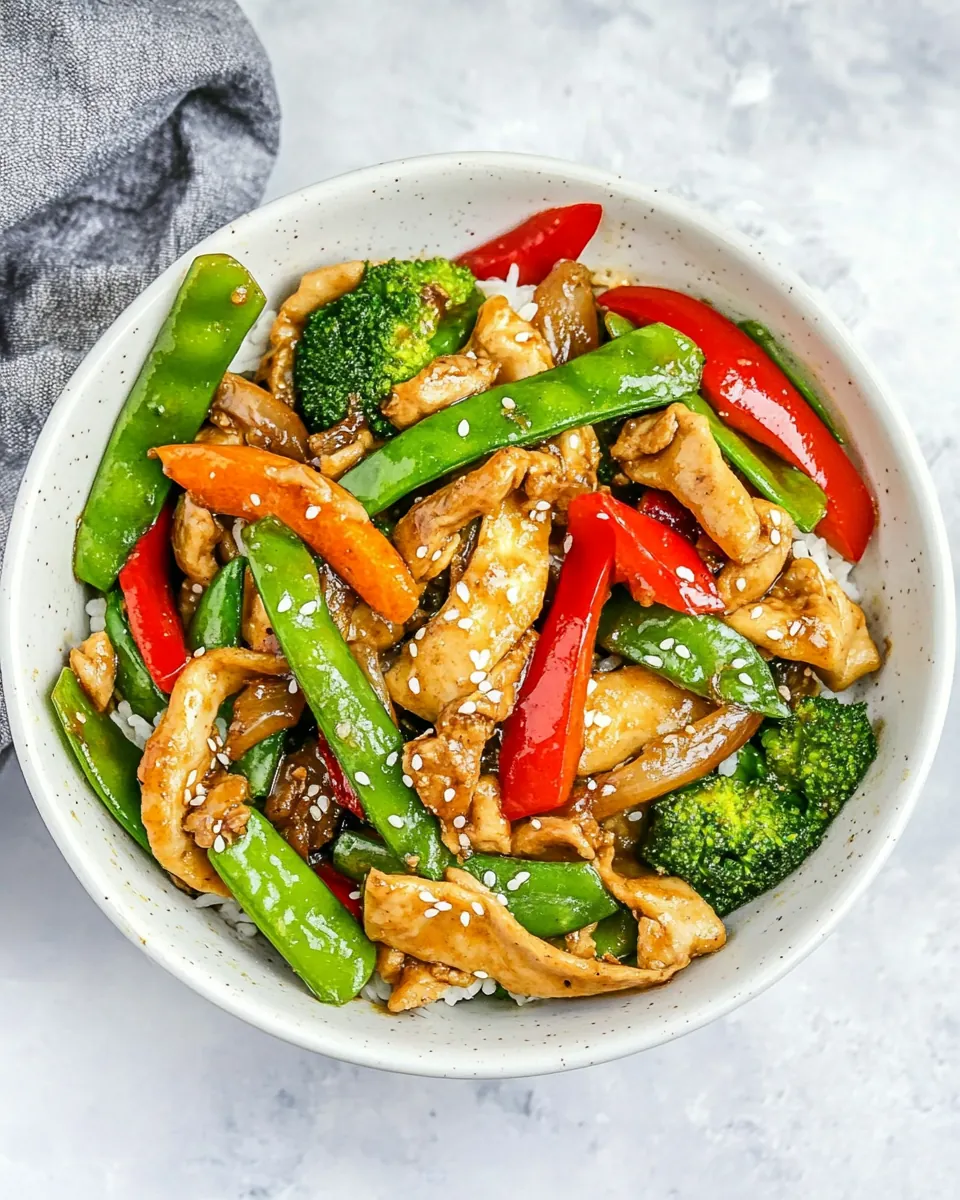
I like to think of this section as a little toolbox for adapting Chop Suey Stir Fry to what you have on hand. Below are focused tips and substitutions that keep the core flavors intact while letting you personalize texture and heat. Each point highlights the first phrase so you can scan quickly before cooking.
- Prep first – Chop all your mixed vegetables, slice the chicken, and whisk your sauce before you turn on the heat; stir fry moves fast and having everything ready prevents frantic searching when the pan gets hot.
- Marinate matters – That quick coating of egg white and cornstarch gives the chicken a velvety, restaurant style texture, so avoid skipping this step if you want that silky finish.
- Veggie freestyle – Use broccoli, bell peppers, mushrooms, cabbage, or green beans interchangeably as long as pieces are cut to similar sizes so they cook evenly and finish at the same time.
- Want it spicy – Add chili crisp, Sriracha, or red pepper flakes to the sauce while it simmers for a controlled heat that blends into the umami profile.
- No oyster sauce – Use hoisin or a mixture of extra soy sauce and a small splash of Worcestershire as a stand in, knowing the final flavor will shift slightly but remain satisfying.
- Control sodium – Choose low sodium soy sauce and low sodium chicken broth to better manage overall salt, then season at the end to taste.
- Thickening patience – Add the cornstarch slurry slowly and stir continuously so the sauce becomes glossy rather than gluey; over thickening is easy to do but hard to reverse.
Great Combinations for Chop Suey Stir Fry
This dish pairs well with simple sides and suits many occasions. Below are serving ideas that highlight different ways to enjoy Chop Suey Stir Fry, including storage tips and seasonal pairings to keep meals varied and practical.
- Steamed rice – Serve the stir fry over plain steamed rice to soak up the glossy sauce, creating a comforting and balanced meal for dinner or a casual lunch.
- Fried rice – Use leftover rice to make a quick fried rice and serve the stir fry on the side for a more substantial family style spread.
- Weeknight dinner – This recipe is ideal for busy weeknight dinners when you want something quick, nutritious, and flavorful without a long ingredient list.
- Meal prep – Portion the stir fry into containers with rice for make ahead lunches; store in the refrigerator for up to 3 days and reheat gently to preserve texture.
- Seasonal swaps – In spring and summer, emphasize snap peas and bell peppers for brightness; in cooler months, use broccoli and carrots for heartier texture and warmth.
- Occasion friendly – Serve this dish for casual gatherings, potlucks, or family meals where you want broad appeal and minimal fuss.
- Storage tip – Keep sauce separate if possible when storing to maintain veggie crispness, or reheat briefly in a hot pan to revive texture and gloss.
FAQ
Conclusion
What makes this Chop Suey Stir Fry stand out is its balance of velvety chicken and crisp, vibrant mixed vegetables coated in a glossy, umami rich sauce. It’s a dependable, quick meal that adapts to what you have on hand while delivering satisfying textures and a comforting savory profile. Give it a try on a busy weeknight or when you want a familiar, bright stir fry that comes together with minimal fuss. I hope it becomes one of your reliable go to dinners, a dish you reach for when you want something that feels both nourishing and easy.
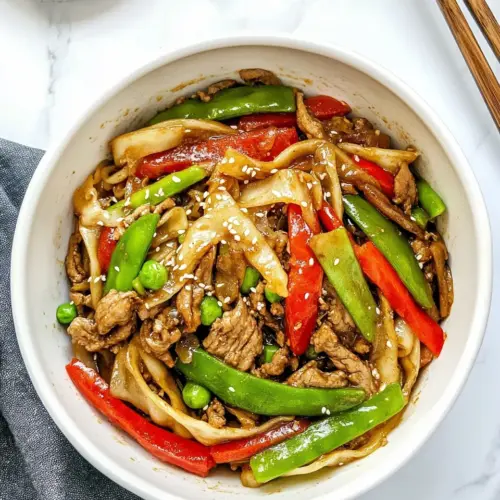
Chop Suey Stir Fry
Equipment
- COOKLOVER Nonstick 12.6 inch Black Wok with Lid and Spatula
Ingredients
- 1/2 pound chicken breast (boneless and skinless, thinly sliced) Thinly sliced to cook quickly and remain tender, helps provide the primary protein and savory base for the stir fry; can be marinated briefly to absorb flavors and stay juicy when stir-frying at high heat.
- 1 egg white Beaten and used for a light coating, helps bind seasonings and cornstarch to the chicken while adding a tender, silky texture without overpowering the dish; contributes to a glossy finish when cooked.
- 1 tablespoon cornstarch Combined with the egg white and soy sauce to form a marinade or coating, helps tenderize the chicken and creates a smooth surface that promotes even browning and sauce adherence during high-heat cooking.
- 1 tablespoon soy sauce Used in small amount for the marinade, provides salty umami and depth to the chicken while balancing other seasonings; helps build the savory backbone of the stir fry.
- 2 tablespoons vegetable oil Employed for high-heat cooking, allows ingredients to be quickly seared without burning and helps develop flavorful browning on the chicken and vegetables; neutral oil that carries aromatics.
- 2 cloves garlic (minced) Minced and added early to the hot oil, releases aromatic oils that infuse the entire dish with pungent, savory flavor; helps layer complexity and complements the soy and oyster sauces.
- 1 medium onion (thinly sliced) Thinly sliced to soften quickly and add sweet, aromatic notes, provides a mild sharpness that contrasts with the richer sauces and helps enhance overall texture and flavor balance when cooked until translucent.
- 1 medium bell pepper (sliced in strips) Sliced into strips to retain crispness and vibrant color, contributes a sweet, fruity note and crunchy texture that contrasts with tender chicken and cooked vegetables; adds visual appeal and freshness.
- 2 cups mixed vegetables (like carrots, snow peas, broccoli or baby corn, bite sized) Cut into bite-sized pieces to ensure even cooking, supplies textural variety and nutritional balance while absorbing flavors from the sauce; a mix like carrots, snow peas, broccoli, or baby corn enhances color and mouthfeel.
- 1/4 cup soy sauce (low sodium) Added to the stir-fry sauce to deepen savory flavor while controlling salt, supplies consistent umami and helps season the vegetables and chicken uniformly without overpowering other elements.
- 2 tablespoons oyster sauce Stirred into the sauce for rich, savory complexity and slight thickness, imparts a sweet-salty depth that complements soy sauce and rounds out the overall flavor profile of the dish.
- 1 teaspoon sugar Used sparingly to balance savory notes, adds a touch of sweetness that brightens and harmonizes the salty and umami components; helps round the overall taste when combined with savory sauces.
- salt and pepper (to taste) Seasoned to taste to enhance and balance flavors, adjusts the final dish by letting you correct saltiness and add a subtle heat from freshly ground pepper; used at the end for precise seasoning.
- 1 cup chicken broth (low sodium or no sodium added) Added as the liquid base for the sauce, provides savory body and allows the cornstarch slurry to create a cohesive sauce; using low- or no-sodium broth helps control overall salt levels while contributing chicken flavor.
- 2 tablespoons cornstarch (mixed with 4 tablespoons of water) Mixed with water to form a slurry and added near the end to thicken the sauce, creates a glossy, clingy coating that binds to chicken and vegetables and ensures the stir fry has a silky, restaurant-style finish.
Instructions
- In a medium bowl, whisk together 1 egg white, 1 tablespoon cornstarch, and 1 tablespoon soy sauce until smooth. Add the thinly sliced chicken breast to the bowl, ensuring each piece is coated. Allow it to marinate in the refrigerator for 30 minutes.: The bowl should feel steady in your hand as you whisk, and you will notice the mixture go from watery to slightly viscous, clinging to the whisk. This slip is crucial because it forms the velvety coating that will hug each chicken slice; it helps lock in moisture and improves sauce adhesion. Smell a mild soy aroma, and if you see lumps, whisk longer to ensure smoothness. A common mistake is rushing and leaving clumps, which can create uneven pockets on the chicken rather than a uniform film. Use a small whisk or fork and take thirty seconds to fully dissolve the cornstarch.
- Heat 1 tablespoon of vegetable oil in a skillet or wok over medium heat. Add the marinated chicken and cook for 2-3 minutes, just until the chicken turns opaque. Remove from heat and set aside.: As you fold the chicken into the marinade, watch each slice become glossy and slightly thicker at the edges, which signals even coverage. Press pieces gently against the bowl so the coating adheres to all surfaces. The why here is simple, this coating creates a tenderized exterior when cooked quickly, producing that takeout style mouthfeel. A misstep is crowding the bowl with too much chicken , which prevents full contact with the marinade, so give pieces room or coat in two batches.
- In the same skillet or wok, heat an additional tablespoon of vegetable oil over medium-high heat. Add garlic and onion, stir-frying until the onion becomes translucent, about 2 minutes.: You will feel the patience pay off as the flavors sink into the chicken and the cornstarch works its magic. Refrigeration firms up the proteins slightly, improving the texture when they hit the hot pan. The smell will be faintly savory, not strong, and the surface should feel tacky to the touch. Do not skip this if you can help it; an under marinated chicken will be less flavorful and may dry out when stir fried.
- Add the bell pepper and mixed vegetables. Continue stir-frying for 3-4 minutes. Return the cooked chicken to the skillet and mix well.: The oil should shimmer but not smoke, indicating your pan is at the right temperature. When you add the marinated chicken , you should hear a gentle sizzle, and the pieces will quickly turn opaque at the edges. This brief sear starts caramelization, adding savory notes. A typical error is using too low heat which leads to stewing rather than searing; too high heat and the coating may burn, so aim for a steady medium heat.
- Pour in 1/4 cup soy sauce and 2 tablespoons oyster sauce. Add 1 teaspoon sugar, and season with salt and pepper to taste. Stir everything to combine.: Listen for a consistent sizzle and look for the chicken slices to shift from translucent pink to a pale, opaque tone. The textures will firm slightly, and juices should remain clear, not clouded. Remove the pieces just before they are fully cooked, because they will finish in the sauce and overcooking here will produce tough meat. Avoid piling pieces on top of each other; that traps steam and prevents the quick sear needed for the right texture.
- Pour in the chicken broth and bring the mixture to a simmer. Gradually add the cornstarch-water mixture, stirring continuously, until the sauce thickens, about 2 minutes.: As you transfer the chicken to a plate, you’ll notice residual sizzling in the pan and a more concentrated aroma on the meat. Resting briefly prevents further cooking and helps preserve juiciness. Leaving the chicken in the hot pan can cause it to overcook as you continue the next steps, so clear the wok to prepare for aromatics. Forgetting this pause often results in dry chicken .
- Remove from heat and serve with cooked rice.: The second hit of oil helps create a clean surface for the aromatics and vegetables, and should shimmer quickly. This refreshed hot surface is essential for stir frying because it keeps ingredients from sticking and encourages quick browning. If the oil smokes heavily, lower the heat; if it barely sizzles, raise it slightly to get that ideal sear.
- Add garlic and onion, stir-frying until the onion becomes translucent, about 2 minutes: When the garlic hits the hot oil you will smell an immediate fragrant pop, and the onion will soften, becoming glossy and translucent. These aromatics form the flavor base, so cook them until they are soft but not browned. Burning garlic makes a bitter note, so keep the vegetables moving in the pan and listen for a gentle sizzle rather than a rapid blackening.
- Add the bell pepper and mixed vegetables: As the sliced bell pepper and other mixed vegetables hit the wok, expect a brighter aroma and a lively, louder sizzle. Continue stir-frying for 3 to 4 minutes, tossing so edges blister slightly while centers stay crisp. The visual cue is vibrant color and a slight char on some surfaces, which amplifies flavor. A common error is overcooking the vegetables until they are floppy, which loses the textural contrast that makes this dish sing.
- Continue stir-frying for 3-4 minutes: During these minutes the vegetables will transition from raw to tender crisp, emitting a clean vegetal scent and a faint caramelized sweetness. The sound should be steady and energetic, not muffled. Keep pieces moving to encourage even heat distribution. If any pieces seem to steam rather than sear, increase the heat briefly to restore that high temperature sizzle.
- Return the cooked chicken to the skillet and mix well: As you fold the reserved chicken back in, you will notice the pan’s aroma deepen and the meat pick up glossy flecks of sauce. Mixing ensures an even distribution of textures and flavors and allows the previously seared surfaces to integrate with the veggies. A mistake is adding the chicken too early, which can cool the pan and cause steaming rather than a quick finish.
- Pour in 1/4 cup soy sauce and 2 tablespoons oyster sauce: The sauces will hiss and begin to coat ingredients immediately, releasing a rich umami perfume. Stir thoroughly so the soy sauce and oyster sauce dissolve into the pan juices, creating a cohesive glaze. This combination deepens savory notes; if added all at once without stirring, puddles can form and make seasoning uneven. Taste and adjust carefully because these are concentrated flavors.
- Add 1 teaspoon sugar, and season with salt and pepper to taste: The sugar will melt quickly and round out sharp edges, and a small pinch of salt and pepper fine tunes the final balance. Stir to combine and take a quick taste. Since the soy sauce and oyster sauce already contribute salt, add salt sparingly to avoid oversalting. The error here is overshooting the seasoning; it is easier to add more later than to fix an overly salty pan.
- Pour in the chicken broth and bring the mixture to a simmer: When the chicken broth hits the pan you will see steam rise and small bubbles form around the edge, signaling a simmer. This step melds flavors and gives the sauce body before thickening. Allow a minute for flavors to equilibrate; rushing to thicken can trap raw-tasting spots. If your broth is weak, the sauce will taste flat, so use a flavorful stock when possible.
- Gradually add the cornstarch-water mixture, stirring continuously, until the sauce thickens, about 2 minutes: Pour the slurry in a slow stream while stirring so the sauce emulsifies into a glossy, clingy coating. You will notice the sauce go from watery to shiny and translucent, clinging to the chicken and vegetables. The why is texture and mouthfeel, a properly thickened sauce carries flavor. A frequent mistake is dumping the slurry too quickly, which can create lumps; patience and continuous stirring ensure a smooth finish.
- Remove from heat and serve with cooked rice: As you take the wok off the heat the sauce will settle and thicken slightly more, so serve promptly over hot rice to capture the best texture. Steam rising from the plate should carry warm savory aromas, and each spoonful will mix tender chicken with crisp vegetables coated in glossy sauce. Leaving it too long in the pan will cause overcooking and a tougher chicken texture, so serve soon after removing from the heat.
Notes
- Prep first - Chop all your mixed vegetables, slice the chicken, and whisk your sauce before you turn on the heat; stir fry moves fast and having everything ready prevents frantic searching when the pan gets hot.
- Marinate matters - That quick coating of egg white and cornstarch gives the chicken a velvety, restaurant style texture, so avoid skipping this step if you want that silky finish.
- Veggie freestyle - Use broccoli, bell peppers, mushrooms, cabbage, or green beans interchangeably as long as pieces are cut to similar sizes so they cook evenly and finish at the same time.
- Want it spicy - Add chili crisp, Sriracha, or red pepper flakes to the sauce while it simmers for a controlled heat that blends into the umami profile.
- No oyster sauce - Use hoisin or a mixture of extra soy sauce and a small splash of Worcestershire as a stand in, knowing the final flavor will shift slightly but remain satisfying.
- Control sodium - Choose low sodium soy sauce and low sodium chicken broth to better manage overall salt, then season at the end to taste.
- Thickening patience - Add the cornstarch slurry slowly and stir continuously so the sauce becomes glossy rather than gluey; over thickening is easy to do but hard to reverse.