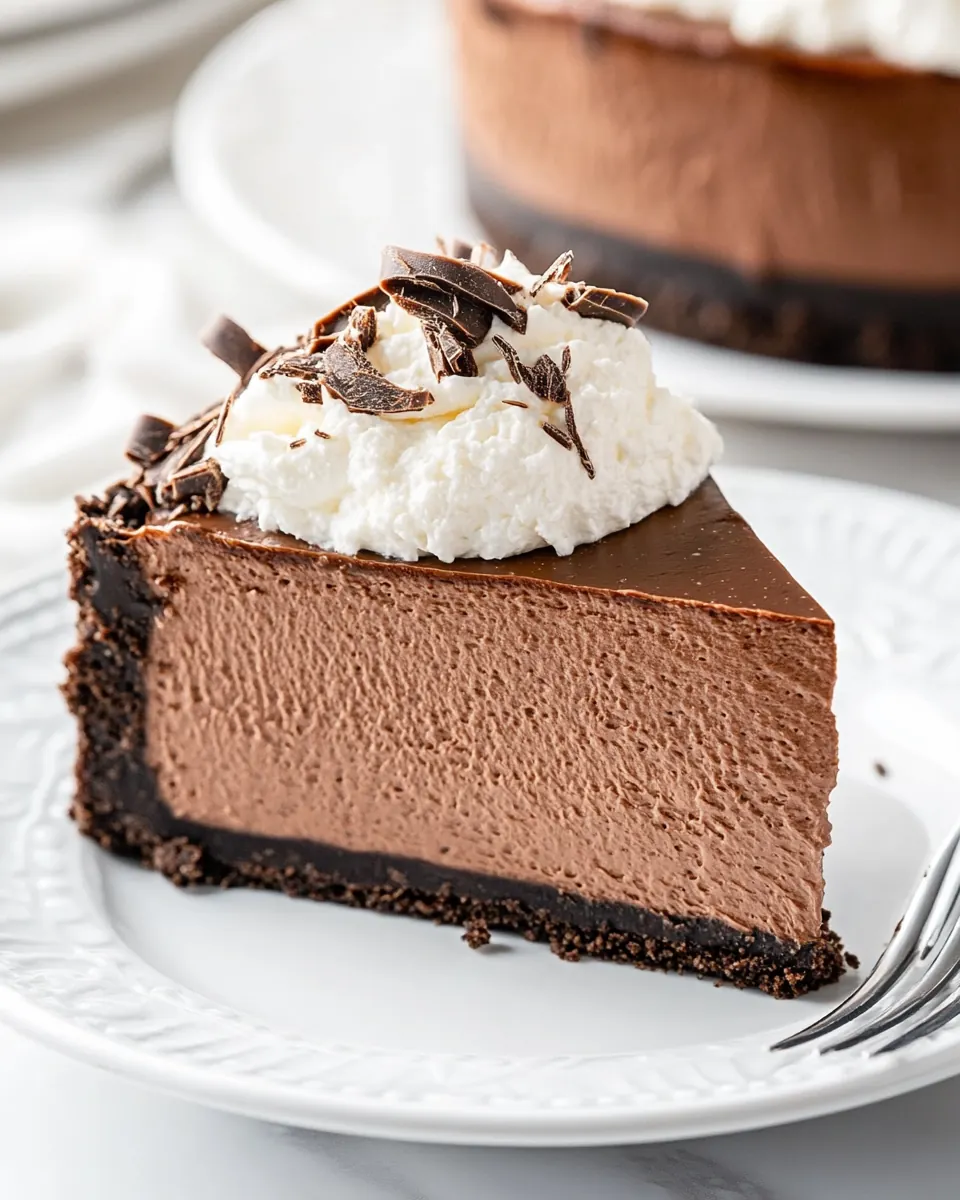
Chocolate Cheesecake
Chocolate Cheesecake has been my go to celebration cake for years, the one I reach for when friends drop by or when a quiet weekend feels like it deserves a little ceremony. The first time I made this, I remember the warm, bittersweet aroma of melting dark chocolate filling the kitchen while the house hummed with the oven, and how every forkful felt like a velvet hug. I find that this version balances deep chocolate intensity with the silky tang of cream cheese, and it rarely lasts beyond dessert plates and satisfied smiles.
There is a comforting ritual to making Chocolate Cheesecake, one that turns routine steps into a slow, mindful rhythm. I like to prep the crust first, pressing the crumb mixture into the pan and feeling the texture change under my fingers as it firms. While the crust bakes, I melt dark chocolate in a gentle bain marie, watching it gloss over into liquid silk. That quiet watching calms me down in a way that sharp timers and rushed cooking never do.
After the filling is blended, pouring it onto the warm crust always feels dramatic yet reassuring, like when you finish a painting and step back to see the whole. The water bath, though fiddly, is my secret to a crack free surface and the custardy center I love. Once chilled, a simple pour of ganache or a cloud of whipped cream does the trick to make it look like you spent hours on it, even when you snuck it into the oven between errands. Over the years I have learned a few gentle tricks to keep the texture immaculate, and they are all about patience and respect for the ingredients.
Recipe Snapshot
1 hr 40 mins
30 mins
70 mins
Medium
350 kcal
American
Gluten-Free, Low FODMAP
Desserts
8 inch springform pan, Roasting pan, Heatproof bowl, Food processor or blender, Wire rack
Why You Need This Chocolate Cheesecake
Deep, Honest Chocolate Flavor
I love how Chocolate Cheesecake delivers real chocolate impact, not just cocoa dusted prettiness. Using chopped dark chocolate melted into the filling gives a rounded bitterness that plays against the tang of cream cheese. That contrast keeps every bite interesting, and as someone who loves intense desserts, I appreciate that it does not feel cloying.
Silky, Dense Texture with a Custardy Heart
The texture here is a big reason I keep returning to this recipe. The combination of full fat cream cheese, extra yolks, and a splash of heavy cream creates a dense yet creamy mouthfeel. I always test doneness by the jiggle, and when it is right, each slice holds but melts on the tongue. That balance of firmness and creaminess is what turns a good cheesecake into a memorable one.
Reliable, Crack Reduced Finish
I like recipes that respect technique, and the water bath plus room temperature ingredients are the unsung heroes here. They reduce thermal shock and keep the surface smooth, which means less time fussing with cosmetic fixes. I have found this approach consistently gives a photo ready cake and fewer sad, cracked tops to hide with excessive ganache.
Versatile Presentation
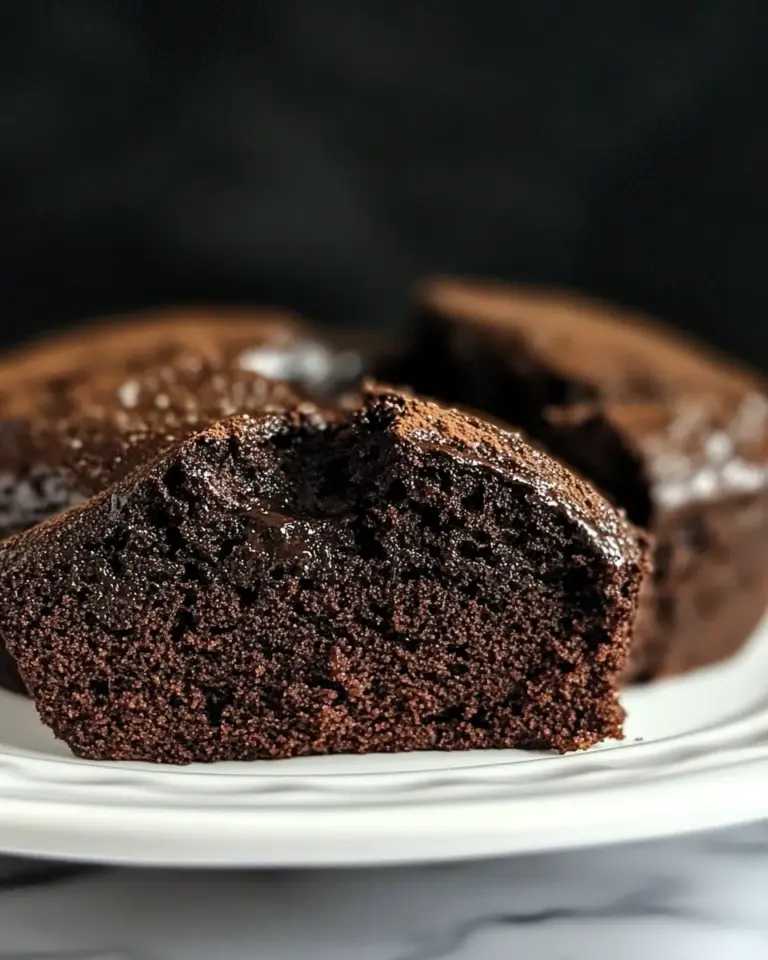
This cake dresses up or down easily. I sometimes keep it simply sliced, and other times I add a warm ganache pour or a dollop of whipped cream. It fits casual coffee visits and more formal dinners with equal grace. That flexibility is why I consider it a staple in my dessert playbook.
Comforting Crowd Pleaser
Finally, Chocolate Cheesecake is a crowd pleaser because it feels indulgent without being fussy. It arrives looking special, yet the method is straightforward once you practice the steps. I enjoy seeing people pause, savor, and then ask for seconds, and that reaction is why I keep making it for special moments.
Main Ingredients for Chocolate Cheesecake
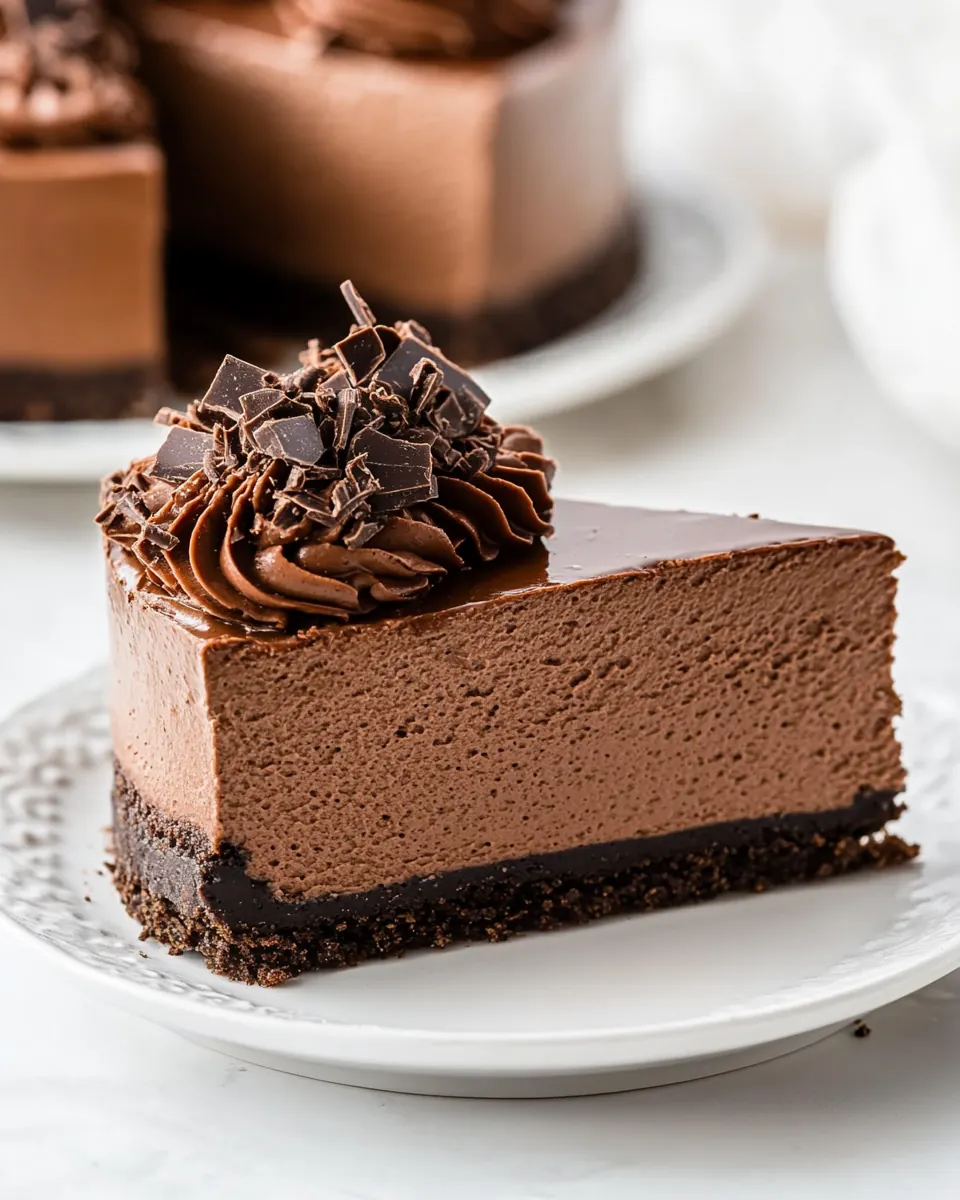
These ingredients are chosen to create a rich, balanced chocolate cheesecake that is creamy yet structurally sound. The crust provides a crunchy, chocolate base that contrasts with the custardy filling, while the combination of cream cheese, eggs, and heavy cream builds a dense, smooth interior. The melted dark chocolate deepens the flavor, and the small amounts of unsweetened cocoa powder and granulated sugar sharpen and sweeten the profile without flattening it.
- 1 1/2 cups chocolate wafer cookie crumbs: Provide a crunchy, chocolatey base for the cheesecake by forming a compact crust when combined with melted butter; press firmly into the pan to create structure for the filling. Add visual contrast and intensified chocolate flavor to support the creamy layers above. Works best when evenly distributed and chilled briefly to set before filling.
- 4 1/2 tablespoons unsalted butter, melted: Bind the cookie crumbs to form a cohesive crust while adding a rich, buttery flavor that complements the chocolate. Melt thoroughly and pour over crumbs to ensure uniform texture and proper firmness after baking and chilling. Use measured amount to avoid an overly greasy or crumbly base.
- 2 cups dark chocolate, coarsely chopped: Melt into the batter to deliver deep, intense chocolate flavor and smoothness; contributes to overall richness and glossy mouthfeel. Chop coarsely to encourage even melting and temper to avoid seizing when combined with warm ingredients. Choose high-quality dark chocolate for balanced bitterness and sweetness in the final cheesecake.
- 24 ounces cream cheese, softened to room temperature: Provide the creamy, tangy base that defines cheesecake texture and structure; beat until smooth to eliminate lumps and create a silky filling. Bring to room temperature to ensure even incorporation with sugar and eggs, which prevents curdling and graininess. Use full-fat cream cheese for optimal richness and proper set after baking and chilling.
- 1 1/4 cups granulated sugar: Sweeten the filling while helping to create a smooth texture when fully dissolved into the cream cheese; adds balance to the chocolate and tang from the cheese. Gradually add while beating to avoid overworking the batter and to ensure an even, glossy finish. Adjust slightly to taste but maintain the specified amount for intended sweetness.
- 3 tablespoons unsweetened cocoa powder: Enhance and intensify chocolate flavor while contributing a deeper color and slight dryness that helps set the filling. Sift in to avoid lumps and combine thoroughly with the sugar and cream cheese for uniform distribution. Use unsweetened cocoa to control sweetness and bring nuanced chocolate notes without altering moisture content significantly.
- 4 large eggs plus 2 egg yolks, at room temperature: Stabilize and enrich the filling by adding structure, moisture, and silkiness; whole eggs and extra yolks increase creaminess and help the cheesecake set without becoming rubbery. Bring to room temperature to blend smoothly and avoid creating pockets or overbeating air into the batter. Add slowly while mixing to prevent curdling and ensure homogeneous texture.
- 3/4 cup heavy cream, at room temperature: Lighten and loosen the filling while adding richness and a velvety mouthfeel; helps create a custard-like consistency when incorporated at room temperature. Avoid whipping excessively to prevent too much air, which can cause cracks during baking. Use measured amount to balance creaminess without thinning the batter.
- 1 1/2 teaspoons vanilla extract: Round out and amplify the dessert's aromatic profile with sweet, warm vanilla notes that enhance chocolate and dairy flavors. Add at room temperature and blend in near the end of mixing to preserve its fragrance. Use pure extract for best flavor clarity and stability during baking and chilling.
- Chocolate ganache for topping (optional): Provide an optional shiny, decadent finish with an intense chocolate layer that adds richness and visual appeal; pour or spread over the cooled cheesecake for a glossy topping. Can be warmed slightly for pourability and chilled briefly to set, complementing the creamy interior with a contrasting texture. Use a balanced ganache recipe to avoid overly sweet or overly bitter contrast.
- Whipped cream for garnish (optional): Offer an optional light, airy garnish that balances the dense cheesecake with a creamy, mildly sweet contrast; pipe or dollop just before serving for best texture. Enhance presentation and provide a palate-cleansing bite that pairs well with the rich chocolate and tangy cheese. Can be flavored lightly with vanilla or sugar to taste.
Instructions for Chocolate Cheesecake
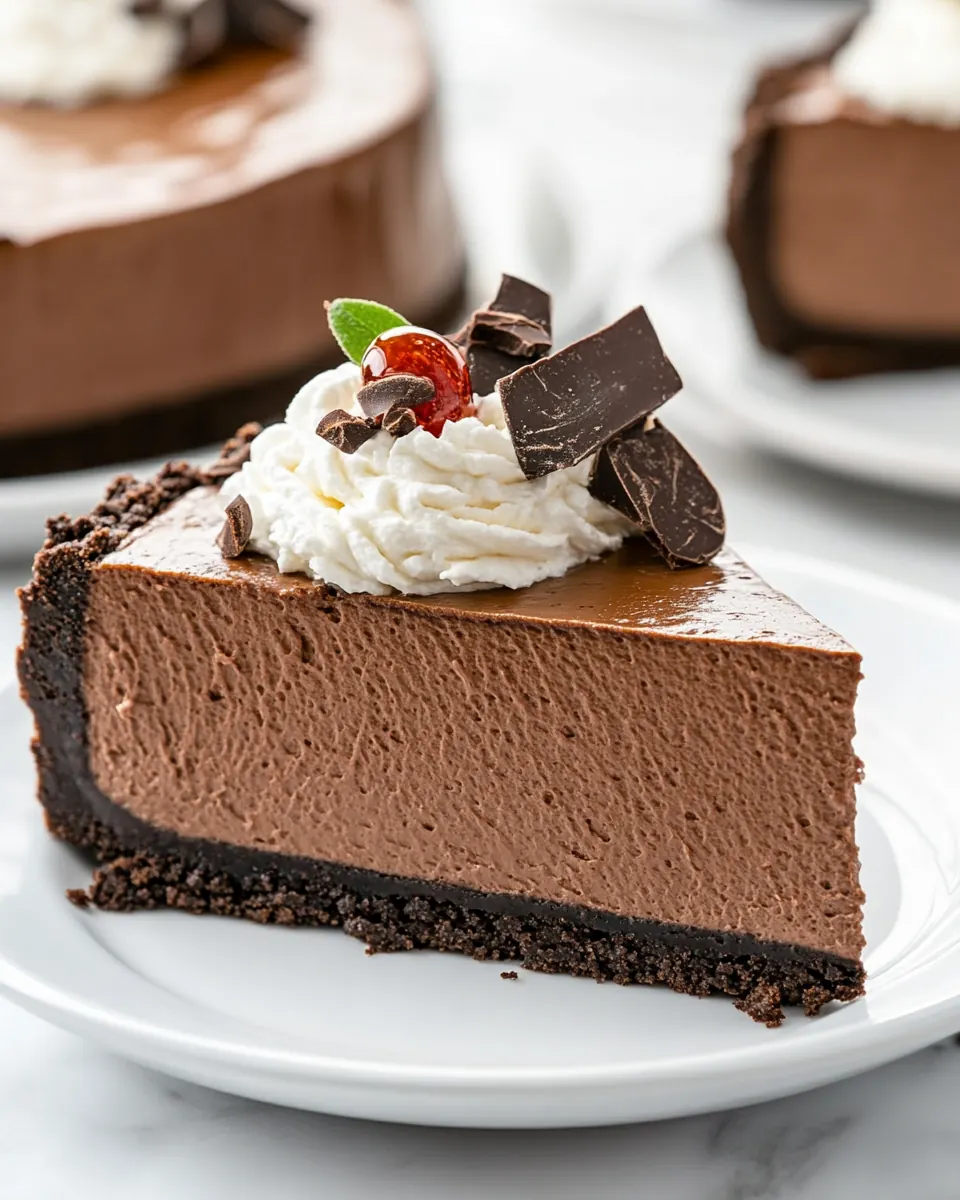
These steps will guide you through the process with a focus on technique and sensory cues. I walk you through the crust, melting chocolate, blending the filling, the water bath, and the chill, and I explain why each choice matters so your cheesecake comes out reliably excellent.
- Preheat your oven to 325°F. Grease an 8-inch springform pan and wrap its outside with heavy-duty foil. This will help prevent leaks since the pan will be placed in a water bath.: The kitchen will smell faintly of warm tin as the oven comes to temperature, a calming backdrop to the start of the bake. Greasing the pan ensures the edges release cleanly, and wrapping with heavy duty foil prevents water from seeping into the crust during the water bath. You'll want the foil to be snug and overlap so steam does not find a seam. A common mistake is loose foil that allows water to drip in, which wets the crust and ruins texture, so take a minute to double wrap if your foil seems thin.
- In a bowl, mix the chocolate cookie crumbs with the melted butter. Press this mixture firmly into the bottom of the prepared pan. Bake for 10 minutes. Remove the pan and allow the crust to cool on a wire rack while keeping the oven on.: As you mix, the crumbs will shift from powdery to clump forming, and the scent will brighten as the butter binds the crumbs. Pressing firmly with the bottom of a measuring cup or glass compacts the crust into an even layer that holds when sliced, giving a satisfying crunch. During the short bake the edges will firm and a toasted aroma develops, signaling readiness. Avoid under pressing the crust, which leads to a crumbly base that falls apart when serving.
- Fill a medium pot 1/3 of the way full with water and bring it to a simmer over medium heat. Set a heatproof bowl on top of the pot (ensuring it does not touch the water). Add the chopped dark chocolate and stir occasionally until it is fully melted. Remove the bowl from the heat and set aside.: You will see the chocolate slowly glossy and smooth as it melts, releasing a deep, rich scent that hints at what is to come. The indirect heat keeps the chocolate from seizing and maintains a silky texture you can fold into the batter. Stir gently and consistently so the heat distributes evenly. A common issue is overheating the chocolate, which can make it grainy, so keep the water at a gentle simmer and remove promptly once glossy.
- In a food processor or high-powered blender, beat the cream cheese for about 2 minutes until smooth. Add the granulated sugar and cocoa powder; blend until the mixture is creamy. Then, add the eggs, egg yolks, and heavy cream and pulse just until combined. Fold in the melted dark chocolate and vanilla extract using a rubber spatula.: The scent will change from tangy dairy to a balanced chocolate custard as you bring these components together. Smooth cream cheese creates the foundation, and when the eggs are added they bind the structure while the heavy cream lends silkiness. Pulsing preserves a dense texture rather than aerating too much, which helps prevent cracking during baking. Folding in the warm melted dark chocolate creates ribbons that become unified with gentle turns; overmixing here traps air, so fold slowly. A typical mistake is whipping the batter too vigorously, which results in a cracked top after baking.
- Scrape the blended filling over the pre-baked crust in the springform pan. Smooth the top with the spatula.: As you transfer the filling, you will notice its thick, glossy body settling over the firm crust, and smoothing with a spatula reveals a mirror like surface. This visual cue tells you the batter is well combined and evenly distributed, which will encourage even baking. Smooth edges also help the cheesecake rise uniformly and avoid thin spots. Avoid scraping roughly or creating peaks, both of which might bake differently and change texture.
- Place the springform pan into a larger roasting pan. Pour hot water into the roasting pan until it reaches 1 inch up the sides of the cheesecake pan. Bake for about 70 minutes, or until the center is set but still slightly jiggly.: The steam from the water bath creates a humid oven environment, which yields a creamy, custardy interior rather than a dry, overcooked one. During baking you will detect a deep chocolate aroma and see the edges set while the center keeps a gentle wobble. The jiggle test is crucial: firm edges with a slightly wobbly center indicate perfect doneness. A common misstep is overbaking until fully firm, which creates a grainy, cracked texture.
- Carefully remove the cheesecake from the water bath and set the pan on a wire rack. Run a knife around the pan edges to help prevent cracking. Allow the cheesecake to cool to room temperature, then refrigerate for at least 6 hours until fully chilled.: As the cake cools, the glossy top will matte slightly and tension at the edges will relax, which is why running a knife between the cake and pan reduces cracking as it contracts. Cool slowly on a rack to avoid condensation forming on the surface, then chill undisturbed to let the custard set fully. Patience here is rewarded with clean slices and stable texture. Cutting too soon is a frequent error, resulting in a wobbly center and messy slices.
- If using, pour warm chocolate ganache over the chilled cheesecake and let it set for about 1 hour before slicing and serving. If desired, garnish with whipped cream when serving.: Pouring warm ganache creates a glossy, even coat that adds shine and extra chocolate richness, and letting it set yields a slight sheen and elegant edge. When you slice, the ganache will offer a pleasant contrast to the dense interior, and a dollop of whipped cream lifts each bite. Avoid pouring ganache that is too hot, which can soften the chilled filling and cause it to lose structure.
Expert Tips about Chocolate Cheesecake
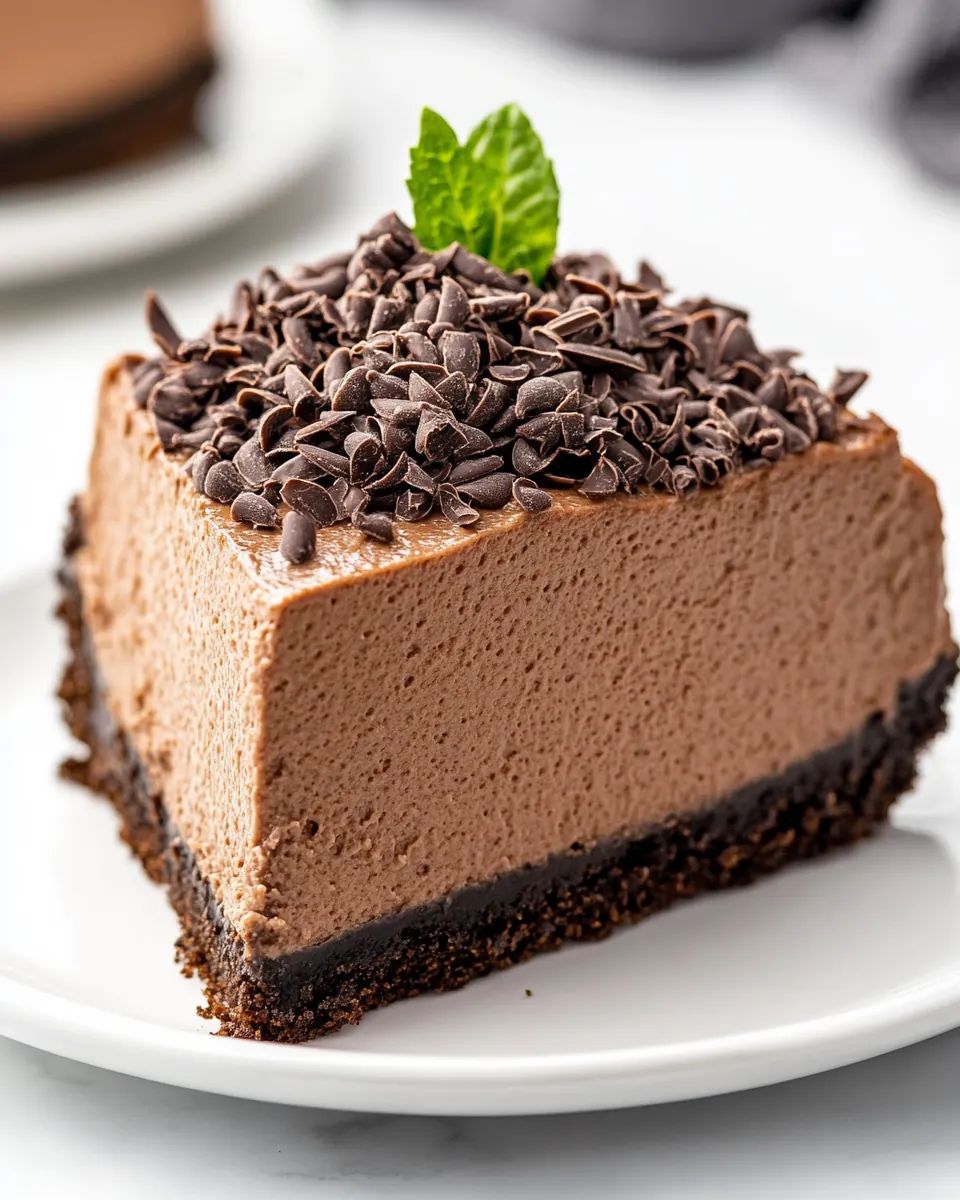
These tips reflect practices I use to get consistent, bakery quality results at home. Follow them to refine texture, flavor, and presentation so your Chocolate Cheesecake looks and tastes like a treat that took hours to make.
- Warm chocolate handling: Melt dark chocolate gently over simmering water and stir until glossy, removing from heat at the first sign of uniform melting to prevent graininess.
- Room temperature ingredients: Bring cream cheese, eggs, and heavy cream to room temperature so they blend smoothly and reduce the risk of lumps in the batter.
- Crust compression: Press the cookie crumb and melted butter mixture very firmly into the pan to create a stable base that slices cleanly without crumbling.
- Water bath seals: Double wrap the springform pan with heavy duty foil to keep the water bath from leaking into the crust, which prevents a soggy base.
- Doneness jiggle: Rely on a gentle jiggle in the center to determine doneness rather than baking for a fixed time, because ovens vary and texture is the true indicator.
- Slow cooling: Cool the cheesecake gradually at room temperature before refrigerating to reduce condensation and cracking on the surface.
Serving Options for Chocolate Cheesecake
This cheesecake is elegant enough for special occasions yet comfortable for casual gatherings. Below are serving ideas, pairing suggestions, and storage notes to help you plan how to present and preserve your Chocolate Cheesecake.
- Simple slice: Serve plain slices at room temperature so the full chocolate and cream cheese flavors are revealed. A small fork and a thin slice make each serving feel indulgent.
- Ganache topped: Pour warm ganache over the chilled cake for a glossy finish and extra chocolate depth, letting it set for about one hour before slicing for tidy pieces.
- Whipped cream garnish: Add a dollop of lightly sweetened whipped cream to each plate to lighten the dense texture and add a visual flourish.
- Occasions: This dessert suits birthdays, dinner parties, and festive gatherings, and the rich profile also makes it appropriate for holidays when you want an elegant treat.
- Storage: Refrigerate tightly covered for up to four days, or freeze individual slices wrapped well for up to two months; thaw in the refrigerator overnight before serving.
- Portioning: For a party, slice slightly thinner to serve more guests while retaining satisfaction; for smaller gatherings, a wedge is richly satisfying.
FAQ
Conclusion
This Chocolate Cheesecake stands out for its deep, layered chocolate flavor and its silky, custardy texture that holds beautifully when sliced. Give it a try when you want a dessert that looks elegant but is built on straightforward techniques and patience. I find that the water bath and room temperature ingredients are the two small commitments that yield the biggest payoff, and once you taste that balanced richness, it becomes a dessert you will happily make again and again.
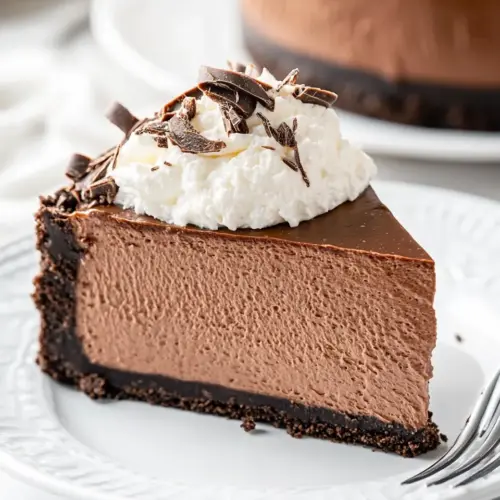
Chocolate Cheesecake
Equipment
- 8 inch springform pan
- Roasting Pan
- Heatproof Bowl
- Food processor or blender
- Wire Rack
Ingredients
- 1 1/2 cups chocolate wafer cookie crumbs Provide a crunchy, chocolatey base for the cheesecake by forming a compact crust when combined with melted butter; press firmly into the pan to create structure for the filling. Add visual contrast and intensified chocolate flavor to support the creamy layers above. Works best when evenly distributed and chilled briefly to set before filling.
- 4 1/2 tablespoons unsalted butter, melted Bind the cookie crumbs to form a cohesive crust while adding a rich, buttery flavor that complements the chocolate. Melt thoroughly and pour over crumbs to ensure uniform texture and proper firmness after baking and chilling. Use measured amount to avoid an overly greasy or crumbly base.
- 2 cups dark chocolate, coarsely chopped Melt into the batter to deliver deep, intense chocolate flavor and smoothness; contributes to overall richness and glossy mouthfeel. Chop coarsely to encourage even melting and temper to avoid seizing when combined with warm ingredients. Choose high-quality dark chocolate for balanced bitterness and sweetness in the final cheesecake.
- 24 ounces cream cheese, softened to room temperature Provide the creamy, tangy base that defines cheesecake texture and structure; beat until smooth to eliminate lumps and create a silky filling. Bring to room temperature to ensure even incorporation with sugar and eggs, which prevents curdling and graininess. Use full-fat cream cheese for optimal richness and proper set after baking and chilling.
- 1 1/4 cups granulated sugar Sweeten the filling while helping to create a smooth texture when fully dissolved into the cream cheese; adds balance to the chocolate and tang from the cheese. Gradually add while beating to avoid overworking the batter and to ensure an even, glossy finish. Adjust slightly to taste but maintain the specified amount for intended sweetness.
- 3 tablespoons unsweetened cocoa powder Enhance and intensify chocolate flavor while contributing a deeper color and slight dryness that helps set the filling. Sift in to avoid lumps and combine thoroughly with the sugar and cream cheese for uniform distribution. Use unsweetened cocoa to control sweetness and bring nuanced chocolate notes without altering moisture content significantly.
- 4 large eggs plus 2 egg yolks, at room temperature Stabilize and enrich the filling by adding structure, moisture, and silkiness; whole eggs and extra yolks increase creaminess and help the cheesecake set without becoming rubbery. Bring to room temperature to blend smoothly and avoid creating pockets or overbeating air into the batter. Add slowly while mixing to prevent curdling and ensure homogeneous texture.
- 3/4 cup heavy cream, at room temperature Lighten and loosen the filling while adding richness and a velvety mouthfeel; helps create a custard-like consistency when incorporated at room temperature. Avoid whipping excessively to prevent too much air, which can cause cracks during baking. Use measured amount to balance creaminess without thinning the batter.
- 1 1/2 teaspoons vanilla extract Round out and amplify the dessert's aromatic profile with sweet, warm vanilla notes that enhance chocolate and dairy flavors. Add at room temperature and blend in near the end of mixing to preserve its fragrance. Use pure extract for best flavor clarity and stability during baking and chilling.
- Chocolate ganache for topping, optional Provide an optional shiny, decadent finish with an intense chocolate layer that adds richness and visual appeal; pour or spread over the cooled cheesecake for a glossy topping. Can be warmed slightly for pourability and chilled briefly to set, complementing the creamy interior with a contrasting texture. Use a balanced ganache recipe to avoid overly sweet or overly bitter contrast.
- Whipped cream for garnish, optional Offer an optional light, airy garnish that balances the dense cheesecake with a creamy, mildly sweet contrast; pipe or dollop just before serving for best texture. Enhance presentation and provide a palate-cleansing bite that pairs well with the rich chocolate and tangy cheese. Can be flavored lightly with vanilla or sugar to taste.
Instructions
- Preheat your oven to 325°F. Grease an 8-inch springform pan and wrap its outside with heavy-duty foil. This will help prevent leaks since the pan will be placed in a water bath.: The kitchen will smell faintly of warm tin as the oven comes to temperature, a calming backdrop to the start of the bake. Greasing the pan ensures the edges release cleanly, and wrapping with heavy duty foil prevents water from seeping into the crust during the water bath. You'll want the foil to be snug and overlap so steam does not find a seam. A common mistake is loose foil that allows water to drip in, which wets the crust and ruins texture, so take a minute to double wrap if your foil seems thin.
- In a bowl, mix the chocolate cookie crumbs with the melted butter. Press this mixture firmly into the bottom of the prepared pan. Bake for 10 minutes. Remove the pan and allow the crust to cool on a wire rack while keeping the oven on.: As you mix, the crumbs will shift from powdery to clump forming, and the scent will brighten as the butter binds the crumbs. Pressing firmly with the bottom of a measuring cup or glass compacts the crust into an even layer that holds when sliced, giving a satisfying crunch. During the short bake the edges will firm and a toasted aroma develops, signaling readiness. Avoid under pressing the crust, which leads to a crumbly base that falls apart when serving.
- Fill a medium pot 1/3 of the way full with water and bring it to a simmer over medium heat. Set a heatproof bowl on top of the pot (ensuring it does not touch the water). Add the chopped dark chocolate and stir occasionally until it is fully melted. Remove the bowl from the heat and set aside.: You will see the chocolate slowly glossy and smooth as it melts, releasing a deep, rich scent that hints at what is to come. The indirect heat keeps the chocolate from seizing and maintains a silky texture you can fold into the batter. Stir gently and consistently so the heat distributes evenly. A common issue is overheating the chocolate, which can make it grainy, so keep the water at a gentle simmer and remove promptly once glossy.
- In a food processor or high-powered blender, beat the cream cheese for about 2 minutes until smooth. Add the granulated sugar and cocoa powder; blend until the mixture is creamy. Then, add the eggs, egg yolks, and heavy cream and pulse just until combined. Fold in the melted dark chocolate and vanilla extract using a rubber spatula.: The scent will change from tangy dairy to a balanced chocolate custard as you bring these components together. Smooth cream cheese creates the foundation, and when the eggs are added they bind the structure while the heavy cream lends silkiness. Pulsing preserves a dense texture rather than aerating too much, which helps prevent cracking during baking. Folding in the warm melted dark chocolate creates ribbons that become unified with gentle turns; overmixing here traps air, so fold slowly. A typical mistake is whipping the batter too vigorously, which results in a cracked top after baking.
- Scrape the blended filling over the pre-baked crust in the springform pan. Smooth the top with the spatula.: As you transfer the filling, you will notice its thick, glossy body settling over the firm crust, and smoothing with a spatula reveals a mirror like surface. This visual cue tells you the batter is well combined and evenly distributed, which will encourage even baking. Smooth edges also help the cheesecake rise uniformly and avoid thin spots. Avoid scraping roughly or creating peaks, both of which might bake differently and change texture.
- Place the springform pan into a larger roasting pan. Pour hot water into the roasting pan until it reaches 1 inch up the sides of the cheesecake pan. Bake for about 70 minutes, or until the center is set but still slightly jiggly.: The steam from the water bath creates a humid oven environment, which yields a creamy, custardy interior rather than a dry, overcooked one. During baking you will detect a deep chocolate aroma and see the edges set while the center keeps a gentle wobble. The jiggle test is crucial: firm edges with a slightly wobbly center indicate perfect doneness. A common misstep is overbaking until fully firm, which creates a grainy, cracked texture.
- Carefully remove the cheesecake from the water bath and set the pan on a wire rack. Run a knife around the pan edges to help prevent cracking. Allow the cheesecake to cool to room temperature, then refrigerate for at least 6 hours until fully chilled.: As the cake cools, the glossy top will matte slightly and tension at the edges will relax, which is why running a knife between the cake and pan reduces cracking as it contracts. Cool slowly on a rack to avoid condensation forming on the surface, then chill undisturbed to let the custard set fully. Patience here is rewarded with clean slices and stable texture. Cutting too soon is a frequent error, resulting in a wobbly center and messy slices.
- If using, pour warm chocolate ganache over the chilled cheesecake and let it set for about 1 hour before slicing and serving. If desired, garnish with whipped cream when serving.: Pouring warm ganache creates a glossy, even coat that adds shine and extra chocolate richness, and letting it set yields a slight sheen and elegant edge. When you slice, the ganache will offer a pleasant contrast to the dense interior, and a dollop of whipped cream lifts each bite. Avoid pouring ganache that is too hot, which can soften the chilled filling and cause it to lose structure.
Notes
- Warm chocolate handling: Melt dark chocolate gently over simmering water and stir until glossy, removing from heat at the first sign of uniform melting to prevent graininess.
- Room temperature ingredients: Bring cream cheese, eggs, and heavy cream to room temperature so they blend smoothly and reduce the risk of lumps in the batter.
- Crust compression: Press the cookie crumb and melted butter mixture very firmly into the pan to create a stable base that slices cleanly without crumbling.
- Water bath seals: Double wrap the springform pan with heavy duty foil to keep the water bath from leaking into the crust, which prevents a soggy base.
- Doneness jiggle: Rely on a gentle jiggle in the center to determine doneness rather than baking for a fixed time, because ovens vary and texture is the true indicator.
- Slow cooling: Cool the cheesecake gradually at room temperature before refrigerating to reduce condensation and cracking on the surface.