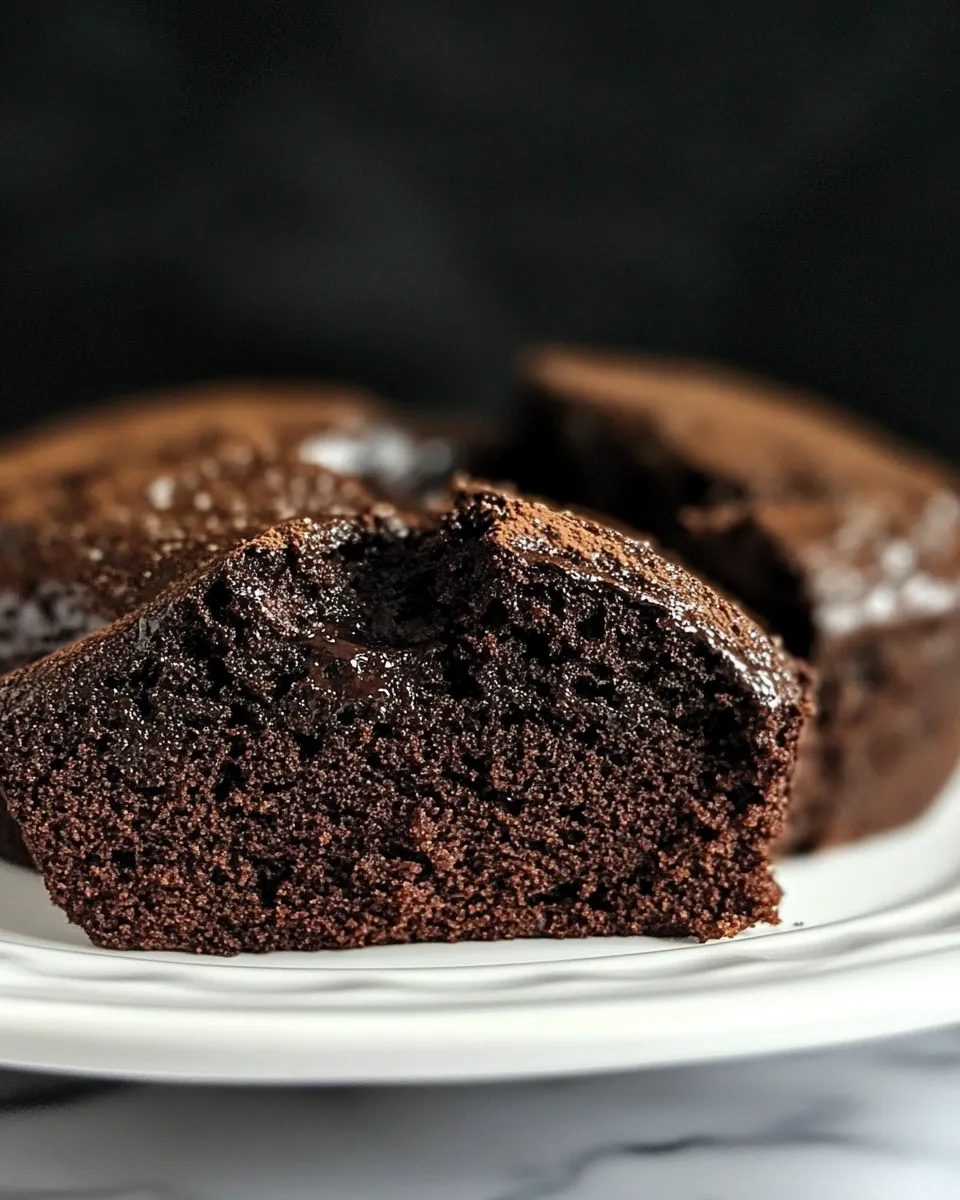
Egg Free Chocolate Cake
Egg Free Chocolate Cake has been one of those recipes that quietly rescued more than one celebration in my life. The first time I baked it I was short on staples and running low on time, yet needed something that would feel indulgent and comforting. I remember mashing a ripe avocado at midnight while the house hummed with quiet, convinced that a good cake could come from unlikely swaps.
Since then, Egg Free Chocolate Cake has become my go to when guests arrive unexpectedly or when I want a reliably tender crumb without using eggs. I love how the texture leans tender and moist, with a soft cocoa scent that fills the kitchen and makes everyone gather round. Each bite brings a subtle richness from the avocado and a familiar, nostalgic chocolate warmth that never feels heavy.
When I serve this cake I usually slice it thin, because the flavor is concentrated and a little goes a long way. Friends often ask how I get that moist texture, and I tell them it is all about balancing wet and dry, trusting simple chemistry with baking soda, baking powder, and a splash of vinegar. That tiny bit of fizz in the batter is what lifts the crumb and keeps the cake from feeling dense. Over time I have learned small rituals, like sifting the cocoa and tapping the pan before baking, that make the difference between good and memorable.
Recipe Snapshot
60 mins
10 mins
50 mins
Medium
300 kcal
American
Vegan, Gluten-Free
Desserts
Bundt pan, Large mixing bowls, Whisk
What You’ll Enjoy About This Egg Free Chocolate Cake
Reliable Moisture Without Eggs
I adore how Egg Free Chocolate Cake stays plush without eggs. Using avocado puree and a measured amount of vegetable oil gives the cake tenderness and body, so it does not dry out even after a day. I find it especially useful when eggs are not available or when someone needs an egg free option, and it still satisfies chocolate cravings.
Simple Pantry Ingredients
This cake shines because it relies on pantry staples like all purpose flour, granulated sugar, and unsweetened cocoa powder. I love that I can make it without a special trip to the store. The pantry friendly nature makes it an ideal last minute dessert when friends drop by or when you want a quick baking win.
Bright Lift From Vinegar and Baking Agents
A small splash of distilled white vinegar with the baking soda and baking powder creates a gentle lift that prevents the cake from becoming gummy. I often tell guests that this is the trick for an airy crumb without eggs, and it never fails. The reaction gives subtle aeration, making slices light yet moist.
Flexible and Approachable
I appreciate how forgiving this recipe is. Whether you mix by hand or with a whisk, the batter comes together smoothly. Mixing until the batter is uniform helps avoid overworking the flour, and the result is tender. For busy cooks, this cake feels like a low stress success you can whip up any day.
Deep Chocolate Flavor
Even without eggs, the combination of unsweetened cocoa powder and a little extra granulated sugar yields a chocolate profile that is rich but balanced. I often let the cake cool fully before slicing, because that finishes the texture and concentrates the flavors. It pairs well with a dusting of cocoa or a simple glaze if you want to dress it up.
What to Buy for Egg Free Chocolate Cake
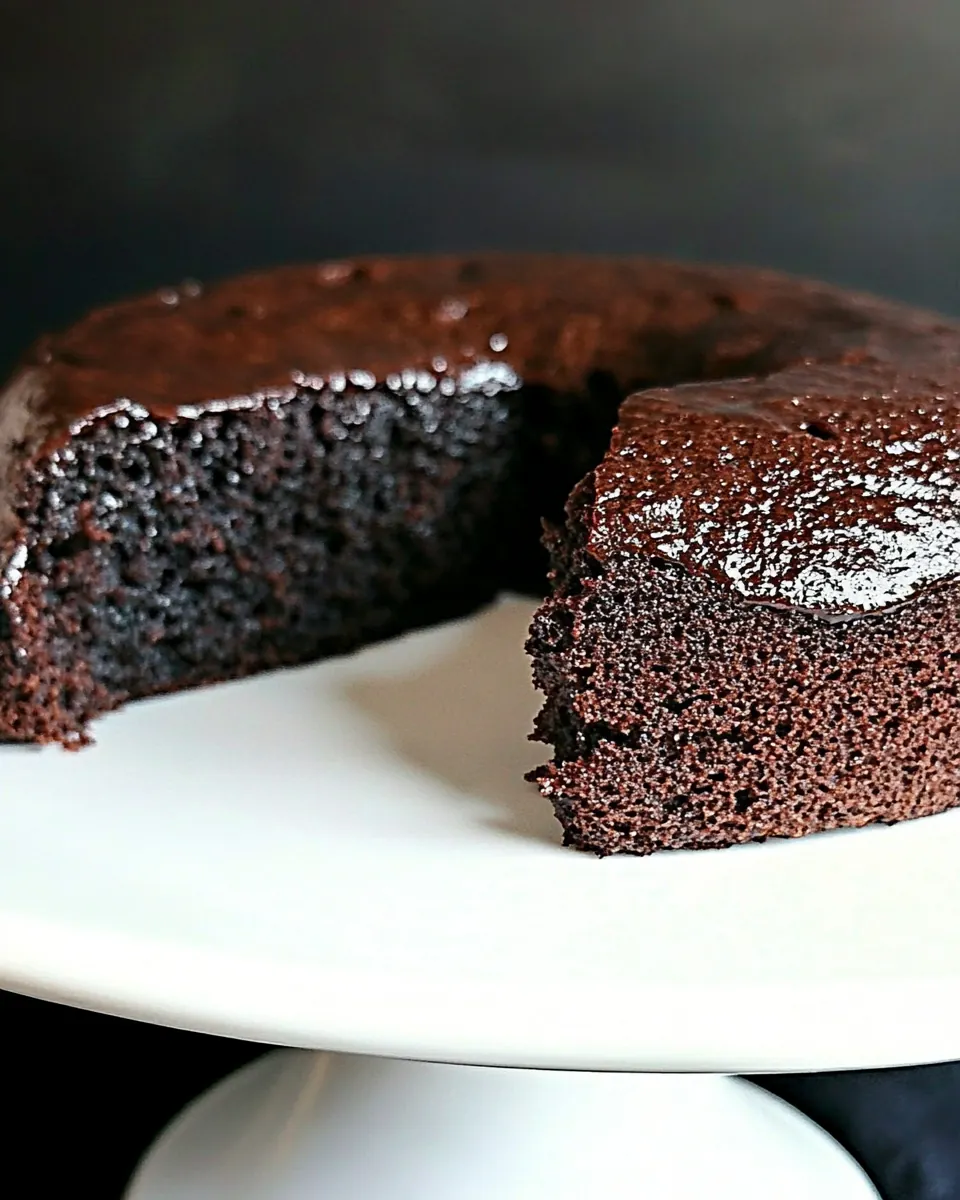
These ingredients are chosen to create a balance between structure, moisture, and chocolate flavor. The dry players provide the framework while the wet players keep the crumb tender. Small additions like baking soda and distilled white vinegar are the chemistry that give lift in the absence of eggs, and the avocado puree acts as a creamy, neutral fat that keeps the cake moist.
- 3 cups (360 g) all-purpose flour: Provides structure and bulk to the cake batter; all-purpose flour develops gluten that helps trap gases produced during leavening, yielding a tender crumb when properly mixed and not overworked.
- 1/2 cup (42 g) unsweetened cocoa powder: Adds deep chocolate flavor and contributes to the dry mix; unsweetened cocoa powder intensifies chocolate notes while slightly affecting batter viscosity and color.
- 3/4 teaspoon (1.95 g) kosher salt: Enhances overall flavor balance and strengthens gluten development slightly; kosher salt heightens sweetness perception and controls fermentation of the leaveners.
- 2 teaspoons (12 g) baking soda: Leavens the cake by producing carbon dioxide when reacting with acids; baking soda helps create lift and contributes to a lighter texture when evenly distributed.
- 2 teaspoons (8 g) baking powder: Provides additional leavening and a finer crumb; baking powder releases gas in two stages (upon mixing and baking) to support rise and oven spring.
- 2 1/2 cups (495 g) granulated sugar: Sweetens the cake and contributes to moistness and browning; granulated sugar also helps with structure by interacting with proteins during creaming and baking.
- 1/4 cup (49.5 g) vegetable oil: Adds fat for tenderness and moisture without adding dairy; vegetable oil keeps the crumb soft and helps the cake remain moist for longer storage.
- 1/2 cup (115 g) avocado puree, 1 avocado: Imparts richness, creaminess, and additional fat while adding a subtle avocado flavor; avocado puree acts as an egg-free binder and contributes to moist texture.
- 2 cups (454 g) water: Hydrates dry ingredients and dissolves sugar and leaveners; water adjusts batter consistency and enables proper chemical reactions during baking.
- 2 tablespoons (30 g) distilled white vinegar: Reactively contributes to leavening by interacting with baking soda; distilled white vinegar provides acidity that activates rising and slightly tenderizes the crumb.
- 2 teaspoons (9.4 g) vanilla extract: Adds aromatic sweetness and rounds flavor profiles; vanilla extract enhances chocolate notes and provides a familiar baked-goods fragrance.
Step by Step Guide for Egg Free Chocolate Cake
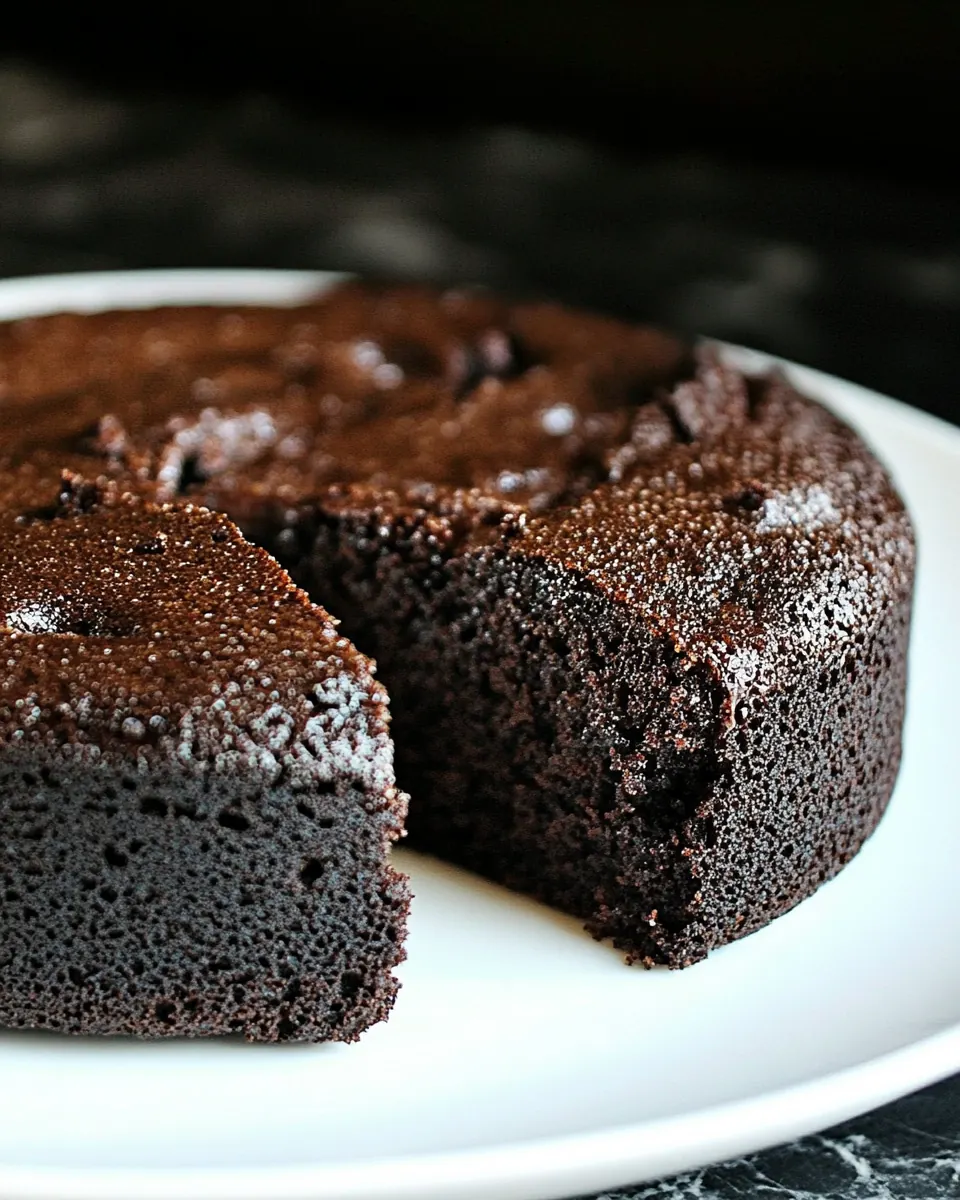
I like to think of baking this cake as a calm sequence of simple rituals rather than a race. Work with calm motions and pay attention to texture rather than time alone. Below I expand each original direction into detailed guidance so you can sense when things are right.
- Preheat oven to 350º F and prepare bundt pan with nonstick baking spray. Set aside.: You will notice the kitchen warming and that faint metallic scent of the oven as it approaches 350º F . Getting the pan ready is crucial, because an egg free cake can cling if the surface is not well prepared. Spray thoroughly inside the bundt pan, and if you like, dust lightly with a bit of flour or cocoa to ensure easy release. A common mistake is skipping the prep and then struggling to unmold a cake that crumbles, so make this step a non negotiable. The reason this matters is that the cake lacks egg proteins that often help with release, so mechanical release methods are essential.
- In a large bowl, whisk together flour, cocoa, salt, baking powder, and baking soda.: As you whisk the dry ingredients you should see a uniform brown powder, with no streaks of cocoa or pockets of baking powder. The scent will be muted chocolate and faint tinny notes from leaveners. Whisking aerates the mix slightly and breaks up lumps, which leads to a lighter crumb. Avoid over mixing at this stage, because excessive air can collapse when combined with wet ingredients. A common pitfall is dumping wet into dry without sifting, which can leave clumps of cocoa that never fully incorporate.
- In another large bowl, mix together sugar, oil, avocado puree, water, vinegar and vanilla until smooth.: When you stir these wet ingredients together the sugar will start dissolving into the water, and the avocado will blend into a glossy, slightly thick liquid. Smell for a gentle sweet and vanilla aroma, and note the shiny texture from the oil. Mixing until smooth is important so that you do not end up with streaks of oil or lumps of avocado. If the avocado is not ripe, you may get chunks, so make sure it is well mashed. A common error at this stage is under mixing, leaving pockets that alter texture in the finished cake.
- Add all dry ingredients into wet ingredients and whisk together until smooth and creamy. Pour batter into prepared bundt pan.: Once combined you want a batter that flows slowly but holds some body, with a deep chocolate color and a faint cocoa scent. Stir until you cannot see dry streaks, but try not to overwork the batter because that develops gluten and yields toughness. The batter should be pourable, and when you tap the bowl you should see gentle movement, not stiffness. Pour it evenly into the prepared bundt pan , tapping the pan gently on the counter to release large air bubbles. A key mistake to avoid is over whisking here, which tightens the crumb. The why is simple, gluten formation increases with agitation, and we want tender crumb over chewiness.
- Bake 45-50 minutes until cake tester inserted in the center of the cake comes out clean. You can follow my tips for how to tell when your cake is done.: During baking you will notice a warm, chocolate aroma filling the kitchen and the top developing a matte surface. The sides will pull slightly away from the pan, and the center should spring back when touched lightly. Use a cake tester in the center to check for doneness, and look for a few moist crumbs rather than raw batter. If the tester comes out wet, give it another five to ten minutes and check again. A common misstep is relying solely on the clock; ovens vary, so watch visual and tactile cues. Removing too early can cause collapse as the center sets, while overbaking dries it out. The chemistry of the leaveners finishes during this period, which is why accurate bake timing and testing are essential.
How to Switch It Up
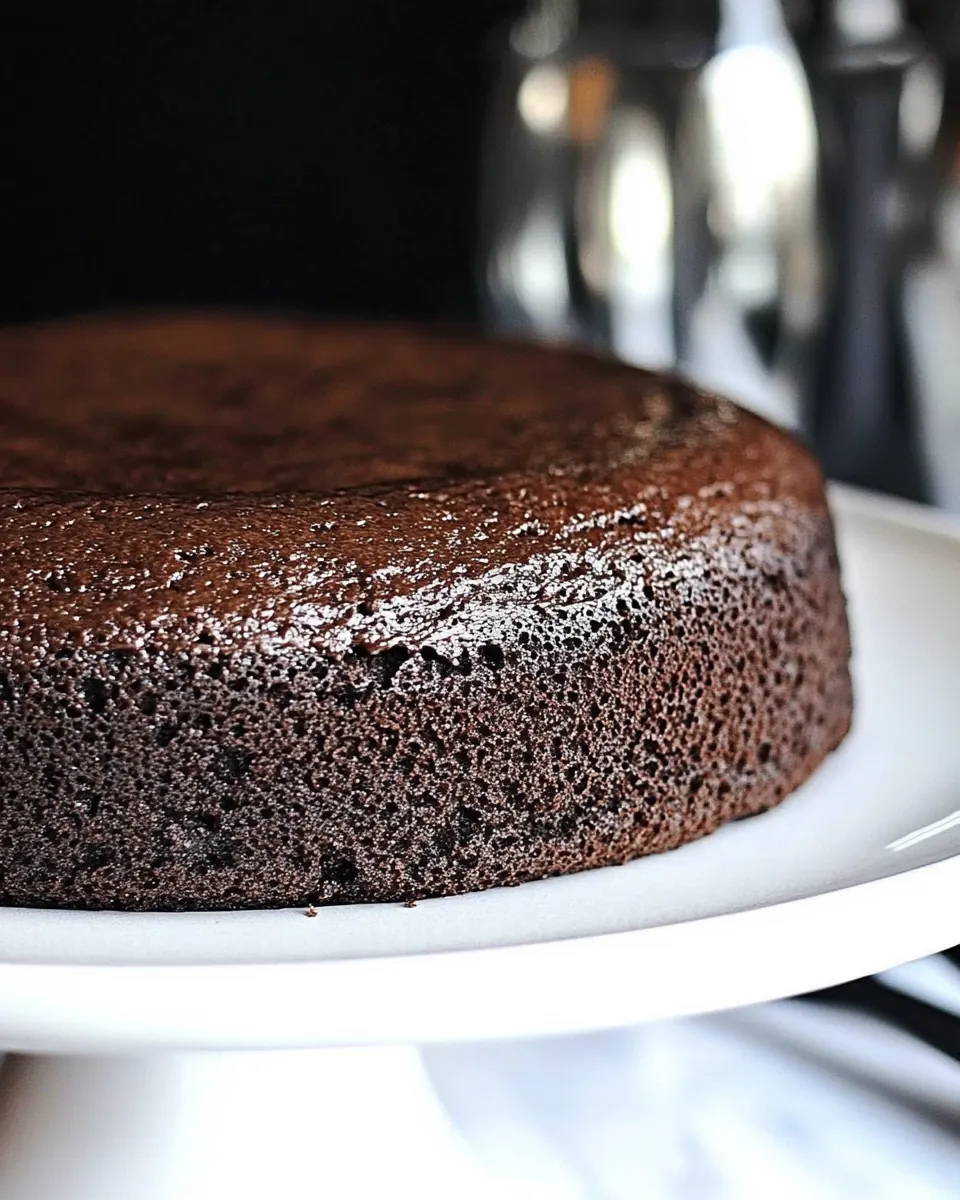
This section offers practical variations and ideas to change the presentation or texture of your cake without altering the core formula. Each tip highlights one small shift you can make to adapt the recipe for occasion or preference.
- Simple Glaze: Mix a small amount of powdered sugar with a teaspoon or two of water to make a thin glaze, drizzle over cooled slices for a quick finishing touch that adds sweetness and a polished look.
- Cocoa Dusting: Sift a light dusting of unsweetened cocoa powder over the top after cooling to intensify chocolate notes without adding extra sweetness.
- Bundt Presentation: Serve slices from the bundt pan on a platter with a light dusting of sugar for a classic, elegant appearance ideal for afternoon guests.
- Serve Warm: Gently warm slices in the oven for a few minutes before serving to release aromas and give a slightly softer mouthfeel.
- Storage Tip: Wrap cooled cake tightly or store in an airtight container at room temperature for up to two days to preserve moisture, or refrigerate for longer storage, bringing to room temperature before serving.
What to Serve With Egg Free Chocolate Cake
This cake pairs well with simple accompaniments that highlight its chocolate depth. Choose contrasts in texture and temperature, or keep it streamlined for casual coffee moments. Here are thoughtful serving ideas to match occasions from a relaxed afternoon to a celebratory gathering.
- Light Whipped Cream: A dollop of lightly sweetened whipped cream complements the cake without overpowering the chocolate, adding airy texture.
- Fresh Berries: Serve with a small bowl of berries for brightness and acidity that cuts through the cake’s richness during dessert or brunch occasions.
- Hot Coffee or Tea: Offer strong brewed coffee or a robust tea to balance sweetness, making this suitable for afternoon guests or casual get togethers.
- Simple Icing: A thin chocolate or vanilla glaze can dress up slices for a party, creating a polished presentation without heavy frosting labor.
- Occasion Pairing: This cake works well for birthdays, potlucks, or Ramadan if you need an egg free dessert option that travels easily and stays moist.
- Storage and Leftovers: Store slices in an airtight container at room temperature up to two days, or refrigerate and bring to room temperature before serving to restore tenderness.
FAQ
Conclusion
What makes this recipe special is its ability to deliver a moist, chocolatey cake without eggs, relying on simple pantry ingredients and a smart use of avocado and leaveners. I encourage you to try it when you need a dependable dessert that travels well and pleases a crowd. It is forgiving, straightforward, and surprisingly decadent, offering a satisfying slice for everyday moments or celebratory gatherings.
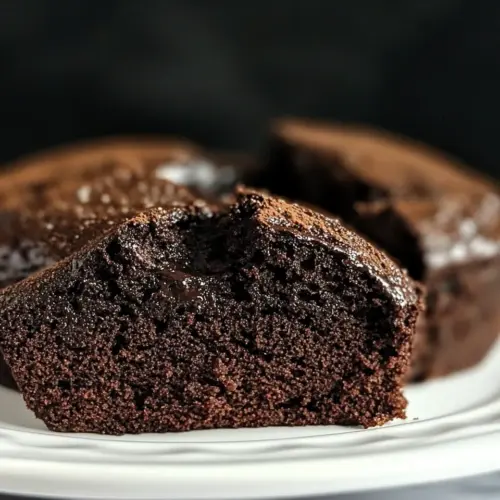
Egg Free Chocolate Cake
Equipment
- Bundt Pan
- Large mixing bowls
- Whisk
Ingredients
- 3 cups (360 g) all-purpose flour Provides structure and bulk to the cake batter; all-purpose flour develops gluten that helps trap gases produced during leavening, yielding a tender crumb when properly mixed and not overworked.
- 1/2 cup (42 g) unsweetened cocoa powder Adds deep chocolate flavor and contributes to the dry mix; unsweetened cocoa powder intensifies chocolate notes while slightly affecting batter viscosity and color.
- 3/4 teaspoon (1.95 g) kosher salt Enhances overall flavor balance and strengthens gluten development slightly; kosher salt heightens sweetness perception and controls fermentation of the leaveners.
- 2 teaspoons (12 g) baking soda Leavens the cake by producing carbon dioxide when reacting with acids; baking soda helps create lift and contributes to a lighter texture when evenly distributed.
- 2 teaspoons (8 g) baking powder Provides additional leavening and a finer crumb; baking powder releases gas in two stages (upon mixing and baking) to support rise and oven spring.
- 2 1/2 cups (495 g) granulated sugar Sweetens the cake and contributes to moistness and browning; granulated sugar also helps with structure by interacting with proteins during creaming and baking.
- 1/4 cup (49.5 g) vegetable oil Adds fat for tenderness and moisture without adding dairy; vegetable oil keeps the crumb soft and helps the cake remain moist for longer storage.
- 1/2 cup (115 g) avocado puree, 1 avocado Imparts richness, creaminess, and additional fat while adding a subtle avocado flavor; avocado puree acts as an egg-free binder and contributes to moist texture.
- 2 cups (454 g) water Hydrates dry ingredients and dissolves sugar and leaveners; water adjusts batter consistency and enables proper chemical reactions during baking.
- 2 tablespoons (30 g) distilled white vinegar Reactively contributes to leavening by interacting with baking soda; distilled white vinegar provides acidity that activates rising and slightly tenderizes the crumb.
- 2 teaspoons (9.4 g) vanilla extract Adds aromatic sweetness and rounds flavor profiles; vanilla extract enhances chocolate notes and provides a familiar baked-goods fragrance.
Instructions
- Preheat oven to 350º F and prepare bundt pan with nonstick baking spray. Set aside.: You will notice the kitchen warming and that faint metallic scent of the oven as it approaches 350º F . Getting the pan ready is crucial, because an egg free cake can cling if the surface is not well prepared. Spray thoroughly inside the bundt pan, and if you like, dust lightly with a bit of flour or cocoa to ensure easy release. A common mistake is skipping the prep and then struggling to unmold a cake that crumbles, so make this step a non negotiable. The reason this matters is that the cake lacks egg proteins that often help with release, so mechanical release methods are essential.
- In a large bowl, whisk together flour, cocoa, salt, baking powder, and baking soda.: As you whisk the dry ingredients you should see a uniform brown powder, with no streaks of cocoa or pockets of baking powder. The scent will be muted chocolate and faint tinny notes from leaveners. Whisking aerates the mix slightly and breaks up lumps, which leads to a lighter crumb. Avoid over mixing at this stage, because excessive air can collapse when combined with wet ingredients. A common pitfall is dumping wet into dry without sifting, which can leave clumps of cocoa that never fully incorporate.
- In another large bowl, mix together sugar, oil, avocado puree, water, vinegar and vanilla until smooth.: When you stir these wet ingredients together the sugar will start dissolving into the water, and the avocado will blend into a glossy, slightly thick liquid. Smell for a gentle sweet and vanilla aroma, and note the shiny texture from the oil. Mixing until smooth is important so that you do not end up with streaks of oil or lumps of avocado. If the avocado is not ripe, you may get chunks, so make sure it is well mashed. A common error at this stage is under mixing, leaving pockets that alter texture in the finished cake.
- Add all dry ingredients into wet ingredients and whisk together until smooth and creamy. Pour batter into prepared bundt pan.: Once combined you want a batter that flows slowly but holds some body, with a deep chocolate color and a faint cocoa scent. Stir until you cannot see dry streaks, but try not to overwork the batter because that develops gluten and yields toughness. The batter should be pourable, and when you tap the bowl you should see gentle movement, not stiffness. Pour it evenly into the prepared bundt pan , tapping the pan gently on the counter to release large air bubbles. A key mistake to avoid is over whisking here, which tightens the crumb. The why is simple, gluten formation increases with agitation, and we want tender crumb over chewiness.
- Bake 45-50 minutes until cake tester inserted in the center of the cake comes out clean. You can follow my tips for how to tell when your cake is done.: During baking you will notice a warm, chocolate aroma filling the kitchen and the top developing a matte surface. The sides will pull slightly away from the pan, and the center should spring back when touched lightly. Use a cake tester in the center to check for doneness, and look for a few moist crumbs rather than raw batter. If the tester comes out wet, give it another five to ten minutes and check again. A common misstep is relying solely on the clock; ovens vary, so watch visual and tactile cues. Removing too early can cause collapse as the center sets, while overbaking dries it out. The chemistry of the leaveners finishes during this period, which is why accurate bake timing and testing are essential.
Notes
- Simple Glaze: Mix a small amount of powdered sugar with a teaspoon or two of water to make a thin glaze, drizzle over cooled slices for a quick finishing touch that adds sweetness and a polished look.
- Cocoa Dusting: Sift a light dusting of unsweetened cocoa powder over the top after cooling to intensify chocolate notes without adding extra sweetness.
- Bundt Presentation: Serve slices from the bundt pan on a platter with a light dusting of sugar for a classic, elegant appearance ideal for afternoon guests.
- Serve Warm: Gently warm slices in the oven for a few minutes before serving to release aromas and give a slightly softer mouthfeel.
- Storage Tip: Wrap cooled cake tightly or store in an airtight container at room temperature for up to two days to preserve moisture, or refrigerate for longer storage, bringing to room temperature before serving.