Gluten Free Breakfast Casserole With Sausage
Gluten Free Breakfast Casserole With Sausage has been my go to weekend dish when I want something comforting, hands off in the morning, and full of familiar savory flavors. I first made this casserole on a rainy spring morning after running to the market for a quick protein option, and the warm, herb scented kitchen convinced me to keep the recipe in heavy rotation. From that first forkful I loved how the tender pieces of gluten free whole grain bread soaked up the custardy mixture while the browned chicken breakfast sausage added a savory backbone that kept every bite interesting.
That day I learned two things, one practical and one sentimental. Practically, a long refrigeration step lets the custard fully penetrate the bread so you get even texture rather than dry pockets. Sentimentally, this dish became my answer to busy mornings when guests drop by, or when I need a portable brunch to share with neighbors. Every time I slice into the warm casserole I’m reminded of gentle sizzling, aromatic herbs, and bright ribbons of spinach that soften just enough to be inviting without being mushy.
Recipe Snapshot
1 hr 5 mins
15 mins
50 mins
Medium
300 kcal
American
Gluten-Free, Paleo
Breakfast
Skillet, 8×8 inch pan, Parchment paper, Mixing bowl
Why This Gluten Free Breakfast Casserole With Sausage Is a Winner
Hearty and Friendly for Groups
I love that Gluten Free Breakfast Casserole With Sausage scales easily, making it perfect for feeding a crowd without complicated timing. When I serve it, people gravitate toward the warm pan because it hits that comforting note, and I can relax instead of juggling multiple stovetop dishes.
Texture That Balances Custard and Bread
The interplay between the soaked gluten free whole grain bread and the egg custard is what keeps me coming back. You get tender, bread filled pockets that still hold shape, not a soggy mess, because the bread soaks evenly when chilled. I find that pressing the vegetables and custard into the bread layer ensures consistent absorption.
Bright Veggies for Color and Nutrition
I often point out how the broccoli, asparagus, and carrot bring fresh color and subtle crunch. These little pops of green and orange transform what could be a heavy casserole into something that feels lighter and more balanced. The vegetables also add moisture and a faint sweetness that pairs well with the savory sausage.
Make Ahead Friendly
One of the best reasons I keep this recipe in my rotation is that it’s forgiving when prepared ahead. Refrigerating the assembled casserole for several hours or overnight actually improves texture, so you can sleep later or prep before a party. I’ve learned to plan for the chill time rather than seeing it as a nuisance.
Simple Ingredients, Big Flavor
There is something satisfying about using pantry staples like eggs and almond milk alongside a few garden vegetables and herbs. The Italian seasoning and a touch of salt lift everything, while a garnish of fresh basil brightens each slice. For me, this combination proves that small, quality choices yield a memorable brunch.
What’s In This Gluten Free Breakfast Casserole With Sausage
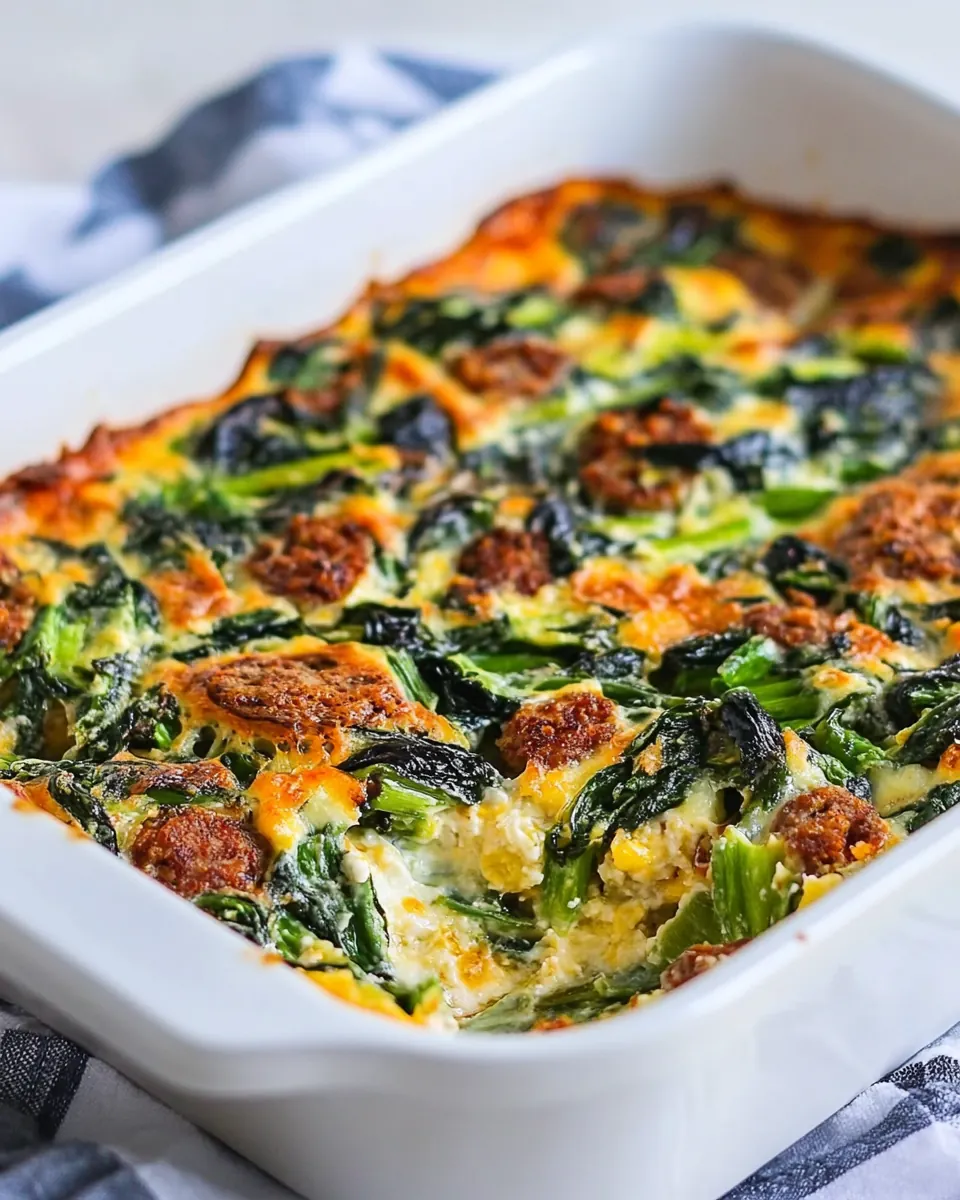
The ingredients for Gluten Free Breakfast Casserole With Sausage are chosen to create a harmonious balance between savory protein, tender soaked bread, and lively vegetables. I think of the group as built from three roles: the custard base made by eggs and almond milk, the savory anchor from the chicken breakfast sausage, and the freshness and texture from the chopped broccoli, asparagus, carrot, and spinach. Each player has a clear job to make the casserole satisfying and not one note too dominant.
- 1/2 pound chicken breakfast sausage 95% lean: Cooked and crumbled into the casserole to provide lean protein and savory flavor while keeping the dish lower in fat; browning helps develop a rich, caramelized note that complements vegetables and eggs.
- 6 slices gluten free whole-grain bread crusts removed: Sliced and with crusts removed, used as a base layer to add body and absorb the custard, offering a hearty, gluten–free structure that delivers texture and bulk to each slice.
- 1 cup unsweetened almond milk: Poured into the egg mixture to create a creamy, dairy-free custard that lightens the overall texture and helps hydrate the bread for a tender, cohesive bake.
- 4 large eggs: Beaten and combined with milk to form the custard binder that sets during baking, supplying structure, moisture, and richness to hold all components together.
- 1 tablespoon Italian seasoning: Sprinkled into the egg mixture to infuse a balanced blend of herbs, adding aromatic depth and Italian-inspired seasoning that enhances the savory profile of the casserole.
- 3/4 teaspoons salt: Measured and added to season the custard, helping to bring out flavors while controlling overall taste; adjust as needed for personal preference and dietary needs.
- pinch pepper: Scattered lightly to provide subtle heat and a contrasting note that brightens the savory elements without overpowering the delicate vegetable flavors.
- 1 cup broccoli cut into very small pieces: Chopped finely and distributed through the casserole to add a tender-crisp texture, a mild vegetal flavor, and nutritional value including fiber and vitamins.
- 3/4 cup asparagus tips cut into small pieces: Trimmed and cut into small pieces to contribute a slightly grassy, tender bite with a pleasant crunch that cooks quickly and complements the other vegetables.
- 1/2 cup carrot grated: Grated and mixed evenly to offer natural sweetness, moisture, and color while blending smoothly into the custard for added texture and nutrition.
- 2 cups fresh spinach: Torn or chopped and folded in to introduce leafy greens that wilt into the custard, boosting color, nutrients, and a fresh, slightly earthy flavor.
- fresh basil for garnish: Used as a finishing garnish to add a bright, fresh herbal note and visual contrast that elevates aroma and presentation just before serving.
How to Make Gluten Free Breakfast Casserole With Sausage
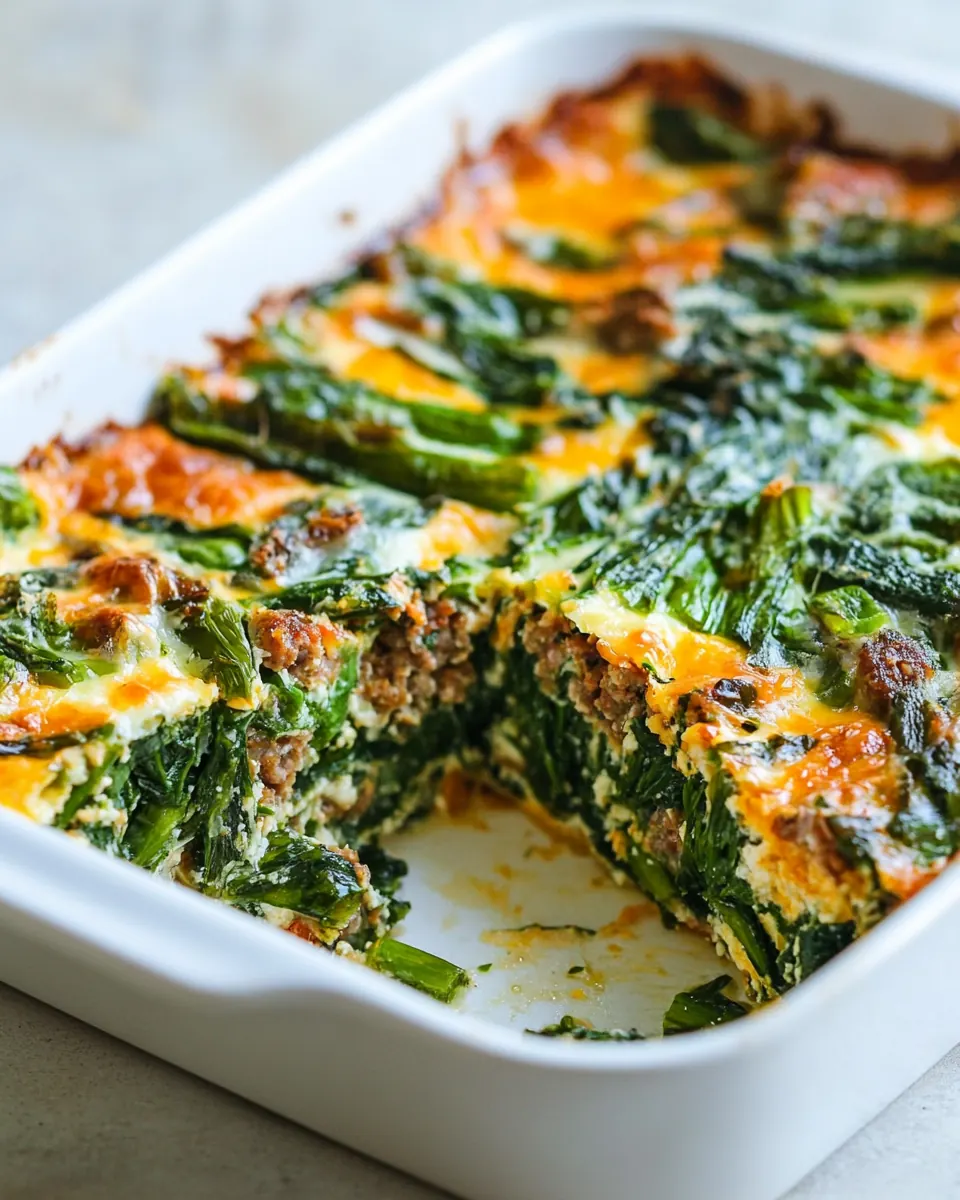
This recipe invites a relaxed assembly approach where small steps build toward a satisfying, sliceable casserole. I walk you through browning, whisking, stuffing, chilling, and baking so each component harmonizes. Take time with the sausage and the chilling stage, because those are the secrets to even texture and great flavor.
- Line an 8×8-inch pan with parchment paper.: When you press the parchment into the pan you should feel the smooth resistance as it conforms, creating a nonstick cradle that helps you lift the whole casserole out after baking, preserving edges. This setup prevents any burnt bottoms and makes slicing neater. A common mistake is using too small a sheet of parchment so edges fold over, which can cause the casserole to bake unevenly. Make sure the paper covers the sides well so you can lift the set casserole without breaking it.
- Heat a large, nonstick skillet over medium heat and cook the chicken sausage, breaking it up as it cooks, until no longer pink inside. This takes about 6-8 minutes.: As the sausage hits the pan you will hear a steady sizzle and smell the first notes of toasted spice. Breaking it into small crumbles encourages even browning, which creates little caramelized bits that add depth of flavor. Cook until there is no pink and juices run clear, which usually takes about 6 to 8 minutes; that solidifies the texture so it disperses through the casserole rather than forming clumps. A typical error is crowding the pan, which steams the meat rather than browning it, so give the sausage room to brown in batches if needed.
- While the sausage cooks, place the slices of bread in the bottom of the prepared pan, in a single layer not overlapping. You may have to cut some in half to really make them fit.: The tactile step of fitting the bread into the pan sets the recipe’s structure, so press each slice gently so it touches neighboring pieces and the pan bottom. You may need to cut slices to make them fit snugly which helps the custard soak evenly. If slices overlap excessively you will create thick pockets that resist penetration, leading to inconsistent texture after baking. Aim for a single cohesive layer so the custard can reach most pieces uniformly.
- In a large bowl, whisk together the almond milk, eggs, Italian seasoning, salt, and pepper. Stir in the broccoli, asparagus tips, and carrot.: The moment you whisk the wet ingredients together you will notice the batter become glossy and slightly frothy, which helps it coat vegetables and bread. Folding in the finely cut broccoli , asparagus , and grated carrot distributes color and moisture so every slice has balance. Whisk until smooth, but avoid vigorous beating that adds too much air and can change the custard texture. A common oversight is adding large vegetable pieces which do not fully soften; finely dice for best results.
- Remove the sausage from the pan and spread over the bread evenly. Finally, place the spinach into the hot pan (leaving any fat from the chicken in the pan) and cook for 1 minute, just until wilted. Stir it into the egg mixture.: The warm pan wilts the spinach almost instantly, releasing an herbaceous scent and shrinking down to tender ribbons. Stirring the wilted greens into the custard distributes moisture and color; the residual fat from the sausage clinging in the pan will boost flavor without overwhelming the dish. If you skip wilting, the spinach may release excess water while baking, which can make the casserole watery, so a quick one minute sauté is key to preserve texture.
- Pour the egg mixture over the bread/sausage and spread evenly. Really press the vegetables down so that you can see the egg mixture sink into the bread. Cover and refrigerate for at least 4 hours, up to overnight.: As you pour you will hear a soft glug and watch the custard seep into crevices, the scent turning richer as herbs and sausage mingle. Pressing the vegetables and custard into the bread ensures the liquid saturates the interior of each slice, which yields a uniform set after baking. Refrigeration is essential because it allows the custard to fully hydrate the bread; skipping the chill often leads to dry centers or uneven set. Plan for at least 4 hours so the texture becomes cohesive and sliceable.
- Bake at 350 degrees Fahrenheit until the top feels set, about 50 minutes to 1 hour.: In the oven you will notice the edges pull away slightly from the parchment and the top takes on a faint golden tone; the aroma becomes warm and herbaceous. The custard should be set in the center but still slightly give when nudged, which signals a tender interior. Temperature control is important, so use an oven thermometer if your oven runs hot or cool. A common mistake is underbaking which yields a runny center, or overbaking which creates a dry texture, so check at 50 minutes and test the center with a gentle touch.
- Let stand for 10 minutes to cool, then garnish with fresh basil and enjoy.: Resting allows steam to settle and the custard to firm a bit, making slicing cleaner and more elegant. You will notice an herbal lift as you scatter torn basil across warm slices, and the aroma becomes bright and inviting. Cutting too soon can cause the casserole to fall apart, while waiting far too long reduces the pleasing warmth you want with brunch, so aim for about a ten minute rest before serving.
Tips and Variations

I like to think of these tips as simple refinements that change the day to day outcome of Gluten Free Breakfast Casserole With Sausage. A few small choices will sharpen texture, lift flavor, and save time when you are hosting. Below are detailed, practical notes I depend on whenever I make this dish.
- Choose sturdy bread Use a dense gluten free whole grain bread that will absorb the custard without collapsing, and trim crusts for even layering.
- Brown the sausage well Let the chicken breakfast sausage develop golden bits for extra savory depth, scraping fond into the custard if desired.
- Chill before baking Refrigerating the assembled casserole for several hours allows the custard to fully hydrate the bread, giving consistent texture.
- Pack vegetables finely Cut the broccoli and asparagus small so they cook through, and grate the carrot for even sweetness in each bite.
- Garnish last minute Add torn basil just before serving to keep its aroma fresh and vibrant, never baked into the top.
Accompaniments for Gluten Free Breakfast Casserole With Sausage
This casserole pairs well with light sides and beverages that complement its savory custard base. Think fresh, bright contrasts and simple textures that do not compete with the main dish. Below are serving ideas, seasonal pairings, and storage notes to help you plan a complete meal.
- Fresh green salad Serve a crisp salad of mixed greens dressed lightly to cut through the richness and add a refreshing element to brunch.
- Fruit platter A selection of berries and citrus segments offers bright acidity and sweetness to contrast the savory casserole.
- Yogurt or labneh A dollop on the side provides tang and creaminess, balancing the herb and sausage flavors without overpowering them.
- Warm toasted bread Offer extra slices of toast for guests who like a crunch with their soft casserole, but keep it separate for those avoiding gluten if needed.
- Brunch occasions This casserole works for weekend gatherings, holiday brunches, or a relaxed spring morning when you want hands off prep and a warm, shareable dish.
- Storage tips Cover leftover portions and refrigerate for up to three days, reheating gently in a low oven to preserve texture.
- Make ahead timing Assemble the night before to save morning time, and bake the next day so you serve it fresh and warm.
FAQ
Conclusion
This casserole stands out for its combination of creamy custard, browned chicken breakfast sausage, and bright spring vegetables, giving you comforting brunch fare that still feels fresh. Give it a try when you want an easy make ahead meal that feeds a group with minimal fuss. I hope it becomes a favorite on your weekend rotation, bringing savory warmth and simple, practical joy to your table.

Gluten Free Breakfast Casserole With Sausage
Equipment
- Skillet
- 8×8-inch pan
- Parchment Paper
- Mixing Bowl
Ingredients
- 1/2 pound chicken breakfast sausage 95% lean Cooked and crumbled into the casserole to provide lean protein and savory flavor while keeping the dish lower in fat; browning helps develop a rich, caramelized note that complements vegetables and eggs.
- 6 slices gluten free whole-grain bread crusts removed Sliced and with crusts removed, used as a base layer to add body and absorb the custard, offering a hearty, gluten-free structure that delivers texture and bulk to each slice.
- 1 cup unsweetened almond milk Poured into the egg mixture to create a creamy, dairy-free custard that lightens the overall texture and helps hydrate the bread for a tender, cohesive bake.
- 4 large eggs Beaten and combined with milk to form the custard binder that sets during baking, supplying structure, moisture, and richness to hold all components together.
- 1 tablespoon Italian seasoning Sprinkled into the egg mixture to infuse a balanced blend of herbs, adding aromatic depth and Italian-inspired seasoning that enhances the savory profile of the casserole.
- 3/4 teaspoons salt Measured and added to season the custard, helping to bring out flavors while controlling overall taste; adjust as needed for personal preference and dietary needs.
- pinch pepper Scattered lightly to provide subtle heat and a contrasting note that brightens the savory elements without overpowering the delicate vegetable flavors.
- 1 cup broccoli cut into very small pieces Chopped finely and distributed through the casserole to add a tender-crisp texture, a mild vegetal flavor, and nutritional value including fiber and vitamins.
- 3/4 cup asparagus tips cut into small pieces Trimmed and cut into small pieces to contribute a slightly grassy, tender bite with a pleasant crunch that cooks quickly and complements the other vegetables.
- 1/2 cup carrot grated Grated and mixed evenly to offer natural sweetness, moisture, and color while blending smoothly into the custard for added texture and nutrition.
- 2 cups fresh spinach Torn or chopped and folded in to introduce leafy greens that wilt into the custard, boosting color, nutrients, and a fresh, slightly earthy flavor.
- fresh basil for garnish Used as a finishing garnish to add a bright, fresh herbal note and visual contrast that elevates aroma and presentation just before serving.
Instructions
- Line an 8×8-inch pan with parchment paper.: When you press the parchment into the pan you should feel the smooth resistance as it conforms, creating a nonstick cradle that helps you lift the whole casserole out after baking, preserving edges. This setup prevents any burnt bottoms and makes slicing neater. A common mistake is using too small a sheet of parchment so edges fold over, which can cause the casserole to bake unevenly. Make sure the paper covers the sides well so you can lift the set casserole without breaking it.
- Heat a large, nonstick skillet over medium heat and cook the chicken sausage, breaking it up as it cooks, until no longer pink inside. This takes about 6-8 minutes.: As the sausage hits the pan you will hear a steady sizzle and smell the first notes of toasted spice. Breaking it into small crumbles encourages even browning, which creates little caramelized bits that add depth of flavor. Cook until there is no pink and juices run clear, which usually takes about 6 to 8 minutes; that solidifies the texture so it disperses through the casserole rather than forming clumps. A typical error is crowding the pan, which steams the meat rather than browning it, so give the sausage room to brown in batches if needed.
- While the sausage cooks, place the slices of bread in the bottom of the prepared pan, in a single layer not overlapping. You may have to cut some in half to really make them fit.: The tactile step of fitting the bread into the pan sets the recipe’s structure, so press each slice gently so it touches neighboring pieces and the pan bottom. You may need to cut slices to make them fit snugly which helps the custard soak evenly. If slices overlap excessively you will create thick pockets that resist penetration, leading to inconsistent texture after baking. Aim for a single cohesive layer so the custard can reach most pieces uniformly.
- In a large bowl, whisk together the almond milk, eggs, Italian seasoning, salt, and pepper. Stir in the broccoli, asparagus tips, and carrot.: The moment you whisk the wet ingredients together you will notice the batter become glossy and slightly frothy, which helps it coat vegetables and bread. Folding in the finely cut broccoli , asparagus , and grated carrot distributes color and moisture so every slice has balance. Whisk until smooth, but avoid vigorous beating that adds too much air and can change the custard texture. A common oversight is adding large vegetable pieces which do not fully soften; finely dice for best results.
- Remove the sausage from the pan and spread over the bread evenly. Finally, place the spinach into the hot pan (leaving any fat from the chicken in the pan) and cook for 1 minute, just until wilted. Stir it into the egg mixture.: The warm pan wilts the spinach almost instantly, releasing an herbaceous scent and shrinking down to tender ribbons. Stirring the wilted greens into the custard distributes moisture and color; the residual fat from the sausage clinging in the pan will boost flavor without overwhelming the dish. If you skip wilting, the spinach may release excess water while baking, which can make the casserole watery, so a quick one minute sauté is key to preserve texture.
- Pour the egg mixture over the bread/sausage and spread evenly. Really press the vegetables down so that you can see the egg mixture sink into the bread. Cover and refrigerate for at least 4 hours, up to overnight.: As you pour you will hear a soft glug and watch the custard seep into crevices, the scent turning richer as herbs and sausage mingle. Pressing the vegetables and custard into the bread ensures the liquid saturates the interior of each slice, which yields a uniform set after baking. Refrigeration is essential because it allows the custard to fully hydrate the bread; skipping the chill often leads to dry centers or uneven set. Plan for at least 4 hours so the texture becomes cohesive and sliceable.
- Bake at 350 degrees Fahrenheit until the top feels set, about 50 minutes to 1 hour.: In the oven you will notice the edges pull away slightly from the parchment and the top takes on a faint golden tone; the aroma becomes warm and herbaceous. The custard should be set in the center but still slightly give when nudged, which signals a tender interior. Temperature control is important, so use an oven thermometer if your oven runs hot or cool. A common mistake is underbaking which yields a runny center, or overbaking which creates a dry texture, so check at 50 minutes and test the center with a gentle touch.
- Let stand for 10 minutes to cool, then garnish with fresh basil and enjoy.: Resting allows steam to settle and the custard to firm a bit, making slicing cleaner and more elegant. You will notice an herbal lift as you scatter torn basil across warm slices, and the aroma becomes bright and inviting. Cutting too soon can cause the casserole to fall apart, while waiting far too long reduces the pleasing warmth you want with brunch, so aim for about a ten minute rest before serving.
Notes
- Choose sturdy bread Use a dense gluten free whole grain bread that will absorb the custard without collapsing, and trim crusts for even layering.
- Brown the sausage well Let the chicken breakfast sausage develop golden bits for extra savory depth, scraping fond into the custard if desired.
- Chill before baking Refrigerating the assembled casserole for several hours allows the custard to fully hydrate the bread, giving consistent texture.
- Pack vegetables finely Cut the broccoli and asparagus small so they cook through, and grate the carrot for even sweetness in each bite.
- Garnish last minute Add torn basil just before serving to keep its aroma fresh and vibrant, never baked into the top.