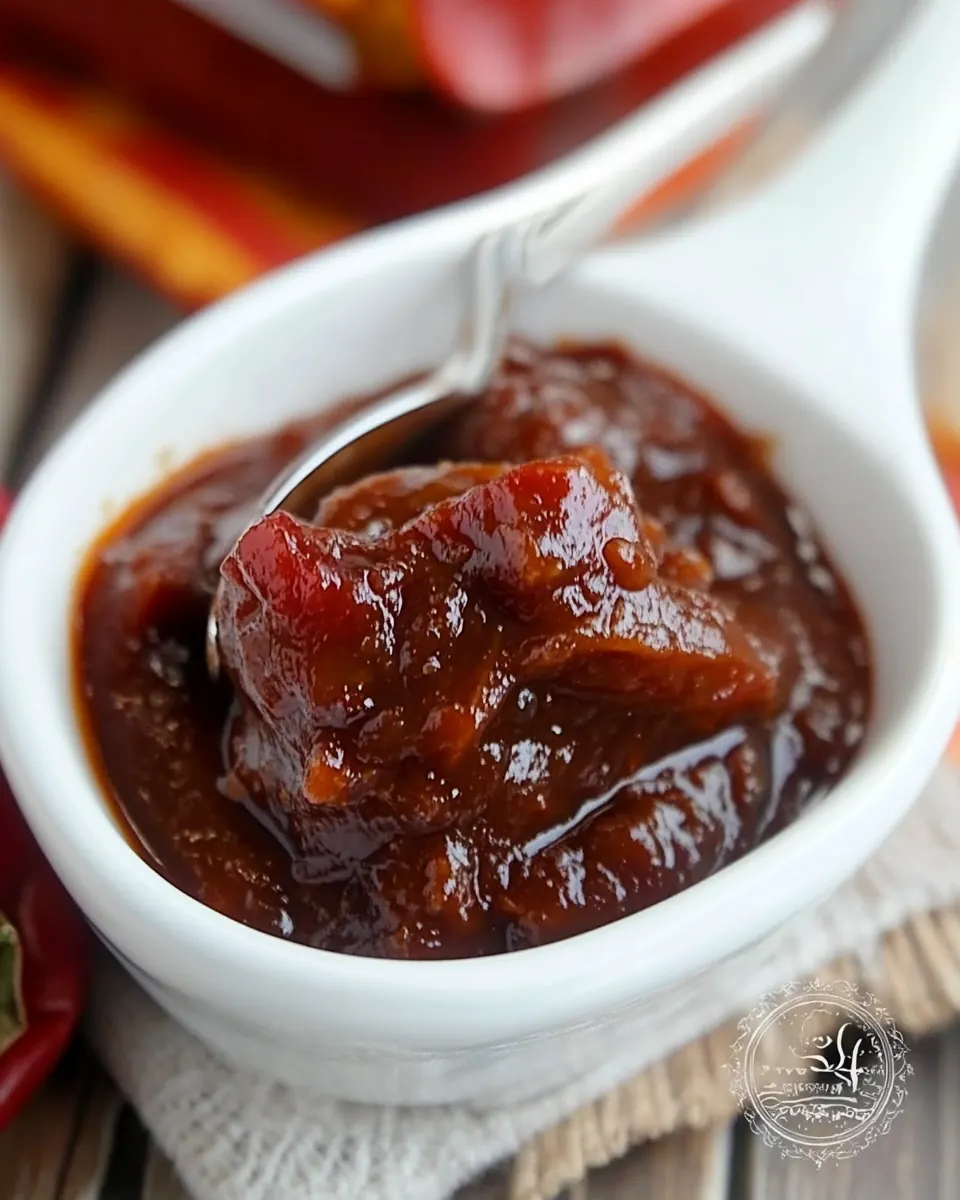
Chipotle Peppers in Adobo Sauce
Chipotle Peppers in Adobo Sauce began as one of those pantry projects I told myself I would get to someday, and then suddenly there I was, elbow deep in smoky, red sauce, hooked on the way a few pantry staples turned into something that transforms every dish it touches.
I remember the first jar I made, keeping it on the top shelf and sneaking small spoons of the sauce into tacos, soups, and sauces like a secret weapon. The memory of the smoky, slightly sweet aroma that filled my kitchen is vivid, and every time I open a jar now, that same little thrill returns. I like to cook intuitively, but this recipe rewards a bit of patience, especially when you let the flavors rest and deepen in the refrigerator for a few days.
There is also a ritual to making Chipotle Peppers in Adobo Sauce, from simmering the sauce to tending the peppers as they plump and soak in those spicy, tangy notes. I find the process meditative, and the result feels like a homemade upgrade you can reach for in any meal. Over time I learned small tricks that help with texture and storage, and I enjoy passing these along so you can make jars that last and taste consistently bright.
Recipe Snapshot
25 mins
15 mins
10 mins
Easy
50 kcal
Mexican
Keto, Paleo
Side Dishes
Large bowl, Large saucepan, Sterilized jars, Ladle, Sieve
What Sets This Chipotle Peppers in Adobo Sauce Apart
Bold, concentrated flavor
When I open a jar of Chipotle Peppers in Adobo Sauce, I get a rush of smoky, tangy heat that changes the entire palette of a dish. The adobo acts as a concentrated flavor engine, so a little goes a long way. I love that you can spoon a bit into a marinade or a sauce and instantly add complexity without layering on extra steps.
Versatile pantry staple
I treat these peppers like canned tomatoes or mustard, something I always have on hand. They slide into soups, stews, sauces, and dressings to sharpen and warm flavors. Because they keep well in the fridge and can be frozen, they are perfect for batch cooking and last minute flavor fixes.
Customizable heat and smoke
One of the best parts, from my point of view, is dialing the intensity. You can make the peppers milder or more assertive by choosing how many you add to a recipe, or by adjusting how long you simmer them in the adobo. I often tweak the ratio to suit the dish and the crowd, and that flexibility keeps the jars useful for many cuisines.
Hands on, but simple technique
There is a satisfying hands on quality to reconstituting dried peppers, simmering sauce, and packing jars. It feels like a craft without being fussy, and you learn a lot by doing it once. I find the small rituals help me connect to the food, and the payoff is jars of flavor that feel way more special than store bought.
Great for gifting or meal prep
I have given jars of Chipotle Peppers in Adobo Sauce to friends and watched them use them creatively. They are a thoughtful homemade gift and a useful building block for busy weeks. Once you’ve made a batch, it really changes how you approach weeknight dinners, because a spoonful can elevate simple meals effortlessly.
Main Ingredients for Chipotle Peppers in Adobo Sauce
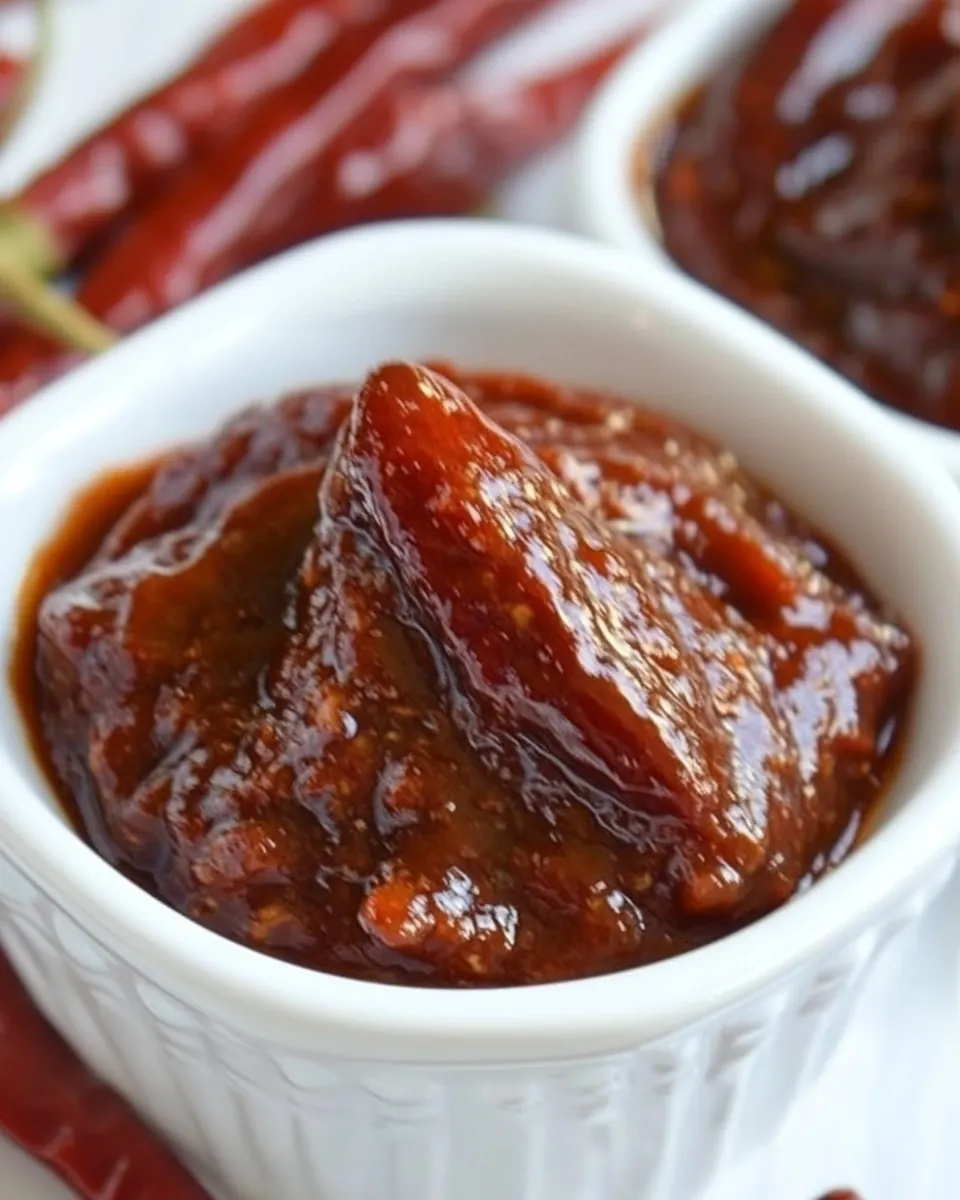
These ingredients form a tight, purposeful team, each playing a specific role. The peppers bring smoke and heat, while the adobo sauce carries acidity, sweetness, and aromatic depth. Together they create a preserved condiment that amplifies dishes, offering a concentrated profile you can use sparingly or boldly depending on the recipe.
- 1 batch homemade adobo sauce (click link for recipe): Provide a smoky, tangy base and bind flavors together; used to infuse dishes with rich, layered heat and slightly sweet acidity. Add depth and complexity to stews, marinades, and sauces while balancing fat and salt in the recipe. Can be adjusted in quantity to control spiciness and is often prepared in advance to let flavors meld.
- 24 smoked chipotle peppers (click link for recipe): Deliver concentrated smoky heat and a deep, earthy chili flavor that defines the dish; offer a soft, rehydrated texture that blends easily into sauces. Contribute both spice and subtle sweetness from the smoking process, enhancing savory recipes with long-lasting warmth. Can be chopped or pureed depending on desired texture and intensity.
The Process for Making Chipotle Peppers in Adobo Sauce
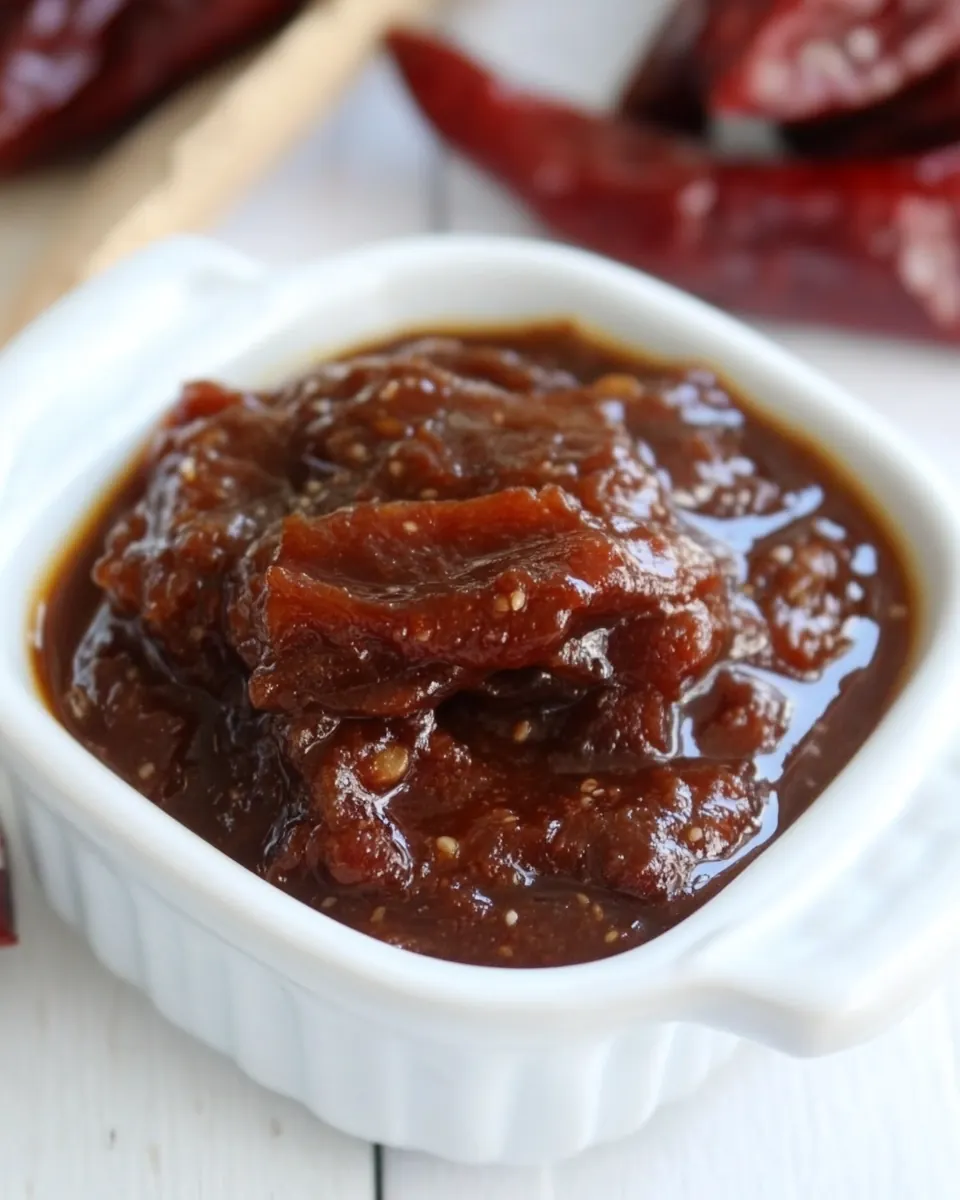
Making these jars is straightforward, but paying attention to texture and timing ensures success. Below I expand the original directions into detailed steps so you can hear what to listen for and what to expect at each stage. Keep a timer nearby and trust your senses.
- Reconstitute the smoked chipotle peppers: Place the chipotles in a large bowl and pour boiling water over them until they are submerged. Let them sit until cooled. Then very thoroughly drain them to remove as much water as possible.: The bowls of boiling water hiss softly as you pour them over the dried chipotle peppers , and you will notice the room fill with a faint smoky perfume almost immediately. As they sit, the peppers swell and soften, their skins becoming pliable and darker, and if you press one gently with a spoon you should feel that the flesh yields easily. This rehydration step matters because it returns moisture to the peppers so they absorb the adobo sauce properly, preventing a leathery final texture. A common mistake is skimping on the soak time, which leaves centers tough and underflavored. After cooling, drain them thoroughly by pressing them against a sieve or using clean kitchen towels to blot out excess water; excess liquid will water down the sauce and change the jarning process. If you notice any tears in the skins, that is fine, but discard any peppers that smell off. Take your time during this step, and you will be rewarded with tender, plump peppers that soak up the next stage perfectly.
- Heat the adobo sauce in a large saucepan, add the drained reconstituted chipotle peppers, bring the mixture to a boil, reduce the heat and simmer for 10 minutes. Spoon the hot mixture into sterilized jars, close the lids, and let them cool completely. Transfer the jars to the fridge and let them rest for several days before using to give the chipotles time to absorb the sauce and allow all the flavors to meld. These DIY chipotle peppers in adobo sauce will keep in the fridge for at least a few weeks. Just check them periodically for any signs of mold or off odors. Alternatively they can also be frozen (see my "Storage" tips in the blog post above).: When the adobo sauce warms in the pan, it will loosen and release steam that carries deep, roasted notes and a touch of brightness from vinegar or citrus. Watch for a gentle shimmer on the surface, which tells you the sauce is hot but not scorching. This warming loosens the flavors so the sauce can better penetrate the peppers during simmering, and it helps meld the aromatics for a coherent taste. Avoid boiling aggressively, which can separate the sauce or make it taste flat; a steady simmer is ideal. If your sauce seems too thick, add a splash of warm water to reach a glossy, spoonable consistency. A mistake to avoid is overheating then immediately jarring, which traps too much steam and can interfere with sealing. Keep the heat moderate and move to the next step as soon as the sauce is uniformly hot.
- Add the drained reconstituted chipotle peppers: As you stir the peppers into the warmed adobo sauce , you will notice them take on a lubricated sheen, their surfaces glistening and their colors deepening. This contact begins to exchange flavor instantly, and within minutes the peppers start mellowing and integrating. Stir gently so all pieces are coated and none stick to the bottom where they could scorch. The sensation here should be one of gentle folding, like tucking a filling into dough, ensuring an even soak. A frequent error I see is overcrowding the pan, which cools the sauce and prevents even heating; use a pan large enough for circulation. Let everything come together for a minute before reducing to the simmer temp.
- Bring the mixture to a boil, reduce the heat and simmer for 10 minutes: When the pot first reaches a boil, you will hear a rising hiss and see small bubbles forming along the edges. Reduce the heat so the surface barely trembles with tiny bubbles, then time the simmer for the full duration. The simmer encourages the flavors to marry and helps the peppers relax and absorb the sauce. You should smell the aromatics deepen, and the sauce will thicken slightly and cling to the peppers. Do not rush this phase, but avoid a vigorous boil that can break down textures and create a bitter note. Stir occasionally to prevent sticking, and if the mixture thickens too much, add a tablespoon of warm water at a time. A common troubleshooting point is under simmering which leaves flavors unblended; aim for steady, gentle bubbles and taste near the end to ensure the balance is right.
- Spoon the hot mixture into sterilized jars: Using a ladle, fill sterilized jars while the mixture is hot; you will see the sauce settle and the peppers nestle in, their surfaces glossy and saturated. The warmth facilitates the lingering of flavors as the jars cool, and the headspace matters so follow standard jarring guidelines and leave a small gap at the top. Wiping rims clean before sealing prevents sticky residues that interfere with lids, and I always tap the jars gently to release trapped air bubbles. One mistake to watch for is under-sterilizing jars, which can shorten shelf life; ensure jars are hot and lids are sterile. The visual cue you want is bright, evenly coated peppers settled snugly with no large air spaces.
- Close the lids, let them cool completely, and transfer to the fridge: As the jars cool, you will hear faint pops as lids seal, and the aroma will mellow from an intense steam to a more rounded scent. Let them sit at room temperature until cool, then move them to the refrigerator to continue developing. Patience here pays off, because the resting period allows the chipotle peppers to absorb the adobo sauce deeply, and flavors become rounder and more integrated. A common misstep is using the jars immediately; while tempting, giving them a few days yields a far superior final product. I recommend checking the jars periodically for signs of spoilage, and if any off odors or mold appear, discard that jar. When stored properly, these will hold for several weeks, and you can also freeze portions for longer keeping.
Helpful Notes about Chipotle Peppers in Adobo Sauce
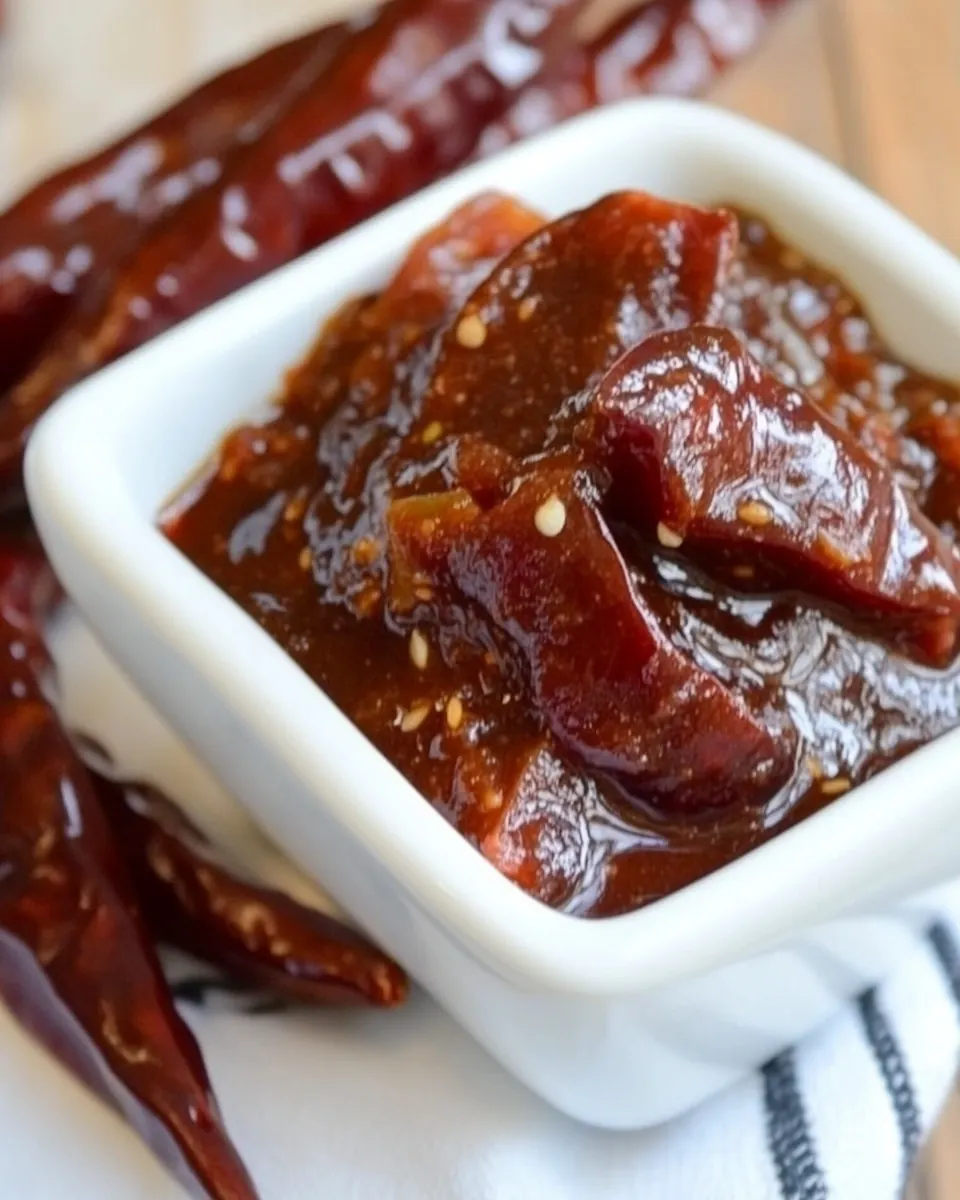
These tips reflect what I have learned after making jars dozens of times. I focus on texture, storage, and maximizing flavor, and each tip starts with a practical actionable phrase so you can apply it quickly in the kitchen.
- Rehydrate thoroughly Use very hot, almost boiling water and let the peppers sit until fully plump, this ensures even texture and better absorption of the adobo sauce.
- Drain well After rehydration, press or blot the peppers to remove excess water; too much liquid will thin your sauce and affect jar sealing.
- Maintain gentle heat Simmer on low so the flavors meld without breaking down the peppers or making the sauce bitter.
- Sterilize jars Heat jars in hot water or the oven and keep lids in hot but not boiling water to ensure a reliable seal and long fridge life.
- Rest before use Allow jars to age in the fridge for several days for the flavors to deepen, which makes a noticeable difference in taste.
Serving Ideas for Chipotle Peppers in Adobo Sauce
These versatile jars are useful across many meals, from casual lunches to festive dinners. Below I outline ways to use them, storage suggestions, and occasions where they shine. Each item highlights a practical style or pairing to help you integrate the condiment into your cooking routine.
- Mix into sauces Stir a spoonful of Chipotle Peppers in Adobo Sauce into tomato based sauces for pasta or shakshuka to add layered smoke and gentle heat without overpowering the dish.
- Marinade boost Use a small amount blended with oil and citrus as a marinade for grilled vegetables or proteins, infusing them with smoky complexity before cooking.
- Sandwich and taco spread Chop a pepper and mix with mayo or yogurt for a creamy, smoky spread that livens sandwiches, tacos, or wraps for lunch or casual dinners.
- Soups and stews Add a spoon or two to soups, chili, or stews during simmering for depth and warmth; it pairs especially well with tomato and bean based soups.
- Freezing and long term storage Portion into small containers or ice cube trays and freeze for longer keeping, so you can add a measured amount to dishes without thawing a whole jar.
- Occasion pairing Great for weeknight dinners when you need a quick lift, and also fitting for festive meals where a smoky, layered condiment is appreciated.
- Serving size and adjustments Use sparingly at first because the flavor is concentrated, then increase by taste depending on the crowd and desired heat level.
FAQ
Conclusion
These jars of Chipotle Peppers in Adobo Sauce stand out because they pack deep, smoky flavor into a compact, versatile condiment. Their balance of smoke, tang, and gentle heat lifts ordinary meals and rewards a bit of patience during preparation. Try making a batch and keeping it on hand for quick flavor boosts to tacos, sauces, soups, and marinades. Once you have a jar in your fridge, you will find dozens of ways to fold in that concentrated, homemade depth, and every spoonful will remind you why it is worth the effort.
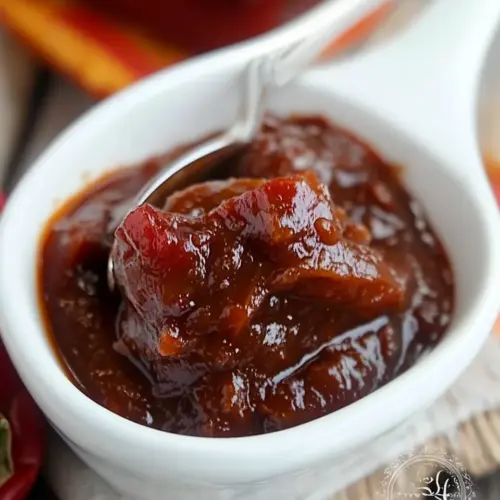
Chipotle Peppers in Adobo Sauce
Equipment
- Large Bowl
- Large saucepan
- Sterilized jars
- Ladle
- Sieve
Ingredients
- 1 batch homemade adobo sauce (click link for recipe) Provide a smoky, tangy base and bind flavors together; used to infuse dishes with rich, layered heat and slightly sweet acidity. Add depth and complexity to stews, marinades, and sauces while balancing fat and salt in the recipe. Can be adjusted in quantity to control spiciness and is often prepared in advance to let flavors meld.
- 24 smoked chipotle peppers (click link for recipe) Deliver concentrated smoky heat and a deep, earthy chili flavor that defines the dish; offer a soft, rehydrated texture that blends easily into sauces. Contribute both spice and subtle sweetness from the smoking process, enhancing savory recipes with long-lasting warmth. Can be chopped or pureed depending on desired texture and intensity.
Instructions
- Reconstitute the smoked chipotle peppers: Place the chipotles in a large bowl and pour boiling water over them until they are submerged. Let them sit until cooled. Then very thoroughly drain them to remove as much water as possible.: The bowls of boiling water hiss softly as you pour them over the dried chipotle peppers , and you will notice the room fill with a faint smoky perfume almost immediately. As they sit, the peppers swell and soften, their skins becoming pliable and darker, and if you press one gently with a spoon you should feel that the flesh yields easily. This rehydration step matters because it returns moisture to the peppers so they absorb the adobo sauce properly, preventing a leathery final texture. A common mistake is skimping on the soak time, which leaves centers tough and underflavored. After cooling, drain them thoroughly by pressing them against a sieve or using clean kitchen towels to blot out excess water; excess liquid will water down the sauce and change the jarning process. If you notice any tears in the skins, that is fine, but discard any peppers that smell off. Take your time during this step, and you will be rewarded with tender, plump peppers that soak up the next stage perfectly.
- Heat the adobo sauce in a large saucepan, add the drained reconstituted chipotle peppers, bring the mixture to a boil, reduce the heat and simmer for 10 minutes. Spoon the hot mixture into sterilized jars, close the lids, and let them cool completely. Transfer the jars to the fridge and let them rest for several days before using to give the chipotles time to absorb the sauce and allow all the flavors to meld. These DIY chipotle peppers in adobo sauce will keep in the fridge for at least a few weeks. Just check them periodically for any signs of mold or off odors. Alternatively they can also be frozen (see my "Storage" tips in the blog post above).: When the adobo sauce warms in the pan, it will loosen and release steam that carries deep, roasted notes and a touch of brightness from vinegar or citrus. Watch for a gentle shimmer on the surface, which tells you the sauce is hot but not scorching. This warming loosens the flavors so the sauce can better penetrate the peppers during simmering, and it helps meld the aromatics for a coherent taste. Avoid boiling aggressively, which can separate the sauce or make it taste flat; a steady simmer is ideal. If your sauce seems too thick, add a splash of warm water to reach a glossy, spoonable consistency. A mistake to avoid is overheating then immediately jarring, which traps too much steam and can interfere with sealing. Keep the heat moderate and move to the next step as soon as the sauce is uniformly hot.
- Add the drained reconstituted chipotle peppers: As you stir the peppers into the warmed adobo sauce , you will notice them take on a lubricated sheen, their surfaces glistening and their colors deepening. This contact begins to exchange flavor instantly, and within minutes the peppers start mellowing and integrating. Stir gently so all pieces are coated and none stick to the bottom where they could scorch. The sensation here should be one of gentle folding, like tucking a filling into dough, ensuring an even soak. A frequent error I see is overcrowding the pan, which cools the sauce and prevents even heating; use a pan large enough for circulation. Let everything come together for a minute before reducing to the simmer temp.
- Bring the mixture to a boil, reduce the heat and simmer for 10 minutes: When the pot first reaches a boil, you will hear a rising hiss and see small bubbles forming along the edges. Reduce the heat so the surface barely trembles with tiny bubbles, then time the simmer for the full duration. The simmer encourages the flavors to marry and helps the peppers relax and absorb the sauce. You should smell the aromatics deepen, and the sauce will thicken slightly and cling to the peppers. Do not rush this phase, but avoid a vigorous boil that can break down textures and create a bitter note. Stir occasionally to prevent sticking, and if the mixture thickens too much, add a tablespoon of warm water at a time. A common troubleshooting point is under simmering which leaves flavors unblended; aim for steady, gentle bubbles and taste near the end to ensure the balance is right.
- Spoon the hot mixture into sterilized jars: Using a ladle, fill sterilized jars while the mixture is hot; you will see the sauce settle and the peppers nestle in, their surfaces glossy and saturated. The warmth facilitates the lingering of flavors as the jars cool, and the headspace matters so follow standard jarring guidelines and leave a small gap at the top. Wiping rims clean before sealing prevents sticky residues that interfere with lids, and I always tap the jars gently to release trapped air bubbles. One mistake to watch for is under-sterilizing jars, which can shorten shelf life; ensure jars are hot and lids are sterile. The visual cue you want is bright, evenly coated peppers settled snugly with no large air spaces.
- Close the lids, let them cool completely, and transfer to the fridge: As the jars cool, you will hear faint pops as lids seal, and the aroma will mellow from an intense steam to a more rounded scent. Let them sit at room temperature until cool, then move them to the refrigerator to continue developing. Patience here pays off, because the resting period allows the chipotle peppers to absorb the adobo sauce deeply, and flavors become rounder and more integrated. A common misstep is using the jars immediately; while tempting, giving them a few days yields a far superior final product. I recommend checking the jars periodically for signs of spoilage, and if any off odors or mold appear, discard that jar. When stored properly, these will hold for several weeks, and you can also freeze portions for longer keeping.
Notes
- Rehydrate thoroughly Use very hot, almost boiling water and let the peppers sit until fully plump, this ensures even texture and better absorption of the adobo sauce.
- Drain well After rehydration, press or blot the peppers to remove excess water; too much liquid will thin your sauce and affect jar sealing.
- Maintain gentle heat Simmer on low so the flavors meld without breaking down the peppers or making the sauce bitter.
- Sterilize jars Heat jars in hot water or the oven and keep lids in hot but not boiling water to ensure a reliable seal and long fridge life.
- Rest before use Allow jars to age in the fridge for several days for the flavors to deepen, which makes a noticeable difference in taste.