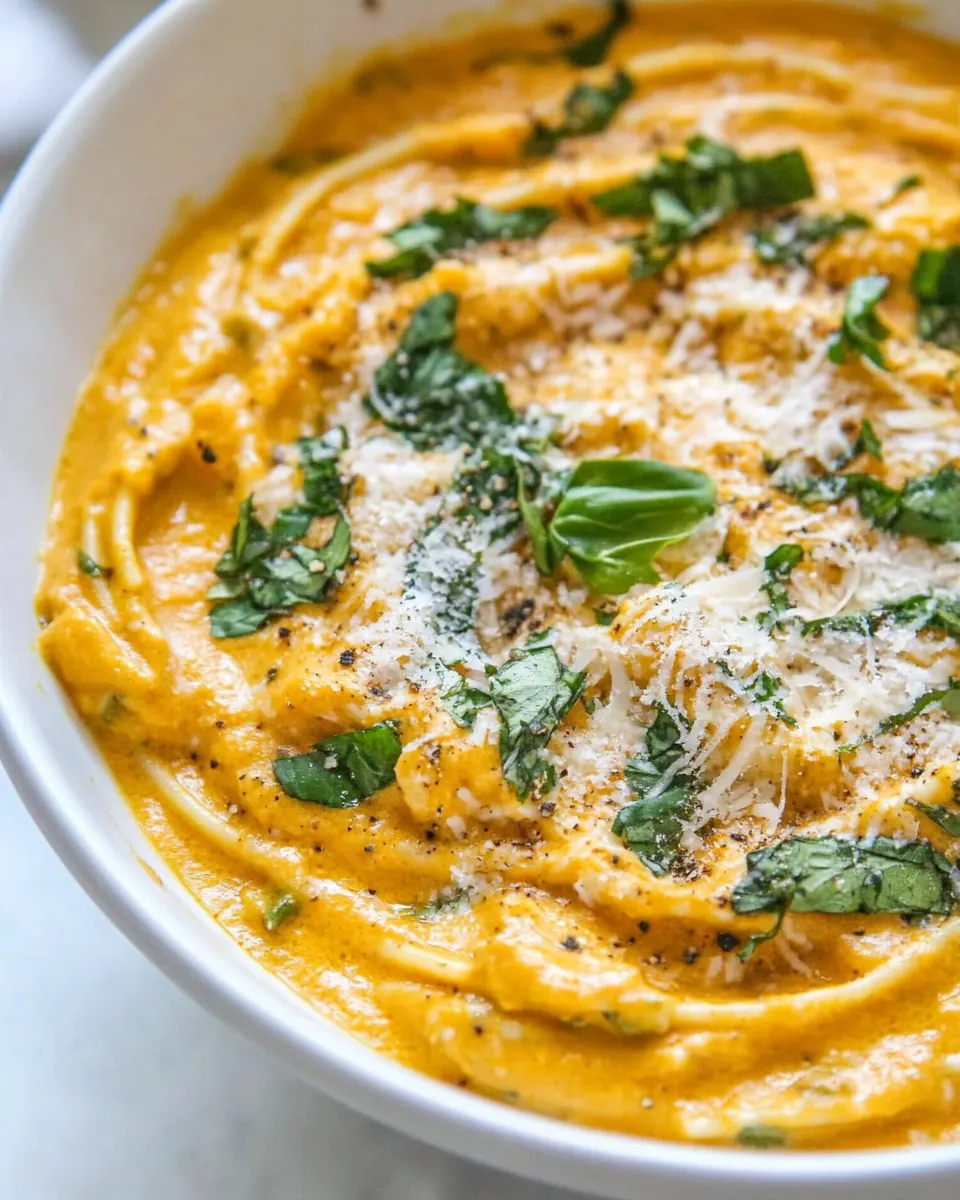
Pumpkin Pasta Sauce
Pumpkin Pasta Sauce feels like a cozy weekday hug in bowl form, and the first time I made it I remember standing at the stove as the kitchen filled with warm spice and the soft perfume of roasting squash memory I did not even know I had.
That evening I had a tangle of long noodles and a tiny jar of pumpkin puree left from another project, and I decided to see what would happen if I treated pumpkin like a savory star rather than a dessert. The sauce came together quickly, the pan filling with the gentle hiss of milk meeting a nutty roux, and the aroma of sage and cinnamon shifting the room into autumn. I served it with a generous shaving of cheese, and my dinner companion kept nodding with that quiet approval that means the recipe will be requested again.
Recipe Snapshot
30 mins
10 mins
20 mins
Easy
400 kcal
Italian
Gluten-Free, Low FODMAP
Dinner
Large pot, Large saucepan, Whisk, Colander
Why We Love This Pumpkin Pasta Sauce
Comfort without heaviness
I love how Pumpkin Pasta Sauce delivers a lush mouthfeel without weighing you down. The pumpkin and reduced fat cream cheese meld into a sauce that feels indulgent but stays light, so you get that creamy satisfaction without an afternoon slump. I find this especially useful on nights when I want something restorative and uncomplicated.
Speed and simplicity
This recipe moves fast, which is a huge reason it’s become a go to. From boiling the pasta to whisking the sauce, you’re looking at a short window between hungry and happy. I often make it on a weekday when I need dinner on the table but still want to cook from scratch.
Seasonal flavor that still feels familiar
Using classic pantry spices like cinnamon and nutmeg alongside savory sage creates an intriguing balance. I adore how the tiny pinch of cayenne pepper wakes up the flavors, while the pumpkin adds subtle sweetness without being cloying. It’s cozy enough for autumn but approachable at any time.
Flexible and forgiving
You can tweak the texture easily by saving some pasta water, and the sauce is forgiving if your timing is off. I’ve diluted it with reserved pasta water when it felt too thick, and that quick move restores silkiness instantly. It’s the kind of recipe that helps build confidence in the kitchen, because small fixes save the day.
Family friendly with grown up taste
Kids often accept this because it looks like a familiar pasta dish, while adults appreciate the layered spices and the sprinkle of Parmesan cheese. I’ve served it for casual dinners and I still get compliments. It strikes that rare balance of being both approachable and distinctive.
What to Buy for Pumpkin Pasta Sauce
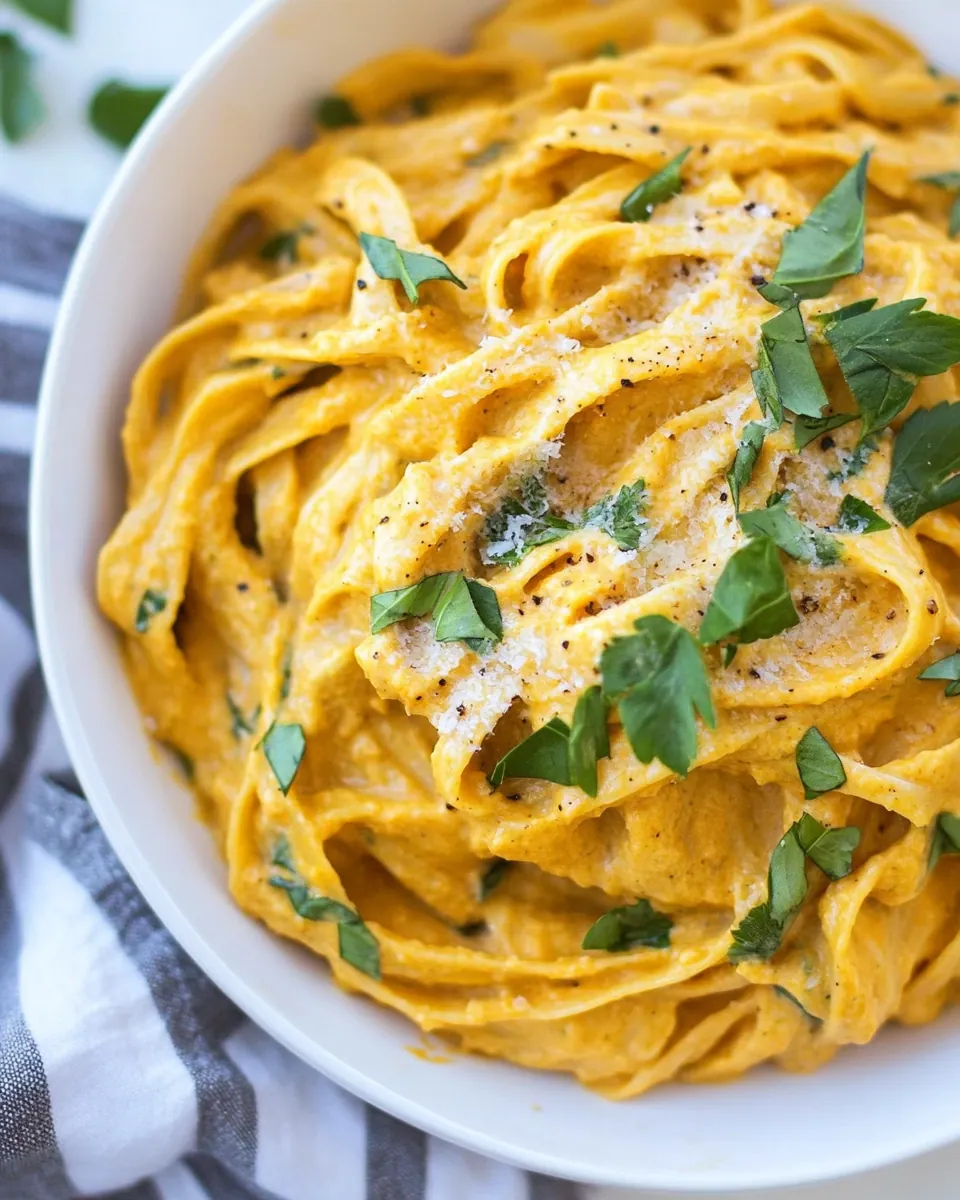
The ingredient list for Pumpkin Pasta Sauce focuses on pantry friendly items that play off each other. The starchy pasta acts as the vehicle, while the roux made from butter and flour gives the sauce body. Pumpkin puree brings natural sweetness and texture, and the combination of cream cheese, warm spices, and aromatic sage rounds the flavor into a savory, silky finish.
- 8 ounces whole wheat fettuccini or any other long, thin noodle, such as linguine or spaghetti: Boil until al dente and provide the primary vehicle for the sauce, delivering whole-grain fiber and a nutty flavor that complements the pumpkin.
- 1 tablespoon unsalted butter: Melt to form the fat base for the sauce, helping to cook the flour and impart a subtle richness and mouthfeel without overpowering the other flavors.
- 1 tablespoon all-purpose flour: Whisk into melted fat to create a roux, thickening the milk into a smooth sauce while lending a slight toasty note when cooked briefly.
- 2 cloves garlic minced: Sauté gently to release aromatic oils and provide a savory depth that brightens and balances the sweet pumpkin and creamy sauce.
- 2 cups nonfat milk: Heat and whisk into the roux to build a creamy béchamel base, supplying protein and body while carrying the pumpkin and spices.
- 1 cup pumpkin puree not pumpkin pie filling: Fold into the hot sauce to add natural sweetness, creamy texture, and autumnal flavor while keeping the overall sauce lighter than heavy cream.
- 3 ounces reduced-fat cream cheese cut into chunks and at room temperature (do not use fat free): Stir in at room temperature to lend tangy creaminess and increase silkiness, enriching the sauce and helping it cling to pasta.
- 1 tablespoon chopped fresh sage leaves divided: Chop finely and add partway through cooking to impart fresh herbal perfume and a slightly peppery, savory note that complements the pumpkin.
- 1/2 teaspoon kosher salt: Season the sauce for balanced savory flavor, enhancing overall taste and helping to counteract the natural sweetness of the pumpkin.
- 1/4 teaspoon ground black pepper: Grind freshly into the sauce to add sharp, slightly floral heat that sharpens flavors and provides subtle backbone to the creaminess.
- 1/8 teaspoon ground cinnamon: Sprinkle sparingly to contribute warm, sweet spice that rounds the sauce and accentuates the pumpkin’s natural notes without overpowering.
- 1/8 teaspoon ground nutmeg: Grate or measure to introduce warm, nutty, and slightly sweet undertones that enhance autumnal flavors and add complexity.
- Pinch ground cayenne pepper: Shake in a tiny amount to deliver gentle heat and a bright top note that heightens the savory profile without making it spicy.
- 1/2 cup grated Parmesan cheese for serving: Grate over servings to provide salty, umami-rich finishing touch that contrasts the sweet pumpkin and elevates each bite.
Instructions for Pumpkin Pasta Sauce
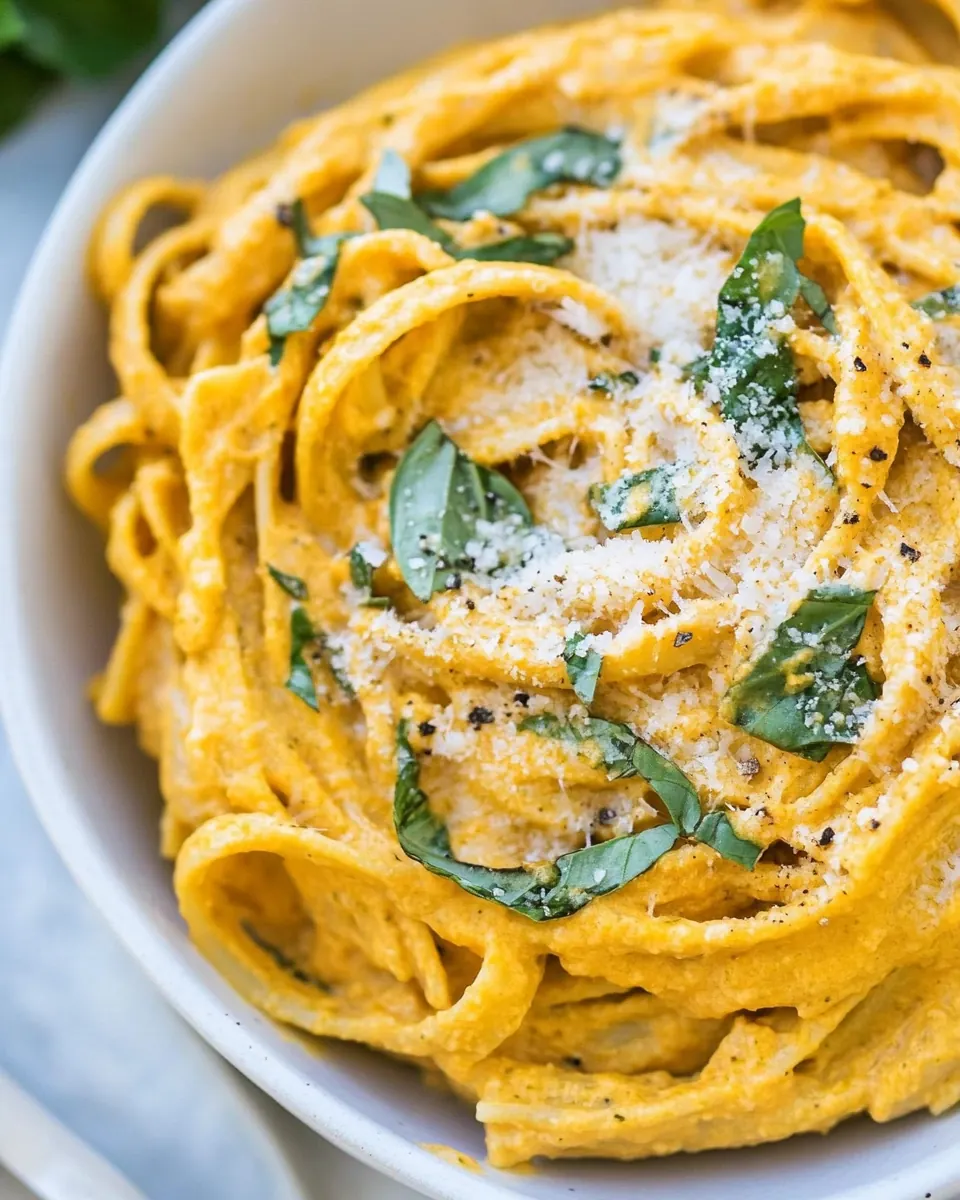
This recipe is straightforward, but the payoff comes from attentive finishing and small adjustments. The steps below are where you will coax the sauce into a silky, balanced finish, so take your time and use your senses to guide you.
- Bring a large pot of salted water to a boil and cook the pasta to al dente, according to package instructions. Reserve 1 cup of the pasta water, drain pasta, and set aside.: The bubbling pot should smell faintly of salt and starch as the pasta cooks, and you will hear a steady, rolling boil. The al dente texture means the noodle still has some resistance when you bite it, which prevents it from getting mushy when tossed with sauce. Reserving pasta water is crucial because the starchy liquid helps emulsify and thin the sauce while preserving creaminess. A common mistake is overcooking the pasta, which results in a limp texture; set a timer and taste a strand a minute or two before the package time ends to check for the right bite. If you forget to save pasta water, plain water will not give the same silkiness, so be sure to scoop out a cup before draining.
- Melt the butter in a large saucepan over medium heat. Once hot and sizzling, add the flour, then whisk constantly until it turns a golden color and smells nutty. Add the garlic and cook for 30 seconds. Slowly pour in the milk a few splashes at a time, whisking constantly to smooth any clumps. Increase the heat to medium high, then let cook, stirring constantly, until the sauce bubbles and thickens, about 8 to 10 minutes. Remove the pan from the heat, then stir in the pumpkin, cream cheese, half of the chopped sage leaves, salt, pepper, cinnamon, nutmeg, and cayenne. Continue whisking until the cream cheese melts and you have a smooth, rich sauce. Taste and add additional salt and pepper as desired.: When the butter melts, it should foam briefly and then settle, releasing a gentle, nutty aroma. The sound will shift from a hiss to a softer sizzle as the pan reaches the right temperature. This gentle heat is important so the subsequent flour cooks without burning, creating a smooth base rather than a bitter one. If the butter browns too quickly, lower the heat; burnt butter gives the sauce a toasted, unpleasant edge that is hard to mask.
- Add the cooked pasta to the pan and gently toss to combine. Thin the pasta with a bit of the reserved pasta water as needed if it seems too thick or sticky. Serve immediately, topped with Parmesan and the remaining sage.: The flour should be incorporated into the melted fat to form a roux, and the whisking will keep lumps from forming. As it cooks, the roux deepens in color and smells pleasantly toasty, which signals that the raw flour flavor has gone. This step builds body for the sauce, so do not rush it. A frequent error is adding liquid too soon, which leaves raw flour taste and lumps; keep whisking until the roux reaches that golden, toasty note.
- Add the garlic and cook for 30 seconds.: The brief cooking time softens the sharp edge of minced garlic and releases fragrant oils that bloom into the fat. You will sense a quick lift in aroma, bright and savory, but be careful because garlic burns easily and turns bitter if left too long. Stir constantly and add the milk immediately after this short interval to protect the garlic and keep the flavor sweet rather than acrid.
- Slowly pour in the milk a few splashes at a time, whisking constantly to smooth any clumps.: As the milk hits the warm roux, the mixture will hiss and steam slightly, and whisking ensures a smooth, creamy texture without lumps. Adding milk gradually allows the roux to hydrate evenly and prevents large clumps from forming. You should see the sauce begin to coat the whisk as it thickens, signaling progress. A common pitfall is dumping all the milk at once, which can create a lumpy mixture that requires extra work to fix.
- Increase the heat to medium high, then let cook, stirring constantly, until the sauce bubbles and thickens, about 8 to 10 minutes.: The surface will move from gentle ripples to active bubbling, and the sauce should noticeably thicken to coat the back of a spoon. This reduction concentrates flavor and gives the sauce body that clings to the pasta. Stirring prevents scorching and ensures even heat distribution. If the sauce seems to be sticking or browning on the bottom, reduce the heat; scorched spots will impart a burnt taste that is very difficult to hide.
- Remove the pan from the heat, then stir in the pumpkin, cream cheese, half of the chopped sage leaves, salt, pepper, cinnamon, nutmeg, and cayenne.: Off heat, the residual warmth helps the cream cheese and pumpkin meld smoothly without breaking. As you stir, you should notice the sauce becoming silkier and thicker, with a rounded aroma from the spices and a savory edge from the sage . Mixing off the flame prevents the dairy from separating and preserves the delicate spice balance. Be cautious adding too much cayenne or cinnamon at once, as they can quickly dominate the subtle pumpkin flavor.
- Continue whisking until the cream cheese melts and you have a smooth, rich sauce.: The consistency should be glossy and velvety, with no visible lumps of cream cheese . The smell will be a layered mix of dairy, warm spices, and herbaceous sage, and the texture should coat the back of a spoon evenly. This emulsification step locks in a creamy mouthfeel that holds on the pasta. If you see small curdles or separation, whisk vigorously and add a splash of reserved pasta water to bring it back together.
- Taste and add additional salt and pepper as desired.: Tasting at this point allows you to balance the savory and sweet notes; the pumpkin can mute salt, so adjusting ensures brightness. Use small increments when seasoning, because it is easier to add more than to correct over seasoning. If the sauce tastes flat, a pinch more salt or a squeeze of lemon would help, though lemon is not in the ingredient list so stick to the provided seasonings. Avoid the mistake of over salting early; always taste after ingredients have fully combined.
- Add the cooked pasta to the pan and gently toss to combine.: As you fold the pasta into the sauce, listen for the soft swish and feel the noodles pick up the glossy coating. Gentle tossing helps the sauce adhere evenly without breaking the pasta. If the mixture feels stiff or clumpy, add a tablespoon or two of the reserved pasta water to loosen and bind the sauce. A common error is vigorous stirring that causes noodles to tear, so be tender with your movements.
- Thin the pasta with a bit of the reserved pasta water as needed if it seems too thick or sticky.: The starchy water will create a silky junction between sauce and noodle, smoothing any tackiness and allowing a perfect cling. Add water sparingly until you reach the desired consistency; too much will make the dish watery. If you do end up with a runny sauce, simmer briefly to reduce and concentrate flavors again.
- Serve immediately, topped with Parmesan and the remaining sage.: The final touch of grated Parmesan cheese adds a salty, nutty finish and the fresh sage leaves bring a bright herbal note. Serve while the dish is still warm so the cheese softens on contact and the aroma is at its peak. Waiting too long will let the sauce firm up and lose its glossy sheen, so plan to plate quickly. Leftovers reheat well with a splash of milk to restore creaminess.
Pro Tips and Tweaks
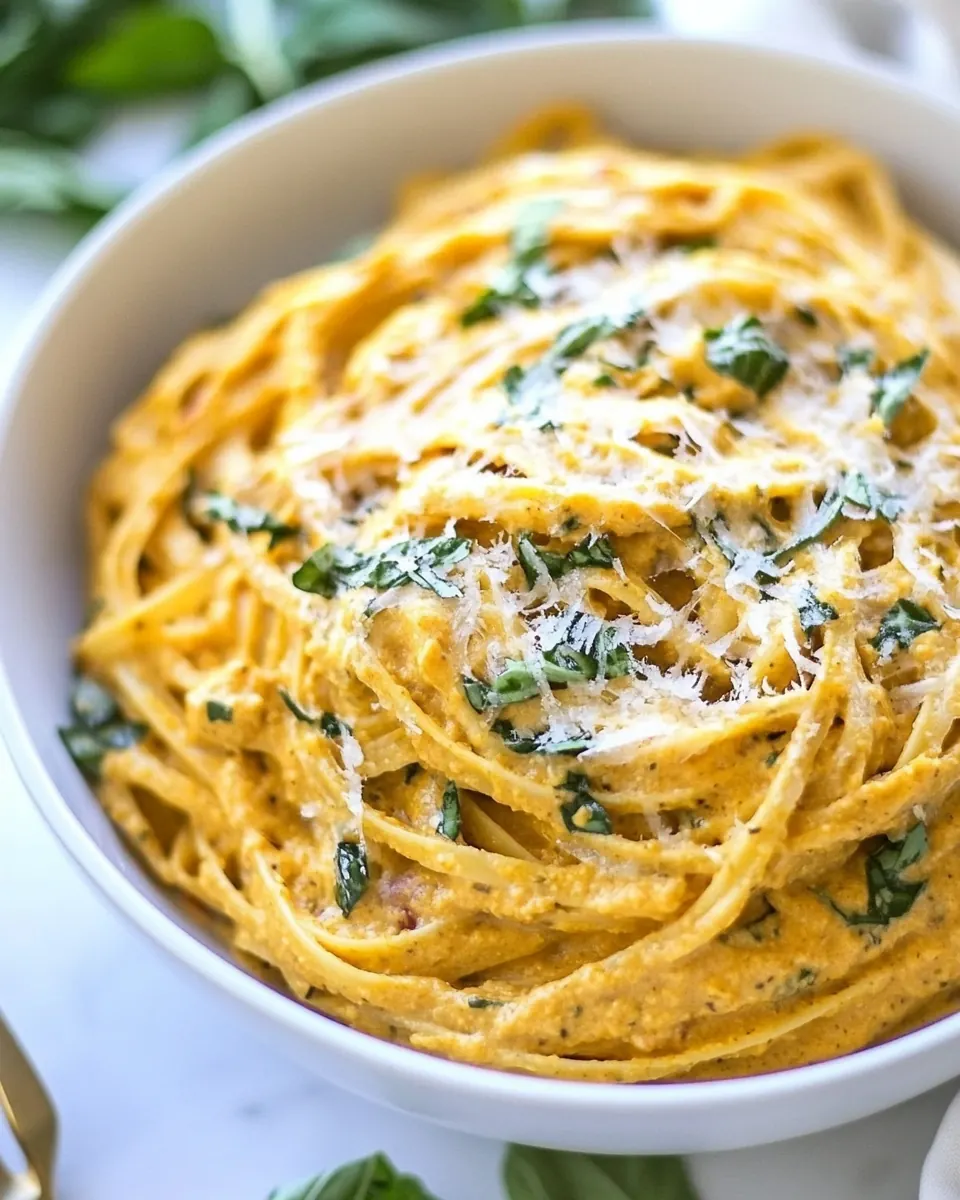
I like to share practical tweaks that make this Pumpkin Pasta Sauce truly shine. These tips help with texture, seasoning, and serving so you get consistent results every time. Try one or two adjustments depending on your pantry and tastes.
- Room temperature cream cheese: Let the cream cheese sit out for at least 30 minutes so it blends seamlessly into the sauce without lumps.
- Reserve pasta water: Keep one cup of the starchy cooking water to loosen and bind the sauce, adding a tablespoon at a time until the texture is perfect.
- Toast the flour gently: Cook the roux until it smells nutty, this removes raw flour taste and builds a rounded base for the sauce.
- Use fresh sage for finishing: Add half the chopped sage into the sauce and reserve the rest as a fresh, fragrant garnish to brighten the plate.
- Adjust spices sparingly: Small increments of cinnamon, nutmeg, and cayenne pepper go a long way; taste between additions to avoid overpowering the pumpkin.
- Reheat gently: Warm leftovers with a splash of milk in the microwave or on low heat to restore creaminess without breaking the sauce.
Serving Options for Pumpkin Pasta Sauce
This Pumpkin Pasta Sauce is versatile and easy to dress up or down. Whether you are plating a simple weeknight dinner or serving guests on an autumn evening, these ideas will help you present it beautifully and pair it well.
- Simple weeknight bowl: Toss the pasta with sauce and a generous sprinkle of Parmesan cheese, serve with a crisp green salad on the side for contrast.
- Light autumn dinner: Serve with roasted vegetables like carrots or Brussels sprouts to complement the warm spices and bring textural variety.
- Comfort for holiday sides: This makes a lovely alternative side dish for Thanksgiving, offering seasonal flavor without competing with richer mains.
- Portioning and storage: Refrigerate leftovers in an airtight container for up to three days, and reheat gently with a splash of milk to regain the sauce’s creamy texture.
- Occasions: Perfect for casual weeknights, cozy date nights at home, or a calm Sunday supper when you want comfort that feels homemade.
- Seasonal pairing: Serve in fall when pumpkins are in season to echo the orchard flavors, and add a crisp white salad or steamed greens to balance the bowl.
- Make it heartier: To extend servings, consider stirring in cooked greens or an approved protein as noted in the recipe notes, which helps turn it into a fuller main for more people.
FAQ
Conclusion
What makes this recipe special is how it turns simple pantry ingredients into a creamy, spiced pasta that feels both comforting and a little bit elevated. Give it a try on a busy weeknight when you want something quick but thoughtful, and you might find it becoming a regular in your rotation. I hope you enjoy the warm spices, silky texture, and that satisfying finish of freshly grated cheese; it’s the kind of recipe I always return to when I want dinner that feels like a small celebration.
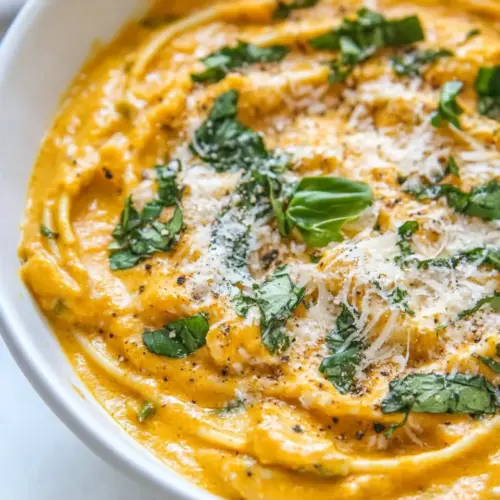
Pumpkin Pasta Sauce
Equipment
- Large Pot
- Large saucepan
- Whisk
- Colander
Ingredients
- 8 ounces whole wheat fettuccini or any other long, thin noodle, such as linguine or spaghetti Boil until al dente and provide the primary vehicle for the sauce, delivering whole-grain fiber and a nutty flavor that complements the pumpkin.
- 1 tablespoon unsalted butter Melt to form the fat base for the sauce, helping to cook the flour and impart a subtle richness and mouthfeel without overpowering the other flavors.
- 1 tablespoon all-purpose flour Whisk into melted fat to create a roux, thickening the milk into a smooth sauce while lending a slight toasty note when cooked briefly.
- 2 cloves garlic minced Sauté gently to release aromatic oils and provide a savory depth that brightens and balances the sweet pumpkin and creamy sauce.
- 2 cups nonfat milk Heat and whisk into the roux to build a creamy béchamel base, supplying protein and body while carrying the pumpkin and spices.
- 1 cup pumpkin puree not pumpkin pie filling Fold into the hot sauce to add natural sweetness, creamy texture, and autumnal flavor while keeping the overall sauce lighter than heavy cream.
- 3 ounces reduced-fat cream cheese cut into chunks and at room temperature (do not use fat free) Stir in at room temperature to lend tangy creaminess and increase silkiness, enriching the sauce and helping it cling to pasta.
- 1 tablespoon chopped fresh sage leaves divided Chop finely and add partway through cooking to impart fresh herbal perfume and a slightly peppery, savory note that complements the pumpkin.
- 1/2 teaspoon kosher salt Season the sauce for balanced savory flavor, enhancing overall taste and helping to counteract the natural sweetness of the pumpkin.
- 1/4 teaspoon ground black pepper Grind freshly into the sauce to add sharp, slightly floral heat that sharpens flavors and provides subtle backbone to the creaminess.
- 1/8 teaspoon ground cinnamon Sprinkle sparingly to contribute warm, sweet spice that rounds the sauce and accentuates the pumpkin’s natural notes without overpowering.
- 1/8 teaspoon ground nutmeg Grate or measure to introduce warm, nutty, and slightly sweet undertones that enhance autumnal flavors and add complexity.
- Pinch ground cayenne pepper Shake in a tiny amount to deliver gentle heat and a bright top note that heightens the savory profile without making it spicy.
- 1/2 cup grated Parmesan cheese for serving Grate over servings to provide salty, umami-rich finishing touch that contrasts the sweet pumpkin and elevates each bite.
Instructions
- Bring a large pot of salted water to a boil and cook the pasta to al dente, according to package instructions. Reserve 1 cup of the pasta water, drain pasta, and set aside.: The bubbling pot should smell faintly of salt and starch as the pasta cooks, and you will hear a steady, rolling boil. The al dente texture means the noodle still has some resistance when you bite it, which prevents it from getting mushy when tossed with sauce. Reserving pasta water is crucial because the starchy liquid helps emulsify and thin the sauce while preserving creaminess. A common mistake is overcooking the pasta, which results in a limp texture; set a timer and taste a strand a minute or two before the package time ends to check for the right bite. If you forget to save pasta water, plain water will not give the same silkiness, so be sure to scoop out a cup before draining.
- Melt the butter in a large saucepan over medium heat. Once hot and sizzling, add the flour, then whisk constantly until it turns a golden color and smells nutty. Add the garlic and cook for 30 seconds. Slowly pour in the milk a few splashes at a time, whisking constantly to smooth any clumps. Increase the heat to medium high, then let cook, stirring constantly, until the sauce bubbles and thickens, about 8 to 10 minutes. Remove the pan from the heat, then stir in the pumpkin, cream cheese, half of the chopped sage leaves, salt, pepper, cinnamon, nutmeg, and cayenne. Continue whisking until the cream cheese melts and you have a smooth, rich sauce. Taste and add additional salt and pepper as desired.: When the butter melts, it should foam briefly and then settle, releasing a gentle, nutty aroma. The sound will shift from a hiss to a softer sizzle as the pan reaches the right temperature. This gentle heat is important so the subsequent flour cooks without burning, creating a smooth base rather than a bitter one. If the butter browns too quickly, lower the heat; burnt butter gives the sauce a toasted, unpleasant edge that is hard to mask.
- Add the cooked pasta to the pan and gently toss to combine. Thin the pasta with a bit of the reserved pasta water as needed if it seems too thick or sticky. Serve immediately, topped with Parmesan and the remaining sage.: The flour should be incorporated into the melted fat to form a roux, and the whisking will keep lumps from forming. As it cooks, the roux deepens in color and smells pleasantly toasty, which signals that the raw flour flavor has gone. This step builds body for the sauce, so do not rush it. A frequent error is adding liquid too soon, which leaves raw flour taste and lumps; keep whisking until the roux reaches that golden, toasty note.
- Add the garlic and cook for 30 seconds.: The brief cooking time softens the sharp edge of minced garlic and releases fragrant oils that bloom into the fat. You will sense a quick lift in aroma, bright and savory, but be careful because garlic burns easily and turns bitter if left too long. Stir constantly and add the milk immediately after this short interval to protect the garlic and keep the flavor sweet rather than acrid.
- Slowly pour in the milk a few splashes at a time, whisking constantly to smooth any clumps.: As the milk hits the warm roux, the mixture will hiss and steam slightly, and whisking ensures a smooth, creamy texture without lumps. Adding milk gradually allows the roux to hydrate evenly and prevents large clumps from forming. You should see the sauce begin to coat the whisk as it thickens, signaling progress. A common pitfall is dumping all the milk at once, which can create a lumpy mixture that requires extra work to fix.
- Increase the heat to medium high, then let cook, stirring constantly, until the sauce bubbles and thickens, about 8 to 10 minutes.: The surface will move from gentle ripples to active bubbling, and the sauce should noticeably thicken to coat the back of a spoon. This reduction concentrates flavor and gives the sauce body that clings to the pasta. Stirring prevents scorching and ensures even heat distribution. If the sauce seems to be sticking or browning on the bottom, reduce the heat; scorched spots will impart a burnt taste that is very difficult to hide.
- Remove the pan from the heat, then stir in the pumpkin, cream cheese, half of the chopped sage leaves, salt, pepper, cinnamon, nutmeg, and cayenne.: Off heat, the residual warmth helps the cream cheese and pumpkin meld smoothly without breaking. As you stir, you should notice the sauce becoming silkier and thicker, with a rounded aroma from the spices and a savory edge from the sage . Mixing off the flame prevents the dairy from separating and preserves the delicate spice balance. Be cautious adding too much cayenne or cinnamon at once, as they can quickly dominate the subtle pumpkin flavor.
- Continue whisking until the cream cheese melts and you have a smooth, rich sauce.: The consistency should be glossy and velvety, with no visible lumps of cream cheese . The smell will be a layered mix of dairy, warm spices, and herbaceous sage, and the texture should coat the back of a spoon evenly. This emulsification step locks in a creamy mouthfeel that holds on the pasta. If you see small curdles or separation, whisk vigorously and add a splash of reserved pasta water to bring it back together.
- Taste and add additional salt and pepper as desired.: Tasting at this point allows you to balance the savory and sweet notes; the pumpkin can mute salt, so adjusting ensures brightness. Use small increments when seasoning, because it is easier to add more than to correct over seasoning. If the sauce tastes flat, a pinch more salt or a squeeze of lemon would help, though lemon is not in the ingredient list so stick to the provided seasonings. Avoid the mistake of over salting early; always taste after ingredients have fully combined.
- Add the cooked pasta to the pan and gently toss to combine.: As you fold the pasta into the sauce, listen for the soft swish and feel the noodles pick up the glossy coating. Gentle tossing helps the sauce adhere evenly without breaking the pasta. If the mixture feels stiff or clumpy, add a tablespoon or two of the reserved pasta water to loosen and bind the sauce. A common error is vigorous stirring that causes noodles to tear, so be tender with your movements.
- Thin the pasta with a bit of the reserved pasta water as needed if it seems too thick or sticky.: The starchy water will create a silky junction between sauce and noodle, smoothing any tackiness and allowing a perfect cling. Add water sparingly until you reach the desired consistency; too much will make the dish watery. If you do end up with a runny sauce, simmer briefly to reduce and concentrate flavors again.
- Serve immediately, topped with Parmesan and the remaining sage.: The final touch of grated Parmesan cheese adds a salty, nutty finish and the fresh sage leaves bring a bright herbal note. Serve while the dish is still warm so the cheese softens on contact and the aroma is at its peak. Waiting too long will let the sauce firm up and lose its glossy sheen, so plan to plate quickly. Leftovers reheat well with a splash of milk to restore creaminess.
Notes
- Room temperature cream cheese: Let the cream cheese sit out for at least 30 minutes so it blends seamlessly into the sauce without lumps.
- Reserve pasta water: Keep one cup of the starchy cooking water to loosen and bind the sauce, adding a tablespoon at a time until the texture is perfect.
- Toast the flour gently: Cook the roux until it smells nutty, this removes raw flour taste and builds a rounded base for the sauce.
- Use fresh sage for finishing: Add half the chopped sage into the sauce and reserve the rest as a fresh, fragrant garnish to brighten the plate.
- Adjust spices sparingly: Small increments of cinnamon, nutmeg, and cayenne pepper go a long way; taste between additions to avoid overpowering the pumpkin.
- Reheat gently: Warm leftovers with a splash of milk in the microwave or on low heat to restore creaminess without breaking the sauce.
