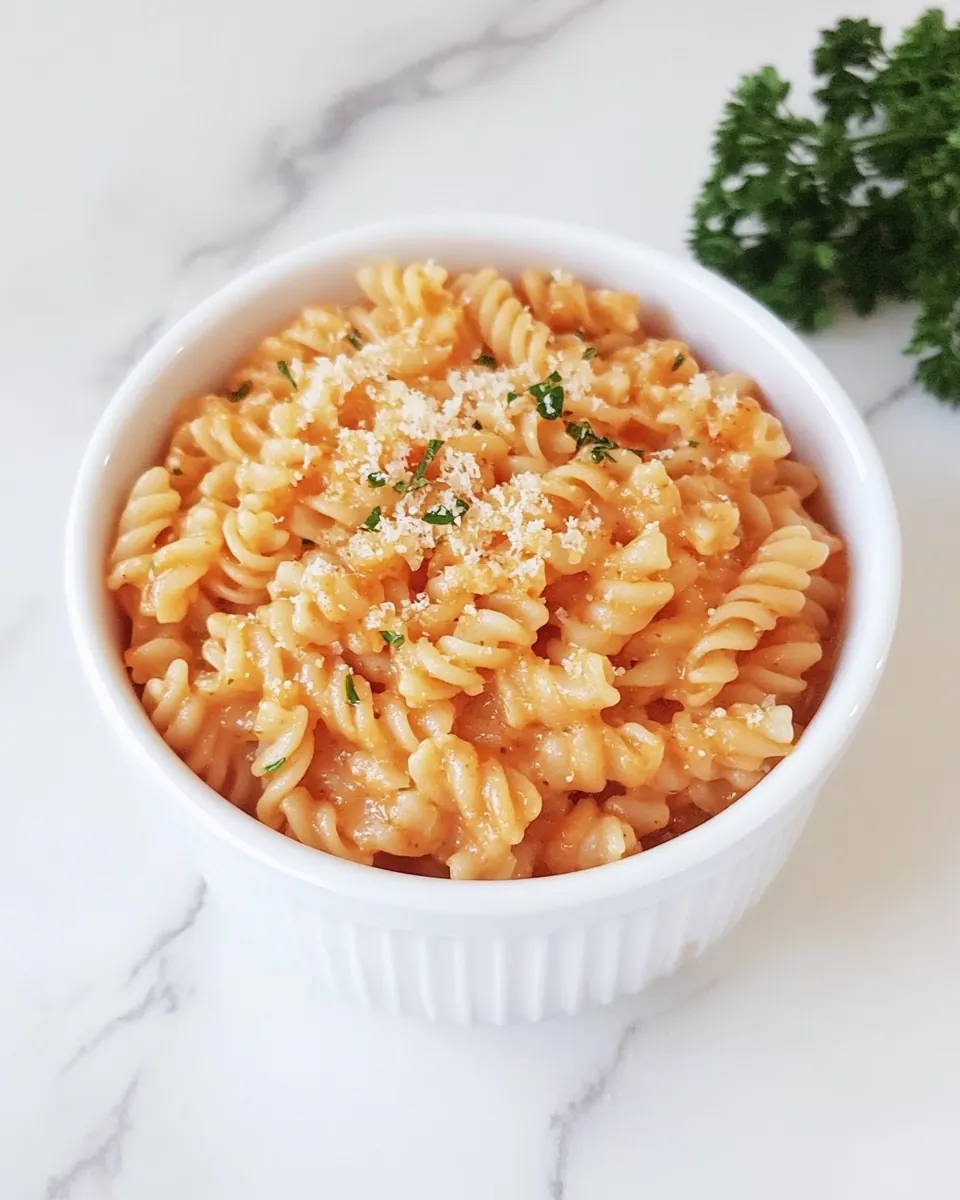
Extra Veggie Baby Pasta
Extra Veggie Baby Pasta began for me as a kitchen experiment on a rainy afternoon when my toddler refused yet another bland jar meal. I wanted something nourishing, colorful, and comforting, that would still be soft enough for little gums and easy for a spoon to scoop. The name sounds simple, but the idea felt big, I wanted vegetables folded into a familiar, spoonable pasta base so family meals could be calm, nutritious, and quick.
That first batch was pure improvisation, with leftover sweet potato and a can of crushed tomatoes. I mashed things together, blended them smooth, and watched my kid’s face light up at the tiny star pasta swimming in warm, orange sauce. From that day on, this dish became my weeknight winner when I needed something wholesome with minimal fuss but maximum flavor.
Over time I refined texture and seasoning, learning how much sauce makes spoon feeding easiest, and which small pasta shapes work best for little hands. I also discovered it stores beautifully, which is essential when juggling life and meals. The balance between bean protein, starchy pasta, and a velvety veggie sauce means grown ups can enjoy it too, just seasoned a bit more boldly at the end.
Recipe Snapshot
20 mins
10 mins
10 mins
Easy
250 kcal
Italian
Gluten-Free, Vegan
Dinner
Calphalon 5-Quart Pot, Storage Containers
The Charm of This Extra Veggie Baby Pasta
Comfort that feeds little tummies
I love how Extra Veggie Baby Pasta is gentle on small mouths while delivering real nutrition. The texture is smooth and spoonable, and because the sauce is blended, even picky eaters are more likely to accept vegetables without fuss.
Time friendly and practical
We often need meals that come together quickly on busy days, and this recipe warms through fast. I appreciate that the main steps are simple, you can blend the sauce while the pasta cooks, and have dinner on the table in about twenty minutes.
Flexible ingredients, same great result
This dish adapts easily if you swap one puree for another. I find using mashed sweet potato gives natural sweetness and a silky texture, while butternut squash or pumpkin work equally well. It’s forgiving, which is why I make it when I need a reliable, nutritious option.
Baby friendly and family friendly
What I really appreciate is how this recipe bridges feeding stages. For spoon fed babies, keep it saucy and smooth. For toddlers, use a smaller shape like ditalini or pastina to encourage self feeding. Adults can season more boldly and add a sprinkle of grated Parmesan.
Smart storage and meal prep
I often make a double batch of sauce to save time later. It freezes well in small portions, so a few cubes can warm a quick lunch. That little bit of planning makes this a go to recipe when life gets hectic.
Ingredients to Make Extra Veggie Baby Pasta
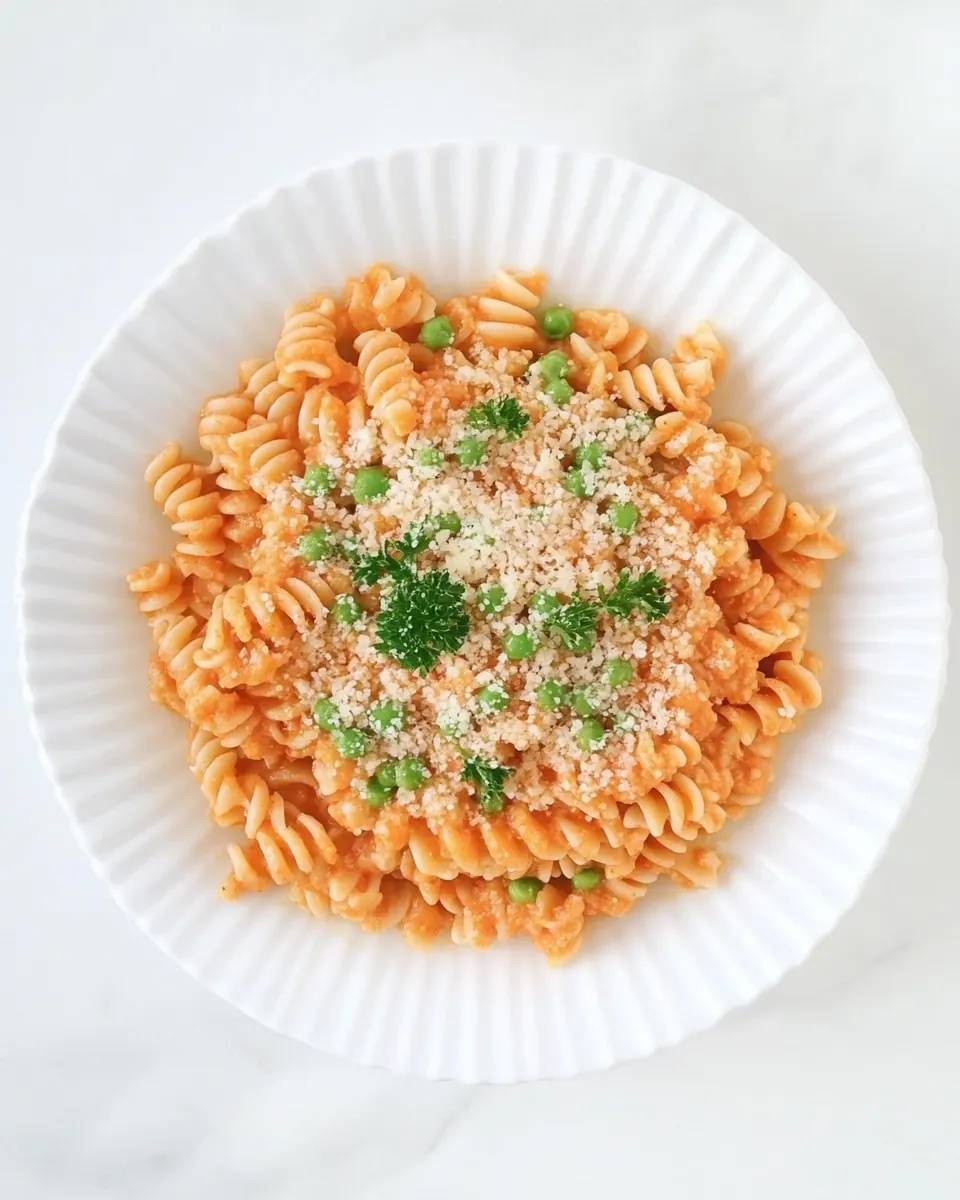
I think of these ingredients as the essential cast for a simple, nourishing pasta that babies and the whole family can enjoy together. Each item has a role, from the small pasta shapes that are easy to pick up, to the purees that add creaminess without dairy, and the beans that bring gentle protein. Together they form a balanced, spoonable bowl that is both familiar and nutrient dense.
- 8 ounces pasta (such as star, ABC, pastina, or ditalini): Cooked to tender small shapes that are easy for babies to pick up and swallow; provides carbohydrates and energy while adding fun texture and size appropriate for little hands.
- 14.5 ounce can crushed tomatoes with basil (or marinara sauce): Simmered into a smooth, flavorful sauce that adds sweetness and acidity; supplies vitamin C and lycopene while creating a saucy base that helps bind other ingredients.
- 1 cup white beans (rinsed and drained): Rinsed and drained to add creamy protein and fiber; offers plant-based iron and texture contrast that helps make the meal more filling and nutritionally balanced.
- 1/2 cup mashed sweet potato puree (or butternut squash puree or pumpkin puree): Pureed until smooth and folded in to contribute natural sweetness, beta-carotene, and a creamy texture that helps the sauce adhere to pasta and beans.
- 1/2 teaspoon Italian seasoning: Sprinkled in small amounts to add depth of herbaceous flavor without overwhelming; complements tomato and vegetable notes while introducing mild aromatic complexity.
- 1 tablespoon olive oil: Heated gently to coat ingredients, carry flavors, and add healthy monounsaturated fats; helps soften any leftover bits and improves mouthfeel for babies.
- salt, onion powder, garlic powder ( to taste) (optional): Added sparingly to balance and enhance flavors; can be used to season lightly for older babies, with attention to sodium and strong aromatics.
- grated Parmesan ( to taste) (optional): Shredded finely and offered as an optional topping to add savory umami and calcium; can be omitted for dairy-free preferences or used lightly for flavor.
Putting Together Extra Veggie Baby Pasta
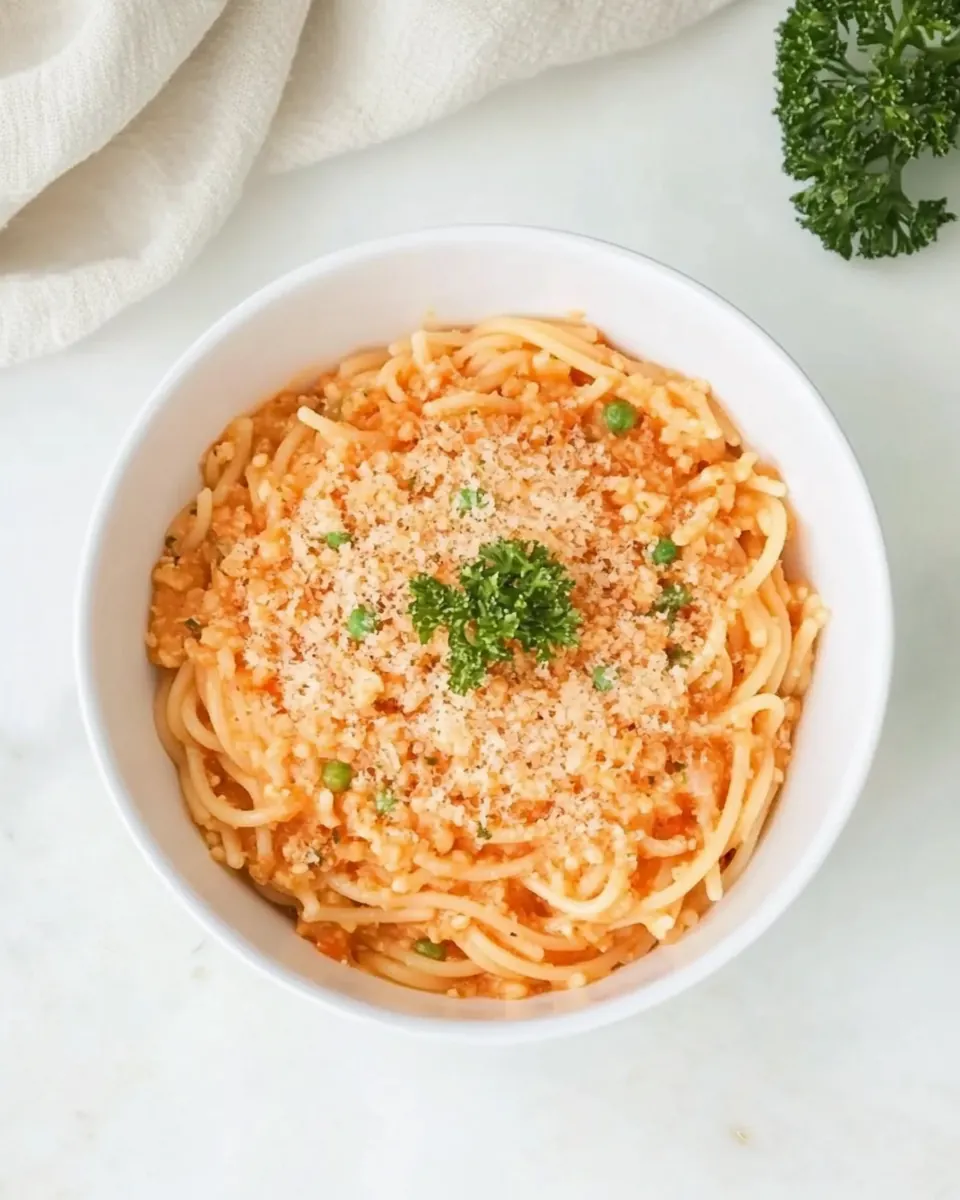
I like to keep the mood relaxed while cooking this dish, because a calm chef makes a calmer meal. The steps are straightforward and sync well; I blend the sauce while the pasta cooks so they finish at nearly the same time. Below are detailed steps to guide you through texture, aroma, and common pitfalls.
- Add the tomatoes, beans, sweet potato puree, and Italian seasoning to a blender. Blend until smooth.: Right away you will notice the colors merging into a warm, inviting orange red. Expect the blender to hum steadily as it purees the soft white beans into the bright crushed tomatoes , and the aroma of herbs will wake up the kitchen. The texture should be completely smooth for easy spooning, with no bean grit or tomato chunks. If the sauce seems too thick, add a tablespoon of water, not more, to keep the flavor concentrated. A common mistake is under-blending which leaves stringy bits that can worry parents; blend long enough for silkiness.
- Add the olive oil to a medium pot over medium heat. Stir in the tomato mixture and warm through, stirring occasionally, for about 5-10 minutes. Season to taste with salt and additional spices for more flavor as you like.: As the sauce warms, you will hear a gentle simmer and smell the sweet tomato notes rise. The olive oil will give the surface a slight sheen and round the flavors. Warm until the sauce is steaming and slightly thickened, this helps meld the beans and puree into one cohesive sauce. Stirring occasionally prevents sticking and ensures even heating. Avoid boiling hard, which can break down the sweet potato too much and make the texture grainy.
- (You can also warm a small amount of sauce in a heat-safe bowl in the microwave if you're making just one serving.): Microwaving a small portion is quick and convenient, and the steam will soften the sauce in under a minute. Stir halfway through to distribute heat evenly, and always test the temperature before serving to baby by placing a small amount on the inside of your wrist. Overheating is the frequent misstep here, as pockets of very hot sauce can remain if not stirred, so always check carefully.
- Cook the pasta according to package directions. Drain.: When the pot of salted water reaches a gentle boil, add the tiny pasta shapes. They will soften quickly, and you will notice the water becoming slightly cloudy from the starch. Taste a piece for the right tender but not mushy texture; for babies you may aim for very tender, while toddlers can handle a bit more bite. Drain thoroughly to remove excess water, otherwise the sauce can become watered down. A common error is overcooking into mush, so follow package timing as your baseline and check early.
- Return the pasta to the pot. Stir as little or as much of the sauce into the pasta and top with grated Parmesan if desired. (You may have some sauce leftover.): The moment you combine them, the steam will carry the blend of tomato and sweet potato into the pasta shapes. Use a spoon to fold just enough sauce so every bite is coated, remembering babies often prefer spoonable portions rather than heavily tossed pasta. If you are serving an older child or adult, you can stir more vigorously to coat each piece. Watch for clumping; too much stirring can break delicate shapes. Save leftover sauce in the fridge for other meals.
- Serve warm or portion into storage containers to serve throughout the week.: Serve slightly cooled temperature appropriate for baby feeding, and watch the spoon to ensure each bite is safe and easy. When portioning for storage, cool the dish quickly to room temperature before refrigerating in airtight containers to keep it fresh up to several days. Freezing sauce in small portions is helpful for single servings. A common oversight is storing hot food directly into the fridge which can raise the internal temperature; let it cool first to preserve quality.
Expert Tips about Extra Veggie Baby Pasta
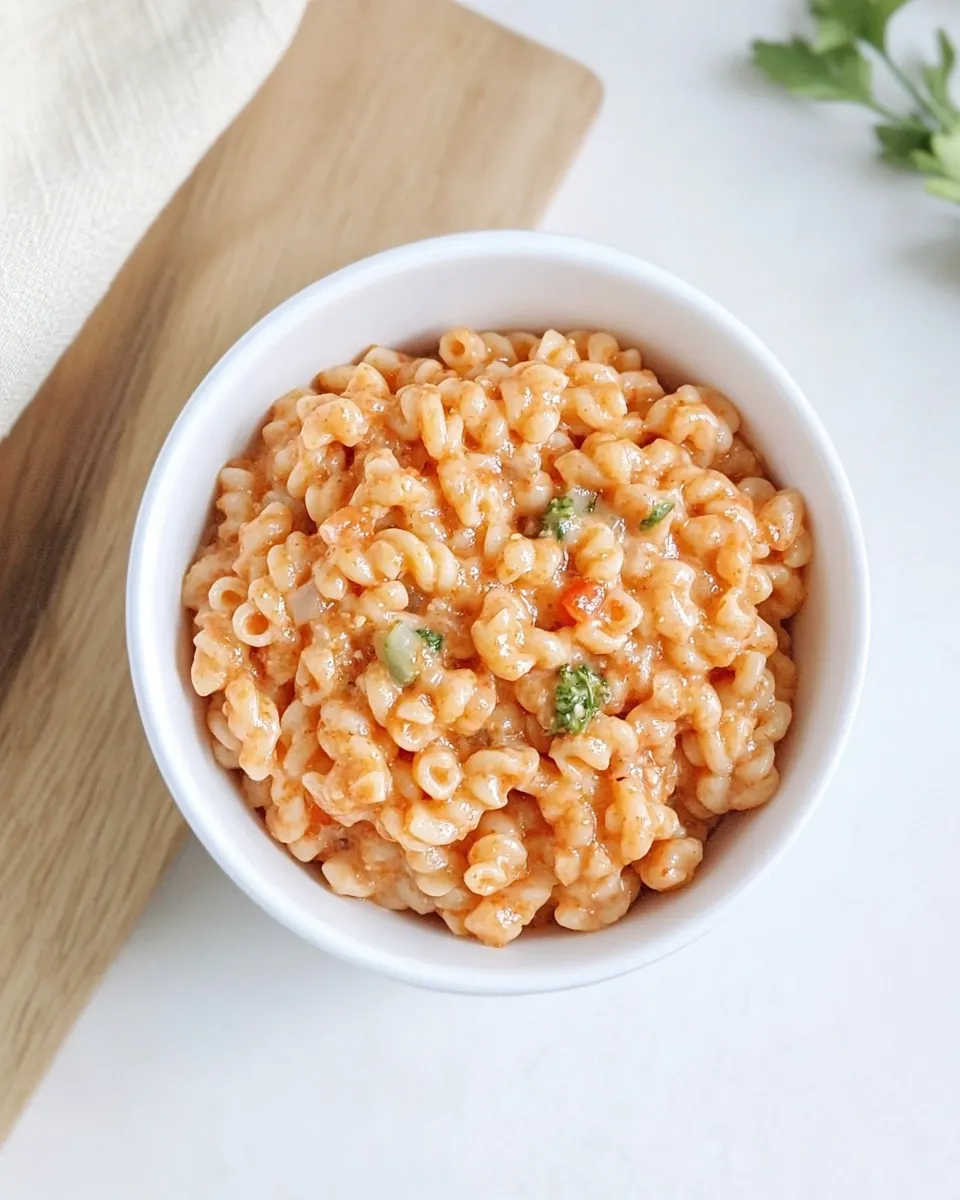
This section shares practical, chef tested tips to make the best version of this simple baby friendly pasta. I want you to feel confident with texture, storage, and small adjustments so every batch turns out reliably good.
- Choose the right pasta shape, tiny shapes like pastina or stars work best for spoon feeding and help sauce cling to each bite.
- Blend for silkiness, processing the sauce until completely smooth removes textural surprises and makes the dish spoon friendly for infants.
- Balance sweetness and acidity, the natural sweetness from sweet potato tames tomato acidity, so you often do not need extra sugar or sweeteners.
- Cool before storing, let the pasta and sauce cool to room temperature before sealing in containers to preserve freshness and avoid condensation.
- Freeze in small portions, freezing sauce in ice cube trays creates perfectly sized portions for single feeding reheats.
- Optional Parmesan for older eaters, add grated Parmesan only when serving to toddlers or adults to keep baby servings low in sodium and dairy.
Serving This Extra Veggie Baby Pasta
This recipe adapts to many serving scenarios, from spoon feeding infants to family dinners. Below I outline thoughtful serving ideas, pairings, and storage methods so you can present the dish confidently, whether tonight is a quiet weeknight or a busy day during a special occasion.
- Spoon feeding, serve warm with extra sauce so the spoon glide is smooth, making each bite easy to swallow for infants.
- Finger food, choose small shapes like ditalini, mini shells, or stars for toddlers learning to self feed, and ensure pieces are appropriately sized to prevent choking.
- Family dinner, serve the same bowl with adult plates seasoned to taste, allowing everyone to enjoy a familiar base while customizing finishings like extra Parmesan.
- Meal prep, portion into airtight containers and refrigerate for up to five days for easy grab and go lunches or dinners during the week.
- Freezer strategy, freeze leftover sauce in ice cube trays, then transfer cubes to a freezer bag for up to six months, perfect for quick reheats and single servings.
- Seasonal pairing, this cozy pasta works well in cooler months as a warming comfort meal, and also as a simple, nourishing lunch during transitional seasons.
FAQ
Conclusion
This recipe’s blend of pureed vegetables, beans, and small pasta shapes is what makes it both comforting and nourishing for little ones and the whole family. Give Extra Veggie Baby Pasta a try on a busy evening to enjoy a simple, wholesome meal that stores well and adapts to different ages and palates. I hope it becomes a go to in your kitchen, offering convenience without sacrificing flavor or nutrition.
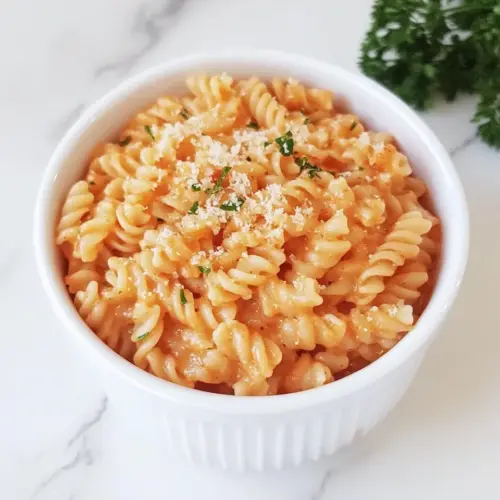
Extra Veggie Baby Pasta
Equipment
- Calphalon 5-Quart Pot
- Storage Containers
Ingredients
- 8 ounces pasta (such as star, ABC, pastina, or ditalini) Cooked to tender small shapes that are easy for babies to pick up and swallow; provides carbohydrates and energy while adding fun texture and size appropriate for little hands.
- 14.5 ounce can crushed tomatoes with basil (or marinara sauce) Simmered into a smooth, flavorful sauce that adds sweetness and acidity; supplies vitamin C and lycopene while creating a saucy base that helps bind other ingredients.
- 1 cup white beans (rinsed and drained) Rinsed and drained to add creamy protein and fiber; offers plant-based iron and texture contrast that helps make the meal more filling and nutritionally balanced.
- 1/2 cup mashed sweet potato puree (or butternut squash puree or pumpkin puree) Pureed until smooth and folded in to contribute natural sweetness, beta-carotene, and a creamy texture that helps the sauce adhere to pasta and beans.
- 1/2 teaspoon Italian seasoning Sprinkled in small amounts to add depth of herbaceous flavor without overwhelming; complements tomato and vegetable notes while introducing mild aromatic complexity.
- 1 tablespoon olive oil Heated gently to coat ingredients, carry flavors, and add healthy monounsaturated fats; helps soften any leftover bits and improves mouthfeel for babies.
- salt, onion powder, garlic powder (optional to taste) Added sparingly to balance and enhance flavors; can be used to season lightly for older babies, with attention to sodium and strong aromatics.
- grated Parmesan (optional to taste) Shredded finely and offered as an optional topping to add savory umami and calcium; can be omitted for dairy-free preferences or used lightly for flavor.
Instructions
- Add the tomatoes, beans, sweet potato puree, and Italian seasoning to a blender. Blend until smooth.: Right away you will notice the colors merging into a warm, inviting orange red. Expect the blender to hum steadily as it purees the soft white beans into the bright crushed tomatoes , and the aroma of herbs will wake up the kitchen. The texture should be completely smooth for easy spooning, with no bean grit or tomato chunks. If the sauce seems too thick, add a tablespoon of water, not more, to keep the flavor concentrated. A common mistake is under-blending which leaves stringy bits that can worry parents; blend long enough for silkiness.
- Add the olive oil to a medium pot over medium heat. Stir in the tomato mixture and warm through, stirring occasionally, for about 5-10 minutes. Season to taste with salt and additional spices for more flavor as you like.: As the sauce warms, you will hear a gentle simmer and smell the sweet tomato notes rise. The olive oil will give the surface a slight sheen and round the flavors. Warm until the sauce is steaming and slightly thickened, this helps meld the beans and puree into one cohesive sauce. Stirring occasionally prevents sticking and ensures even heating. Avoid boiling hard, which can break down the sweet potato too much and make the texture grainy.
- (You can also warm a small amount of sauce in a heat-safe bowl in the microwave if you're making just one serving.): Microwaving a small portion is quick and convenient, and the steam will soften the sauce in under a minute. Stir halfway through to distribute heat evenly, and always test the temperature before serving to baby by placing a small amount on the inside of your wrist. Overheating is the frequent misstep here, as pockets of very hot sauce can remain if not stirred, so always check carefully.
- Cook the pasta according to package directions. Drain.: When the pot of salted water reaches a gentle boil, add the tiny pasta shapes. They will soften quickly, and you will notice the water becoming slightly cloudy from the starch. Taste a piece for the right tender but not mushy texture; for babies you may aim for very tender, while toddlers can handle a bit more bite. Drain thoroughly to remove excess water, otherwise the sauce can become watered down. A common error is overcooking into mush, so follow package timing as your baseline and check early.
- Return the pasta to the pot. Stir as little or as much of the sauce into the pasta and top with grated Parmesan if desired. (You may have some sauce leftover.): The moment you combine them, the steam will carry the blend of tomato and sweet potato into the pasta shapes. Use a spoon to fold just enough sauce so every bite is coated, remembering babies often prefer spoonable portions rather than heavily tossed pasta. If you are serving an older child or adult, you can stir more vigorously to coat each piece. Watch for clumping; too much stirring can break delicate shapes. Save leftover sauce in the fridge for other meals.
- Serve warm or portion into storage containers to serve throughout the week.: Serve slightly cooled temperature appropriate for baby feeding, and watch the spoon to ensure each bite is safe and easy. When portioning for storage, cool the dish quickly to room temperature before refrigerating in airtight containers to keep it fresh up to several days. Freezing sauce in small portions is helpful for single servings. A common oversight is storing hot food directly into the fridge which can raise the internal temperature; let it cool first to preserve quality.
Notes
- Choose the right pasta shape, tiny shapes like pastina or stars work best for spoon feeding and help sauce cling to each bite.
- Blend for silkiness, processing the sauce until completely smooth removes textural surprises and makes the dish spoon friendly for infants.
- Balance sweetness and acidity, the natural sweetness from sweet potato tames tomato acidity, so you often do not need extra sugar or sweeteners.
- Cool before storing, let the pasta and sauce cool to room temperature before sealing in containers to preserve freshness and avoid condensation.
- Freeze in small portions, freezing sauce in ice cube trays creates perfectly sized portions for single feeding reheats.
- Optional Parmesan for older eaters, add grated Parmesan only when serving to toddlers or adults to keep baby servings low in sodium and dairy.