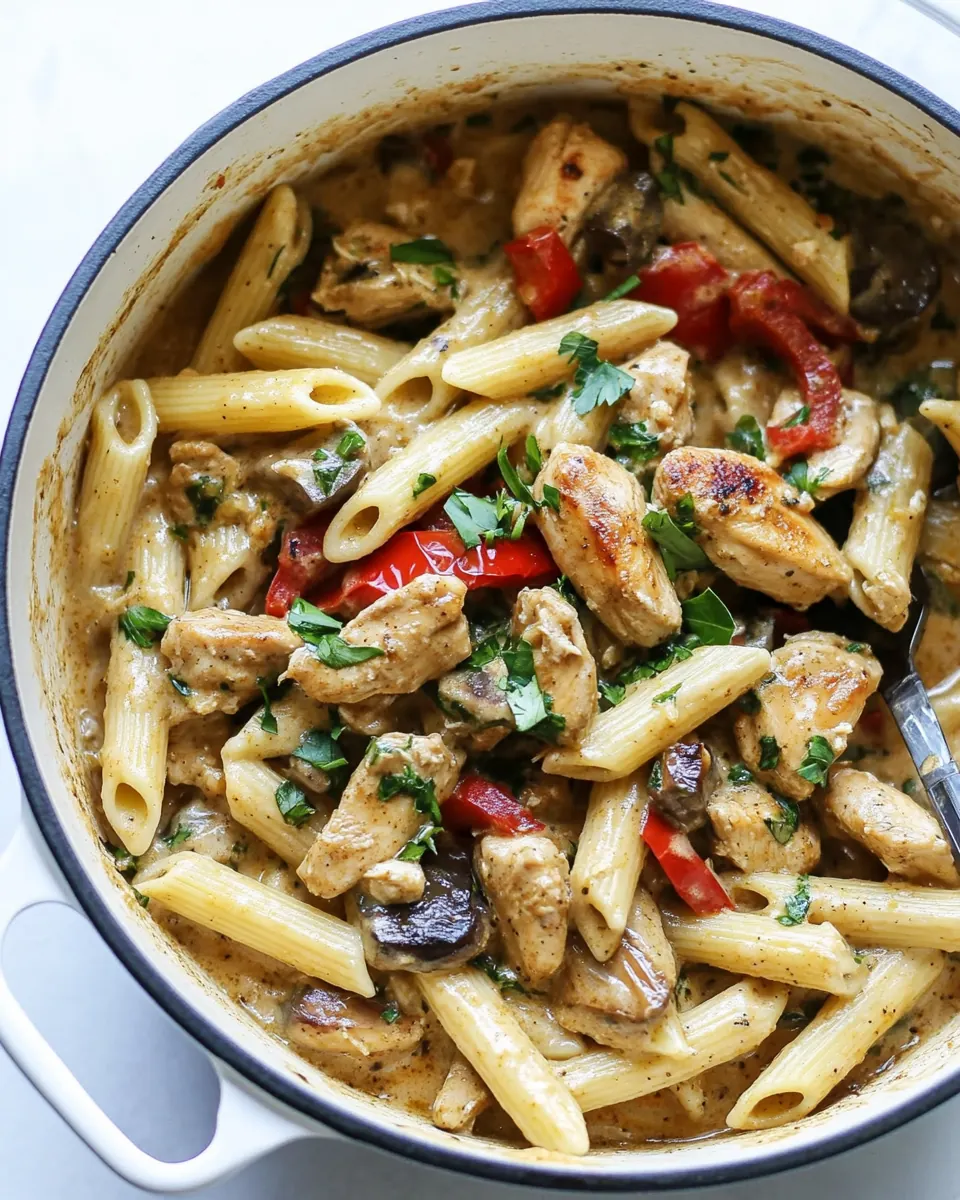
Creamy Cajun Chicken Penne Pot
Creamy Cajun Chicken Penne Pot is the kind of food I turn to when I want bold flavors without fuss. I first made this for a late autumn weeknight when I had a stack of mail, a tired brain, and a craving for something warm and comforting that felt a little indulgent. I remember chopping an orange bell pepper while the house smelled faintly of woodsmoke from the neighbor’s fireplace, thinking how the spice and cream would be exactly the contrast I needed. The chicken took center stage, rouged by cajun seasoning and seared until it developed a crisp that made every bite sing.
That first dinner turned into habit, because this recipe scales well and rewards a bit of patience. I learned to time the pasta so it finished right as the sauce reached a silky consistency, and how a final sprinkle of fresh parsley brightens the whole pot. Friends asked for the recipe at that first dinner, and now it’s the dish I bring when I want to impress without showing off. It sits somewhere between rustic and refined, hearty but not heavy, with the aroma of garlic and butter pulling you toward the stove.
Recipe Snapshot
60 mins
15 mins
45 mins
Medium
650 kcal
American
Gluten-Free, Paleo
Dinner
Large skillet or pot, Wooden spoon, Saucepan for pasta
Why This Creamy Cajun Chicken Penne Pot Works
Bold, layered flavor
I love how the Creamy Cajun Chicken Penne Pot builds flavor in stages. The seasoned chicken gets a crust from the flour and hot oil, which creates savory browned bits that dissolve into the sauce. That caramelized fond is the backbone of the dish, and it makes a weeknight meal taste like something more deliberate.
Comfort with a kick
This recipe balances richness and spice, thanks to the creamy sauce and the assertive cajun seasoning. We get comfort from the heavy cream and butter, while the seasoning and sautéed bell pepper bring brightness and personality. Every bite is both soothing and exciting.
One pot ease, many textures
I’m always drawn to recipes that minimize cleanup, and this pot concentrates texture into one pan. The chicken is crisp, the mushrooms are meaty, the onion softens into sweetness, and the penne soaks up sauce without going mushy when timed right. That variety in mouthfeel keeps each forkful interesting.
Flexible and weeknight friendly
We often need meals that adapt to what’s on hand. The pasta choice is deliberately open ended, so you can use whole wheat or your favorite shape and still get great results. The method is forgiving, which means you can talk while you cook, adjust seasoning to taste, and still end up with a satisfying dinner.
Bright finish
Finally, a scatter of fresh parsley at the end lifts the sauce and cuts through the cream. That little touch of green transforms a heavy skillet into a lively plate, and each time I spoon it out, I feel like I’ve achieved something balanced and approachable.
Key Ingredients for Creamy Cajun Chicken Penne Pot
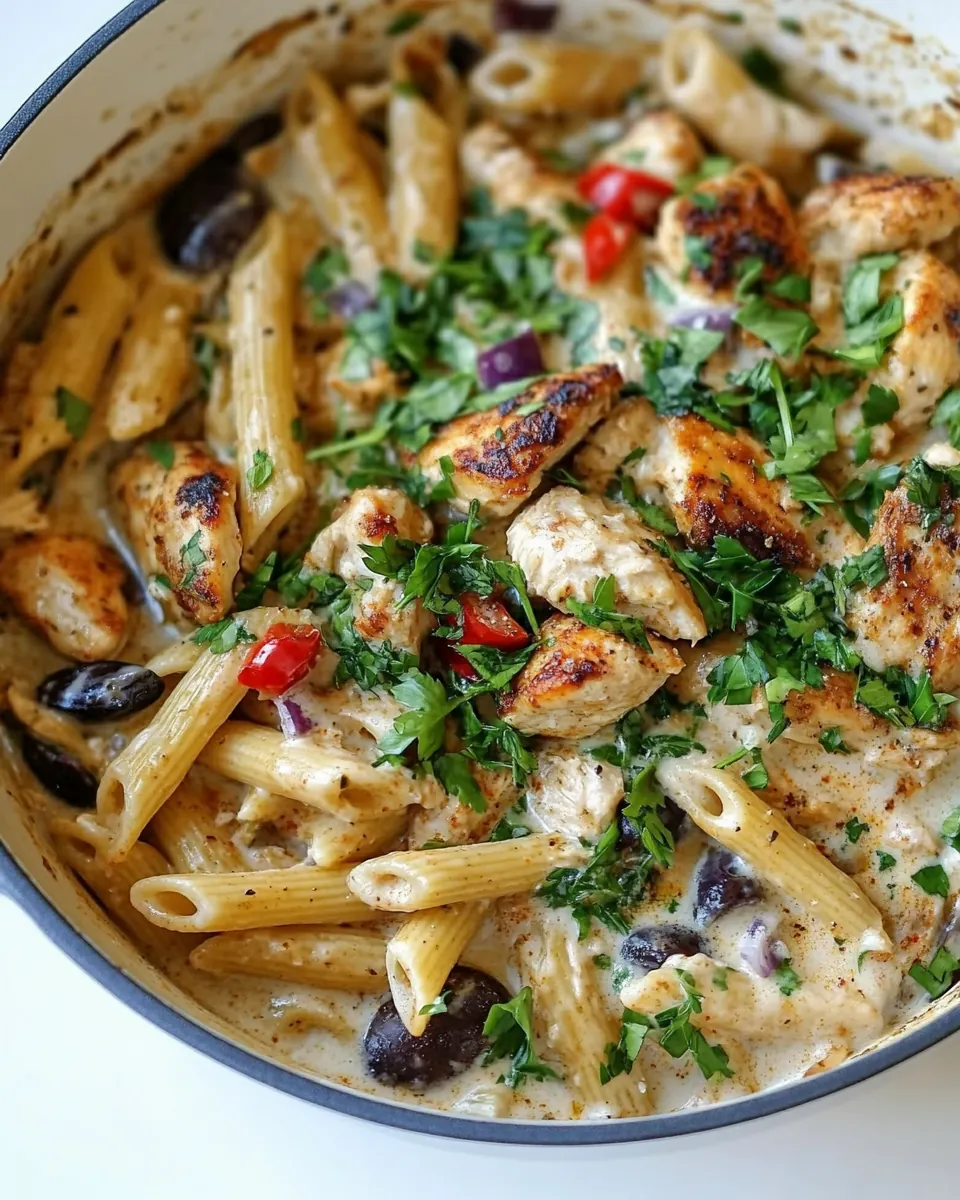
These ingredients work together to deliver a comforting, spicy, and satisfying pasta dinner. The key players are the seasoned chicken for protein and texture, the creamy base for richness, and the sautéed vegetables for sweetness and depth. The flour helps build a silky sauce, while the pasta ties everything together, soaking up sauce and flavor. Together they create layered tastes and contrasting textures that make this dish feel complete.
- 1 pound boneless, skinless chicken thighs, cut into chunks: Provide tender, flavorful protein that forms the hearty base of the dish; cut into chunks to cook quickly and absorb the creamy, spicy sauce while remaining juicy.
- 3 tablespoons cajun seasoning: Season boldly to impart smoky heat and Cajun character throughout; rub onto the chicken to create a well-seasoned crust that flavors the sauce as it cooks.
- 1/2 cup all-purpose flour: Coat the seasoned chicken to create a light, crispy exterior and help thicken the sauce slightly; dredging ensures even browning and better sauce adhesion.
- 2 tablespoons olive oil: Sear the coated chicken and aromatics, contributing a fragrant, fruity oil that prevents sticking and helps build a golden-brown fond for deglazing.
- 6 tablespoons unsalted butter: Enrich the pan with a silky, nutty layer that helps form the sauce; melt with oil to sauté vegetables and develop a rich mouthfeel in the finished dish.
- 1 sweet onion, diced: Provide a sweet, savory foundation when diced and softened; sweated onions release natural sugars that deepen the sauce's flavor and balance the spice.
- 1 red bell pepper, thinly sliced: Add crisp, slightly sweet notes and vibrant color when thinly sliced; soften in the pan to contribute texture and a fresh bell pepper flavor.
- 1 orange bell pepper, thinly sliced: Bring mild sweetness and bright color alongside the red pepper; thin slices cook quickly and blend visually and texturally into the creamy sauce.
- 12 ounces sliced mushrooms: Introduce earthy, umami depth and meaty texture; sliced mushrooms release their juices when cooked, enriching the sauce with savory complexity.
- 4 garlic cloves, minced: Deliver pungent aromatics that enhance overall flavor; minced and sautéed, garlic infuses the oil and butter with warm, savory notes.
- 1 cup low-sodium chicken stock: Deglaze the pan and add savory liquid to build the sauce base; low-sodium stock provides controlled saltiness while melding the browned bits into flavor.
- 2/3 cup heavy cream: Create a rich, creamy texture and mellow the spice; heavy cream brings luxurious body and helps bind the sauce to the pasta and proteins.
- 2 cups whole wheat penne, or whatever you want pasta, cooked: Supply substantial texture and soak up the creamy Cajun sauce; cooked whole wheat penne provides nutty flavor and hearty bite for a complete meal.
- 3 to 4 tablespoons fresh chopped parsley: Finish with fresh, bright herbaceousness and color; chopped parsley scattered at the end lifts the richness and adds a clean, fresh note.
Cooking Method for Creamy Cajun Chicken Penne Pot
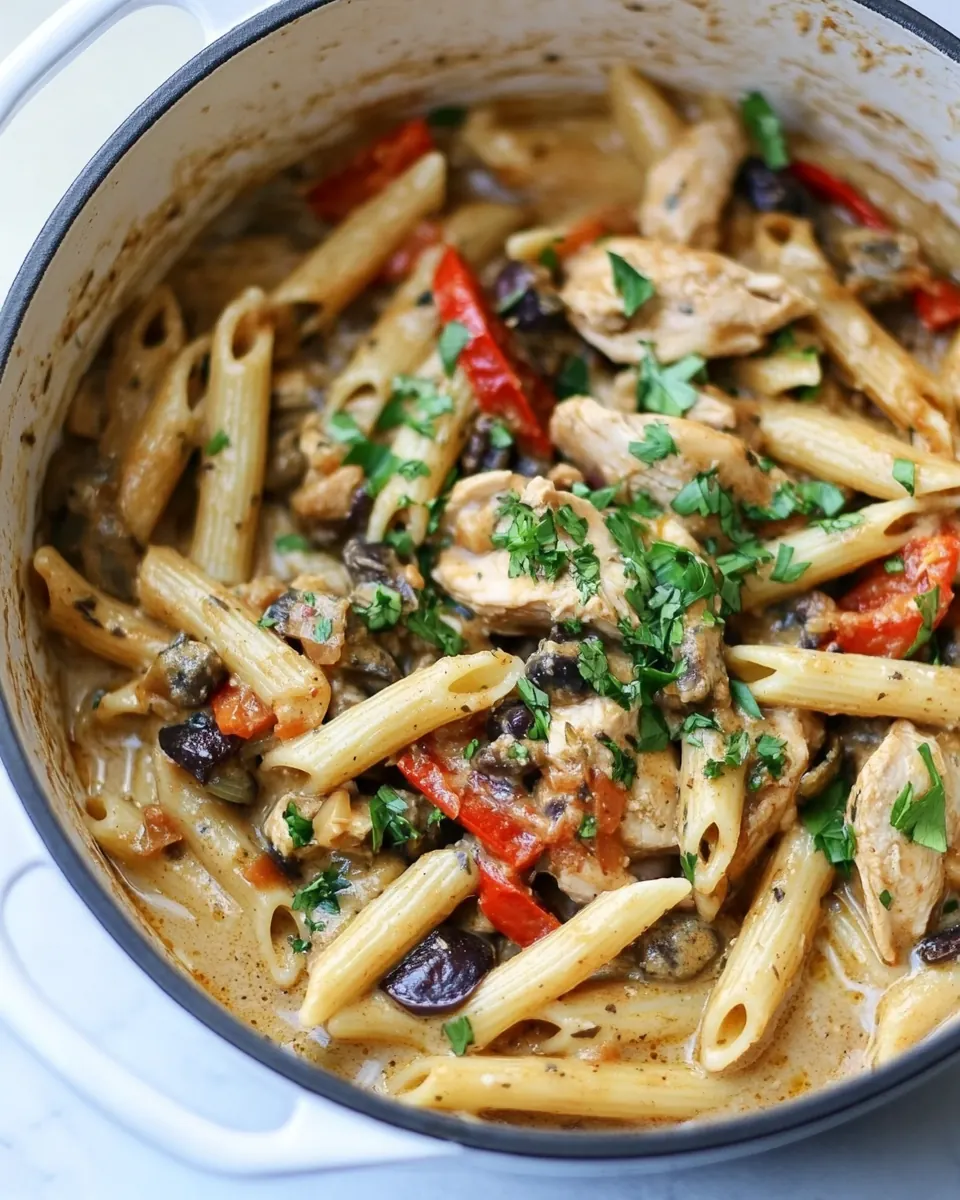
This recipe moves deliberately through searing, sautéing, deglazing, and finishing, so timing matters to achieve a creamy, cohesive sauce. I like to have my pasta water boiling near the end so everything comes together quickly. Keep utensils and a wooden spoon handy for scraping the pan, and taste as you go to balance spice and salt.
- Heat a large pot or skillet over medium-high heat. You want it to be large enough to fit the entire dish, so make sure it’s big! Season the chicken with the cajun seasoning, covering it completely. Sprinkle the chicken pieces with the flour and coat them thoroughly. I usually begin to heat the water for the pasta here and once it boils, add the pasta.: The pan warming up until it is evenly hot is key so the initial sear on the chicken happens instantly, locking juices inside. When the surface is hot enough a drop of water will dance and evaporate, you’ll know it’s ready. If you start with a cold pan the chicken will release moisture and cling, preventing browning. A common mistake here is rushing the heat, which leads to uneven searing and a pale exterior.
- Add the oil and 2 tablespoons butter to the skillet. Once sizzling, add the chicken and cook until crispy and deeply browned, flipping once or twice. This will take about 8 to 10 minutes for the chicken to be cooked through. Once cooked, remove it and set it on a plate. Reduce the heat to medium-low and add 2 more tablespoons of butter to the skillet. Toss in the onions and peppers with a pinch of salt and pepper and stir well. Cook for 5 minutes, until they soften. Add in the other 2 tablespoons of butter and the mushrooms, stirring well. Cook for 5 to 6 more minutes, so the mushrooms soften. Stir in the garlic.: Coating each piece ensures the spice penetrates the exterior, creating a layered heat that carries into the sauce. The granules of seasoning should stick to the slightly floured surface, helping form a crust when seared. If you underseason, the final dish may taste flat, while overseasoning early can make the heat too sharp once reduced in the sauce.
- Increase the heat to medium-high again. Pour in the chicken stock slowly while stirring with a wooden spoon and scraping the bottom of the pot. Bring the stock to a boil and cook for 5 to 6 minutes. Reduce the heat once more and stir in the cream. Add the chicken to the pot along with the pasta. Taste and season additionally if needed. Sprinkle with the parsley and serve immediately.: The flour creates a light crust that promotes browning and later thickens the sauce when deglazed. Tap off excess so you’re left with a thin film rather than a doughy layer. Using too much flour can cause clumping and a pasty sauce, so keep the coating light and even.
- I usually begin to heat the water for the pasta here and once it boils, add the pasta: Having the penne cook at the right time prevents it from overcooking in the sauce. The sound of rolling boil is your cue, and salted water will season the pasta from the inside out. A frequent error is adding the pasta too early, which yields a soft texture after mixing with the sauce.
- Add the oil and 2 tablespoons butter to the skillet: The combination raises the smoke point and gives a glossy finish for searing. You want the butter to foam and the oil to shimmer before adding protein, which signals adequate heat. If the fat smokes aggressively, lower the heat to avoid bitter, burnt notes in the dish.
- Once sizzling, add the chicken and cook until crispy and deeply browned, flipping once or twice: The initial contact should produce an audible sizzle and the surface should turn golden to deep brown; these maillard flavors are essential. Flip only when the piece releases easily, indicating a crust has formed. Overmoving the pieces prevents proper browning, while leaving them too long risks charring.
- This will take about 8 to 10 minutes for the chicken to be cooked through: Cook time gives you both safety and texture, resulting in tender centers and crisp edges. Use visual cues, like clear juices near the surface and a firm but yielding interior, to confirm doneness. Cutting prematurely to check can dry the meat, so rely on timing and appearance.
- Once cooked, remove it and set it on a plate: Resting the chicken off heat prevents carryover cooking and keeps it juicy when returned to the sauce. The reserved plate also collects flavorful juices you can spoon back in later. A mistake is leaving the chicken in the pan, which can overcook it while you finish the sauce.
- Reduce the heat to medium-low and add 2 more tablespoons of butter to the skillet: Lower heat protects the butter from burning as you sweat vegetables, and the added butter helps create an emulsified base for the sauce. The butter should melt into a glossy pool, coating the pan evenly. If the heat is too high, the butter will brown too quickly, altering the flavor balance.
- Toss in the onions and peppers with a pinch of salt and pepper and stir well: The salt draws out moisture, encouraging translucence and sweetness, while stirring ensures even cooking. You’ll notice a softening and a release of fragrant steam; those are signs the vegetables are developing flavor. Overcooking here will lose that fresh pepper brightness, so aim for softened edges, not complete collapse.
- Cook for 5 minutes, until they soften: This short interval lets the natural sugars in the onion and bell pepper emerge without turning mushy. You should see glossy, slightly browned edges; that light caramelization adds complexity. A frequent error is skipping this step to save time, which results in raw tasting vegetables and less layered flavor.
- Add in the other 2 tablespoons of butter and the mushrooms, stirring well: Introducing more butter primes the pan for the mushrooms to brown rather than steam. The mushrooms should hit the hot fat and begin to exude and then reabsorb their juices, concentrating flavor. If you crowd the mushrooms they steam and lose that savory browning, so give them space if possible.
- Cook for 5 to 6 more minutes, so the mushrooms soften: Watch for a deepening of color and a pronounced earthy aroma, which signals proper caramelization. The sizzling will change pitch as moisture reduces, and the mushrooms will take on a tender bite. Overcooking can make them rubbery and dry, so aim for tender yet juicy pieces.
- Stir in the garlic: Adding the garlic at this stage lets its aroma bloom without burning, giving the sauce a savory backbone. The moment it hits the hot pan you’ll notice a fragrant lift, but it only needs a short time to release oils. Burnt garlic becomes bitter, so keep it moving and limit the time it sits in hot fat.
- Increase the heat to medium-high again: Bringing the pan up to a lively simmer prepares you to deglaze with stock and capture the fond. The increase should create energetic bubbling without violent splatter. If the pan is too cool, the fond will stay stuck and not incorporate into the sauce.
- Pour in the chicken stock slowly while stirring with a wooden spoon and scraping the bottom of the pot: This action lifts the browned bits into the liquid, creating concentrated flavor in the sauce. You’ll see the liquid darken as the fond dissolves, and the aroma will deepen. Pouring all at once can cool the pan rapidly and impede efficient deglazing.
- Bring the stock to a boil and cook for 5 to 6 minutes: Reducing the stock slightly concentrates savory notes and helps the sauce thicken naturally. Look for a gentle rolling boil and a slightly reduced volume, which signals readiness. If you under reduce, the sauce may be thin after adding cream; over reduce can make it too salty or intense.
- Reduce the heat once more and stir in the cream: Lower heat stabilizes the dairy and prevents separation, while gentle stirring creates a glossy, unified sauce. The cream will breathe richness into the pan and smooth any harsh edges. If you add cream to a vigorously boiling pan, you risk curdling or breaking the sauce.
- Add the chicken to the pot along with the pasta: Returning the rested chicken and al dente penne lets them mingle with the sauce so flavors marry and textures align. You should hear a soft bubble as pasta meets sauce, and the chicken will warm through without drying. Overmixing aggressively can break pasta and make the sauce look pasty.
- Taste and season additionally if needed: Final seasoning is crucial because reduction and cream change salt perception; adjust with small pinches until balanced. Spoon a bit onto a tasting fork to assess heat, salt, and creaminess. Adding too much salt at the end is easier to correct than having underseasoned elements, so proceed gradually.
- Sprinkle with the parsley and serve immediately: The fresh parsley brightens the plate and adds a herby finish that contrasts the creamy sauce. Serve straight away while the sauce is warm and silky, and the textures remain distinct. Letting it sit too long causes the pasta to soak up sauce and lose that just-made vibrancy.
Variations to Try
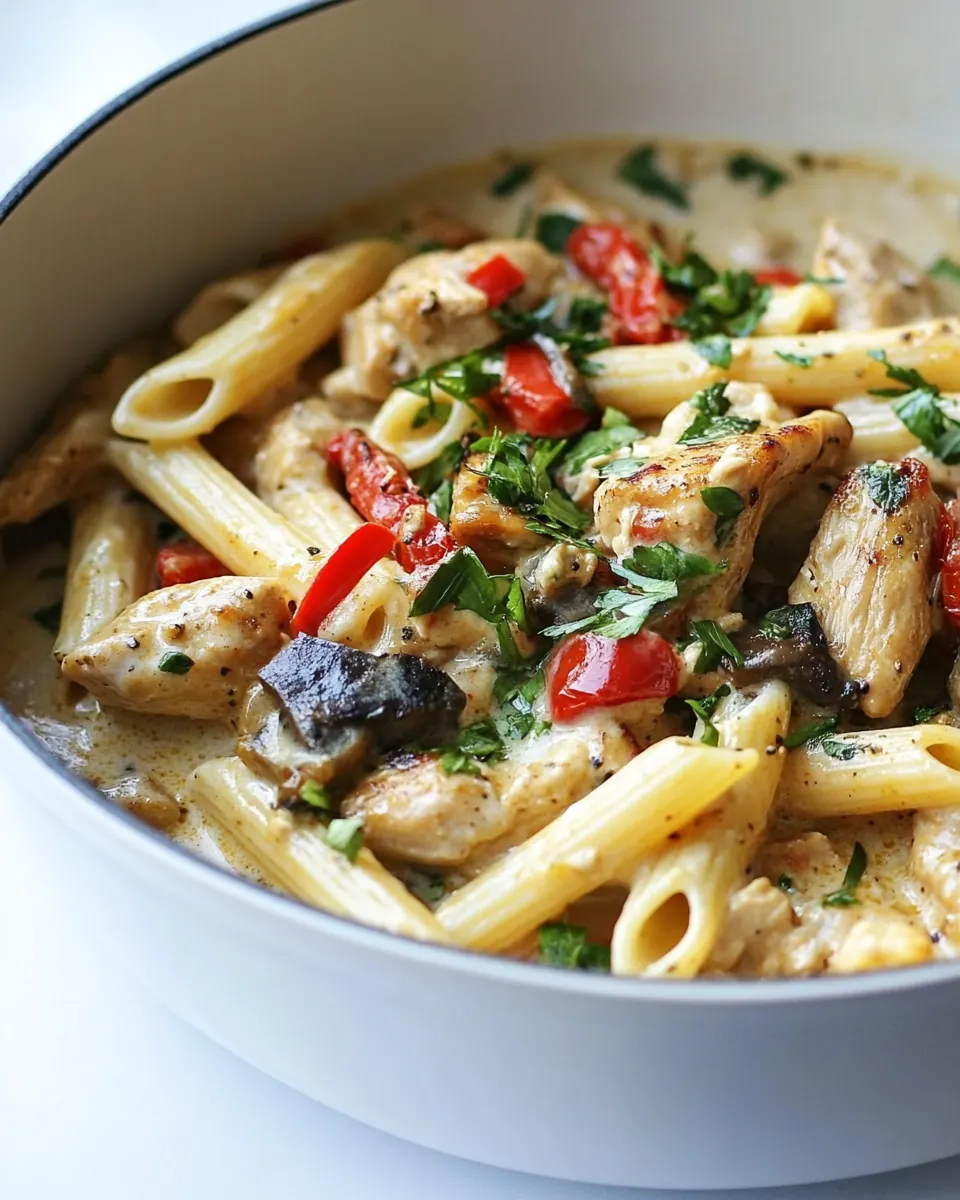
This recipe is flexible enough to bend to your pantry and preferences. Below are ideas to tweak texture, spice level, and presentation while keeping the dish approachable and delicious.
- Swap the pasta Use a different shape such as fusilli or rigatoni to change how the sauce clings and how each bite balances chicken and sauce.
- Adjust the spice Reduce the amount of cajun seasoning for a milder heat or add a little extra if you like a stronger kick a small pinch at a time prevents overpowering the cream.
- Make it lighter Use a lighter cream or a blend of milk and cream to reduce richness while still keeping a silky texture, but be gentle with heat to prevent splitting.
- Boost veg Increase the bell peppers or mushrooms to add volume and fiber, ensuring you still maintain space in the pan for proper caramelization.
- Finish with acid A quick squeeze of lemon juice right before serving can brighten the sauce and cut through richness without changing core flavors.
Serve This Creamy Cajun Chicken Penne Pot With
This dish plays well with simple accompaniments that balance its richness and spice. Below are serving ideas, occasions, and storage suggestions to help you plan when to make it and how to present it for the best experience.
- Light salad A crisp green salad with a tart vinaigrette offers contrast and refreshes the palate between rich bites of the penne.
- Steamed vegetables Steamed green beans or broccoli provide color and crunch and pair well for a family dinner or weeknight meal.
- Casual dinner This is ideal for an easy weeknight dinner or a cozy autumn meal when you want comforting food without long prep.
- Make ahead and store Cool quickly, then refrigerate in an airtight container for up to three days; reheat gently over low heat with a splash of stock or water to restore creaminess.
- Potluck friendly Keep sauce slightly loose when transporting, then toss with freshly cooked penne at your destination to revive texture and prevent dryness.
- Seasonal pairing The warm spice profile makes it a nice option for fall dinners, when heartier flavors and comforting textures feel right at home.
FAQ
Conclusion
This recipe stands out for its balance of big spice and creamy comfort, delivered in one satisfying pot. Give the Creamy Cajun Chicken Penne Pot a try when you want a flavorful, fuss minimal dinner that still feels special. You’ll love how the seared chicken, sautéed vegetables, and silky sauce come together, and it’s a dependable go to that impresses without complicated steps. Make it your own by adjusting the seasoning or pasta shape, and enjoy the cozy reward at the end of a busy day.
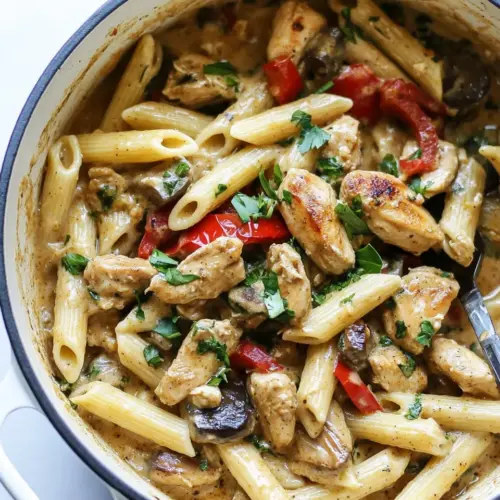
Creamy Cajun Chicken Penne Pot
Equipment
- Large skillet or pot
- Wooden Spoon
- Saucepan for pasta
Ingredients
- 1 pound boneless, skinless chicken thighs, cut into chunks Provide tender, flavorful protein that forms the hearty base of the dish; cut into chunks to cook quickly and absorb the creamy, spicy sauce while remaining juicy.
- 3 tablespoons cajun seasoning Season boldly to impart smoky heat and Cajun character throughout; rub onto the chicken to create a well-seasoned crust that flavors the sauce as it cooks.
- 1/2 cup all-purpose flour Coat the seasoned chicken to create a light, crispy exterior and help thicken the sauce slightly; dredging ensures even browning and better sauce adhesion.
- 2 tablespoons olive oil Sear the coated chicken and aromatics, contributing a fragrant, fruity oil that prevents sticking and helps build a golden-brown fond for deglazing.
- 6 tablespoons unsalted butter Enrich the pan with a silky, nutty layer that helps form the sauce; melt with oil to sauté vegetables and develop a rich mouthfeel in the finished dish.
- 1 sweet onion, diced Provide a sweet, savory foundation when diced and softened; sweated onions release natural sugars that deepen the sauce's flavor and balance the spice.
- 1 red bell pepper, thinly sliced Add crisp, slightly sweet notes and vibrant color when thinly sliced; soften in the pan to contribute texture and a fresh bell pepper flavor.
- 1 orange bell pepper, thinly sliced Bring mild sweetness and bright color alongside the red pepper; thin slices cook quickly and blend visually and texturally into the creamy sauce.
- 12 ounces sliced mushrooms Introduce earthy, umami depth and meaty texture; sliced mushrooms release their juices when cooked, enriching the sauce with savory complexity.
- 4 garlic cloves, minced Deliver pungent aromatics that enhance overall flavor; minced and sautéed, garlic infuses the oil and butter with warm, savory notes.
- 1 cup low-sodium chicken stock Deglaze the pan and add savory liquid to build the sauce base; low-sodium stock provides controlled saltiness while melding the browned bits into flavor.
- 2/3 cup heavy cream Create a rich, creamy texture and mellow the spice; heavy cream brings luxurious body and helps bind the sauce to the pasta and proteins.
- 2 cups whole wheat penne, or whatever you want pasta, cooked Supply substantial texture and soak up the creamy Cajun sauce; cooked whole wheat penne provides nutty flavor and hearty bite for a complete meal.
- 3 to 4 tablespoons fresh chopped parsley Finish with fresh, bright herbaceousness and color; chopped parsley scattered at the end lifts the richness and adds a clean, fresh note.
Instructions
- Heat a large pot or skillet over medium-high heat. You want it to be large enough to fit the entire dish, so make sure it’s big! Season the chicken with the cajun seasoning, covering it completely. Sprinkle the chicken pieces with the flour and coat them thoroughly. I usually begin to heat the water for the pasta here and once it boils, add the pasta.: The pan warming up until it is evenly hot is key so the initial sear on the chicken happens instantly, locking juices inside. When the surface is hot enough a drop of water will dance and evaporate, you’ll know it’s ready. If you start with a cold pan the chicken will release moisture and cling, preventing browning. A common mistake here is rushing the heat, which leads to uneven searing and a pale exterior.
- Add the oil and 2 tablespoons butter to the skillet. Once sizzling, add the chicken and cook until crispy and deeply browned, flipping once or twice. This will take about 8 to 10 minutes for the chicken to be cooked through. Once cooked, remove it and set it on a plate. Reduce the heat to medium-low and add 2 more tablespoons of butter to the skillet. Toss in the onions and peppers with a pinch of salt and pepper and stir well. Cook for 5 minutes, until they soften. Add in the other 2 tablespoons of butter and the mushrooms, stirring well. Cook for 5 to 6 more minutes, so the mushrooms soften. Stir in the garlic.: Coating each piece ensures the spice penetrates the exterior, creating a layered heat that carries into the sauce. The granules of seasoning should stick to the slightly floured surface, helping form a crust when seared. If you underseason, the final dish may taste flat, while overseasoning early can make the heat too sharp once reduced in the sauce.
- Increase the heat to medium-high again. Pour in the chicken stock slowly while stirring with a wooden spoon and scraping the bottom of the pot. Bring the stock to a boil and cook for 5 to 6 minutes. Reduce the heat once more and stir in the cream. Add the chicken to the pot along with the pasta. Taste and season additionally if needed. Sprinkle with the parsley and serve immediately.: The flour creates a light crust that promotes browning and later thickens the sauce when deglazed. Tap off excess so you’re left with a thin film rather than a doughy layer. Using too much flour can cause clumping and a pasty sauce, so keep the coating light and even.
- I usually begin to heat the water for the pasta here and once it boils, add the pasta: Having the penne cook at the right time prevents it from overcooking in the sauce. The sound of rolling boil is your cue, and salted water will season the pasta from the inside out. A frequent error is adding the pasta too early, which yields a soft texture after mixing with the sauce.
- Add the oil and 2 tablespoons butter to the skillet: The combination raises the smoke point and gives a glossy finish for searing. You want the butter to foam and the oil to shimmer before adding protein, which signals adequate heat. If the fat smokes aggressively, lower the heat to avoid bitter, burnt notes in the dish.
- Once sizzling, add the chicken and cook until crispy and deeply browned, flipping once or twice: The initial contact should produce an audible sizzle and the surface should turn golden to deep brown; these maillard flavors are essential. Flip only when the piece releases easily, indicating a crust has formed. Overmoving the pieces prevents proper browning, while leaving them too long risks charring.
- This will take about 8 to 10 minutes for the chicken to be cooked through: Cook time gives you both safety and texture, resulting in tender centers and crisp edges. Use visual cues, like clear juices near the surface and a firm but yielding interior, to confirm doneness. Cutting prematurely to check can dry the meat, so rely on timing and appearance.
- Once cooked, remove it and set it on a plate: Resting the chicken off heat prevents carryover cooking and keeps it juicy when returned to the sauce. The reserved plate also collects flavorful juices you can spoon back in later. A mistake is leaving the chicken in the pan, which can overcook it while you finish the sauce.
- Reduce the heat to medium-low and add 2 more tablespoons of butter to the skillet: Lower heat protects the butter from burning as you sweat vegetables, and the added butter helps create an emulsified base for the sauce. The butter should melt into a glossy pool, coating the pan evenly. If the heat is too high, the butter will brown too quickly, altering the flavor balance.
- Toss in the onions and peppers with a pinch of salt and pepper and stir well: The salt draws out moisture, encouraging translucence and sweetness, while stirring ensures even cooking. You’ll notice a softening and a release of fragrant steam; those are signs the vegetables are developing flavor. Overcooking here will lose that fresh pepper brightness, so aim for softened edges, not complete collapse.
- Cook for 5 minutes, until they soften: This short interval lets the natural sugars in the onion and bell pepper emerge without turning mushy. You should see glossy, slightly browned edges; that light caramelization adds complexity. A frequent error is skipping this step to save time, which results in raw tasting vegetables and less layered flavor.
- Add in the other 2 tablespoons of butter and the mushrooms, stirring well: Introducing more butter primes the pan for the mushrooms to brown rather than steam. The mushrooms should hit the hot fat and begin to exude and then reabsorb their juices, concentrating flavor. If you crowd the mushrooms they steam and lose that savory browning, so give them space if possible.
- Cook for 5 to 6 more minutes, so the mushrooms soften: Watch for a deepening of color and a pronounced earthy aroma, which signals proper caramelization. The sizzling will change pitch as moisture reduces, and the mushrooms will take on a tender bite. Overcooking can make them rubbery and dry, so aim for tender yet juicy pieces.
- Stir in the garlic: Adding the garlic at this stage lets its aroma bloom without burning, giving the sauce a savory backbone. The moment it hits the hot pan you’ll notice a fragrant lift, but it only needs a short time to release oils. Burnt garlic becomes bitter, so keep it moving and limit the time it sits in hot fat.
- Increase the heat to medium-high again: Bringing the pan up to a lively simmer prepares you to deglaze with stock and capture the fond. The increase should create energetic bubbling without violent splatter. If the pan is too cool, the fond will stay stuck and not incorporate into the sauce.
- Pour in the chicken stock slowly while stirring with a wooden spoon and scraping the bottom of the pot: This action lifts the browned bits into the liquid, creating concentrated flavor in the sauce. You’ll see the liquid darken as the fond dissolves, and the aroma will deepen. Pouring all at once can cool the pan rapidly and impede efficient deglazing.
- Bring the stock to a boil and cook for 5 to 6 minutes: Reducing the stock slightly concentrates savory notes and helps the sauce thicken naturally. Look for a gentle rolling boil and a slightly reduced volume, which signals readiness. If you under reduce, the sauce may be thin after adding cream; over reduce can make it too salty or intense.
- Reduce the heat once more and stir in the cream: Lower heat stabilizes the dairy and prevents separation, while gentle stirring creates a glossy, unified sauce. The cream will breathe richness into the pan and smooth any harsh edges. If you add cream to a vigorously boiling pan, you risk curdling or breaking the sauce.
- Add the chicken to the pot along with the pasta: Returning the rested chicken and al dente penne lets them mingle with the sauce so flavors marry and textures align. You should hear a soft bubble as pasta meets sauce, and the chicken will warm through without drying. Overmixing aggressively can break pasta and make the sauce look pasty.
- Taste and season additionally if needed: Final seasoning is crucial because reduction and cream change salt perception; adjust with small pinches until balanced. Spoon a bit onto a tasting fork to assess heat, salt, and creaminess. Adding too much salt at the end is easier to correct than having underseasoned elements, so proceed gradually.
- Sprinkle with the parsley and serve immediately: The fresh parsley brightens the plate and adds a herby finish that contrasts the creamy sauce. Serve straight away while the sauce is warm and silky, and the textures remain distinct. Letting it sit too long causes the pasta to soak up sauce and lose that just-made vibrancy.
Notes
- Swap the pasta Use a different shape such as fusilli or rigatoni to change how the sauce clings and how each bite balances chicken and sauce.
- Adjust the spice Reduce the amount of cajun seasoning for a milder heat or add a little extra if you like a stronger kick a small pinch at a time prevents overpowering the cream.
- Make it lighter Use a lighter cream or a blend of milk and cream to reduce richness while still keeping a silky texture, but be gentle with heat to prevent splitting.
- Boost veg Increase the bell peppers or mushrooms to add volume and fiber, ensuring you still maintain space in the pan for proper caramelization.
- Finish with acid A quick squeeze of lemon juice right before serving can brighten the sauce and cut through richness without changing core flavors.