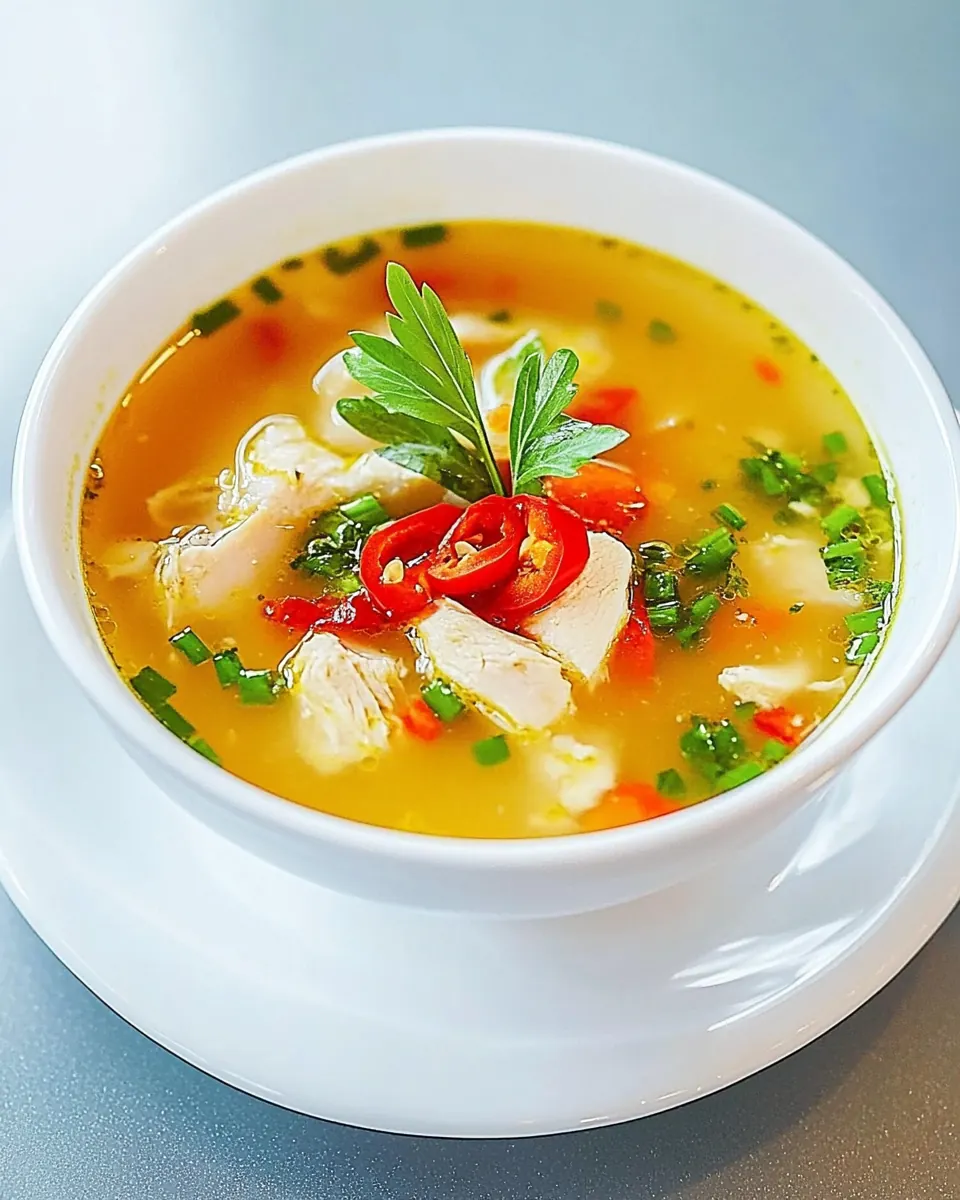
Chicken Turmeric Soup
Chicken Turmeric Soup is the kind of bowl I reach for when the house feels chilly and I want something honest, warming, and quietly spiced. The first time I made it, I was coming in from a blustery day and needed food that soothed both throat and mood, so I pulled together pantry staples and let the pot do the work. That first spoonful, bright with turmeric and finished with a squeeze of lemon, stayed with me for days.
Over the years I’ve tweaked the balance between broth and grains so the texture can be silky or hearty depending on what we need. I remember a night when I added extra cilantro because guests loved the fresh lift it gave, and another evening when I skipped the grains to keep it very light. Each variation taught me something about rhythm and timing, and how simple aromatics transform a stock into comfort.
Recipe Snapshot
50 mins
10 mins
40 mins
Medium
400 kcal
American
Gluten-Free, Paleo
Soups
Large soup pot, Wooden spoon
Why You Need This Chicken Turmeric Soup
Rich, warming flavor with humble ingredients
I love how Chicken Turmeric Soup turns a few everyday items into something satisfying and soulful. The combination of turmeric and lemon juice brightens the broth, while toasted mustard seed adds a gentle, nutty edge. I often tell friends that you do not need fancy pantry items to get deep flavor, you just need to respect timing when cooking the aromatics.
Flexible, family friendly, and forgiving
This soup is forgiving, which makes it a weeknight hero. I’ve used either quinoa or brown rice depending on what I have, and both work. If you have guests who like heartier bowls, add a bit more grain. When I want a lighter meal, I keep the stock more broth forward and add greens at the end.
Balanced spice without heat overload
With only a pinch of cayenne pepper the soup warms rather than overwhelms. That controlled heat lets the earthy note of turmeric and the tang of lemon juice shine. I appreciate recipes that season gently, because they’re approachable for both kids and spice shy diners.
Nutritious, wholesome, and restorative
It feels like medicine and a meal at once. The lean chicken breasts provide protein, while the mix of carrots, celery, and onion builds body and natural sweetness. I often serve it to friends recovering from colds, and everyone remarks on how light yet filling it is.
Easy to scale and prepare ahead
I frequently double the batch and refrigerate half for later. Reheating only improves the melding of flavors, and the texture of the grains holds up well. If you want to meal prep, cook the grains separately and add them when serving so they do not soak up too much broth.
Recipe Ingredients for Chicken Turmeric Soup
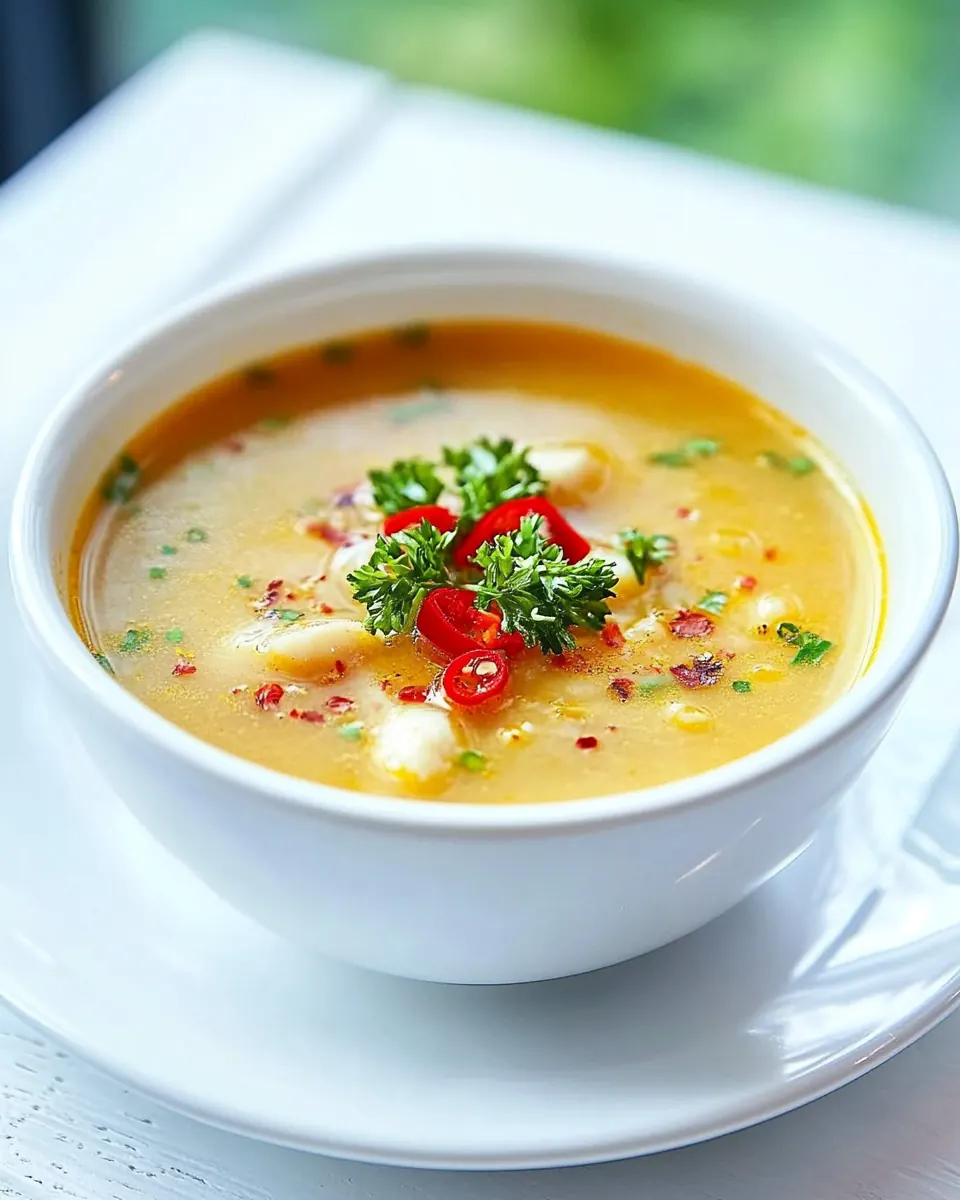
I think of these ingredients as a small orchestra, each playing a clear role. The aromatics create the base, the turmeric and spices color and deepen the profile, and the chicken broth ties everything together. The grains offer substance while the finishing cilantro and lemon juice bring brightness that keeps the soup lively.
- 2 tablespoons olive oil: Heat olive oil at medium temperature to create a flavorful cooking medium and help soften aromatics; it also adds richness and helps meld spices throughout the soup.
- 2 garlic cloves minced: Mince garlic cloves finely to release pungent oils and aromatic compounds that build savory depth; add early to bloom flavor into the oil without burning.
- 1 sweet onion diced: Dice sweet onion into small pieces to provide natural sweetness and body; sauté until translucent to form a mellow aromatic base for the broth.
- 3 carrots chopped: Chop carrots into bite-sized pieces to contribute subtle sweetness, color, and texture; simmer until tender so their sugars balance the savory elements.
- 3 celery stalks chopped: Chop celery stalks to add mild herbal bitterness and aromatic crunch; cook with the other vegetables to enhance the overall savory backbone of the soup.
- 1 1/2 pounds boneless and skinless chicken breasts sliced into thin strips: Slice boneless and skinless chicken breasts into thin strips to ensure quick, even cooking and tender bites; simmer gently in the broth to infuse protein with spice flavors.
- 1 tablespoon turmeric powder: Measure turmeric powder to impart warm, earthy color and a slightly bitter, peppery flavor; whisk into the oil or broth early to release its color and healthful compounds.
- 1/4 teaspoon mustard seed: Add mustard seed sparingly to introduce a subtle nutty pungency and slight texture; toast briefly if desired to awaken its aromatic oils before combining with liquids.
- 1/4 teaspoon cayenne pepper: Sprinkle cayenne pepper in small amount to bring controlled heat and bright spice; adjust to taste to lift flavors without overpowering the soup.
- 1 teaspoon ea salt: Season with salt to enhance and balance all flavors, aiding in extraction of savory notes from vegetables and chicken; add gradually and taste as the soup reduces.
- 6 cups chicken broth low-sodium: Pour low-sodium chicken broth as the cooking liquid to provide savory umami base while allowing salt control; simmer with ingredients to concentrate flavor.
- 1 tablespoon lemon juice: Stir in lemon juice near the end to brighten and balance richness with fresh acidity; add slowly and taste to achieve lively finish.
- 1 cup quinoa or brown rice, cooked: Include cooked quinoa or brown rice to add hearty texture, fiber, and body; fold in warmed grains to make the soup more filling without diluting flavor.
- 1 bunch cilantro chopped, for garnish: Chop cilantro for a fresh, herbaceous garnish that adds bright, citrusy notes; sprinkle on top just before serving to preserve its vivid color and aroma.
How to Cook Chicken Turmeric Soup
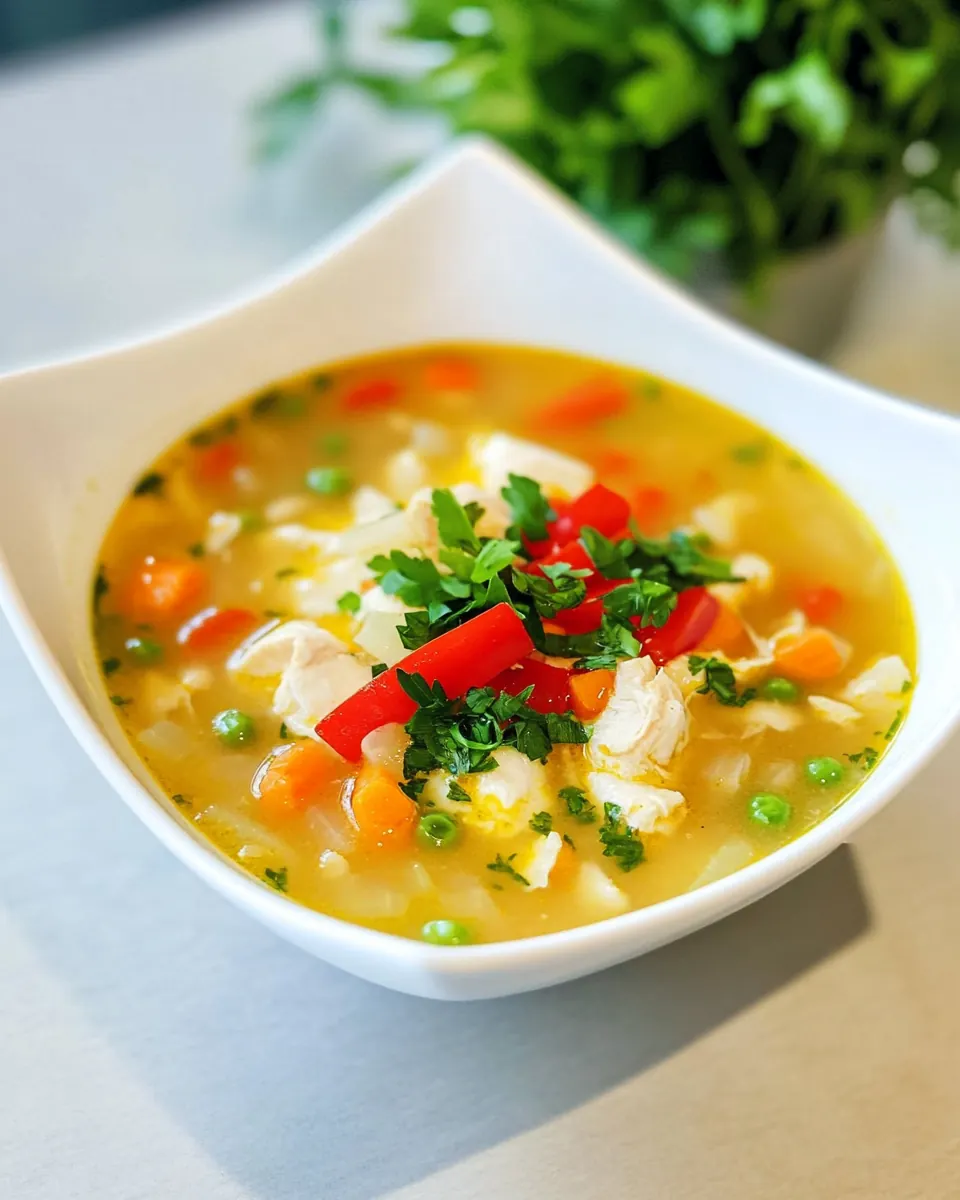
This soup comes together quickly if you’re organized, and the steps encourage attention to aroma and texture rather than strict timing. Read the list through once, then proceed in order so your aromatics, chicken, and broth harmonize. Keep a spoon nearby for tasting and an eye on the pot so nothing overcooks.
- Heat the olive oil in a large soup pot over medium heat. Add garlic and cook for 1 to 2 minutes, then add onion, carrots, and celery. Cook for a few minutes until the vegetables begin to soften, then add chicken. Cook for another 4 minutes, stirring so all sides of the chicken cook. Add the turmeric, mustard seed, cayenne, and salt, then pour in the chicken broth and lemon juice.: When the oil first shimmers you will notice a faint, warm scent that promises flavor. This stage is all about building a gentle cooking environment, the oil should coat the bottom and ripple slightly without smoking. The reason we start at medium is to slowly extract flavors from the upcoming aromatics rather than searing them harshly. If the oil starts to smoke reduce the heat immediately, because burned oil will impart bitterness. A common error is cranking the heat too high which scorches garlic and ruins the base aroma, so watch for gentle movement rather than aggressive bubbling.
- Bring to a boil, then simmer for about half an hour. Add cooked quinoa or rice and top with chopped cilantro.: As the garlic hits the warm oil it should sizzle softly and release a fragrant, savory perfume that is sharper at first then mellows. After about 1 to 2 minutes the garlic will be aromatic but not brown, that is the cue to add the diced onion , chopped carrots , and chopped celery . These vegetables will start to soften and release sweetness, painting the pot with gentle steam and a cozy scent. Stir often so nothing sticks, because stuck vegetables will char and introduce bitter notes. Avoid heavy browning here unless you want a deeper roasted flavor; for this recipe we seek gentle translucence.
- Cook for a few minutes until the vegetables begin to soften, then add chicken: As the vegetables sweat, you will see the onion turn translucent and the edges of the carrots and celery yield slightly, releasing a mild sweetness. At that point add the sliced chicken breasts in an even layer so each strip gets contact with the warm pan and oil. The chicken will make faint sizzling noises and quickly change from glossy to opaque. This helps the meat seal and lock in juices so it stays tender in the broth. Overcrowding the pan can cause steaming rather than searing, which affects texture, so give the pieces space or add in batches if needed.
- Cook for another 4 minutes, stirring so all sides of the chicken cook: During these minutes you will notice the chicken firming and emitting a light roasted scent as it cooks. Stir gently to rotate the strips and ensure even doneness, because unevenly cooked pieces will be either rubbery or underdone. This step creates Maillard notes and a savory base that deepens the final broth. A frequent mistake is leaving large pieces untouched, which leads to inconsistent cooking, so stir every minute or so until the meat is uniformly opaque.
- Add the turmeric, mustard seed, cayenne, and salt, then pour in the chicken broth and lemon juice: When you add the turmeric and spices they should bloom briefly in the hot oil and juices, releasing a warm, earthy aroma and brightening the color to a golden hue. The tiny mustard seeds may pop and add toasty notes, while a pinch of cayenne pepper introduces gentle heat that you will sense more in the finish. Stir so the spices coat the chicken and vegetables, then pour in the measured chicken broth and the lemon juice , which will lift the scent into a lively citrusy ribbon. Adding the liquid now helps deglaze the pot and capture those flavorful browned bits. If you pour boiling broth into a cold pot it can cool the mixture too quickly, so use room temperature or warm broth when possible.
- Bring to a boil, then simmer for about half an hour: As the pot comes to a gentle boil you will see steam rise and the surface briefly ripple before settling into a steady simmer. Lower the heat so the broth moves with soft bubbles and the aromas meld slowly. Simmering for about half an hour allows the flavors to knit and the vegetables to become tender without disintegrating. The smell will evolve into a comforting, layered fragrance, with the turmeric providing an earthy backbone and the chicken turning tender. A common misstep is boiling too vigorously, which evaporates liquid and concentrates salt, so maintain a gentle simmer and cover partially if necessary.
- Add cooked quinoa or rice and top with chopped cilantro: Near the end add the cooked quinoa or brown rice so it warms through and plumps without becoming mushy. The grains will absorb some broth, creating a fuller mouthfeel and more satisfying bowl. Finish by scattering chopped cilantro over each serving, which adds fresh herbal brightness and a slight citrusy finish. If you add the grains too early they will over-soak and turn gluey, so timing here preserves both texture and flavor.
Making Adjustments
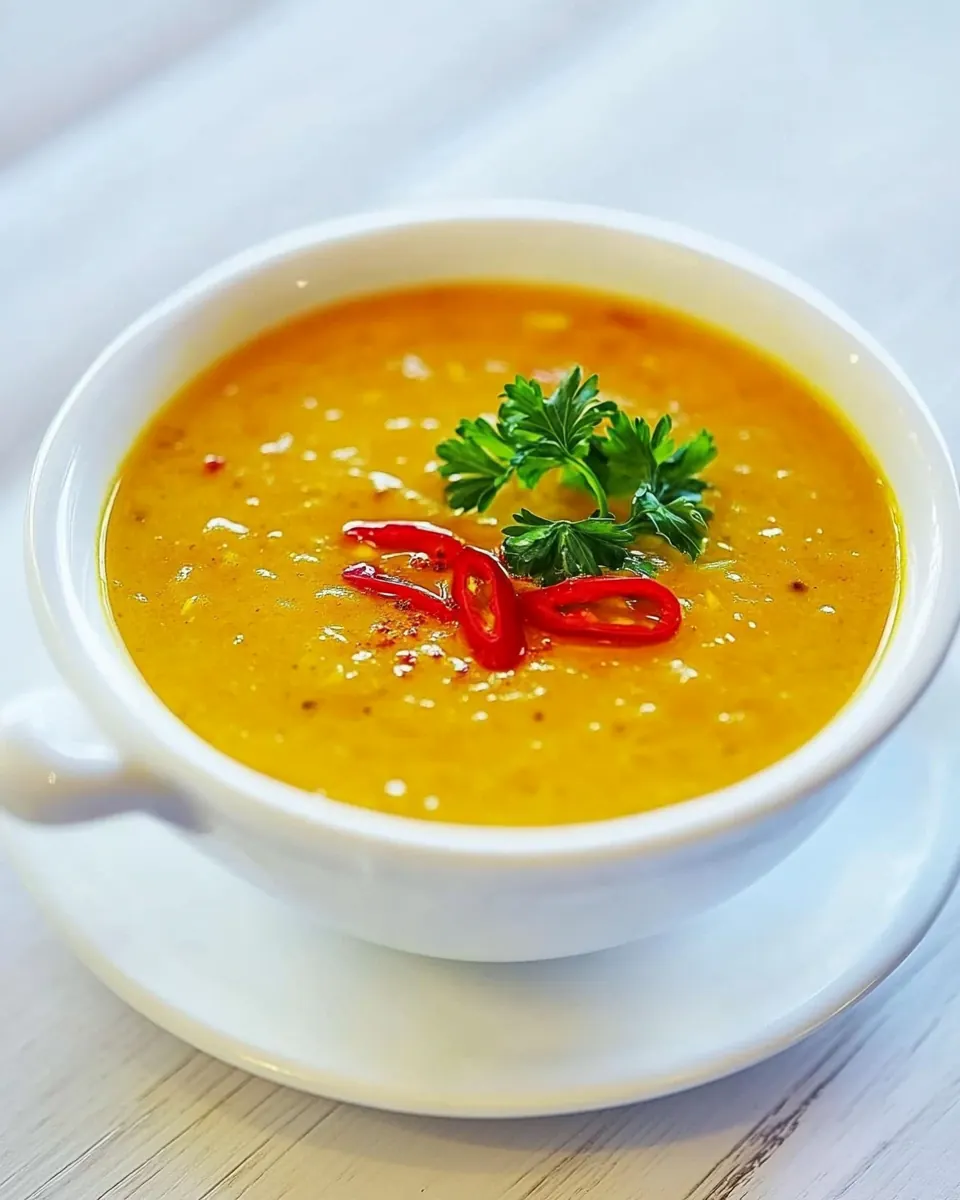
This section helps you personalize the Chicken Turmeric Soup to taste and pantry constraints. The list below expands practical notes, substitutions, and serving ideas so you can adapt the recipe without losing balance. Each tip begins with a bold lead phrase to make scanning easier.
- Adjusting heat: If you prefer milder spice omit or reduce the cayenne pepper. Start with a small pinch and taste after simmering, because heat concentrates as the soup reduces.
- Grain choices: Use cooked quinoa for a lighter, slightly nutty texture, or cooked brown rice for a chewier, more filling bowl. Cook grains separately and stir in just before serving to retain texture.
- Make ahead and storage: The soup keeps well refrigerated for up to four days, and flavors often deepen overnight. Store grains separately if you prefer a broth forward texture when reheating.
- Brightening at the finish: Adding lemon juice at the end lifts the flavors dramatically. Add it last and taste, because a little goes a long way.
- Protein swap guidance: While this recipe centers on chicken breasts, you can use other neutral white meats following the same slicing and timing approach to maintain tenderness.
- Texture control: If you like a chunkier soup leave the vegetables slightly larger, for a silky bowl dice finer and simmer a bit longer until soft.
Accompaniments for Chicken Turmeric Soup
This soup is versatile and pairs well with simple, fresh sides. The list below outlines pairing ideas, suitable occasions, and practical serving notes so you can present the bowl in ways that highlight its warmth and brightness. Use the bolded phrases to quickly identify the serving style.
- Crusty bread: A warm loaf offers soaking power for the broth and creates a comforting contrast of textures, especially for casual dinners.
- Light salad: A crisp green salad with a bright vinaigrette complements the warm, earthy notes of the soup and adds a refreshing counterpoint for lunch or light supper.
- Simple roasted vegetables: Roast seasonal vegetables at medium heat until caramelized for a heartier meal when serving for dinner or weekend gatherings.
- Family friendly bowls: Serve the soup with separate bowls of cooked quinoa or brown rice so guests can customize portion size and texture.
- Occasion suggestions: The soup is ideal for cozy winter evenings, casual weeknights, or as a restorative dish during recovery from mild illness; its gentle spices and bright finish make it suitable for both intimate and family meals.
- Storage tips: Refrigerate in airtight containers for up to four days, or freeze in portions for up to three months. Thaw gently and add fresh cilantro and lemon juice before serving to revive the flavors.
- Seasonal variations: In colder months lean into heartier grains, while in milder weather keep it broth forward and finish with extra fresh herbs for brightness.
FAQ
Conclusion
What makes this Chicken Turmeric Soup special is its balance of warm, earthy turmeric and bright lemon, combined with tender chicken and satisfying grains. It’s a recipe that comforts without feeling heavy, and it adapts easily to what you have on hand. Give it a try on a chilly evening or when you want a nourishing bowl that feels like a hug, and let the simple layering of aromatics and spices show you how small techniques transform humble ingredients into something memorable.
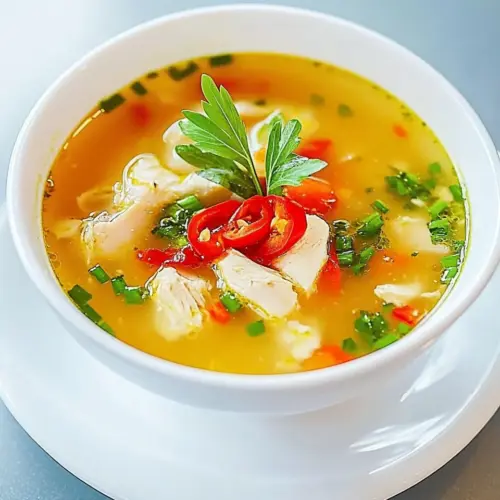
Chicken Turmeric Soup
Equipment
- Large soup pot
- Wooden Spoon
Ingredients
- 2 tablespoons olive oil Heat olive oil at medium temperature to create a flavorful cooking medium and help soften aromatics; it also adds richness and helps meld spices throughout the soup.
- 2 garlic cloves minced Mince garlic cloves finely to release pungent oils and aromatic compounds that build savory depth; add early to bloom flavor into the oil without burning.
- 1 sweet onion diced Dice sweet onion into small pieces to provide natural sweetness and body; sauté until translucent to form a mellow aromatic base for the broth.
- 3 carrots chopped Chop carrots into bite-sized pieces to contribute subtle sweetness, color, and texture; simmer until tender so their sugars balance the savory elements.
- 3 celery stalks chopped Chop celery stalks to add mild herbal bitterness and aromatic crunch; cook with the other vegetables to enhance the overall savory backbone of the soup.
- 1 1/2 pounds boneless and skinless chicken breasts sliced into thin strips Slice boneless and skinless chicken breasts into thin strips to ensure quick, even cooking and tender bites; simmer gently in the broth to infuse protein with spice flavors.
- 1 tablespoon turmeric powder Measure turmeric powder to impart warm, earthy color and a slightly bitter, peppery flavor; whisk into the oil or broth early to release its color and healthful compounds.
- 1/4 teaspoon mustard seed Add mustard seed sparingly to introduce a subtle nutty pungency and slight texture; toast briefly if desired to awaken its aromatic oils before combining with liquids.
- 1/4 teaspoon cayenne pepper Sprinkle cayenne pepper in small amount to bring controlled heat and bright spice; adjust to taste to lift flavors without overpowering the soup.
- 1 teaspoon ea salt Season with salt to enhance and balance all flavors, aiding in extraction of savory notes from vegetables and chicken; add gradually and taste as the soup reduces.
- 6 cups chicken broth low-sodium Pour low-sodium chicken broth as the cooking liquid to provide savory umami base while allowing salt control; simmer with ingredients to concentrate flavor.
- 1 tablespoon lemon juice Stir in lemon juice near the end to brighten and balance richness with fresh acidity; add slowly and taste to achieve lively finish.
- 1 cup quinoa or brown rice, cooked Include cooked quinoa or brown rice to add hearty texture, fiber, and body; fold in warmed grains to make the soup more filling without diluting flavor.
- 1 bunch cilantro chopped, for garnish Chop cilantro for a fresh, herbaceous garnish that adds bright, citrusy notes; sprinkle on top just before serving to preserve its vivid color and aroma.
Instructions
- Heat the olive oil in a large soup pot over medium heat. Add garlic and cook for 1 to 2 minutes, then add onion, carrots, and celery. Cook for a few minutes until the vegetables begin to soften, then add chicken. Cook for another 4 minutes, stirring so all sides of the chicken cook. Add the turmeric, mustard seed, cayenne, and salt, then pour in the chicken broth and lemon juice.: When the oil first shimmers you will notice a faint, warm scent that promises flavor. This stage is all about building a gentle cooking environment, the oil should coat the bottom and ripple slightly without smoking. The reason we start at medium is to slowly extract flavors from the upcoming aromatics rather than searing them harshly. If the oil starts to smoke reduce the heat immediately, because burned oil will impart bitterness. A common error is cranking the heat too high which scorches garlic and ruins the base aroma, so watch for gentle movement rather than aggressive bubbling.
- Bring to a boil, then simmer for about half an hour. Add cooked quinoa or rice and top with chopped cilantro.: As the garlic hits the warm oil it should sizzle softly and release a fragrant, savory perfume that is sharper at first then mellows. After about 1 to 2 minutes the garlic will be aromatic but not brown, that is the cue to add the diced onion , chopped carrots , and chopped celery . These vegetables will start to soften and release sweetness, painting the pot with gentle steam and a cozy scent. Stir often so nothing sticks, because stuck vegetables will char and introduce bitter notes. Avoid heavy browning here unless you want a deeper roasted flavor; for this recipe we seek gentle translucence.
- Cook for a few minutes until the vegetables begin to soften, then add chicken: As the vegetables sweat, you will see the onion turn translucent and the edges of the carrots and celery yield slightly, releasing a mild sweetness. At that point add the sliced chicken breasts in an even layer so each strip gets contact with the warm pan and oil. The chicken will make faint sizzling noises and quickly change from glossy to opaque. This helps the meat seal and lock in juices so it stays tender in the broth. Overcrowding the pan can cause steaming rather than searing, which affects texture, so give the pieces space or add in batches if needed.
- Cook for another 4 minutes, stirring so all sides of the chicken cook: During these minutes you will notice the chicken firming and emitting a light roasted scent as it cooks. Stir gently to rotate the strips and ensure even doneness, because unevenly cooked pieces will be either rubbery or underdone. This step creates Maillard notes and a savory base that deepens the final broth. A frequent mistake is leaving large pieces untouched, which leads to inconsistent cooking, so stir every minute or so until the meat is uniformly opaque.
- Add the turmeric, mustard seed, cayenne, and salt, then pour in the chicken broth and lemon juice: When you add the turmeric and spices they should bloom briefly in the hot oil and juices, releasing a warm, earthy aroma and brightening the color to a golden hue. The tiny mustard seeds may pop and add toasty notes, while a pinch of cayenne pepper introduces gentle heat that you will sense more in the finish. Stir so the spices coat the chicken and vegetables, then pour in the measured chicken broth and the lemon juice , which will lift the scent into a lively citrusy ribbon. Adding the liquid now helps deglaze the pot and capture those flavorful browned bits. If you pour boiling broth into a cold pot it can cool the mixture too quickly, so use room temperature or warm broth when possible.
- Bring to a boil, then simmer for about half an hour: As the pot comes to a gentle boil you will see steam rise and the surface briefly ripple before settling into a steady simmer. Lower the heat so the broth moves with soft bubbles and the aromas meld slowly. Simmering for about half an hour allows the flavors to knit and the vegetables to become tender without disintegrating. The smell will evolve into a comforting, layered fragrance, with the turmeric providing an earthy backbone and the chicken turning tender. A common misstep is boiling too vigorously, which evaporates liquid and concentrates salt, so maintain a gentle simmer and cover partially if necessary.
- Add cooked quinoa or rice and top with chopped cilantro: Near the end add the cooked quinoa or brown rice so it warms through and plumps without becoming mushy. The grains will absorb some broth, creating a fuller mouthfeel and more satisfying bowl. Finish by scattering chopped cilantro over each serving, which adds fresh herbal brightness and a slight citrusy finish. If you add the grains too early they will over-soak and turn gluey, so timing here preserves both texture and flavor.
Notes
- Adjusting heat: If you prefer milder spice omit or reduce the cayenne pepper. Start with a small pinch and taste after simmering, because heat concentrates as the soup reduces.
- Grain choices: Use cooked quinoa for a lighter, slightly nutty texture, or cooked brown rice for a chewier, more filling bowl. Cook grains separately and stir in just before serving to retain texture.
- Make ahead and storage: The soup keeps well refrigerated for up to four days, and flavors often deepen overnight. Store grains separately if you prefer a broth forward texture when reheating.
- Brightening at the finish: Adding lemon juice at the end lifts the flavors dramatically. Add it last and taste, because a little goes a long way.
- Protein swap guidance: While this recipe centers on chicken breasts, you can use other neutral white meats following the same slicing and timing approach to maintain tenderness.
- Texture control: If you like a chunkier soup leave the vegetables slightly larger, for a silky bowl dice finer and simmer a bit longer until soft.
