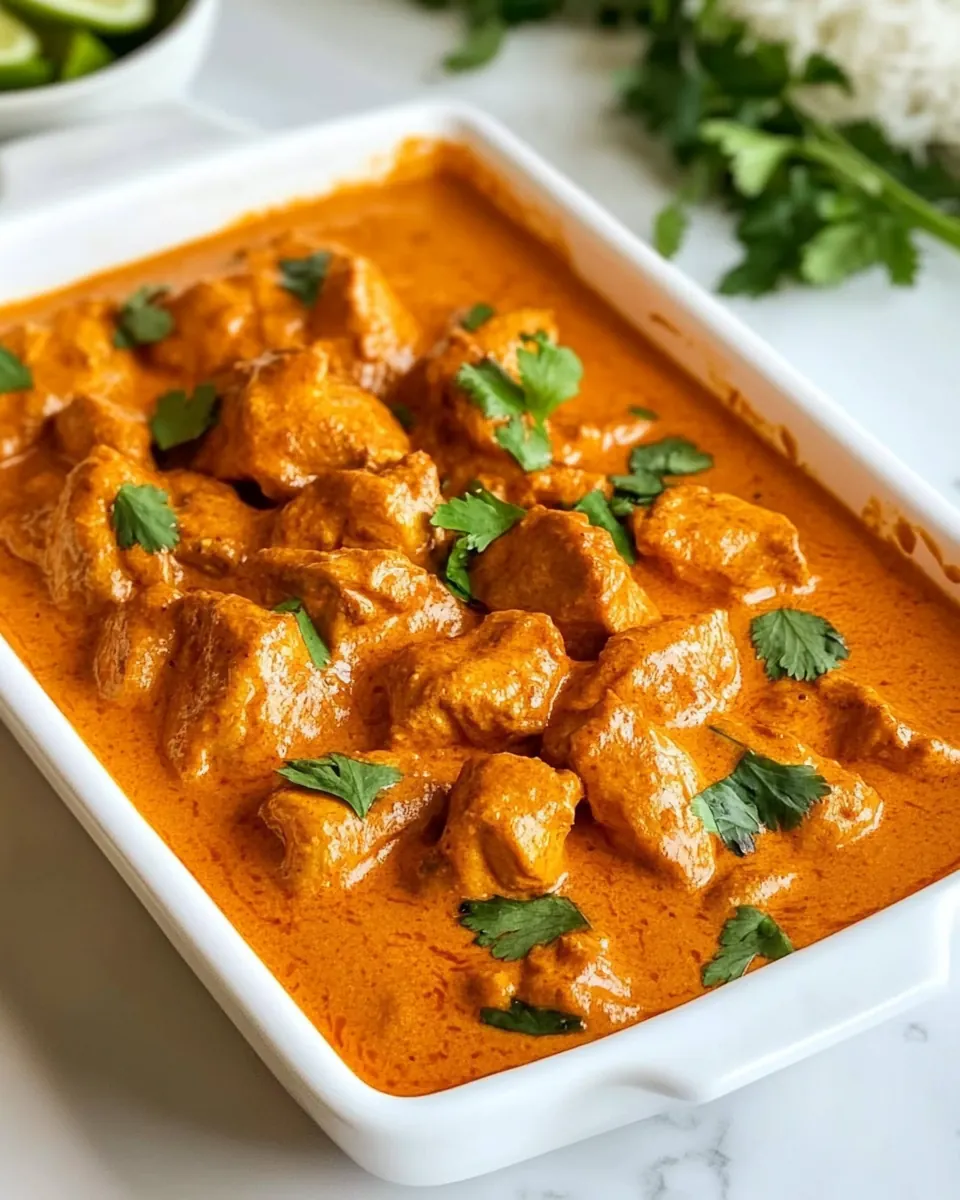
Indian Butter Chicken
Indian Butter Chicken is the kind of dish I turn to when I want a hug on a plate, a recipe that folds warmth and spice into a single, comforting bowl.
Years ago I learned to make Indian Butter Chicken after a chilly evening when a friend arrived with a stack of well worn cookbooks and a craving for something rich and soothing. We experimented with different balances of spice and cream until the sauce sang, and from then on this dish became my shortcut to hospitality. I still remember the first time I served it to a skeptical neighbor who had never tried curry before, and how the room went quiet while everyone took their first bite.
That memory taught me two things about Indian Butter Chicken: one, marinating the chicken in yogurt and spices changes the texture in a subtle but magical way, and two, the final stir of cream and butter is where the sauce finds its soul. I like to make a double batch sometimes, because leftovers reheat beautifully the next day, and because it makes my kitchen smell like celebration for hours. Over time I learned small tricks, like gently browning the chicken so it develops a caramelized edge, and tasting for salt at the end so the sauce isn’t flat.
Recipe Snapshot
30 mins
5 mins
25 mins
Easy
450 kcal
Indian
Gluten-Free, Keto
Dinner
Large skillet, Ziplock bag
What We Adore About This Indian Butter Chicken
Rich, Silky Sauce That Feels Luxurious
I love how the sauce of Indian Butter Chicken is simultaneously rich and balanced. The combination of tomato sauce, heavy cream, and a spoon of butter creates a velvety texture that coats each bite without feeling greasy. When I stir it gently and watch it thicken, the aroma deepens and you know the sauce will cling to the chicken in the most satisfying way.
Simple Ingredients, Big Flavor
What thrills me is how everyday pantry items transform into something extraordinary. The spices like Garam Masala Indian spice and turmeric bring warmth and complexity, while the yogurt tenderizes the chicken and adds a subtle tang. You do not need an army of exotic items to get that signature flavor, and I often find myself improvising with what I have on hand.
Make Ahead Magic
Marinating the chicken in the spiced yogurt is a quiet act that pays off later. When I let the pieces sit for hours, the flesh becomes tender and the flavor penetrates beyond the surface. It is one of those small investments of time that makes dinner feel intentional and relaxed, especially when guests arrive.
Comfort Food with a Crowd Pleasing Factor
This recipe is a crowd pleaser because the sauce is approachable, yet exotic enough to feel special. I love serving it for a casual weeknight or a celebratory dinner, because everyone at the table finds something to love. The balance of creamy, savory, and mildly spicy notes means it pairs beautifully with plain rice or bread, and people keep coming back for seconds.
Flexible to Your Preferences
One of the reasons I keep this recipe in regular rotation is how forgiving it is. You can tweak the heat, swap dairy, or change cuts of chicken without losing the essence. That freedom makes me more adventurous in the kitchen, because I know the recipe will respond kindly to modest changes.
Indian Butter Chicken Shopping List
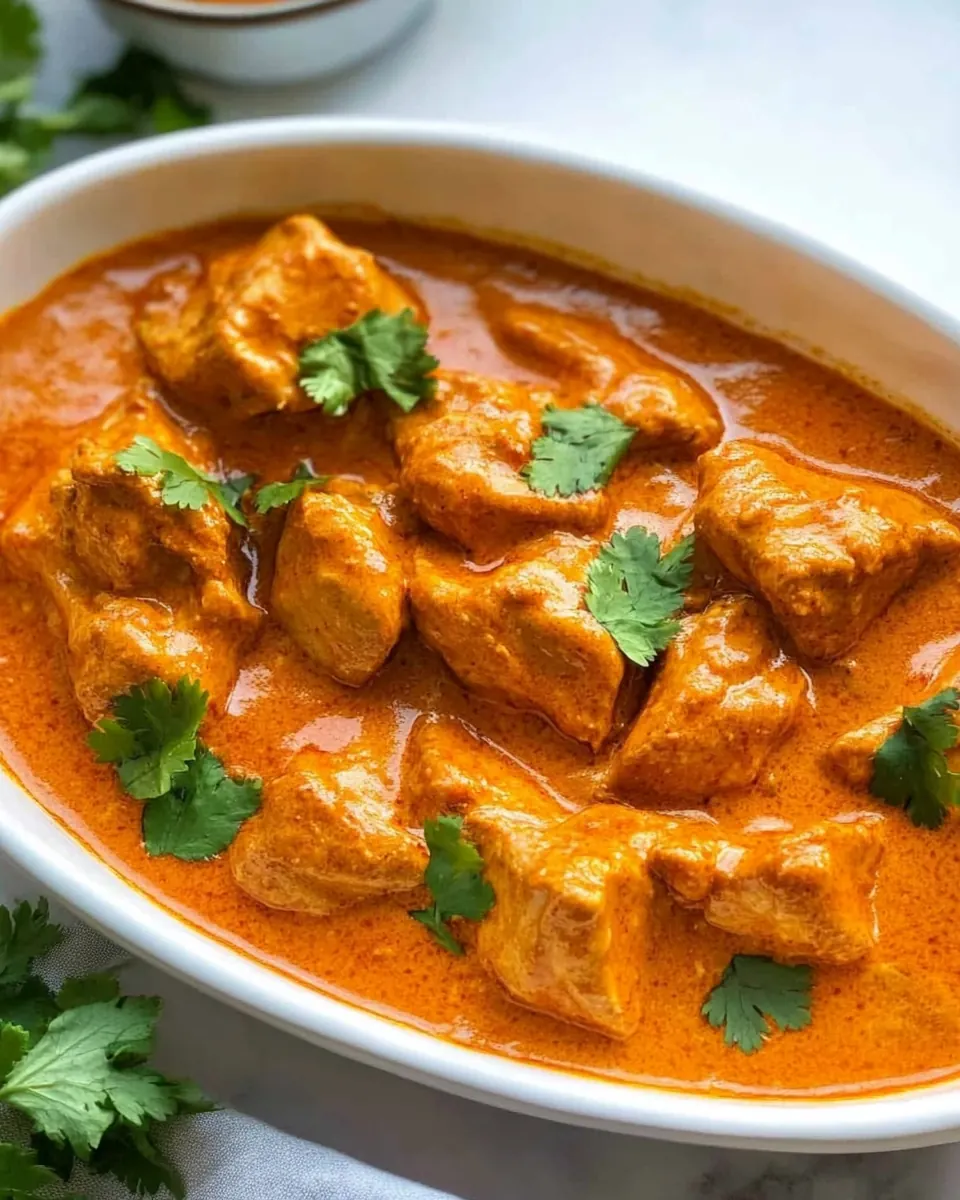
These ingredients form a chorus that sings together. The key players are the spiced yogurt marinade, the caramelized chicken bits, and the creamy tomato based sauce that ties everything together. Each item plays a role, from tenderizing to building depth, and the result is greater than the sum of the parts.
- 3/4 cup full-fat plain yogurt: Provide creamy tang and tenderizing power to the marinade, helping to infuse flavor and keep chicken moist during cooking. Combine smoothly with spices to create a base that balances acidity and richness for the dish. Use full-fat for optimal texture and mouthfeel in the finished sauce.
- 2 cloves garlic minced: Add pungent savory depth when minced and mixed into marinades and sauces, releasing aromatic oils that enhance overall flavor. Cook briefly with butter to mellow sharpness while building a fragrant foundation for the curry. Use freshly minced garlic for the brightest, most intense aroma.
- 1 tablespoon lemon juice from 1/2 lemon: Contribute bright acidity and subtle citrus aroma to the marinade, helping to tenderize proteins and balance richer elements in the sauce. Squeeze fresh lemon juice for the cleanest flavor impact rather than bottled alternatives. Use measured amount to avoid overpowering other spices.
- 1 tablespoon grated fresh ginger: Impart fresh, warming, slightly sweet zing to the marinade and sauce, complementing garlic and spices while adding complexity. Grate fresh ginger finely so it distributes evenly and releases its essential oils. Use fresh ginger to achieve lively, authentic flavor.
- 1 tablespoon Garam Masala Indian spice: Provide a fragrant, complex blend of warm spices that defines the curry’s characteristic flavor profile, including notes of cinnamon, cardamom, cloves, and cumin. Stir into the marinade and sauce to anchor the dish’s Indian identity. Use garam masala near the end of cooking for the brightest aroma if desired.
- 1 teaspoon ground turmeric: Deliver warm, earthy color and gentle bitterness that supports the curry’s spice blend and contributes to the sauce’s signature hue. Mix into the marinade so the turmeric distributes evenly and enhances visual appeal. Use measured amount to avoid overpowering other spices.
- 1/2 teaspoon ground cumin: Bring a subtle nutty, warm undertone to the spice blend, complementing garam masala and turmeric without overwhelming. Stir into the marinade to layer savory spice notes and contribute to overall balance. Use ground cumin for consistency in texture and flavor.
- 1/2 teaspoon kosher salt: Season the chicken and sauce to enhance and elevate all other flavors while helping to draw moisture from the meat for even cooking. Dissolve into wet marinades and sprinkle during cooking for controlled salinity. Use kosher salt for straightforward measurement and taste.
- 1/4 teaspoon ground black pepper: Add mild heat and aromatic sharpness with a background peppery quality that complements warmer spices. Mix into the marinade to ensure subtle pepper notes throughout the dish. Use freshly ground black pepper for the best flavor impact.
- 1/4 teaspoon ground cayenne pepper or more to taste: Introduce concentrated heat and smoky fruity spice to the dish, allowing control over spice level by adjusting quantity to taste. Blend into the marinade and sauce cautiously to build warmth rather than outright spiciness. Use cayenne sparingly if sensitive to heat.
- 1 1/2 pounds boneless, skinless chicken thighs cut into 1-inch pieces: Provide rich, tender protein with enough fat to produce succulent texture and absorb marinades, delivering hearty substance to the curry. Cut into uniform 1-inch pieces for even cooking and maximum surface area for flavor absorption. Use boneless, skinless thighs for juiciness and forgiving cook times.
- 3 tablespoons unsalted butter (3/8 stick): Contribute luxurious mouthfeel and nutty richness when melted to begin the sauce, helping to sauté aromatics and meld flavors. Add butter at the start and finish as needed to round out the sauce and create a glossy finish. Use unsalted butter to control overall seasoning.
- 8 ounces tomato sauce (1 can): Offer concentrated tomato flavor and body to form the saucy base, providing acidity and sweetness that bind the cream and spices. Pour in and simmer to integrate with garlic, ginger, and spices for a balanced tomato-forward curry. Use plain tomato sauce for smooth consistency.
- 1 cup heavy cream: Lend silky richness and mellow dairy sweetness to the sauce, tempering tomato acidity and creating the dish’s signature creamy texture. Stir in near the end of cooking to avoid curdling and to achieve a smooth, velvety finish. Use heavy cream for traditional richness.
- 1 tablespoon tomato paste: Supply concentrated tomato intensity and deeper umami when mixed into the sauce, boosting color and thickness for a robust finish. Stir in small amounts and simmer to dissolve paste fully and enrich overall tomato flavor. Use a measured tablespoon to avoid overpowering.
- 1/2 tablespoon granulated sugar: Add a touch of sweetness to balance tomato acidity and spices, smoothing sharp edges and rounding the sauce’s flavor profile. Dissolve into the simmering sauce so sugar integrates evenly and enhances subtle caramel notes. Use granulated sugar sparingly for harmony.
- Fresh cilantro , for serving (optional): Provide a fresh herbal finish and bright garnish that cuts through the richness of the sauce when chopped and sprinkled over servings. Add optional cilantro just before serving to lift flavors and add color contrast. Use cilantro leaves for their aromatic, slightly citrusy quality.
Step by Step Instructions for Indian Butter Chicken
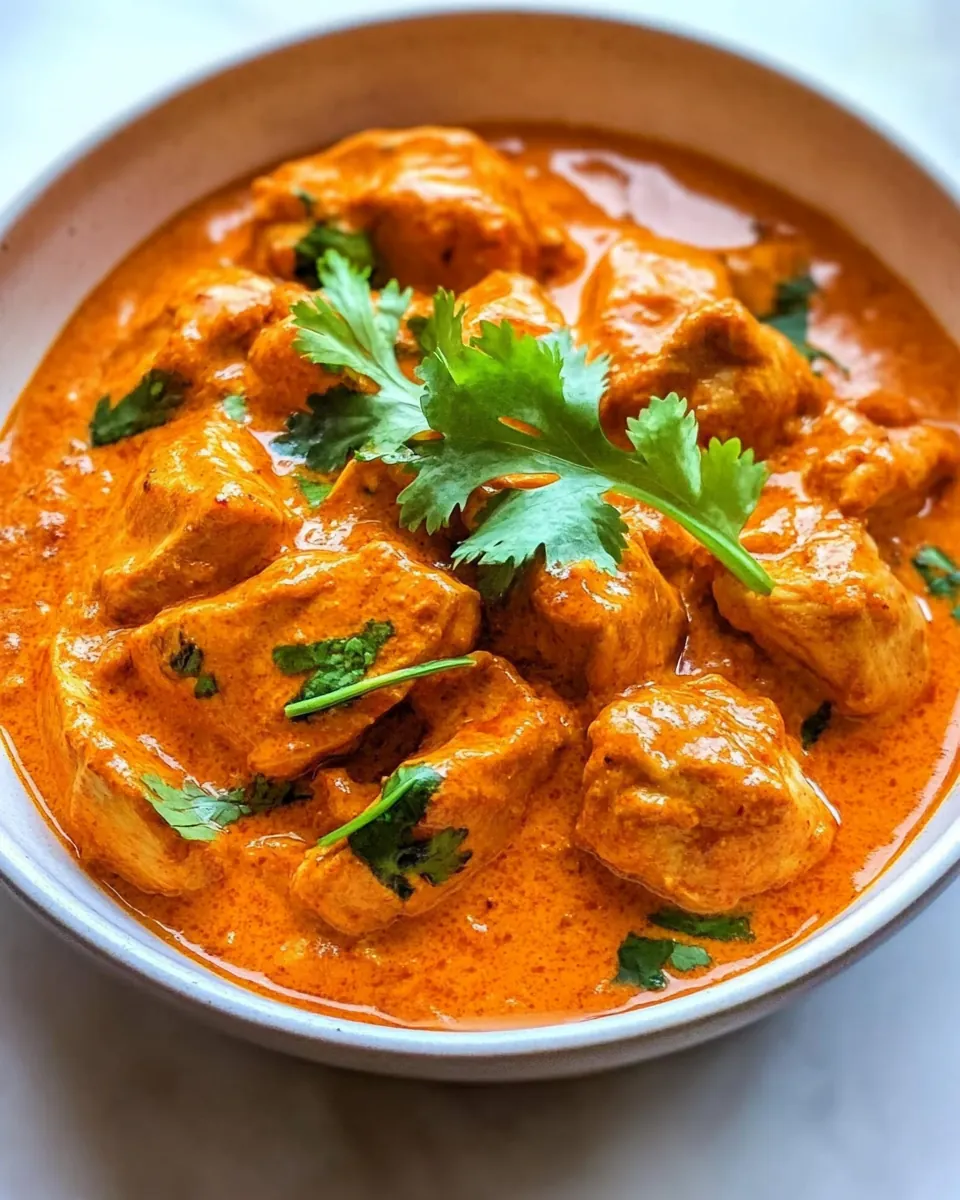
These directions are written so you can follow along confidently, from marinating to the final silky sauce. Read each step fully, and take a moment to observe the sensory cues I describe so you know you are on track.
- Add the yogurt, garlic, lemon juice, ginger, garam masala, turmeric, cumin, salt, and peppers in a large Ziplock bag. Gently smush the spices into the yogurt to combine, then add the chicken pieces to the bag, massaging to coat it in the spiced yogurt.: When you mix these ingredients, breathe in the bright, tangy aroma of yogurt mingled with the warm perfume of Garam Masala Indian spice and ginger . The texture should feel creamy, and you will see flecks of spices suspended in the yogurt . This step is crucial because the acidic yogurt begins to tenderize the chicken , and massaging ensures even coating so every piece receives equal flavor. A common mistake is to rush and not fully incorporate the spices, which leads to uneven seasoning. If the mixture seems dry, press down on the bag to break up clumps and redistribute the marinade. Keep an eye on salt distribution, because it will concentrate in spots if not mixed thoroughly.
- Seal the Ziplock bag and refrigerate for at least 3 hours, or overnight.: As the mixture chills, the scent settles and the flavors deepen quietly in the cold. You will notice the chicken firming slightly as the marinade works its tenderizing magic, and the texture becomes more yielding. This slow transformation matters for final juiciness, because it allows spices to penetrate the flesh rather than merely coating the surface. A typical pitfall is skimping on time, which yields less tender meat and a shallower flavor profile. If you are short on time, prioritize at least three hours rather than skipping marination entirely. Keep the bag flat in the fridge so the marinade contacts the pieces evenly.
- In a large skillet, melt the butter (or ghee) over medium-high heat. Working in batches, cook the coated chicken pieces in the skillet for 2-4 minutes, flipping once, until the outside of the chicken is a light golden brown.: When the butter melts it will foam briefly and release a nutty aroma, signaling the pan is ready. As you add the marinated chicken pieces, you should hear a confident sizzle, and within moments small caramelized spots will appear where the sugars and proteins meet the hot surface. Browning creates flavor through the Maillard reaction, and those golden edges add depth to the sauce later. Avoid overcrowding the pan because that lowers the temperature and causes steaming instead of browning, which prevents development of color and texture. Work in batches so each piece has space, and watch for a gentle golden hue rather than deep charring.
- Add the tomato sauce, cream, tomato paste, and sugar to the skillet, then stir until well combined. Reduce the heat to medium-low and simmer for 20 minutes, stirring occasionally, until thickened. Taste and adjust seasonings as desired.: As the tomato sauce hits the pan, it will bubble and release a sweet acidity that brightens the air. Stirring in the heavy cream calms that edge, creating a smoother, creamier consistency, and the tomato paste will deepen the color and body of the sauce. Simmering gently allows water to evaporate, concentrating flavors and producing a silky coat for the chicken . You should notice the sauce reduce and cling more to the spoon, and the aroma will shift from sharp tomato to warm, rounded curry. A common misstep is boiling aggressively, which can split the cream or scorch the sauce; keep the heat low and stir occasionally to prevent sticking. Toward the end, taste and correct salt or heat levels so the balance is pleasing to your palate.
- Serve garnished with cilantro.: When plated, the final sprinkle of fresh cilantro adds a burst of herbaceous brightness, and visually it contrasts with the orange red sauce. The first forkful should reveal a tender bite of chicken coated in a glossy, creamy sauce that holds the spices in harmony. Serve while warm so the texture is at its best, and be mindful that sauces thicken as they cool, so spoon generously over rice or bread. A typical mistake is adding the garnish too early, which can wilt delicate herbs; add right before serving for the best look and flavor. Enjoy the contrast of textures, and listen for appreciative murmurs as guests taste the layered flavors.
Ways to Adapt This Recipe
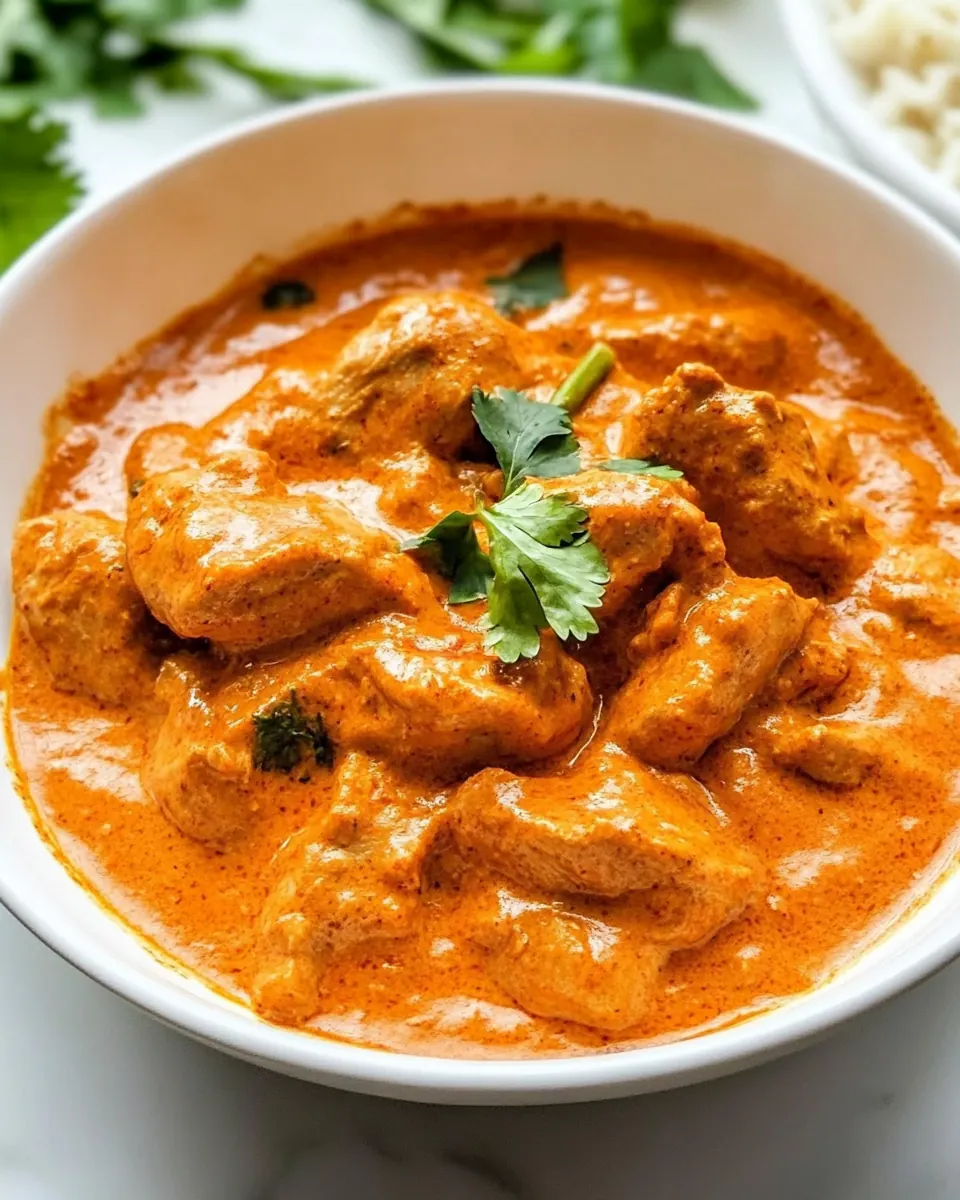
This recipe is versatile, and small swaps can tailor it to your pantry or preferences. Below are detailed tips to adapt the dish while keeping the soul of Indian Butter Chicken intact.
- Use full fat Greek yogurt: Swap in Greek yogurt for regular yogurt to create a thicker marinade that clings better to the chicken. Greek style yields a creamier coating and slightly tangier profile, which can deepen the overall sauce after cooking.
- Substitute ground ginger: If you lack fresh ginger, use a small amount of ground ginger, about one quarter teaspoon, but note the flavor will be less bright. Ground ginger works in a pinch, but fresh grated releases volatile oils that give the dish its lift.
- Adjust the heat level: Omit or reduce the cayenne pepper for a milder version, or increase it for more kick. Because heat concentrates during simmering, add conservatively and taste before serving to avoid overpowering the creamy balance.
- Swap chicken cuts: Boneless, skinless chicken breasts can be used instead of thighs, but watch cooking time carefully to prevent drying. Thighs are more forgiving and remain juicier when simmered in the sauce.
- Use ghee instead of butter: Replace butter with ghee for a nuttier, authentic flavor. Ghee has a higher smoke point which helps if you are browning chicken at a slightly higher temperature.
- Lighten the sauce: Swap half of the heavy cream with half and half to reduce richness. This yields a lighter mouthfeel while keeping a creamy texture, though the sauce will be a touch less indulgent.
What Complements This Indian Butter Chicken
Indian Butter Chicken pairs beautifully with simple staples and also suits special occasions. Below I outline serving ideas, storage suggestions, and suitable occasions so you can present it with confidence.
- Serve with basmati rice: The long grain of basmati soaks up the sauce without becoming gummy, making each bite balanced and fragrant. Rice provides a neutral base that lets the curry shine.
- Offer warm naan or flatbread: Soft bread is perfect for sopping up the creamy sauce and adds a tactile, hands on element to the meal. Tear pieces and use them as spoons for a communal dining feel.
- Family dinners and gatherings: This dish works well for weeknight dinners and for hosting because it can be prepared ahead and kept warm. It also feels special enough for celebrations or a cozy holiday meal.
- Storage and reheating: Store leftovers in an airtight container in the fridge for up to three days. Reheat gently over low heat, adding a splash of water or cream if the sauce thickens too much, to restore the desired consistency.
- Seasonal pairings: During colder months, the richness of the curry feels especially comforting. For a lighter take in milder weather, serve with a simple cucumber salad to add crunch and freshness.
- Presentation tips: Garnish with fresh cilantro and a small drizzle of cream for a polished finish. Use shallow bowls to display the glossy sauce and scattered herbs for visual contrast.
FAQ
Conclusion
This recipe shines because it balances tender marinated chicken with a luxuriously creamy, spiced tomato sauce. Try it to experience how simple pantry ingredients transform into a satisfying, comforting meal that feels special yet approachable. Serve it with rice or bread, enjoy the leftovers, and know this is one of those dishes that rewards a little patience with deeply satisfying flavor.
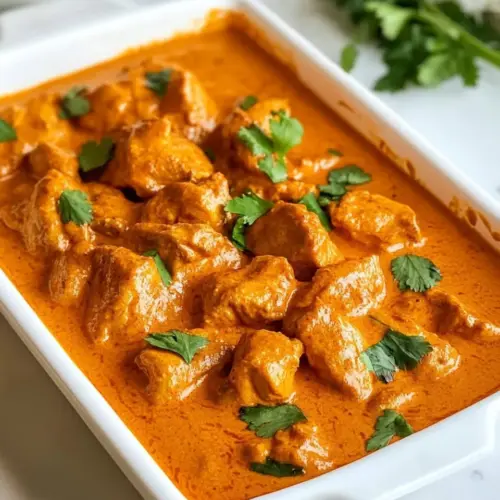
Indian Butter Chicken
Equipment
- Large Skillet
- Ziplock bag
Ingredients
- 3/4 cup full-fat plain yogurt Provide creamy tang and tenderizing power to the marinade, helping to infuse flavor and keep chicken moist during cooking. Combine smoothly with spices to create a base that balances acidity and richness for the dish. Use full-fat for optimal texture and mouthfeel in the finished sauce.
- 2 cloves garlic minced Add pungent savory depth when minced and mixed into marinades and sauces, releasing aromatic oils that enhance overall flavor. Cook briefly with butter to mellow sharpness while building a fragrant foundation for the curry. Use freshly minced garlic for the brightest, most intense aroma.
- 1 tablespoon lemon juice from 1/2 lemon Contribute bright acidity and subtle citrus aroma to the marinade, helping to tenderize proteins and balance richer elements in the sauce. Squeeze fresh lemon juice for the cleanest flavor impact rather than bottled alternatives. Use measured amount to avoid overpowering other spices.
- 1 tablespoon grated fresh ginger Impart fresh, warming, slightly sweet zing to the marinade and sauce, complementing garlic and spices while adding complexity. Grate fresh ginger finely so it distributes evenly and releases its essential oils. Use fresh ginger to achieve lively, authentic flavor.
- 1 tablespoon Garam Masala Indian spice Provide a fragrant, complex blend of warm spices that defines the curry’s characteristic flavor profile, including notes of cinnamon, cardamom, cloves, and cumin. Stir into the marinade and sauce to anchor the dish’s Indian identity. Use garam masala near the end of cooking for the brightest aroma if desired.
- 1 teaspoon ground turmeric Deliver warm, earthy color and gentle bitterness that supports the curry’s spice blend and contributes to the sauce’s signature hue. Mix into the marinade so the turmeric distributes evenly and enhances visual appeal. Use measured amount to avoid overpowering other spices.
- 1/2 teaspoon ground cumin Bring a subtle nutty, warm undertone to the spice blend, complementing garam masala and turmeric without overwhelming. Stir into the marinade to layer savory spice notes and contribute to overall balance. Use ground cumin for consistency in texture and flavor.
- 1/2 teaspoon kosher salt Season the chicken and sauce to enhance and elevate all other flavors while helping to draw moisture from the meat for even cooking. Dissolve into wet marinades and sprinkle during cooking for controlled salinity. Use kosher salt for straightforward measurement and taste.
- 1/4 teaspoon ground black pepper Add mild heat and aromatic sharpness with a background peppery quality that complements warmer spices. Mix into the marinade to ensure subtle pepper notes throughout the dish. Use freshly ground black pepper for the best flavor impact.
- 1/4 teaspoon ground cayenne pepper or more to taste Introduce concentrated heat and smoky fruity spice to the dish, allowing control over spice level by adjusting quantity to taste. Blend into the marinade and sauce cautiously to build warmth rather than outright spiciness. Use cayenne sparingly if sensitive to heat.
- 1 1/2 pounds boneless, skinless chicken thighs cut into 1-inch pieces Provide rich, tender protein with enough fat to produce succulent texture and absorb marinades, delivering hearty substance to the curry. Cut into uniform 1-inch pieces for even cooking and maximum surface area for flavor absorption. Use boneless, skinless thighs for juiciness and forgiving cook times.
- 3 tablespoons unsalted butter (3/8 stick) Contribute luxurious mouthfeel and nutty richness when melted to begin the sauce, helping to sauté aromatics and meld flavors. Add butter at the start and finish as needed to round out the sauce and create a glossy finish. Use unsalted butter to control overall seasoning.
- 8 ounces tomato sauce (1 can) Offer concentrated tomato flavor and body to form the saucy base, providing acidity and sweetness that bind the cream and spices. Pour in and simmer to integrate with garlic, ginger, and spices for a balanced tomato-forward curry. Use plain tomato sauce for smooth consistency.
- 1 cup heavy cream Lend silky richness and mellow dairy sweetness to the sauce, tempering tomato acidity and creating the dish’s signature creamy texture. Stir in near the end of cooking to avoid curdling and to achieve a smooth, velvety finish. Use heavy cream for traditional richness.
- 1 tablespoon tomato paste Supply concentrated tomato intensity and deeper umami when mixed into the sauce, boosting color and thickness for a robust finish. Stir in small amounts and simmer to dissolve paste fully and enrich overall tomato flavor. Use a measured tablespoon to avoid overpowering.
- 1/2 tablespoon granulated sugar Add a touch of sweetness to balance tomato acidity and spices, smoothing sharp edges and rounding the sauce’s flavor profile. Dissolve into the simmering sauce so sugar integrates evenly and enhances subtle caramel notes. Use granulated sugar sparingly for harmony.
- Fresh cilantro optional, for serving Provide a fresh herbal finish and bright garnish that cuts through the richness of the sauce when chopped and sprinkled over servings. Add optional cilantro just before serving to lift flavors and add color contrast. Use cilantro leaves for their aromatic, slightly citrusy quality.
Instructions
- Add the yogurt, garlic, lemon juice, ginger, garam masala, turmeric, cumin, salt, and peppers in a large Ziplock bag. Gently smush the spices into the yogurt to combine, then add the chicken pieces to the bag, massaging to coat it in the spiced yogurt.: When you mix these ingredients, breathe in the bright, tangy aroma of yogurt mingled with the warm perfume of Garam Masala Indian spice and ginger . The texture should feel creamy, and you will see flecks of spices suspended in the yogurt . This step is crucial because the acidic yogurt begins to tenderize the chicken , and massaging ensures even coating so every piece receives equal flavor. A common mistake is to rush and not fully incorporate the spices, which leads to uneven seasoning. If the mixture seems dry, press down on the bag to break up clumps and redistribute the marinade. Keep an eye on salt distribution, because it will concentrate in spots if not mixed thoroughly.
- Seal the Ziplock bag and refrigerate for at least 3 hours, or overnight.: As the mixture chills, the scent settles and the flavors deepen quietly in the cold. You will notice the chicken firming slightly as the marinade works its tenderizing magic, and the texture becomes more yielding. This slow transformation matters for final juiciness, because it allows spices to penetrate the flesh rather than merely coating the surface. A typical pitfall is skimping on time, which yields less tender meat and a shallower flavor profile. If you are short on time, prioritize at least three hours rather than skipping marination entirely. Keep the bag flat in the fridge so the marinade contacts the pieces evenly.
- In a large skillet, melt the butter (or ghee) over medium-high heat. Working in batches, cook the coated chicken pieces in the skillet for 2-4 minutes, flipping once, until the outside of the chicken is a light golden brown.: When the butter melts it will foam briefly and release a nutty aroma, signaling the pan is ready. As you add the marinated chicken pieces, you should hear a confident sizzle, and within moments small caramelized spots will appear where the sugars and proteins meet the hot surface. Browning creates flavor through the Maillard reaction, and those golden edges add depth to the sauce later. Avoid overcrowding the pan because that lowers the temperature and causes steaming instead of browning, which prevents development of color and texture. Work in batches so each piece has space, and watch for a gentle golden hue rather than deep charring.
- Add the tomato sauce, cream, tomato paste, and sugar to the skillet, then stir until well combined. Reduce the heat to medium-low and simmer for 20 minutes, stirring occasionally, until thickened. Taste and adjust seasonings as desired.: As the tomato sauce hits the pan, it will bubble and release a sweet acidity that brightens the air. Stirring in the heavy cream calms that edge, creating a smoother, creamier consistency, and the tomato paste will deepen the color and body of the sauce. Simmering gently allows water to evaporate, concentrating flavors and producing a silky coat for the chicken . You should notice the sauce reduce and cling more to the spoon, and the aroma will shift from sharp tomato to warm, rounded curry. A common misstep is boiling aggressively, which can split the cream or scorch the sauce; keep the heat low and stir occasionally to prevent sticking. Toward the end, taste and correct salt or heat levels so the balance is pleasing to your palate.
- Serve garnished with cilantro.: When plated, the final sprinkle of fresh cilantro adds a burst of herbaceous brightness, and visually it contrasts with the orange red sauce. The first forkful should reveal a tender bite of chicken coated in a glossy, creamy sauce that holds the spices in harmony. Serve while warm so the texture is at its best, and be mindful that sauces thicken as they cool, so spoon generously over rice or bread. A typical mistake is adding the garnish too early, which can wilt delicate herbs; add right before serving for the best look and flavor. Enjoy the contrast of textures, and listen for appreciative murmurs as guests taste the layered flavors.
Notes
- Use full fat Greek yogurt: Swap in Greek yogurt for regular yogurt to create a thicker marinade that clings better to the chicken. Greek style yields a creamier coating and slightly tangier profile, which can deepen the overall sauce after cooking.
- Substitute ground ginger: If you lack fresh ginger, use a small amount of ground ginger, about one quarter teaspoon, but note the flavor will be less bright. Ground ginger works in a pinch, but fresh grated releases volatile oils that give the dish its lift.
- Adjust the heat level: Omit or reduce the cayenne pepper for a milder version, or increase it for more kick. Because heat concentrates during simmering, add conservatively and taste before serving to avoid overpowering the creamy balance.
- Swap chicken cuts: Boneless, skinless chicken breasts can be used instead of thighs, but watch cooking time carefully to prevent drying. Thighs are more forgiving and remain juicier when simmered in the sauce.
- Use ghee instead of butter: Replace butter with ghee for a nuttier, authentic flavor. Ghee has a higher smoke point which helps if you are browning chicken at a slightly higher temperature.
- Lighten the sauce: Swap half of the heavy cream with half and half to reduce richness. This yields a lighter mouthfeel while keeping a creamy texture, though the sauce will be a touch less indulgent.
