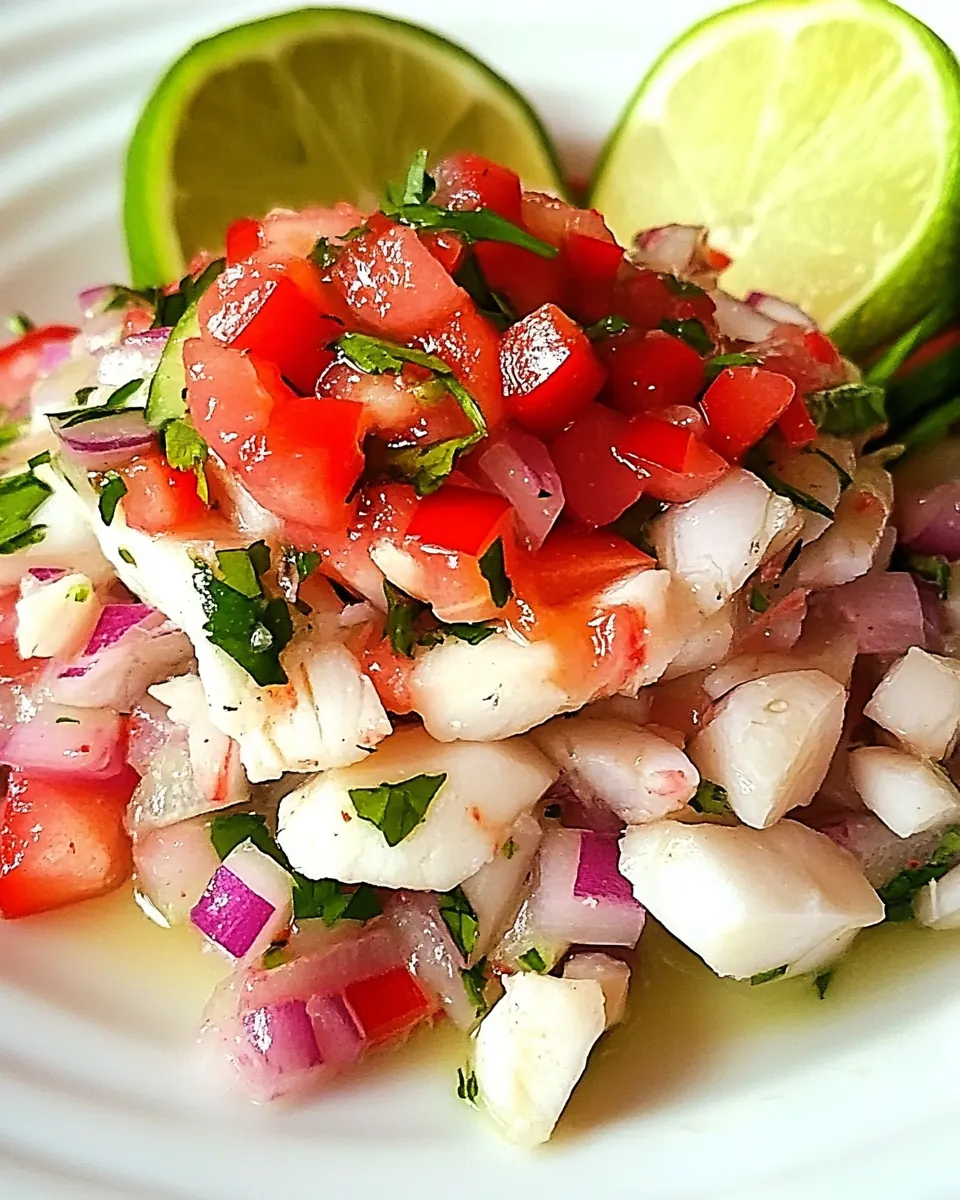
Halibut Ceviche
Halibut Ceviche first stole my attention on a sweaty summer afternoon at a small market by the sea, where a vendor offered a tiny tasting on a cracked spoon. The bright hit of lime, the cool firmness of the halibut, and the crisp bite of onion hit me so honestly that I bought a small container and ate it sitting on a bench, salt drying on my lip. Ever since, whenever I crave something that feels like sunshine on a plate, I reach for this simple preparation.
That day taught me how uncomplicated flavors can sing when you respect each component. I learned to trust the acid in limes to transform raw fish, and to value texture contrasts, like the soft fish against crunchy onion and juicy tomato. Over the years I adapted the proportions, paying attention to how long the fish should rest in the citrus so it stays tender, not leathery. I also started seeding my tomatoes to keep the mix bright and not watery.
When I make Halibut Ceviche now, I think about balance; acid, salt, heat, and herbal lift. I enjoy preparing parts of it ahead, especially finely chopping the onion and cilantro, then finishing at the last minute so the textures remain vivid. Friends always ask for seconds because the flavors are immediate, clean, and unapologetically fresh. This recipe is my go to when I want something quick that still feels special.
Recipe Snapshot
30 mins
30 mins
Easy
200 kcal
Mexican
Keto, Paleo
Appetizers
Shallow dish, Mixing bowl, Knife, Citrus juicer
Why You’ll Love This Halibut Ceviche
Bright, Clean Flavor That Feels Fresh
I love how Halibut Ceviche delivers an instant burst of brightness. The citrus really anchors the dish, and because I use fresh limes, the flavor is lively, not flat. This makes it wonderful for hot afternoons when you want food that refreshes without weighing you down.
Fast to Make, Big on Impact
One reason I keep this in my rotation is the speed. From chopping to serving is mostly prep, and the short citrus cure time is forgiving. I can pull this together between errands and have something impressive on the table, making it ideal for unexpected guests or a last minute lunch.
Textural Contrast Keeps Each Bite Interesting
What stands out to me is the contrast between tender pieces of halibut and the crisp snap of red onion, plus the juicy pop of seeded tomato. I purposefully seed the tomatoes so the mix is not watery, preserving that satisfying chew and freshness in every forkful.
Customizable Heat and Herbal Notes
I appreciate that you can easily dial the spice up or down. Using a single serrano pepper, finely diced and seeded, lets me control warmth without overwhelming the delicate fish. The final touch of chopped cilantro lifts the whole dish and gives it an herbaceous finish that I find irresistible.
Healthy and Light, Yet Satisfying
This feels like a treat that does not sabotage the rest of your day. It is protein forward because of the halibut, and the citrus keeps it light. I like serving it on its own or with simple accompaniments, so the clean flavors remain the star.
Main Ingredients for Halibut Ceviche
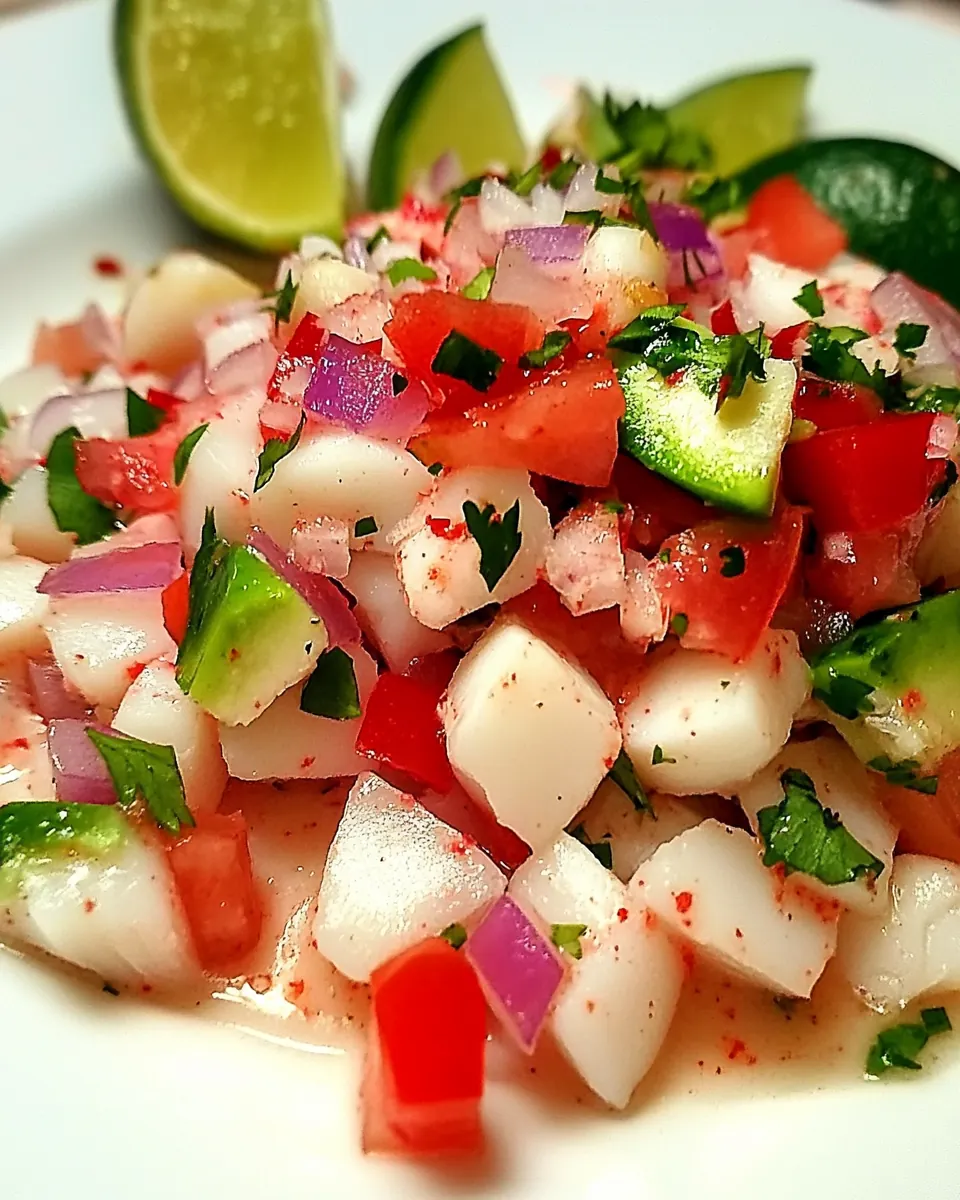
These ingredients are intentionally minimal so each element can shine. The key players are the fresh halibut which provides a tender, meaty base, and the limes which chemically alter the fish to a firm, opaque texture. Supporting cast like red onion, tomato, serrano pepper, and cilantro add crunch, juiciness, heat, and herbal brightness. Together they create a balanced ceviche where no one flavor overpowers the others.
- 1 pound halibut, you can also use tilapia: Provide firm, flaky white fish that cures in citrus; cut into small, uniform cubes to allow even 'cooking' in the lime juice. Offer a mild, slightly sweet flavor that pairs well with the bright acidity of the marinade and other fresh components.
- 8 10 limes, juice of- approximately 1 cup: Add bright, high-acid citrus juice that denatures proteins and effectively 'cooks' the fish; strain or measure to about one cup for consistent acidity. Balance tartness by tasting during marination and adjust quantity if limes vary in juiciness.
- 1 red onion, chopped: Contribute sharp, pungent crunch and a mildly sweet bite when finely chopped; soak briefly in cold water if a milder onion flavor is desired. Provide textural contrast to the tender cured fish and help build the dish’s aromatic base.
- 2 tomatoes, chopped and seeded: Bring juicy, subtly sweet flesh and fresh acidity when seeded and chopped; remove seeds to prevent excess liquid and bitterness. Offer vibrant color, body, and a fresh tomato flavor that complements the tangy marinade and herbs.
- 1 serrano pepper, finely diced and seeded: Introduce concentrated heat and bright green pepper flavor when finely diced and seeded to control spice level. Deliver a clean, sharp capsaicin pop that livens the ceviche without overwhelming the delicate fish.
- 1/2 cup cilantro, chopped: Supply fresh, citrusy-herbal brightness when chopped; add near the end of marination to preserve flavor and color. Tie together the dish with aromatic lift and a slightly peppery, verdant finish.
- salt, to taste: Enhance overall flavor by seasoning to taste; add gradually and taste between additions to avoid over-salting. Balance the acidity and natural sweetness of the ingredients while bringing out the individual flavors.
How to Assemble Halibut Ceviche
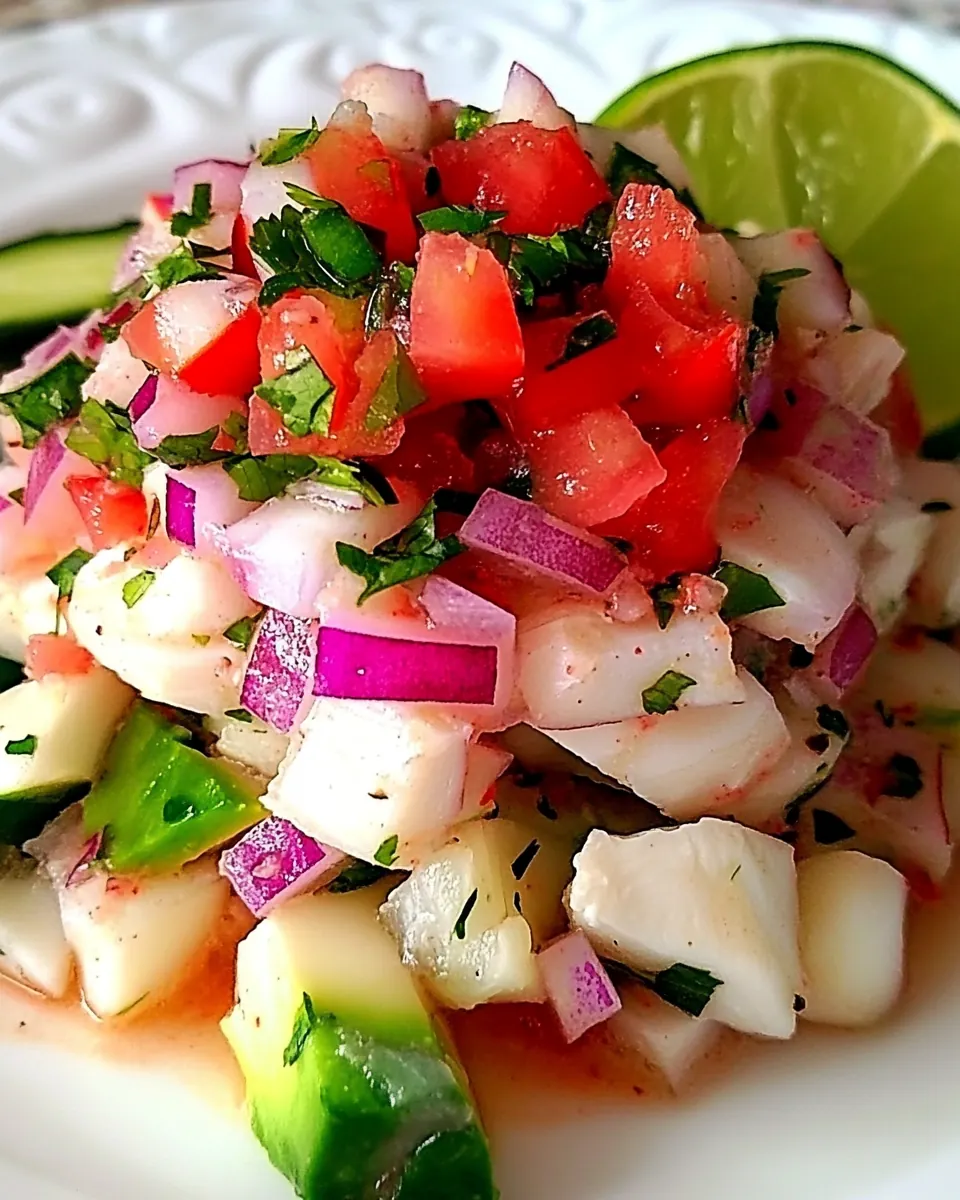
I like to approach assembly like a short performance, where timing matters and small details transform the final plate. The instructions that follow guide you step by step, with sensory cues so you know you are on track. Keep your mise en place ready and a tasting spoon close by.
- Cut halibut to bite-sized pieces and place in shallow dish. Cover with 1 cup fresh lime juice and set aside for 20-25 minutes.: Right away you will notice the cool, silvery sheen of the raw halibut as you slice it into consistent, bite sized cubes. The pieces should be similar in size for even curing, and the flesh will feel firm yet yielding under the knife. If the fish smells overly fishy, do not use it, as freshness matters for both safety and flavor. A common mistake is cutting pieces too large, which prevents the lime from penetrating fully and leaves the center too raw when you finish.
- Meanwhile mix together onion, tomatoes, serrano pepper, cilantro and salt to taste.: As the limes hit the fish, you will see the flesh begin to turn opaque and firmer around the edges, which signals the acid is denaturing the proteins. The aroma of citrus will become dominant, bright and almost floral, and the dish will carry a clean, sharp tang. I recommend tasting a small piece at 20 minutes to check texture, because overcuring can make the fish tough and rubbery. Avoid the mistake of leaving the fish in juice for too long, which shrinks and dries the meat.
- Drain lime juice from halibut (discard lime juice). Add halibut to the pico-mixture and gently fold together.: While the fish cures, combine the chopped red onion , seeded tomatoes , finely diced and seeded serrano pepper , and chopped cilantro in a bowl. The onion will contribute a crisp little crunch, the tomatoes add juicy sweetness, and the pepper brings a warming heat that develops as it sits. Add salt sparingly at first because it will concentrate as flavors meld. A troubleshooting tip is to let this mix rest ten minutes so the flavors marry, but do not over-salt early, which can make the overall mix flat.
- Squeeze the juice of 1 more lime on top of ceviche and mix together. Enjoy!: When the curing window is up, carefully drain the used lime juice from the shallow dish and discard it. You will notice the fish has become opaque and slightly firm, with a faint citrus scent. Draining prevents the ceviche from becoming too acidic or soggy when combined with the pico style mixture. One mistake to avoid is leaving the fish sitting in the drained juice, which can reintroduce excess acid and alter the intended balance.
- Add halibut to the pico mixture and gently fold together: Now add the cured halibut to the bowl with the vegetable mix and use a gentle folding motion to combine, preserving the fish pieces and avoiding mashing. You will hear a soft movement as textures mingle, and the combined aromas should be bright and layered. The folding technique keeps the fish intact and ensures even distribution of veggies without breaking the pieces. A common error is stirring too aggressively, which will bruise the fish and make the presentation sloppy.
- Squeeze the juice of 1 more lime on top of ceviche and mix together: Finish by squeezing an additional lime over the assembled ceviche to add a final, aromatic brightness that ties everything together. This last splash of citrus sharpens flavors and brings a lively lift to the herbs and pepper. Mix once gently so the juice coats everything evenly, then taste and adjust salt if needed. Avoid over squeezing more limes than called for, because extra acid can overpower the delicate fish texture.
- Enjoy: At this point the ceviche should smell fragrant and look vibrant, with glossy pieces of cured halibut nestled among colorful veggies. Serve immediately for the best texture, noting the pleasing contrast of tender fish against crisp onion and herbacious cilantro . If you must hold it, refrigerate for a short time, but remember that extended standing will continue to firm the fish and change the mouthfeel. The most common mistake is leaving it too long before serving which reduces the refreshing quality that makes ceviche special.
Tips and Tricks about Halibut Ceviche
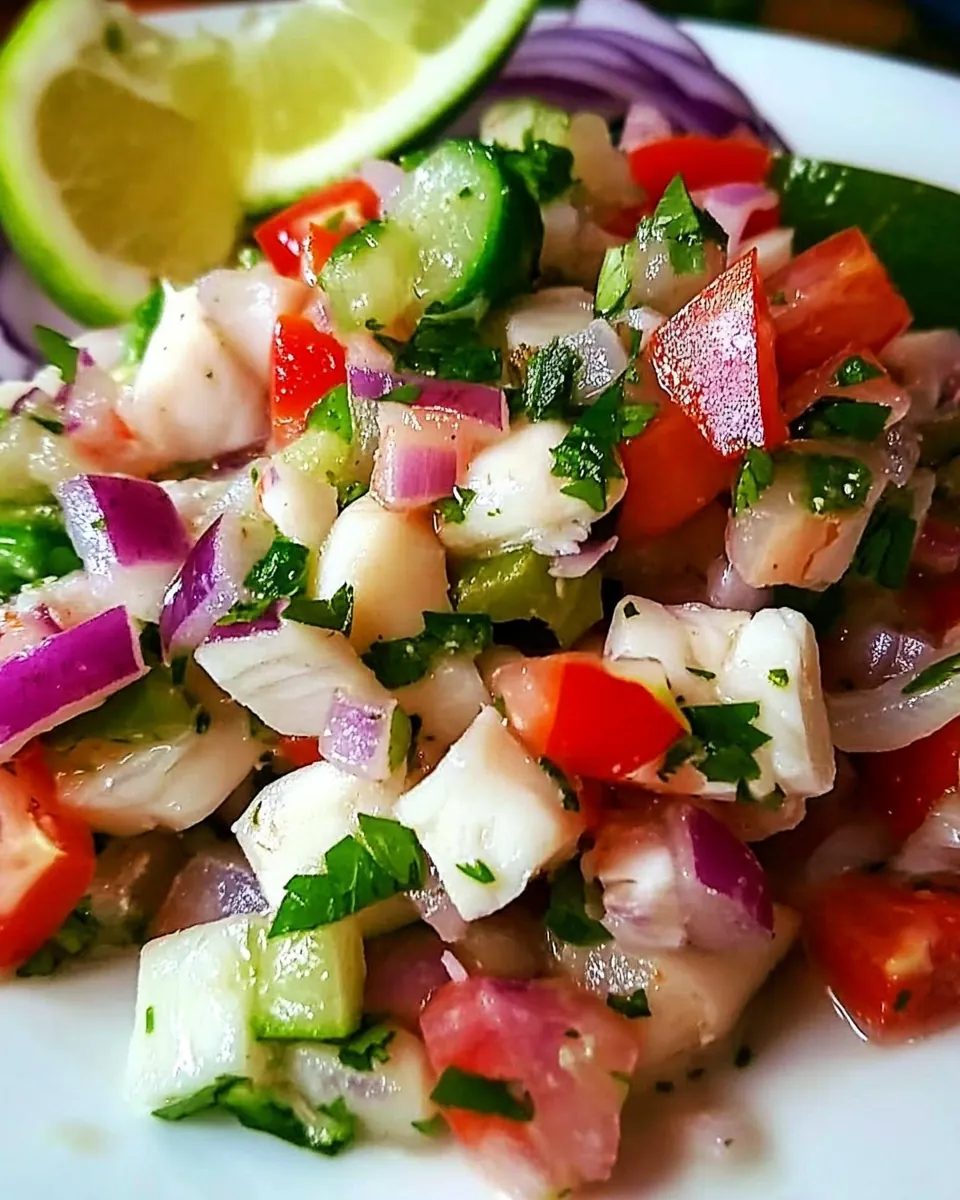
These tips will help you make consistently bright, balanced Halibut Ceviche every time. I include practical techniques and small adjustments that preserve texture and heighten flavor, so your ceviche always reads fresh and satisfying.
- Choose firm, fresh fish – Always buy high quality halibut and smell it; it should smell clean and ocean fresh, not fishy. This ensures the curing process yields a pleasant texture and safe eating experience.
- Measure lime juice roughly – Use about one cup of fresh limes for a pound of fish, but taste and adjust since citrus potency varies. Too little will under cure the fish, too much can make it overly tart.
- Seed tomatoes for texture – Removing seeds keeps the ceviche from getting watery and preserves the balance between liquid and solids in each bite.
- Control heat with serrano seeds – Keep or remove seeds from the serrano pepper depending on your tolerance, and always add incrementally so you do not overpower the delicate fish.
- Chop cilantro last – Chop the cilantro right before serving to retain its bright aroma and avoid a wilted, muted herbal note.
- Serve chilled but not iced – Keep the ceviche cool, but avoid serving it over melting ice which waters it down; a chilled plate or bowl works best.
How to Enjoy Halibut Ceviche
This ceviche is versatile, and how you serve it can change the whole experience. I like to think about accompaniments that respect the clean citrus profile, and occasions where light, fresh food is appreciated. Below are serving ideas, pairing suggestions, and storage notes to keep your ceviche tasting vibrant.
- As a starter – Serve small portions in chilled bowls or on spoons at the beginning of a meal to awaken the palate without filling guests up.
- For lunch – Offer a larger bowl with tortilla chips on the side for scooping, or spoon over crisp lettuce for a light salad style lunch.
- Summer gatherings – This is perfect for outdoor meals and seaside picnics because it is cool, quick, and celebratory. Keep it in the shade and chilled until serving.
- Ramadan and special meals – The fresh, clean flavors make it a good option for Iftar when you want something hydrating and flavorful after a fast, paired with simple breads or rice.
- Storage tips – Store in an airtight container in the refrigerator and consume within 24 hours for best texture, because the acid will continue to firm the fish over time.
- Seasonal pairings – Pair with light sides like sliced avocado or a crisp cucumber salad in summer to keep the meal bright and balanced.
FAQ
Conclusion
What makes this recipe special is its perfect balance of bright citrus, tender cured fish, and fresh crunchy vegetables, all working together for an immediate, refreshing bite. I encourage you to try Halibut Ceviche the next time you want something light, fast, and impressive, because a few quality ingredients and simple technique deliver a memorable result. It is a lovely way to celebrate summer produce and fresh fish, and with minimal effort you can create a dish that feels elegant yet effortless. Enjoy the process, adjust flavors to your taste, and share it with friends who appreciate honest, bright food.
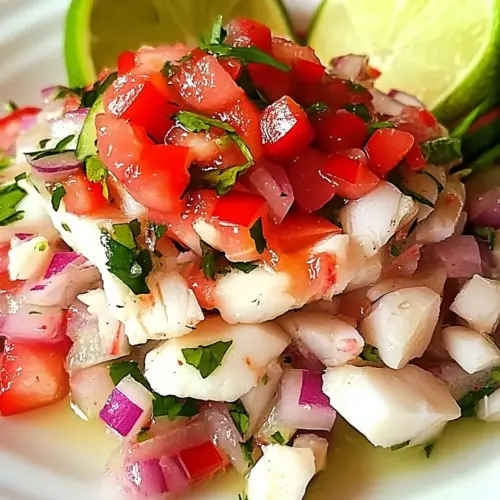
Halibut Ceviche
Equipment
- Shallow Dish
- Mixing Bowl
- Knife
- Citrus Juicer
Ingredients
- 1 pound halibut, you can also use tilapia Provide firm, flaky white fish that cures in citrus; cut into small, uniform cubes to allow even 'cooking' in the lime juice. Offer a mild, slightly sweet flavor that pairs well with the bright acidity of the marinade and other fresh components.
- 8 -10 limes, juice of- approximately 1 cup Add bright, high-acid citrus juice that denatures proteins and effectively 'cooks' the fish; strain or measure to about one cup for consistent acidity. Balance tartness by tasting during marination and adjust quantity if limes vary in juiciness.
- 1 red onion, chopped Contribute sharp, pungent crunch and a mildly sweet bite when finely chopped; soak briefly in cold water if a milder onion flavor is desired. Provide textural contrast to the tender cured fish and help build the dish’s aromatic base.
- 2 tomatoes, chopped and seeded Bring juicy, subtly sweet flesh and fresh acidity when seeded and chopped; remove seeds to prevent excess liquid and bitterness. Offer vibrant color, body, and a fresh tomato flavor that complements the tangy marinade and herbs.
- 1 serrano pepper, finely diced and seeded Introduce concentrated heat and bright green pepper flavor when finely diced and seeded to control spice level. Deliver a clean, sharp capsaicin pop that livens the ceviche without overwhelming the delicate fish.
- 1/2 cup cilantro, chopped Supply fresh, citrusy-herbal brightness when chopped; add near the end of marination to preserve flavor and color. Tie together the dish with aromatic lift and a slightly peppery, verdant finish.
- salt, to taste Enhance overall flavor by seasoning to taste; add gradually and taste between additions to avoid over-salting. Balance the acidity and natural sweetness of the ingredients while bringing out the individual flavors.
Instructions
- Cut halibut to bite-sized pieces and place in shallow dish. Cover with 1 cup fresh lime juice and set aside for 20-25 minutes.: Right away you will notice the cool, silvery sheen of the raw halibut as you slice it into consistent, bite sized cubes. The pieces should be similar in size for even curing, and the flesh will feel firm yet yielding under the knife. If the fish smells overly fishy, do not use it, as freshness matters for both safety and flavor. A common mistake is cutting pieces too large, which prevents the lime from penetrating fully and leaves the center too raw when you finish.
- Meanwhile mix together onion, tomatoes, serrano pepper, cilantro and salt to taste.: As the limes hit the fish, you will see the flesh begin to turn opaque and firmer around the edges, which signals the acid is denaturing the proteins. The aroma of citrus will become dominant, bright and almost floral, and the dish will carry a clean, sharp tang. I recommend tasting a small piece at 20 minutes to check texture, because overcuring can make the fish tough and rubbery. Avoid the mistake of leaving the fish in juice for too long, which shrinks and dries the meat.
- Drain lime juice from halibut (discard lime juice). Add halibut to the pico-mixture and gently fold together.: While the fish cures, combine the chopped red onion , seeded tomatoes , finely diced and seeded serrano pepper , and chopped cilantro in a bowl. The onion will contribute a crisp little crunch, the tomatoes add juicy sweetness, and the pepper brings a warming heat that develops as it sits. Add salt sparingly at first because it will concentrate as flavors meld. A troubleshooting tip is to let this mix rest ten minutes so the flavors marry, but do not over-salt early, which can make the overall mix flat.
- Squeeze the juice of 1 more lime on top of ceviche and mix together. Enjoy!: When the curing window is up, carefully drain the used lime juice from the shallow dish and discard it. You will notice the fish has become opaque and slightly firm, with a faint citrus scent. Draining prevents the ceviche from becoming too acidic or soggy when combined with the pico style mixture. One mistake to avoid is leaving the fish sitting in the drained juice, which can reintroduce excess acid and alter the intended balance.
- Add halibut to the pico mixture and gently fold together: Now add the cured halibut to the bowl with the vegetable mix and use a gentle folding motion to combine, preserving the fish pieces and avoiding mashing. You will hear a soft movement as textures mingle, and the combined aromas should be bright and layered. The folding technique keeps the fish intact and ensures even distribution of veggies without breaking the pieces. A common error is stirring too aggressively, which will bruise the fish and make the presentation sloppy.
- Squeeze the juice of 1 more lime on top of ceviche and mix together: Finish by squeezing an additional lime over the assembled ceviche to add a final, aromatic brightness that ties everything together. This last splash of citrus sharpens flavors and brings a lively lift to the herbs and pepper. Mix once gently so the juice coats everything evenly, then taste and adjust salt if needed. Avoid over squeezing more limes than called for, because extra acid can overpower the delicate fish texture.
- Enjoy: At this point the ceviche should smell fragrant and look vibrant, with glossy pieces of cured halibut nestled among colorful veggies. Serve immediately for the best texture, noting the pleasing contrast of tender fish against crisp onion and herbacious cilantro . If you must hold it, refrigerate for a short time, but remember that extended standing will continue to firm the fish and change the mouthfeel. The most common mistake is leaving it too long before serving which reduces the refreshing quality that makes ceviche special.
Notes
- Choose firm, fresh fish - Always buy high quality halibut and smell it; it should smell clean and ocean fresh, not fishy. This ensures the curing process yields a pleasant texture and safe eating experience.
- Measure lime juice roughly - Use about one cup of fresh limes for a pound of fish, but taste and adjust since citrus potency varies. Too little will under cure the fish, too much can make it overly tart.
- Seed tomatoes for texture - Removing seeds keeps the ceviche from getting watery and preserves the balance between liquid and solids in each bite.
- Control heat with serrano seeds - Keep or remove seeds from the serrano pepper depending on your tolerance, and always add incrementally so you do not overpower the delicate fish.
- Chop cilantro last - Chop the cilantro right before serving to retain its bright aroma and avoid a wilted, muted herbal note.
- Serve chilled but not iced - Keep the ceviche cool, but avoid serving it over melting ice which waters it down; a chilled plate or bowl works best.
