
Chicken Tomato Soup
Chicken Tomato Soup has a way of feeling like a warm hug on chilly evenings, and the first time I made it for my family I remember the kitchen filling with an irresistible, savory aroma that made everyone pause what they were doing. I was tired from a long day and wanted something nourishing that did not demand fussing, so I pulled together pantry staples and a couple of fresh vegetables, and the result tasted like comfort and care in a bowl. The tomatoes gave it a bright, tangy backbone while the chicken kept it hearty and satisfying.
Over the years I have tweaked this recipe on rainy nights and casual weeknight dinners, learning which small choices matter most. Using a good quality canned tomato and simmering just long enough lets the flavors knit together without losing that fresh tomato lift. When I add the spinach at the end, it keeps its color and texture, giving a leafy brightness that balances the broth. I love serving it with a simple crusty loaf, watching my kids dunk pieces while they tell me about their day.
Recipe Snapshot
45 mins
10 mins
35 mins
Medium
250 kcal
American
Paleo, Gluten-Free
Soups
Large pot, Wooden spoon, Measuring spoons, Knife, Cutting board
Why This Chicken Tomato Soup Stands Out
Comfort in a Bowl
I adore Chicken Tomato Soup because it manages to be both soothing and substantial. The chicken makes it feel like a meal, while the tomato base keeps it from being heavy. I reach for this recipe when I want something that hugs the senses without weighing you down.
Speed Without Sacrifice
This recipe comes together quickly, which is a huge win on busy nights. You get deep, developed flavors from a relatively short simmer, so you do not have to choose between fast and flavorful. I often make it when I want an easy weeknight dinner that still tastes thoughtful.
Minimalist Ingredient List
What I love is how well a few simple ingredients cooperate. The onion, garlic, and aromatic dried herbs create a base that lets the crushed tomatoes shine. Each element pulls its weight, so you do not need a long shopping list to make something memorable.
Flexible and Family Friendly
I appreciate that this soup adapts to what you have on hand. Want more greens, add extra spinach. Need a thicker texture, simmer a little longer. It is forgiving, which is perfect when cooking for kids or when you are not trying to be precise.
Bright Finish
The addition of fresh spinach at the end keeps the flavor lively and the presentation colorful. It is a small touch that lifts the whole bowl and makes it feel homemade in the best way.
Key Ingredients for Chicken Tomato Soup
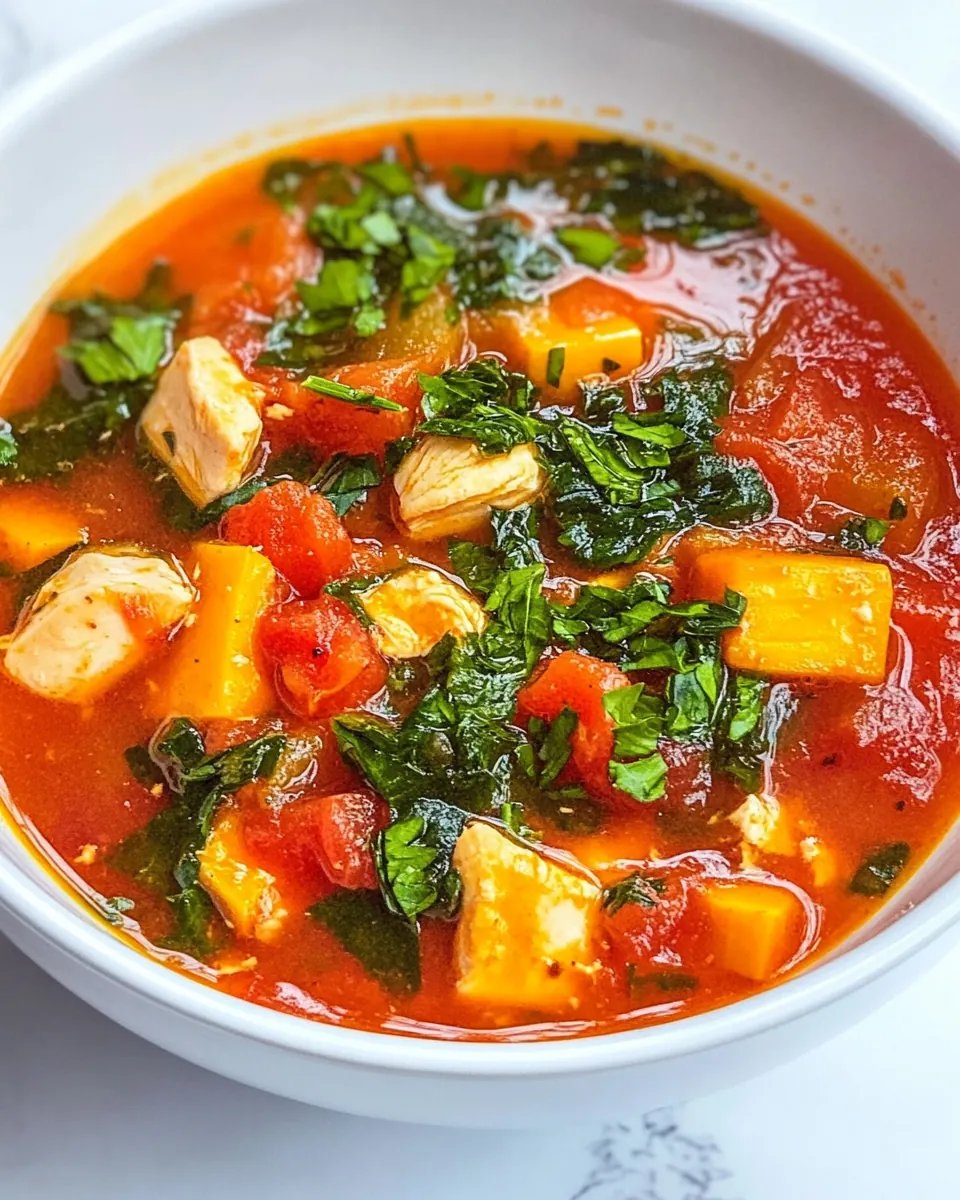
These ingredients are chosen for a balance of savory depth and bright tomato character. The chicken provides protein and body, the aromatics build savory layers, and the canned tomatoes and broth form the flavorful liquid base. Herbs and greens finish the soup with warmth and freshness. Together they create a comforting, layered bowl that is both nourishing and straightforward to prepare.
- 1 tablespoon olive oil: Adds a fruity, peppery base and helps sauté aromatics; warms the pan and prevents sticking while contributing healthy fats to the soup.
- 1 pound boneless, skinless chicken breasts cut into bite-sized pieces: Provides lean protein and hearty texture, cooking quickly in bite–sized pieces; absorbs flavors from the broth and seasonings to make the soup substantial.
- 1 medium onion diced: Lends sweetness and savory depth when softened, building the soup's aromatic foundation; releases sugars that balance the tomatoes and enrich overall flavor.
- 2 cloves garlic minced: Delivers pungent, aromatic flavor that brightens the broth; minced form distributes evenly and infuses the soup during sautéing.
- 2 medium carrots peeled and diced: Contributes natural sweetness and a tender bite when diced; brings body and heartiness while complementing other vegetables.
- 2 celery stalks diced: Adds a mild, aromatic crunch and savory background flavor; diced celery balances sweetness and enhances the soup's aromatic profile.
- 1 can crushed tomatoes 28 ounces: Supplies rich tomato flavor, acidity, and body to create the soup's tomato base; crushed texture gives a rustic thickness and melds with broth and seasonings.
- 4 cups low-sodium chicken broth: Forms the liquid backbone, melding flavors and ensuring proper consistency; low-sodium choice allows control over final seasoning.
- 1 teaspoon dried basil: Imparts warm, herbal sweetness that pairs with tomato and chicken; dried form provides concentrated flavor throughout cooking.
- 1 teaspoon dried oregano: Adds earthy, slightly minty and savory notes that complement basil and tomatoes; dried oregano distributes robust Mediterranean flavor.
- Salt and pepper to taste: Allows adjustment of overall seasoning to taste and enhances all other flavors; salt and pepper together balance sweetness, acidity, and savory elements.
- 2 cups fresh spinach roughly chopped: Introduces fresh, leafy greens that wilt into the hot soup, adding color and nutrition; roughly chopped spinach brightens flavor and texture without overpowering.
Directions for Chicken Tomato Soup
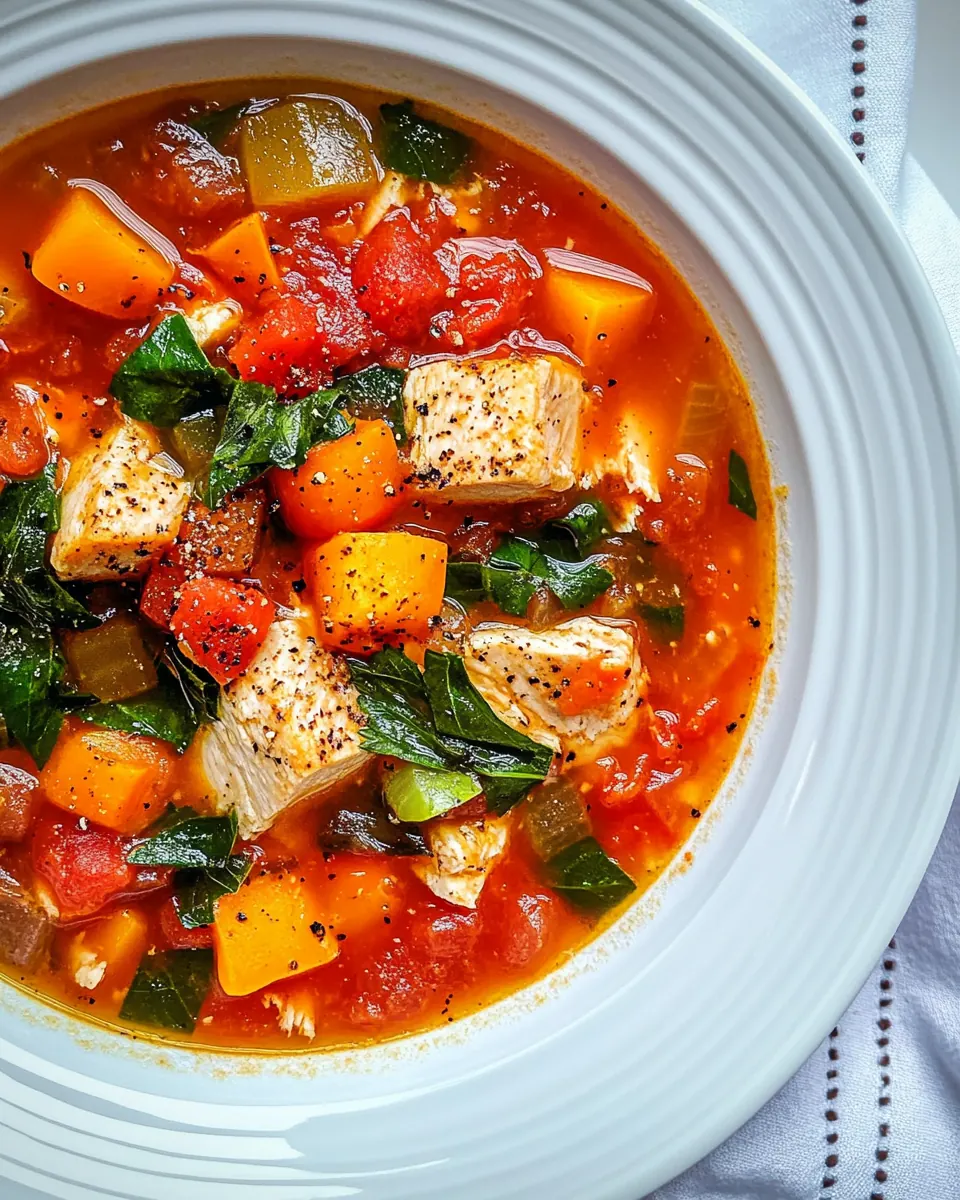
This recipe is straightforward and comforting, and the directions below will guide you step by step while explaining the sensory cues to watch for. I like to keep a watchful eye on texture and aroma, and I invite you to listen, smell, and taste along the way as the bowl comes together.
- Heat the olive oil in a large pot over medium heat. Add chicken pieces and cook until lightly browned and no longer pink inside, about 5 minutes.: You will notice a faint fruity aroma as the olive oil warms and the surface shimmers slightly, which signals the right temperature to add the chicken . This light sizzle helps create a golden exterior that adds savory depth to the soup, and browning rather than steaming concentrates flavor. A common mistake is using too high heat, which can burn the oil or brownings too quickly, so keep the flame steady and spread the oil evenly across the pot.
- Add the diced onion, garlic, carrots, and celery to the pot with the chicken. Cook until the vegetables are softened, about 5 minutes.: As the chicken hits the hot oil you will hear it sing softly, and small brown crusts will form on the contact points. Those browned bits add complexity when they are deglazed later. Ensure that pieces are not crowded, or they will steam and not develop color; if necessary cook in batches. Cut one piece to check that the center is opaque and juices run clear to confirm doneness.
- Pour in the crushed tomatoes and chicken broth. Stir in the dried basil, oregano, salt, and pepper. Bring the soup to a boil, then reduce heat and simmer for 20 minutes.: When you add these aromatics you will get an immediate lift in scent, a mix of sweet and savory notes as the onion softens and the garlic releases its oils. Stir frequently so the vegetables sweat rather than burn, and aim for translucent onion and tender carrot, which usually takes a few minutes. Avoid high heat that can scorch the garlic , which turns bitter quickly.
- Stir in the chopped spinach and cook for an additional 5 minutes or until the spinach has wilted and the soup is heated through.: The pot should fill with a gentle steam and a layered aroma that signals the base is developing. The visual cue is softened, slightly glossy vegetables and a fragrant smell that is more rounded and sweet. If they are still stiff, simmer a touch longer; undercooked vegetables will taste raw and disrupt the soup's harmony.
- Pour in the crushed tomatoes and chicken broth: When you add the crushed tomatoes and chicken broth the mixture will transform, turning into a bubbling, rich liquid. Stir to incorporate the browned bits from the bottom of the pot, which releases concentrated flavor. Pour slowly to avoid splattering, and use the broth to adjust the soup's body; too little will make it very thick, while too much will dilute the taste.
- Stir in the dried basil oregano salt and pepper: These dried herbs will perfume the simmering soup, releasing their essential oils into the broth and harmonizing with the tomato acidity. Season lightly at this stage, because flavors concentrate as the liquid reduces. A common error is over seasoning early, so remember you can always add more later after tasting.
- Bring the soup to a boil then reduce heat and simmer for 20 minutes: The soup will bubble energetically as it reaches a boil, and lowering to a gentle simmer lets flavors meld without aggressive evaporation. You want small, steady bubbles that indicate a controlled simmer, which extracts flavor and softens the vegetables further. Simmering too hard can break down textures and make the chicken tough, so aim for a low, even simmer and stir occasionally to prevent sticking.
- Stir in the chopped spinach and cook for an additional 5 minutes or until the spinach has wilted and the soup is heated through: When the spinach hits the hot broth it will rapidly collapse and change to a vivid green, releasing a fresh vegetal scent that brightens the entire pot. This late addition preserves the leafs tenderness and color; cooking it too long will make it mushy and dull. A common slip is adding it at the start, which robs the greens of their texture and brightness, so add it near the end and give it a few minutes to gently wilt.
Substitutions and Tips
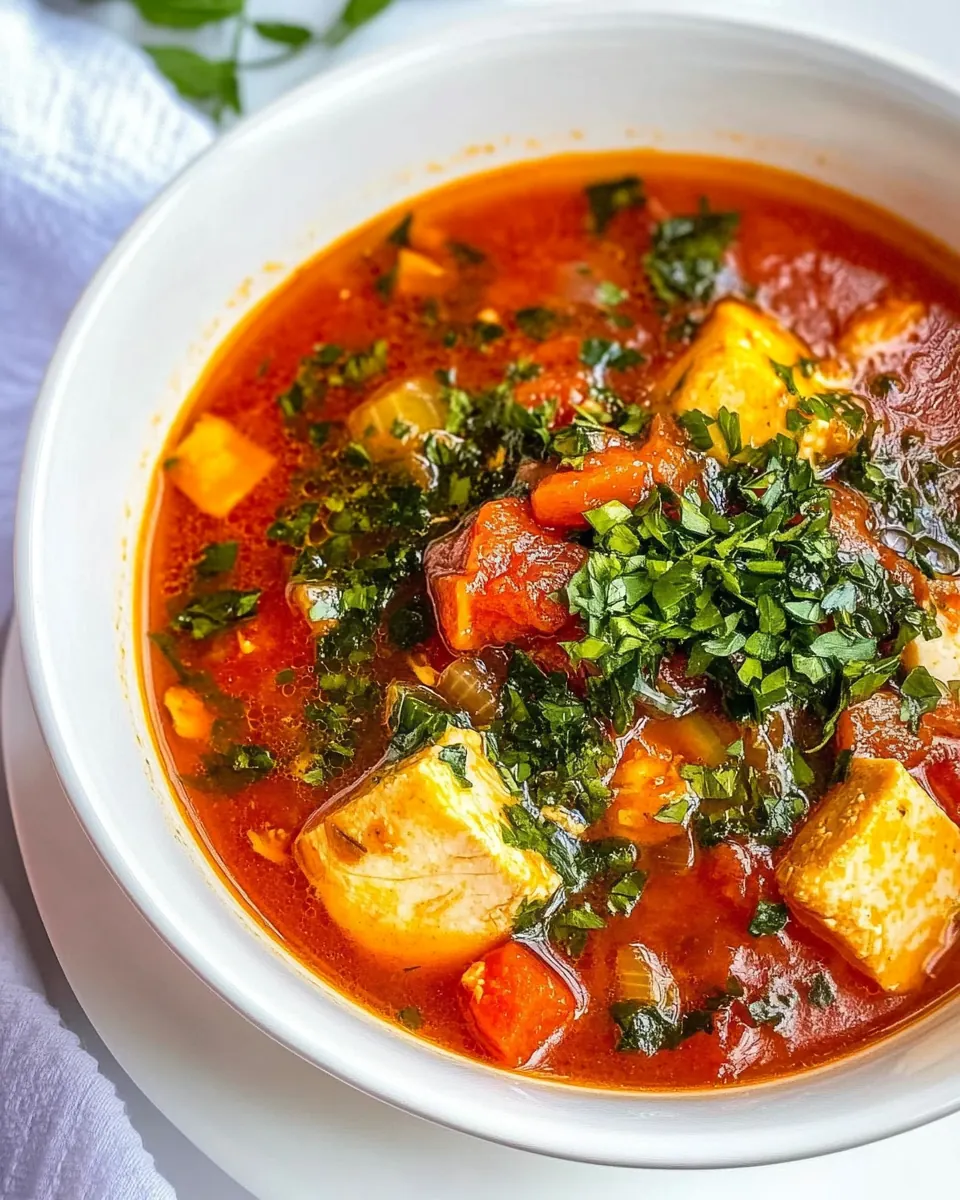
I like to think of tips as small choices that make a big difference in the bowl. Below are helpful ideas and practical notes to keep this soup flavorful and reliable, whether you are cooking for one or a crowd.
- Oil choice Use extra virgin olive oil for a fruitier note, but any neutral oil will work if you prefer a milder profile.
- Chicken pieces If you prefer, shred the cooked chicken after cooking for tender strands that mingle with the broth.
- Tomato texture If you like a smoother soup, pulse the crushed tomatoes briefly with an immersion blender before adding the spinach.
- Broth control Use low sodium chicken broth so you can season precisely at the end and avoid over salting.
- Herb timing Dried herbs can be added early to develop flavor, while fresh herbs should be stirred in at the end for brightness.
What to Pair With Chicken Tomato Soup
This soup works beautifully across meals and occasions, and pairing it thoughtfully elevates the experience. Below are ideas for sides, occasions, and storage that help you serve it with confidence.
- Crusty bread A warm loaf or baguette is ideal for dunking and soaks up the tomato broth, making each bite hearty and comforting.
- Light salad A simple green salad with a bright vinaigrette adds a crisp contrast and keeps the meal balanced for lunch or a light dinner.
- Sandwich pairing Serve alongside a grilled cheese or panini for a nostalgic combo that is perfect for casual weeknights.
- Occasions This soup is well suited to winter evenings and cozy family dinners, and it is a reliable choice for when you need a warm, nourishing bowl.
- Storage Refrigerate in an airtight container for up to three days, and reheat gently on the stovetop to preserve texture and flavor.
- Make ahead Prepare the base through the simmer, cool, then refrigerate; add the spinach and reheat when you are ready to serve for fresher greens.
- Seasonal note In winter, this soup feels especially soothing; the tomato brightness counters the heavy cold and adds welcome warmth.
FAQ
Conclusion
Chicken Tomato Soup shines because it marries bright tomato flavor with tender chicken and fresh greens for a bowl that is both comforting and lively. Give it a try on a cool evening when you want something straightforward but full of flavor, and you will likely find it becomes a dependable favorite. I hope you enjoy the simple, nourishing satisfaction this recipe brings, and that it warms your table as it has mine.
Chicken Tomato Soup
Equipment
- Large Pot
- Wooden Spoon
- Measuring Spoons
- Knife
- Cutting Board
Ingredients
- 1 tablespoon olive oil Adds a fruity, peppery base and helps sauté aromatics; warms the pan and prevents sticking while contributing healthy fats to the soup.
- 1 pound boneless, skinless chicken breasts cut into bite-sized pieces Provides lean protein and hearty texture, cooking quickly in bite-sized pieces; absorbs flavors from the broth and seasonings to make the soup substantial.
- 1 medium onion diced Lends sweetness and savory depth when softened, building the soup's aromatic foundation; releases sugars that balance the tomatoes and enrich overall flavor.
- 2 cloves garlic minced Delivers pungent, aromatic flavor that brightens the broth; minced form distributes evenly and infuses the soup during sautéing.
- 2 medium carrots peeled and diced Contributes natural sweetness and a tender bite when diced; brings body and heartiness while complementing other vegetables.
- 2 celery stalks diced Adds a mild, aromatic crunch and savory background flavor; diced celery balances sweetness and enhances the soup's aromatic profile.
- 1 can crushed tomatoes 28 ounces Supplies rich tomato flavor, acidity, and body to create the soup's tomato base; crushed texture gives a rustic thickness and melds with broth and seasonings.
- 4 cups low-sodium chicken broth Forms the liquid backbone, melding flavors and ensuring proper consistency; low-sodium choice allows control over final seasoning.
- 1 teaspoon dried basil Imparts warm, herbal sweetness that pairs with tomato and chicken; dried form provides concentrated flavor throughout cooking.
- 1 teaspoon dried oregano Adds earthy, slightly minty and savory notes that complement basil and tomatoes; dried oregano distributes robust Mediterranean flavor.
- Salt and pepper to taste Allows adjustment of overall seasoning to taste and enhances all other flavors; salt and pepper together balance sweetness, acidity, and savory elements.
- 2 cups fresh spinach roughly chopped Introduces fresh, leafy greens that wilt into the hot soup, adding color and nutrition; roughly chopped spinach brightens flavor and texture without overpowering.
Instructions
- Heat the olive oil in a large pot over medium heat. Add chicken pieces and cook until lightly browned and no longer pink inside, about 5 minutes.: You will notice a faint fruity aroma as the olive oil warms and the surface shimmers slightly, which signals the right temperature to add the chicken . This light sizzle helps create a golden exterior that adds savory depth to the soup, and browning rather than steaming concentrates flavor. A common mistake is using too high heat, which can burn the oil or brownings too quickly, so keep the flame steady and spread the oil evenly across the pot.
- Add the diced onion, garlic, carrots, and celery to the pot with the chicken. Cook until the vegetables are softened, about 5 minutes.: As the chicken hits the hot oil you will hear it sing softly, and small brown crusts will form on the contact points. Those browned bits add complexity when they are deglazed later. Ensure that pieces are not crowded, or they will steam and not develop color; if necessary cook in batches. Cut one piece to check that the center is opaque and juices run clear to confirm doneness.
- Pour in the crushed tomatoes and chicken broth. Stir in the dried basil, oregano, salt, and pepper. Bring the soup to a boil, then reduce heat and simmer for 20 minutes.: When you add these aromatics you will get an immediate lift in scent, a mix of sweet and savory notes as the onion softens and the garlic releases its oils. Stir frequently so the vegetables sweat rather than burn, and aim for translucent onion and tender carrot, which usually takes a few minutes. Avoid high heat that can scorch the garlic , which turns bitter quickly.
- Stir in the chopped spinach and cook for an additional 5 minutes or until the spinach has wilted and the soup is heated through.: The pot should fill with a gentle steam and a layered aroma that signals the base is developing. The visual cue is softened, slightly glossy vegetables and a fragrant smell that is more rounded and sweet. If they are still stiff, simmer a touch longer; undercooked vegetables will taste raw and disrupt the soup's harmony.
- Pour in the crushed tomatoes and chicken broth: When you add the crushed tomatoes and chicken broth the mixture will transform, turning into a bubbling, rich liquid. Stir to incorporate the browned bits from the bottom of the pot, which releases concentrated flavor. Pour slowly to avoid splattering, and use the broth to adjust the soup's body; too little will make it very thick, while too much will dilute the taste.
- Stir in the dried basil oregano salt and pepper: These dried herbs will perfume the simmering soup, releasing their essential oils into the broth and harmonizing with the tomato acidity. Season lightly at this stage, because flavors concentrate as the liquid reduces. A common error is over seasoning early, so remember you can always add more later after tasting.
- Bring the soup to a boil then reduce heat and simmer for 20 minutes: The soup will bubble energetically as it reaches a boil, and lowering to a gentle simmer lets flavors meld without aggressive evaporation. You want small, steady bubbles that indicate a controlled simmer, which extracts flavor and softens the vegetables further. Simmering too hard can break down textures and make the chicken tough, so aim for a low, even simmer and stir occasionally to prevent sticking.
- Stir in the chopped spinach and cook for an additional 5 minutes or until the spinach has wilted and the soup is heated through: When the spinach hits the hot broth it will rapidly collapse and change to a vivid green, releasing a fresh vegetal scent that brightens the entire pot. This late addition preserves the leafs tenderness and color; cooking it too long will make it mushy and dull. A common slip is adding it at the start, which robs the greens of their texture and brightness, so add it near the end and give it a few minutes to gently wilt.
Notes
- Oil choice Use extra virgin olive oil for a fruitier note, but any neutral oil will work if you prefer a milder profile.
- Chicken pieces If you prefer, shred the cooked chicken after cooking for tender strands that mingle with the broth.
- Tomato texture If you like a smoother soup, pulse the crushed tomatoes briefly with an immersion blender before adding the spinach.
- Broth control Use low sodium chicken broth so you can season precisely at the end and avoid over salting.
- Herb timing Dried herbs can be added early to develop flavor, while fresh herbs should be stirred in at the end for brightness.
