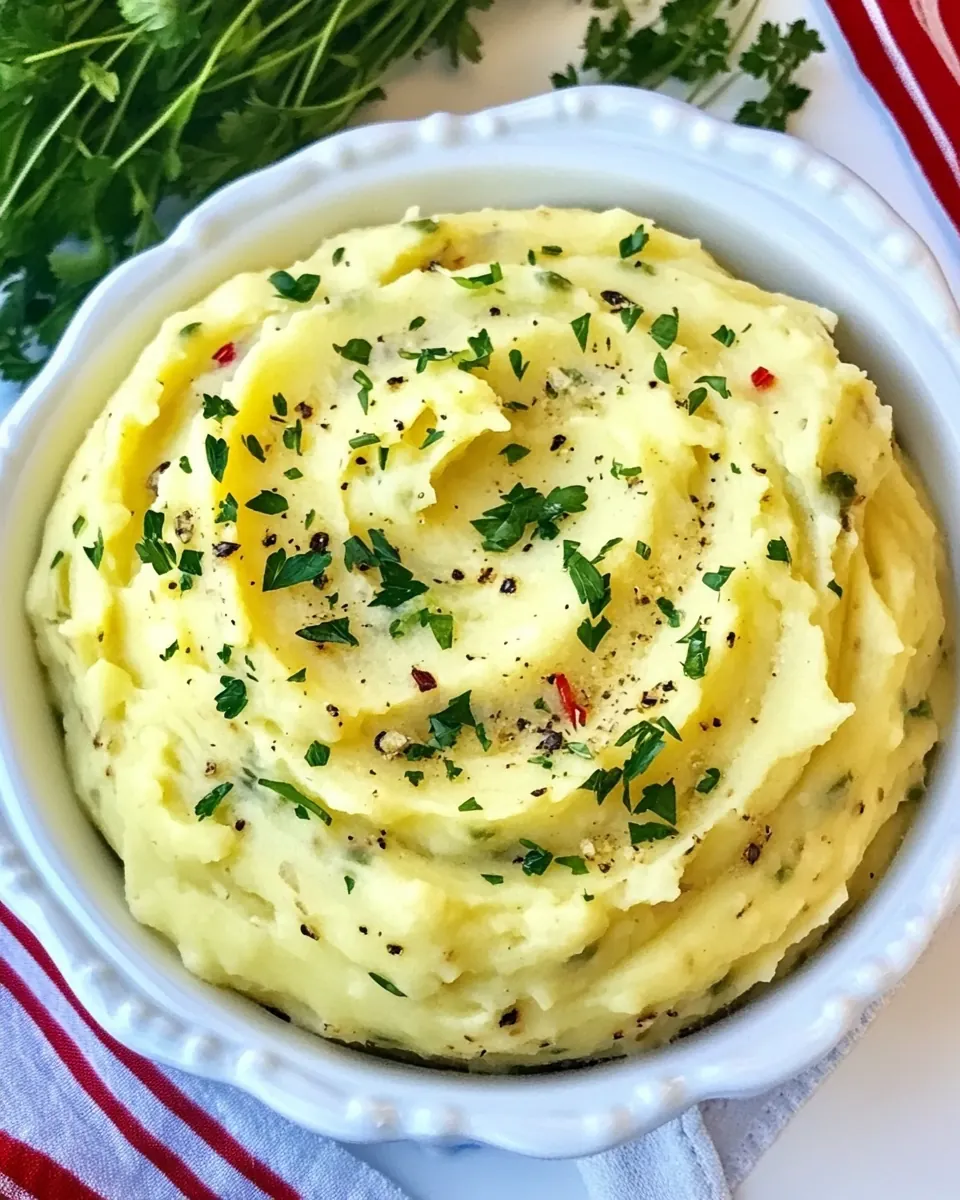
Caramelized Onion Mashed Potatoes with Greek Yogurt
Caramelized Onion Mashed Potatoes with Greek Yogurt is the kind of side I reach for when I want comfort that still feels thoughtful and a little fancy. I remember the first time I made this, stirring a big pot while the apartment filled with the scent of simmering potatoes and sweet onions. That evening a friend declared it the best mashed potatoes they had ever had, and I never looked at plain mash the same way again.
Over the years I’ve tweaked the balance between creamy and tangy, and the addition of Greek yogurt changed everything, giving the mash a bright lift without losing that silky mouthfeel I crave. The process is simple, but the payoff is huge, and I love how it transforms basic potatoes into something that stands up on a holiday table yet is utterly suitable for a cozy weeknight. There is a small ritual to it I enjoy, sautéing the onion slowly so it softens and sweetens, then folding it into the warm mash so each bite has a note of caramelized sweetness.
When I serve Caramelized Onion Mashed Potatoes with Greek Yogurt, I usually lean into seasonal produce and let the dish sit at the center of the plate beside a simple protein, but it also sings alongside roasted vegetables or a green salad. The texture is important to me, so I often mash by hand for a rustic creaminess or use a mixer for an airier result. Either way, the tang from Greek yogurt keeps the dish bright and never cloying.
Recipe Snapshot
40 mins
10 mins
30 mins
Easy
220 kcal
Mediterranean
Gluten-Free, Low FODMAP
Side Dishes
Large pot, Colander, Frying pan, Masher or ricer, Mixing spoon
Why This Caramelized Onion Mashed Potatoes with Greek Yogurt Is So Good
Rich yet bright flavor profile
I love that Caramelized Onion Mashed Potatoes with Greek Yogurt tastes indulgent without feeling heavy. The slowly softened onion lends a natural sweetness, while the Greek yogurt gives a pleasant tang that cuts through the starch of the potatoes. When I want a crowd pleasing side that still feels balanced, this combination never fails.
Versatility on the plate
This mash adapts to many meals. I’ve served it with roasted chicken, grilled fish, and simple braised greens. The texture and flavor let it play well with robust mains, or act as a gentle partner to delicate proteins. I often switch between a fluffier and a denser mash depending on what I’m pairing it with.
Comfort with technique
What draws me to this recipe is that the technique is approachable, but it rewards patience. Lightly sautéing the onion in olive oil until it softens, not browns, is a small effort that yields a noticeable difference in the final dish. I find that taking that extra time elevates an everyday mash into something memorable.
Fast to prepare, great for gatherings
Even though the flavors are layered, the recipe is straightforward and usually comes together within an hour, making it perfect for dinners where you need something reliable and satisfying. I’ve made it for intimate dinners and for larger gatherings, and it scales well as long as you keep an eye on the texture when mashing.
Ingredient-forward and wholesome
I appreciate recipes that let quality ingredients shine. With potatoes, onion, and a dollop of Greek yogurt, this mash is simply honest. I often tell friends that a few small choices, like the timing on the sauté or the decision to mash by hand, make a big difference in the ultimate mouthfeel.
Ingredient List for Caramelized Onion Mashed Potatoes with Greek Yogurt
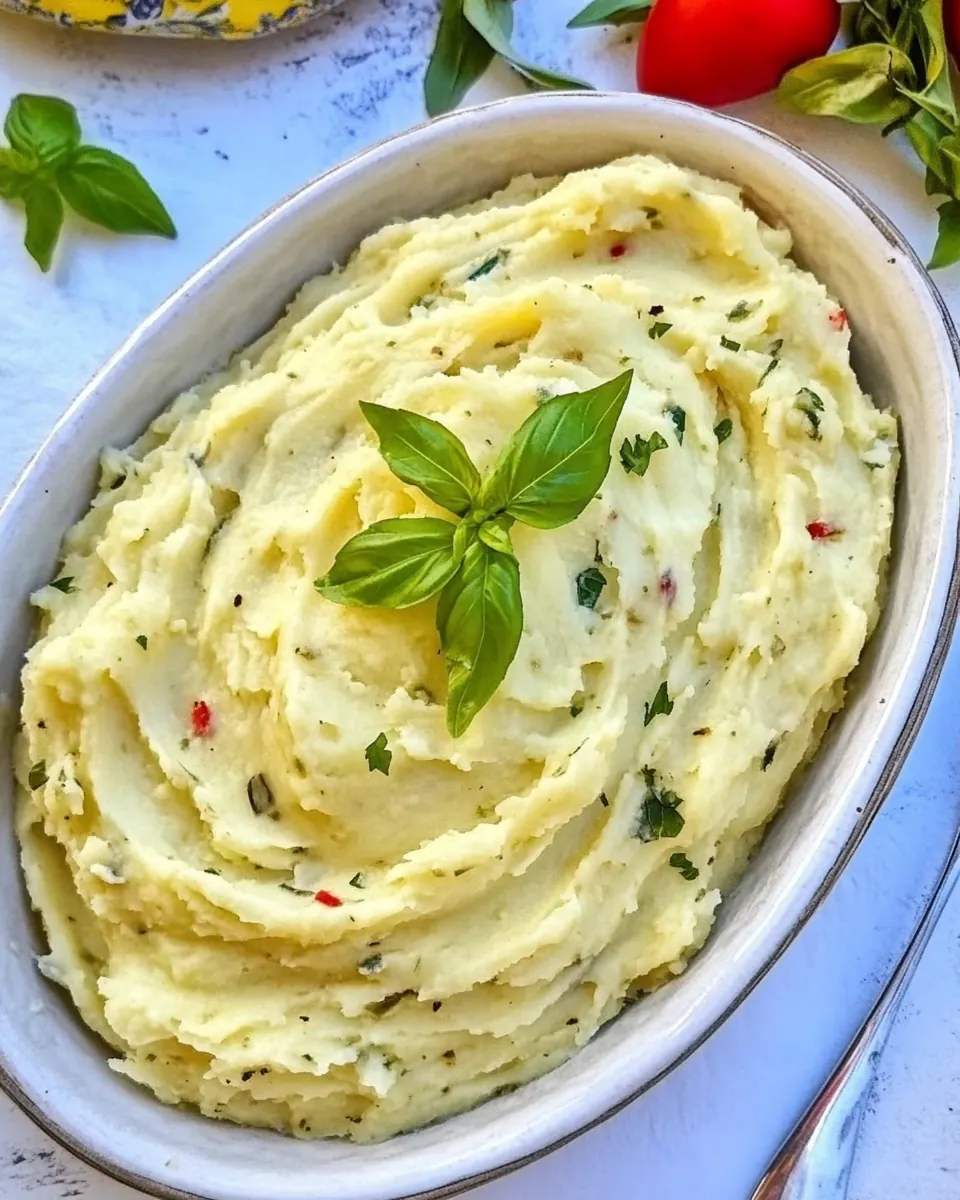
These ingredients are deliberately simple, showcasing a few key players that create comforting texture and layered flavor. The starchy potatoes provide a silky foundation, while the gently cooked onion contributes sweetness, and the Greek yogurt adds tang and body. Together they achieve creaminess without relying on heavy dairy, and the seasoning lets each component speak.
- 7 8 potatoes depending on the amount of mashed potato you want to cook: Provide starchy body and creaminess when boiled and mashed; choose waxy or all-purpose varieties for smoother texture. Peel and cube evenly to ensure uniform cooking and prevent gummy mashed potatoes. Adjust quantity within 7-8 potatoes depending on desired yield and serving size.
- water for boiling: Serve as the cooking medium to evenly boil potatoes until fork-tender; use enough to fully submerge the potatoes by an inch. Bring to a simmer and salt the water to season potatoes from the inside as they cook.
- salt to taste: Season the cooking water and finished mash to taste; enhance overall flavor and balance richness from yogurt or butter. Add gradually and taste, remembering that some of the potato water can also be used to adjust consistency.
- pepper to taste: Season with freshly ground pepper to add mild heat and aromatic complexity to the mash. Use sparingly and taste as you go to prevent overpowering the delicate caramelized onion and yogurt flavors.
- 1 large onion or 1 bunch of green onions or 1 leek: Provide sweet, savory, and aromatic depth when caramelized or a mild oniony flavor when used raw; choose between a large onion, green onions, or a leek based on desired intensity. Slice thinly and cook slowly in oil to develop caramelization, or chop and fold raw for a fresher bite.
- 1 tbsp olive oil: Act as the cooking fat to soften and caramelize the onion while contributing a subtle fruity flavor. Heat gently to avoid burning the onions and use only enough to coat the pan for even browning.
- 100 g Greek yogurt (or sour cream/butter): Add tangy creaminess and a silky texture to mashed potatoes while reducing the need for added butter; substitute with sour cream or butter if preferred. Fold in at the end off heat to preserve creaminess and adjust amount for desired richness.
Step by Step Guide for Caramelized Onion Mashed Potatoes with Greek Yogurt
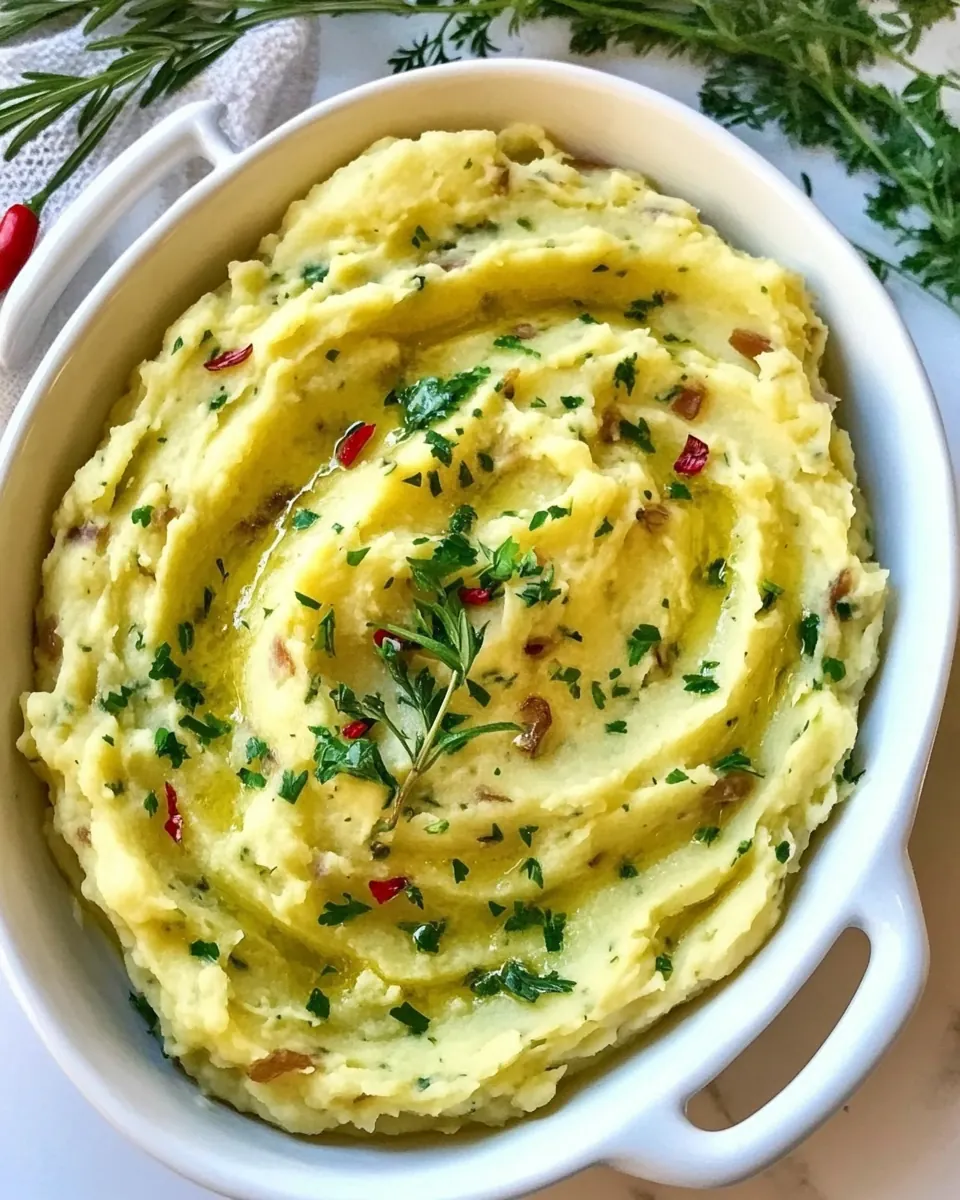
These steps will guide you from boiling to the final creamy mash. I like to keep the workflow simple: cook the potatoes, prepare the onion, then combine while warm so everything melds. Read through once, then gather your tools, and enjoy the rhythm of cooking.
- Boil the cleaned and washed potatoes. Drain the water and mash until you get a fine, creamy consistency.: The pot should emit a steady, gentle bubbling sound as the potatoes simmer, and you will notice their skins tighten and the aroma of starchy steam rising. I start with cool water and bring it to a simmer, which promotes even cooking and prevents the outer flesh from turning mushy before the center is done. A reliable visual cue is when a fork slides through the largest potato with almost no resistance, and the surface of the water will show small rolling bubbles but not a violent boil. The why is simple, even heat creates uniformly tender potatoes for a smooth mash. A common mistake is starting in boiling water, which can make the exterior break down too fast and leave a gummy texture. If your potatoes finish with water still clinging, drain thoroughly to avoid a watery mash.
- Season with salt and pepper and add the yogurt. Stir until you get a soft and creamy texture. You can blend the potatoes using a mixer and then add the rest of the ingredients to get an even lighter texture.: When you drain, listen for the quiet clink of the colander and feel the steam lift away, leaving warm, fluffy potatoes . Use a masher or ricer depending on your preferred texture; a ricer gives a silkier profile, a hand masher yields a bit more rustic body. The reason this step matters is texture, as overworking hot potatoes can release excess starch and make them gluey, whereas gentle mashing preserves a tender, airy structure. You should see smooth peaks and a velvety sheen when the mash is ready. A typical error is rushing and vigorously whipping, which makes the mash gummy; to avoid that, use gentle motions and stop when the lumps are gone.
- In a frying pan, sauté the onion or leek in olive oil, allowing it to soften, until it reaches a light golden color around the edges—make sure to don't allow it to brown!: As you fold in the Greek yogurt , you will notice a cooling swirl and a fresh, tangy scent that brightens the warm, earthy aroma of the potatoes . Adding seasoning at this stage ensures the flavors integrate rather than sitting on top. I add a small pinch of salt first, taste, then adjust, because heat can amplify saltiness. The purpose of the Greek yogurt is to create creaminess without heavy dairy weight, and it softens the flavor profile while adding a subtle tang. A common pitfall is adding too much dairy at once, which can make the mash too loose; if that happens, a brief gentle return to low heat with continuous stirring can bring it back together.
- Add the onion to the potato and stir.: When you use a hand mixer, the whirring becomes part of the kitchen soundtrack and air folds into the mash, producing a cloudlike texture and a lighter mouthfeel. This technique works well if you prefer ethereal mash, but be cautious about overmixing, since the high speed can break down the potato structure and create a gluey result. I recommend pulsing briefly and checking; you should see a smooth, pillowy consistency without stringiness. One mistake is running the mixer continuously at high speed; instead, use short bursts and scrape the bowl between passes.
- Enjoy as a side dish paired with a main course of your choice.: As the onion cooks, it will release a sweet, savory aroma and its texture will shift from crisp to tender, producing a gentle sizzling sound. Keep the heat at medium low so the sugars gently leach out and the onion becomes translucent with subtle golden edges, which gives that caramelized note without bitterness. The why here is about flavor control, gentle heat teases out sweetness while preserving a clean profile. Watch closely, stir occasionally, and if you see rapid browning, lower the heat immediately, because burned onion will add an unpleasant char. A common mistake is trying to speed the process with high heat, which yields uneven cooking and bitter spots.
- Add the onion to the potato and stir: When you fold the warm, softened onion into the mash, you will notice little ribbons of sweetness distributed throughout, and the mixture releases a comforting, savory perfume. The warmth helps the flavors meld quickly, and gentle folding ensures each bite has a balance of creamy potatoes and softened onion . This step matters because it marries texture and flavor, avoiding pockets of unmixed ingredients. A typical error is adding the onion while the mash is lukewarm, which can result in a less cohesive flavor profile; aim to combine while the mash is still warm for optimal integration.
- Enjoy as a side dish paired with a main course of your choice: The final dish should feel inviting on the plate, steam curling off the surface and releasing the combined aromas of potatoes , sweet onion , and tangy Greek yogurt . Serve immediately for the best texture, or keep warm in a low oven if you need a short hold, stirring occasionally to maintain creaminess. The why is service temperature, because cold or overheld mash can separate or dry out. Common mistakes include leaving it uncovered for too long, which forms a skin, so tent with foil and stir before serving to refresh the texture.
Helpful Hints
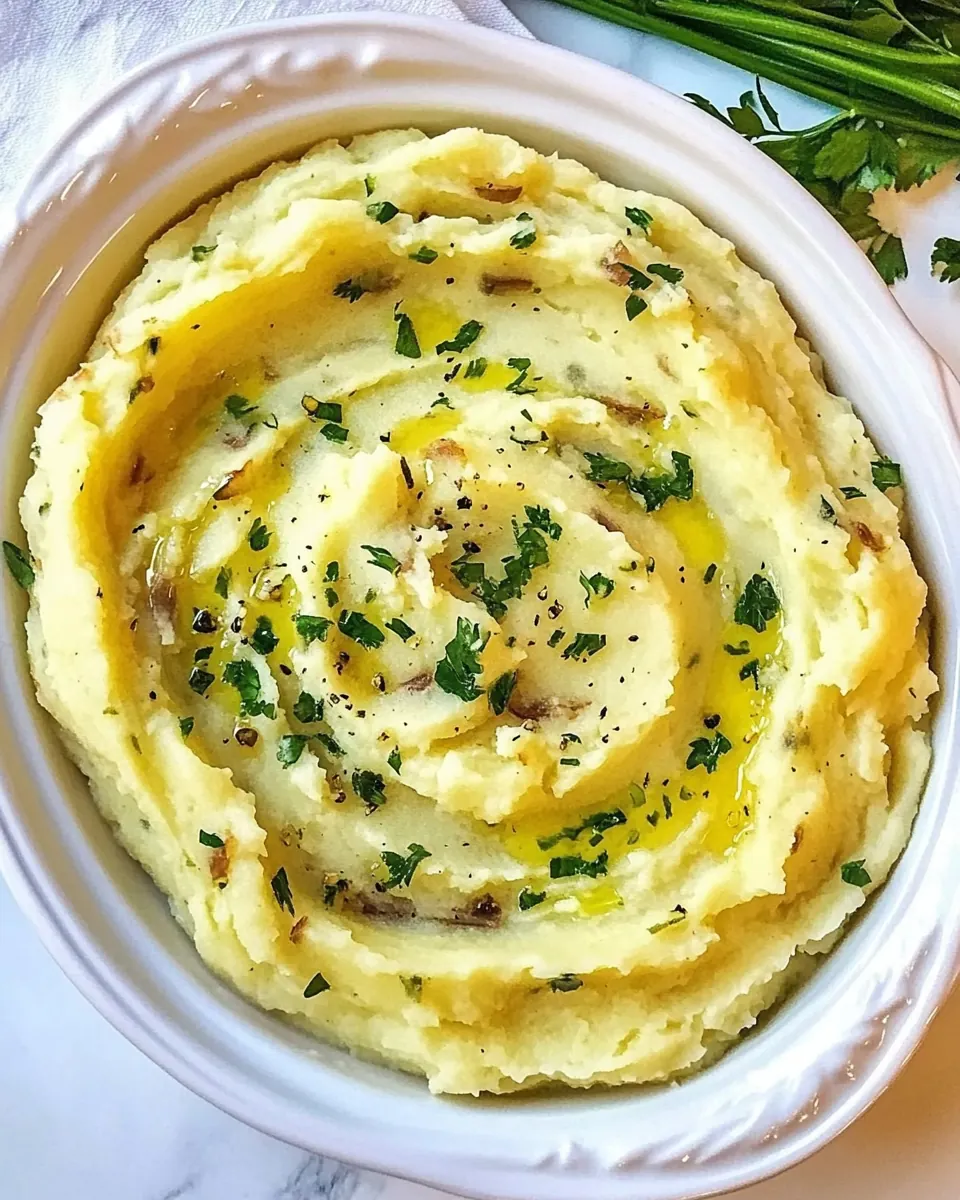
This section gathers practical tips I use every time I make Caramelized Onion Mashed Potatoes with Greek Yogurt. They cover technique, timing, and small adjustments that make the final dish shine. Keep these in mind while cooking to avoid common pitfalls and to personalize the texture and flavor.
- Use evenly sized potatoes so they cook at the same rate, which prevents some pieces from being overdone while others are undercooked.
- Start potatoes in cold water to ensure even cooking from edge to center and to avoid a gummy exterior with a raw interior.
- Low and slow for the onion helps extract sweetness without caramelizing into brown or bitter bits that can overpower the mash.
- Add yogurt off heat to maintain a smooth, creamy texture and to prevent the dairy from separating when mixed into warm potatoes.
- Taste and adjust seasoning last because warming can intensify salt, and a final adjustment ensures balanced flavor.
- Keep warm gently if needed by covering and holding in a low oven, stirring occasionally to prevent a skin from forming.
What Complements This Caramelized Onion Mashed Potatoes with Greek Yogurt
This mash pairs beautifully with a range of mains and fits many occasions from weeknight dinners to holiday feasts. Think of it as a versatile companion that can be dressed up or kept simple depending on the menu. It also stores and reheats well, so leftovers make excellent next day meals.
- Roasted or grilled proteins are classic partners, as the creamy mash balances richer meats or fish and takes on pan sauces wonderfully.
- Vegetable sides like roasted root vegetables or sautéed greens add color and contrast, creating a balanced plate.
- Occasions such as family dinners, casual gatherings, and holiday spreads all welcome this dish because it scales and keeps well under gentle heat.
- Storage tips include refrigerating in an airtight container for up to three days, and reheating gently with a splash of water or milk to restore creaminess.
- Seasonal pairings in fall and winter include roasted squash or braised greens, while in spring you can pair with lighter grilled proteins for contrast.
FAQ
Conclusion
Caramelized Onion Mashed Potatoes with Greek Yogurt stand out because they combine the cozy creaminess of mashed potatoes with the sweet depth of gently cooked onions and a lively tang from Greek yogurt. Try this recipe when you want a side that feels both comforting and a little elevated. It’s forgiving, adaptable, and reliably delicious, so give it a go and enjoy how a few simple techniques transform humble ingredients into something memorable.
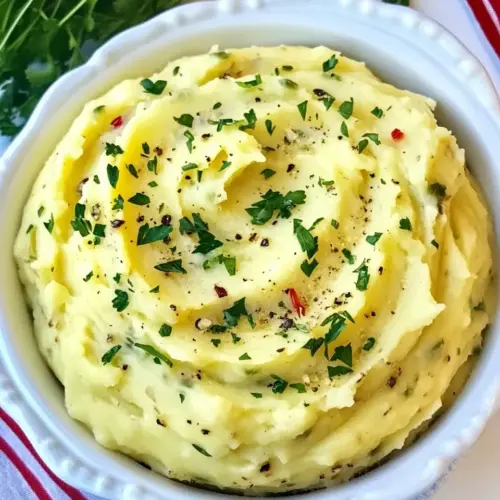
Caramelized Onion Mashed Potatoes with Greek Yogurt
Equipment
- Large Pot
- Colander
- Frying Pan
- Masher or ricer
- Mixing Spoon
Ingredients
- 7 -8 potatoes depending on the amount of mashed potato you want to cook Provide starchy body and creaminess when boiled and mashed; choose waxy or all-purpose varieties for smoother texture. Peel and cube evenly to ensure uniform cooking and prevent gummy mashed potatoes. Adjust quantity within 7-8 potatoes depending on desired yield and serving size.
- water for boiling Serve as the cooking medium to evenly boil potatoes until fork-tender; use enough to fully submerge the potatoes by an inch. Bring to a simmer and salt the water to season potatoes from the inside as they cook.
- salt to taste Season the cooking water and finished mash to taste; enhance overall flavor and balance richness from yogurt or butter. Add gradually and taste, remembering that some of the potato water can also be used to adjust consistency.
- pepper to taste Season with freshly ground pepper to add mild heat and aromatic complexity to the mash. Use sparingly and taste as you go to prevent overpowering the delicate caramelized onion and yogurt flavors.
- 1 large onion or 1 bunch of green onions or 1 leek Provide sweet, savory, and aromatic depth when caramelized or a mild oniony flavor when used raw; choose between a large onion, green onions, or a leek based on desired intensity. Slice thinly and cook slowly in oil to develop caramelization, or chop and fold raw for a fresher bite.
- 1 tbsp olive oil Act as the cooking fat to soften and caramelize the onion while contributing a subtle fruity flavor. Heat gently to avoid burning the onions and use only enough to coat the pan for even browning.
- 100 g Greek yogurt (or sour cream/butter) Add tangy creaminess and a silky texture to mashed potatoes while reducing the need for added butter; substitute with sour cream or butter if preferred. Fold in at the end off heat to preserve creaminess and adjust amount for desired richness.
Instructions
- Boil the cleaned and washed potatoes. Drain the water and mash until you get a fine, creamy consistency.: The pot should emit a steady, gentle bubbling sound as the potatoes simmer, and you will notice their skins tighten and the aroma of starchy steam rising. I start with cool water and bring it to a simmer, which promotes even cooking and prevents the outer flesh from turning mushy before the center is done. A reliable visual cue is when a fork slides through the largest potato with almost no resistance, and the surface of the water will show small rolling bubbles but not a violent boil. The why is simple, even heat creates uniformly tender potatoes for a smooth mash. A common mistake is starting in boiling water, which can make the exterior break down too fast and leave a gummy texture. If your potatoes finish with water still clinging, drain thoroughly to avoid a watery mash.
- Season with salt and pepper and add the yogurt. Stir until you get a soft and creamy texture. You can blend the potatoes using a mixer and then add the rest of the ingredients to get an even lighter texture.: When you drain, listen for the quiet clink of the colander and feel the steam lift away, leaving warm, fluffy potatoes . Use a masher or ricer depending on your preferred texture; a ricer gives a silkier profile, a hand masher yields a bit more rustic body. The reason this step matters is texture, as overworking hot potatoes can release excess starch and make them gluey, whereas gentle mashing preserves a tender, airy structure. You should see smooth peaks and a velvety sheen when the mash is ready. A typical error is rushing and vigorously whipping, which makes the mash gummy; to avoid that, use gentle motions and stop when the lumps are gone.
- In a frying pan, sauté the onion or leek in olive oil, allowing it to soften, until it reaches a light golden color around the edges—make sure to don't allow it to brown!: As you fold in the Greek yogurt , you will notice a cooling swirl and a fresh, tangy scent that brightens the warm, earthy aroma of the potatoes . Adding seasoning at this stage ensures the flavors integrate rather than sitting on top. I add a small pinch of salt first, taste, then adjust, because heat can amplify saltiness. The purpose of the Greek yogurt is to create creaminess without heavy dairy weight, and it softens the flavor profile while adding a subtle tang. A common pitfall is adding too much dairy at once, which can make the mash too loose; if that happens, a brief gentle return to low heat with continuous stirring can bring it back together.
- Add the onion to the potato and stir.: When you use a hand mixer, the whirring becomes part of the kitchen soundtrack and air folds into the mash, producing a cloudlike texture and a lighter mouthfeel. This technique works well if you prefer ethereal mash, but be cautious about overmixing, since the high speed can break down the potato structure and create a gluey result. I recommend pulsing briefly and checking; you should see a smooth, pillowy consistency without stringiness. One mistake is running the mixer continuously at high speed; instead, use short bursts and scrape the bowl between passes.
- Enjoy as a side dish paired with a main course of your choice.: As the onion cooks, it will release a sweet, savory aroma and its texture will shift from crisp to tender, producing a gentle sizzling sound. Keep the heat at medium low so the sugars gently leach out and the onion becomes translucent with subtle golden edges, which gives that caramelized note without bitterness. The why here is about flavor control, gentle heat teases out sweetness while preserving a clean profile. Watch closely, stir occasionally, and if you see rapid browning, lower the heat immediately, because burned onion will add an unpleasant char. A common mistake is trying to speed the process with high heat, which yields uneven cooking and bitter spots.
- Add the onion to the potato and stir: When you fold the warm, softened onion into the mash, you will notice little ribbons of sweetness distributed throughout, and the mixture releases a comforting, savory perfume. The warmth helps the flavors meld quickly, and gentle folding ensures each bite has a balance of creamy potatoes and softened onion . This step matters because it marries texture and flavor, avoiding pockets of unmixed ingredients. A typical error is adding the onion while the mash is lukewarm, which can result in a less cohesive flavor profile; aim to combine while the mash is still warm for optimal integration.
- Enjoy as a side dish paired with a main course of your choice: The final dish should feel inviting on the plate, steam curling off the surface and releasing the combined aromas of potatoes , sweet onion , and tangy Greek yogurt . Serve immediately for the best texture, or keep warm in a low oven if you need a short hold, stirring occasionally to maintain creaminess. The why is service temperature, because cold or overheld mash can separate or dry out. Common mistakes include leaving it uncovered for too long, which forms a skin, so tent with foil and stir before serving to refresh the texture.
Notes
- Use evenly sized potatoes so they cook at the same rate, which prevents some pieces from being overdone while others are undercooked.
- Start potatoes in cold water to ensure even cooking from edge to center and to avoid a gummy exterior with a raw interior.
- Low and slow for the onion helps extract sweetness without caramelizing into brown or bitter bits that can overpower the mash.
- Add yogurt off heat to maintain a smooth, creamy texture and to prevent the dairy from separating when mixed into warm potatoes.
- Taste and adjust seasoning last because warming can intensify salt, and a final adjustment ensures balanced flavor.
- Keep warm gently if needed by covering and holding in a low oven, stirring occasionally to prevent a skin from forming.
