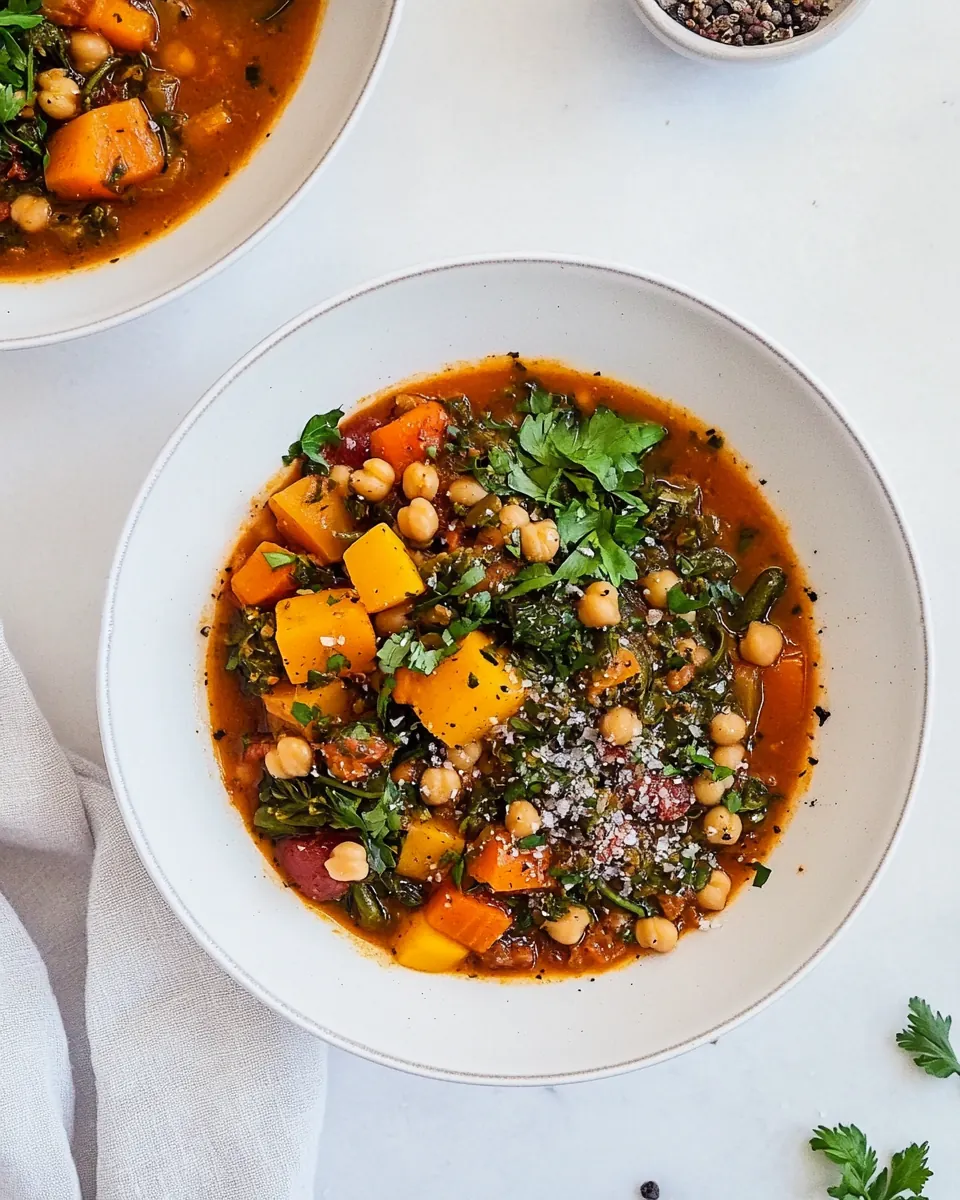
Flavours of Morocco Inspired Vegetable and Chickpea Stew
Flavours of Morocco Inspired Vegetable and Chickpea Stew is the kind of pot I reach for when the days are short and I want a meal that smells like a memory and tastes like comfort.
I first learned to make this stew on an evening when rain kept me indoors and I had only pantry staples, a stubborn sweet potato, and a jar of dates. The aroma of toasted cumin and coriander blooming in oil turned my kitchen into a warm, fragrant place where time slowed. I remember stirring slowly, listening to the soft sizzle as the onion softened and the spices released their perfume. Each spoonful that night felt like a small celebration, nourishing in a way that is both cozy and bright.
Over the years I tweaked this bowl until it felt right for weeknights and guests alike. Adding chopped Medjool dates brings a subtle sweetness that balances the savory chickpeas and the bright crushed tomatoes. A handful of hearty greens at the end keeps the stew lively and adds color and texture. I love serving it over a steaming bed of cooked grain, and I always finish with a little grated lemon zest to lift the flavors.
Recipe Snapshot
55 mins
25 mins
30 mins
Medium
350 kcal
Mediterranean
Vegan, Gluten-Free
Dinner
Large heavy soup pot, Wooden spoon
What We Adore About This Flavours of Morocco Inspired Vegetable and Chickpea Stew
Comfort with a Complex Flavor
I adore how Flavours of Morocco Inspired Vegetable and Chickpea Stew manages to feel both simple and layered. The blend of cinnamon, cumin, and coriander gives you depth without fuss, so one pot becomes a comfort food hero on tough evenings.
Highly Flexible for Pantry Cooking
When I have limited fresh produce, this recipe still shines. The combination of dried and canned staples, especially the chickpeas and crushed tomatoes, means you can pull it together any time. I often swap the grain I serve it with depending on what I have, and it never disappoints.
Balanced Sweetness and Acidity
The chopped Medjool dates are a small but transformative addition. They melt into the broth, offering a rounded sweetness that counterpoints the bright acidity of crushed tomatoes and the sharpness of freshly grated lemon zest. That balance makes every spoonful interesting.
Vegetarian and Satisfying
I love that this stew is filling without meat, thanks to the hearty texture of chickpeas and the comforting body of sweet potato and carrots. It sits well at the center of a meal, whether I want a light dinner or a more substantial family meal.
Easy to Make Ahead and Reheat
This recipe keeps beautifully. I often make a large batch and refrigerate leftovers, which actually deepen in flavor the next day. Reheating slowly on the stove preserves texture and brings the spices back to life.
Ingredients Required for Flavours of Morocco Inspired Vegetable and Chickpea Stew
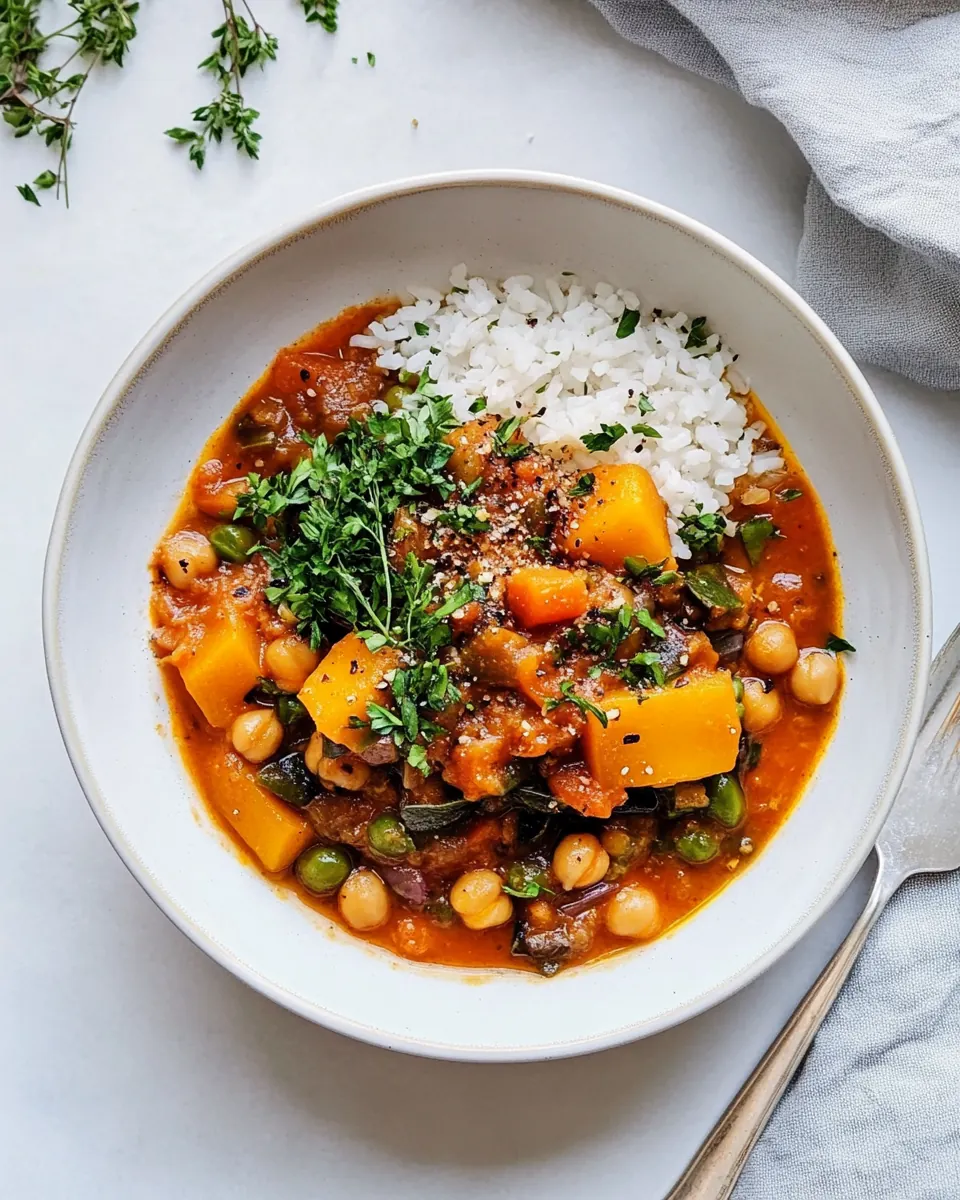
These ingredients form a thoughtful ensemble that balances sweet, savory, and aromatic notes. The spices are the backbone here, blooming in oil to create a fragrant base, while the hearty vegetables and chickpeas deliver satisfying texture. Fresh elements like lemon zest and chopped herbs finish the dish with brightness, and cooked grain of choice anchors each bowl so it feels like a complete meal.
- 1 tablespoon coconut oil: Melting the oil provides a neutral, fragrant cooking fat to sauté aromatics and prevent sticking while adding subtle richness to the stew.
- 1 medium onion, small dice: Dicing finely releases sweet, savory flavors and provides a tender base texture that melds with spices during the sautéing stage.
- 2 teaspoons ground cinnamon: Infusing warmth and sweetness, cinnamon layers a fragrant, slightly woody note that complements the dish's North African spice profile.
- 2 teaspoons ground cumin: Toasting the cumin blooms its earthy, nutty aroma and adds depth and savory complexity to the overall flavor.
- 2 teaspoons ground coriander: Sprinkling ground coriander contributes a citrusy, floral undertone that brightens and balances the heavier spices.
- 1/2 teaspoon chili flakes () (optional): Adding chili flakes introduces adjustable heat and a touch of smoky spice, allowing customization of the stew's spiciness.
- 2 cloves garlic, minced: Mincing garlic releases pungent, aromatic oils that enhance savory depth and marry well with the warm spices.
- 4 Medjool dates, pitted and chopped: Chopping dates adds concentrated sweetness and a sticky, fruity complexity that harmonizes with spices and balances acidity.
- 2 medium carrots, chopped: Chopping carrots supplies natural sweetness, firm texture, and color while holding up well during simmering.
- 1 large sweet potato, peeled and chopped into 1-inch pieces: Peeling and chopping the sweet potato provides creamy, starchy body and a sweet, earthy flavor that thickens the stew.
- 128 ounce can crushed tomatoes: Pouring crushed tomatoes delivers bright acidity, body, and umami-rich tomato flavor to build the stew's saucy base.
- 3 cups vegetable stock, plus extra: Simmering with vegetable stock adds savory liquid body and an adjustable savory foundation; extra stock can thin the stew if needed.
- 1 bell pepper, chopped: Chopping the bell pepper contributes crisp, slightly sweet vegetal notes and tender texture that complements root vegetables.
- 2 cups cooked chickpeas, drained and rinsed: Draining and rinsing cooked chickpeas supplies creamy protein and a firm bite that soaks up the stew's flavors without becoming mushy.
- sea salt and ground black pepper, to taste: Seasoning with sea salt and black pepper enhances and balances all flavors while allowing for final taste adjustments to preference.
- 2 cups chopped greens of choice, kale, spinach, collards etc: Chopping hearty greens offers a boost of color, nutrients, and slight bitterness that wilts into the stew for added texture.
- chopped flat leaf parsley or cilantro: Chopping parsley or cilantro provides bright, herbaceous freshness and a clean finish that lifts the stew's richness.
- finely grated lemon zest: Grating lemon zest adds concentrated citrus oils that brighten and awaken flavors without adding acidity.
- cooked grain of choice, such as brown rice, quinoa, millet, or couscous: Serving with cooked grain supplies a neutral, absorbent base that soaks up the sauce and rounds out the meal with satisfying carbohydrates.
Putting Together Flavours of Morocco Inspired Vegetable and Chickpea Stew
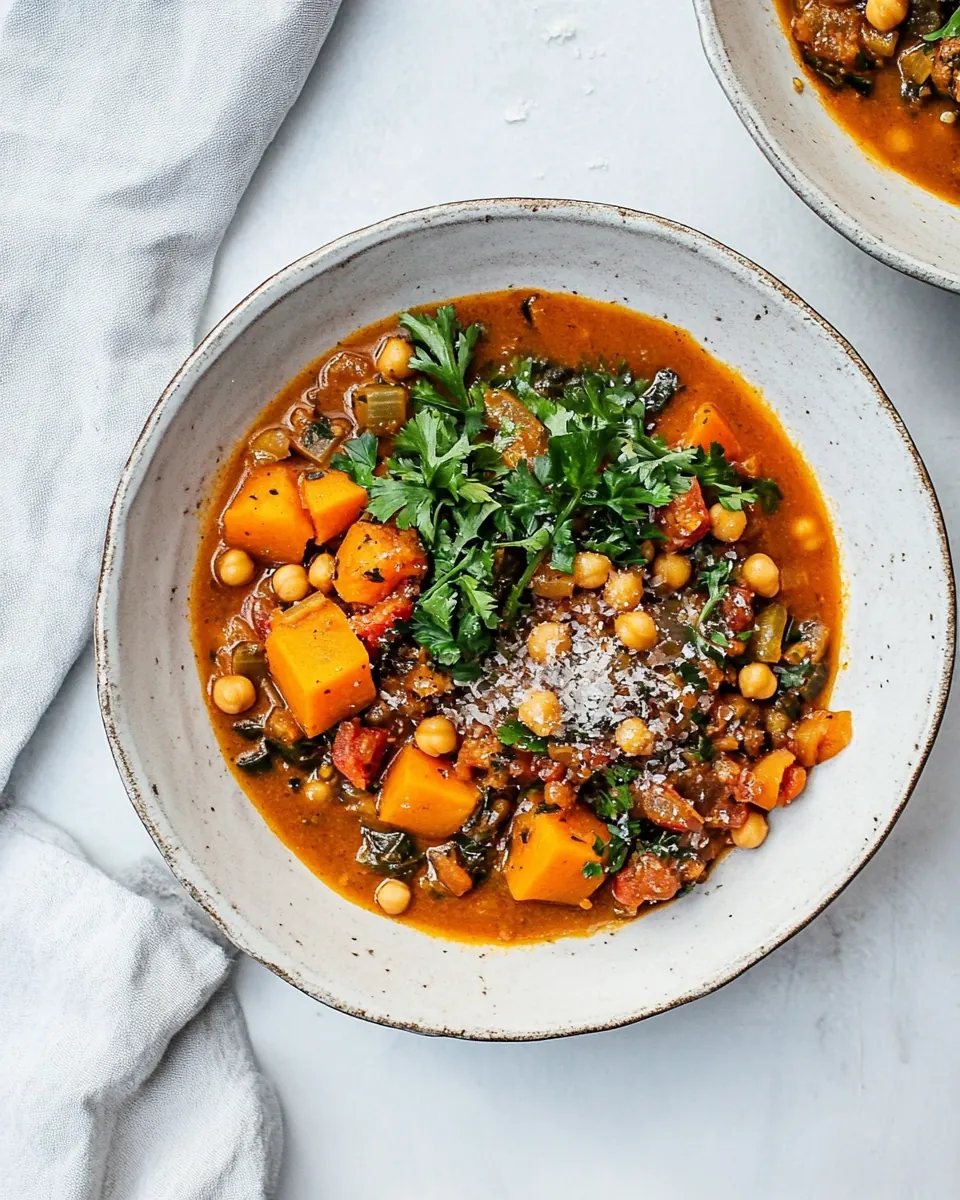
Bringing this stew together is about layering flavors patiently, from toasting spices in oil to a gentle simmer that softens vegetables and brings everything into harmony. I like to keep my tools nearby and taste often, making small adjustments as textures shift. The directions below map to the original steps and expand so you know what to look, smell, and listen for at each stage.
- Heat the coconut oil in a large, heavy soup pot over medium heat. Add the onions and lower heat until they are sizzling kind of quietly. Once the onions are a bit soft and translucent, add the cinnamon, cumin, coriander and chili flakes. Slowly sauté and stir this mix until the onions are really, really soft, about 6-7 minutes. Add the garlic and sauté until fragrant, about 1 minute.: Expect a gentle shush as the coconut oil warms and the diced onion begins to soften; the sound moves from a louder sizzle to a low, steady whisper as moisture releases. You will see the edges of the onion go translucent and the pieces collapse slightly, signaling they are ready for spice; the air will fill with the toasted, warm scents of cinnamon , cumin , and coriander , which is when the dish really starts to smell like Morocco. Add the chili flakes sparingly so they do not dominate. When you stir in the minced garlic , it should bloom quickly and perfume the pot but not brown; garlic overcooked will taste bitter, so reduce the heat if you see browning. A common misstep is rushing this stage with high heat, which scorches both onion and spices and creates an acrid base, so keep the temperature moderate and stir often to coax out sweetness rather than caramelizing hard edges.
- Add the chopped dates, carrots and sweet potatoes. Season with salt and pepper. Stir to coat the vegetables in the spices and oil. Add the tomatoes and stir. Add the vegetable stock. Bring the soup to a boil and simmer until the sweet potatoes are just tender, about 10-12 minutes.: When you add the chopped Medjool dates , carrots , and 1 inch pieces of sweet potato , the pot will become visually brighter and the texture contrast increases. Coat every piece by stirring so the spices cling, and you will notice the dates begin to break down and lend a glossy sheen to the liquid. Pour in the canned crushed tomatoes and watch the color deepen to a warm, rich red; then add the vegetable stock and raise the heat until small bubbles appear and the surface moves steadily. Once it simmers, the aroma will shift from toasted spices to a rounded, savory stew scent. Check the sweet potatoes for tenderness by piercing a piece with a fork; it should give with little resistance. Avoid a rolling boil which can shred the vegetables and toughen them; maintain a gentle, steady simmer for even cooking. If the pot reduces too fast, lower the heat and add a splash more stock.
- Add the chopped yellow peppers and chickpeas and stir the soup. Season the whole thing again with salt and pepper. Simmer until the yellow peppers are tender and the sweet potatoes are quite soft, about 5 minutes.: When you fold in the chopped bell pepper and drained chickpeas , you will see colors pop and the texture profile shift; the peppers will remain brighter when added now rather than earlier. The pot will make a softer bubbling sound and the steam will carry sweet pepper notes. As it simmers for about five minutes, the peppers should become tender yet still retain a slight bite, and the chickpeas will warm through and take on the surrounding flavors. Taste and adjust seasoning because salt needs to be balanced after these additions; the canned chickpeas can add residual saltiness if not rinsed. A typical mistake is letting this boil hard, which breaks the skins of the chickpeas and creates a cloudy, chalky texture, so keep it gentle.
- Add the greens to the pot (and more stock if necessary) and cook for 1 minute, or until just-wilted. Check the soup for seasoning and serve it hot with cooked grains, drizzles of olive oil, lemon zest and chopped herbs.: Stirring in the chopped greens at the end adds a burst of color and fresh flavor; they will collapse quickly, changing from vivid and leafy to silky and folded into the broth in less than a minute. If the stew seems too thick, add a splash of extra vegetable stock so the greens have room to swirl and the final texture is brothy rather than gluey. After a quick wilt, sample the stew for salt and pepper and adjust, because flavors concentrate as it cools slightly. Serve hot over a scoop of cooked grain so the grain soaks up the savory tomato broth; finish each bowl with a drizzle of oil, a sprinkle of chopped parsley or cilantro , and a dusting of finely grated lemon zest to brighten the whole dish. The common error here is overcooking the greens which mutes their color and fresh bite, so add them last and remove from heat promptly.
Tips and Variations
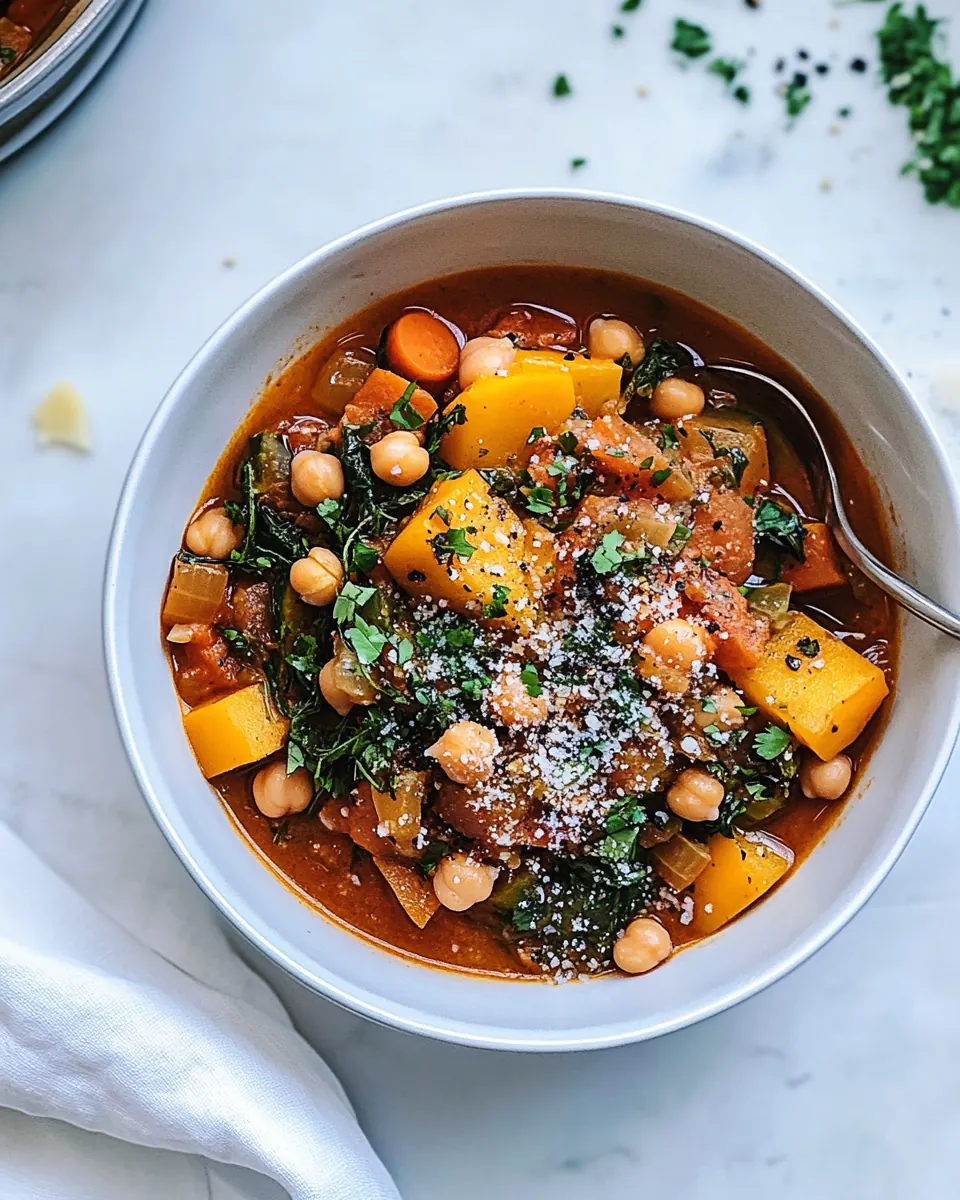
I like to treat this stew as a template that welcomes small twists while keeping its Moroccan inspired soul. Below are practical tips and variations I use to adapt the recipe for time, pantry, and personal taste.
- Slowly bloom spices in warm oil to unlock their fullest aroma, stirring constantly so the cumin and coriander do not burn.
- Use ripe Medjool dates because they dissolve into a silky sweetness, but if yours are dry soak them briefly to avoid chewy bites.
- Adjust chili flakes to control heat, adding a pinch at a time and tasting as you go to avoid overpowering the other flavors.
- Serve over warm grains like brown rice or quinoa to soak up the stew and add satisfying chew to each spoonful.
- Reheat gently on the stove rather than microwaving to preserve texture, adding a splash of stock if it feels too thick.
- Boost brightness with fresh lemon zest right before serving, which lifts the savory and sweet notes without adding liquid.
Best Served With
This stew is versatile and pairs well with simple sides that complement its warmth and complexity. I prefer components that add texture contrast and balance, so the overall meal feels complete and welcoming.
- Cooked whole grains such as warm brown rice, quinoa, millet, or couscous to absorb the stew and provide hearty chew for a filling lunch or dinner.
- Light salads with crisp leaves and a lemony dressing to add a crisp, acidic counterpoint that refreshes the palate between warm spoonfuls.
- Flatbreads or toasted bread for scooping, which are perfect when you want a tactile element to accompany the saucy stew.
- Yogurt on the side if permitted by diet, a dollop can lend creamy coolness and mellow spiciness for those who enjoy a tangy contrast.
- Occasion suggestions like weeknight family dinners, cozy winter meals, or communal bowls for small gatherings where everyone can serve from one pot.
- Storage tips including refrigerating in an airtight container for up to three days, and freezing portions for up to three months; thaw slowly and reheat on low with a splash of stock.
- Seasonal pairings favor winter and cool months when root vegetables and hearty greens are at their best, making the stew especially comforting.
FAQ
Conclusion
This stew stands out for its warm spice blend, balanced sweetness from dates, and satisfying heartiness from chickpeas and sweet potato. I hope you give Flavours of Morocco Inspired Vegetable and Chickpea Stew a try, whether for a cozy family dinner or to meal prep for the week. It’s forgiving, adaptable, and rewarding, and I find it brings a little warmth to any table.
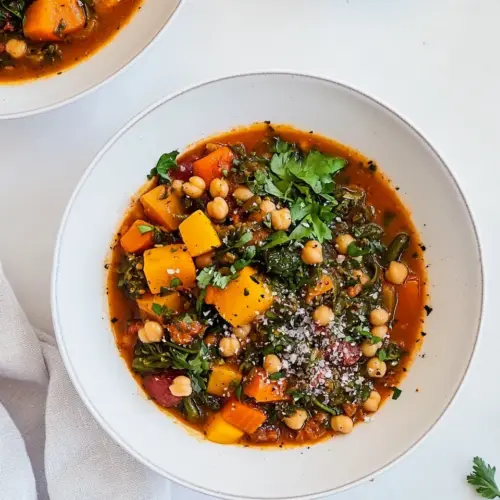
Flavours of Morocco Inspired Vegetable and Chickpea Stew
Equipment
- Large heavy soup pot
- Wooden Spoon
Ingredients
- 1 tablespoon coconut oil Melting the oil provides a neutral, fragrant cooking fat to sauté aromatics and prevent sticking while adding subtle richness to the stew.
- 1 medium onion, small dice Dicing finely releases sweet, savory flavors and provides a tender base texture that melds with spices during the sautéing stage.
- 2 teaspoons ground cinnamon Infusing warmth and sweetness, cinnamon layers a fragrant, slightly woody note that complements the dish's North African spice profile.
- 2 teaspoons ground cumin Toasting the cumin blooms its earthy, nutty aroma and adds depth and savory complexity to the overall flavor.
- 2 teaspoons ground coriander Sprinkling ground coriander contributes a citrusy, floral undertone that brightens and balances the heavier spices.
- 1/2 teaspoon chili flakes (optional) Adding chili flakes introduces adjustable heat and a touch of smoky spice, allowing customization of the stew's spiciness.
- 2 cloves garlic, minced Mincing garlic releases pungent, aromatic oils that enhance savory depth and marry well with the warm spices.
- 4 Medjool dates, pitted and chopped Chopping dates adds concentrated sweetness and a sticky, fruity complexity that harmonizes with spices and balances acidity.
- 2 medium carrots, chopped Chopping carrots supplies natural sweetness, firm texture, and color while holding up well during simmering.
- 1 large sweet potato, peeled and chopped into 1-inch pieces Peeling and chopping the sweet potato provides creamy, starchy body and a sweet, earthy flavor that thickens the stew.
- 128 -ounce can crushed tomatoes Pouring crushed tomatoes delivers bright acidity, body, and umami-rich tomato flavor to build the stew's saucy base.
- 3 cups vegetable stock, plus extra Simmering with vegetable stock adds savory liquid body and an adjustable savory foundation; extra stock can thin the stew if needed.
- 1 bell pepper, chopped Chopping the bell pepper contributes crisp, slightly sweet vegetal notes and tender texture that complements root vegetables.
- 2 cups cooked chickpeas, drained and rinsed Draining and rinsing cooked chickpeas supplies creamy protein and a firm bite that soaks up the stew's flavors without becoming mushy.
- sea salt and ground black pepper, to taste Seasoning with sea salt and black pepper enhances and balances all flavors while allowing for final taste adjustments to preference.
- 2 cups chopped greens of choice, kale, spinach, collards etc Chopping hearty greens offers a boost of color, nutrients, and slight bitterness that wilts into the stew for added texture.
- chopped flat leaf parsley or cilantro Chopping parsley or cilantro provides bright, herbaceous freshness and a clean finish that lifts the stew's richness.
- finely grated lemon zest Grating lemon zest adds concentrated citrus oils that brighten and awaken flavors without adding acidity.
- cooked grain of choice, such as brown rice, quinoa, millet, or couscous Serving with cooked grain supplies a neutral, absorbent base that soaks up the sauce and rounds out the meal with satisfying carbohydrates.
Instructions
- Heat the coconut oil in a large, heavy soup pot over medium heat. Add the onions and lower heat until they are sizzling kind of quietly. Once the onions are a bit soft and translucent, add the cinnamon, cumin, coriander and chili flakes. Slowly sauté and stir this mix until the onions are really, really soft, about 6-7 minutes. Add the garlic and sauté until fragrant, about 1 minute.: Expect a gentle shush as the coconut oil warms and the diced onion begins to soften; the sound moves from a louder sizzle to a low, steady whisper as moisture releases. You will see the edges of the onion go translucent and the pieces collapse slightly, signaling they are ready for spice; the air will fill with the toasted, warm scents of cinnamon , cumin , and coriander , which is when the dish really starts to smell like Morocco. Add the chili flakes sparingly so they do not dominate. When you stir in the minced garlic , it should bloom quickly and perfume the pot but not brown; garlic overcooked will taste bitter, so reduce the heat if you see browning. A common misstep is rushing this stage with high heat, which scorches both onion and spices and creates an acrid base, so keep the temperature moderate and stir often to coax out sweetness rather than caramelizing hard edges.
- Add the chopped dates, carrots and sweet potatoes. Season with salt and pepper. Stir to coat the vegetables in the spices and oil. Add the tomatoes and stir. Add the vegetable stock. Bring the soup to a boil and simmer until the sweet potatoes are just tender, about 10-12 minutes.: When you add the chopped Medjool dates , carrots , and 1 inch pieces of sweet potato , the pot will become visually brighter and the texture contrast increases. Coat every piece by stirring so the spices cling, and you will notice the dates begin to break down and lend a glossy sheen to the liquid. Pour in the canned crushed tomatoes and watch the color deepen to a warm, rich red; then add the vegetable stock and raise the heat until small bubbles appear and the surface moves steadily. Once it simmers, the aroma will shift from toasted spices to a rounded, savory stew scent. Check the sweet potatoes for tenderness by piercing a piece with a fork; it should give with little resistance. Avoid a rolling boil which can shred the vegetables and toughen them; maintain a gentle, steady simmer for even cooking. If the pot reduces too fast, lower the heat and add a splash more stock.
- Add the chopped yellow peppers and chickpeas and stir the soup. Season the whole thing again with salt and pepper. Simmer until the yellow peppers are tender and the sweet potatoes are quite soft, about 5 minutes.: When you fold in the chopped bell pepper and drained chickpeas , you will see colors pop and the texture profile shift; the peppers will remain brighter when added now rather than earlier. The pot will make a softer bubbling sound and the steam will carry sweet pepper notes. As it simmers for about five minutes, the peppers should become tender yet still retain a slight bite, and the chickpeas will warm through and take on the surrounding flavors. Taste and adjust seasoning because salt needs to be balanced after these additions; the canned chickpeas can add residual saltiness if not rinsed. A typical mistake is letting this boil hard, which breaks the skins of the chickpeas and creates a cloudy, chalky texture, so keep it gentle.
- Add the greens to the pot (and more stock if necessary) and cook for 1 minute, or until just-wilted. Check the soup for seasoning and serve it hot with cooked grains, drizzles of olive oil, lemon zest and chopped herbs.: Stirring in the chopped greens at the end adds a burst of color and fresh flavor; they will collapse quickly, changing from vivid and leafy to silky and folded into the broth in less than a minute. If the stew seems too thick, add a splash of extra vegetable stock so the greens have room to swirl and the final texture is brothy rather than gluey. After a quick wilt, sample the stew for salt and pepper and adjust, because flavors concentrate as it cools slightly. Serve hot over a scoop of cooked grain so the grain soaks up the savory tomato broth; finish each bowl with a drizzle of oil, a sprinkle of chopped parsley or cilantro , and a dusting of finely grated lemon zest to brighten the whole dish. The common error here is overcooking the greens which mutes their color and fresh bite, so add them last and remove from heat promptly.
Notes
- Slowly bloom spices in warm oil to unlock their fullest aroma, stirring constantly so the cumin and coriander do not burn.
- Use ripe Medjool dates because they dissolve into a silky sweetness, but if yours are dry soak them briefly to avoid chewy bites.
- Adjust chili flakes to control heat, adding a pinch at a time and tasting as you go to avoid overpowering the other flavors.
- Serve over warm grains like brown rice or quinoa to soak up the stew and add satisfying chew to each spoonful.
- Reheat gently on the stove rather than microwaving to preserve texture, adding a splash of stock if it feels too thick.
- Boost brightness with fresh lemon zest right before serving, which lifts the savory and sweet notes without adding liquid.