
Soft Chewy Shortbread Cookies
Soft Chewy Shortbread Cookies have been my go to when I want a simple, comforting bake that still feels a little special. I remember the first time I made them, the kitchen filled with a warm, buttery scent that made the whole house feel cozy and oddly celebratory. I couldn’t resist sneaking a warm cookie that afternoon, and that tender, slightly chewy crumb hooked me right away.
Over the years I have played with this base dough in so many ways, and I still come back to the same reliable texture and flavor. Whether I add candy on top, dip them in chocolate, or press a thumbprint for jam, the core of the cookie stays blissfully soft and tender. Friends always ask how these stay so soft, and I love explaining the little tricks that make the difference.
Recipe Snapshot
40 mins
20 mins
20 mins
Easy
150 kcal
American
Gluten-Free, Low FODMAP
Desserts
Mixer, Baking sheet, Parchment paper, Cookie scoop, Wooden spoon
Why This Soft Chewy Shortbread Cookies Stands Out
Buttery, not greasy
The balance of unsalted butter and vegetable oil gives these cookies a rich, melt in your mouth texture without feeling heavy. I like the butter for flavor and the oil to keep things soft the next day, and that combo makes the crumb stay tender even after cooling.
One dough, many personalities
I adore recipes that adapt easily, and this one does just that. From colorful candy topped cookies to elegant chocolate dipped versions, the same dough becomes several treats. I often make a single batch and experiment with three or four finishes, and everyone gets to pick their favorite.
Perfect for beginners
The technique is forgiving, which is why I recommend this to new bakers. Mixing until the dough just comes together prevents overworking the all purpose flour, which keeps the texture soft. I remember teaching a friend who had never baked cookies before, and they nailed the texture on the first try.
Reliable make ahead and gift friendly
This dough and the finished cookies store very well. You can freeze portions of dough for later, or freeze baked cookies for quick gifting. I’ve wrapped chilled cookie stacks for neighbors, and they always look and taste homemade and thoughtful.
Customizable flavor profile
Simple swaps like adding an extract or pressing jam into the center make these feel seasonal. I often suggest a tiny splash of almond or lemon when I want a subtle twist, and it lifts the whole batch without changing the technique. Small tweaks yield big smiles at the table.
Soft Chewy Shortbread Cookies Ingredients
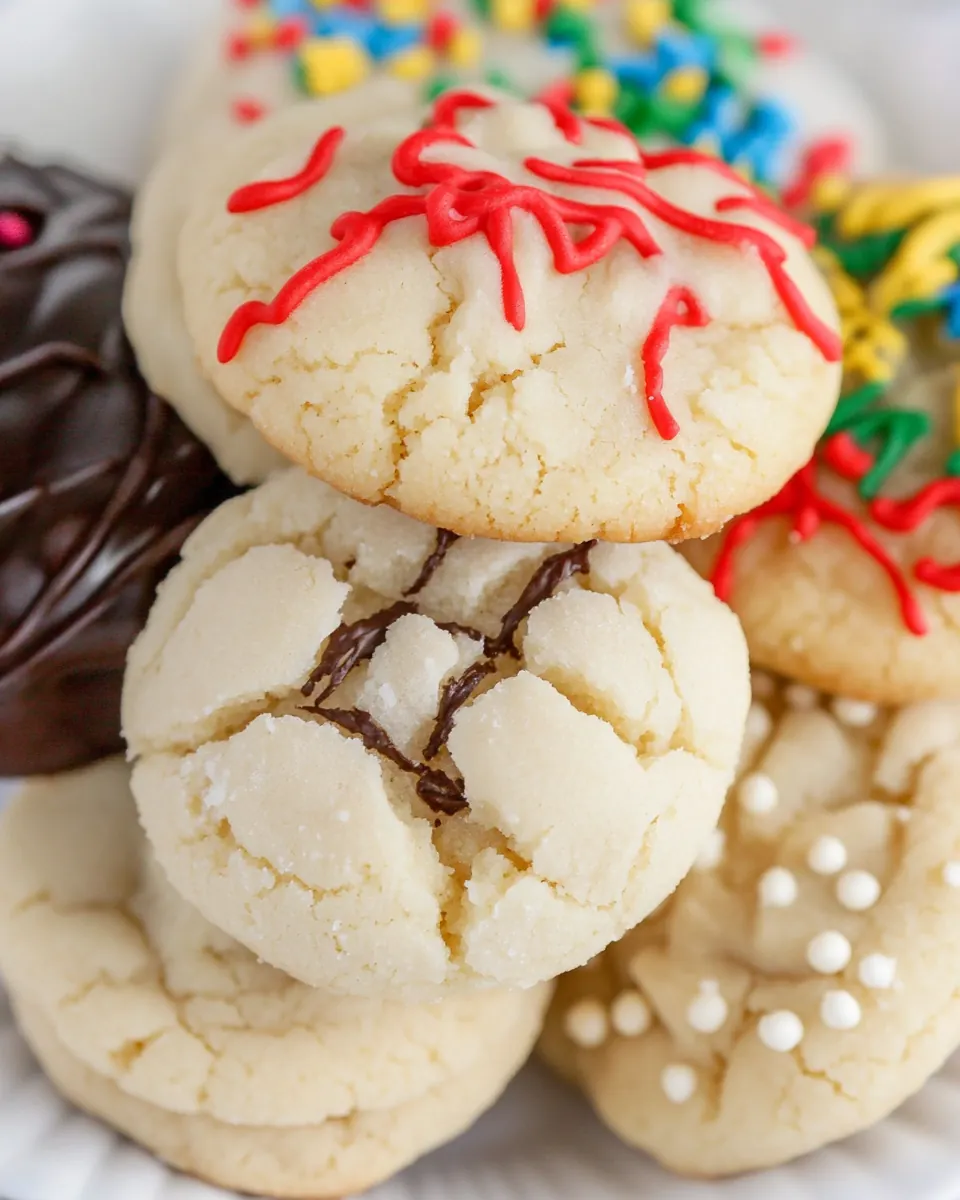
These ingredients are intentionally minimal, leaning on quality and proportion rather than complexity. The interplay between unsalted butter and vegetable oil creates that signature soft chew, while powdered sugar gives a tender crumb. All purpose flour is the structure, and the pinch of salt and splash of vanilla lift the flavor. Together they form a versatile base that adapts to toppings and fillings.
- 1 cup (226 g) unsalted butter softened: Soften and enrich the dough with a creamy texture that promotes tenderness and imparts buttery flavor; beat until smooth to help incorporate air for a lighter bite while still maintaining the shortbread structure.
- 1/2 cup (118 ml) vegetable oil: Add moisture and extend chewiness while contributing a subtle neutral flavor; combine with butter to create a pliable fat matrix that helps produce a soft, melt-in-the-mouth crumb.
- 1 1/2 cups (170 g) powdered sugar: Sweeten and dissolve into the fats to create a delicate sweetness and fine texture; sift and mix thoroughly to avoid lumps and to help the cookies spread evenly during baking.
- 1 teaspoon vanilla extract: Provide an aromatic lift and rounded flavor depth that balances the butteriness and sugar; stir in towards the end of mixing to preserve the volatile fragrance compounds.
- 1/2 teaspoon salt: Enhance and balance sweetness while strengthening gluten formation slightly to control texture; dissolve into the wet ingredients to ensure even seasoning throughout the dough.
- 3 1/2 cups (434 g) all-purpose flour: Structure and form the cookie by supplying starches and proteins necessary for the crumb; measure carefully and mix just until combined to avoid overworking and keep cookies tender.
Step by Step Instructions for Soft Chewy Shortbread Cookies
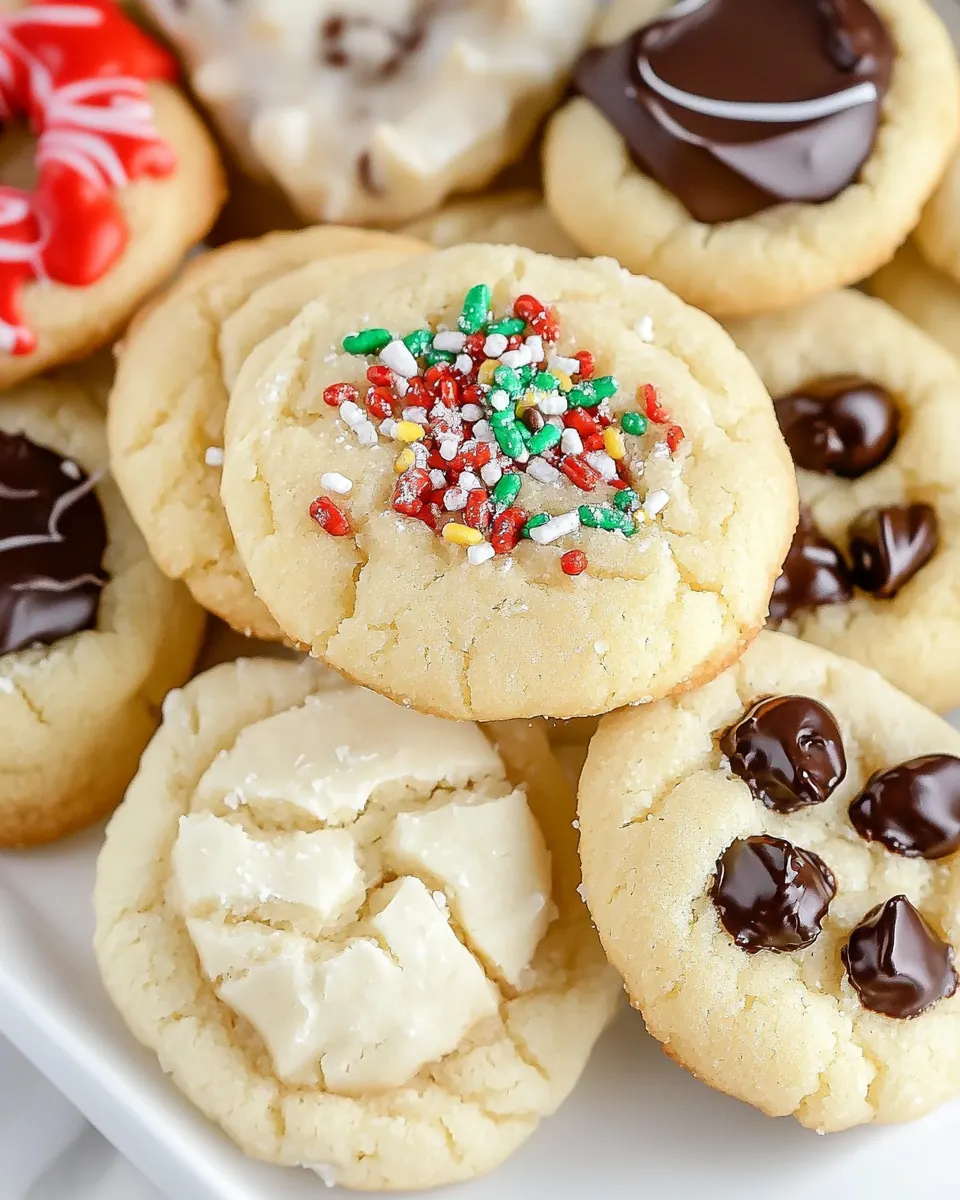
I like to think of cookie baking as a sequence of little sensory checks, and these instructions will walk you through them in a friendly, tactile way. Each step highlights what to look, feel, and smell for, so you can bake with confidence even if you are new to cookies.
- Preheat oven to 350°F. Line two cookie sheets with parchment paper or silicone baking mats.: You will notice the kitchen warming as the oven nears temperature, and the air will carry a faint toasty hint even before the cookies go in. Proper preheating ensures even rise and predictable browning, which is why I always wait for the oven to reach 350°F before starting. Use parchment or silicone so bottoms do not color too quickly, and the cookies slide off easily. A common mistake is to put the tray in too soon, which can throw off baking timing and produce unevenly baked cookies.
- Beat butter and oil with a hand or a stand mixer, then slowly mix in powdered sugar, vanilla, and salt. Slowly add flour and mix until a thick dough forms. This will take a while with a hand mixer!: As you start mixing, the blend will go from shiny liquid to a pale, creamy mass, and you can hear the mixer change pitch as the texture thickens. This creaming step integrates fat and sugar, creating the tender crumb you want. Add the powdered sugar gradually to avoid a dusty cloud and to help it dissolve fully into the fat. Avoid overbeating at high speed, which can aerate the dough too much and change the texture of the finished cookie.
- Scoop 1 or 2 tablespoon sized balls of cookie dough onto cookie sheets. Flatten slightly with the palm of your hand. Bake until the edges just turn brown and tops are just no longer translucent (2 tablespoon sized cookies: 10-14 minutes, 1 tablespoon sized cookies: 8-12 minutes). Cool completely before removing from cookie sheets. Store in an airtight container for up to 3 days or freeze for up to one month.: The moment you add the all purpose flour , the mixture will evolve from glossy and loose to a cohesive, dense dough that holds together when pressed. Work in the flour gradually and stop mixing as soon as the dough comes together; overmixing develops too much gluten and makes the cookies tougher. If the dough feels crumbly, give it a few gentle turns with a spatula until it binds, but avoid heavy kneading which can create a dry, stiff result.
- For M&M Shortbread Cookies: add M&Ms on top of the cookie dough ball before baking. For 2 tablespoon sized cookies, I suggest using 5-6 plain M&Ms, any color.: When you scoop the dough, it should feel supple and slightly cool, and rolling or flattening with your palm gives uniform thickness for even baking. Flattening slightly helps the center bake through while maintaining a tender interior. Placing dough balls too close together leads to merging during baking, so space them sufficiently apart to keep round shapes.
- For Chocolate Dipped Shortbread Cookies: melt 4 ounces of white or semi-sweet baking chocolate according to package directions. Dip cooled cookies halfway into chocolate, tapping off the excess, and then place on a wax paper lined cookie sheet and chill until hardened. Sprinkle with crushed candy canes, toffee bits, nuts, or sprinkles while still wet, if desired.: During baking you will see the tops change from glossy to matte and the edges will take on a very light golden hue. That subtle browning is the cue to pull them from the oven, keeping the centers tender. If you wait for deep color you will lose the soft chew, so watch closely in the final minutes. A typical timing guide varies by size, and overbaking is the most common mistake leading to dry cookies, so err on the shorter time and allow carryover heat to finish the center.
- For Thumbprint Cookies: make 1 tablespoon sized balls of cookie dough. Roll them between your hands to form a ball. Use the back of a wooden spoon to slightly make an indent in the center of each cookie. Bake until lightly golden on the bottom (8-12 minutes) and then re-press hole with the wooden spoon handle as needed. Cool completely. For filling, fill with about 1/2 teaspoon of jam, cold hot fudge ice cream topping, or cold caramel ice cream topping. If desired, melt some dark or white baking chocolate to drizzle over the top.: Cooling is when the cookies finish setting, and they firm up while maintaining softness. Leaving them on the sheet allows gentle residual heat to finish the texture without crisping the bottoms. Trying to lift them too soon can cause them to break apart, so patience pays off here. If they stick, a thin offset spatula can help, but waiting is usually the simplest solution.
- Store in an airtight container for up to 3 days or freeze for up to one month.: Proper storage preserves that soft texture, and the lack of air prevents staling. For freezing, I prefer to flash freeze on a tray then transfer to a sealed bag so they keep their shape and don’t clump together. A pitfall is storing while still warm, which creates condensation and soggy cookies; always cool fully before sealing.
- For M&M Shortbread Cookies: add M&Ms on top of the cookie dough ball before baking. : The candy will sink slightly as the cookie spreads and the colors create a cheerful surface. For two tablespoon sized cookies, placing five to six M&Ms gives a nice evenly colored crown. Press too hard or use too many candies and they can weigh the cookie down, causing uneven browning and a denser center.
- For Chocolate Dipped Shortbread Cookies: melt 4 ounces of white or semi-sweet baking chocolate according to package directions. : Melted chocolate brings a glossy, crisp contrast to the soft shortbread. Dip cooled cookies halfway, tap off excess, then chill to set, and the texture contrast is heavenly. Work gently and avoid overheating the chocolate, which can become grainy; use gentle heat or a double boiler for stability.
- For Thumbprint Cookies: make 1 tablespoon sized balls of cookie dough. Roll them between your hands to form a ball. Use the back of a wooden spoon to slightly make an indent in the center of each cookie. : Creating the indent while the dough is still soft ensures a tidy well for jam or caramel, and re pressing after baking preserves an even cavity if it puffed slightly. Bake until lightly golden on the bottom and then re press the hole as needed, then fill with about a half teaspoon of filling. The key mistake to avoid is making the indent too deep, which can thin the base and cause spreading or leaks during baking.
- If desired, drizzle with melted chocolate after filling.: A final drizzle adds visual polish and a textural crisp that pairs beautifully with the soft center. Use a fork or piping bag to create thin ribbons, and let the drizzle set fully on a lined tray. Overdrizzling can overwhelm the delicate shortbread, so a light hand achieves the best balance.
Tips and Variations
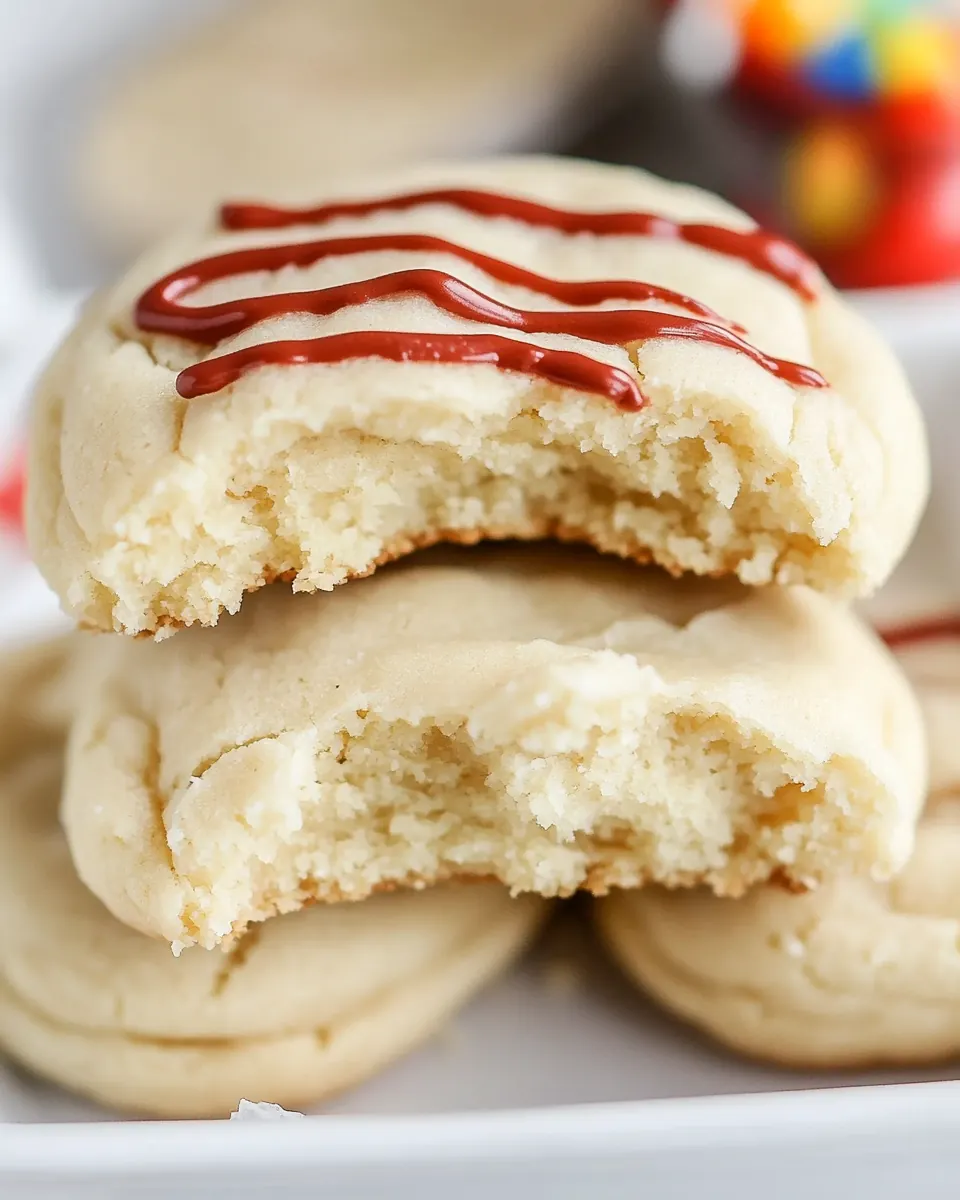
This dough is a brilliant blank canvas, and a few small shifts change the finished cookie significantly. Below are practical tips and variations I use regularly, each expanded into a helpful tip you can follow easily.
- Almond or lemon extract option: Add a quarter teaspoon of almond or lemon extract to the dough to introduce a subtle, layered flavor that complements the buttery base without overpowering it.
- Keep dough chilled for cleaner shapes: If you want rounder, less spread cookies, chill scooped dough for about 20 to 30 minutes before baking to slow the spread in the oven.
- Use a cookie scoop for uniformity: A one tablespoon or two tablespoon scoop helps maintain even baking times and consistent appearance across batches, making gifting and plating much easier.
- Flash freeze before storing: Lay baked cookies on a tray to freeze for an hour, then transfer to a zip top bag to prevent sticking and preserve shape long term.
- Try different toppings sparingly: Whether using M&Ms, sprinkles, or crushed candy canes, add just enough to enhance texture and visual appeal without overwhelming the shortbread’s tender crumb.
What Complements This Soft Chewy Shortbread Cookies
These cookies are versatile for casual snacks and holiday platters alike, and they pair well with simple beverages and occasions. Here are thoughtful serving ideas, storage notes, and occasion suggestions to help you present them beautifully.
- Casual tea or coffee service: Arrange a small plate of cookies with a pot of tea or a mug of coffee for a relaxed afternoon treat, the soft texture pairs well with warm beverages.
- Holiday cookie tray: Mix plain, M&M topped, chocolate dipped, and thumbprint versions on a festive platter for gatherings, they create visual variety while using one dough.
- Gift packaging: Stack cookies in a tin or box with parchment between layers, then tie with ribbon for neighborly gifts or party favors; they hold up well for transportation.
- Picnics and packed lunches: Pack in an airtight container for a picnic dessert, their tender crumb remains pleasant at room temperature for a few hours.
- Storage and freezing: Keep cooled cookies in an airtight container for up to three days, or freeze for up to one month; thaw at room temperature when ready to enjoy.
- Seasonal pairings: For winter holidays, add a sprinkle of crushed candy cane to chocolate dipped cookies, while spring gatherings can benefit from bright jam filled thumbprints.
FAQ
Conclusion
What makes these Soft Chewy Shortbread Cookies special is their perfect balance of buttery flavor and tender, slightly chewy texture that adapts beautifully to toppings and fillings. I encourage you to try baking a single batch and testing a few variations, like candy topped, chocolate dipped, or jam filled thumbprints, to discover your favorite. They are forgiving, quick to make, and elegant enough for gifting, so give them a go and enjoy the small, delicious payoff of a simple, well made cookie.

Soft Chewy Shortbread Cookies
Equipment
- Mixer
- Baking Sheet
- Parchment Paper
- Cookie Scoop
- Wooden Spoon
Ingredients
- 1 cup (226 g) unsalted butter softened Soften and enrich the dough with a creamy texture that promotes tenderness and imparts buttery flavor; beat until smooth to help incorporate air for a lighter bite while still maintaining the shortbread structure.
- 1/2 cup (118 ml) vegetable oil Add moisture and extend chewiness while contributing a subtle neutral flavor; combine with butter to create a pliable fat matrix that helps produce a soft, melt-in-the-mouth crumb.
- 1 1/2 cups (170 g) powdered sugar Sweeten and dissolve into the fats to create a delicate sweetness and fine texture; sift and mix thoroughly to avoid lumps and to help the cookies spread evenly during baking.
- 1 teaspoon vanilla extract Provide an aromatic lift and rounded flavor depth that balances the butteriness and sugar; stir in towards the end of mixing to preserve the volatile fragrance compounds.
- 1/2 teaspoon salt Enhance and balance sweetness while strengthening gluten formation slightly to control texture; dissolve into the wet ingredients to ensure even seasoning throughout the dough.
- 3 1/2 cups (434 g) all-purpose flour Structure and form the cookie by supplying starches and proteins necessary for the crumb; measure carefully and mix just until combined to avoid overworking and keep cookies tender.
Instructions
- Preheat oven to 350°F. Line two cookie sheets with parchment paper or silicone baking mats.: You will notice the kitchen warming as the oven nears temperature, and the air will carry a faint toasty hint even before the cookies go in. Proper preheating ensures even rise and predictable browning, which is why I always wait for the oven to reach 350°F before starting. Use parchment or silicone so bottoms do not color too quickly, and the cookies slide off easily. A common mistake is to put the tray in too soon, which can throw off baking timing and produce unevenly baked cookies.
- Beat butter and oil with a hand or a stand mixer, then slowly mix in powdered sugar, vanilla, and salt. Slowly add flour and mix until a thick dough forms. This will take a while with a hand mixer!: As you start mixing, the blend will go from shiny liquid to a pale, creamy mass, and you can hear the mixer change pitch as the texture thickens. This creaming step integrates fat and sugar, creating the tender crumb you want. Add the powdered sugar gradually to avoid a dusty cloud and to help it dissolve fully into the fat. Avoid overbeating at high speed, which can aerate the dough too much and change the texture of the finished cookie.
- Scoop 1 or 2 tablespoon sized balls of cookie dough onto cookie sheets. Flatten slightly with the palm of your hand. Bake until the edges just turn brown and tops are just no longer translucent (2 tablespoon sized cookies: 10-14 minutes, 1 tablespoon sized cookies: 8-12 minutes). Cool completely before removing from cookie sheets. Store in an airtight container for up to 3 days or freeze for up to one month.: The moment you add the all purpose flour , the mixture will evolve from glossy and loose to a cohesive, dense dough that holds together when pressed. Work in the flour gradually and stop mixing as soon as the dough comes together; overmixing develops too much gluten and makes the cookies tougher. If the dough feels crumbly, give it a few gentle turns with a spatula until it binds, but avoid heavy kneading which can create a dry, stiff result.
- For M&M Shortbread Cookies: add M&Ms on top of the cookie dough ball before baking. For 2 tablespoon sized cookies, I suggest using 5-6 plain M&Ms, any color.: When you scoop the dough, it should feel supple and slightly cool, and rolling or flattening with your palm gives uniform thickness for even baking. Flattening slightly helps the center bake through while maintaining a tender interior. Placing dough balls too close together leads to merging during baking, so space them sufficiently apart to keep round shapes.
- For Chocolate Dipped Shortbread Cookies: melt 4 ounces of white or semi-sweet baking chocolate according to package directions. Dip cooled cookies halfway into chocolate, tapping off the excess, and then place on a wax paper lined cookie sheet and chill until hardened. Sprinkle with crushed candy canes, toffee bits, nuts, or sprinkles while still wet, if desired.: During baking you will see the tops change from glossy to matte and the edges will take on a very light golden hue. That subtle browning is the cue to pull them from the oven, keeping the centers tender. If you wait for deep color you will lose the soft chew, so watch closely in the final minutes. A typical timing guide varies by size, and overbaking is the most common mistake leading to dry cookies, so err on the shorter time and allow carryover heat to finish the center.
- For Thumbprint Cookies: make 1 tablespoon sized balls of cookie dough. Roll them between your hands to form a ball. Use the back of a wooden spoon to slightly make an indent in the center of each cookie. Bake until lightly golden on the bottom (8-12 minutes) and then re-press hole with the wooden spoon handle as needed. Cool completely. For filling, fill with about 1/2 teaspoon of jam, cold hot fudge ice cream topping, or cold caramel ice cream topping. If desired, melt some dark or white baking chocolate to drizzle over the top.: Cooling is when the cookies finish setting, and they firm up while maintaining softness. Leaving them on the sheet allows gentle residual heat to finish the texture without crisping the bottoms. Trying to lift them too soon can cause them to break apart, so patience pays off here. If they stick, a thin offset spatula can help, but waiting is usually the simplest solution.
- Store in an airtight container for up to 3 days or freeze for up to one month.: Proper storage preserves that soft texture, and the lack of air prevents staling. For freezing, I prefer to flash freeze on a tray then transfer to a sealed bag so they keep their shape and don’t clump together. A pitfall is storing while still warm, which creates condensation and soggy cookies; always cool fully before sealing.
- For M&M Shortbread Cookies: add M&Ms on top of the cookie dough ball before baking. : The candy will sink slightly as the cookie spreads and the colors create a cheerful surface. For two tablespoon sized cookies, placing five to six M&Ms gives a nice evenly colored crown. Press too hard or use too many candies and they can weigh the cookie down, causing uneven browning and a denser center.
- For Chocolate Dipped Shortbread Cookies: melt 4 ounces of white or semi-sweet baking chocolate according to package directions. : Melted chocolate brings a glossy, crisp contrast to the soft shortbread. Dip cooled cookies halfway, tap off excess, then chill to set, and the texture contrast is heavenly. Work gently and avoid overheating the chocolate, which can become grainy; use gentle heat or a double boiler for stability.
- For Thumbprint Cookies: make 1 tablespoon sized balls of cookie dough. Roll them between your hands to form a ball. Use the back of a wooden spoon to slightly make an indent in the center of each cookie. : Creating the indent while the dough is still soft ensures a tidy well for jam or caramel, and re pressing after baking preserves an even cavity if it puffed slightly. Bake until lightly golden on the bottom and then re press the hole as needed, then fill with about a half teaspoon of filling. The key mistake to avoid is making the indent too deep, which can thin the base and cause spreading or leaks during baking.
- If desired, drizzle with melted chocolate after filling.: A final drizzle adds visual polish and a textural crisp that pairs beautifully with the soft center. Use a fork or piping bag to create thin ribbons, and let the drizzle set fully on a lined tray. Overdrizzling can overwhelm the delicate shortbread, so a light hand achieves the best balance.
Notes
- Almond or lemon extract option: Add a quarter teaspoon of almond or lemon extract to the dough to introduce a subtle, layered flavor that complements the buttery base without overpowering it.
- Keep dough chilled for cleaner shapes: If you want rounder, less spread cookies, chill scooped dough for about 20 to 30 minutes before baking to slow the spread in the oven.
- Use a cookie scoop for uniformity: A one tablespoon or two tablespoon scoop helps maintain even baking times and consistent appearance across batches, making gifting and plating much easier.
- Flash freeze before storing: Lay baked cookies on a tray to freeze for an hour, then transfer to a zip top bag to prevent sticking and preserve shape long term.
- Try different toppings sparingly: Whether using M&Ms, sprinkles, or crushed candy canes, add just enough to enhance texture and visual appeal without overwhelming the shortbread’s tender crumb.
