Lemon French Toast
Lemon French Toast feels like a little sunny weekend hug, the kind I crave when I want something bright but comforting. The first time I made it I was racing the morning light, trying to coax a sleepy house into something cheerful, and the sharp lemon filling cut through the richness so well that everyone at the table kept going back for one more bite.
I remember the soft crackle as the butter hit the hot pan and the way the kitchen smelled of warm egg and citrus. There was a moment when I spread the creamy lemon mixture across a golden slice and paused, savoring the contrast between the warm toast and the cool, tangy cream. It is one of those small rituals that turns an ordinary morning into a celebration without much fuss.
Over time I tweaked the balance of lemon and sugar, and the addition of fresh strawberries as a garnish became my signature flourish. Friends started asking me to make it when they visited, and now it is my go to when I want to impress with minimal effort. The texture play between soft bread, silky lemon cream, and juicy berries makes every bite interesting, and it always brings a smile.
Recipe Snapshot
30 mins
15 mins
15 mins
Easy
350 kcal
American
Gluten-Free, Low FODMAP
Breakfast
Nonstick skillet, Shallow dish, Spatula, Whisk, Mixing bowl
Why This Lemon French Toast Hits Different
Bright, balanced flavor
I love how Lemon French Toast delivers an immediate hit of citrus that wakes up the palate. The tartness from the lemon juice and zest cuts through the richness of the eggs and cream cheese, so each bite feels lively rather than heavy. That contrast is what keeps me coming back to this recipe.
Simple but special technique
The method is approachable, yet it yields restaurant worthy results. A quick dip of bread into a well seasoned egg mixture and a hot nonstick skillet create golden edges and a tender interior. I appreciate that small attention to heat and timing makes a big difference in texture, and it never feels intimidating.
Versatile for occasions
I make Lemon French Toast for slow weekend mornings, celebratory brunches, and quiet weekday treats. It scales easily, and the lemon cream doubles as a spread or dip. The recipe adapts well to a casual family breakfast or a polished brunch when you add a simple garnish of strawberries and powdered sugar.
Textural delight
The combination of warm, slightly crisped bread with the cool, creamy lemon cream is a small lesson in contrast. I adore how the cream cheese adds body without weighing the dish down, and the sugar and lemon keep every bite lively. It is a reliable crowd pleaser.
Quick and forgiving
One of the reasons I recommend this recipe is that it does not demand perfection. The steps are forgiving, and small tweaks in timing or heat rarely wreck the result. That freedom is why it sits in my regular rotation; I can make something that impresses without a lot of stress.
Ingredients for Lemon French Toast
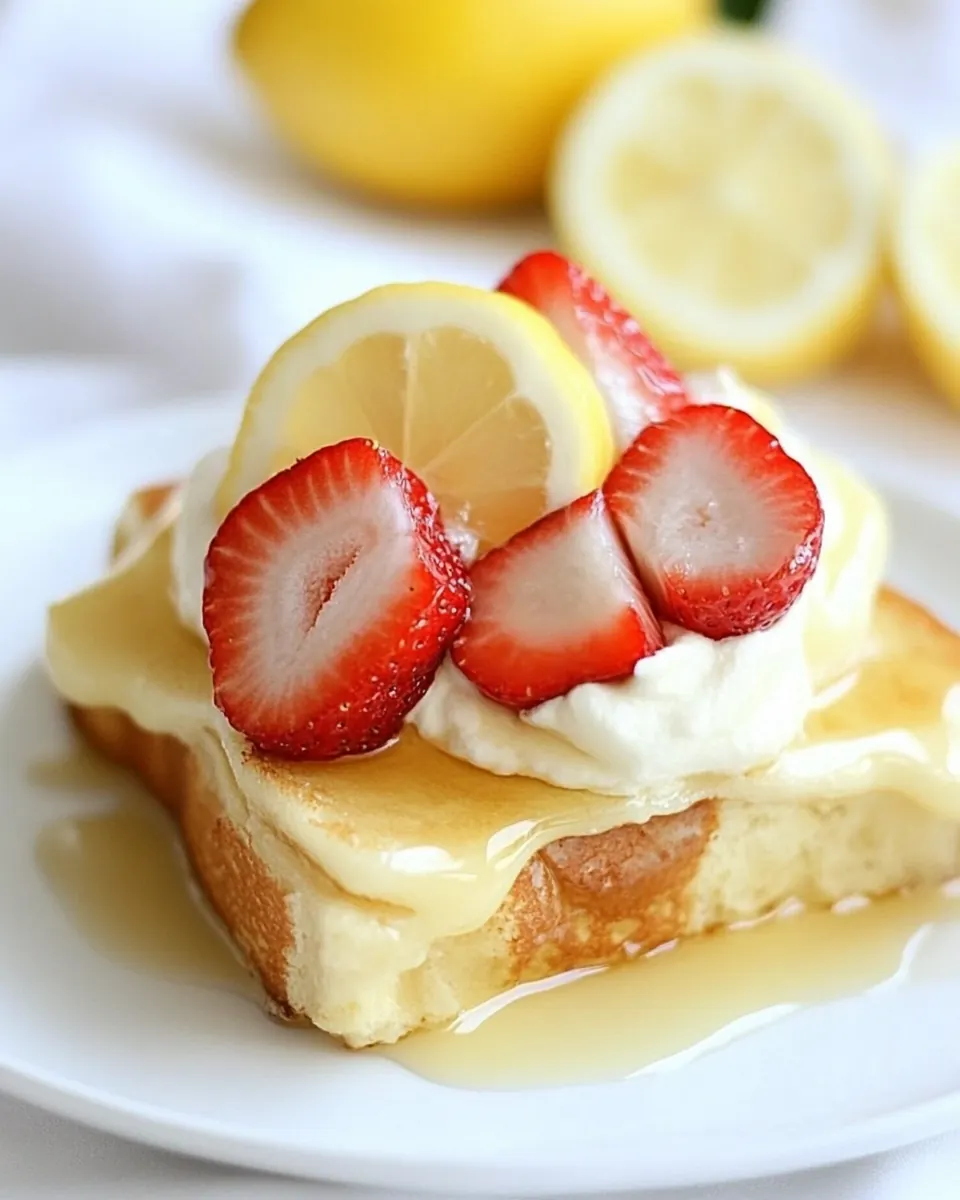
These ingredients work together to strike a balance between creamy, tangy, and sweet. The key players are the eggs and milk which form the custardy base for the bread, while the lemon components lift the flavor. The cream cheese forms a luscious, spreadable lemon cream that contrasts with the warm toast. Small additions like cinnamon and vanilla round out the flavor, and garnishes bring freshness and visual appeal.
- 2 large eggs: Beat to create the rich egg base that soaks into the bread, providing structure and a custardy interior when cooked. Combine with milk and flavorings to form the classic French toast batter, ensuring even coating and golden browning during frying.
- 1/3 cup milk: Add to thin the egg mixture, contributing creaminess and steam for a tender texture in the finished French toast. Use whole or any preferred milk to adjust richness and mouthfeel to taste.
- 1/2 teaspoon vanilla: Infuse a sweet, aromatic note into the custard, enhancing overall flavor without overpowering the lemon elements. Use a measured amount to balance sweetness and bring out the warm notes in the batter.
- 1/4 teaspoon cinnamon: Provide a warm, slightly spicy background flavor that complements the lemon and cream cheese components. Sprinkle into the custard carefully to avoid dominating the delicate citrus and sugar balance.
- 6 slices white sandwich bread: Soak thoroughly in the prepared custard to absorb moisture and flavor, creating the main body of the dish that crisps on the outside while remaining soft inside. Choose slices that are sturdy enough to hold the cream cheese filling without falling apart during flipping.
- butter for frying: Melt in the pan to prevent sticking and promote even browning, adding a rich, slightly savory contrast to the sweet components. Use enough to coat the skillet and reapply as needed between batches for consistent frying.
- 8 oz softened cream cheese: Spread between pairs of bread slices as a creamy, tangy filling, lending richness and a smooth texture that balances the citrus brightness. Soften fully to make spreading effortless and to meld seamlessly with sugar and lemon zest.
- 4 tablespoons granulated sugar: Sweeten the cream cheese filling to create a pleasant, balanced sweetness that complements the tart lemon and fragrant zest. Dissolve into the softened cheese to achieve a homogeneous, spoonable consistency for easy spreading.
- zest of 1 lemon: Lift and brighten flavors with concentrated citrus oils, adding fresh aromatic intensity to the cream cheese filling and batter. Grate finely to avoid bitter pith and mix thoroughly to distribute zesty notes evenly throughout.
- juice of 1 lemon: Contribute bright acidity and citrus flavor to cut through the richness of the cream cheese and batter, enhancing overall freshness. Squeeze and strain if desired to remove seeds, and incorporate into the filling or batter as specified.
- fresh strawberries for garnish: Garnish plated French toast with vibrant, sweet-tart berries that add color, freshness, and textural contrast. Slice or leave whole depending on presentation, and arrange attractively atop or beside the finished stacks.
- powdered sugar for garnish: Dust over the finished dish to add visual appeal and a light extra touch of sweetness that complements the cream cheese and fruit. Sift evenly just before serving to prevent dissolving into the warm surface and to maintain a powdery finish.
How to Cook Lemon French Toast
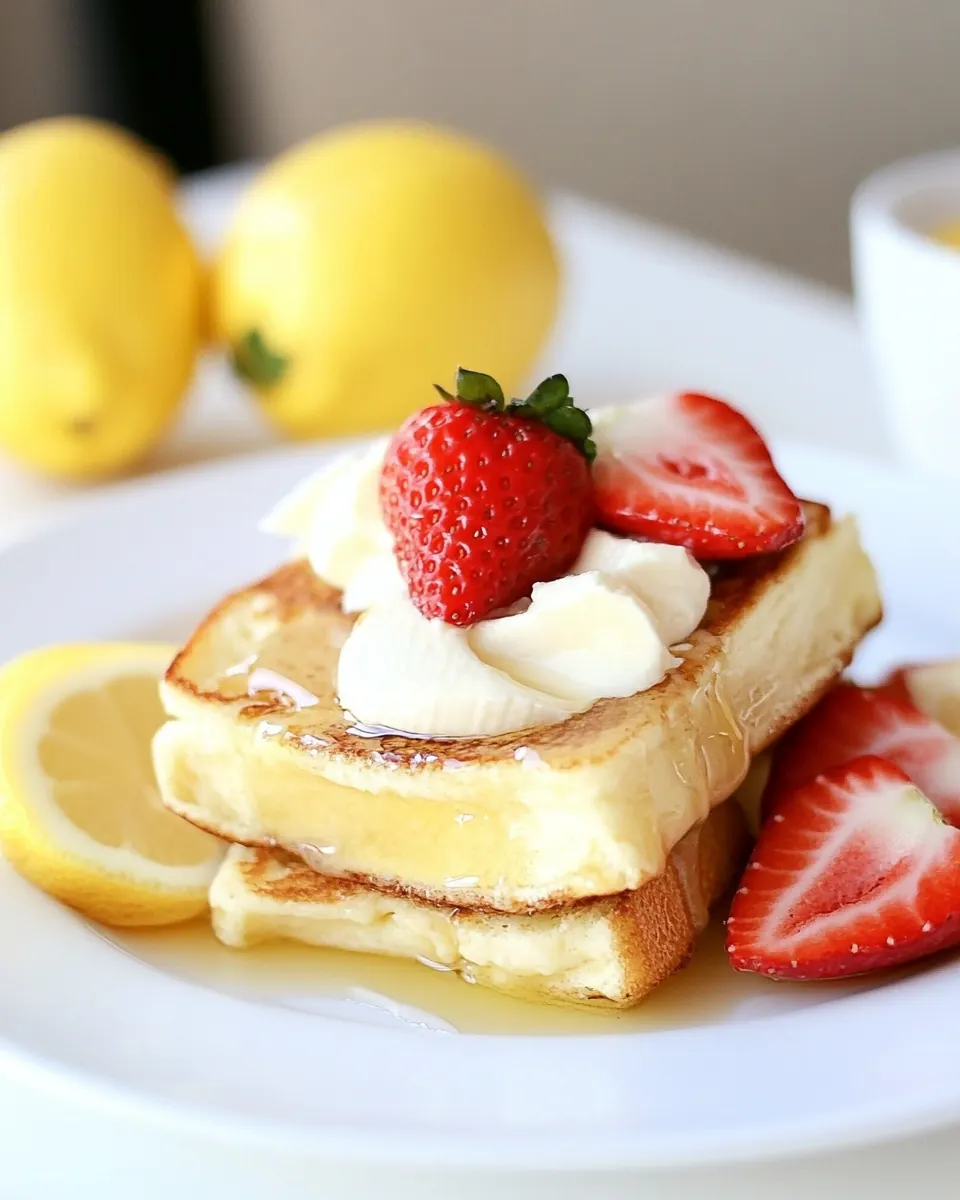
This method is straightforward and satisfying, and it walks you through transforming simple pantry items into something memorable. Work in a calm rhythm, keep an eye on the heat, and enjoy the little sensory clues that tell you the toast is done. The lemon cream comes together in moments and finishes the dish with bright contrast.
- Preheat nonstick skillet over medium heat. Melt half a tablespoon of butter into the bottom.: The smell of butter hitting a warm pan is the first signal that breakfast is on, and you should notice a gentle foam forming and a nutty aroma as the butter warms. Keeping the pan at medium ensures the surface is hot enough to create a golden crust on the bread without scorching, and the butter bubbling should be slow and steady rather than rapidly smoking. If the butter begins to smoke, the pan is too hot, and tone it down to prevent a bitter burnt flavor. A common mistake here is rushing the heat, which leads to an exterior that darkens too fast while the inside stays undercooked.
- In a shallow dish, whisk eggs, milk, vanilla and cinnamon together. Dip 1-2 slices of bread into the egg mixture and place into hot pan. Cook 1 minute per side or until browned. Continue this method until all french toast is cooked.: As you whisk the eggs and milk , you'll see the mixture become homogenous and slightly frothy, carrying the warm scent of cinnamon and vanilla . This aeration helps the custard cling to the bread and produce a tender interior. Whisk until the yolks are fully broken and the color is uniform, there should be no streaks of white. Avoid overwhisking into a foam, which can make the surface of the toast uneven when cooked. If you notice any shell fragments, fish them out to keep the texture smooth.
- For the lemon cream: whip all the ingredients together until smooth.: When you dip the bread , aim for a quick, even soak so it absorbs enough custard to be rich, yet not so long that it falls apart. The edges should darken slightly from saturation but remain intact when you lift them. Place the soaked slices gently into the hot skillet; you should hear a soft sizzle which tells you the pan is correctly heated. Putting the bread in too cold a pan results in a pale, rubbery surface, while a pan that is too hot will brown the outside before the center cooks through.
- Spread some lemon cream over each slice of french toast and top with sliced strawberries and/or powdered sugar. Serve immediately.: Watch the slice as it fries, looking for a warm golden color to develop and small bubbled edges as the custard sets. The aroma will transition from raw egg to a toasty, rich note, and the surface should look set rather than glossy. Flip carefully when the underside is golden, using a thin spatula to avoid tearing the bread . A typical error is flipping too often, which prevents a proper crust from forming and can make the slice soggy in the center.
- Continue this method until all french toast is cooked.: As you cook batches, maintain a consistent pan temperature so each slice finishes with the same color and texture, and add another small pat of butter if the pan becomes dry. Stack cooked slices on a warm plate in a single layer or tent them loosely with foil to keep them warm without steaming. If the skillet cools too much, the next slices will take longer to brown and may absorb excess oil, leading to greasiness; conversely if it becomes too hot, the resulting toast will color unevenly or burn.
- For the lemon cream: whip all the ingredients together until smooth. : As you whip the softened cream cheese , sugar , lemon zest and lemon juice, take note of the transformation from lumpy to glossy and smooth, with the aroma shifting to fresh citrus. The mixture should be light and spreadable, with the tiny flecks of zest adding bursts of fragrance. If the cream cheese is still cold, you will see small lumps and the texture will not become silky; bring it to room temperature before starting. Overwhipping can introduce too much air, making the cream unstable when spread.
- Spread some lemon cream over each slice of french toast and top with sliced strawberries and/or powdered sugar.: The moment you add the cool, tangy lemon cream to the warm bread is a delightful contrast in temperature and texture, and the scent of fresh lemon will lift the whole plate. Arrange a few sliced strawberries for sweetness and a pop of color, then dust with powdered sugar just before serving for a pretty finish. Serve immediately to preserve the contrast between warm toast and cool cream; letting it sit will soften the exterior and mute the textural play. A frequent oversight is assembling too far in advance, which leads to a soggy result rather than the crisp tender combination you want.
Change It Up
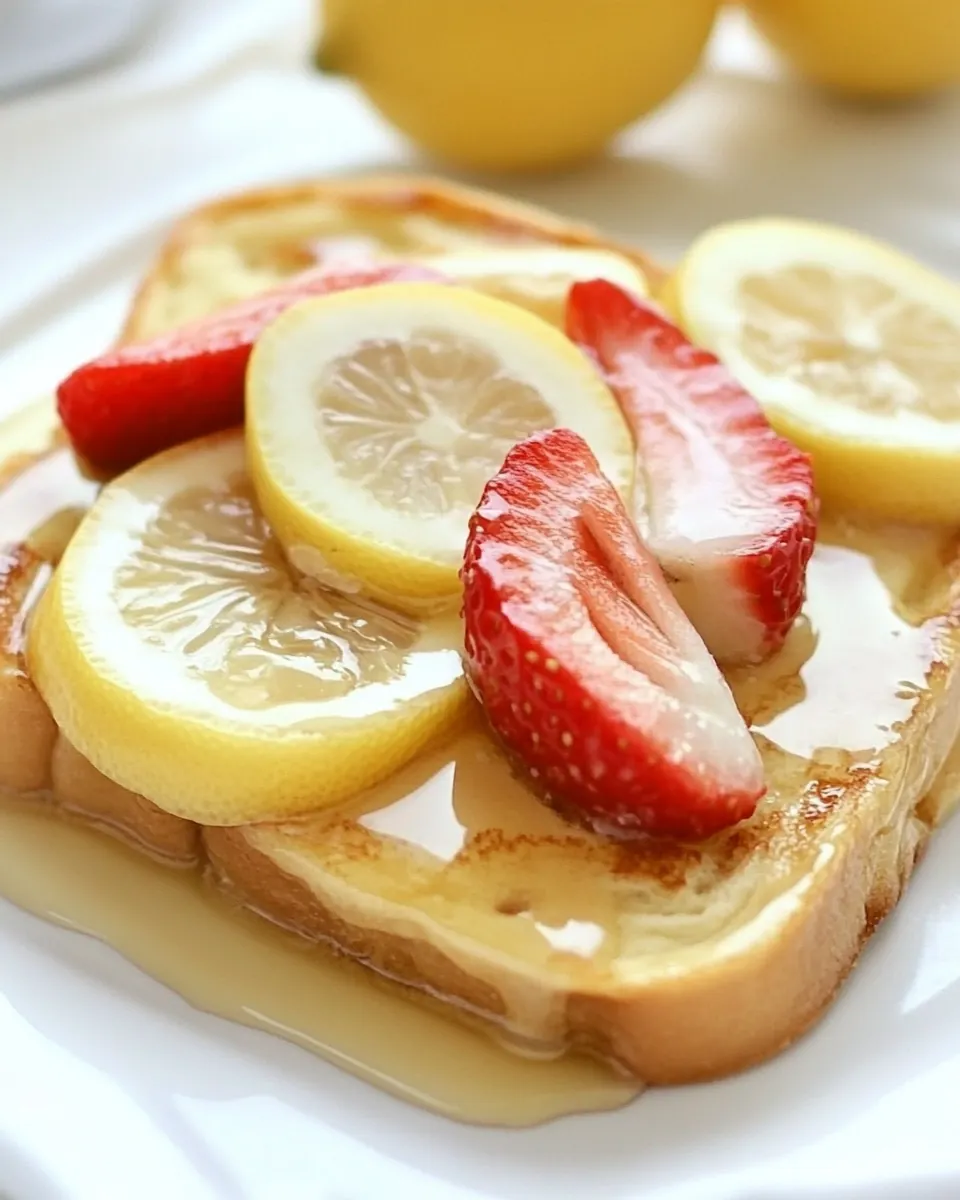
If you want to vary the flavor profile or adapt to what you have on hand, these tips will help. Each suggestion is designed to preserve the core brightness of Lemon French Toast while offering a fresh twist. Try one at a time so you can appreciate how each change shifts the overall experience.
- Switch the bread Try slightly denser bread like brioche or challah for a richer bite, noting that thicker slices need a slightly longer soak and gentler heat to cook through without burning.
- Adjust lemon intensity If your lemon is very tart, reduce the juice or add an extra tablespoon of sugar to the cream to balance it; conversely, increase zest for more aroma without extra acidity.
- Make it ahead Whip the lemon cream up to a day in advance and keep it chilled, then bring it back to room temperature briefly before serving for easy assembly without losing texture.
- Warm the berries For a cozy variation, macerate the strawberries with a teaspoon of sugar and a squeeze of lemon juice to release juices that create a syrupy topping.
- Use nonstick care If your pan tends to stick, add a small amount of extra butter or cook on slightly lower heat to preserve the golden crust without tearing the bread.
Serving This Lemon French Toast
Lemon French Toast is flexible and pleasant for many occasions. Present it simply for casual mornings, or style it more formally for brunch guests. The dish shines with a few complementary elements and thoughtful garnishes that enhance both flavor and appearance.
- Brunch centerpiece Stack slices topped with a generous smear of lemon cream, a handful of sliced strawberries, and a dusting of powdered sugar for a show stopping plate.
- Light breakfast Serve a single slice with a small dollop of lemon cream and a few berry slices for a lighter option that still feels indulgent.
- Family style Arrange multiple slices on a large platter with bowls of extra lemon cream and strawberries so everyone can customize their portion.
- Occasions This works well for weekend gatherings, spring brunches, or a special breakfast during holidays such as Eid or family celebrations where a bright, citrusy dish is welcome.
- Storage tips Store leftover lemon cream in an airtight container in the refrigerator for up to two days, and keep cooked slices separate to reheat briefly in a warm skillet to refresh the exterior.
- Seasonal pairings In spring, pair with fresh berries or a simple side of yogurt to echo the bright notes of the dish and keep the meal feeling light.
FAQ
Conclusion
Lemon French Toast stands out for its combination of warm, custardy bread and cool, tangy lemon cream that results in an effortless but memorable breakfast. The bright citrus lifts the richness, while the cream cheese adds a silky texture that turns a simple toast into something special. I encourage you to give it a try on a relaxed morning or for a small gathering; the recipe is forgiving and quick, yet it feels like a small celebration. Once you taste the contrast of temperatures and textures, it will likely become one of your favorite easy indulgences.

Lemon French Toast
Equipment
- nonstick skillet
- Shallow Dish
- Spatula
- Whisk
- Mixing Bowl
Ingredients
- 2 large eggs Beat to create the rich egg base that soaks into the bread, providing structure and a custardy interior when cooked. Combine with milk and flavorings to form the classic French toast batter, ensuring even coating and golden browning during frying.
- 1/3 cup milk Add to thin the egg mixture, contributing creaminess and steam for a tender texture in the finished French toast. Use whole or any preferred milk to adjust richness and mouthfeel to taste.
- 1/2 teaspoon vanilla Infuse a sweet, aromatic note into the custard, enhancing overall flavor without overpowering the lemon elements. Use a measured amount to balance sweetness and bring out the warm notes in the batter.
- 1/4 teaspoon cinnamon Provide a warm, slightly spicy background flavor that complements the lemon and cream cheese components. Sprinkle into the custard carefully to avoid dominating the delicate citrus and sugar balance.
- 6 slices white sandwich bread Soak thoroughly in the prepared custard to absorb moisture and flavor, creating the main body of the dish that crisps on the outside while remaining soft inside. Choose slices that are sturdy enough to hold the cream cheese filling without falling apart during flipping.
- butter for frying Melt in the pan to prevent sticking and promote even browning, adding a rich, slightly savory contrast to the sweet components. Use enough to coat the skillet and reapply as needed between batches for consistent frying.
- 8 oz softened cream cheese Spread between pairs of bread slices as a creamy, tangy filling, lending richness and a smooth texture that balances the citrus brightness. Soften fully to make spreading effortless and to meld seamlessly with sugar and lemon zest.
- 4 tablespoons granulated sugar Sweeten the cream cheese filling to create a pleasant, balanced sweetness that complements the tart lemon and fragrant zest. Dissolve into the softened cheese to achieve a homogeneous, spoonable consistency for easy spreading.
- zest of 1 lemon Lift and brighten flavors with concentrated citrus oils, adding fresh aromatic intensity to the cream cheese filling and batter. Grate finely to avoid bitter pith and mix thoroughly to distribute zesty notes evenly throughout.
- juice of 1 lemon Contribute bright acidity and citrus flavor to cut through the richness of the cream cheese and batter, enhancing overall freshness. Squeeze and strain if desired to remove seeds, and incorporate into the filling or batter as specified.
- fresh strawberries for garnish Garnish plated French toast with vibrant, sweet-tart berries that add color, freshness, and textural contrast. Slice or leave whole depending on presentation, and arrange attractively atop or beside the finished stacks.
- powdered sugar for garnish Dust over the finished dish to add visual appeal and a light extra touch of sweetness that complements the cream cheese and fruit. Sift evenly just before serving to prevent dissolving into the warm surface and to maintain a powdery finish.
Instructions
- Preheat nonstick skillet over medium heat. Melt half a tablespoon of butter into the bottom.: The smell of butter hitting a warm pan is the first signal that breakfast is on, and you should notice a gentle foam forming and a nutty aroma as the butter warms. Keeping the pan at medium ensures the surface is hot enough to create a golden crust on the bread without scorching, and the butter bubbling should be slow and steady rather than rapidly smoking. If the butter begins to smoke, the pan is too hot, and tone it down to prevent a bitter burnt flavor. A common mistake here is rushing the heat, which leads to an exterior that darkens too fast while the inside stays undercooked.
- In a shallow dish, whisk eggs, milk, vanilla and cinnamon together. Dip 1-2 slices of bread into the egg mixture and place into hot pan. Cook 1 minute per side or until browned. Continue this method until all french toast is cooked.: As you whisk the eggs and milk , you'll see the mixture become homogenous and slightly frothy, carrying the warm scent of cinnamon and vanilla . This aeration helps the custard cling to the bread and produce a tender interior. Whisk until the yolks are fully broken and the color is uniform, there should be no streaks of white. Avoid overwhisking into a foam, which can make the surface of the toast uneven when cooked. If you notice any shell fragments, fish them out to keep the texture smooth.
- For the lemon cream: whip all the ingredients together until smooth.: When you dip the bread , aim for a quick, even soak so it absorbs enough custard to be rich, yet not so long that it falls apart. The edges should darken slightly from saturation but remain intact when you lift them. Place the soaked slices gently into the hot skillet; you should hear a soft sizzle which tells you the pan is correctly heated. Putting the bread in too cold a pan results in a pale, rubbery surface, while a pan that is too hot will brown the outside before the center cooks through.
- Spread some lemon cream over each slice of french toast and top with sliced strawberries and/or powdered sugar. Serve immediately.: Watch the slice as it fries, looking for a warm golden color to develop and small bubbled edges as the custard sets. The aroma will transition from raw egg to a toasty, rich note, and the surface should look set rather than glossy. Flip carefully when the underside is golden, using a thin spatula to avoid tearing the bread . A typical error is flipping too often, which prevents a proper crust from forming and can make the slice soggy in the center.
- Continue this method until all french toast is cooked.: As you cook batches, maintain a consistent pan temperature so each slice finishes with the same color and texture, and add another small pat of butter if the pan becomes dry. Stack cooked slices on a warm plate in a single layer or tent them loosely with foil to keep them warm without steaming. If the skillet cools too much, the next slices will take longer to brown and may absorb excess oil, leading to greasiness; conversely if it becomes too hot, the resulting toast will color unevenly or burn.
- For the lemon cream: whip all the ingredients together until smooth. : As you whip the softened cream cheese , sugar , lemon zest and lemon juice, take note of the transformation from lumpy to glossy and smooth, with the aroma shifting to fresh citrus. The mixture should be light and spreadable, with the tiny flecks of zest adding bursts of fragrance. If the cream cheese is still cold, you will see small lumps and the texture will not become silky; bring it to room temperature before starting. Overwhipping can introduce too much air, making the cream unstable when spread.
- Spread some lemon cream over each slice of french toast and top with sliced strawberries and/or powdered sugar.: The moment you add the cool, tangy lemon cream to the warm bread is a delightful contrast in temperature and texture, and the scent of fresh lemon will lift the whole plate. Arrange a few sliced strawberries for sweetness and a pop of color, then dust with powdered sugar just before serving for a pretty finish. Serve immediately to preserve the contrast between warm toast and cool cream; letting it sit will soften the exterior and mute the textural play. A frequent oversight is assembling too far in advance, which leads to a soggy result rather than the crisp tender combination you want.
Notes
- Switch the bread Try slightly denser bread like brioche or challah for a richer bite, noting that thicker slices need a slightly longer soak and gentler heat to cook through without burning.
- Adjust lemon intensity If your lemon is very tart, reduce the juice or add an extra tablespoon of sugar to the cream to balance it; conversely, increase zest for more aroma without extra acidity.
- Make it ahead Whip the lemon cream up to a day in advance and keep it chilled, then bring it back to room temperature briefly before serving for easy assembly without losing texture.
- Warm the berries For a cozy variation, macerate the strawberries with a teaspoon of sugar and a squeeze of lemon juice to release juices that create a syrupy topping.
- Use nonstick care If your pan tends to stick, add a small amount of extra butter or cook on slightly lower heat to preserve the golden crust without tearing the bread.