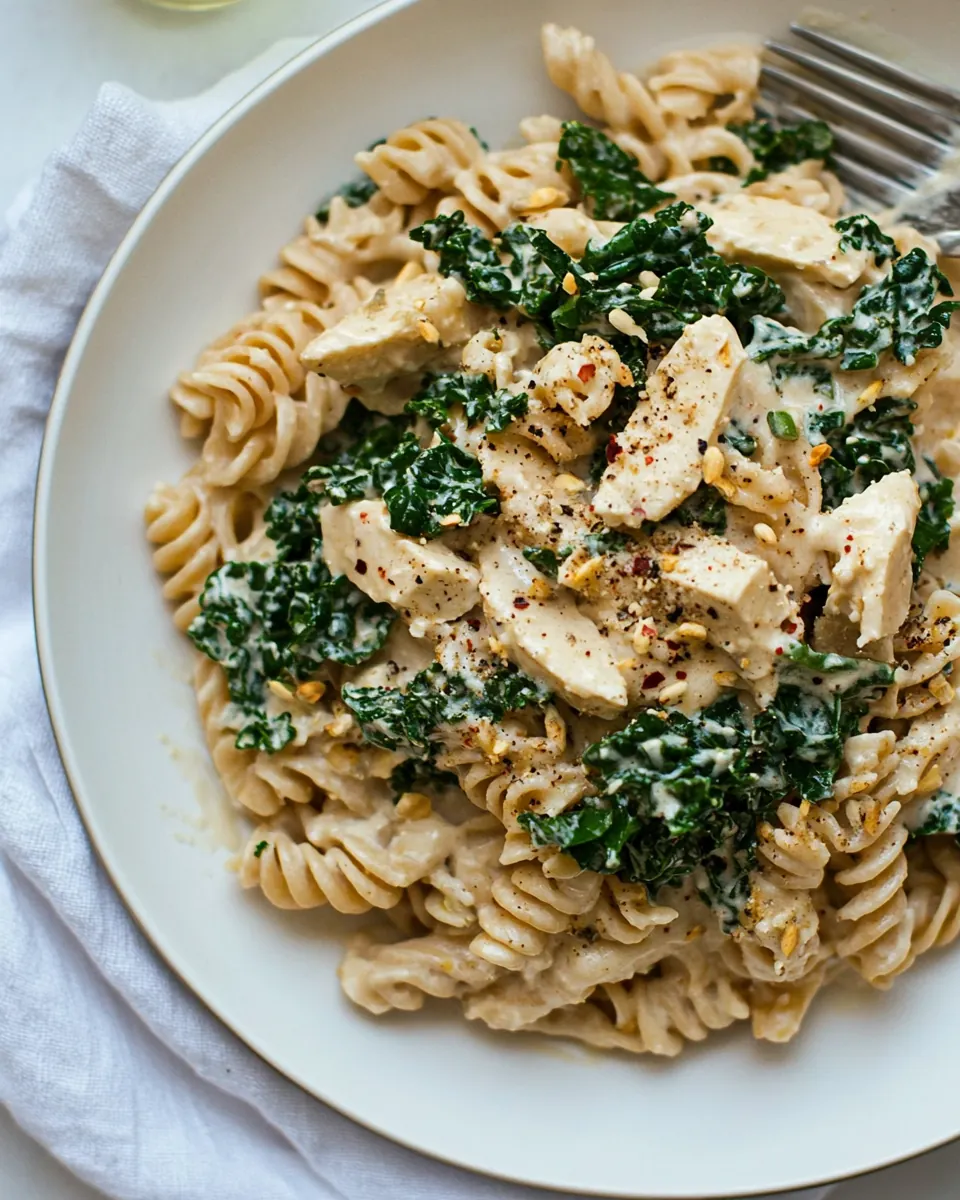
Kale Pasta with Sunflower Cream Sauce
Kale Pasta with Sunflower Cream Sauce has been one of those recipes I reach for when I want something comforting yet bright, the kind of bowl that makes me slow down and savor each forkful. I first stumbled into this combo one rainy afternoon when my fridge held a lonely bunch of kale and a jar of sunflower seeds that had been languishing in the pantry. The sunflower cream surprised me with its silky texture and gentle nuttiness, and the little hit of lemon juice cut through the richness, lifting the whole dish.
Since then I make this Kale Pasta with Sunflower Cream Sauce on busy weeknights when I want something that feels thoughtful without demanding a lot of fuss. Every time I toss the warm pasta with the verdant, slightly wilted kale and that pale, creamy sauce, the kitchen fills with a toasty, nutty aroma. The dish is simple, but the layers of texture and flavor make it feel special, and I love how a pinch of smoked paprika or a sprinkle of chili flakes can change the mood from mellow to bold in a heartbeat.
Recipe Snapshot
25 mins
10 mins
15 mins
Easy
400 kcal
Italian
Vegan, Whole30
Dinner
Large pan, High speed blender, Colander
The Appeal of This Kale Pasta with Sunflower Cream Sauce
Bright plant forward comfort
I adore how Kale Pasta with Sunflower Cream Sauce bridges comforting textures with fresh, green flavors. The creamy sunflower seed sauce mimics richer dairy sauces while staying light, so you get that indulgence without feeling weighed down. I often find myself telling friends this is the best example of a plant based swap that actually satisfies.
Fast and forgiving
This recipe is wonderfully forgiving, which is one reason I keep it in regular rotation. You can easily adjust the sauce thickness with a splash of the reserved pasta water, and small timing differences in wilting the kale won’t ruin the outcome. I love recipes that let me improvise when life throws a curveball, and this one does exactly that.
Simple ingredients, big payoff
The ingredient list is short yet purposeful, and that economy is a big reason I recommend it. A few pantry staples like sunflower seeds, a clove of garlic, and some olive oil transform into a sauce that feels sophisticated. I always appreciate meals that showcase how smart combinations elevate humble components.
Textural contrast
The interplay between the soft, sauced pasta and the toothsome, slightly crisped kale is a highlight for me. When I bite into a forkful, I want that gentle resistance from the greens alongside the smooth cream, and this dish delivers it every time.
Kale Pasta with Sunflower Cream Sauce Shopping List
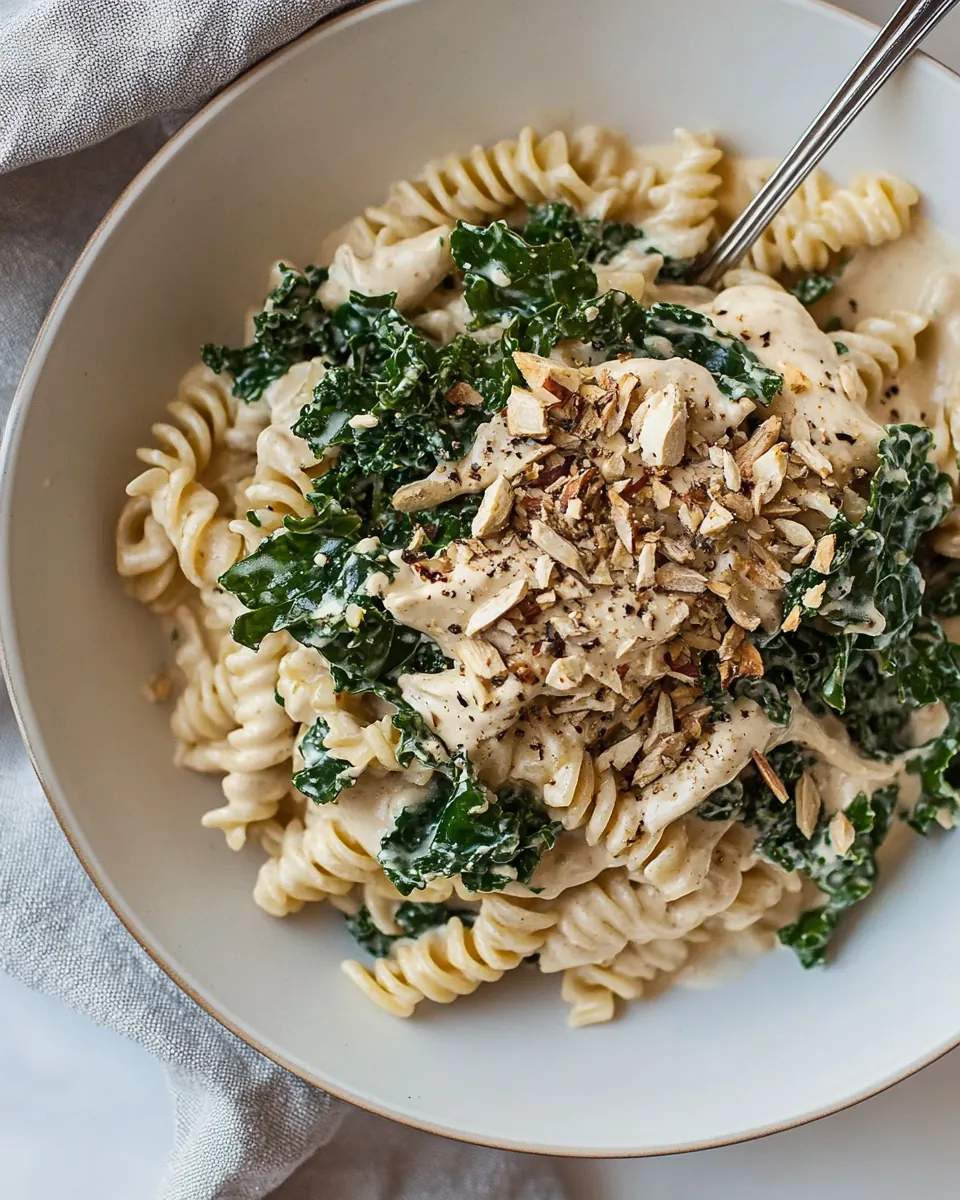
I think of this ingredient list as a partnership between bright greens and a creamy, nutty binder. The key players are the pasta for comfort and body, the kale for verdant bite, and the sunflower seeds which create a luscious, dairy free cream. Each item has a role, and together they produce a balanced bowl that is both satisfying and fresh.
- 4 ounces pasta: Boil to cook until al dente, providing the starchy base that carries the sunflower cream and kale flavors; drain and reserve some pasta water to adjust sauce consistency if needed.
- 2 teaspoons olive oil: Drizzle to sauté aromatics and prevent sticking while adding a fruity, peppery note that complements the creamy sunflower sauce; heat gently before adding garlic and kale.
- 2 cups shredded kale: Wilt to tenderize and concentrate its earthy, slightly bitter flavor while providing a nutritious, leafy body to the pasta; massage or shred to help it cook evenly and incorporate into the sauce.
- 1 clove garlic (minced): Mince to release pungent, savory aromatics that build depth in the sauce; add early to the oil so its flavor infuses the entire dish without burning.
- 1/3 cups oaked sunflower seed: Blend to create the rich base of the cream sauce, offering a nutty, slightly oaky flavor and silky texture when processed with water, lemon, and seasonings.
- 1/3 cup water: Thin to adjust the sunflower cream sauce to a smooth, pourable consistency; warm water also helps emulsify the blended seeds for a luscious finish.
- 1 tablespoon lemon juice: Squeeze to brighten and balance the richness of the sunflower cream with fresh acidity; incorporate gradually to taste and to help emulsify the sauce.
- 1/4 teaspoon lemon zest: Zest to add concentrated citrus oils that lift the overall aroma and add subtle brightness without extra acidity; sprinkle finely for even distribution.
- 1/8 teaspoons smoked paprika: Sprinkle to introduce a warm, smoky nuance that enhances the roasted and savory elements of the dish; use sparingly to avoid overpowering the lemony cream.
- Pinch of salt: Season to enhance and balance all flavors, bringing out the natural sweetness of the kale and rounding the sunflower cream; adjust amount based on dietary needs.
- Chili flakes (as needed): Pinch to finish with a touch of heat that contrasts the creaminess, providing optional spiciness and visual interest; add to taste for a gentle kick.
Recipe Steps for Kale Pasta with Sunflower Cream Sauce
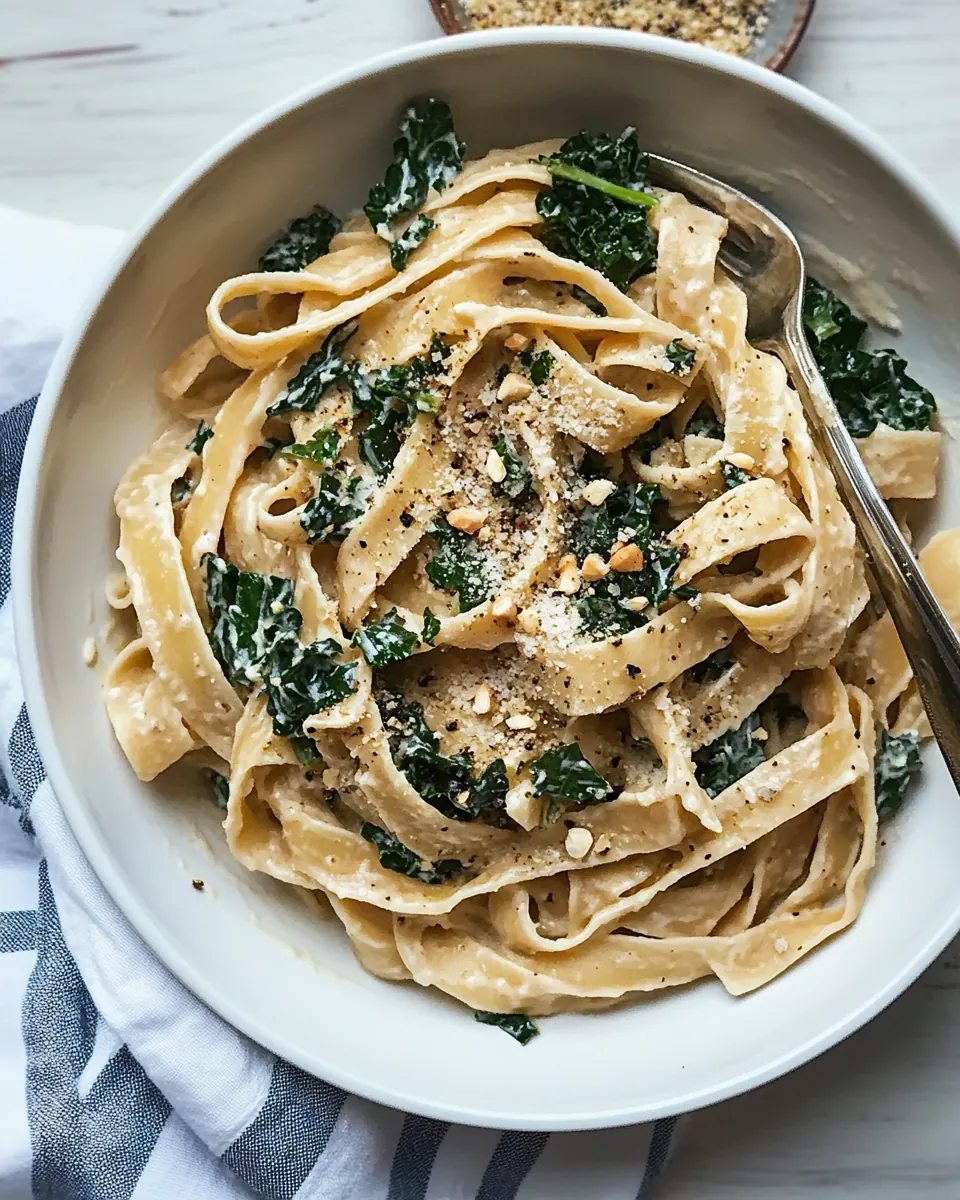
These steps are straightforward but I like to walk through them deliberately so the textures and flavors develop properly. Keep your blender ready, and remember that a little reserved pasta water is your best friend for adjusting sauce consistency.
- Cook pasta according to direction, drain, reserving the liquid, and set aside.: The warm, starchy pasta will carry the sauce, and reserving some cooking liquid gives you a natural emulsifier to thin the sauce without watering down flavor. You should hear a gentle boil and notice the pasta shift from opaque to slightly translucent when it is nearly done. One common mistake is overcooking the pasta , which makes it mushy and less able to hold the cream. To avoid this, start checking for doneness two minutes before the package time, and drain when the bite is just tender, then set the hot pasta aside so it remains ready to marry with the sauce.
- Heat a large pan over medium-low heat. Add the garlic and cook for a minute, just until fragrant. Add the kale to the pan and continue to cook for a minute or two, just to start the kale wilting. Once the kale has wilted slightly, remove from the heat and add the pasta.: Bringing the pan to the right warmth creates a gentle environment for the garlic and kale , which lets them soften without burning. You will smell the oil warming and feel slight steam as the pan becomes ready. Too high heat can scorch the garlic , producing bitterness, so keep it moderate and patient. If the pan is too hot, remove it from the heat briefly and allow it to cool a touch before continuing.
- Combine the soaked sunflower seeds with the water, lemon juice, lemon zest, smoked paprika, and salt in a high-speed blender. Puree until smooth. Add to the pan and toss. Add a splash or two of reserved pasta water as needed to thin and coat the noodles. Serve with a sprinkle of chili flakes as needed.: At this point you want the garlic to perfume the oil and release its sugars; the scent should be bright and savory, not charred. Visual cues include tiny bubbles around the garlic and a light translucence. Overcooking is a typical error, which leads to a bitter edge; to prevent this, watch closely and stir constantly so the garlic softens evenly in about a minute.
- Add the kale to the pan and continue to cook for a minute or two, just to start the kale wilting: When the kale hits the pan it will hiss softly and begin to darken as it loses volume; toss or stir so leaves wilt uniformly. You want the kale to soften while keeping some texture, not collapse into mush. A mistake here is over wilting, which removes the pleasant chew; stop cooking once the leaves are tender but still bright, usually within two minutes.
- Once the kale has wilted slightly, remove from the heat and add the pasta: Removing the pan from heat preserves the vibrant green and prevents further breakdown. As you fold the warm pasta into the kale , you will notice steam and a meld of aromas, and the pasta will begin to pick up residual oil. If you skip removing from the heat, the residual warmth could overcook the leaves. Be deliberate when combining so the textures balance across the dish.
- Combine the soaked sunflower seeds with the water, lemon juice, lemon zest, smoked paprika, and salt in a high-speed blender: As you blend, the texture will change from grainy to luxuriously smooth; the sound shifts from thumping seeds to a steady whir, and the mixture turns pale and creamy. The blending develops emulsion and integrates citrus for brightness. Not blending long enough is a frequent problem, leaving grit in the sauce; make sure the mixture is completely smooth before proceeding, scraping the sides if needed.
- Puree until smooth: You will want the sauce to be velvety, without visible bits of seeds; the aroma will be nutty with a zesty lift. This smoothness is what allows the sauce to coat each strand or shape of pasta evenly. If your blender struggles, add small amounts of the reserved water to help it along rather than forcing it, which could stress the motor.
- Add to the pan and toss: When you introduce the pale cream to the warm pasta and kale , you should see the sauce slick across surfaces, creating a glossy finish. Tossing helps distribute sauce and heat evenly, building cohesion between the components. Over stirring can bruise the kale , so toss gently until everything looks uniformly coated and glossy.
- Add a splash or two of reserved pasta water as needed to thin and coat the noodles: The starchy reserved pasta water acts as an emulsifier, making the sauce silkier and helping it cling to the noodles; visual cues include a light sheen and a sauce that clings rather than pools. A common oversight is adding too much liquid too fast, which makes the sauce runny; add small amounts, mixing and observing the texture until it reaches a luscious consistency.
- Serve with a sprinkle of chili flakes as needed: The final dusting of chili flakes introduces a scent of heat and a visual contrast against the pale cream, and if you sprinkle sparingly you can control the finish from gentle warmth to punchy spice. Taste before adding to judge how much heat the dish needs. A mistake is over spicing at the plate; remember diners can always add more, so start conservatively.
Substitutions and Tips
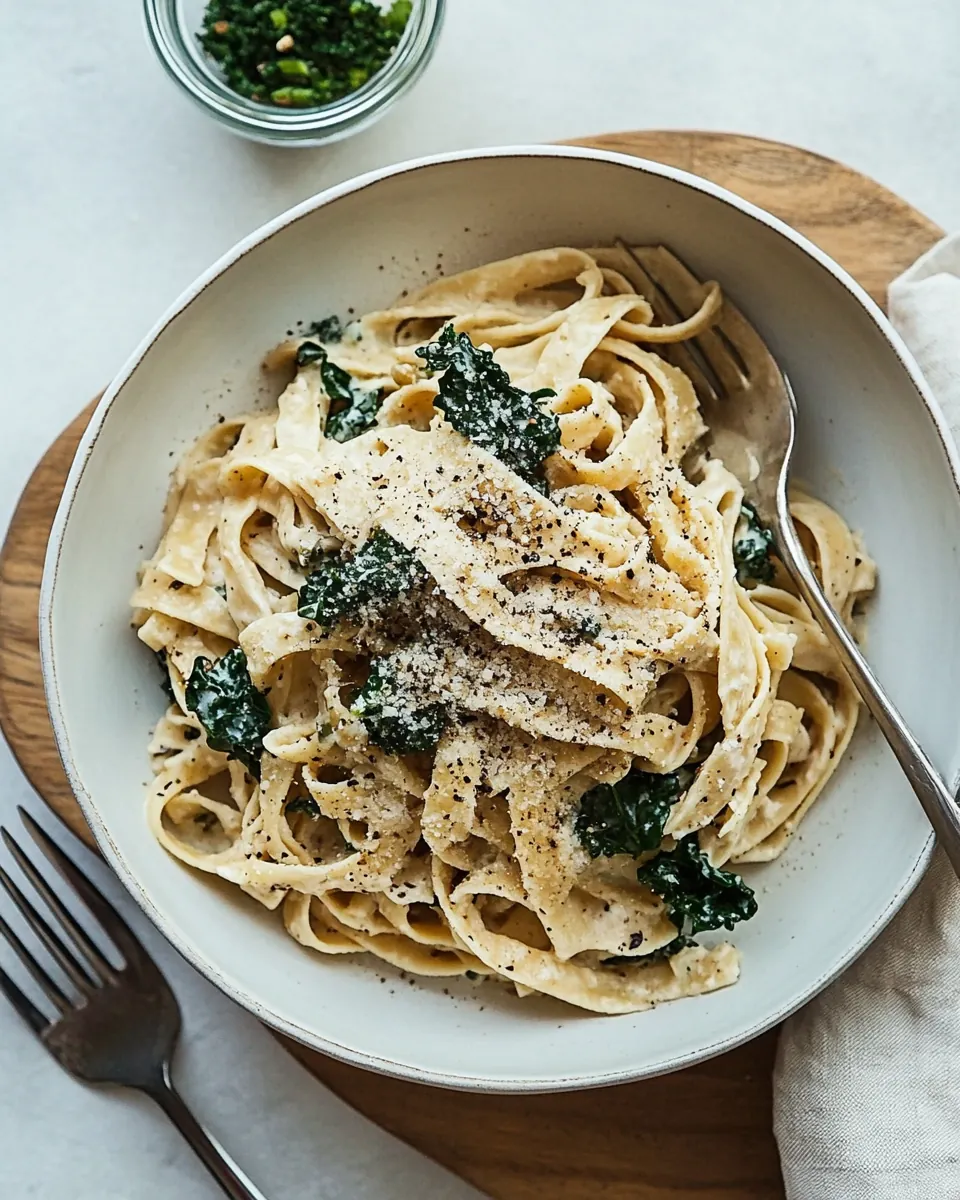
This list expands practical notes and thoughtful substitutions to make the recipe work in many kitchens. Each tip begins with a highlighted phrase to guide quick scanning, followed by a detailed explanation you can use while cooking or planning ahead.
- Soaking the seeds: If you have time, soak the sunflower seeds for two hours to achieve a silkier puree; for a quicker method, soak in very hot water for 20 to 30 minutes, then drain and proceed.
- Blender power: Use a high speed blender when possible because it creates the smoothest sunflower seed cream; if your blender is low powered, blend in batches and add small amounts of water to help it along without watering down flavor.
- Pasta choices: Any short pasta that traps sauce will work best, shapes with nooks and twists hold the sunflower cream so each bite feels coated and flavorful.
- Adjusting thickness: Use reserved pasta water to loosen the sauce gradually, adding a tablespoon at a time until you reach a glossy, clingy consistency.
- Boosting brightness: If the dish needs more lift, add an extra small splash of lemon juice at the end and taste, acidity will make the flavors pop without altering texture.
- Storage tips: Store leftover pasta chilled in an airtight container for up to two days, and reheat gently with a splash of water to restore creaminess rather than microwaving dry.
Serving Suggestions
This section offers a range of ways to present and enjoy your pasta, from casual weeknight bowls to small dinner gatherings. Each suggestion highlights practical serving ideas and times when this dish shines most.
- Weeknight dinner: Serve warm bowls of Kale Pasta with Sunflower Cream Sauce for a cozy and quick dinner, pairing with a simple side salad if you want extra freshness.
- Lunch option: Enjoy a smaller portion at midday, the dish reheats well and can be packed for lunch, reheat slowly with a splash of water to revive the cream.
- Casual dinner party: Present the pasta family style in a shallow serving bowl, finish with a light sprinkle of chili flakes to let guests season to taste and add visual contrast.
- Seasonal pairing: This works beautifully in spring when kale is tender and fresh, pairing with crisp, lightly dressed greens or roasted vegetables for a fuller spread.
- Storage and leftovers: Refrigerate leftovers promptly in an airtight container for up to two days, when reheating stir in a little reserved water to restore sauce texture and prevent dryness.
- Serving temperature: Serve warm rather than piping hot to allow the flavors to settle and the citrus to come forward, which keeps the balance delicate and pleasant.
FAQ
Conclusion
This dish shines because it balances creamy, nutty richness with bright, verdant notes and satisfying texture. I hope you give this recipe a try, it’s an approachable yet impressive option for nights when you want something comforting and a little special. Once you taste the sunflower cream coating tender pasta and slightly wilted kale, you’ll understand why this bowl keeps showing up on my table. Enjoy the process, and don’t be afraid to tweak the lemon or chili to match your mood.
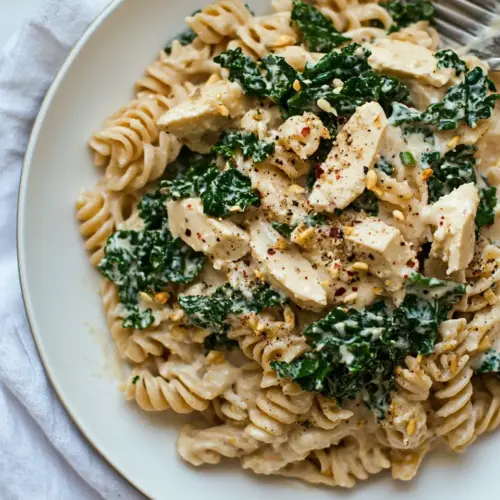
Kale Pasta with Sunflower Cream Sauce
Equipment
- Large Pan
- High Speed Blender
- Colander
Ingredients
- 4 ounces pasta Boil to cook until al dente, providing the starchy base that carries the sunflower cream and kale flavors; drain and reserve some pasta water to adjust sauce consistency if needed.
- 2 teaspoons olive oil Drizzle to sauté aromatics and prevent sticking while adding a fruity, peppery note that complements the creamy sunflower sauce; heat gently before adding garlic and kale.
- 2 cups shredded kale Wilt to tenderize and concentrate its earthy, slightly bitter flavor while providing a nutritious, leafy body to the pasta; massage or shred to help it cook evenly and incorporate into the sauce.
- 1 clove garlic (minced) Mince to release pungent, savory aromatics that build depth in the sauce; add early to the oil so its flavor infuses the entire dish without burning.
- 1/3 cups oaked sunflower seed Blend to create the rich base of the cream sauce, offering a nutty, slightly oaky flavor and silky texture when processed with water, lemon, and seasonings.
- 1/3 cup water Thin to adjust the sunflower cream sauce to a smooth, pourable consistency; warm water also helps emulsify the blended seeds for a luscious finish.
- 1 tablespoon lemon juice Squeeze to brighten and balance the richness of the sunflower cream with fresh acidity; incorporate gradually to taste and to help emulsify the sauce.
- 1/4 teaspoon lemon zest Zest to add concentrated citrus oils that lift the overall aroma and add subtle brightness without extra acidity; sprinkle finely for even distribution.
- 1/8 teaspoons smoked paprika Sprinkle to introduce a warm, smoky nuance that enhances the roasted and savory elements of the dish; use sparingly to avoid overpowering the lemony cream.
- Pinch of salt Season to enhance and balance all flavors, bringing out the natural sweetness of the kale and rounding the sunflower cream; adjust amount based on dietary needs.
- Chili flakes (as needed) Pinch to finish with a touch of heat that contrasts the creaminess, providing optional spiciness and visual interest; add to taste for a gentle kick.
Instructions
- Cook pasta according to direction, drain, reserving the liquid, and set aside.: The warm, starchy pasta will carry the sauce, and reserving some cooking liquid gives you a natural emulsifier to thin the sauce without watering down flavor. You should hear a gentle boil and notice the pasta shift from opaque to slightly translucent when it is nearly done. One common mistake is overcooking the pasta , which makes it mushy and less able to hold the cream. To avoid this, start checking for doneness two minutes before the package time, and drain when the bite is just tender, then set the hot pasta aside so it remains ready to marry with the sauce.
- Heat a large pan over medium-low heat. Add the garlic and cook for a minute, just until fragrant. Add the kale to the pan and continue to cook for a minute or two, just to start the kale wilting. Once the kale has wilted slightly, remove from the heat and add the pasta.: Bringing the pan to the right warmth creates a gentle environment for the garlic and kale , which lets them soften without burning. You will smell the oil warming and feel slight steam as the pan becomes ready. Too high heat can scorch the garlic , producing bitterness, so keep it moderate and patient. If the pan is too hot, remove it from the heat briefly and allow it to cool a touch before continuing.
- Combine the soaked sunflower seeds with the water, lemon juice, lemon zest, smoked paprika, and salt in a high-speed blender. Puree until smooth. Add to the pan and toss. Add a splash or two of reserved pasta water as needed to thin and coat the noodles. Serve with a sprinkle of chili flakes as needed.: At this point you want the garlic to perfume the oil and release its sugars; the scent should be bright and savory, not charred. Visual cues include tiny bubbles around the garlic and a light translucence. Overcooking is a typical error, which leads to a bitter edge; to prevent this, watch closely and stir constantly so the garlic softens evenly in about a minute.
- Add the kale to the pan and continue to cook for a minute or two, just to start the kale wilting: When the kale hits the pan it will hiss softly and begin to darken as it loses volume; toss or stir so leaves wilt uniformly. You want the kale to soften while keeping some texture, not collapse into mush. A mistake here is over wilting, which removes the pleasant chew; stop cooking once the leaves are tender but still bright, usually within two minutes.
- Once the kale has wilted slightly, remove from the heat and add the pasta: Removing the pan from heat preserves the vibrant green and prevents further breakdown. As you fold the warm pasta into the kale , you will notice steam and a meld of aromas, and the pasta will begin to pick up residual oil. If you skip removing from the heat, the residual warmth could overcook the leaves. Be deliberate when combining so the textures balance across the dish.
- Combine the soaked sunflower seeds with the water, lemon juice, lemon zest, smoked paprika, and salt in a high-speed blender: As you blend, the texture will change from grainy to luxuriously smooth; the sound shifts from thumping seeds to a steady whir, and the mixture turns pale and creamy. The blending develops emulsion and integrates citrus for brightness. Not blending long enough is a frequent problem, leaving grit in the sauce; make sure the mixture is completely smooth before proceeding, scraping the sides if needed.
- Puree until smooth: You will want the sauce to be velvety, without visible bits of seeds; the aroma will be nutty with a zesty lift. This smoothness is what allows the sauce to coat each strand or shape of pasta evenly. If your blender struggles, add small amounts of the reserved water to help it along rather than forcing it, which could stress the motor.
- Add to the pan and toss: When you introduce the pale cream to the warm pasta and kale , you should see the sauce slick across surfaces, creating a glossy finish. Tossing helps distribute sauce and heat evenly, building cohesion between the components. Over stirring can bruise the kale , so toss gently until everything looks uniformly coated and glossy.
- Add a splash or two of reserved pasta water as needed to thin and coat the noodles: The starchy reserved pasta water acts as an emulsifier, making the sauce silkier and helping it cling to the noodles; visual cues include a light sheen and a sauce that clings rather than pools. A common oversight is adding too much liquid too fast, which makes the sauce runny; add small amounts, mixing and observing the texture until it reaches a luscious consistency.
- Serve with a sprinkle of chili flakes as needed: The final dusting of chili flakes introduces a scent of heat and a visual contrast against the pale cream, and if you sprinkle sparingly you can control the finish from gentle warmth to punchy spice. Taste before adding to judge how much heat the dish needs. A mistake is over spicing at the plate; remember diners can always add more, so start conservatively.
Notes
- Soaking the seeds: If you have time, soak the sunflower seeds for two hours to achieve a silkier puree; for a quicker method, soak in very hot water for 20 to 30 minutes, then drain and proceed.
- Blender power: Use a high speed blender when possible because it creates the smoothest sunflower seed cream; if your blender is low powered, blend in batches and add small amounts of water to help it along without watering down flavor.
- Pasta choices: Any short pasta that traps sauce will work best, shapes with nooks and twists hold the sunflower cream so each bite feels coated and flavorful.
- Adjusting thickness: Use reserved pasta water to loosen the sauce gradually, adding a tablespoon at a time until you reach a glossy, clingy consistency.
- Boosting brightness: If the dish needs more lift, add an extra small splash of lemon juice at the end and taste, acidity will make the flavors pop without altering texture.
- Storage tips: Store leftover pasta chilled in an airtight container for up to two days, and reheat gently with a splash of water to restore creaminess rather than microwaving dry.