Bundt Pan Cornbread
Bundt Pan Cornbread is the sort of recipe that sneaks into my weekend kitchen when I want something reliably homey with a little bit of showmanship. I still remember the first time I poured batter into a warm Bundt Pan, listening to the butter hiss as it met the metal, and feeling a tiny thrill that simple ingredients could transform into such a pleasing loaf. That warm, slightly crisp exterior with a tender, moist crumb inside became my go to when friends dropped by unannounced.
On slow mornings I find myself reaching for the jar of self-rising cornmeal and the buttermilk, knowing they will deliver texture and tang without much fuss. There is a comfort in the ritual too, stirring together cornmeal, flour, eggs, and a bit of seasoning, then trusting an oven and a pan to work their chemistry. Every time the kitchen fills with that toasty, buttery aroma I feel like I am baking memories rather than just bread.
Recipe Snapshot
50 mins
10 mins
40 mins
Medium
180 kcal
American
Gluten-Free, Low FODMAP
Side Dishes
Bundt Cake Pan
The Beauty of This Bundt Pan Cornbread
Easy and approachable
I love how Bundt Pan Cornbread takes follow through out of the equation. You do not need complicated equipment or hours of babysitting, and the method is forgiving for bakers of all levels. That makes it perfect for evenings when you want something homemade without a lot of fuss.
Buttery crust with tender crumb
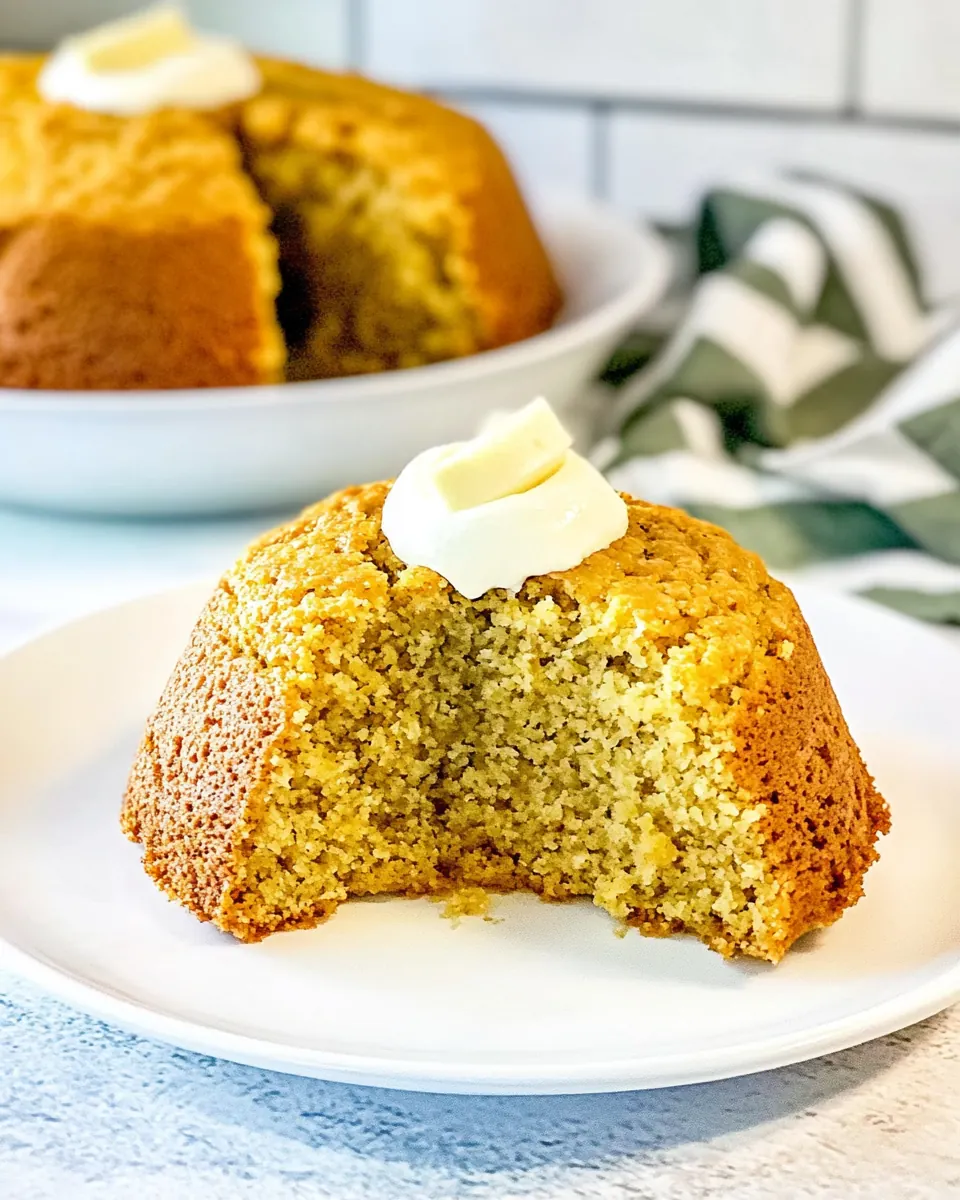
The trick of melting the butter in the pan before adding batter creates pockets of concentrated richness along the outer surface. As it bakes you get a crisp, almost caramelized edge while the inside stays moist, which is one of my favorite contrasts when serving slices warm from the pan.
Flavorful, yet versatile
The cajun seasoning here adds a surprising lift, giving the cornbread a subtle, savory warmth without stealing the show. I often think of this recipe as a canvas, since the base plays nicely with additions if you want to personalize it later.
Speed and reliability
With a short hands on time and a predictable baking window, this recipe is a dependable choice for last minute guests. I value recipes that let me plan the rest of the meal while the oven does the heavy lifting, and this cornbread is exactly that kind of companion.
Great for crowd pleasing
Because it bakes in a Bundt Pan and slices neatly, Bundt Pan Cornbread is easy to share. It looks impressive on a serving board, and the texture appeals to a wide range of tastes, which is why it often ends up at potlucks and family meals at my house.
Ingredients Overview for Bundt Pan Cornbread
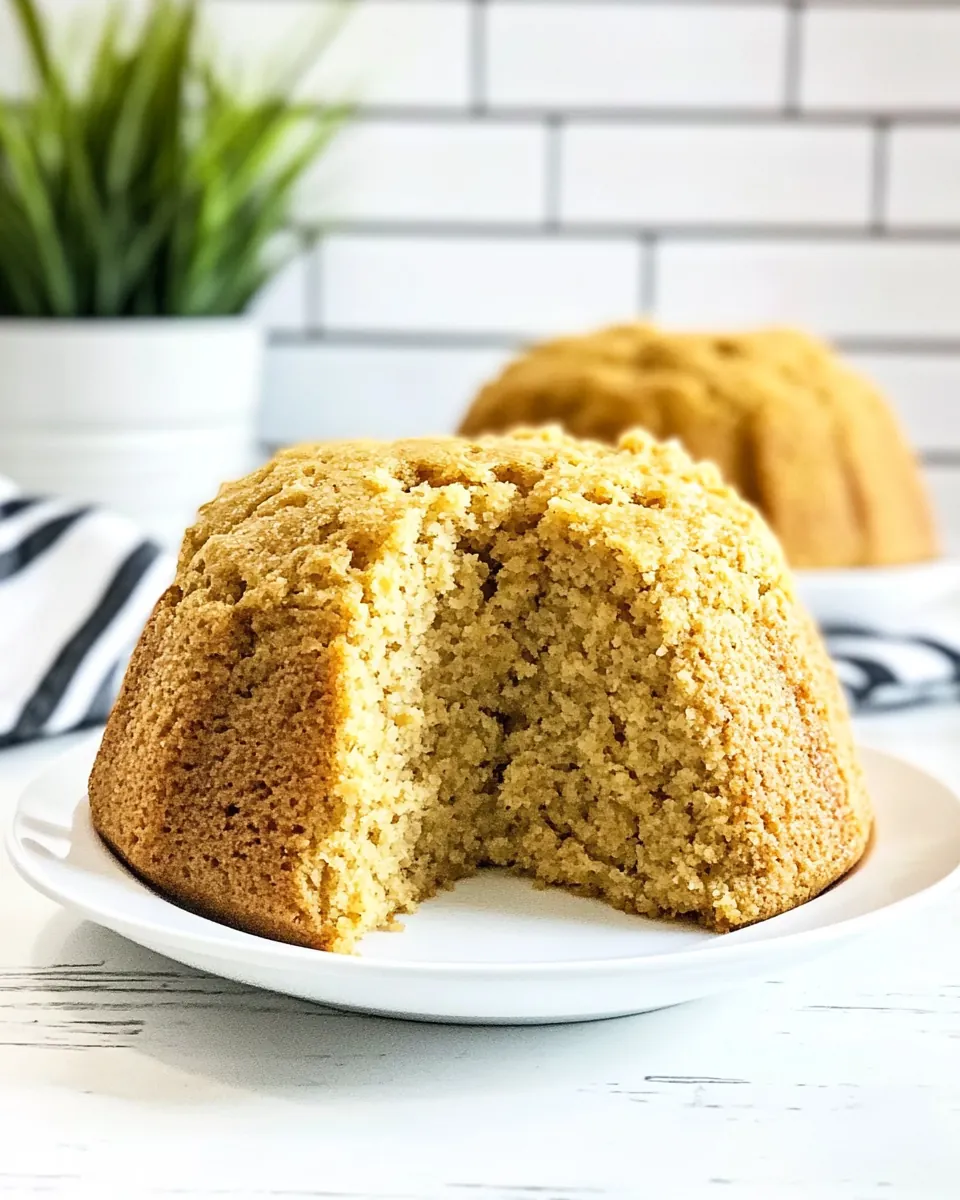
These ingredients combine simplicity and chemistry to produce cornbread that is both tender and full of character. The star players are the self-rising cornmeal for grainy texture, the self-rising flour for structure, and the buttermilk for tang and moisture. The eggs bind and aerate, while the butter lends richness and helps create a golden crust. The cajun seasoning is a small but impactful boost that deepens the savory profile.
- 2 cups self-rising cornmeal: Provide structure and a slightly gritty texture that gives cornbread its characteristic crumb; self–rising cornmeal already contains leavening and salt so it boosts rise and flavor without extra ingredients. Use the specified amount to maintain the intended batter thickness and traditional cornbread mouthfeel.
- 1 cup self-rising flour: Add tenderness and lightness to the crumb while contributing additional corn-like body; self–rising flour complements the cornmeal by bringing gluten and integrated leavening for a balanced rise. Measure accurately to prevent a too-dense or overly cakey result and to harmonize with the cornmeal.
- 2 large eggs: Bind the batter together and incorporate air when beaten, promoting a soft, cohesive crumb; eggs also enrich the flavor and add moisture. Use large eggs for predictable volume and structure, which helps the cornbread hold its shape in a bundt pan.
- 2 cups buttermilk: Provide tangy moisture that reacts with the self–rising flours' leavening to create lift and a tender crumb; buttermilk also contributes a subtle acidity that enhances depth of flavor. Pour at room temperature for more even mixing and consistent texture throughout the loaf.
- 2 tsp cajun seasoning: Introduce warm, savory, and slightly spicy notes that elevate plain cornbread and add complexity to the profile; Cajun seasoning typically contains paprika, garlic, and herbs that complement corn and butter. Sprinkle evenly into the batter to distribute heat and aromatic flavor throughout the loaf.
- 1/2 cup butter, (1 stick): Impart richness, a silky mouthfeel, and help brown the crust when melted into the batter or brushed in the pan; butter also carries and amplifies savory and sweet flavors. Use the specified amount (one stick) softened or melted per the recipe to ensure proper moisture and flavor distribution.
How to Make Bundt Pan Cornbread
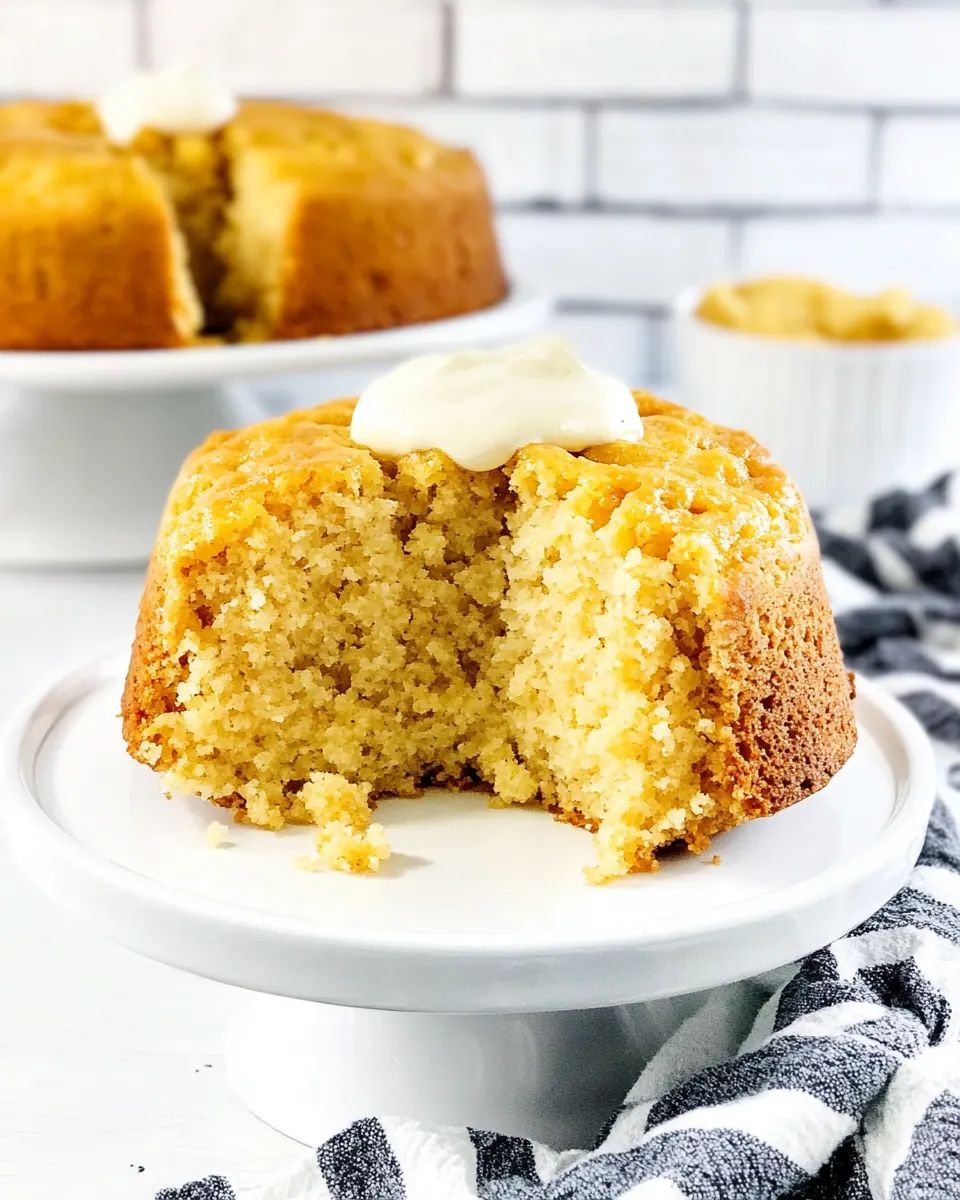
I like to approach the baking of this cornbread as a calm, sequential ritual. Warm the pan, whisk the batter confidently, and follow the oven cues closely so you end up with a golden, tender loaf. Below I walk you through each step with sensory notes and troubleshooting pointers to help you succeed.
- Preheat oven to 375ºF. Place the stick of butter in the Bundt pan. Place the cake pan in the oven until the butter has melted.: As the oven warms you will hear a soft sizzle as the butter melts against the metal and the kitchen fills with a nutty, toasted aroma. This step primes the pan, ensuring a glossy, slightly crisp outer shell once baked, and those sizzling sounds tell you the pan is properly hot. A common mistake is not warming the pan long enough, which prevents the butter from searing the batter edge, so wait until the butter is fully liquid and moving freely. Avoid burning the butter by checking early rather than leaving the oven door closed for too long.
- While the butter is melting, whisk together cornmeal, flour, eggs, buttermilk, and cajun seasoning.: You will notice the batter becoming smooth and slightly thick, with flecks of cornmeal and seasoning distributed throughout. The sound is subtle, a soft whisking rhythm, and the color shifts to a warm yellow. This blending is crucial because it ensures even hydration of the cornmeal and even distribution of the cajun seasoning , preventing pockets of dry flour or clumps. Over mixing is a pitfall to avoid, which can tighten the texture, so whisk until combined and stop when just smooth.
- Remove the hot cake pan from the oven and immediately pour the cornbread batter into the pan.: The immediate pour onto the melted butter causes a faint hiss and a rapid settling of batter into the pan, creating those prized buttery ribbons and encouraging a crisp outer edge. The contrast of hot metal and cool batter creates a quick set at the edges, which supports a good crust. If you delay pouring, the butter may cool and congeal which reduces the crisping effect, so have everything ready to transfer quickly. Beware of splatters from hot butter; pour steadily to avoid burns.
- Bake for 35 to 45 minutes, until golden brown.: During baking you will see the top take on a warm golden hue and the aroma deepen to a toasted, buttery scent. The center will appear set when a toothpick comes out with a few moist crumbs, and the edges will pull slightly away from the pan. This period is when structure forms, and the heat transforms moisture into steam, creating lift and tenderness. Opening the oven too often is a common error because it lets heat escape and can cause uneven rise, so peek sparingly through the window.
- Remove the pan from the oven and let cool in the pan for 5 to 10 minutes before removing the bread from the pan.: Cooling briefly allows the crumb to firm slightly so the loaf releases cleanly, and the scent in the air will soften into warm, comforting notes. You should hear a faint settling sound as the loaf finishes setting. If you try to unmold too early the cornbread can break or crumble, so patience here pays off. If the loaf seems stuck, gently run a thin knife around the edges before inverting onto a rack to avoid tearing.
Ways to Adapt This Recipe
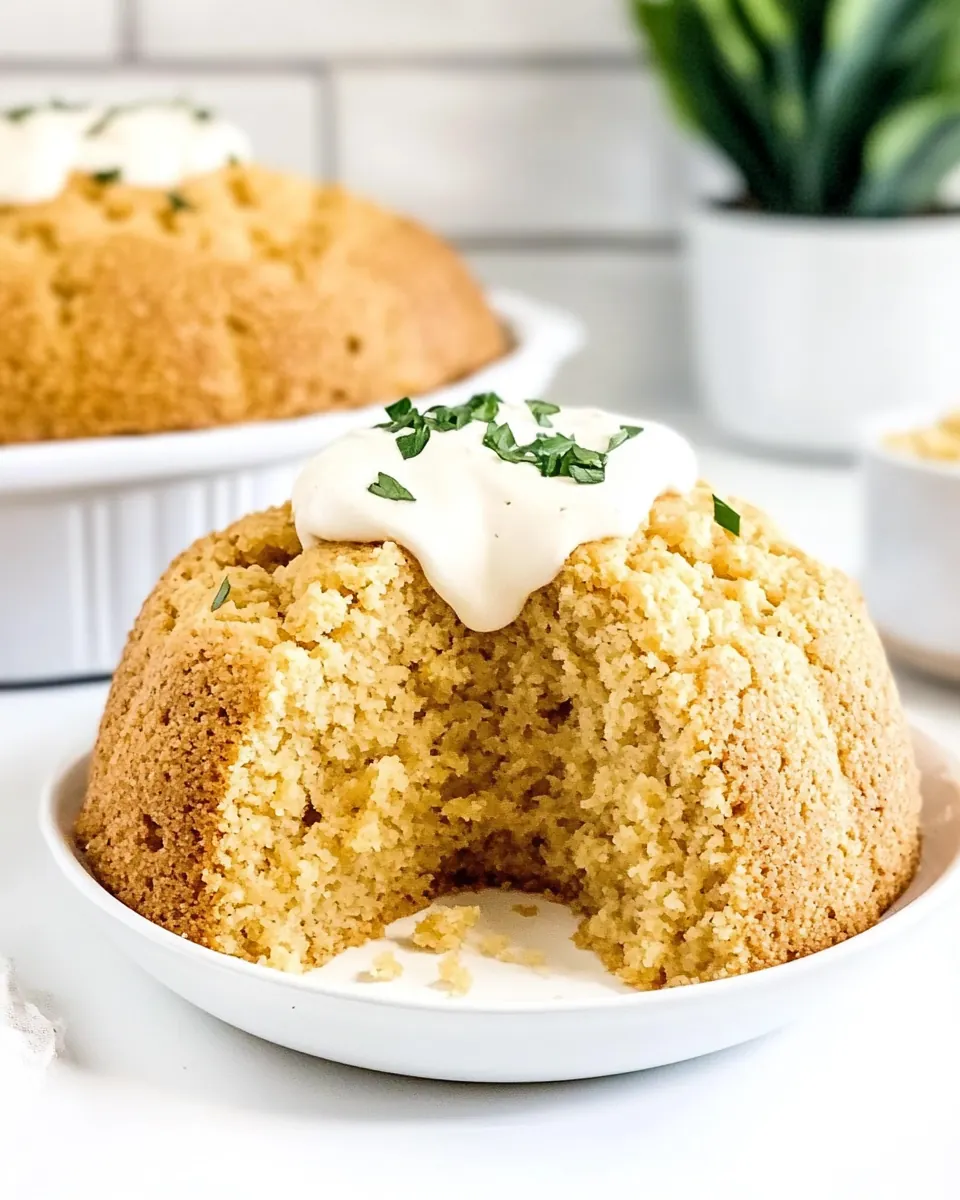
This cornbread base is forgiving and open to small adaptations that suit your pantry and tastes. Below are practical, tested ways I have used to tweak texture and flavor without losing what makes the recipe special. Each tip starts with a concise highlight, followed by a clear explanation.
- Make a softer crumb, reduce pan preheating slightly and keep butter warm but not smoking before pouring; this will create a milder crust and a more tender bite.
- Add jalapeños, fold finely diced jalapeño into batter for a fresh, vegetal heat that plays nicely with the cajun seasoning and brightens each slice.
- Stir in whole corn kernels, drain canned corn or use fresh kernels; they add bursts of sweet juiciness and a pleasant textural contrast in every bite.
- Use yellow or white cornmeal, both yield classic cornbread flavor, choose based on your preferred color and depth of corn taste without altering technique.
- Try baking in a skillet, if you do not have a Bundt Pan you can use a well seasoned cast iron skillet for a crisper bottom and rustic presentation.
- Adjust spice level, increase or decrease cajun seasoning to taste; it is easy to calibrate the warmth without changing the core batter chemistry.
Pairing Suggestions for Bundt Pan Cornbread
This cornbread is flexible and pairs well with many meals including casual family dinners and special gatherings. Consider serving it warm with savory mains, or slice it for buffet style events. The list below outlines complementary dishes, occasions, and storage hints so you can plan the whole experience.
- Serve with beans or chili, the tender, slightly sweet crumb stands up well to robust bowls, making it ideal for hearty stews and chili nights.
- Pair with roasted vegetables, an autumn meal featuring roasted squash or Brussels sprouts benefits from the contrasting textures and the cornbread s light sweetness.
- Bring to potlucks, the Bundt Pan shape presents beautifully for gatherings, and slices are easy for guests to help themselves.
- Occasion friendly, suitable for weeknight dinners, weekend brunch, or festive meals where a crowd pleasing side is needed.
- Storage tips, keep homemade cornbread in an airtight container at room temperature for one to two days for best texture, or freeze slices wrapped tightly for longer storage.
- Seasonal pairings, in fall serve with spiced mains and roasted root vegetables, while in warmer months pair with grilled vegetables or chilled salads for contrast.
FAQ
Conclusion
This Bundt Pan Cornbread stands out for its buttery crust, tender interior, and effortless preparation. It manages to feel special without requiring complex technique, which is why I reach for it when I want homemade comfort on a predictable timeline. Give it a try when you want a side that looks great, slices cleanly, and pleases a crowd. Once you taste the contrast between the golden edge and the moist crumb, I think it will become a regular in your baking rotation.
Bundt Pan Cornbread
Equipment
- Bundt Cake Pan
Ingredients
- 2 cups self-rising cornmeal Provide structure and a slightly gritty texture that gives cornbread its characteristic crumb; self-rising cornmeal already contains leavening and salt so it boosts rise and flavor without extra ingredients. Use the specified amount to maintain the intended batter thickness and traditional cornbread mouthfeel.
- 1 cup self-rising flour Add tenderness and lightness to the crumb while contributing additional corn-like body; self-rising flour complements the cornmeal by bringing gluten and integrated leavening for a balanced rise. Measure accurately to prevent a too-dense or overly cakey result and to harmonize with the cornmeal.
- 2 large eggs Bind the batter together and incorporate air when beaten, promoting a soft, cohesive crumb; eggs also enrich the flavor and add moisture. Use large eggs for predictable volume and structure, which helps the cornbread hold its shape in a bundt pan.
- 2 cups buttermilk Provide tangy moisture that reacts with the self-rising flours' leavening to create lift and a tender crumb; buttermilk also contributes a subtle acidity that enhances depth of flavor. Pour at room temperature for more even mixing and consistent texture throughout the loaf.
- 2 tsp cajun seasoning Introduce warm, savory, and slightly spicy notes that elevate plain cornbread and add complexity to the profile; Cajun seasoning typically contains paprika, garlic, and herbs that complement corn and butter. Sprinkle evenly into the batter to distribute heat and aromatic flavor throughout the loaf.
- 1/2 cup butter, (1 stick) Impart richness, a silky mouthfeel, and help brown the crust when melted into the batter or brushed in the pan; butter also carries and amplifies savory and sweet flavors. Use the specified amount (one stick) softened or melted per the recipe to ensure proper moisture and flavor distribution.
Instructions
- Preheat oven to 375ºF. Place the stick of butter in the Bundt pan. Place the cake pan in the oven until the butter has melted.: As the oven warms you will hear a soft sizzle as the butter melts against the metal and the kitchen fills with a nutty, toasted aroma. This step primes the pan, ensuring a glossy, slightly crisp outer shell once baked, and those sizzling sounds tell you the pan is properly hot. A common mistake is not warming the pan long enough, which prevents the butter from searing the batter edge, so wait until the butter is fully liquid and moving freely. Avoid burning the butter by checking early rather than leaving the oven door closed for too long.
- While the butter is melting, whisk together cornmeal, flour, eggs, buttermilk, and cajun seasoning.: You will notice the batter becoming smooth and slightly thick, with flecks of cornmeal and seasoning distributed throughout. The sound is subtle, a soft whisking rhythm, and the color shifts to a warm yellow. This blending is crucial because it ensures even hydration of the cornmeal and even distribution of the cajun seasoning , preventing pockets of dry flour or clumps. Over mixing is a pitfall to avoid, which can tighten the texture, so whisk until combined and stop when just smooth.
- Remove the hot cake pan from the oven and immediately pour the cornbread batter into the pan.: The immediate pour onto the melted butter causes a faint hiss and a rapid settling of batter into the pan, creating those prized buttery ribbons and encouraging a crisp outer edge. The contrast of hot metal and cool batter creates a quick set at the edges, which supports a good crust. If you delay pouring, the butter may cool and congeal which reduces the crisping effect, so have everything ready to transfer quickly. Beware of splatters from hot butter; pour steadily to avoid burns.
- Bake for 35 to 45 minutes, until golden brown.: During baking you will see the top take on a warm golden hue and the aroma deepen to a toasted, buttery scent. The center will appear set when a toothpick comes out with a few moist crumbs, and the edges will pull slightly away from the pan. This period is when structure forms, and the heat transforms moisture into steam, creating lift and tenderness. Opening the oven too often is a common error because it lets heat escape and can cause uneven rise, so peek sparingly through the window.
- Remove the pan from the oven and let cool in the pan for 5 to 10 minutes before removing the bread from the pan.: Cooling briefly allows the crumb to firm slightly so the loaf releases cleanly, and the scent in the air will soften into warm, comforting notes. You should hear a faint settling sound as the loaf finishes setting. If you try to unmold too early the cornbread can break or crumble, so patience here pays off. If the loaf seems stuck, gently run a thin knife around the edges before inverting onto a rack to avoid tearing.
Notes
- Make a softer crumb, reduce pan preheating slightly and keep butter warm but not smoking before pouring; this will create a milder crust and a more tender bite.
- Add jalapeños, fold finely diced jalapeño into batter for a fresh, vegetal heat that plays nicely with the cajun seasoning and brightens each slice.
- Stir in whole corn kernels, drain canned corn or use fresh kernels; they add bursts of sweet juiciness and a pleasant textural contrast in every bite.
- Use yellow or white cornmeal, both yield classic cornbread flavor, choose based on your preferred color and depth of corn taste without altering technique.
- Try baking in a skillet, if you do not have a Bundt Pan you can use a well seasoned cast iron skillet for a crisper bottom and rustic presentation.
- Adjust spice level, increase or decrease cajun seasoning to taste; it is easy to calibrate the warmth without changing the core batter chemistry.