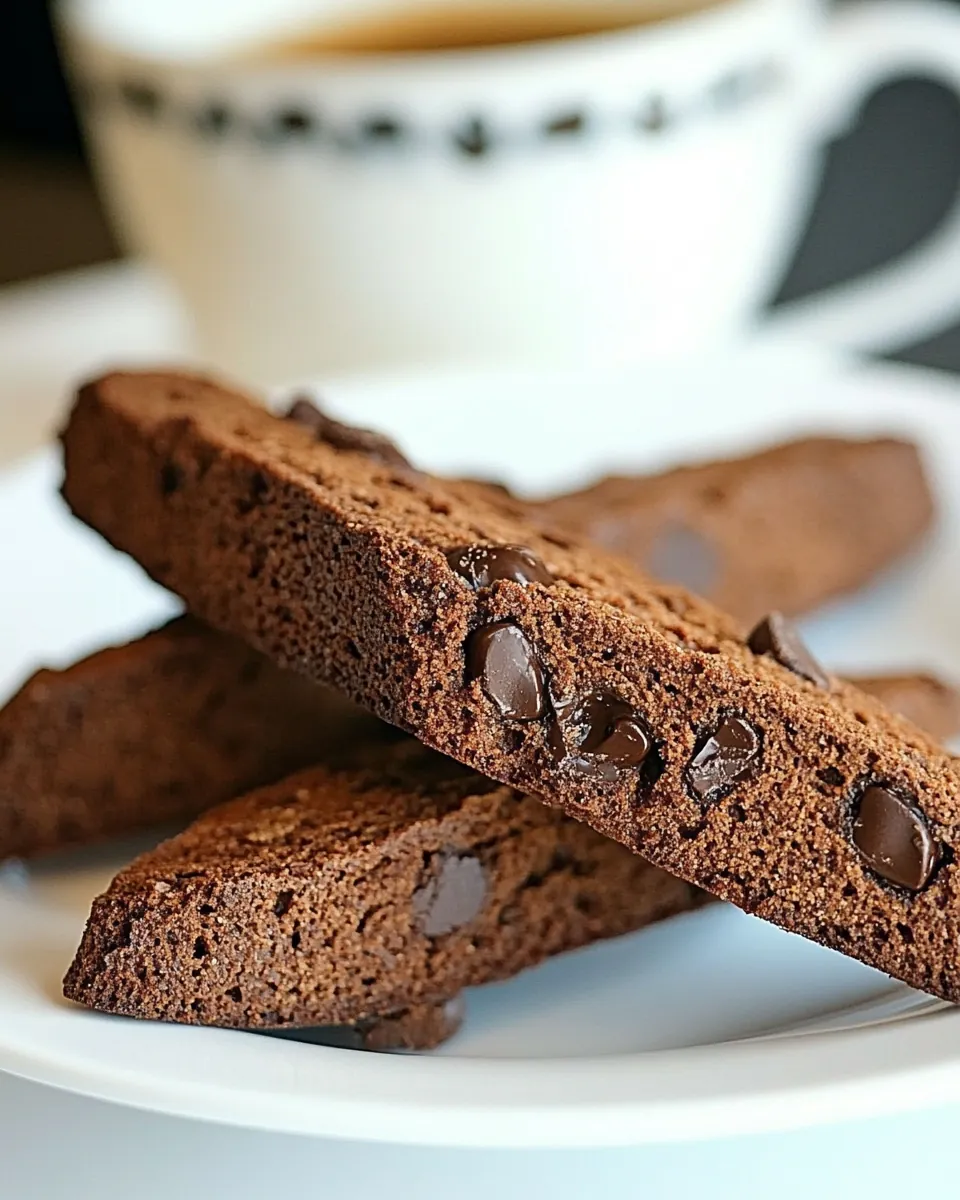
Chocolate Chocolate Chip Biscotti
Chocolate Chocolate Chip Biscotti has been one of my comfort baking rituals for years, a twice baked cookie that feels like a quiet celebration each time I slice into a warm loaf and reveal the ripple of melted chips inside. The first sentence of any story about this baked good always takes me back to a weekend afternoon when I taught a neighbor how to shape the loaves while the house filled with the smell of cocoa and sugar, and we talked about nothing and everything as the oven hummed.
I still remember that day because the texture surprised both of us, crisp on the outside, tender and deeply chocolatey within. I like to make a big batch so I can nibble a piece after dinner with a cup of coffee, and send a few in a jar to friends. Every time I bake Chocolate Chocolate Chip Biscotti I tweak one small thing, maybe the chip ratio or the way I cut the slices, and I learn something new about how simple ingredients become more than the sum of their parts.
Making biscotti with chocolate and dark chocolate chips feels like a hands on way to slow the day down. It’s also a great project to do with someone else, because forming the loaves and watching them take shape is oddly meditative. Over the years I’ve found little tricks that make the process smoother, and I love sharing those moments that make baking feel less like a chore and more like a ritual.
Recipe Snapshot
45 mins
15 mins
30 mins
Medium
150 kcal
Italian
Gluten-Free, Low FODMAP
Desserts
Oven, Baking sheet, Parchment paper, Large bowl, Serrated knife
What Sets This Chocolate Chocolate Chip Biscotti Apart
Crunch that keeps you coming back
I adore how Chocolate Chocolate Chip Biscotti offers a satisfying crunch that lasts, not a brittle crack but a durable bite that pairs perfectly with a dunk. The twice baking process creates that texture; the first bake cooks the loaf through, the second dries and firms each slice. I find the contrast between the firm exterior and the slightly tender interior irresistible.
Deep chocolate flavor without fuss
Using both unsweetened cocoa powder and dark chocolate chips layers the chocolate profile, so you get tannic cocoa notes and sweet, molten pockets from the chips. I like how this approach delivers complexity with very little technique, it’s honest and direct. You don’t need to temper chocolate or melt anything ahead of time to enjoy that richness.
Simple pantry ingredients, impressive result
Most of the ingredients are staples, and that makes this a go to when I want something special fast. The recipe rewards small attentions, like sifting the all purpose flour and cocoa, or using room temperature eggs, and those tiny moves elevate the final cookie. I’ve won over guests with this snack more than once, and the minimal shopping list helps.
Flexible texture for every preference
I value that you can control the final chewiness by adjusting the second bake time. If you like a softer bite you take them out earlier, if you want the classic crunchy snap you give them a bit longer. That flexibility means everyone at the table can be happy, and I often bake a batch with mixed timings so we get both textures.
Perfect for gifting and storage
Because biscotti store wonderfully, they are my favorite last minute gift. They keep crisp in an airtight tin, and the flavor actually seems to meld with time, making day old slices even more pleasant. I love assembling a small box of slices and ribboning it for neighbors or friends, it feels thoughtful and homemade without fuss.
Main Ingredients for Chocolate Chocolate Chip Biscotti
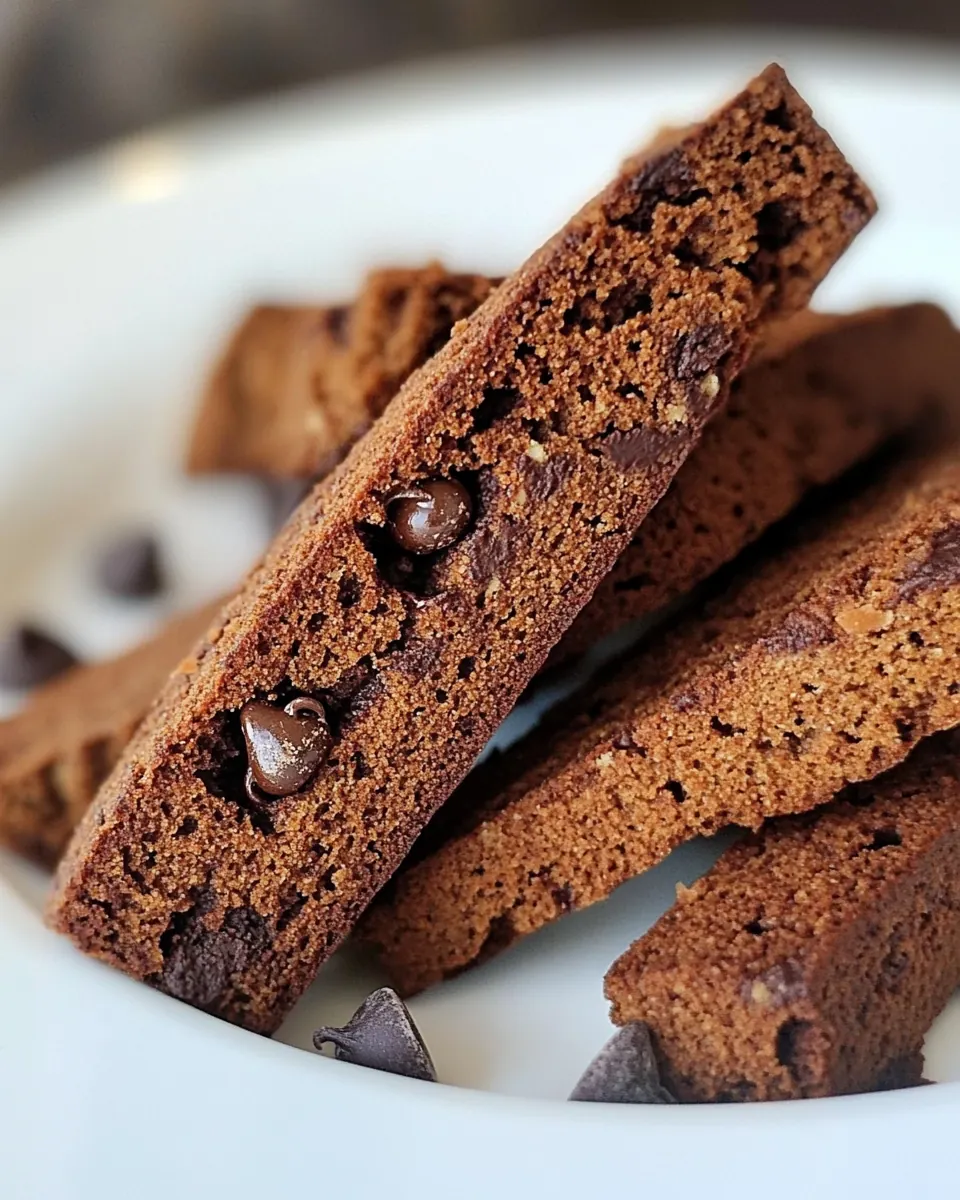
I treat these ingredients like a simple ensemble cast. Each player has a clear job, from structure to flavor to texture, and together they create that classic biscotti firmness with deep chocolate notes. The all purpose flour builds the crumb, the unsweetened cocoa powder brings chocolate intensity, and the dark chocolate chips add those molten pockets. Small measures like baking powder and a pinch of salt tune the rise and balance sweetness, while eggs bind and enrich the dough.
- 1 2/3 cup all purpose flour: Provides structure and bulk to the biscotti, forming the gluten network that holds other ingredients together. Sifts to remove lumps and ensures even incorporation for a uniform dough texture.
- 1/2 cup good quality unsweetened cocoa powder, got mine at Trader Joe's: Adds deep chocolate flavor and a rich, slightly bitter backbone to balance sweetness. Whiskes into dry ingredients to distribute evenly and intensify overall cocoa color and taste.
- 1 1/2 tsp baking powder: Leavens the dense biscotti dough by releasing gas during baking, helping create slight lift and a tender crumb. Properly measured and mixed with the flour prevents uneven rising or chemical aftertastes.
- pinch of salt: Enhances flavor by brightening and balancing sweetness, while also strengthening gluten slightly to affect texture. A pinch is sufficient to keep the chocolate notes clear without making the cookie salty.
- 3/4 cup superfine sugar, you can put sugar in food processor: Sweetens the dough and contributes to crispness after twice-baking, with superfine texture dissolving quickly for smooth batter. Grinding granulated sugar in a food processor yields the recommended fineness for even distribution.
- 3/4 cup dark chocolate chips: Provides pockets of intense melted chocolate in the finished biscotti and contributes pleasant textural contrast. Folding into the dough near the end prevents excessive melting and maintains chip shape through baking.
- 2 large eggs: Binds ingredients and adds moisture and richness, helping the biscotti hold together during shaping and initial bake. Whisked until combined, eggs also contribute to browning and slight tenderness in the crumb.
- 1 large egg white: Further reduces moisture and helps set the biscotti during baking while contributing to a glossy, cohesive texture. Beaten egg white can be brushed or mixed in to fine-tune dough consistency and final surface sheen.
Recipe Steps for Chocolate Chocolate Chip Biscotti
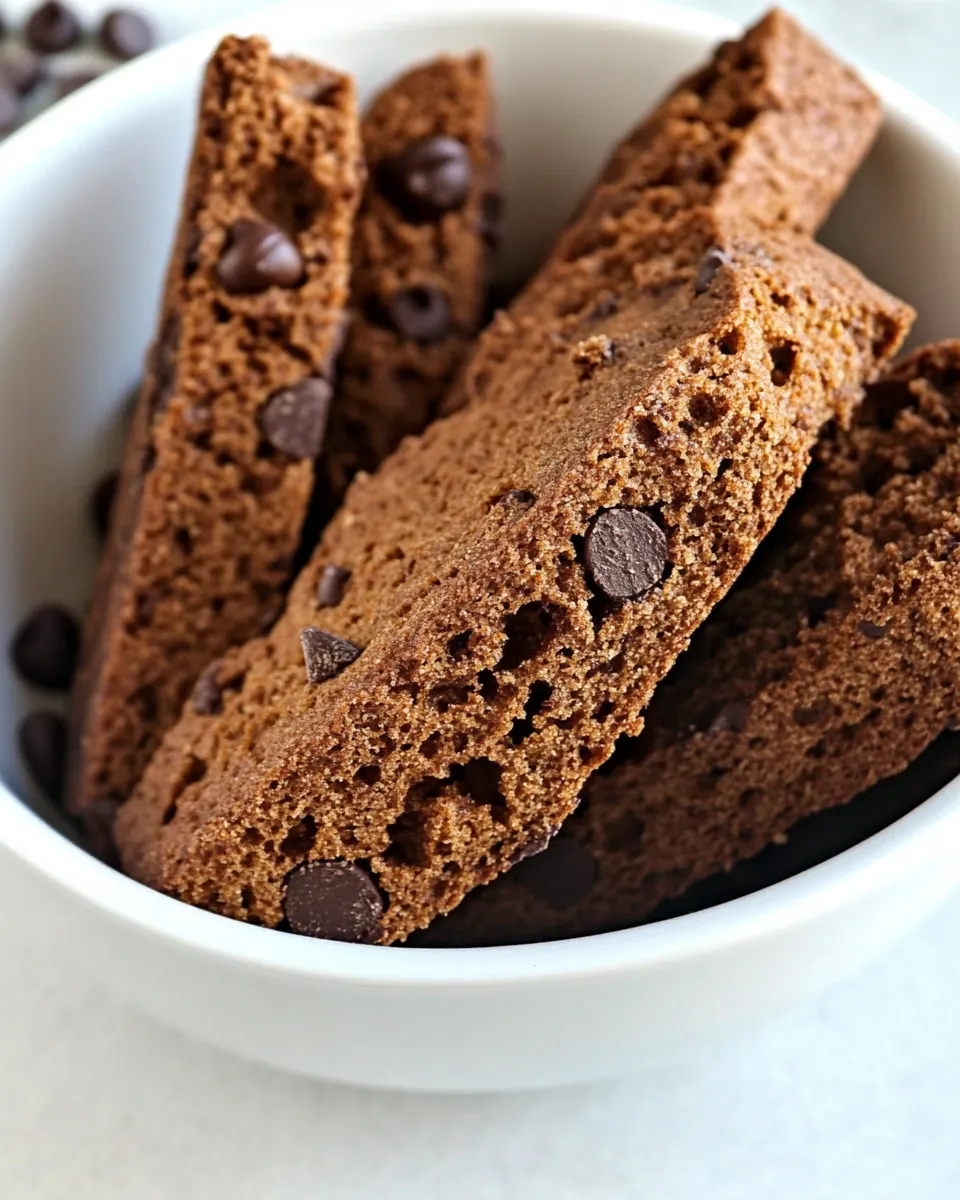
I like to move through the steps calmly, giving each stage my full attention. These procedures are simple but precise, so small details matter. Keep your tools close, preheat early, and enjoy the sensory changes as the dough transforms from a rough mix to golden crisp slices.
- Preheat oven to 375°.: The kitchen fills with a warm, anticipatory scent as the oven comes up to temperature, and that steady heat is essential so the loaves cook evenly from the start. When the oven is fully hot the initial set of the dough happens at the right pace, which prevents a soggy center. A common mistake is not waiting for the oven to reach the target temp, which can lengthen the bake and give uneven texture, so I always use an oven thermometer to confirm accuracy.
- Line two baking sheets with parchment paper.: Lining sheets reduces sticking and helps the underside of the biscotti to brown evenly, producing a clean release and easy cleanup. You will notice a gentle hissing as parchment settles and traps slight steam, which prevents burning and allows for even heat transfer. Avoid crowding the sheets later; if you try to fit too many pieces they will bake inconsistently, so use a second round if necessary.
- Combine flour, cocoa powder, baking powder, salt and sugar in a large bowl.: As you whisk these dry elements together you will see the mixture turn uniformly cocoa rich and smell that roasted chocolate aroma, a sign the flavors are marrying. Blending dry ingredients distributes leavening and salt evenly, so each bite has balance. A mistake I see often is failing to sift or whisk, leaving pockets of baking powder or salt that create uneven rise and sudden salty bites.
- Add chocolate chips and mix.: Folding in the dark chocolate chips should be gentle to avoid crushing them, and you will get a visual of dark flecks throughout the dough which promises molten pockets when baked. The chips also add weight and texture, creating little craters of melted chocolate that contrast the crisp exterior. Overworking at this point can warm the chips and make the dough greasy, so mix just until evenly distributed.
- Gradually add eggs and egg whites to the mixture and combine to make a dough. (If dough is too dry add one more egg white): As you incorporate the eggs the mixture comes together, becoming glossy and cohesive; you will notice the scent of cooked egg fading as the chocolate aroma intensifies. Adding eggs slowly prevents a lumpy, overly wet dough, and gives you control over consistency. If the dough is too dry add one more egg white, but take care because excess liquid will yield a spread rather than a holdable loaf, which is a common error.
- Divide the dough into two or three loaves.: Shaping into loaves allows for even baking and makes slicing manageable. You will feel the dough’s resistance and a slight tackiness that indicates proper hydration, and the compact loaves will hold their shape during the first bake. If you make loaves too thin they may overbake, and if too thick they may not dry properly, so aim for uniform width for consistent results.
- Place on the lined baking sheets and bake 20 minutes. (If the dough is too sticky to form with your hands, you can use a wooden spatula to transfer it onto the baking sheets): During this bake the dough will set and release a concentrated chocolate aroma, and the surfaces will firm to a matte finish signaling readiness. This stage cooks the interior enough to allow safe slicing later. A common pitfall is underbaking, which makes slicing difficult and leads to collapsed slices during the second bake, so watch for the set surface and gentle spring back when touched.
- When cool enough to handle, gently cut the loaves on the angle into 1/2 inch slices (a serrated bread knife works good for this).: Angled cuts reveal the marbled interior and create those classic oblong biscotti shapes; you will hear a soft sawing sound as the serrated knife moves through without squashing the crumb. Cooling slightly firms the loaf and reduces crumbling, so resist the urge to slice too hot. Slicing while too warm causes misshapen pieces and excessive crumbs, which is a frequent mistake for impatient bakers.
- Return to the baking sheets fitting as many as you can. You may need to do this in batches.: Arranging the slices cut side up exposes more surface to heat, encouraging crispness. You will see the edges begin to brown and the chocolate chips settle into comfortable pockets, a visual cue that the second bake is working. Avoid overcrowding which can trap steam and prevent proper drying, forcing you into multiple batches but ensuring even results.
- Bake the biscotti for another 3-4 minutes on each side. (less time for if you like it softer): The second bake is where the biscotti gain their firm, lasting crunch; flip them and bake again until edges are toasted and the slices sound crisp when tapped. Pay attention to aroma and color, because a little extra time makes them drier and crisper while too long will push them into bitter territory. A typical error is leaving them in too long in pursuit of crunch, which makes them overly hard and less pleasant to eat, so test a slice midway to find your preferred texture.
Helpful Hints
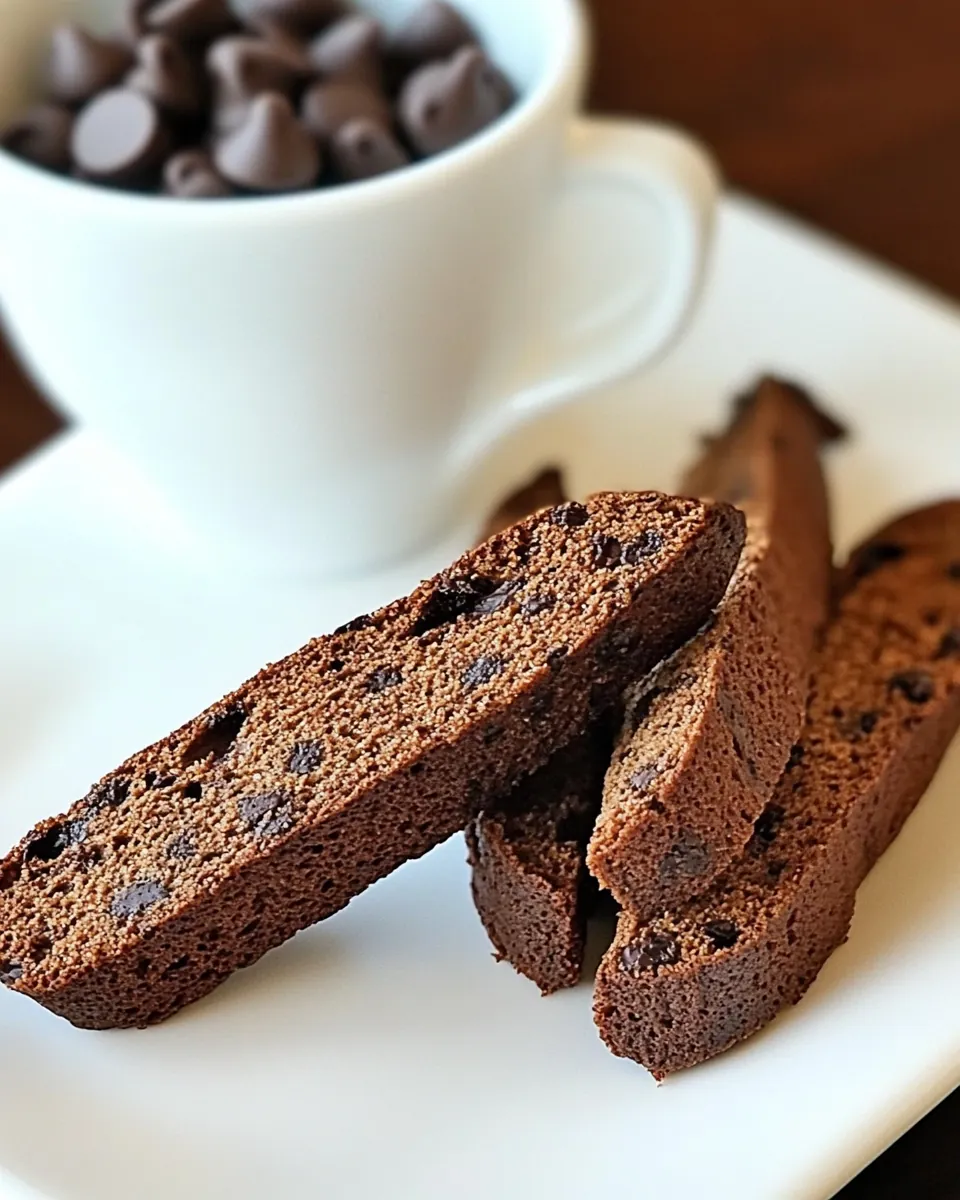
I like to gather tips that make baking less stressful and more rewarding. These are practical notes I use every time I make Chocolate Chocolate Chip Biscotti, helping you get consistent results and enjoy the process.
- Measure flour correctly: Spoon the all purpose flour into the measuring cup and level with a knife to avoid dense dough that will not hold shape.
- Sift cocoa for smoothness: Sifting the unsweetened cocoa powder removes lumps and distributes color and flavor evenly, preventing streaks in the dough.
- Pulse sugar if needed: If you only have granulated sugar, pulse briefly in a food processor to approximate the superfine texture so it dissolves quickly into the dough.
- Keep chips whole: Fold in the dark chocolate chips gently to preserve pockets of melted chocolate in the baked slices rather than streaks of melted chocolate throughout.
- Warm eggs to room temperature: Cold eggs can slow incorporation and create uneven dough, so set them out a bit before starting.
- Test oven temperature: Use an oven thermometer to confirm your oven reaches and holds 375°, since many ovens run hot or cold and that affects bake times.
What to Serve Alongside Chocolate Chocolate Chip Biscotti
Biscotti are naturally companionable, and choosing the right pairings can elevate a simple snack into a styled moment. I often serve these with warm beverages, but they also make for lovely packaged gifts or a crunchy finish to a dessert spread. Think about occasions and textures to strike the right balance.
- Coffee pairings: Serve with a strong cup of brewed coffee or espresso for classic dunking enjoyment, the bitterness balancing the chocolate sweetness.
- Tea service: Offer mild black tea or a nutty oolong to let the cocoa notes shine without overpowering them, great for afternoon gatherings or calm mornings.
- Gift boxes: Arrange slices in a decorative tin or box for housewarming or holiday gifts, they travel well and stay crisp when wrapped properly.
- Party platter: Include alongside fresh fruit and soft cheeses for contrast, the crunchy biscotti bringing texture to a communal board for brunch or casual entertaining.
- Storage and make ahead: Keep in an airtight container at room temperature for up to two weeks, or freeze sealed for longer storage and thaw at room temperature when needed.
- Seasonal serving ideas: For colder months, pair with spiced hot chocolate or a warm milk beverage, while springtime gatherings benefit from lighter teas and fresh citrus petits fours.
FAQ
Conclusion
What makes this recipe special is its simplicity and the way everyday ingredients transform into a crunchy, chocolate forward treat that lasts. I encourage you to try making these biscotti, experiment with the second bake to find your favorite texture, and share them with friends or tuck them into a gift box. Baking Chocolate Chocolate Chip Biscotti is one of those small rituals that rewards patience with comfort and a reliably delicious result, so enjoy the process and savor each crisp bite.
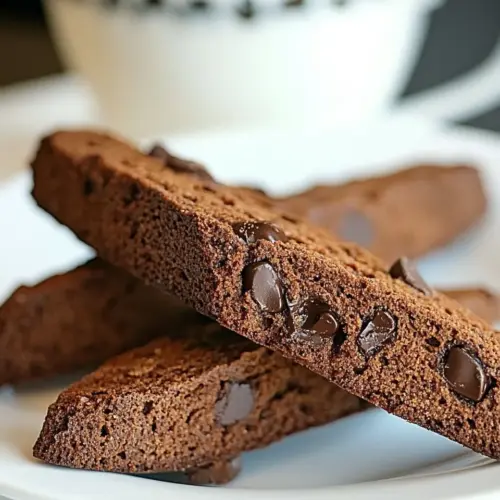
Chocolate Chocolate Chip Biscotti
Equipment
- Oven
- Baking Sheet
- Parchment Paper
- Large Bowl
- Serrated Knife
Ingredients
- 1 2/3 cup all purpose flour Provides structure and bulk to the biscotti, forming the gluten network that holds other ingredients together. Sifts to remove lumps and ensures even incorporation for a uniform dough texture.
- 1/2 cup good quality unsweetened cocoa powder, got mine at Trader Joe's Adds deep chocolate flavor and a rich, slightly bitter backbone to balance sweetness. Whiskes into dry ingredients to distribute evenly and intensify overall cocoa color and taste.
- 1 1/2 tsp baking powder Leavens the dense biscotti dough by releasing gas during baking, helping create slight lift and a tender crumb. Properly measured and mixed with the flour prevents uneven rising or chemical aftertastes.
- pinch of salt Enhances flavor by brightening and balancing sweetness, while also strengthening gluten slightly to affect texture. A pinch is sufficient to keep the chocolate notes clear without making the cookie salty.
- 3/4 cup superfine sugar, you can put sugar in food processor Sweetens the dough and contributes to crispness after twice-baking, with superfine texture dissolving quickly for smooth batter. Grinding granulated sugar in a food processor yields the recommended fineness for even distribution.
- 3/4 cup dark chocolate chips Provides pockets of intense melted chocolate in the finished biscotti and contributes pleasant textural contrast. Folding into the dough near the end prevents excessive melting and maintains chip shape through baking.
- 2 large eggs Binds ingredients and adds moisture and richness, helping the biscotti hold together during shaping and initial bake. Whisked until combined, eggs also contribute to browning and slight tenderness in the crumb.
- 1 large egg white Further reduces moisture and helps set the biscotti during baking while contributing to a glossy, cohesive texture. Beaten egg white can be brushed or mixed in to fine-tune dough consistency and final surface sheen.
Instructions
- Preheat oven to 375°.: The kitchen fills with a warm, anticipatory scent as the oven comes up to temperature, and that steady heat is essential so the loaves cook evenly from the start. When the oven is fully hot the initial set of the dough happens at the right pace, which prevents a soggy center. A common mistake is not waiting for the oven to reach the target temp, which can lengthen the bake and give uneven texture, so I always use an oven thermometer to confirm accuracy.
- Line two baking sheets with parchment paper.: Lining sheets reduces sticking and helps the underside of the biscotti to brown evenly, producing a clean release and easy cleanup. You will notice a gentle hissing as parchment settles and traps slight steam, which prevents burning and allows for even heat transfer. Avoid crowding the sheets later; if you try to fit too many pieces they will bake inconsistently, so use a second round if necessary.
- Combine flour, cocoa powder, baking powder, salt and sugar in a large bowl.: As you whisk these dry elements together you will see the mixture turn uniformly cocoa rich and smell that roasted chocolate aroma, a sign the flavors are marrying. Blending dry ingredients distributes leavening and salt evenly, so each bite has balance. A mistake I see often is failing to sift or whisk, leaving pockets of baking powder or salt that create uneven rise and sudden salty bites.
- Add chocolate chips and mix.: Folding in the dark chocolate chips should be gentle to avoid crushing them, and you will get a visual of dark flecks throughout the dough which promises molten pockets when baked. The chips also add weight and texture, creating little craters of melted chocolate that contrast the crisp exterior. Overworking at this point can warm the chips and make the dough greasy, so mix just until evenly distributed.
- Gradually add eggs and egg whites to the mixture and combine to make a dough. (If dough is too dry add one more egg white): As you incorporate the eggs the mixture comes together, becoming glossy and cohesive; you will notice the scent of cooked egg fading as the chocolate aroma intensifies. Adding eggs slowly prevents a lumpy, overly wet dough, and gives you control over consistency. If the dough is too dry add one more egg white, but take care because excess liquid will yield a spread rather than a holdable loaf, which is a common error.
- Divide the dough into two or three loaves.: Shaping into loaves allows for even baking and makes slicing manageable. You will feel the dough’s resistance and a slight tackiness that indicates proper hydration, and the compact loaves will hold their shape during the first bake. If you make loaves too thin they may overbake, and if too thick they may not dry properly, so aim for uniform width for consistent results.
- Place on the lined baking sheets and bake 20 minutes. (If the dough is too sticky to form with your hands, you can use a wooden spatula to transfer it onto the baking sheets): During this bake the dough will set and release a concentrated chocolate aroma, and the surfaces will firm to a matte finish signaling readiness. This stage cooks the interior enough to allow safe slicing later. A common pitfall is underbaking, which makes slicing difficult and leads to collapsed slices during the second bake, so watch for the set surface and gentle spring back when touched.
- When cool enough to handle, gently cut the loaves on the angle into 1/2 inch slices (a serrated bread knife works good for this).: Angled cuts reveal the marbled interior and create those classic oblong biscotti shapes; you will hear a soft sawing sound as the serrated knife moves through without squashing the crumb. Cooling slightly firms the loaf and reduces crumbling, so resist the urge to slice too hot. Slicing while too warm causes misshapen pieces and excessive crumbs, which is a frequent mistake for impatient bakers.
- Return to the baking sheets fitting as many as you can. You may need to do this in batches.: Arranging the slices cut side up exposes more surface to heat, encouraging crispness. You will see the edges begin to brown and the chocolate chips settle into comfortable pockets, a visual cue that the second bake is working. Avoid overcrowding which can trap steam and prevent proper drying, forcing you into multiple batches but ensuring even results.
- Bake the biscotti for another 3-4 minutes on each side. (less time for if you like it softer): The second bake is where the biscotti gain their firm, lasting crunch; flip them and bake again until edges are toasted and the slices sound crisp when tapped. Pay attention to aroma and color, because a little extra time makes them drier and crisper while too long will push them into bitter territory. A typical error is leaving them in too long in pursuit of crunch, which makes them overly hard and less pleasant to eat, so test a slice midway to find your preferred texture.
Notes
- Measure flour correctly: Spoon the all purpose flour into the measuring cup and level with a knife to avoid dense dough that will not hold shape.
- Sift cocoa for smoothness: Sifting the unsweetened cocoa powder removes lumps and distributes color and flavor evenly, preventing streaks in the dough.
- Pulse sugar if needed: If you only have granulated sugar, pulse briefly in a food processor to approximate the superfine texture so it dissolves quickly into the dough.
- Keep chips whole: Fold in the dark chocolate chips gently to preserve pockets of melted chocolate in the baked slices rather than streaks of melted chocolate throughout.
- Warm eggs to room temperature: Cold eggs can slow incorporation and create uneven dough, so set them out a bit before starting.
- Test oven temperature: Use an oven thermometer to confirm your oven reaches and holds 375°, since many ovens run hot or cold and that affects bake times.
