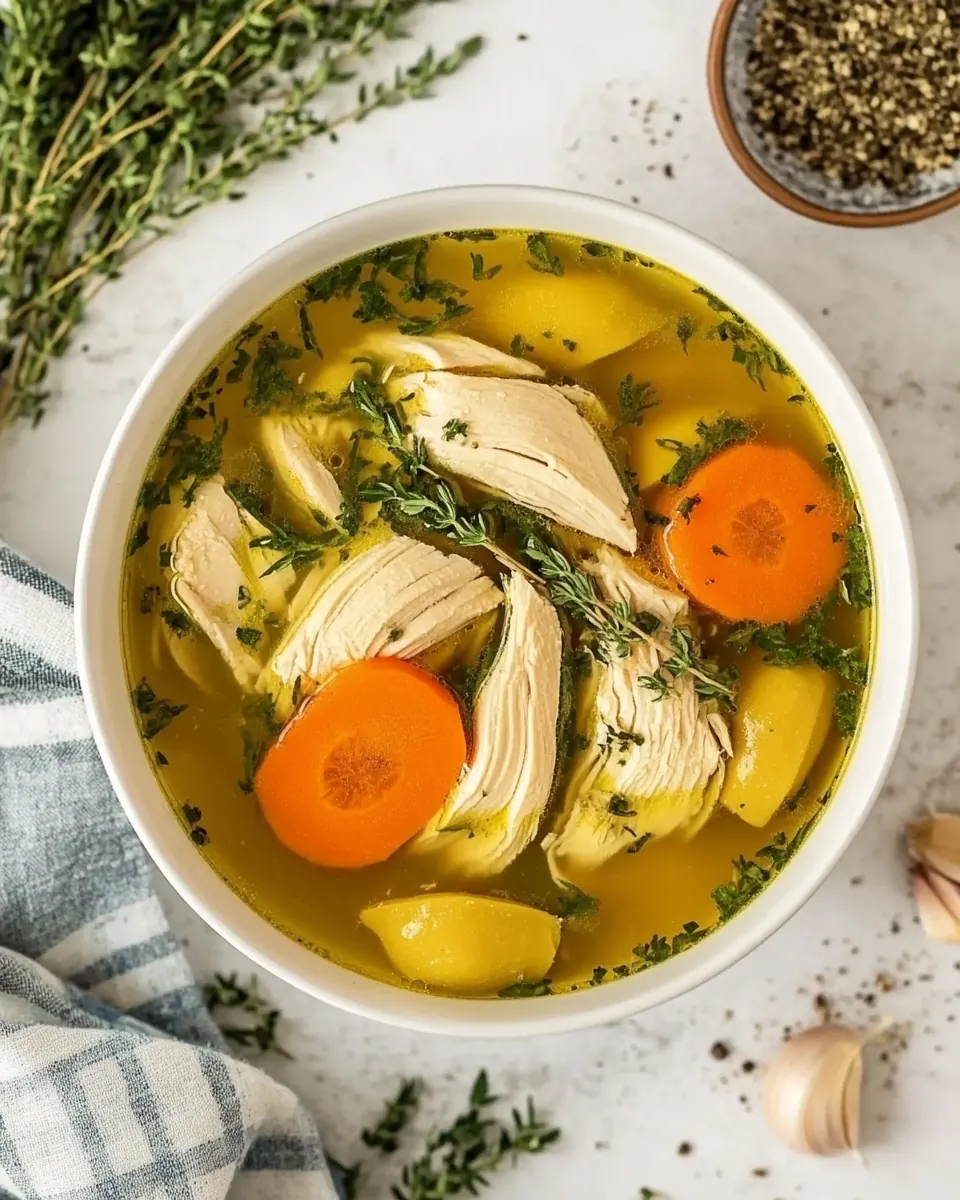
Brodo Di Pollo
Brodo Di Pollo is the kind of soup I reach for when the house feels chilly and I want something honest and quietly restorative. The very first time I made Brodo Di Pollo I was nursing a tired week and a cold that had overstayed its welcome, and the simple ritual of simmering a whole chicken with basic vegetables felt like slowing time down to the right pace. From the moment the pot came to life, the kitchen filled with a warmth that is more than temperature, it was memory and comfort being built in layers.
I remember stirring the pot and thinking about how this broth has been a backbone in Italian homes for generations, a liquid hug that adapts to what you need that day. I used to toss in whatever I had, but after a few tries I learned that the gentle trio of carrots, onion, and celery plus a handful of parsley and a couple of bay leaves is all it takes to coax out a deeply savory, tender-bodied broth. While it simmers, the aroma evolves from bright vegetal notes to a rounded chicken perfume that promises nourishment.
Making Brodo Di Pollo taught me to pay attention to small things, like starting with cold water and skimming foam as it rises, steps that reward you with a clear, shimmering broth. I often serve a bowl plain when I want pure comfort, or add tiny pasta for a childlike, cozy dinner. The leftover meat becomes a bonus ingredient for salads or sandwiches, so nothing feels wasted. Over time this recipe has become my go to when I want to feel cared for without fuss, and I hope it gives you that same calm, restorative feeling.
Recipe Snapshot
2 hr 5 mins
5 mins
120 mins
Hard
150 kcal
Italian
Gluten-Free, Paleo
Soups
Large heavy bottomed stockpot, Slotted spoon, Fine mesh strainer
What You’ll Enjoy About This Brodo Di Pollo
Depth of Flavor from Simple Ingredients
I love how Brodo Di Pollo gets its soul from a handful of humble items. Using a whole chicken or bone in pieces turns water into something silky and savory, with collagen giving the broth body and mouthfeel. Vegetables like carrots, onion, and celery add a natural sweetness and aromatic backbone that keeps the flavor balanced without overpowering the chicken.
Flexible and Frugal
One reason I reach for Brodo Di Pollo again and again is its economy. You can make a big pot and use it across several meals, from soup to risotto. The boiled chicken meat becomes a starring player in other dishes, so nothing is wasted. If you’re trying to feed a family or batch cook, this broth stretches ingredients into many comforting plates.
Comforting and Nourishing
There is a medicinal calm in a steaming bowl of Brodo Di Pollo. I turn to it when someone is under the weather because the warm liquid soothes the throat and the gentle saltiness helps replenish lost appetite. It’s light yet restorative, making it suitable for recovery days or when you want something gentle and warming.
Clear Technique, Big Payoff
I appreciate that the techniques are straightforward, yet the payoff is extraordinary. Starting with cold water, maintaining a gentle simmer, and skimming off foam produce a clear broth that looks as lovely as it tastes. These small attentions make the difference between a cloudy, bland stock and a clean, flavorful Brodo Di Pollo that shines on its own.
Versatility in Serving
Finally, Brodo Di Pollo is endlessly adaptable. I serve it plain, spooned over tiny pasta, or use it to boost sauces. You can keep it simple or elevate it with small additions, and it always feels like home. That adaptability is why I keep a pot in the fridge as a culinary safety net.
Main Ingredients for Brodo Di Pollo
These ingredients are the minimal, mighty team behind a great broth. They work together to build layers of savory flavor, gentle sweetness, and aromatic lift. The chicken provides the foundational richness, the vegetables bring balance and subtle sweetness, and the aromatics like parsley and bay leaves add bright, herbal notes. Used in harmony they yield a clear, full bodied broth that can stand alone or enhance other dishes.
- 1 whole chicken, (or 4-5 skin-on, bone-in chicken pieces): Roast or simmer to create a rich, gelatinous base for the broth; provides body, savory depth, and collagen that yields a silky mouthfeel when simmered low and slow for hours.
- 2 large carrots, peeled: Simmer after chopping to add natural sweetness and earthy flavor; softens into tender pieces and contributes aromatic balance and subtle vegetal notes to the stock.
- 1 large onion, halved: Sear or simmer to impart caramelized, sweet, and savory layers; releases sulfurous and sweet aromatics that enhance the overall complexity of the broth when halved and added to the pot.
- 2 celery stalks: Bruise or chop and add to the stock for fresh vegetal aroma and mild bitterness; supplies background flavor and aromatic lift that complements the sweeter root vegetables.
- a small bunch of parsley: Bundle or chop and add to the simmering pot to brighten flavor; provides fresh herbaceous, slightly peppery notes and a fragrant lift that balances the rich chicken base.
- 2 bay leaves: Crush lightly and add to the simmering stock to introduce a subtle, warm, and slightly floral herbal note; helps round out flavors and adds a faint, savory complexity.
- 1 teaspoon whole black peppercorns: Crush or add whole to the simmering pot to contribute sharp, pungent heat and aromatic lift; releases bursts of spicy, peppery flavor that season and brighten the broth.
Making Brodo Di Pollo
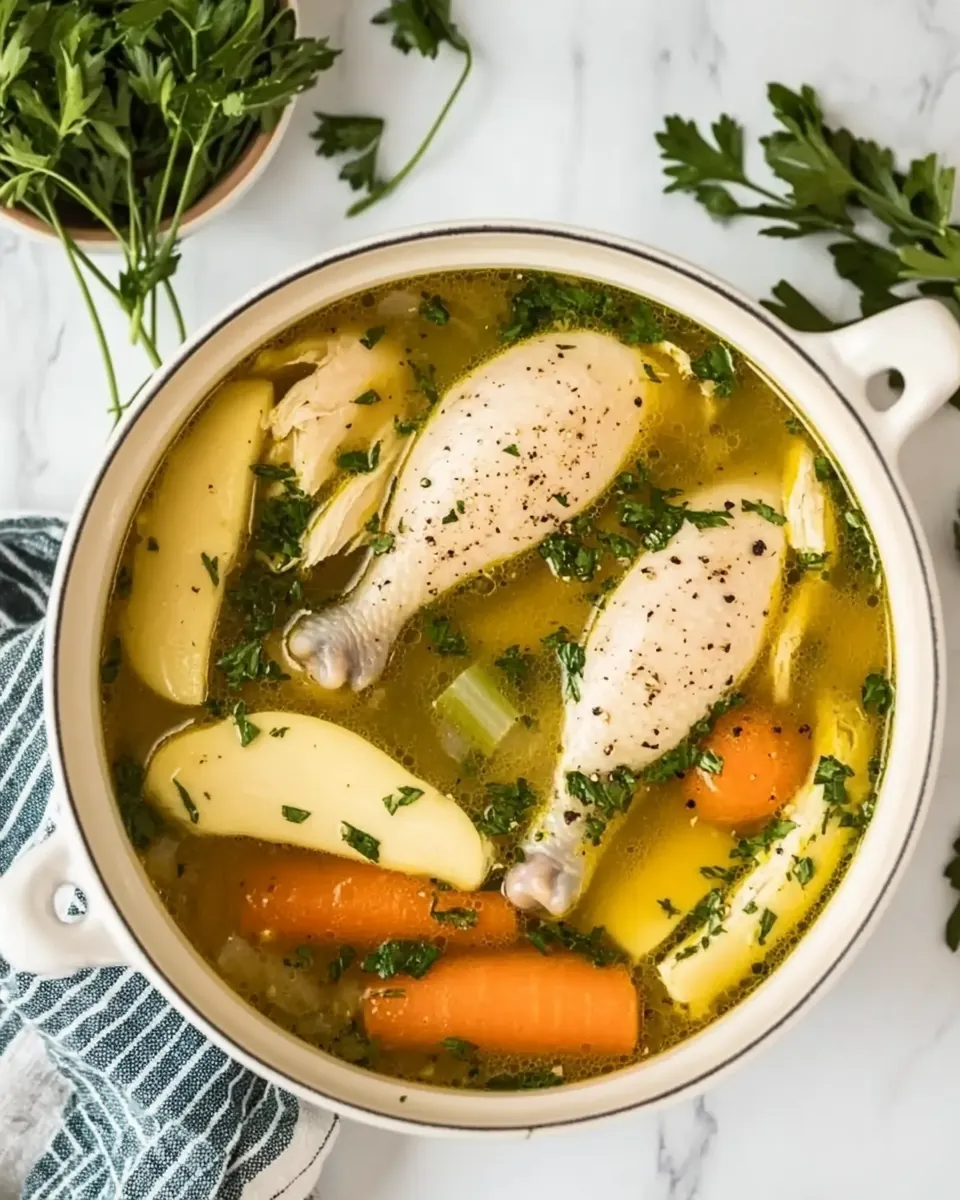
These steps will guide you through a gentle, patient simmer that yields clear, richly flavored broth. Think of the process as tending a small ritual; the sensory changes along the way tell you when you are on track. Keep an eye on the surface and taste as it cools slightly to check seasoning.
- Place the whole chicken in a large heavy-bottomed stockpot, followed by the carrots, onion, celery, parsley, bay leaves and black peppercorns. Cover with water and bring to a boil.: As the ingredients hit the cold water you will notice the kitchen smell faint and raw, the promising start of transformation. The sight of a whole chicken nestled among chunky vegetables feels reassuring, and you'll see pale foam begin to form as proteins tighten with rising heat. The reason for starting everything together in cold water is that it encourages the proteins and collagen to dissolve slowly, creating a clearer, more gelatinous broth. A sensory cue to watch for is the first tiny bubbles around the pot edge as it edges toward a boil, and a grayish foam collecting on the surface. This foam is where impurities gather, and skimming it off will keep the broth bright. A frequent mistake here is cranking the heat too high to rush the process, which traps impurities and clouds the liquid. Keep the pot steady and patient for the best results.
- Reduce the heat, partially cover with a lid, and simmer on low heat for 120 minutes. Whilst the broth simmers, skim the top with a slotted spoon or fine-mesh strainer to remove the fat in excess.: When you bring the pot up to a boil, the kitchen will fill with a fuller, roasted note as the heat teases oils from the chicken skin and sweetness from the carrots and onion . The surface will churn with larger bubbles, and you may see a renewed foam rising to the top. The intention of a rolling boil is simply to get everything hot and active before reducing to a gentle simmer. The key sensory sign is vigorous bubbling and a concentrated broth aroma that feels thicker in the air. One thing to avoid is leaving it at a violent boil for long periods, since sustained high heat drives off volatile aromatics and can emulsify fat into the broth, making it greasy and cloudy.
- Once ready, remove the chicken from the stockpot, then strain the broth through a fine-mesh strainer.: At this stage the sound softens to lazy, intermittent bubbles and the scent becomes deep and rounded, with the chicken note coming forward. Simmering gently for 120 minutes melts the collagen from bones and skin into the liquid so you end up with a velvety mouthfeel. Partially covering keeps enough steam escaping to concentrate flavor but preserves moisture, while a full lid can make the broth too flat. A troubleshooting tip is to check occasionally for a gentle bubbling action; if it looks like a boil, turn the heat down. Another common error is simmering at too low a temperature where nothing moves, which can prevent proper extraction and leave the broth weak, so keep it in that sweet spot of a quiet simmer.
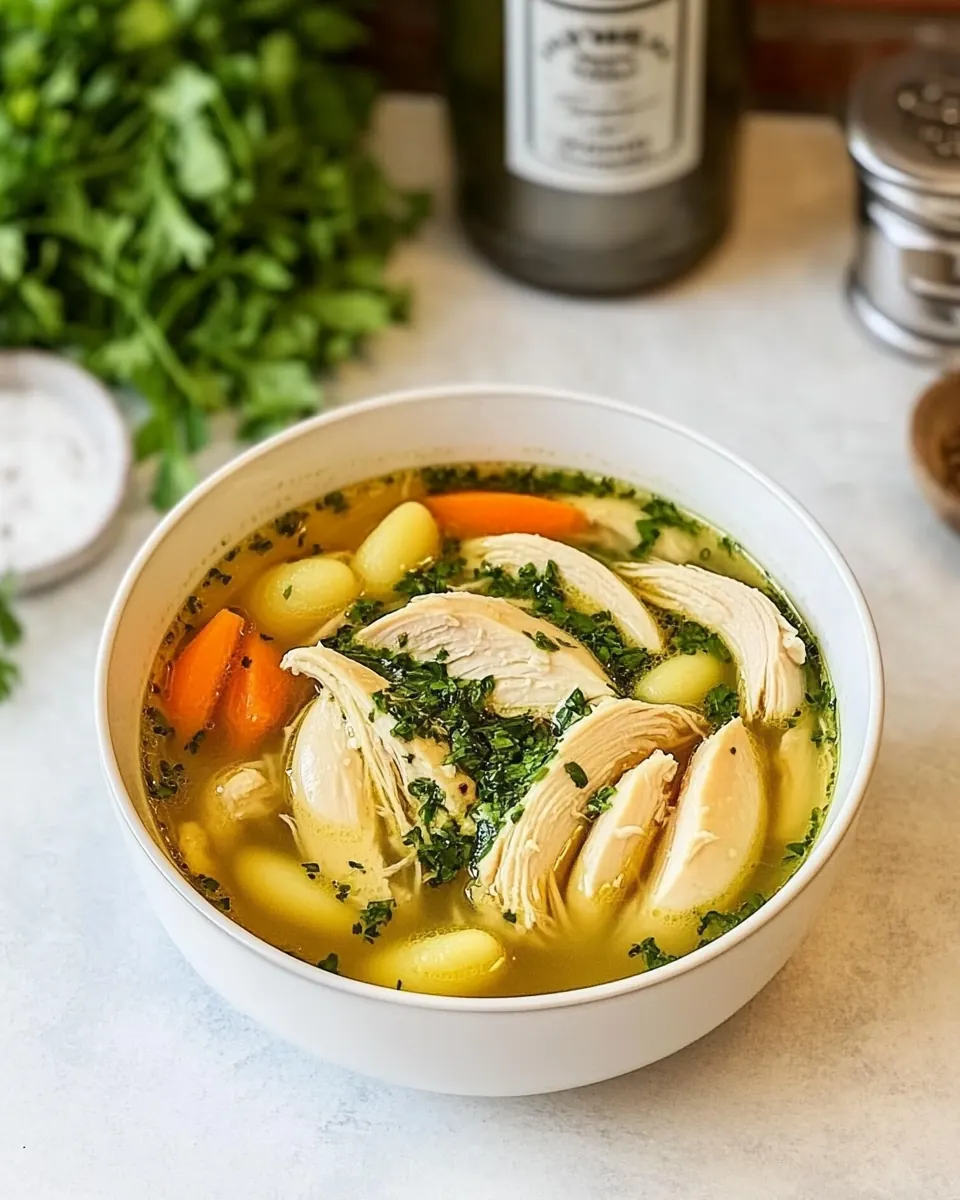
- Serve the prepared brodo di pollo immediately on its own, with pastina or tortellini, or use it to flavor other recipes. Alternatively, cool it completely, refrigerate overnight, and the next day, remove the fat layer from the top before reheating.: The visual cue here is a soft film and little islands of fat gathering on the surface, especially after the initial boil. Skimming keeps the final broth clean and less greasy, which is crucial for a pleasing mouthfeel. I like to scoop every 10 to 20 minutes early on, and less often later as things calm down. The sound is minimal, but your hands should feel the difference when you tilt a ladle and see the clarity improving. A pitfall is neglecting to skim, which leaves a cloudy, heavy broth that tastes muddled. If the fat becomes stubborn, chilling briefly and removing the solidified layer is another option, but for immediate serving, steady skimming works best.
- Once ready, remove the chicken from the stockpot, then strain the broth through a fine mesh strainer: As you lift out the chicken the meat will be tender and yielding, the bones softening where collagen has done its work. The broth strained through a fine mesh should be clear and shimmering, with a warm golden color and a scent that is concentrated yet delicate. Straining removes the spent vegetables and aromatics so the liquid is clean on the palate. A key why here is that leaving solids in can continue to break down and muddy both texture and taste, so straining arrests that process. A small mistake I see is pouring the pot too rapidly into a strainer, which can splash and waste precious liquid; pour slowly and steady to retain every spoonful.
- Serve the prepared brodo di pollo immediately on its own, with pastina or tortellini, or use it to flavor other recipes: When you ladle the broth into bowls it will emit a soft steam with a layered aroma of chicken and sweet vegetables. Serving it plain showcases the clear flavor, while adding tiny pasta like pastina creates a heartier, nostalgic meal that children and adults both love. Using the broth as the base for risottos or sauces will instantly elevate those dishes with deeper savory notes. A practical tip is to taste for seasoning when it is warm rather than piping hot, because salt perception changes with temperature. Avoid over salting at this stage, since reduction during reheating can concentrate saltiness.
- Alternatively, cool it completely, refrigerate overnight, and the next day, remove the fat layer from the top before reheating: After cooling, the fat will congeal into a pale cap that is simple to lift away, leaving a lean, crystal clear broth beneath. The chilled broth will smell slightly muted, a normal state after refrigeration, and reheating will bring the aromatics back into focus. This resting step is why I often make broth a day ahead, because the clarified result tastes cleaner and looks more refined. A common slip is reheating too long on high heat, which can over reduce the broth and intensify salt or bitterness, so warm slowly until just simmering before serving.
Pro Tips and Tweaks
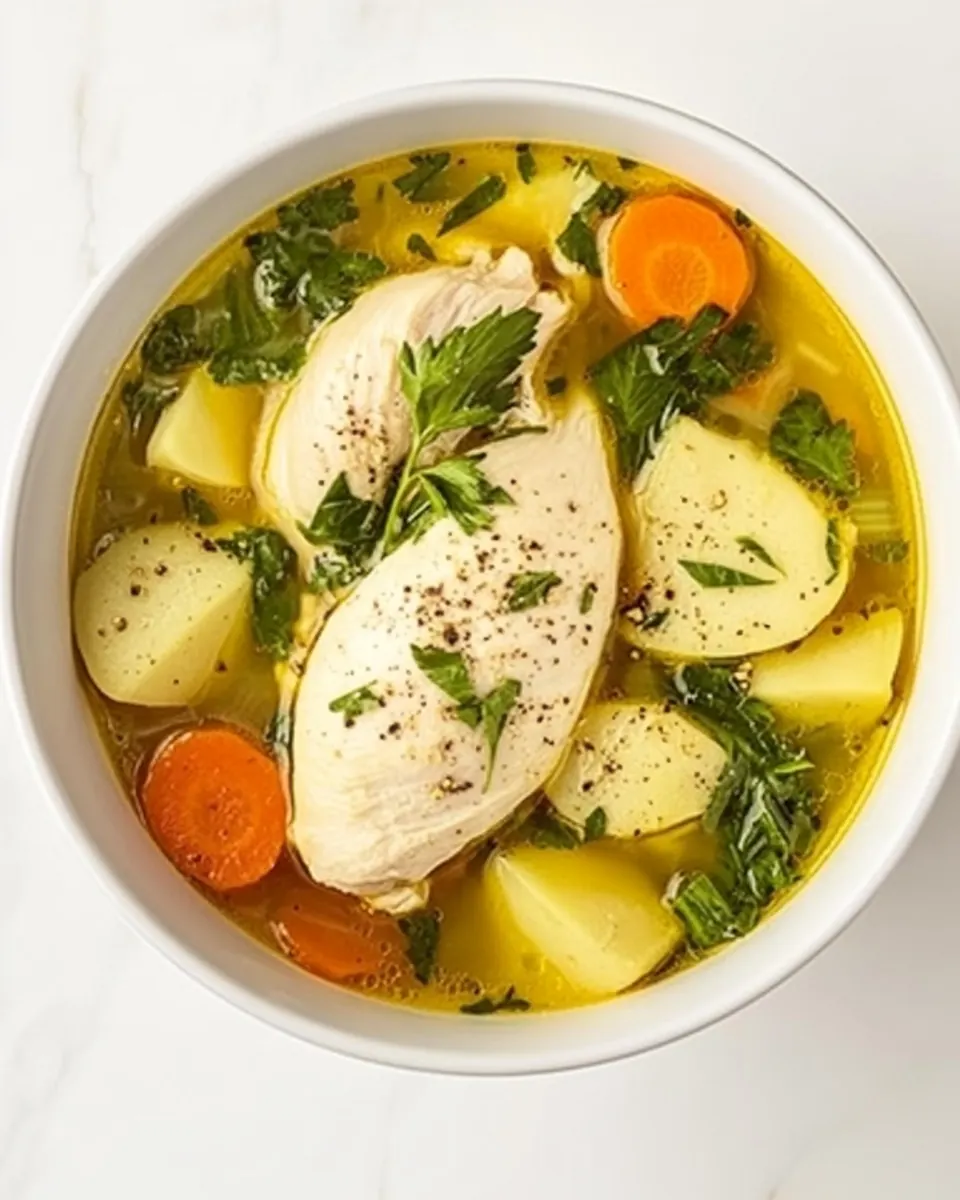
I like to think of these tips as small investments in flavor. They help you squeeze the most from every ingredient and make the process more reliable and enjoyable.
- Cold Water Start: Always begin with cold water so the proteins dissolve slowly, which yields a clearer, more gelatinous broth.
- Gentle Simmer: Maintain a low simmer rather than a boil to keep the liquid clear and to extract flavor steadily without emulsifying fat.
- Frequent Skimming: Skim foam and fat in the first hour to remove impurities and prevent the broth from tasting cloudy or greasy.
- Use Bone In Chicken: Bone in, skin on pieces or a whole chicken add collagen and depth that boneless cuts cannot match.
- Strain Carefully: Pour slowly through a fine mesh strainer to capture all solids without wasting liquid, and consider a double strain for the clearest result.
- Chill to Clarify: Refrigerate overnight and remove the solidified fat for an elegant, lean broth that reheats cleanly.
How to Serve Brodo Di Pollo
Brodo Di Pollo is incredibly welcoming on its own and also plays well with simple accompaniments. Whether you want a light lunch or a restorative dinner, the broth adapts. Below are several detailed serving ideas and contexts to help you choose how to present it.
- Serve Plain for Recovery: Offer a warm bowl of the broth on its own for someone who is unwell or has a reduced appetite, as the gentle flavors are easy to digest and soothing.
- Pastina or Small Pasta: Add tiny pasta such as pastina or orzo to a bowl for a nostalgic, filling meal, perfect for a light family dinner or a cozy night when you want comfort food without heaviness.
- With Tortellini: Stuffed tortellini elevate the broth into a more substantial course, turning it into a special dinner that still feels simple and homey.
- As a Base for Risotto or Sauces: Use the strained broth to cook risotto or to build pan sauces, which will imbue those dishes with a deep, savory backbone and a natural richness.
- Occasions and Timing: This broth is ideal for winter evenings, light lunches, or as a Ramadan iftar starter when you want gentle nourishment after fasting. It also works well for post illness recovery meals.
- Storage Tips: Cool completely, store in airtight containers in the refrigerator for up to four days, or freeze in portions for three months. For the cleanest reheating, remove solidified fat after chilling and then warm slowly until just simmering.
- Seasonal Pairings: In winter serve it with crusty bread and simple salads to balance the warmth, while in cooler shoulder seasons use it as a cooking liquid for spring vegetable stews.
FAQ
Conclusion
What makes this recipe special is its simplicity and the depth of flavor you can coax from a few humble ingredients. This version of Brodo Di Pollo rewards slow, attentive simmering with a clear, nourishing broth that comforts and elevates other dishes. Give it a try on a quiet evening or when someone needs a gentle meal, and savor the way a simple pot of broth can feel like a small act of care. Once you make it a few times you will find little adjustments that suit your palate, and the pot will become a reliable foundation for many meals to come.
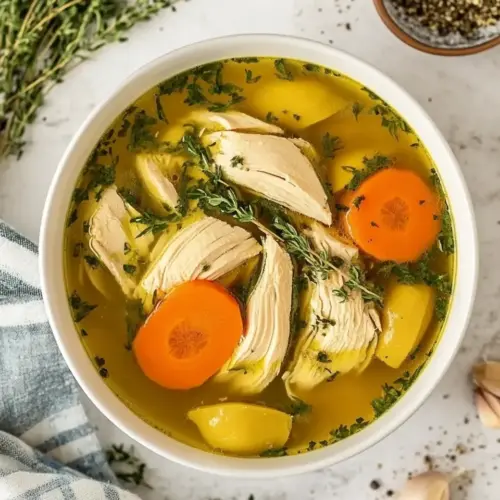
Brodo Di Pollo
Equipment
- Large heavy bottomed stockpot
- Slotted Spoon
- Fine-mesh strainer
Ingredients
- 1 whole chicken, (or 4-5 skin-on, bone-in chicken pieces) Roast or simmer to create a rich, gelatinous base for the broth; provides body, savory depth, and collagen that yields a silky mouthfeel when simmered low and slow for hours.
- 2 large carrots, peeled Simmer after chopping to add natural sweetness and earthy flavor; softens into tender pieces and contributes aromatic balance and subtle vegetal notes to the stock.
- 1 large onion, halved Sear or simmer to impart caramelized, sweet, and savory layers; releases sulfurous and sweet aromatics that enhance the overall complexity of the broth when halved and added to the pot.
- 2 celery stalks Bruise or chop and add to the stock for fresh vegetal aroma and mild bitterness; supplies background flavor and aromatic lift that complements the sweeter root vegetables.
- a small bunch of parsley Bundle or chop and add to the simmering pot to brighten flavor; provides fresh herbaceous, slightly peppery notes and a fragrant lift that balances the rich chicken base.
- 2 bay leaves Crush lightly and add to the simmering stock to introduce a subtle, warm, and slightly floral herbal note; helps round out flavors and adds a faint, savory complexity.
- 1 teaspoon whole black peppercorns Crush or add whole to the simmering pot to contribute sharp, pungent heat and aromatic lift; releases bursts of spicy, peppery flavor that season and brighten the broth.
Instructions
- Place the whole chicken in a large heavy-bottomed stockpot, followed by the carrots, onion, celery, parsley, bay leaves and black peppercorns. Cover with water and bring to a boil.: As the ingredients hit the cold water you will notice the kitchen smell faint and raw, the promising start of transformation. The sight of a whole chicken nestled among chunky vegetables feels reassuring, and you'll see pale foam begin to form as proteins tighten with rising heat. The reason for starting everything together in cold water is that it encourages the proteins and collagen to dissolve slowly, creating a clearer, more gelatinous broth. A sensory cue to watch for is the first tiny bubbles around the pot edge as it edges toward a boil, and a grayish foam collecting on the surface. This foam is where impurities gather, and skimming it off will keep the broth bright. A frequent mistake here is cranking the heat too high to rush the process, which traps impurities and clouds the liquid. Keep the pot steady and patient for the best results.
- Reduce the heat, partially cover with a lid, and simmer on low heat for 120 minutes. Whilst the broth simmers, skim the top with a slotted spoon or fine-mesh strainer to remove the fat in excess.: When you bring the pot up to a boil, the kitchen will fill with a fuller, roasted note as the heat teases oils from the chicken skin and sweetness from the carrots and onion . The surface will churn with larger bubbles, and you may see a renewed foam rising to the top. The intention of a rolling boil is simply to get everything hot and active before reducing to a gentle simmer. The key sensory sign is vigorous bubbling and a concentrated broth aroma that feels thicker in the air. One thing to avoid is leaving it at a violent boil for long periods, since sustained high heat drives off volatile aromatics and can emulsify fat into the broth, making it greasy and cloudy.
- Once ready, remove the chicken from the stockpot, then strain the broth through a fine-mesh strainer.: At this stage the sound softens to lazy, intermittent bubbles and the scent becomes deep and rounded, with the chicken note coming forward. Simmering gently for 120 minutes melts the collagen from bones and skin into the liquid so you end up with a velvety mouthfeel. Partially covering keeps enough steam escaping to concentrate flavor but preserves moisture, while a full lid can make the broth too flat. A troubleshooting tip is to check occasionally for a gentle bubbling action; if it looks like a boil, turn the heat down. Another common error is simmering at too low a temperature where nothing moves, which can prevent proper extraction and leave the broth weak, so keep it in that sweet spot of a quiet simmer.
- Serve the prepared brodo di pollo immediately on its own, with pastina or tortellini, or use it to flavor other recipes. Alternatively, cool it completely, refrigerate overnight, and the next day, remove the fat layer from the top before reheating.: The visual cue here is a soft film and little islands of fat gathering on the surface, especially after the initial boil. Skimming keeps the final broth clean and less greasy, which is crucial for a pleasing mouthfeel. I like to scoop every 10 to 20 minutes early on, and less often later as things calm down. The sound is minimal, but your hands should feel the difference when you tilt a ladle and see the clarity improving. A pitfall is neglecting to skim, which leaves a cloudy, heavy broth that tastes muddled. If the fat becomes stubborn, chilling briefly and removing the solidified layer is another option, but for immediate serving, steady skimming works best.
- Once ready, remove the chicken from the stockpot, then strain the broth through a fine mesh strainer: As you lift out the chicken the meat will be tender and yielding, the bones softening where collagen has done its work. The broth strained through a fine mesh should be clear and shimmering, with a warm golden color and a scent that is concentrated yet delicate. Straining removes the spent vegetables and aromatics so the liquid is clean on the palate. A key why here is that leaving solids in can continue to break down and muddy both texture and taste, so straining arrests that process. A small mistake I see is pouring the pot too rapidly into a strainer, which can splash and waste precious liquid; pour slowly and steady to retain every spoonful.
- Serve the prepared brodo di pollo immediately on its own, with pastina or tortellini, or use it to flavor other recipes: When you ladle the broth into bowls it will emit a soft steam with a layered aroma of chicken and sweet vegetables. Serving it plain showcases the clear flavor, while adding tiny pasta like pastina creates a heartier, nostalgic meal that children and adults both love. Using the broth as the base for risottos or sauces will instantly elevate those dishes with deeper savory notes. A practical tip is to taste for seasoning when it is warm rather than piping hot, because salt perception changes with temperature. Avoid over salting at this stage, since reduction during reheating can concentrate saltiness.
- Alternatively, cool it completely, refrigerate overnight, and the next day, remove the fat layer from the top before reheating: After cooling, the fat will congeal into a pale cap that is simple to lift away, leaving a lean, crystal clear broth beneath. The chilled broth will smell slightly muted, a normal state after refrigeration, and reheating will bring the aromatics back into focus. This resting step is why I often make broth a day ahead, because the clarified result tastes cleaner and looks more refined. A common slip is reheating too long on high heat, which can over reduce the broth and intensify salt or bitterness, so warm slowly until just simmering before serving.
Notes
- Cold Water Start: Always begin with cold water so the proteins dissolve slowly, which yields a clearer, more gelatinous broth.
- Gentle Simmer: Maintain a low simmer rather than a boil to keep the liquid clear and to extract flavor steadily without emulsifying fat.
- Frequent Skimming: Skim foam and fat in the first hour to remove impurities and prevent the broth from tasting cloudy or greasy.
- Use Bone In Chicken: Bone in, skin on pieces or a whole chicken add collagen and depth that boneless cuts cannot match.
- Strain Carefully: Pour slowly through a fine mesh strainer to capture all solids without wasting liquid, and consider a double strain for the clearest result.
- Chill to Clarify: Refrigerate overnight and remove the solidified fat for an elegant, lean broth that reheats cleanly.