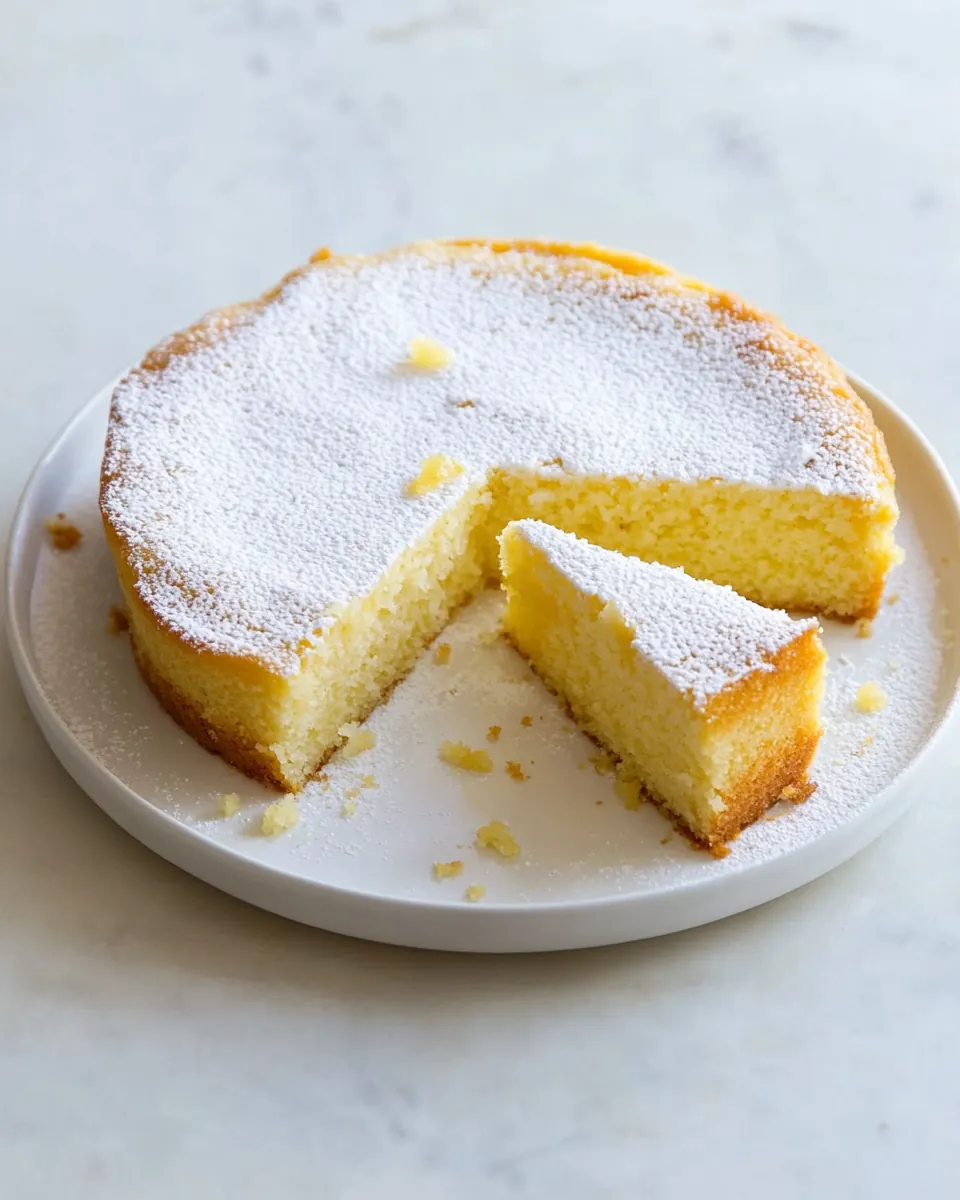
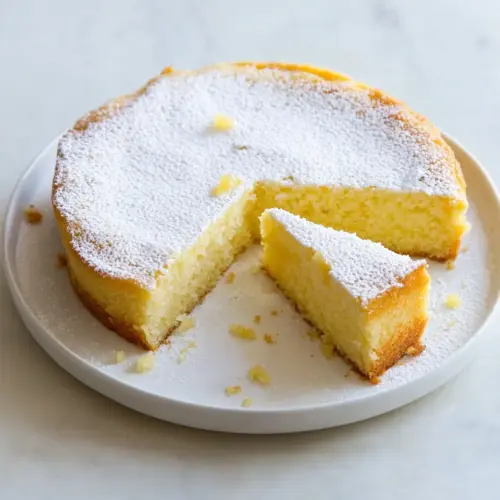
Flourless Lemon Olive Oil Cake
Flourless Lemon Olive Oil Cake began for me as a sunlit experiment one slow spring afternoon, when I had more lemons than patience and an open bottle of olive oil begging for a dessert purpose. I remember the warm kitchen air, the bright citrus perfume that filled the room as I zested two glossy lemons, and how the first spoonful of the batter tasted like a promise of something both light and indulgent. That first slice convinced me this was a cake to return to again and again.
I learned early that this cake rewards gentle hands. Folding egg whites into the batter taught me to slow down, to listen for the subtle shifts in texture, and to trust what my eyes tell me about readiness. The crumb is moist without flour, tender thanks to the nutty weight of almond flour, and the finishing dusting of confectioners sugar adds a soft, snowy contrast to the golden top. I often make it for casual weekend brunches or a pared back dessert when friends stay late.
Recipe Snapshot
60 mins
10 mins
50 mins
Medium
350 kcal
Mediterranean
Gluten-Free, Low FODMAP
Desserts
Stand or hand mixer, 9 inch springform pan, Mixing bowls, Spatula, Whisk
What Makes This Flourless Lemon Olive Oil Cake Special
Bright citrus flavor that is unforgettable
When I take a bite of Flourless Lemon Olive Oil Cake, the first thing that hits me is bright, clean lemon, balanced by the mellow fruitiness of olive oil. I find that using fresh lemon juice and zest lifts the whole cake and keeps it from tasting heavy. This cake feels lively, not cloying, and that brightness makes it easy to serve after a hearty meal.
Moist texture without traditional flour
The use of almond flour creates a tender crumb that stays moist for days. I love how the cake keeps its structure while remaining soft, and the natural oils in the almonds combine with the olive oil to give a silkiness that standard wheat flour cakes sometimes miss. For anyone avoiding gluten, this is one of those rare desserts that doesn’t feel like a compromise.
Elegant yet simple technique
What I appreciate most is how unpretentious the method is. You do need to separate eggs and whip the whites, but beyond that, the steps are straightforward. I always tell friends that the folding step is where patience pays off. The payoff is a reliable, restaurant style cake that looks special, but is easy enough for a weeknight when you want something a little extra.
Versatile serving options
This cake plays well with many accompaniments. I often top it with a light dusting of confectioners’ sugar, a handful of fresh berries, or a spoonful of coconut yogurt. Each option brings out different notes in the cake, so it adapts to breakfast, afternoon tea, or after dinner. That flexibility makes it a favorite when hosting mixed dietary needs.
Great for gatherings and gifting
I find the cake slices beautifully and travels well, so it is perfect for potlucks and picnic contributions. The elegant appearance means you don’t need extra decoration to impress. When I bring a cake to a friend’s house, it usually disappears first.
Ingredients Overview for Flourless Lemon Olive Oil Cake
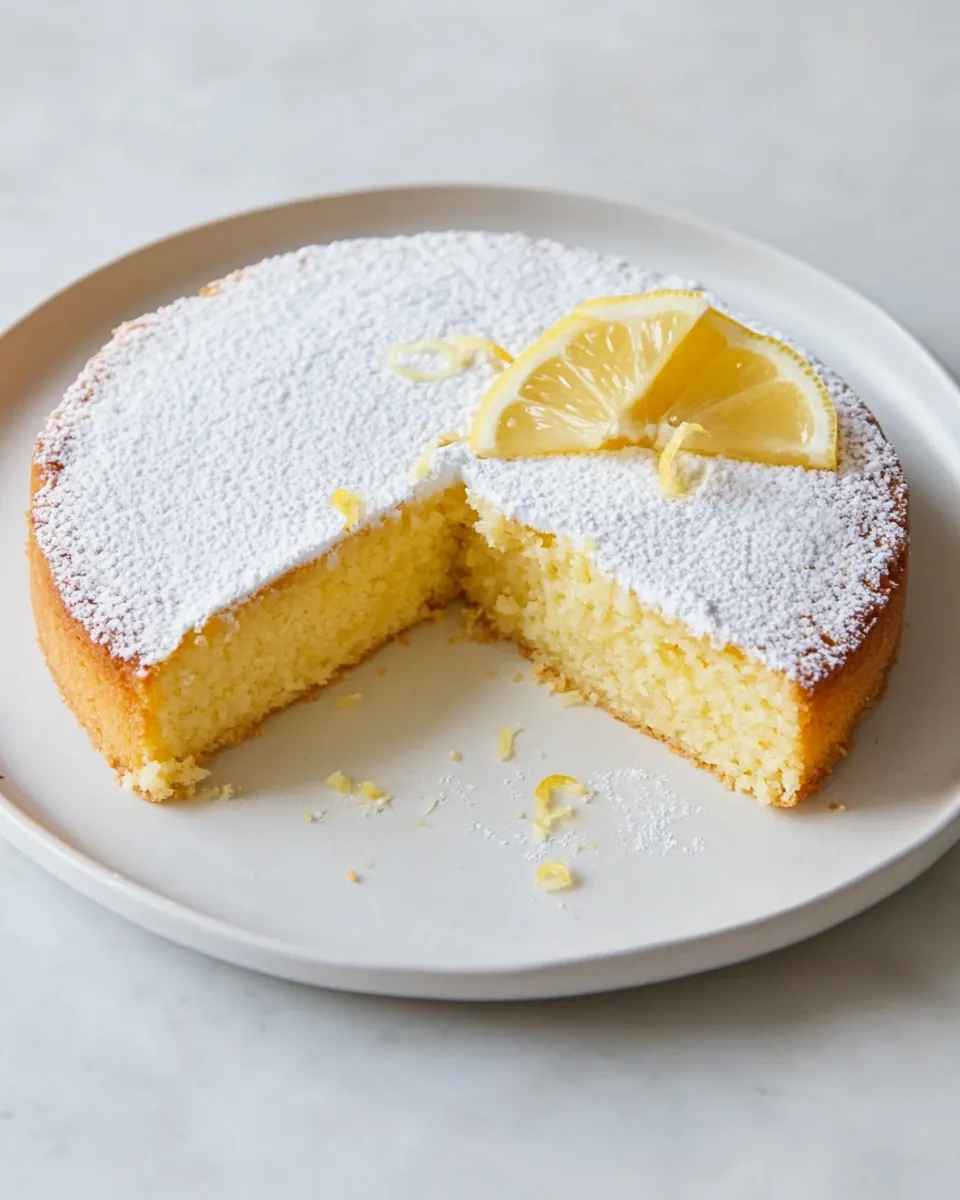
These ingredients are purposeful and complementary, creating a cake that relies on texture and fresh flavor rather than gluten structure. The key players are the almond flour for body, the eggs for lift and stability, and the olive oil for moisture and a fruity undertone. The lemon components brighten every bite, while the sugar balances acidity and helps with browning.
- 3/4 cup olive oil plus additional for pan: Adds moistness and a fruity, savory richness while helping create a tender crumb; used both in the batter and to grease the pan for ease of release and added flavor.
- 7 large eggs separated: Separates into yolks and whites to provide structure, richness, and leavening; yolks emulsify with oil for a smooth batter while beaten whites are whipped to incorporate air for lift.
- 3/4 cup granulated sugar: Sweetens the cake, helps tenderize the structure, and aids in browning; dissolves into the batter to balance lemon acidity and enhance overall flavor.
- Zest of 2 lemons: Provides bright citrus aroma and concentrated lemon oils that intensify flavor; grated zest elevates the cake’s fragrance without adding extra liquid.
- 1/4 cup fresh lemon juice: Contributes fresh acidity and lemon flavor to brighten the cake; balances sweetness and activates the almond’s nutty notes for a clean finish.
- 1 teaspoon almond extract: Adds a subtle nutty-fragrant note that complements almond flour and lemon; used sparingly to enhance complexity without overpowering the citrus.
- 400 grams almond flour (about 4 cups), sifted for best results: Forms the primary dry structure in this flourless cake and supplies moisture and nutty flavor; sifted to remove lumps and ensure a light, even crumb.
- 1 tablespoon confectioners’ sugar for dusting (see note): Used as a fine dusting to finish the cake with a touch of sweetness and visual appeal; lightly sift over the cooled cake to avoid melting into the surface.
Making This Flourless Lemon Olive Oil Cake
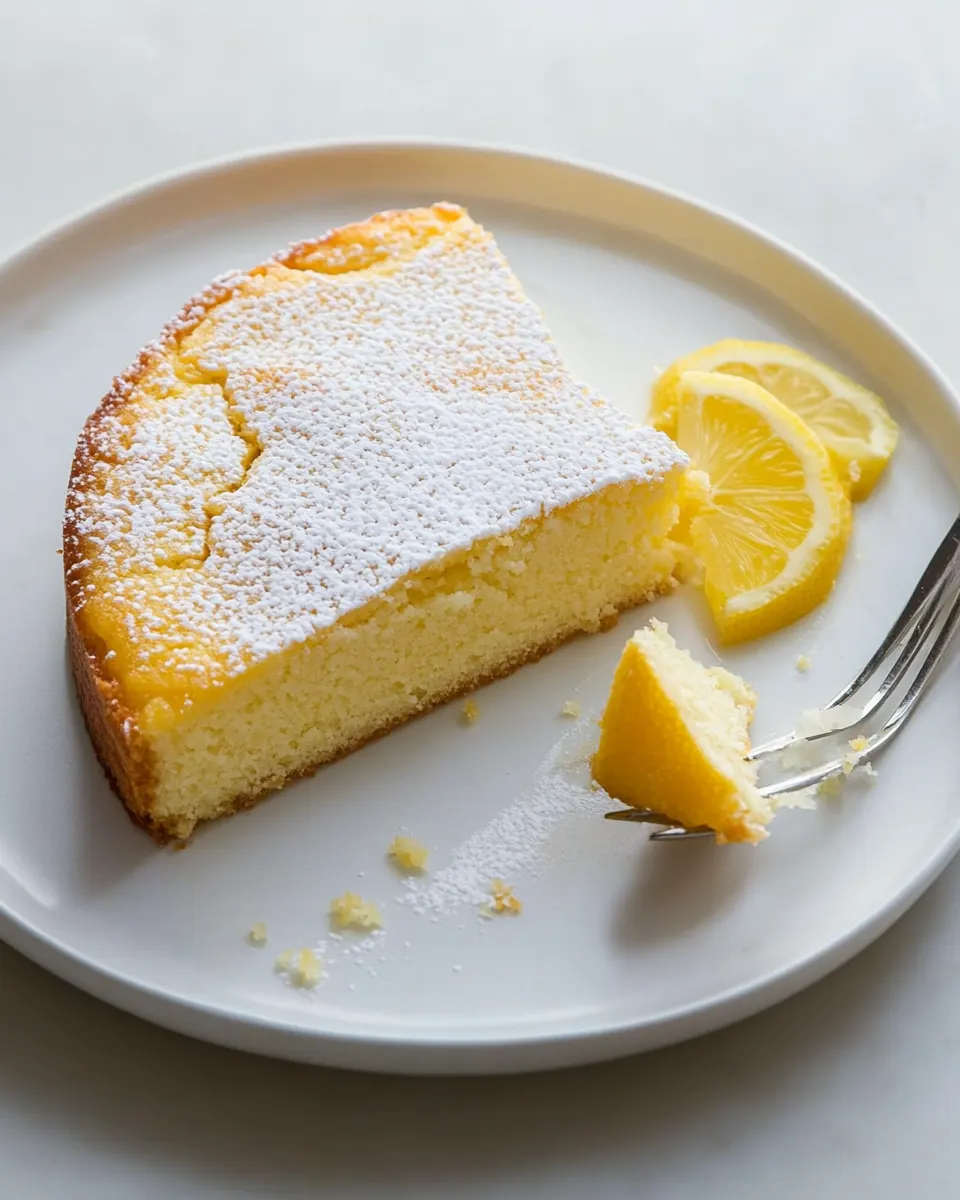
I like to think of baking this cake as a gentle choreography. Each step builds texture and aroma, and patience during the whipping and folding transforms simple ingredients into a tender, sunlit cake. Below I expand the directions into sensory cues, explanations, and tips so you can feel confident at every stage.
- Preheat the oven to 350 F degrees.: As the oven warms, you should feel a gradual, dry heat that promises even baking. A properly preheated oven creates the right environment for rise and correct browning, so wait until the temperature is stable before sliding the cake in. If the oven is too cool the cake may bake slowly and collapse, and if it is too hot the edges will overbake before the center sets. A quick way to test readiness is an oven thermometer, which gives peace of mind and consistent results.
- Lightly oil a 9-inch round springform pan and set aside.: Oiling the pan ensures the tender crumb releases cleanly, and choosing a springform pan makes unmolding easier. Coat the base and sides lightly with olive oil , then place a circle of parchment on the bottom if you like extra insurance. The visual cue to look for is a thin, even sheen rather than visible puddles. Too much oil can cause uneven browning and a greasy edge.
- In a medium bowl, mix together the egg yolks, sugar, and lemon zest. Beat until smooth by hand. Whisk in the olive oil, lemon juice and almond extract. Add the almond flour in two parts, mixing until smooth and beating out any clumps.: You will notice the mixture becoming glossy and fragrant as the zest and lemon juice release citrus oils. Beating by hand produces a velvety batter; there is a satisfying drag as the spoon pulls through. Adding olive oil slowly helps emulsify the mixture, creating a homogeneous texture. When you add almond flour , do it in two portions so it hydrates evenly, and break up any lumps with a spatula. If the batter looks grainy or has concentrated pockets of dry flour, take a moment to press and smooth them out. A common misstep is rushing the incorporation, which leaves pockets of dry flour and creates uneven texture in the baked cake.
- Using a stand or hand mixer, whisk the egg whites until stiff but not dry, and set aside.: As you whip the egg whites , watch for soft peaks that progress to stiff peaks. The surface should look satiny and hold shape without splitting or becoming granular. Listen for a change in sound too, from liquid sloshing to a thicker, airy whip. Avoid overwhipping to the dry, curdled stage, because that makes folding more difficult and can cause a crumbly cake. If you accidentally overwhip, you can sometimes rescue the whites by gently folding in a small amount of the yolk mixture to loosen them, but it is better to stop just shy of dryness.
- Gently fold a third of the whites into the batter, then repeat with the rest until just incorporated.: Folding is where air meets structure. The first addition loosens the batter and makes it easier to combine the rest without deflating the whites. Use a wide spatula and a sweeping turn motion, cutting through the center and lifting from the bottom. The batter should look homogenous with visible streaks disappearing, not aggressively mixed. The sensory cue is a light, billowy texture rather than dense batter. If you overfold, you will notice the batter lose volume and become flat, which results in a denser final cake. Take it slow, and stop when the last streaks vanish.
- Pour the batter into the prepared pan. Bake until a toothpick inserted in the center comes out clean and the top is golden brown, about 50 minutes. Allow to cool completely in the pan. Run a knife around the edge, then release the springform.: As the cake bakes, the kitchen fills with a toasted almond and citrus fragrance, and the top develops a beautiful golden brown color. You should see the edges pulling slightly from the pan and the center set with a gentle spring. The toothpick test should show a few moist crumbs but no wet batter. Cooling in the pan prevents a sudden collapse; the structure is still fragile while warm. When releasing the springform, run a thin knife around the edge to separate any stuck bits, then unlatch slowly. A typical mistake is unmolding while still warm, which can cause the cake to crack or slump.
- To serve, transfer to a platter or cake plate and dust with confectioners’ sugar and top with chopped almonds or pistachios (optional). Serve alongside fresh berries and coconut yogurt. If not Kosher for Passover, you can serve with a dollop of crème fraiche or full fat Greek yogurt.: The final presentation is about contrast and balance. The powdered sugar creates a delicate snowy finish that enhances the golden hue, while chopped nuts add crunch against the tender crumb. Fresh berries bring acidity and brightness that echo the lemon . If you choose rich dairy like crème fraiche, it will add creaminess and a silky mouthfeel. Avoid heavy toppings that overwhelm the subtle citrus and almond interplay; this cake sings when served simply.
Tips for Success
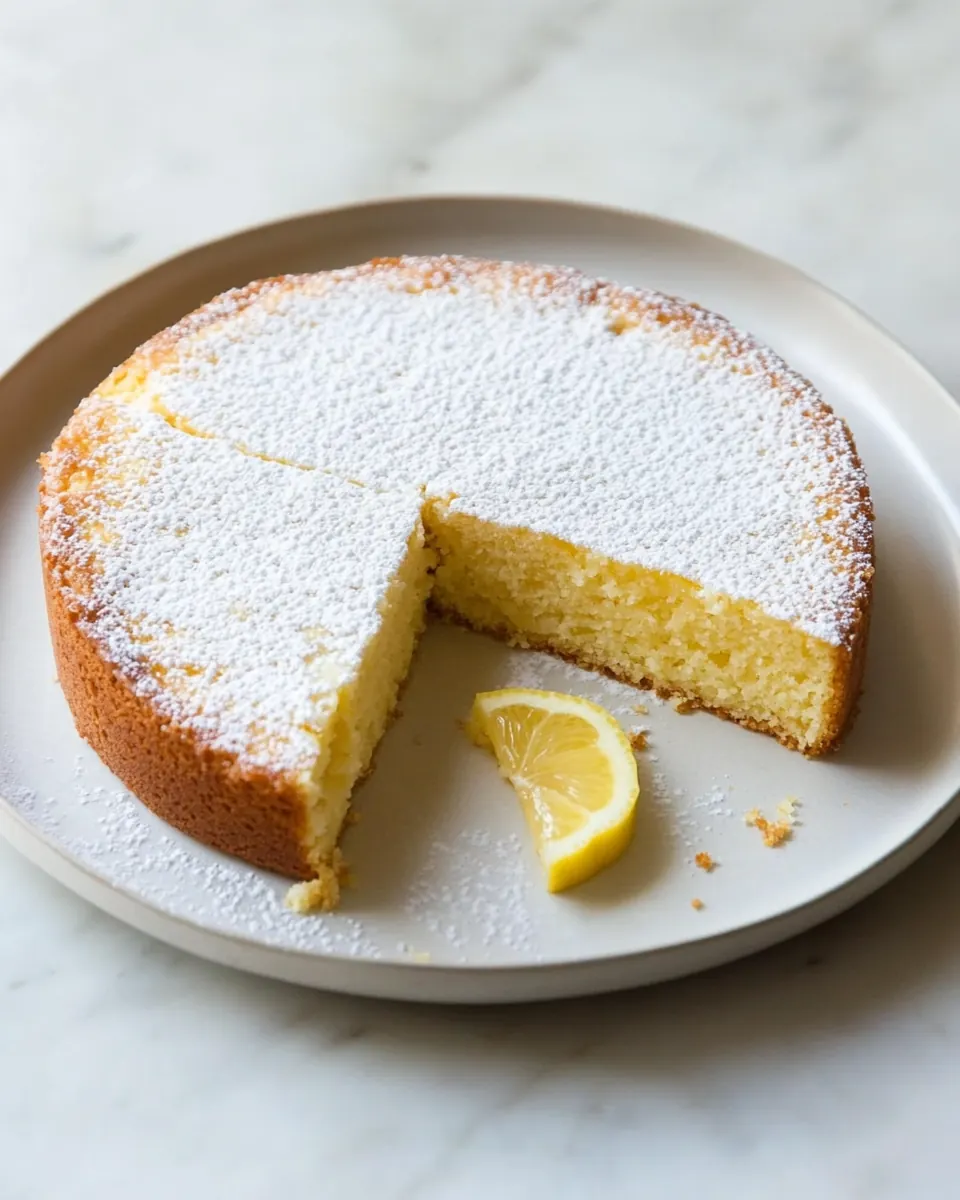
This cake rewards attention to texture and small details. Below are extended tips that I use every time to ensure consistent results, from ingredient handling to presentation ideas. They are written as actionable tips so you can scan and apply them quickly in the kitchen.
- Room Temperature Eggs When I bake, I take the eggs out of the fridge ahead of time so the yolks and whites incorporate more easily and the whites whip to greater volume. Cold whites whip slower and sometimes never reach optimal stiffness. If you forget, place the eggs in warm water for a few minutes to speed warming.
- Sift Almond Flour Sifting the almond flour before measuring avoids clumps and uneven hydration, giving a finer crumb. If your almond flour is dense, gently fluff it with a fork before measuring to prevent packing more than intended.
- Gentle Folding Technique I always fold with a wide spatula and use a lift and turn motion to preserve air. Overworking the batter will deflate the whites, producing a dense cake. Pause and inspect the batter visually after each fold rather than rushing to finish.
- Choose the Right Olive Oil Pick a mild to medium intensity olive oil so it supports the lemon instead of overpowering it. A peppery or very robust oil can introduce bitterness that competes with the cake’s sweetness and citrus notes.
- Cool Completely Before Unmolding Cooling in the pan lets the structure set, preventing collapse when you remove the ring. I usually cool the cake for at least an hour; if you are short on time, place the pan on a wire rack to speed the cooling but do not force it cold quickly.
- Dust Sugar Just Before Serving Confectioners’ sugar keeps its snowy appearance if applied shortly before serving. If dusted too early, ambient moisture will dissolve the sugar and the visual effect will fade.
Accompaniments for Flourless Lemon Olive Oil Cake
This cake pairs well with many accompaniments, and how you serve it can shift the mood from casual brunch to refined dessert. Below are ideas for pairings, occasions, and storage guidance to help you present the cake perfectly.
- Fresh berries A mix of strawberries, raspberries, or blueberries adds bright, juicy contrast; the acidity complements the lemon and the natural sweetness balances the nutty crumb.
- Coconut yogurt For a dairy free option, coconut yogurt provides creaminess and a gentle tang that pairs well with the cake’s citrus notes, making it suitable for breakfast or a light dessert.
- Crème fraiche or full fat Greek yogurt When not restricted by dietary rules, a dollop of thick, tangy cream enhances richness and creates a luxurious mouthfeel alongside each bite.
- Chopped nuts Toasted almonds or pistachios add textural contrast; sprinkle them on top to introduce crunch and a toasty aroma that plays beautifully against the tender crumb.
- Serving occasions Serve this cake for brunch, afternoon tea, spring gatherings, or as a gentle dessert after a heavier meal. Its bright profile makes it especially fitting for springtime menus and light celebratory meals.
- Storage tips Store the cake covered at room temperature for one to two days, or refrigerate for up to five days. To preserve moisture, wrap it gently in plastic wrap or keep it in an airtight container. For longer storage, slice and freeze individual portions wrapped tightly, then thaw in the fridge before serving.
FAQ
Conclusion
This cake stands out because it combines bright lemon, the fruity richness of olive oil, and the tender crumb of almond flour into a simple, elegant dessert. It is approachable yet special, perfect for both casual gatherings and small celebrations. I encourage you to give the recipe a try, taking your time with the whipping and folding steps so the texture turns out light and tender. When you slice into it, the aroma and flavor will remind you how a few quality ingredients, handled with care, yield a result that feels both effortless and memorable.
Flourless Lemon Olive Oil Cake
Equipment
- Stand or hand mixer
- 9-inch Springform Pan
- Mixing Bowls
- Spatula
- Whisk
Ingredients
- 3/4 cup olive oil plus additional for pan Adds moistness and a fruity, savory richness while helping create a tender crumb; used both in the batter and to grease the pan for ease of release and added flavor.
- 7 large eggs separated Separates into yolks and whites to provide structure, richness, and leavening; yolks emulsify with oil for a smooth batter while beaten whites are whipped to incorporate air for lift.
- 3/4 cup granulated sugar Sweetens the cake, helps tenderize the structure, and aids in browning; dissolves into the batter to balance lemon acidity and enhance overall flavor.
- Zest of 2 lemons Provides bright citrus aroma and concentrated lemon oils that intensify flavor; grated zest elevates the cake’s fragrance without adding extra liquid.
- 1/4 cup fresh lemon juice Contributes fresh acidity and lemon flavor to brighten the cake; balances sweetness and activates the almond’s nutty notes for a clean finish.
- 1 teaspoon almond extract Adds a subtle nutty-fragrant note that complements almond flour and lemon; used sparingly to enhance complexity without overpowering the citrus.
- 400 grams almond flour (about 4 cups), sifted for best results Forms the primary dry structure in this flourless cake and supplies moisture and nutty flavor; sifted to remove lumps and ensure a light, even crumb.
- 1 tablespoon confectioners’ sugar for dusting (see note) Used as a fine dusting to finish the cake with a touch of sweetness and visual appeal; lightly sift over the cooled cake to avoid melting into the surface.
Instructions
- Preheat the oven to 350 F degrees.: As the oven warms, you should feel a gradual, dry heat that promises even baking. A properly preheated oven creates the right environment for rise and correct browning, so wait until the temperature is stable before sliding the cake in. If the oven is too cool the cake may bake slowly and collapse, and if it is too hot the edges will overbake before the center sets. A quick way to test readiness is an oven thermometer, which gives peace of mind and consistent results.
- Lightly oil a 9-inch round springform pan and set aside.: Oiling the pan ensures the tender crumb releases cleanly, and choosing a springform pan makes unmolding easier. Coat the base and sides lightly with olive oil , then place a circle of parchment on the bottom if you like extra insurance. The visual cue to look for is a thin, even sheen rather than visible puddles. Too much oil can cause uneven browning and a greasy edge.
- In a medium bowl, mix together the egg yolks, sugar, and lemon zest. Beat until smooth by hand. Whisk in the olive oil, lemon juice and almond extract. Add the almond flour in two parts, mixing until smooth and beating out any clumps.: You will notice the mixture becoming glossy and fragrant as the zest and lemon juice release citrus oils. Beating by hand produces a velvety batter; there is a satisfying drag as the spoon pulls through. Adding olive oil slowly helps emulsify the mixture, creating a homogeneous texture. When you add almond flour , do it in two portions so it hydrates evenly, and break up any lumps with a spatula. If the batter looks grainy or has concentrated pockets of dry flour, take a moment to press and smooth them out. A common misstep is rushing the incorporation, which leaves pockets of dry flour and creates uneven texture in the baked cake.
- Using a stand or hand mixer, whisk the egg whites until stiff but not dry, and set aside.: As you whip the egg whites , watch for soft peaks that progress to stiff peaks. The surface should look satiny and hold shape without splitting or becoming granular. Listen for a change in sound too, from liquid sloshing to a thicker, airy whip. Avoid overwhipping to the dry, curdled stage, because that makes folding more difficult and can cause a crumbly cake. If you accidentally overwhip, you can sometimes rescue the whites by gently folding in a small amount of the yolk mixture to loosen them, but it is better to stop just shy of dryness.
- Gently fold a third of the whites into the batter, then repeat with the rest until just incorporated.: Folding is where air meets structure. The first addition loosens the batter and makes it easier to combine the rest without deflating the whites. Use a wide spatula and a sweeping turn motion, cutting through the center and lifting from the bottom. The batter should look homogenous with visible streaks disappearing, not aggressively mixed. The sensory cue is a light, billowy texture rather than dense batter. If you overfold, you will notice the batter lose volume and become flat, which results in a denser final cake. Take it slow, and stop when the last streaks vanish.
- Pour the batter into the prepared pan. Bake until a toothpick inserted in the center comes out clean and the top is golden brown, about 50 minutes. Allow to cool completely in the pan. Run a knife around the edge, then release the springform.: As the cake bakes, the kitchen fills with a toasted almond and citrus fragrance, and the top develops a beautiful golden brown color. You should see the edges pulling slightly from the pan and the center set with a gentle spring. The toothpick test should show a few moist crumbs but no wet batter. Cooling in the pan prevents a sudden collapse; the structure is still fragile while warm. When releasing the springform, run a thin knife around the edge to separate any stuck bits, then unlatch slowly. A typical mistake is unmolding while still warm, which can cause the cake to crack or slump.
- To serve, transfer to a platter or cake plate and dust with confectioners’ sugar and top with chopped almonds or pistachios (optional). Serve alongside fresh berries and coconut yogurt. If not Kosher for Passover, you can serve with a dollop of crème fraiche or full fat Greek yogurt.: The final presentation is about contrast and balance. The powdered sugar creates a delicate snowy finish that enhances the golden hue, while chopped nuts add crunch against the tender crumb. Fresh berries bring acidity and brightness that echo the lemon . If you choose rich dairy like crème fraiche, it will add creaminess and a silky mouthfeel. Avoid heavy toppings that overwhelm the subtle citrus and almond interplay; this cake sings when served simply.
Notes
- Room Temperature Eggs When I bake, I take the eggs out of the fridge ahead of time so the yolks and whites incorporate more easily and the whites whip to greater volume. Cold whites whip slower and sometimes never reach optimal stiffness. If you forget, place the eggs in warm water for a few minutes to speed warming.
- Sift Almond Flour Sifting the almond flour before measuring avoids clumps and uneven hydration, giving a finer crumb. If your almond flour is dense, gently fluff it with a fork before measuring to prevent packing more than intended.
- Gentle Folding Technique I always fold with a wide spatula and use a lift and turn motion to preserve air. Overworking the batter will deflate the whites, producing a dense cake. Pause and inspect the batter visually after each fold rather than rushing to finish.
- Choose the Right Olive Oil Pick a mild to medium intensity olive oil so it supports the lemon instead of overpowering it. A peppery or very robust oil can introduce bitterness that competes with the cake's sweetness and citrus notes.
- Cool Completely Before Unmolding Cooling in the pan lets the structure set, preventing collapse when you remove the ring. I usually cool the cake for at least an hour; if you are short on time, place the pan on a wire rack to speed the cooling but do not force it cold quickly.
- Dust Sugar Just Before Serving Confectioners’ sugar keeps its snowy appearance if applied shortly before serving. If dusted too early, ambient moisture will dissolve the sugar and the visual effect will fade.
