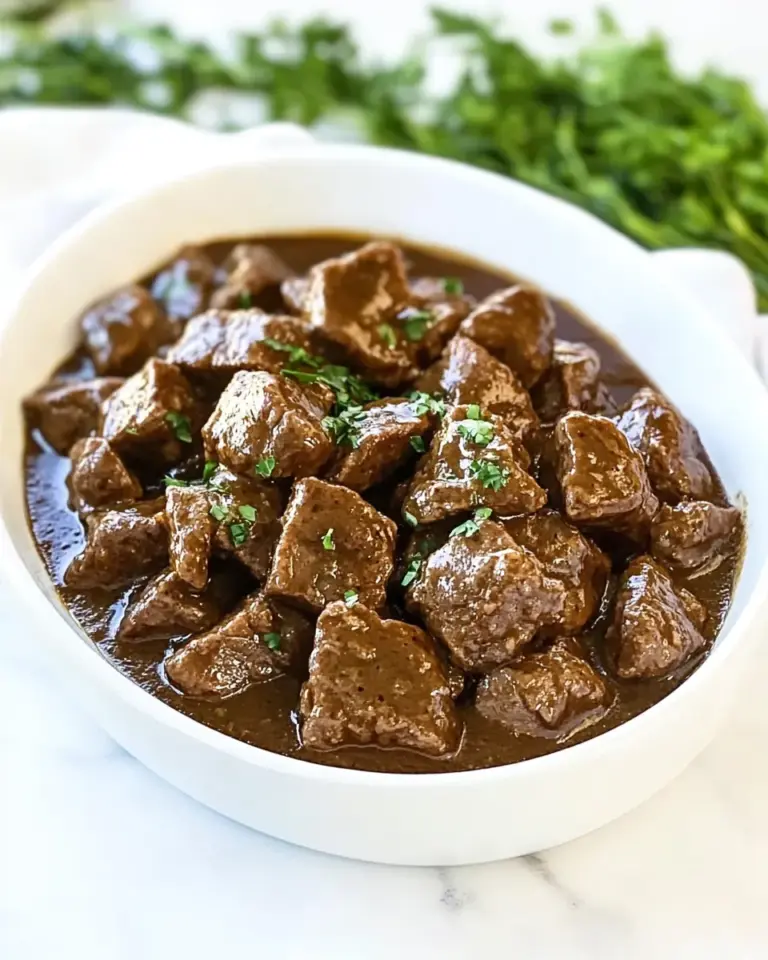
Instant Pot Wendys Chili
Instant Pot Wendys Chili is the kind of bowl I turn to on blustery nights when I want something hearty, straightforward, and reliably satisfying. I remember the first time I made this copycat, standing over my Instant Pot with the windows fogged and a steaming mug beside me, letting the scent of browned ground beef and warm tomato purée fill the kitchen while I wiped down a counter cluttered with cans and measuring spoons.
That evening I was in a rush, juggling a few errands and a hungry teenager, so I loved how the recipe collapsed down into a few simple actions that still yielded a bowl with depth and comfort. The balance of tomato juice and canned kidney beans gives the chili body, while a touch of cumin and chili powder layers in the warmth that keeps everyone reaching for seconds. I wasn’t chasing fancy techniques, I was after true, cozy flavor that comes together fast.
Across seasons I make small changes, but this Instant Pot version has become my baseline whenever I want big flavor without babysitting a pot for hours. Friends have asked for the recipe after dinner parties, and I’ve taught it to neighbors who need a no-fuss weeknight winner. The smell alone promises something familiar and homey, and the texture, with tender beans and crumble of seasoned ground beef, always hits the spot.
Recipe Snapshot
25 mins
15 mins
10 mins
Easy
350 kcal
American
Gluten-Free, Low FODMAP
Dinner
Instant Pot, Wooden spoon, Colander
What Makes This Instant Pot Wendys Chili Special
Consistent Comfort
I love how Instant Pot Wendys Chili reliably gives me that bowl-of-home feeling. The pressure cooking concentrates flavors quickly, so you get the slow cooked depth without the slow cook time. I’ve served this on busy weeknights and at casual gatherings, and it never feels lacking.
Speed Without Sacrifice
The Instant Pot makes this recipe fast, but it does not shortchange texture or taste. Browning the ground beef first builds savory notes, and the brief high pressure step melts the flavors together. I appreciate that I can prep, set, and walk away, then return to a chili that tastes like it simmered for hours.
Ingredient Simplicity
There is something satisfying about pantry-forward recipes. With cans of tomato purée and beans, plus a couple of spices, you can make a full meal. I value how accessible these components are, and how minor tweaks to quantities tailor the heat and richness to my mood or the crowd.
Flexible Serving Options
This chili is a team player at the table. I like it ladled over rice for casual dinners, topped with fresh garnishes for a party, or spooned into bowls for a simple family supper. Because it holds up well, you can make it ahead, reheat gently, and it still tastes fantastic.
Kid Friendly to Crowd Ready
While it has a robust flavor profile, the recipe adapts easily for kids by dialing down the chili powder and cayenne pepper. I’ve seen picky eaters come around to this chili when served with a little cheese or crackers on the side. For larger gatherings, doubling the batch is effortless, and the Instant Pot keeps things tidy.
Main Ingredients for Instant Pot Wendys Chili

These ingredients form the backbone of a dependable, savory chili. The combination focuses on texture and layered flavor, with ground beef providing richness, canned tomato purée and tomato juice delivering body, and the beans supplying creamy bite and bulk. Spices like chili powder and cumin thread warmth through every spoonful.
- 2 pounds fresh ground beef: Brown thoroughly to develop deep savory flavor and render fat before pressure cooking; use medium-high heat and break into crumbles for even cooking and texture in the chili. Drain excess fat if desired to control grease and improve sauce consistency. Fresh ground beef provides the primary protein and hearty base for this Instant Pot chili.
- 1 quart tomato juice: Add to provide a rich, smooth tomato base and increase liquid volume for pressure cooking; pour in evenly to prevent scorching and ensure proper pressure building. Tomato juice contributes bright acidity and melds flavors while thinning the chili to a desirable consistency.
- 1 (29-ounce) can tomato purée: Stir in to intensify concentrated tomato flavor and thicken the chili; pour the purée gradually while tasting to reach desired tomato strength. Tomato purée gives body and a velvety texture that helps bind spices and other ingredients together.
- 1 (15-ounce) can red kidney beans, drained: Rinse and drain before adding to contribute creamy texture, mild earthiness, and protein; stir gently to avoid breaking up the beans too much. Red kidney beans add substance and classic bean presence important to many chili recipes.
- 1 (15-ounce) can pinto beans, drained: Drain and add for a softer, slightly sweet bean contrast and extra fiber; combine with kidney beans for varied texture throughout the chili. Pinto beans help bulk up the chili and absorb flavors from the sauce and spices.
- 1 medium-large onion, chopped (about 1 1/2 cups): Sauté until translucent to build aromatic complexity and natural sweetness; chop to approximately 1 1/2 cups for consistent flavor distribution. Onion provides foundational savory notes and balances acidity from tomatoes and spices.
- 1/2 cup diced celery: Cook briefly with onions to add subtle vegetal flavor and gentle crunch; dice uniformly to blend into the chili without overpowering other textures. Celery contributes aromatic depth and a mild, slightly bitter balance to richer ingredients.
- 1/4 cup diced green bell pepper: Sauté until softened to introduce a bright, slightly bitter and vegetal note; dice small to evenly disperse pepper flavor through the chili. Green bell pepper lends freshness and color to the finished dish.
- 1/4 cup chili powder (use less for milder chili): Season to introduce warm, smoky, and pungent heat; adjust quantity for desired spiciness and stir in well so flavors meld during pressure cooking. Chili powder is the central spice blend that defines the chili’s character.
- 1 teaspoon cumin: Sprinkle to add earthy, warm undertones and enhance overall savory profile; measure precisely as its flavor can dominate if overused. Cumin contributes a distinct aromatic note that pairs especially well with tomato and beef.
- 1 1/2 teaspoon garlic powder: Add for concentrated garlic flavor without moisture; sprinkle evenly to distribute garlicky aroma through the chili. Garlic powder offers convenience and stable long-lasting flavor in slow-simmered or pressure-cooked dishes.
- 1 teaspoon salt: Season to control overall saltiness and bring out the flavors of meat, beans, and tomatoes; taste and adjust at the end if needed after pressure cooking. Salt is essential for flavor enhancement and balance in the chili.
- 1/2 teaspoon ground black pepper: Grind or measure to add mild heat and pungency while accentuating other spices; mix thoroughly for even distribution. Ground black pepper sharpens the chili’s flavor profile and complements the cumin and chili powder.
- 1/2 teaspoon dried oregano: Sprinkle to add herbal, slightly bitter notes and complexity; use a small amount so it complements rather than overpowers other spices. Dried oregano contributes Mediterranean-style savory accents that harmonize with tomato-based sauces.
- 1/2 teaspoon sugar: Measure to subtly balance acidity and enhance perceived sweetness; dissolve into the pot so it melds with other seasonings. Sugar helps round out tomato acidity and brings a smoother, more balanced flavor to the chili.
- 1/8 teaspoon cayenne pepper: Pinch in sparingly to provide an extra kick and elevate overall heat profile; add cautiously and adjust to taste after simmering. Cayenne pepper intensifies spice and should be used according to preferred heat tolerance.
How to Prepare Instant Pot Wendys Chili

Getting the texture and depth right is about sequence and attention. These steps guide you from an aromatic sauté to a deeply flavored chili finished under pressure. Below I explain sensory cues, why each detail matters, and what to watch for at every turn.
- Using either a 6 or 8 quart Instant Pot, use the saute feature to brown the ground beef. Cook the beef until it is 90% or more done. Drain if desired.: The first scents are savory and rich as the ground beef hits a hot surface, and you want to hear a steady sizzle that signals browning rather than steaming. Browning creates those caramelized bits that translate to deep meat flavor, and as the beef darkens, little droplets of fat will render and glisten. Stir occasionally to expose all meat to the heat and break up large clumps so it cooks evenly. A common mistake is adding the meat to a pan that is not hot enough, which leads to pale, boiled-looking meat and less flavor. If you see liquid pooling heavily, let it evaporate before continuing to encourage browning.
- To the pressure cooker add all remaining ingredients.: The meat should be mostly browned with just a hint of pink remaining, which ensures it finishes through under pressure without drying out. You will notice a firmer texture and a richer aroma as proteins tighten and the surface caramelizes. This stage preserves juiciness while maximizing flavor development. Overcooking here can make the meat crumbly and dry after pressure cooking, so aim for the specified doneness and be ready to move to the next step.
- Cook on the manual high setting for 6 minutes.: If there is an excess of rendered fat and liquid, tilt the pot and spoon out the extra or use a sieve to drain, leaving enough fat to carry flavor. The visual cue is a sheen of fat atop the meat; too much will make the final chili greasy, while too little may yield a lean, flatter profile. I prefer to leave a small amount for richness but remove obvious excess. Avoid tossing all fat prematurely if you like a silkier mouthfeel, but do remove excessive pools to keep the chili balanced.
- When the chili is done perform a quick release.: When you add the tomato juice , tomato purée , drained kidney beans , drained pinto beans , chopped onion , diced celery , diced green bell pepper , chili powder , cumin , garlic powder , salt , ground black pepper , dried oregano , sugar , and cayenne pepper , you will notice the pot transform from fragmented browned meat to a unified, saucy mixture. Stir to incorporate so the spices dissolve into the liquids and coat the meat and beans evenly. The aroma should shift to a unified, spiced tomato fragrance. A frequent error is inadequate mixing, which leads to pockets of dry spice; take a moment to blend thoroughly so every spoonful tastes consistent.
- Serve immediately.: Under pressure, the flavors compress and meld quickly, giving that slow-cooked depth. You may hear a gentle clicking or maintain silence depending on your model, and steam will build until the cooker locks. The pressure environment softens beans slightly and allows spices to infuse the meat and sauce. If you try to reduce this time drastically the beans may remain starchy and the flavors underdeveloped, so trust the timing and resist the urge to open early.
- When the chili is done perform a quick release: Releasing pressure quickly cools and stops cooking immediately, preserving bean texture and preventing overcooking. You will see a burst of steam and hear a rush as the valve is opened; use a long utensil or a cloth to protect your hand. Once the pin drops, open the pot and notice the intensified aroma as steam escapes. A common misstep is using a slow release here, which can turn beans mushy, so follow the quick release instruction for the intended texture.
- Serve immediately: Ladle the chili into bowls while hot so the steam and aroma greet your guests right away. The surface should be glossy, the beans intact, and the meat tender. Serve with sides or garnishes as you prefer, but be mindful that letting the chili sit too long before serving concentrates liquids and can thicken the pot considerably. If the chili becomes overly thick while resting, stir in a splash of reserved tomato juice or water and reheat gently to loosen it up.
Making Adjustments

This section helps you fine tune Instant Pot Wendys Chili for heat, texture, and portion. Below are practical tips I use when adapting the recipe to different eaters and occasions.
- Adjusting heat Use less chili powder and omit the cayenne pepper for a milder bowl, or add more toward the end if you want a livelier finish.
- Texture control If you prefer firmer beans, reduce the pressure time slightly or add canned beans after pressure cooking, warming them gently instead.
- Make it ahead Chili often tastes better the next day as flavors meld; refrigerate and reheat gently, adding a splash of tomato juice if it thickens too much.
- Salt carefully Because canned goods carry sodium, season gradually and taste before adding the final amount of salt.
- Balance acidity If the chili is too tangy from the tomatoes, a small pinch of sugar will round the flavor without making it sweet.
What to Pair With Instant Pot Wendys Chili
This chili is versatile at the table. Whether serving a casual family dinner or a small gathering, think about texture contrasts, cooling garnishes, and simple sides that complement the bold, savory bowl.
- Classic cornbread Cornbread is a natural companion, offering sweet, crumbly contrast that soaks up sauce and balances savory depth.
- Simple rice A bed of plain rice stretches servings and provides a neutral platform that lets the chili shine.
- Toppings bar Arrange grated cheese, chopped onion, and sour cream so guests can customize each bowl for heat, creaminess, or brightness.
- Green salad A crisp salad with a light vinaigrette refreshes the palate between bites and adds a crunchy element.
- Make ahead notes Store leftovers in airtight containers for up to four days, reheating gently and stirring in a splash of tomato juice if needed; freeze portions for up to three months.
- Occasions This chili works for weeknight dinners, casual potlucks, and winter gatherings where warm, communal bowls are welcome.
FAQ
Conclusion
Instant Pot Wendys Chili stands out for its unfussy approach and deeply satisfying flavors. The combination of browned meat, tomato purée, and beans creates a comforting, robust bowl that is quick enough for evenings yet substantial enough for company. Give it a try when you want a dependable crowd pleaser that reheats well, and enjoy how easily it becomes a weeknight staple. Bring it to the table with simple sides and let everyone customize their bowl.

Instant Pot Wendys Chili
Equipment
- Instant Pot
- Wooden Spoon
- Colander
Ingredients
- 2 pounds fresh ground beef Brown thoroughly to develop deep savory flavor and render fat before pressure cooking; use medium-high heat and break into crumbles for even cooking and texture in the chili. Drain excess fat if desired to control grease and improve sauce consistency. Fresh ground beef provides the primary protein and hearty base for this Instant Pot chili.
- 1 quart tomato juice Add to provide a rich, smooth tomato base and increase liquid volume for pressure cooking; pour in evenly to prevent scorching and ensure proper pressure building. Tomato juice contributes bright acidity and melds flavors while thinning the chili to a desirable consistency.
- 1 (29-ounce) can tomato purée Stir in to intensify concentrated tomato flavor and thicken the chili; pour the purée gradually while tasting to reach desired tomato strength. Tomato purée gives body and a velvety texture that helps bind spices and other ingredients together.
- 1 (15-ounce) can red kidney beans, drained Rinse and drain before adding to contribute creamy texture, mild earthiness, and protein; stir gently to avoid breaking up the beans too much. Red kidney beans add substance and classic bean presence important to many chili recipes.
- 1 (15-ounce) can pinto beans, drained Drain and add for a softer, slightly sweet bean contrast and extra fiber; combine with kidney beans for varied texture throughout the chili. Pinto beans help bulk up the chili and absorb flavors from the sauce and spices.
- 1 medium-large onion, chopped (about 1 1/2 cups) Sauté until translucent to build aromatic complexity and natural sweetness; chop to approximately 1 1/2 cups for consistent flavor distribution. Onion provides foundational savory notes and balances acidity from tomatoes and spices.
- 1/2 cup diced celery Cook briefly with onions to add subtle vegetal flavor and gentle crunch; dice uniformly to blend into the chili without overpowering other textures. Celery contributes aromatic depth and a mild, slightly bitter balance to richer ingredients.
- 1/4 cup diced green bell pepper Sauté until softened to introduce a bright, slightly bitter and vegetal note; dice small to evenly disperse pepper flavor through the chili. Green bell pepper lends freshness and color to the finished dish.
- 1/4 cup chili powder (use less for milder chili) Season to introduce warm, smoky, and pungent heat; adjust quantity for desired spiciness and stir in well so flavors meld during pressure cooking. Chili powder is the central spice blend that defines the chili’s character.
- 1 teaspoon cumin Sprinkle to add earthy, warm undertones and enhance overall savory profile; measure precisely as its flavor can dominate if overused. Cumin contributes a distinct aromatic note that pairs especially well with tomato and beef.
- 1 1/2 teaspoon garlic powder Add for concentrated garlic flavor without moisture; sprinkle evenly to distribute garlicky aroma through the chili. Garlic powder offers convenience and stable long-lasting flavor in slow-simmered or pressure-cooked dishes.
- 1 teaspoon salt Season to control overall saltiness and bring out the flavors of meat, beans, and tomatoes; taste and adjust at the end if needed after pressure cooking. Salt is essential for flavor enhancement and balance in the chili.
- 1/2 teaspoon ground black pepper Grind or measure to add mild heat and pungency while accentuating other spices; mix thoroughly for even distribution. Ground black pepper sharpens the chili’s flavor profile and complements the cumin and chili powder.
- 1/2 teaspoon dried oregano Sprinkle to add herbal, slightly bitter notes and complexity; use a small amount so it complements rather than overpowers other spices. Dried oregano contributes Mediterranean-style savory accents that harmonize with tomato-based sauces.
- 1/2 teaspoon sugar Measure to subtly balance acidity and enhance perceived sweetness; dissolve into the pot so it melds with other seasonings. Sugar helps round out tomato acidity and brings a smoother, more balanced flavor to the chili.
- 1/8 teaspoon cayenne pepper Pinch in sparingly to provide an extra kick and elevate overall heat profile; add cautiously and adjust to taste after simmering. Cayenne pepper intensifies spice and should be used according to preferred heat tolerance.
Instructions
- Using either a 6 or 8 quart Instant Pot, use the saute feature to brown the ground beef. Cook the beef until it is 90% or more done. Drain if desired.: The first scents are savory and rich as the ground beef hits a hot surface, and you want to hear a steady sizzle that signals browning rather than steaming. Browning creates those caramelized bits that translate to deep meat flavor, and as the beef darkens, little droplets of fat will render and glisten. Stir occasionally to expose all meat to the heat and break up large clumps so it cooks evenly. A common mistake is adding the meat to a pan that is not hot enough, which leads to pale, boiled-looking meat and less flavor. If you see liquid pooling heavily, let it evaporate before continuing to encourage browning.
- To the pressure cooker add all remaining ingredients.: The meat should be mostly browned with just a hint of pink remaining, which ensures it finishes through under pressure without drying out. You will notice a firmer texture and a richer aroma as proteins tighten and the surface caramelizes. This stage preserves juiciness while maximizing flavor development. Overcooking here can make the meat crumbly and dry after pressure cooking, so aim for the specified doneness and be ready to move to the next step.
- Cook on the manual high setting for 6 minutes.: If there is an excess of rendered fat and liquid, tilt the pot and spoon out the extra or use a sieve to drain, leaving enough fat to carry flavor. The visual cue is a sheen of fat atop the meat; too much will make the final chili greasy, while too little may yield a lean, flatter profile. I prefer to leave a small amount for richness but remove obvious excess. Avoid tossing all fat prematurely if you like a silkier mouthfeel, but do remove excessive pools to keep the chili balanced.
- When the chili is done perform a quick release.: When you add the tomato juice , tomato purée , drained kidney beans , drained pinto beans , chopped onion , diced celery , diced green bell pepper , chili powder , cumin , garlic powder , salt , ground black pepper , dried oregano , sugar , and cayenne pepper , you will notice the pot transform from fragmented browned meat to a unified, saucy mixture. Stir to incorporate so the spices dissolve into the liquids and coat the meat and beans evenly. The aroma should shift to a unified, spiced tomato fragrance. A frequent error is inadequate mixing, which leads to pockets of dry spice; take a moment to blend thoroughly so every spoonful tastes consistent.
- Serve immediately.: Under pressure, the flavors compress and meld quickly, giving that slow-cooked depth. You may hear a gentle clicking or maintain silence depending on your model, and steam will build until the cooker locks. The pressure environment softens beans slightly and allows spices to infuse the meat and sauce. If you try to reduce this time drastically the beans may remain starchy and the flavors underdeveloped, so trust the timing and resist the urge to open early.
- When the chili is done perform a quick release: Releasing pressure quickly cools and stops cooking immediately, preserving bean texture and preventing overcooking. You will see a burst of steam and hear a rush as the valve is opened; use a long utensil or a cloth to protect your hand. Once the pin drops, open the pot and notice the intensified aroma as steam escapes. A common misstep is using a slow release here, which can turn beans mushy, so follow the quick release instruction for the intended texture.
- Serve immediately: Ladle the chili into bowls while hot so the steam and aroma greet your guests right away. The surface should be glossy, the beans intact, and the meat tender. Serve with sides or garnishes as you prefer, but be mindful that letting the chili sit too long before serving concentrates liquids and can thicken the pot considerably. If the chili becomes overly thick while resting, stir in a splash of reserved tomato juice or water and reheat gently to loosen it up.
Notes
- Adjusting heat Use less chili powder and omit the cayenne pepper for a milder bowl, or add more toward the end if you want a livelier finish.
- Texture control If you prefer firmer beans, reduce the pressure time slightly or add canned beans after pressure cooking, warming them gently instead.
- Make it ahead Chili often tastes better the next day as flavors meld; refrigerate and reheat gently, adding a splash of tomato juice if it thickens too much.
- Salt carefully Because canned goods carry sodium, season gradually and taste before adding the final amount of salt.
- Balance acidity If the chili is too tangy from the tomatoes, a small pinch of sugar will round the flavor without making it sweet.