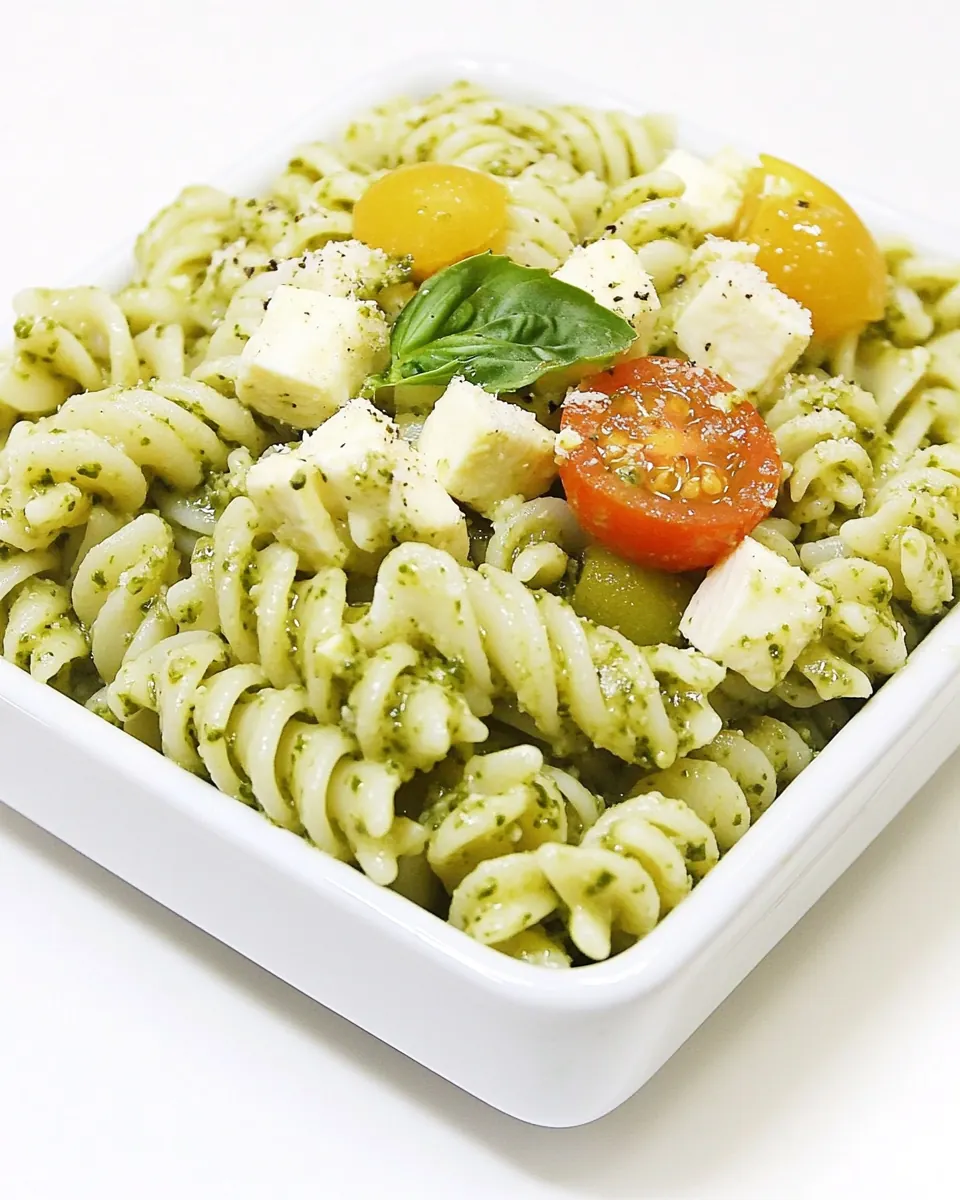
Easy Pesto Pasta Salad
Easy Pesto Pasta Salad has been my go to when summer invites friends over and I want something that feels fresh but without fuss. The first time I tossed together this bowl I was scrambling between a backyard game and a last minute grocery run, and the way the bright green pesto clung to every piece of pasta felt like the kind of easy victory every home cook deserves. I remember standing at the counter, sipping a cold drink, and feeling satisfied that a few smart pantry picks could make everyone at the table smile.
Since then I have rotated this into potlucks, picnic baskets, and weeknight dinners where we needed something fast and reliable. There is something comforting about the way the beans add heft, the tomatoes pop, and the cucumber stays cool and crisp, and I always end up swapping little personal touches depending on what I have on hand. Every time I make Easy Pesto Pasta Salad it feels familiar, yet I still discover a small tweak that makes it better than the last batch. I love recipes that let me chat while I cook, that do not demand perfection, and that still reward me with bright flavors.
Recipe Snapshot
30 mins
20 mins
10 mins
Easy
300 kcal
Italian
Vegan, Gluten-Free
Salads
Calphalon 5-Quart Pot, Mixing Bowl, Storage Containers
Why This Easy Pesto Pasta Salad Stands Out
Bright, simple flavors that work together
I love how Easy Pesto Pasta Salad balances creamy and bright elements. The verdant notes of the pesto coat the pasta and marry with the juicy burst of cherry tomatoes, while the cannellini beans add a satisfying, creamy bite. This is the kind of dish where each ingredient plays a clear role, and the result feels both light and filling.
Fast to make, perfect for busy days
We appreciate recipes that respect our time, and this one does exactly that. You can have a big bowl ready in under an hour, which makes it ideal for quick weeknight dinners or last minute gatherings. The steps are forgiving, so you can multitask without worry. I often prep the pasta while I finish other things, and it still comes together perfectly.
Flexible and crowd friendly
I keep recommending Easy Pesto Pasta Salad for potlucks because it travels well and serves a crowd without drama. You can scale it up without losing texture, and it holds in the fridge for a couple of days. That makes it a great option for packing lunches or serving during a casual dinner where people graze.
Textural contrasts that keep it interesting
What I adore most is the combination of soft and crisp textures. The pasta offers bite, the cucumbers bring cool crunch, and the beans supply creaminess. These contrasts keep each mouthful lively, and the pesto ties everything together with herbal depth.
Minimal ingredients, maximal impact
I find joy in recipes that do a lot with a little. This dish requires just a handful of pantry and fridge staples, yet it tastes like you spent more time on it. That makes Easy Pesto Pasta Salad my reliable answer when I want something impressive but uncomplicated.
Ingredients Overview for Easy Pesto Pasta Salad
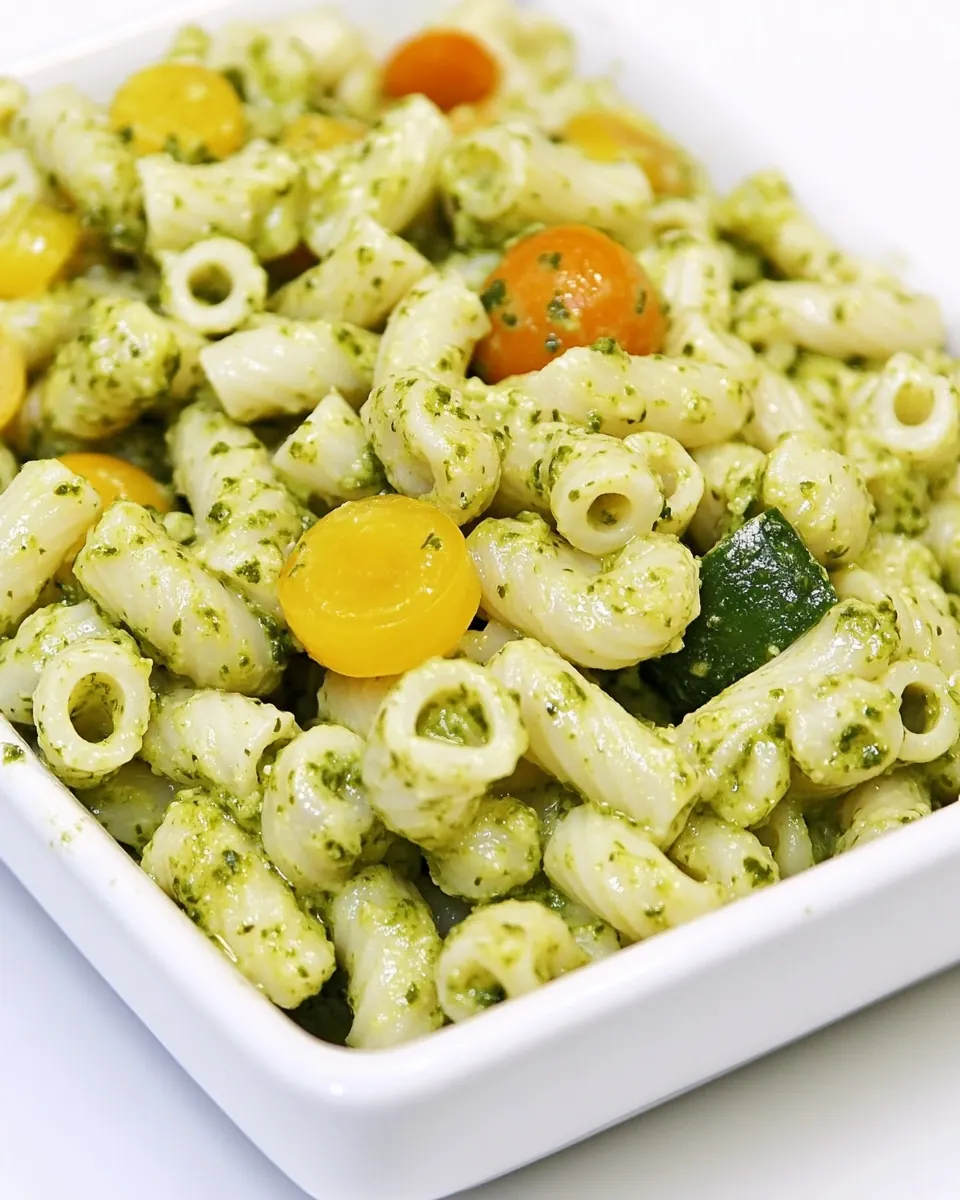
These ingredients are chosen to create a simple, balanced pasta salad where each item brings a clear contribution. The pasta is the canvas, the pesto provides concentrated herbal fat for flavor, the tomatoes and cucumbers add freshness and texture, and the cannellini beans add protein and creaminess without heaviness. Together they make a dish that travels well and stays interesting over a few days in the fridge.
- 1 pound pasta: Boil until al dente to provide the carbohydrate base and structure for the pasta salad; drain and cool to prevent clumping and overcooking. Offer a neutral canvas that soaks up pesto and dressing flavors while adding hearty texture to the dish.
- 1 tablespoon olive oil: Drizzle to lightly coat pasta and prevent sticking while adding a touch of richness and mouthfeel; use extra virgin olive oil for best flavor and smoothness. Enhance overall balance by helping pesto adhere to pasta pieces and vegetables.
- 2 cups diced cucumbers (about 1 medium or 2-3 mini): Dice to add crisp, refreshing texture and a mild, watery sweetness that brightens the salad; peel if desired for smoother texture. Contribute moisture and a cooling contrast to richer elements like beans and pesto.
- 2 cups halved or quartered cherry tomatoes (or 1 10-ounce container): Halve or quarter to release juicy, slightly acidic bursts that cut through the richness of the pesto and beans; choose ripe tomatoes for best flavor. Provide vibrant color and a fresh, tangy component that balances the salad.
- 14.5 ounce can white cannellini beans (rinsed and drained): Rinse and drain to offer creamy, protein-rich bites that add substance and a smooth counterpoint to the pasta and vegetables; use cannellini for a mild, nutty flavor. Boost nutritional value with plant-based protein and a satisfying, tender texture.
- 1/2 3/4 cup pesto: Spoon to coat the pasta and vegetables with concentrated herb, nut, and cheese flavors; adjust quantity for preferred intensity and creaminess. Act as the primary seasoning and binding agent that unifies all components of the salad.
- Salt to taste: Season to taste to balance and enhance all flavors; add gradually and re-taste to avoid over-salting. Provide final flavor adjustment so herbs, acidity, and natural sweetness shine without being bland.
Step by Step Instructions for Easy Pesto Pasta Salad
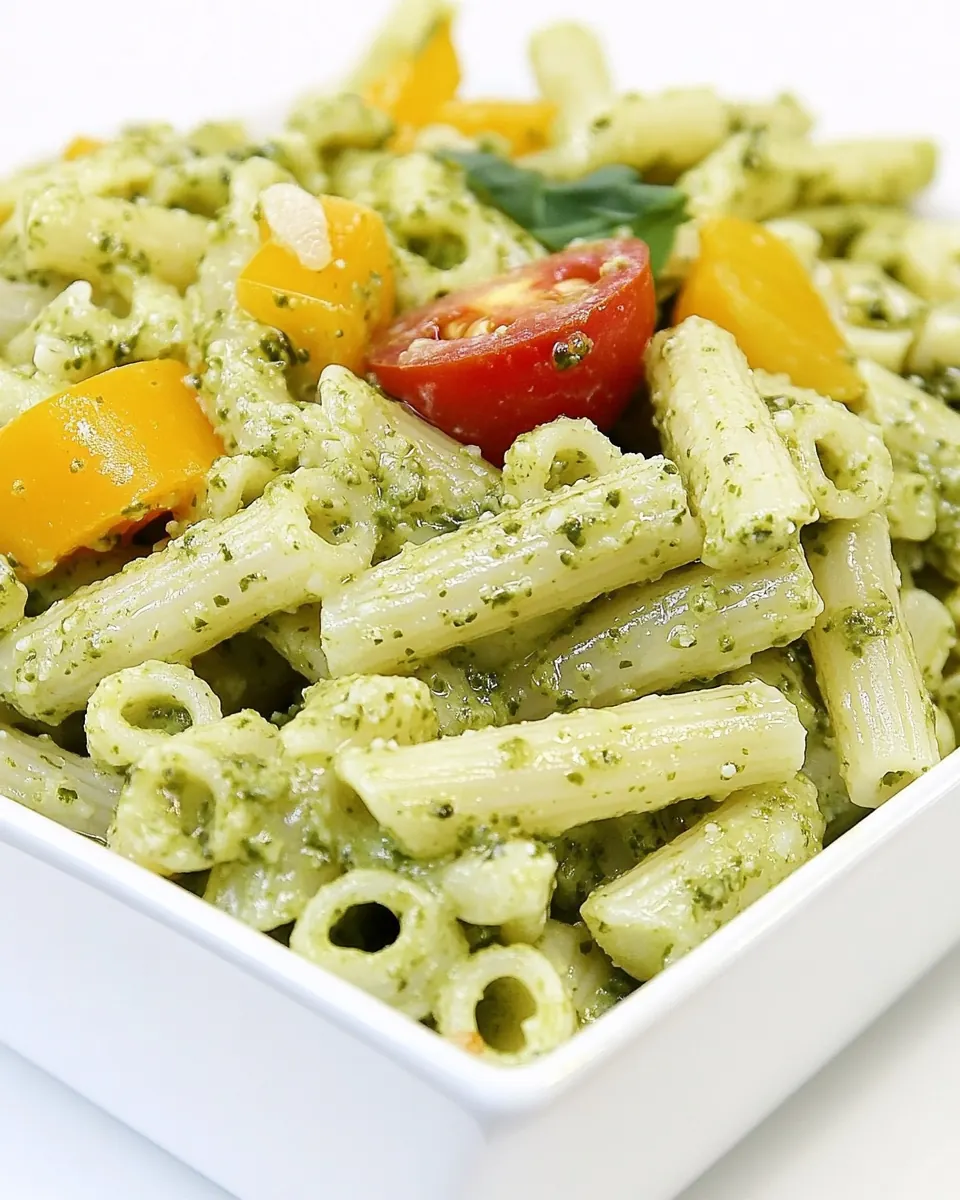
This recipe is straightforward, but little details make it sing. Below I walk you through each step with sensory cues and common pitfalls to avoid, so your final bowl is bright, textured, and perfectly seasoned.
- Prepare the pasta according to the package directions. I like to use a smaller shape like elbows, mini wagon wheels, ditalini, or farfalle. Drain and add to a large bowl or storage container. Toss with the oil and let cool at least slightly.: Warm steam will rise as you drain the pasta , and you should feel the slight give that indicates al dente. The residual heat helps the olive oil coat the pieces so they do not clump, and tossing while warm helps flavors adhere. Listen for the sound of water settling in the sink and notice when the pasta stops clinging to the pot; that is your cue it is properly drained. The reason this matters is that overcooked or poorly drained pasta will become gummy and fail to carry the pesto properly. A frequent mistake is skipping the oil or not letting steam escape, which leads to sticking and a heavy, wet salad. If you detect a starchy sheen on the pasta , rinse quickly under cool water to stop cooking and remove surface starch.
- Stir in the cucumbers, tomatoes, beans, and pesto. Start with 1/2 cup pesto and add more as you like. The more you add, the more flavor it will have (which may be good or bad depending on your preference!): When you fold in the cucumbers , cherry tomatoes , cannellini beans , and pesto , you will see colors blend and scents open up, the bright herbal aroma of the pesto coming forward first. Gently mix so the beans keep their shape and the vegetables stay crisp. The pesto initially sits as a vibrant ribbon; as you stir it mellows and coats evenly, creating a glossy finish on the pasta . This step matters because even distribution ensures each bite has balance, and adding too much at once can mask the subtle textures of the vegetables. A common error is dumping the entire amount of pesto at once, which can overwhelm the salad; taste as you go and stop when the balance pleases you.
- Season to taste with salt. Serve at room temperature or store and serve later.: After everything is combined you will want to sample a forkful and notice how flavors settle as the pesto melds with the other ingredients. The right pinch of salt will brighten the whole bowl, sharpening the herb notes and taming any softness from the beans . If serving now, let the bowl sit a few minutes to let flavors harmonize, and if storing, chill and allow flavors to deepen in the fridge. The why behind this is simple: seasoning at the end prevents over salting and lets you tailor the dish to your palate. A typical mistake is neglecting to taste before salting, which can lead to an over salted final salad especially if your pesto or beans were already salty.
Tips for Success
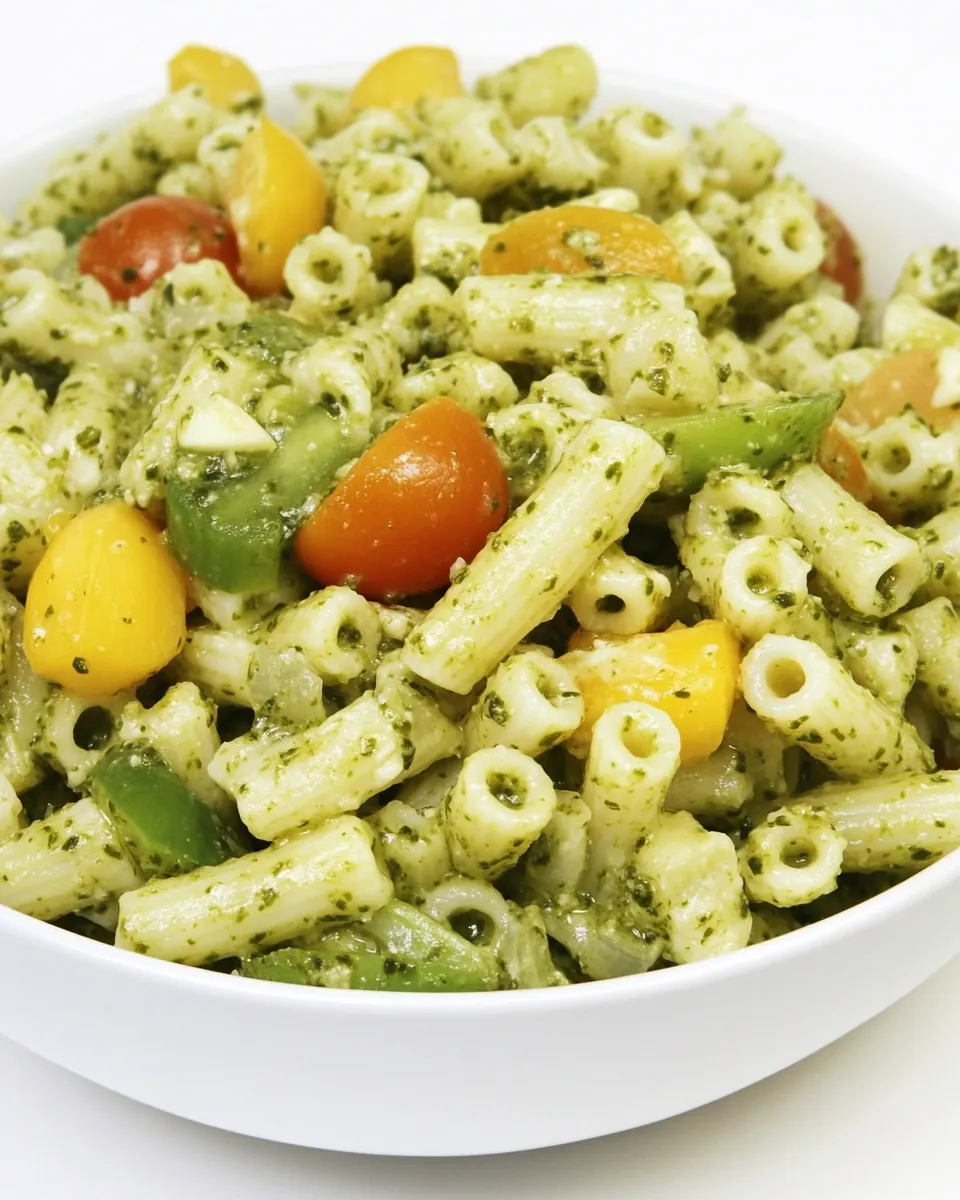
I like to approach this salad with a plan for texture and balance. Small adjustments at assembly time make the difference between a good bowl and a great one. Below are practical tips I rely on every time I make Easy Pesto Pasta Salad, expanded into detailed points you can use while cooking and storing.
- Use al dente pasta: Cooking the pasta just until al dente preserves bite and prevents the salad from becoming mushy when chilled. Test a piece a minute or two before the package time, and look for a slight firmness at the center. Overcooked pasta will absorb dressing and turn gummy, so err on the side of slightly undercooked if you plan to refrigerate.
- Rinse and drain beans well: Rinsing the canned cannellini beans removes canning liquid and excess salt, which can otherwise make the salad taste metallic or too salty. Place them in a fine mesh strainer and run cool water until the flow is clear. Pat dry gently to avoid splitting the beans.
- Dice cucumbers uniformly: Evenly diced cucumbers ensure consistent texture in each bite and help the salad maintain a pleasing crunch throughout. If your cucumbers are seedy, scoop out the center before dicing to reduce excess moisture that can water down the dressing.
- Add pesto gradually: Because jarred pesto varies in salt and oil content, begin with the smaller amount listed and increase as needed. Taste as you go to avoid overpowering the bright notes of the tomatoes and cucumbers. This also helps you control the salad s overall creaminess and intensity.
- Lightly oil pasta while cooling: Tossing the warm pasta with a tablespoon of olive oil prevents sticking and lets the pieces stay separate so the pesto can coat them evenly later. Use just enough to shine the surface, as too much oil will make the salad feel greasy.
- Store in airtight containers: Keep the salad in a sealed container to preserve freshness and prevent the cucumbers from softening too quickly. Chilling for several hours allows flavors to meld, but serve within three days for the best texture.
Serve This Easy Pesto Pasta Salad With
This salad is versatile and pairs well with many occasions. Whether you are packing lunches, feeding a casual dinner, or bringing a dish to an outdoor gathering, the components below will help you serve it beautifully. I like to describe specific pairings and storage ideas so you can plan the whole meal.
- As a picnic or potluck main: Serve the salad at room temperature so the flavors are pronounced, and bring in chilled bottles of water or iced tea to complement the herbal notes.
- For a light dinner: Pair with crusty bread and a simple green salad for a satisfying meal that feels effortless. The starch and beans will keep you full without heaviness.
- Lunchbox friendly: Pack in a tight container and add a vinaigrette dip if you prefer a fresher dressing at serving time. Keep chilled until ready to eat to maintain texture.
- Occasions and seasons: This fits well for summer entertaining, weeknight dinners, and casual gatherings; it s especially nice when tomatoes and cucumbers are at peak flavor in warm months.
- Storage tips: Keep refrigerated in an airtight container for up to three days, and stir gently before serving to redistribute the pesto if it has settled. Avoid freezing as the vegetables will become mushy.
- Serving style: Present in a large bowl so guests can help themselves, or portion into individual containers for easy serving and transport.
FAQ
Conclusion
This recipe s strength is how it combines simple pantry staples into a bright, satisfying bowl that works for many occasions. You can rely on Easy Pesto Pasta Salad for effortless entertaining, make ahead meal prep, or a quick weeknight dinner that still feels special. Give it a try the next time you need a no fuss, flavorful dish, and tweak it to your taste as you go. I hope it becomes one of your regular go to salads for warm weather and casual gatherings.
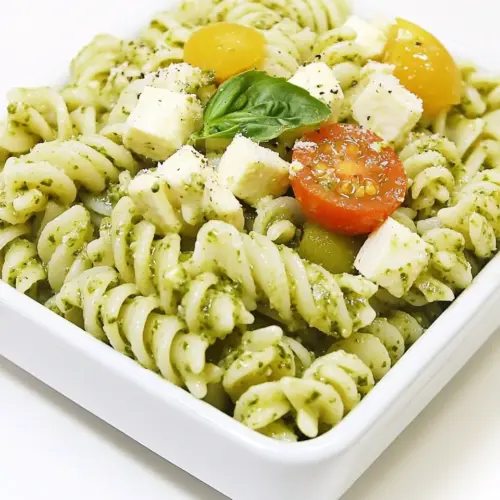
Easy Pesto Pasta Salad
Equipment
- Calphalon 5-Quart Pot
- Mixing Bowl
- Storage Containers
Ingredients
- 1 pound pasta Boil until al dente to provide the carbohydrate base and structure for the pasta salad; drain and cool to prevent clumping and overcooking. Offer a neutral canvas that soaks up pesto and dressing flavors while adding hearty texture to the dish.
- 1 tablespoon olive oil Drizzle to lightly coat pasta and prevent sticking while adding a touch of richness and mouthfeel; use extra virgin olive oil for best flavor and smoothness. Enhance overall balance by helping pesto adhere to pasta pieces and vegetables.
- 2 cups diced cucumbers (about 1 medium or 2-3 mini) Dice to add crisp, refreshing texture and a mild, watery sweetness that brightens the salad; peel if desired for smoother texture. Contribute moisture and a cooling contrast to richer elements like beans and pesto.
- 2 cups halved or quartered cherry tomatoes (or 1 10-ounce container) Halve or quarter to release juicy, slightly acidic bursts that cut through the richness of the pesto and beans; choose ripe tomatoes for best flavor. Provide vibrant color and a fresh, tangy component that balances the salad.
- 14.5 -ounce can white cannellini beans (rinsed and drained) Rinse and drain to offer creamy, protein-rich bites that add substance and a smooth counterpoint to the pasta and vegetables; use cannellini for a mild, nutty flavor. Boost nutritional value with plant-based protein and a satisfying, tender texture.
- 1/2 -3/4 cup pesto Spoon to coat the pasta and vegetables with concentrated herb, nut, and cheese flavors; adjust quantity for preferred intensity and creaminess. Act as the primary seasoning and binding agent that unifies all components of the salad.
- Salt to taste Season to taste to balance and enhance all flavors; add gradually and re-taste to avoid over-salting. Provide final flavor adjustment so herbs, acidity, and natural sweetness shine without being bland.
Instructions
- Prepare the pasta according to the package directions. I like to use a smaller shape like elbows, mini wagon wheels, ditalini, or farfalle. Drain and add to a large bowl or storage container. Toss with the oil and let cool at least slightly.: Warm steam will rise as you drain the pasta , and you should feel the slight give that indicates al dente. The residual heat helps the olive oil coat the pieces so they do not clump, and tossing while warm helps flavors adhere. Listen for the sound of water settling in the sink and notice when the pasta stops clinging to the pot; that is your cue it is properly drained. The reason this matters is that overcooked or poorly drained pasta will become gummy and fail to carry the pesto properly. A frequent mistake is skipping the oil or not letting steam escape, which leads to sticking and a heavy, wet salad. If you detect a starchy sheen on the pasta , rinse quickly under cool water to stop cooking and remove surface starch.
- Stir in the cucumbers, tomatoes, beans, and pesto. Start with 1/2 cup pesto and add more as you like. The more you add, the more flavor it will have (which may be good or bad depending on your preference!): When you fold in the cucumbers , cherry tomatoes , cannellini beans , and pesto , you will see colors blend and scents open up, the bright herbal aroma of the pesto coming forward first. Gently mix so the beans keep their shape and the vegetables stay crisp. The pesto initially sits as a vibrant ribbon; as you stir it mellows and coats evenly, creating a glossy finish on the pasta . This step matters because even distribution ensures each bite has balance, and adding too much at once can mask the subtle textures of the vegetables. A common error is dumping the entire amount of pesto at once, which can overwhelm the salad; taste as you go and stop when the balance pleases you.
- Season to taste with salt. Serve at room temperature or store and serve later.: After everything is combined you will want to sample a forkful and notice how flavors settle as the pesto melds with the other ingredients. The right pinch of salt will brighten the whole bowl, sharpening the herb notes and taming any softness from the beans . If serving now, let the bowl sit a few minutes to let flavors harmonize, and if storing, chill and allow flavors to deepen in the fridge. The why behind this is simple: seasoning at the end prevents over salting and lets you tailor the dish to your palate. A typical mistake is neglecting to taste before salting, which can lead to an over salted final salad especially if your pesto or beans were already salty.
Notes
- Use al dente pasta: Cooking the pasta just until al dente preserves bite and prevents the salad from becoming mushy when chilled. Test a piece a minute or two before the package time, and look for a slight firmness at the center. Overcooked pasta will absorb dressing and turn gummy, so err on the side of slightly undercooked if you plan to refrigerate.
- Rinse and drain beans well: Rinsing the canned cannellini beans removes canning liquid and excess salt, which can otherwise make the salad taste metallic or too salty. Place them in a fine mesh strainer and run cool water until the flow is clear. Pat dry gently to avoid splitting the beans.
- Dice cucumbers uniformly: Evenly diced cucumbers ensure consistent texture in each bite and help the salad maintain a pleasing crunch throughout. If your cucumbers are seedy, scoop out the center before dicing to reduce excess moisture that can water down the dressing.
- Add pesto gradually: Because jarred pesto varies in salt and oil content, begin with the smaller amount listed and increase as needed. Taste as you go to avoid overpowering the bright notes of the tomatoes and cucumbers. This also helps you control the salad s overall creaminess and intensity.
- Lightly oil pasta while cooling: Tossing the warm pasta with a tablespoon of olive oil prevents sticking and lets the pieces stay separate so the pesto can coat them evenly later. Use just enough to shine the surface, as too much oil will make the salad feel greasy.
- Store in airtight containers: Keep the salad in a sealed container to preserve freshness and prevent the cucumbers from softening too quickly. Chilling for several hours allows flavors to meld, but serve within three days for the best texture.
