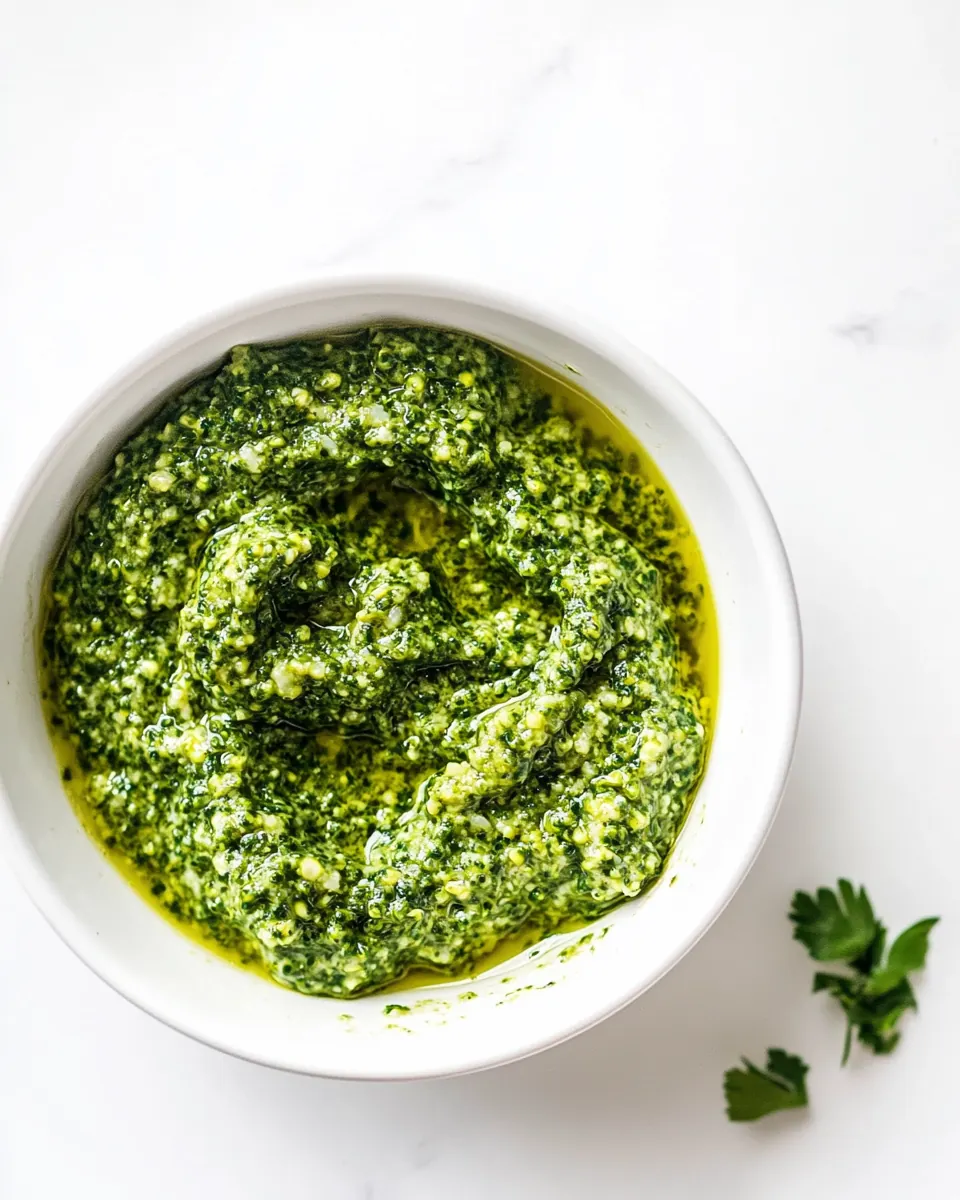
Broccoli Pesto
Broccoli Pesto came into my kitchen on a Wednesday when my fridge held a lonely head of broccoli and a jar of olive oil begging for redemption. I was craving something bright and green that would wake up a plain bowl of pasta, but I also wanted a sauce that felt a little grown up, fresh, and punchy. I remember tossing the broccoli and a handful of basil into the food processor with toasted pine nuts, and the moment the lid came off it smelled like sunlight and summer, even though rain was falling outside.
That afternoon I played with lemon and garlic until the balance felt right, and when I draped the glossy sauce over warm pasta, my partner announced it was restaurant worthy. We ate standing at the counter, laughing about how a small collection of humble pantry items had turned into something surprisingly luxurious. Since then I reach for this jarred-up green whenever I need an instant lift for vegetables, sandwiches, or a quick weeknight dinner.
Recipe Snapshot
10 mins
5 mins
5 mins
Easy
250 kcal
Italian
Keto, Gluten-Free
Appetizers
Oven, Small baking sheet, Food processor
Why This Broccoli Pesto Is a Winner
Bright, vibrant flavor that outshines jarred alternatives
I love how Broccoli Pesto captures freshness in a way that store-bought jars just cannot. The toasted pine nuts and lemon create a lively backdrop, while the broccoli adds a green earthiness that keeps the sauce from tasting one-note. When I spoon it over warm pasta, the aroma hits first, then the buttery mouthfeel, and finally a streak of citrus that keeps me coming back for another bite.
Nutritious and surprisingly versatile
One reason I keep this recipe close is its adaptability. You can spoon Broccoli Pesto onto roasted veggies, swirl it into soups, or smear it on sandwiches. The nutrient density from the broccoli and the healthy fats from the extra virgin olive oil make it feel like a small, delicious investment in your day. I often use it as a quick sauce to turn leftover grains into a completed meal.
Fast to pull together when time is short
I frequently reach for this when I have only a handful of minutes. Toasting the pine nuts for a few minutes intensifies flavor faster than long cooking, and the food processor does the heavy lifting. In my experience, the whole assembly rarely takes more than ten minutes, which means you get fresh, bright sauce without interrupting the rest of your evening.
Textural balance keeps every bite interesting
What I adore is the contrast between the slightly grainy pine nuts, the tender but present broccoli, and the creamy sheen from the extra virgin olive oil. This layering gives each mouthful a satisfying bite and a lingering, savory finish thanks to the Parmesan cheese. I always notice how friends comment on that little crunch and richness, and it feels like a secret trick that keeps people asking for more.
Easy to customize, without losing its soul
I rarely follow a recipe like a legal document. With Broccoli Pesto, you can tweak the lemon, adjust the garlic, or increase the cheese, and the core idea remains intact. That flexibility makes it a keeper in my rotation because I can adapt the sauce to whatever I have on hand and still deliver big, fresh flavor.
Essential Ingredients for Broccoli Pesto
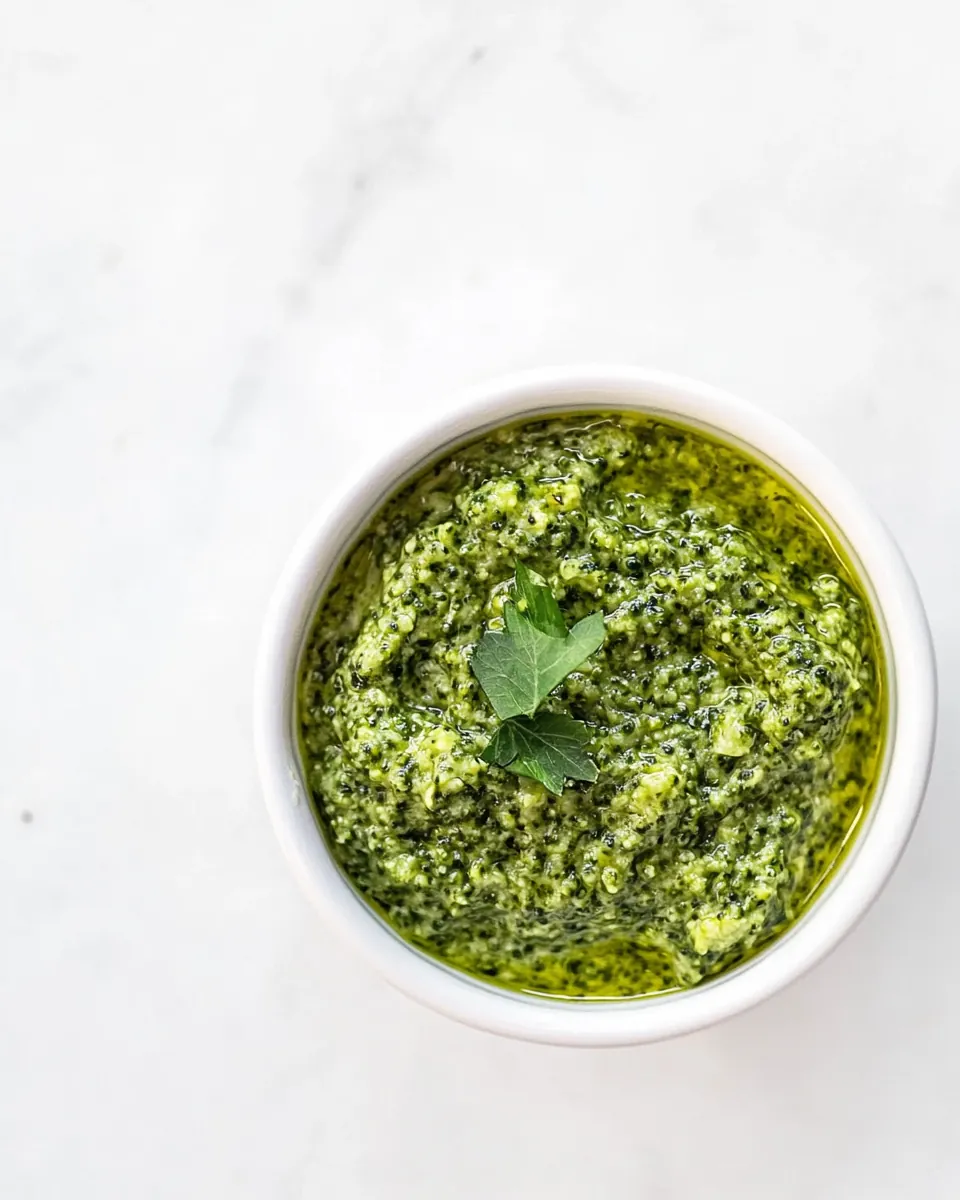
These ingredients work in concert to build bright flavor and creamy texture. The toasted nuts provide a toasty backbone, the broccoli brings vegetal body, and the Parmesan cheese adds savory depth. Acid from lemon juice and the aromatic lift of garlic keep the pesto lively, while the extra virgin olive oil ties everything together with a silky finish.
- 1/2 cup pine nuts: Toasted until fragrant and slightly golden, adds a rich, nutty backbone and pleasant crunch that complements the creamy pesto texture. Use sparingly to avoid bitterness, and pulse to incorporate evenly into the sauce.
- 2 1/2 cups broccoli cut into small florets and tightly packed: Blanched and shocked to preserve color, provides the primary vegetable body and a slightly earthy, mild flavor that bulk up the pesto. Chop into small florets to ensure smooth blending and an even green hue throughout the sauce.
- 1 cup basil tightly packed: Washed and packed tightly, contributes bright, aromatic herbal notes and fresh green color to balance the richness of nuts and cheese. Add just before blending to preserve volatile oils and vibrant flavor.
- 1 tablespoon fresh lemon juice: Squeezed for brightness, cuts through the richness and lifts the overall flavor while preventing the pesto from tasting heavy. Add gradually and taste to achieve a balanced tang that complements the basil and cheese.
- 1 teaspoon lemon zest: Zested finely to deliver concentrated citrus oils that enhance aroma and add subtle brightness without additional acidity. Sprinkle in small amounts to avoid overpowering the pesto’s herbal character.
- 1 teaspoon fresh garlic minced: Minced finely to provide pungent, savory depth and a subtle heat that melds with the other components when blended. Incorporate in small quantities and adjust to taste, as raw garlic can dominate if overused.
- 1/2 cup Parmesan cheese grated and lightly packed (roughly 30 g): Grated finely to lend savory umami, creaminess, and a slightly salty edge, helping to bind the pesto into a cohesive, rich sauce. Fold in near the end of blending to preserve texture and distribute flavor evenly.
- 1/2 cup extra virgin olive oil: Poured slowly while blending to create a smooth, silky emulsion that carries flavors and provides a luscious mouthfeel. Use good-quality extra virgin olive oil for optimal flavor and drizzle until desired consistency is reached.
- 3/4 to 1 teaspoon salt or to taste: Measured and adjusted to taste to enhance and balance all flavors without overwhelming the pesto’s natural brightness. Start at the lower amount and increase gradually, tasting as you go to reach the preferred seasoning.
Putting Together Broccoli Pesto
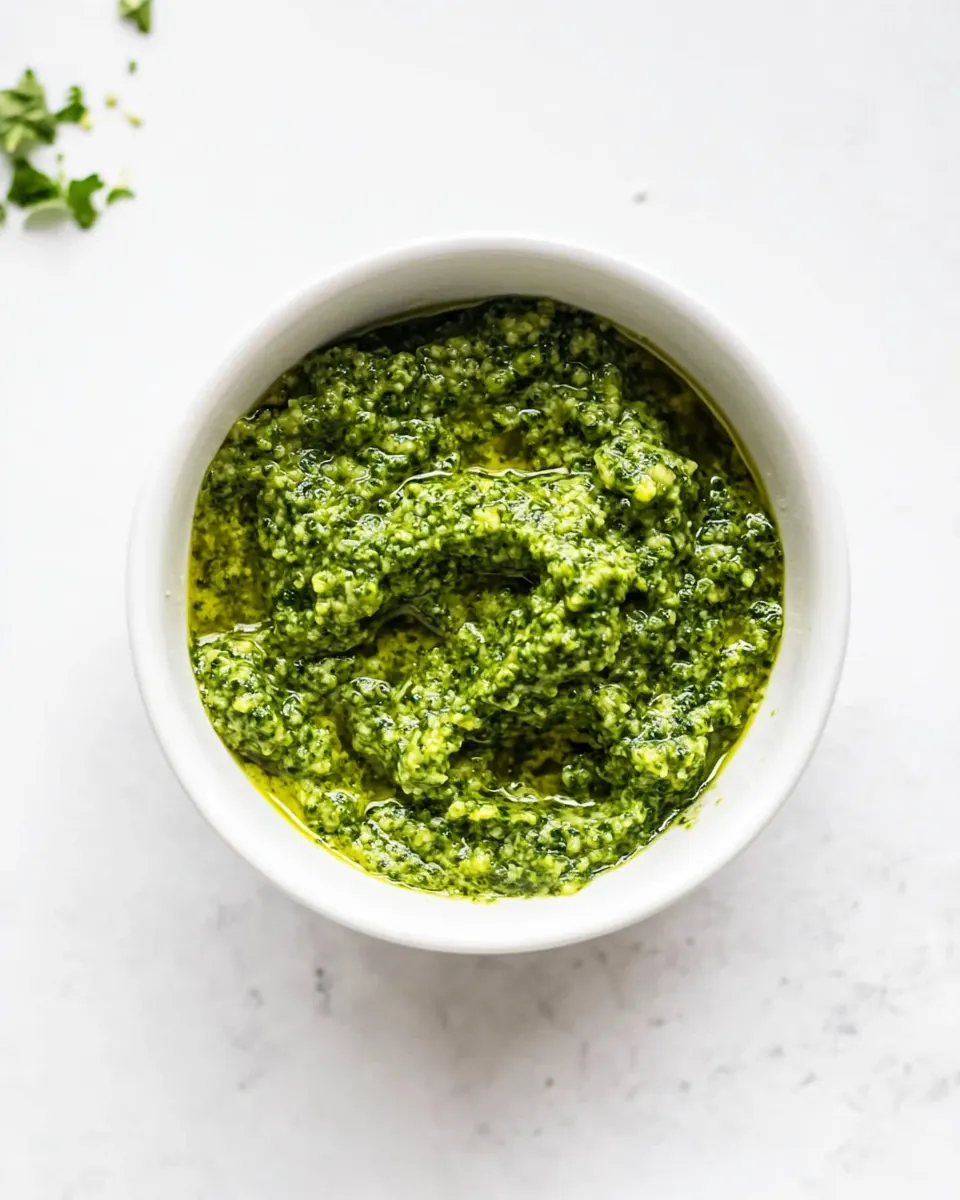
Bringing this sauce together is quick, and the process is where the flavor deepens. I rely on short bursts of toasting and careful processing to coax the best from each ingredient. Below I expand each direction into detailed steps that will help you sense when you are on track and avoid common pitfalls.
- Heat your oven to 400°F and spread the pine nuts on a small baking sheet. Bake until golden brown, about 4 to 7 minutes.: The moment the nuts hit the hot sheet the kitchen fills with a warm, toasty scent, and you should hear a faint whisper as they begin to brown. This quick heat concentrates oils inside the pine nuts , making their flavor richer and more complex. Watch them constantly, rotating the pan if your oven runs hot, because they can go from golden to burnt in a blink. A typical mistake is leaving them unattended, which often produces bitter, unusable bits. You'll know they're ready when the color deepens to a light golden brown and they smell distinctly nutty.
- Transfer the warm pine nuts to a food processor and process until they are mostly broken down.: As the minutes pass, pay attention to both aroma and color because ovens vary. Light popping or a soft sizzle can be the only audible cue beyond the fragrance. Remove them as soon as they reach an even golden hue to avoid any burnt aftertaste. Allow the nuts to cool briefly; hot oils will continue to cook internal edges if left on the pan. Dropping them straight into the processor while too hot can release extra oil, altering texture.
- Add the broccoli and process until broken down. Then, add the basil, lemon juice, lemon zest, and garlic, and process until well combined.: When you pulse the pine nuts , you should see coarse crumbs begin to form, and the aroma will intensify. This broken-down texture forms the backbone of the pesto and helps bind the other components. Avoid overprocessing into a paste at this stage because you want small granular bits to remain for mouthfeel. One common error is running the machine too long, which can release too much oil and make the final sauce greasy.
- Add in the Parmesan cheese and process until well combined.: Adding the broccoli will change the processor's sound to a steadier hum, and the mixture should begin to look uniformly green. Process until the florets are reduced to small, grainy pieces, which creates body without turning the sauce into a puree. The visual cue is a cohesive but slightly textured mass. Over-blending here removes the pleasant tooth of the broccoli , so stop when you still see tiny flecks.
- With the food processor running, very slowly stream in the olive oil. When you reach the consistency of pesto, season with salt to taste and serve.: At this stage the aroma should brighten noticeably as the basil and lemon oils release. The lemon zest gives tiny bright flecks, and the minced garlic warms the blend with savory notes. Process just until everything is integrated and fragrant, because prolonged blending will dull the fresh herb perfume. A typical misstep is adding too much garlic early, which can dominate; taste and adjust after a short blend.
- Add in the Parmesan cheese and process until well combined: When the Parmesan cheese goes in, the mixture gains a slightly thicker, creamier appearance and an umami scent. The cheese melts into the warm bits and helps the sauce cohere. Let the processor run long enough for even distribution, but pause to scrape down the sides so no dry pockets remain. Adding large clumps of cheese at once may cause uneven incorporation, so sprinkle it in and check texture frequently.
- With the food processor running, very slowly stream in the olive oil: The slow stream is crucial because it creates a silky emulsion that binds the nuts, vegetables, and cheese. As the oil incorporates, watch the mixture change from coarse to glossy and smooth. This step affects mouthfeel most of all, and the right pace yields a sauce that clings to pasta or spoons easily onto bread. Pouring too quickly prevents emulsification, leaving the oil separated and greasy on top rather than integrated.
- When you reach the consistency of pesto, season with salt to taste and serve: The final texture should be spreadable but not watery, with a subtle sheen from the extra virgin olive oil . Taste carefully because the Parmesan cheese already contributes salt, so adjust slowly. If the sauce seems too thick, add a small splash of water or more oil in measured amounts, tasting as you go. A common mistake is over-salting at this stage, which can make the pesto heavy and mask the herbs. Serve immediately for brightest color and flavor, or store briefly refrigerated if needed.
Change It Up
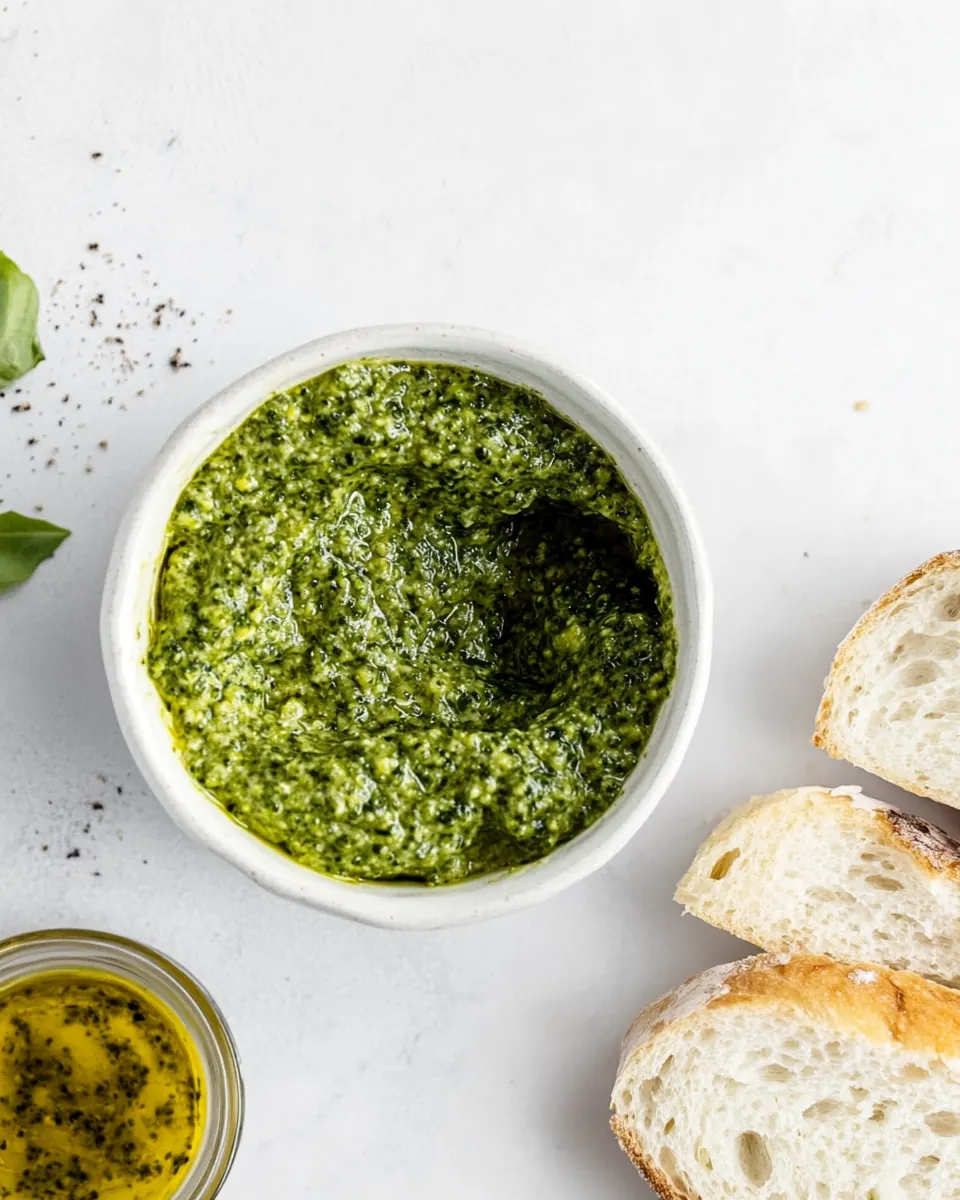
This sauce is a wonderful springboard for experimentation, and a few thoughtful swaps or additions can transform it for different meals. Below are tips I use to adapt the pesto without losing its essential character.
- Boost texture by reserving a tablespoon of toasted pine nuts to stir in at the end, which adds a little crunch and contrast.
- Lighten the sauce if you prefer a looser consistency by adding one to two tablespoons of warm pasta cooking water while tossing the pasta.
- Make it dairy free by omitting the Parmesan cheese and increasing the pine nuts slightly, then adjust salt to taste for a similar savory depth.
- Store smart by pressing plastic wrap directly onto the pesto surface before sealing the jar, this minimizes oxidation and keeps the color vibrant.
- Turn it into a spread by chilling the pesto until firm, then spreading on crusty bread for sandwiches or crostini topped with roasted vegetables.
What to Serve With Broccoli Pesto
Broccoli Pesto is surprisingly versatile and pairs well with simple carbs, grilled vegetables, and proteins that let the sauce shine. Below are serving ideas, occasion notes, and storage suggestions to help you make the most of a batch.
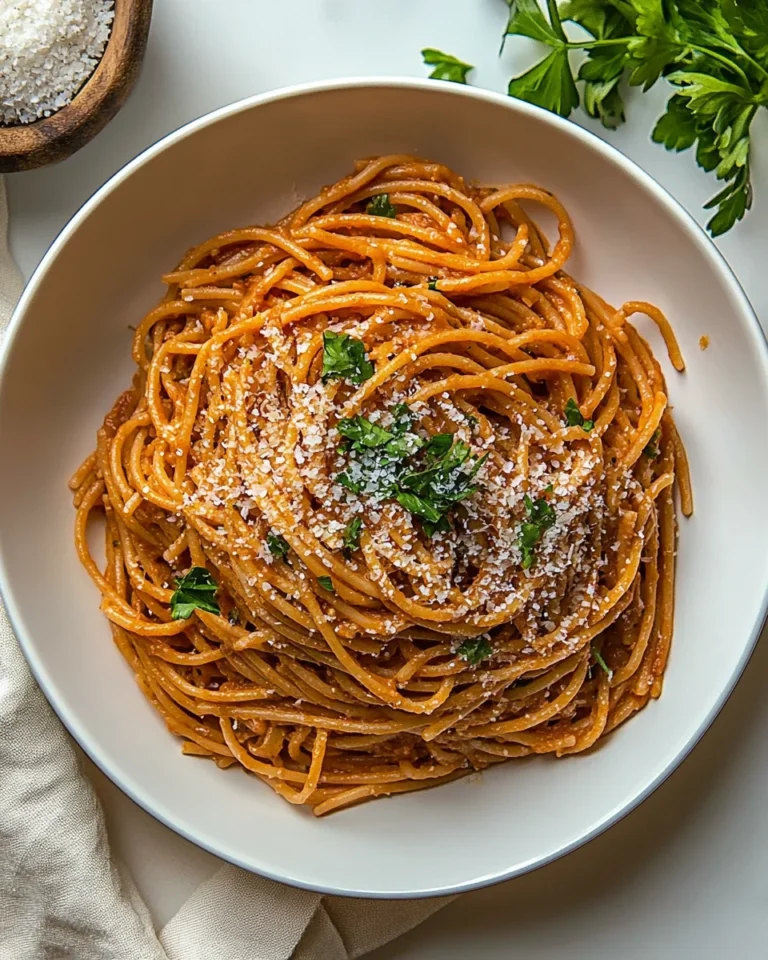
- Pasta, especially short shapes like fusilli or rigatoni, hold the pesto in their crevices and make an easy weeknight main; toss with reserved pasta water for silkiness.
- Grilled vegetables such as eggplant or zucchini get an instant flavor upgrade when spooned with pesto right after cooking, adding freshness and color.
- Sandwich spread on toasted bread creates a bright base for roasted vegetables or cheese, turning a simple lunch into something memorable.
- Occasions, this sauce works well for casual lunches, spring dinners, or potlucks because it travels well in a jar and pairs with many dishes; bring it to gatherings as a dip for crudites.
- Storage, refrigerate in an airtight container for up to five days, or freeze in ice cube trays for convenient single‑serve portions that thaw quickly.
- Seasonal pairing, it shines in spring when basil and broccoli are at their freshest, but it also brightens winter meals when you need a green boost.
FAQ
Conclusion
Broccoli Pesto stands out because it turns simple pantry staples into a bright, versatile sauce that lifts pasta, sandwiches, and roasted vegetables. If you enjoy bold herbaceous flavors paired with a nutty, cheesy backbone, this recipe is an easy way to add freshness to weeknight meals. Give it a try this week, and you may find yourself reaching for the jar to brighten leftovers and quick dinners alike.
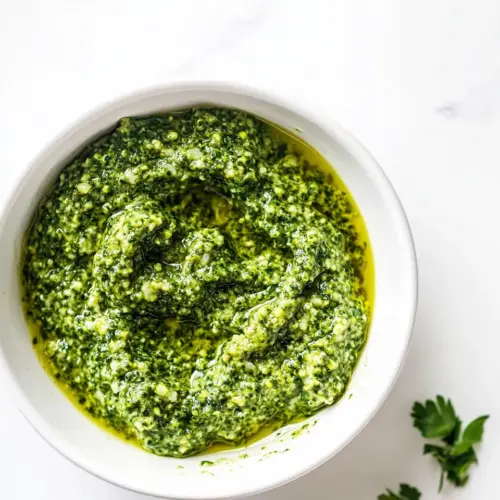
Broccoli Pesto
Equipment
- Oven
- Small baking sheet
- Food Processor
Ingredients
- 1/2 cup pine nuts Toasted until fragrant and slightly golden, adds a rich, nutty backbone and pleasant crunch that complements the creamy pesto texture. Use sparingly to avoid bitterness, and pulse to incorporate evenly into the sauce.
- 2 1/2 cups broccoli cut into small florets and tightly packed Blanched and shocked to preserve color, provides the primary vegetable body and a slightly earthy, mild flavor that bulk up the pesto. Chop into small florets to ensure smooth blending and an even green hue throughout the sauce.
- 1 cup basil tightly packed Washed and packed tightly, contributes bright, aromatic herbal notes and fresh green color to balance the richness of nuts and cheese. Add just before blending to preserve volatile oils and vibrant flavor.
- 1 tablespoon fresh lemon juice Squeezed for brightness, cuts through the richness and lifts the overall flavor while preventing the pesto from tasting heavy. Add gradually and taste to achieve a balanced tang that complements the basil and cheese.
- 1 teaspoon lemon zest Zested finely to deliver concentrated citrus oils that enhance aroma and add subtle brightness without additional acidity. Sprinkle in small amounts to avoid overpowering the pesto’s herbal character.
- 1 teaspoon fresh garlic minced Minced finely to provide pungent, savory depth and a subtle heat that melds with the other components when blended. Incorporate in small quantities and adjust to taste, as raw garlic can dominate if overused.
- 1/2 cup Parmesan cheese grated and lightly packed (roughly 30 g) Grated finely to lend savory umami, creaminess, and a slightly salty edge, helping to bind the pesto into a cohesive, rich sauce. Fold in near the end of blending to preserve texture and distribute flavor evenly.
- 1/2 cup extra virgin olive oil Poured slowly while blending to create a smooth, silky emulsion that carries flavors and provides a luscious mouthfeel. Use good-quality extra virgin olive oil for optimal flavor and drizzle until desired consistency is reached.
- 3/4 to 1 teaspoon salt or to taste Measured and adjusted to taste to enhance and balance all flavors without overwhelming the pesto’s natural brightness. Start at the lower amount and increase gradually, tasting as you go to reach the preferred seasoning.
Instructions
- Heat your oven to 400°F and spread the pine nuts on a small baking sheet. Bake until golden brown, about 4 to 7 minutes.: The moment the nuts hit the hot sheet the kitchen fills with a warm, toasty scent, and you should hear a faint whisper as they begin to brown. This quick heat concentrates oils inside the pine nuts , making their flavor richer and more complex. Watch them constantly, rotating the pan if your oven runs hot, because they can go from golden to burnt in a blink. A typical mistake is leaving them unattended, which often produces bitter, unusable bits. You'll know they're ready when the color deepens to a light golden brown and they smell distinctly nutty.
- Transfer the warm pine nuts to a food processor and process until they are mostly broken down.: As the minutes pass, pay attention to both aroma and color because ovens vary. Light popping or a soft sizzle can be the only audible cue beyond the fragrance. Remove them as soon as they reach an even golden hue to avoid any burnt aftertaste. Allow the nuts to cool briefly; hot oils will continue to cook internal edges if left on the pan. Dropping them straight into the processor while too hot can release extra oil, altering texture.
- Add the broccoli and process until broken down. Then, add the basil, lemon juice, lemon zest, and garlic, and process until well combined.: When you pulse the pine nuts , you should see coarse crumbs begin to form, and the aroma will intensify. This broken-down texture forms the backbone of the pesto and helps bind the other components. Avoid overprocessing into a paste at this stage because you want small granular bits to remain for mouthfeel. One common error is running the machine too long, which can release too much oil and make the final sauce greasy.
- Add in the Parmesan cheese and process until well combined.: Adding the broccoli will change the processor's sound to a steadier hum, and the mixture should begin to look uniformly green. Process until the florets are reduced to small, grainy pieces, which creates body without turning the sauce into a puree. The visual cue is a cohesive but slightly textured mass. Over-blending here removes the pleasant tooth of the broccoli , so stop when you still see tiny flecks.
- With the food processor running, very slowly stream in the olive oil. When you reach the consistency of pesto, season with salt to taste and serve.: At this stage the aroma should brighten noticeably as the basil and lemon oils release. The lemon zest gives tiny bright flecks, and the minced garlic warms the blend with savory notes. Process just until everything is integrated and fragrant, because prolonged blending will dull the fresh herb perfume. A typical misstep is adding too much garlic early, which can dominate; taste and adjust after a short blend.
- Add in the Parmesan cheese and process until well combined: When the Parmesan cheese goes in, the mixture gains a slightly thicker, creamier appearance and an umami scent. The cheese melts into the warm bits and helps the sauce cohere. Let the processor run long enough for even distribution, but pause to scrape down the sides so no dry pockets remain. Adding large clumps of cheese at once may cause uneven incorporation, so sprinkle it in and check texture frequently.
- With the food processor running, very slowly stream in the olive oil: The slow stream is crucial because it creates a silky emulsion that binds the nuts, vegetables, and cheese. As the oil incorporates, watch the mixture change from coarse to glossy and smooth. This step affects mouthfeel most of all, and the right pace yields a sauce that clings to pasta or spoons easily onto bread. Pouring too quickly prevents emulsification, leaving the oil separated and greasy on top rather than integrated.
- When you reach the consistency of pesto, season with salt to taste and serve: The final texture should be spreadable but not watery, with a subtle sheen from the extra virgin olive oil . Taste carefully because the Parmesan cheese already contributes salt, so adjust slowly. If the sauce seems too thick, add a small splash of water or more oil in measured amounts, tasting as you go. A common mistake is over-salting at this stage, which can make the pesto heavy and mask the herbs. Serve immediately for brightest color and flavor, or store briefly refrigerated if needed.
Notes
- Boost texture by reserving a tablespoon of toasted pine nuts to stir in at the end, which adds a little crunch and contrast.
- Lighten the sauce if you prefer a looser consistency by adding one to two tablespoons of warm pasta cooking water while tossing the pasta.
- Make it dairy free by omitting the Parmesan cheese and increasing the pine nuts slightly, then adjust salt to taste for a similar savory depth.
- Store smart by pressing plastic wrap directly onto the pesto surface before sealing the jar, this minimizes oxidation and keeps the color vibrant.
- Turn it into a spread by chilling the pesto until firm, then spreading on crusty bread for sandwiches or crostini topped with roasted vegetables.