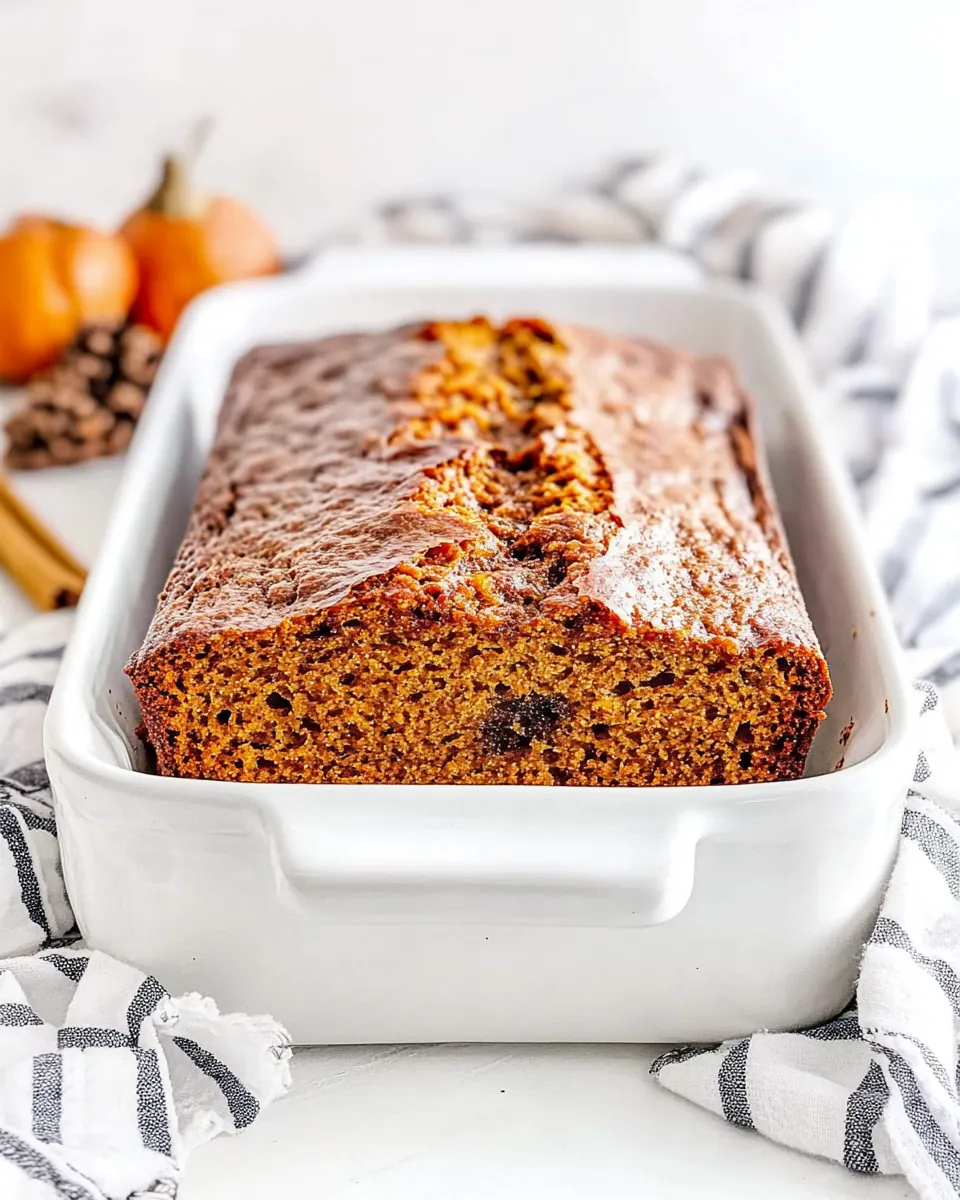
Persimmon Bread
Persimmon Bread has been a kitchen staple for me every fall since I first learned to coax sweetness from the soft orange fruit at my grandmother’s table. I still remember the slightly sticky hands after scooping the pulp, and the way the warm loaf perfumed the house with cinnamon and nutmeg, calling everyone to the counter. Over the years I’ve adjusted the recipe, swapping oils and folding in nuts or dried fruit depending on what I have on hand, but the heart of the loaf remains the same, comforting and honest.
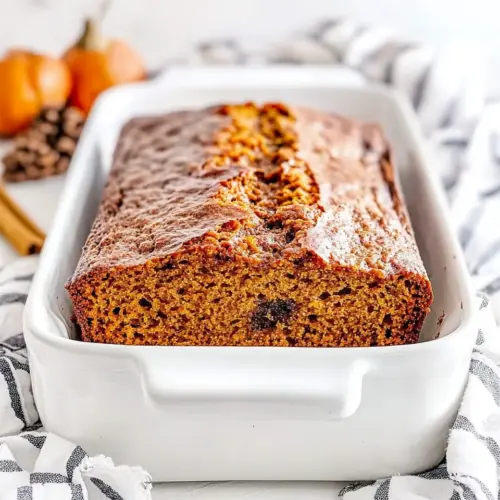
That memory of the first slice, still warm and slightly crumbly, is why I return to Persimmon Bread whenever the leaves turn. I like how the crumb stays moist, thanks to the fruit pulp and a little water, and how the spices make each bite feel like a small celebration of the season. When friends come by, I wrap a loaf and hand it over with a grin, knowing the recipient is about to unwrap something simple but soulful. Baking this loaf feels like a conversation, every stir and fold an easy sentence that leads to a rewarding ending.
Recipe Snapshot
1 hr 25 mins
15 mins
70 mins
Medium
250 kcal
American
Vegan, Gluten-Free
Desserts
Loaf pans, Mixing bowls, Whisk, Spatula, Wire rack
What We Adore About This Persimmon Bread
Deep seasonal flavor that is subtle not overpowering
I love how Persimmon Bread relies on ripe persimmon pulp to bring sweetness and moisture, instead of packing in more sugar. The fruit gives a gentle, earthy note that pairs beautifully with warm spices, so the loaf tastes like fall without being cloying. I find this balance makes it easy to serve for breakfast or as an afternoon treat.
Texture that stays moist
The combination of canola oil, applesauce style pulp, and a touch of water keeps the crumb soft for days. I adore that you can slice it thin for toast or thicker for a dessert style serving, and it still holds together. When I store slices wrapped in foil, they remain tender and slice cleanly which makes mornings less chaotic.
Flexible additions make it approachable
I appreciate that this loaf accepts swaps like chopped walnuts or dried fruit without losing its identity. That flexibility means I can use what I have on hand, and each variation gives a new, pleasing texture contrast. I often fold in raisins or cranberries for chew and a pop of tartness, and it never disappoints.
Perfect for gifting and gatherings
There is something warm about giving a loaf of Persimmon Bread. It feels homemade, thoughtful, and seasonal. I often bake two loaves, keeping one for home and sending the other home with a friend. The loaf slices well for sharing and looks charming wrapped in simple parchment.
Low fuss but impressive results
What I truly love is how uncomplicated the method is. A few bowls, some gentle folding, and about an hour in the oven yields a loaf that tastes far more sophisticated than the effort suggests. For busy afternoons when you want to bake without a long list of steps, this recipe delivers satisfaction every time.
Recipe Ingredients for Persimmon Bread
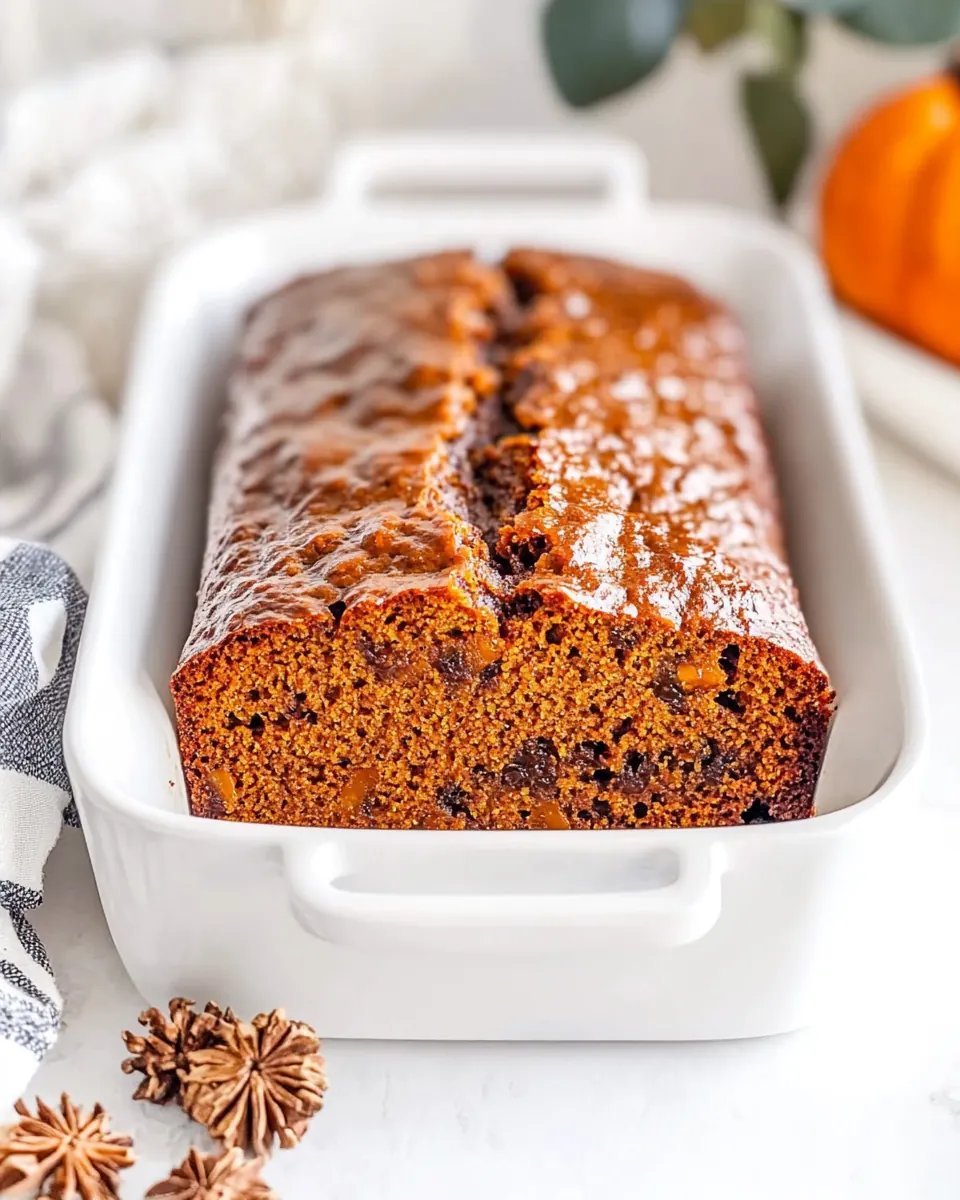
The ingredient list for Persimmon Bread is a study in balance. Each component plays a clear role: the fruit pulp brings moisture and subtle sweetness, the flours provide structure, and the spices add warmth. Nuts and dried fruit create contrast, while baking soda helps the loaf rise and achieve the ideal tender crumb. Together they result in a loaf that is sturdy enough to slice, yet soft and comforting.
- 1 1/2 cups Hachiya persimmon pulp: Puree Hachiya persimmon pulp until silky smooth to provide deep, sweet, and slightly tangy moisture that defines the bread’s flavor; its natural pectin helps bind the loaf while contributing rich color. Use fully ripe Hachiya fruit for best texture and to avoid astringency, measuring after straining out seeds and fibers if needed.
- 2 teaspoons baking soda: Neutralize acids by dissolving baking soda in the batter where it reacts with the persimmon’s acidity to provide lift and a tender crumb; distribute evenly to avoid metallic pockets. Measure accurately because excess baking soda can alter flavor and color.
- 1 3/4 cups brown sugar: Sweeten and add moistness using brown sugar, whose molasses content contributes caramel notes and a soft texture while helping crust browning. Cream lightly with oil and eggs or mix thoroughly into wet ingredients to ensure even sweetness throughout the loaf.
- 1 cup canola or another neutral oil: Provide richness and tender crumb with canola or another neutral oil, which keeps the bread moist longer than butter and allows persimmon flavor to shine. Choose a neutral oil to avoid competing flavors and measure at room temperature for consistent incorporation.
- 4 eggs: Bind and leaven slightly with eggs, which add structure, richness, and moisture while helping emulsify the batter for an even rise. Beat eggs briefly before adding to ensure uniform distribution and stable texture.
- 2 teaspoons ground cinnamon: Warm the batter with ground cinnamon to introduce aromatic, sweet-spicy depth that complements persimmon and brown sugar; sprinkle evenly to avoid clumping. Use fresh ground cinnamon for optimal fragrance and stir well into the dry ingredients.
- 1 teaspoon ground nutmeg: Enhance warmth with ground nutmeg, adding a subtle, nutty-marrowed aroma that layers into the overall spice profile without overpowering. Grate or measure fresh ground nutmeg sparingly to maintain balance with cinnamon and cloves.
- 1/2 teaspoon ground cloves: Accentuate aromatic complexity with ground cloves, providing a strong, slightly sweet and pungent note that pairs well with persimmon and other warm spices. Use a small amount due to its potency and blend thoroughly with the other spices.
- 1 1/2 teaspoons salt: Season the loaf using salt to balance sweetness and amplify the other flavors, improving overall depth and enhancing the perception of sweetness. Dissolve and mix evenly to ensure consistent seasoning throughout the bread.
- 1/2 cup water: Adjust batter consistency with water to achieve the correct viscosity, helping to blend thick persimmon pulp and flours while maintaining moistness during baking. Add gradually and monitor texture so the loaf remains tender but not gummy.
- 1 1/2 cups all-purpose flour: Provide structure and chewy tenderness with all-purpose flour, contributing gluten that supports rise and holds mix-ins; sift or whisk with other dry ingredients to ensure even distribution. Combine with whole wheat flour carefully to avoid overmixing and developing excess gluten.
- 1 1/2 cups white whole wheat flour: Contribute nuttier flavor and additional fiber using white whole wheat flour, which offers a lighter texture than traditional whole wheat while retaining whole-grain character. Balance with all-purpose flour for optimal crumb and to prevent a dense loaf.
- 1 1/2 cups chopped walnuts: Add crunchy texture and toasty, slightly bitter-sweet walnut flavor with chopped walnuts; fold in near the end of mixing to prevent sinking and to preserve crunch after baking. Toast walnuts lightly beforehand for enhanced aroma if desired.
- 1 1/2 cup dried fruit raisins, cranberries, dates (chopped – ) (optional): Introduce chewy bursts and natural sweetness with dried fruits such as raisins, cranberries, or chopped dates, which complement persimmon’s flavor and add textural contrast; rehydrate if particularly dry to prevent them drawing moisture from the batter. Fold in gently to distribute evenly and avoid clumping in the batter.
- glaze from persimmon cookies: Finish with a persimmon cookie glaze that provides a glossy, sweet coating carrying forward persimmon flavor and adding moistness to the crust; drizzle or spread after the loaf has cooled slightly to allow the glaze to set. Adjust glaze thickness for desired sheen and sweetness.
The Method for Persimmon Bread
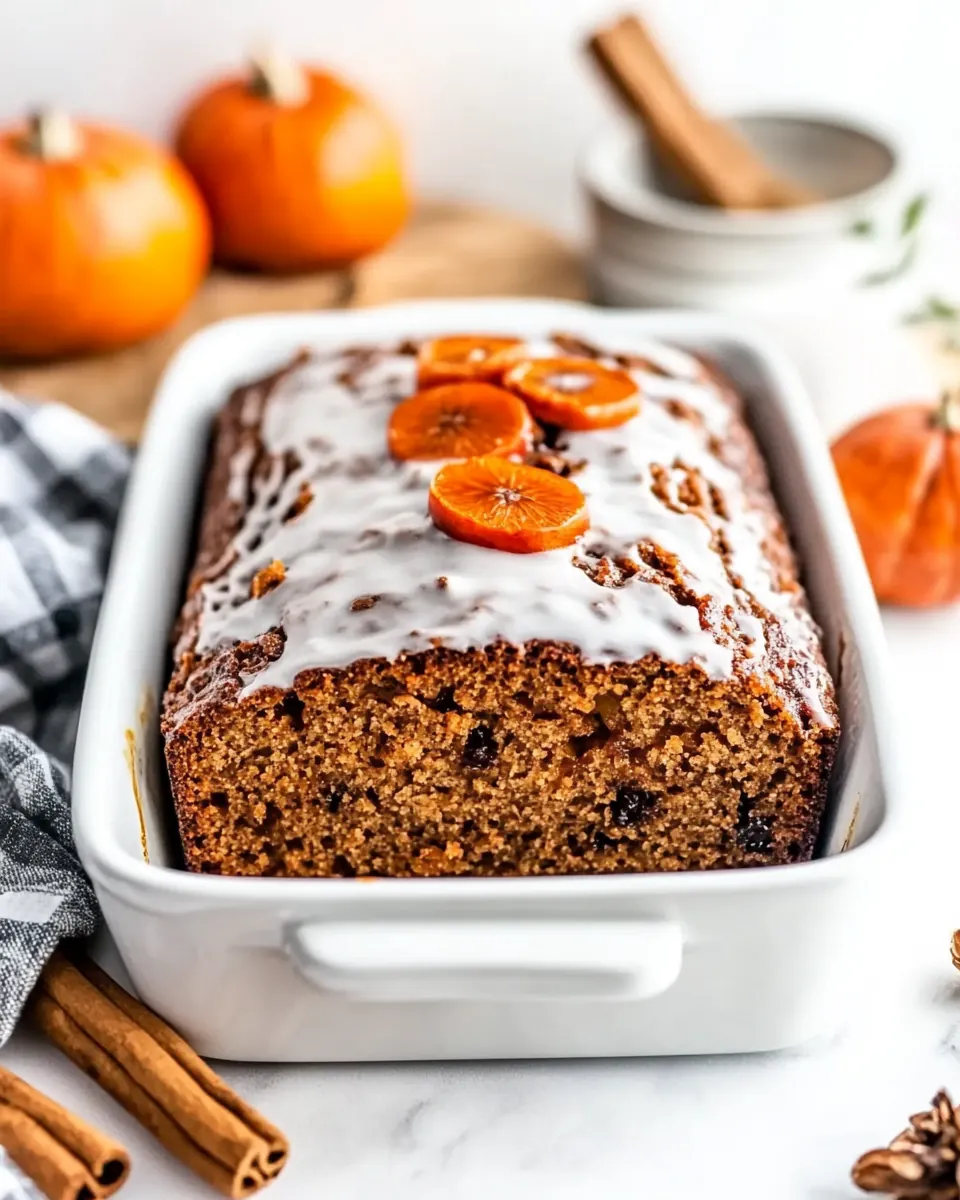
Baking Persimmon Bread is straightforward and rewarding. I approach it with gentle attention, favoring folding over vigorous mixing to keep the crumb tender. Below I reinterpret each original direction into rich, sensory steps that help you feel confident at the oven door.
- Preheat oven to 350 and lightly grease and flour 2 loaf pans (9"x 5"x 3").: As the oven warms to 350 degrees, you will notice the room temperature shift and a faint warmth that promises transformation. Greasing and flouring the pans creates a thin barrier so the loaf releases cleanly, the crust gently caramelizing instead of sticking. I prefer using a light oil swipe and dust of flour for an even release. A common pitfall is not preheating long enough, which can cause uneven rise; always wait until the oven thermometer reads steady 350 .
- Whisk flours together in a separate bowl and set aside.: When you whisk the all-purpose flour and white whole wheat flour , you create an even distribution of proteins and any small lumps, resulting in a uniformly textured batter. The combined flours look paler and feel smoother under the whisk, and preblending prevents pockets of heavy flour forming later. Avoid shaking the bowl vigorously because you might aerate the flours too much; gentle whisking is best for consistent incorporation.
- Remove skin and stem from persimmon. Place pulp in a small mixing bowl and mash.: Working with ripe Hachiya persimmon pulp is silky and slightly sticky, and as you mash it the aroma becomes rich and fruit forward. Use a fork or potato masher until the pulp is soft and relatively smooth; small visible seeds or fibers are fine. If the fruit is underripe it will resist mashing and taste astringent, so always confirm softness before starting. An easy mistake is leaving large chunks which can sink in the loaf and create uneven texture.
- Add baking soda to persimmon pulp and mix in. Let sit for 5 minutes. This will thicken the pulp.: When baking soda meets the acidic persimmon pulp , you may notice slight fizzing and the pulp will darken and thicken as it reacts. That five minute rest is crucial, it develops lift and integrates the chemical leavening for a more tender crumb. If you skip this rest the rise may be less even; patience here ensures a better oven spring and balanced texture.
- In a medium bowl combine sugar, oil, eggs, spices and salt. Blend until smooth.: As you whisk brown sugar , canola oil , eggs , ground cinnamon , ground nutmeg , ground cloves , and salt the mixture becomes glossy and homogeneous, and the spices perfume the mixture with warm, inviting scents. Emulsifying these ingredients helps suspend flour particles later, giving an even crumb. Overbeating after adding flour can yield toughness, so stop once the mixture is smooth and aromatic.
- Alternatively mix in flour, persimmon and water. Fold in nuts and fruit. Top with additional nuts if desired.: After blending wet ingredients, folding in the whisked flours , the thickened persimmon pulp , and water results in a batter that moves slowly off the spatula, speckled with brown sugar and spice. The folding motion preserves air, so the loaf bakes lighter rather than dense. When you incorporate chopped walnuts and dried fruit, do so gently to avoid smashing nuts or clumping the fruit which can create dense pockets. If the batter looks overly stiff, a splash more water will help; if it seems too runny, add a tablespoon of flour at a time.
- Fill batter in prepared loaf pans each to 2/3 full.: As you spoon batter into the pans, you will see its surface settle into a slightly domed mound. Filling to two thirds gives room for the loaf to rise and form a rounded top without spilling over. Smooth the surface lightly with a spatula, and if you plan extra nuts on top press them in now so they toast evenly. A frequent error is overfilling the pans which leads to batter spilling and uneven baking, so err on the side of a little less batter if unsure.
- Bake for 45-55 minutes or until a toothpick inserted in the middle comes out clean. Cool in pan for 10 minutes before removing to a wire rack to cool completely.: During baking the kitchen will fill with the scent of warmed spices and caramelizing sugar, and the loaf will darken to a golden brown. The sound is subtle, a quiet settling as steam escapes; visually the top will spring back when touched gently. A toothpick test ensures the center is set, and the brief ten minute rest in the pan lets the structure stabilize so the loaf does not collapse when unmolded. Rushing to remove it can cause the center to sink, so give it that short cooling window.
- Add glaze from persimmon cookies if desired (optional): Brushing a light persimmon cookie glaze on a warm loaf adds shine and a hint more fruit flavor, enhancing the aroma and making slices look extra inviting. The glaze should be thin enough to brush easily but not so thin that it runs everywhere; cool the loaf slightly before glazing to avoid melting it away. If you apply glaze while the loaf is too hot it will pool and drip, so let the bread sit the suggested time to achieve a pretty finish.
Recipe Tips about Persimmon Bread
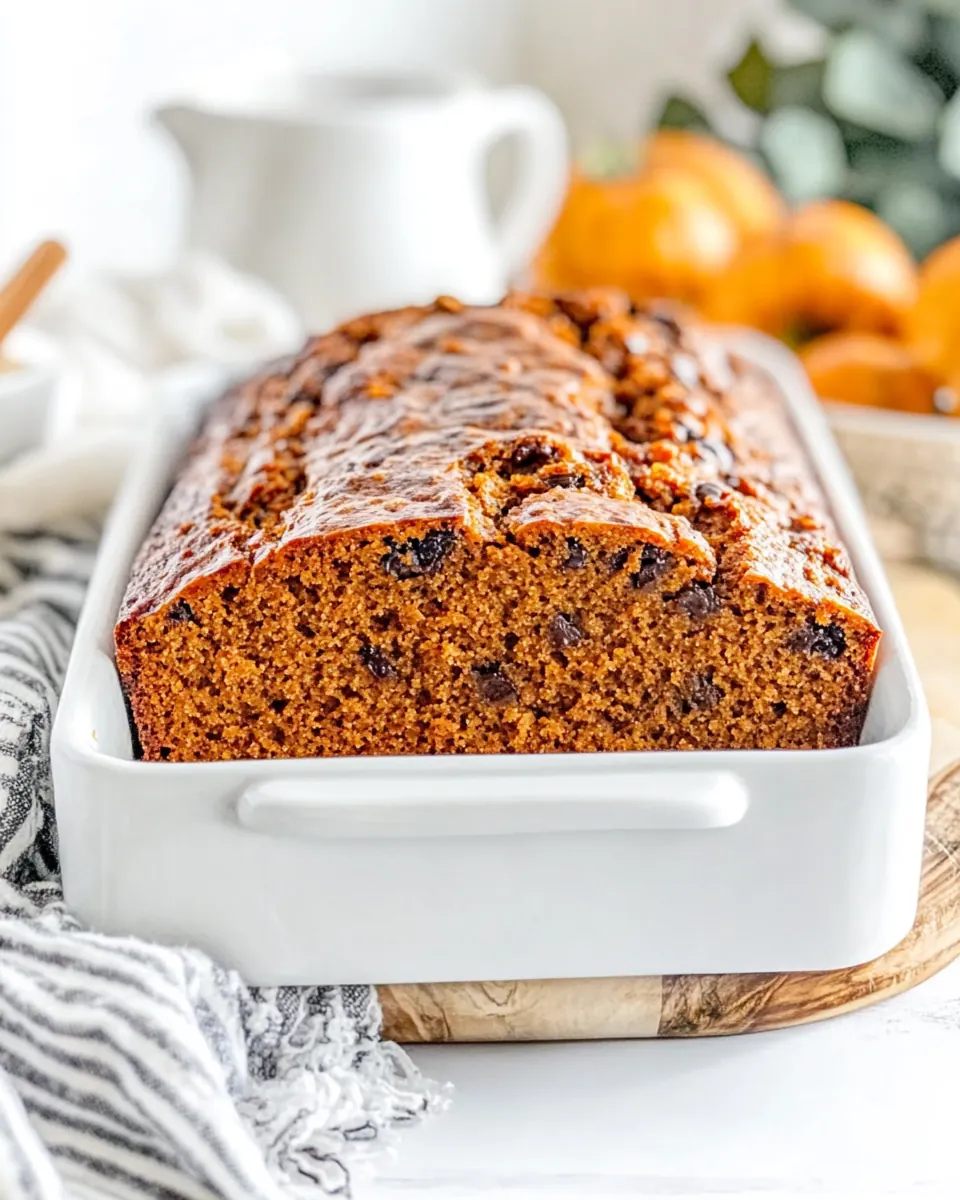
I like to keep tips practical and recipe specific so each loaf turns out reliably. Below are expanded, hands on suggestions that I use in my own kitchen when I bake Persimmon Bread. These help with timing, texture, and presentation so you get the loaf you expect.
- Use fully ripe Hachiya persimmons 6 A ripe Hachiya should feel very soft and almost custardy; under ripe fruit will be astringent and can ruin the flavor. Wait until the skin gives under gentle pressure, then scoop the pulp for the recipe.
- Measure flours properly 6 Spoon the all-purpose flour and white whole wheat flour into the measuring cup and level with a knife to avoid compacted cups which lead to a dry loaf. If you scoop directly with the cup you risk over packing the flour and making the batter too stiff.
- Mix gently after adding flours 6 Use folding motions rather than vigorous stirring to preserve air in the batter, this keeps the crumb tender. Stop folding as soon as there are no visible streaks of flour to prevent gluten overdevelopment.
- Test for doneness with a toothpick 6 Insert in the center and watch for moist crumbs not raw batter; a few moist crumbs clinging are fine. If you find wet batter, continue baking checking every five minutes to avoid drying out the edges.
- Store wrapped at room temperature 6 Once cooled, wrap the loaf in foil or plastic and keep at room temperature for two to three days, or freeze slices for longer storage. Proper wrapping prevents the bread from drying and preserves the spice aroma.
Best Served With
Persimmon Bread is versatile to serve across occasions, from a casual breakfast to a cozy dessert. It pairs nicely with warm drinks and simple spreads, and its seasonal profile makes it suited for fall gatherings. Below are serving ideas and storage notes to help you plan meals or gifts.
- For breakfast 6 Serve slightly warmed with a thin spread of butter for a comforting morning treat that pairs well with coffee or tea.
- For brunch or gatherings 6 Slice thinly and arrange on a platter with fruit and cheese for a welcoming buffet; the loaf’s spice complements a variety of flavors.
- For gifting 6 Wrap a loaf in parchment and tie with twine for a seasonal homemade present, ideal for neighbors or hosts during fall get togethers.
- Storage tips 6 Keep wrapped at room temperature for up to three days, refrigerate for up to a week, or freeze slices individually for up to three months to maintain freshness.
- Seasonal pairing 6 This loaf shines in the fall when persimmons are in season, making it a thoughtful addition to holiday brunches or cozy weekend breakfasts.
FAQ
Conclusion
Persimmon Bread stands out for its moist crumb and warm spice character, a loaf that captures the best of fall fruit without being fussy. It bakes up reliably with simple steps, offering a comforting slice for mornings, gatherings, or a thoughtful homemade gift. Try baking a batch this season, tweak with nuts or dried fruit to suit your taste, and enjoy the cozy aromas that will fill your kitchen as it warms. Baking this loaf is a small ritual that yields a generous reward, and I hope it becomes a favorite in your home as it has in mine.
Persimmon Bread
Equipment
- Loaf pans
- Mixing Bowls
- Whisk
- Spatula
- Wire Rack
Ingredients
- 1 1/2 cups Hachiya persimmon pulp Puree Hachiya persimmon pulp until silky smooth to provide deep, sweet, and slightly tangy moisture that defines the bread’s flavor; its natural pectin helps bind the loaf while contributing rich color. Use fully ripe Hachiya fruit for best texture and to avoid astringency, measuring after straining out seeds and fibers if needed.
- 2 teaspoons baking soda Neutralize acids by dissolving baking soda in the batter where it reacts with the persimmon’s acidity to provide lift and a tender crumb; distribute evenly to avoid metallic pockets. Measure accurately because excess baking soda can alter flavor and color.
- 1 3/4 cups brown sugar Sweeten and add moistness using brown sugar, whose molasses content contributes caramel notes and a soft texture while helping crust browning. Cream lightly with oil and eggs or mix thoroughly into wet ingredients to ensure even sweetness throughout the loaf.
- 1 cup canola or another neutral oil Provide richness and tender crumb with canola or another neutral oil, which keeps the bread moist longer than butter and allows persimmon flavor to shine. Choose a neutral oil to avoid competing flavors and measure at room temperature for consistent incorporation.
- 4 eggs Bind and leaven slightly with eggs, which add structure, richness, and moisture while helping emulsify the batter for an even rise. Beat eggs briefly before adding to ensure uniform distribution and stable texture.
- 2 teaspoons ground cinnamon Warm the batter with ground cinnamon to introduce aromatic, sweet-spicy depth that complements persimmon and brown sugar; sprinkle evenly to avoid clumping. Use fresh ground cinnamon for optimal fragrance and stir well into the dry ingredients.
- 1 teaspoon ground nutmeg Enhance warmth with ground nutmeg, adding a subtle, nutty-marrowed aroma that layers into the overall spice profile without overpowering. Grate or measure fresh ground nutmeg sparingly to maintain balance with cinnamon and cloves.
- 1/2 teaspoon ground cloves Accentuate aromatic complexity with ground cloves, providing a strong, slightly sweet and pungent note that pairs well with persimmon and other warm spices. Use a small amount due to its potency and blend thoroughly with the other spices.
- 1 1/2 teaspoons salt Season the loaf using salt to balance sweetness and amplify the other flavors, improving overall depth and enhancing the perception of sweetness. Dissolve and mix evenly to ensure consistent seasoning throughout the bread.
- 1/2 cup water Adjust batter consistency with water to achieve the correct viscosity, helping to blend thick persimmon pulp and flours while maintaining moistness during baking. Add gradually and monitor texture so the loaf remains tender but not gummy.
- 1 1/2 cups all-purpose flour Provide structure and chewy tenderness with all-purpose flour, contributing gluten that supports rise and holds mix-ins; sift or whisk with other dry ingredients to ensure even distribution. Combine with whole wheat flour carefully to avoid overmixing and developing excess gluten.
- 1 1/2 cups white whole wheat flour Contribute nuttier flavor and additional fiber using white whole wheat flour, which offers a lighter texture than traditional whole wheat while retaining whole-grain character. Balance with all-purpose flour for optimal crumb and to prevent a dense loaf.
- 1 1/2 cups chopped walnuts Add crunchy texture and toasty, slightly bitter-sweet walnut flavor with chopped walnuts; fold in near the end of mixing to prevent sinking and to preserve crunch after baking. Toast walnuts lightly beforehand for enhanced aroma if desired.
- 1 1/2 cup dried fruit raisins, cranberries, dates (chopped – optional) Introduce chewy bursts and natural sweetness with dried fruits such as raisins, cranberries, or chopped dates, which complement persimmon’s flavor and add textural contrast; rehydrate if particularly dry to prevent them drawing moisture from the batter. Fold in gently to distribute evenly and avoid clumping in the batter.
- glaze from persimmon cookies Finish with a persimmon cookie glaze that provides a glossy, sweet coating carrying forward persimmon flavor and adding moistness to the crust; drizzle or spread after the loaf has cooled slightly to allow the glaze to set. Adjust glaze thickness for desired sheen and sweetness.
Instructions
- Preheat oven to 350 and lightly grease and flour 2 loaf pans (9"x 5"x 3").: As the oven warms to 350 degrees, you will notice the room temperature shift and a faint warmth that promises transformation. Greasing and flouring the pans creates a thin barrier so the loaf releases cleanly, the crust gently caramelizing instead of sticking. I prefer using a light oil swipe and dust of flour for an even release. A common pitfall is not preheating long enough, which can cause uneven rise; always wait until the oven thermometer reads steady 350 .
- Whisk flours together in a separate bowl and set aside.: When you whisk the all-purpose flour and white whole wheat flour , you create an even distribution of proteins and any small lumps, resulting in a uniformly textured batter. The combined flours look paler and feel smoother under the whisk, and preblending prevents pockets of heavy flour forming later. Avoid shaking the bowl vigorously because you might aerate the flours too much; gentle whisking is best for consistent incorporation.
- Remove skin and stem from persimmon. Place pulp in a small mixing bowl and mash.: Working with ripe Hachiya persimmon pulp is silky and slightly sticky, and as you mash it the aroma becomes rich and fruit forward. Use a fork or potato masher until the pulp is soft and relatively smooth; small visible seeds or fibers are fine. If the fruit is underripe it will resist mashing and taste astringent, so always confirm softness before starting. An easy mistake is leaving large chunks which can sink in the loaf and create uneven texture.
- Add baking soda to persimmon pulp and mix in. Let sit for 5 minutes. This will thicken the pulp.: When baking soda meets the acidic persimmon pulp , you may notice slight fizzing and the pulp will darken and thicken as it reacts. That five minute rest is crucial, it develops lift and integrates the chemical leavening for a more tender crumb. If you skip this rest the rise may be less even; patience here ensures a better oven spring and balanced texture.
- In a medium bowl combine sugar, oil, eggs, spices and salt. Blend until smooth.: As you whisk brown sugar , canola oil , eggs , ground cinnamon , ground nutmeg , ground cloves , and salt the mixture becomes glossy and homogeneous, and the spices perfume the mixture with warm, inviting scents. Emulsifying these ingredients helps suspend flour particles later, giving an even crumb. Overbeating after adding flour can yield toughness, so stop once the mixture is smooth and aromatic.
- Alternatively mix in flour, persimmon and water. Fold in nuts and fruit. Top with additional nuts if desired.: After blending wet ingredients, folding in the whisked flours , the thickened persimmon pulp , and water results in a batter that moves slowly off the spatula, speckled with brown sugar and spice. The folding motion preserves air, so the loaf bakes lighter rather than dense. When you incorporate chopped walnuts and dried fruit, do so gently to avoid smashing nuts or clumping the fruit which can create dense pockets. If the batter looks overly stiff, a splash more water will help; if it seems too runny, add a tablespoon of flour at a time.
- Fill batter in prepared loaf pans each to 2/3 full.: As you spoon batter into the pans, you will see its surface settle into a slightly domed mound. Filling to two thirds gives room for the loaf to rise and form a rounded top without spilling over. Smooth the surface lightly with a spatula, and if you plan extra nuts on top press them in now so they toast evenly. A frequent error is overfilling the pans which leads to batter spilling and uneven baking, so err on the side of a little less batter if unsure.
- Bake for 45-55 minutes or until a toothpick inserted in the middle comes out clean. Cool in pan for 10 minutes before removing to a wire rack to cool completely.: During baking the kitchen will fill with the scent of warmed spices and caramelizing sugar, and the loaf will darken to a golden brown. The sound is subtle, a quiet settling as steam escapes; visually the top will spring back when touched gently. A toothpick test ensures the center is set, and the brief ten minute rest in the pan lets the structure stabilize so the loaf does not collapse when unmolded. Rushing to remove it can cause the center to sink, so give it that short cooling window.
- Add glaze from persimmon cookies if desired (optional): Brushing a light persimmon cookie glaze on a warm loaf adds shine and a hint more fruit flavor, enhancing the aroma and making slices look extra inviting. The glaze should be thin enough to brush easily but not so thin that it runs everywhere; cool the loaf slightly before glazing to avoid melting it away. If you apply glaze while the loaf is too hot it will pool and drip, so let the bread sit the suggested time to achieve a pretty finish.
Notes
- Use fully ripe Hachiya persimmons 6 A ripe Hachiya should feel very soft and almost custardy; under ripe fruit will be astringent and can ruin the flavor. Wait until the skin gives under gentle pressure, then scoop the pulp for the recipe.
- Measure flours properly 6 Spoon the all-purpose flour and white whole wheat flour into the measuring cup and level with a knife to avoid compacted cups which lead to a dry loaf. If you scoop directly with the cup you risk over packing the flour and making the batter too stiff.
- Mix gently after adding flours 6 Use folding motions rather than vigorous stirring to preserve air in the batter, this keeps the crumb tender. Stop folding as soon as there are no visible streaks of flour to prevent gluten overdevelopment.
- Test for doneness with a toothpick 6 Insert in the center and watch for moist crumbs not raw batter; a few moist crumbs clinging are fine. If you find wet batter, continue baking checking every five minutes to avoid drying out the edges.
- Store wrapped at room temperature 6 Once cooled, wrap the loaf in foil or plastic and keep at room temperature for two to three days, or freeze slices for longer storage. Proper wrapping prevents the bread from drying and preserves the spice aroma.
