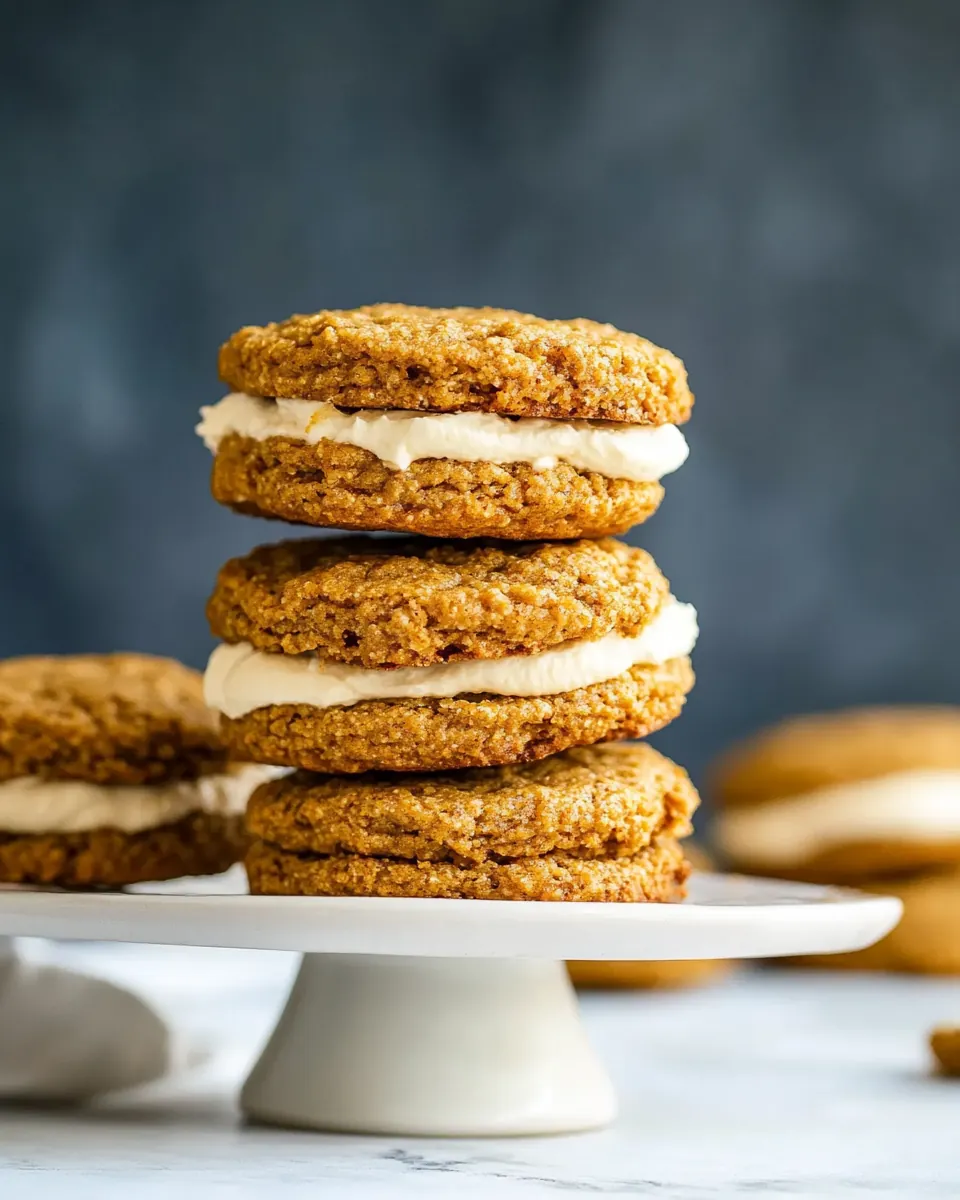
Carrot Cake Sandwich Cookies
Carrot Cake Sandwich Cookies started life as a lunchbox surprise I packed for a friend who loved carrot cake but wanted something portable. I remember the first time I slid a pair of these together, cream cheese oozing gently between two warmly spiced cookies, and thinking how joyful baking can be when it feels both nostalgic and a little bit playful.
Years later I still reach for this recipe when I want a bite that tastes like a celebration in miniature. The texture is what gets me every time, a tender crumb flecked with carrots and oats, the chew of raisins, and the toasty crunch of pecans. I’ll confess that assembling them becomes a small ritual, taking the time to spread exactly the right amount of frosting so each sandwich is balanced and not overly sweet.
On rainy afternoons I bake a batch and leave a little plate on the counter just to see who wanders in. The aroma of cinnamon and ginger fills the kitchen and makes the house feel instantly cozier. When giving them as a gift, I tuck stacks into parchment and tie with twine, and I never fail to get that pleased, surprised look when someone bites into the soft cookie and finds the tangy, lush filling.
Recipe Snapshot
60 mins
45 mins
15 mins
Hard
200 kcal
American
Gluten-Free, Low FODMAP
Desserts
Kitchen Scale (optional), Food Processor, Stand Mixer, 2 Baking Sheet, Cookie Portion Scoop
The Beauty of This Carrot Cake Sandwich Cookies
They capture classic carrot cake flavors in a handheld form
I love that Carrot Cake Sandwich Cookies deliver the familiar spice profile you expect from a carrot cake, but in a tidy, portable package. The blend of cinnamon, apple pie spice, and ground ginger gives each bite warmth and depth without overwhelming the natural sweetness of the carrots.
Textural contrast makes them endlessly interesting
One of the reasons I keep coming back to this recipe is the interplay of textures. The cookies are tender and slightly chewy thanks to the combination of all purpose flour and bread flour, while the oats and pecans introduce a pleasing chew and crunch. The frosting is silky and tangy which balances the cookie’s sweetness perfectly.
They are versatile for gifting and gatherings
I’ll often make a double batch for holidays or potlucks, because these cookies travel well and stay delightful for days when stored properly. The sandwich format makes them feel festive and a little special, which is why they work so well for Easter celebrations or fall get togethers.
Ingredient-driven and forgiving
I appreciate recipes that reward small adjustments, and these do just that. You can slightly coarsen the oats for more texture or swap in different nuts to suit your pantry, and the dough holds its shape well during baking. That forgiving nature is why I recommend them to bakers who want a dependable, crowdpleasing treat.
Frosting that elevates rather than overpowers
The cream cheese filling is brightened with a touch of lemon and orange juice, which lifts the richness and keeps the mouthfeel fresh. I always think of the filling as the final act that ties the spices and the carrot forward flavors together in a balanced way.
What to Buy for Carrot Cake Sandwich Cookies
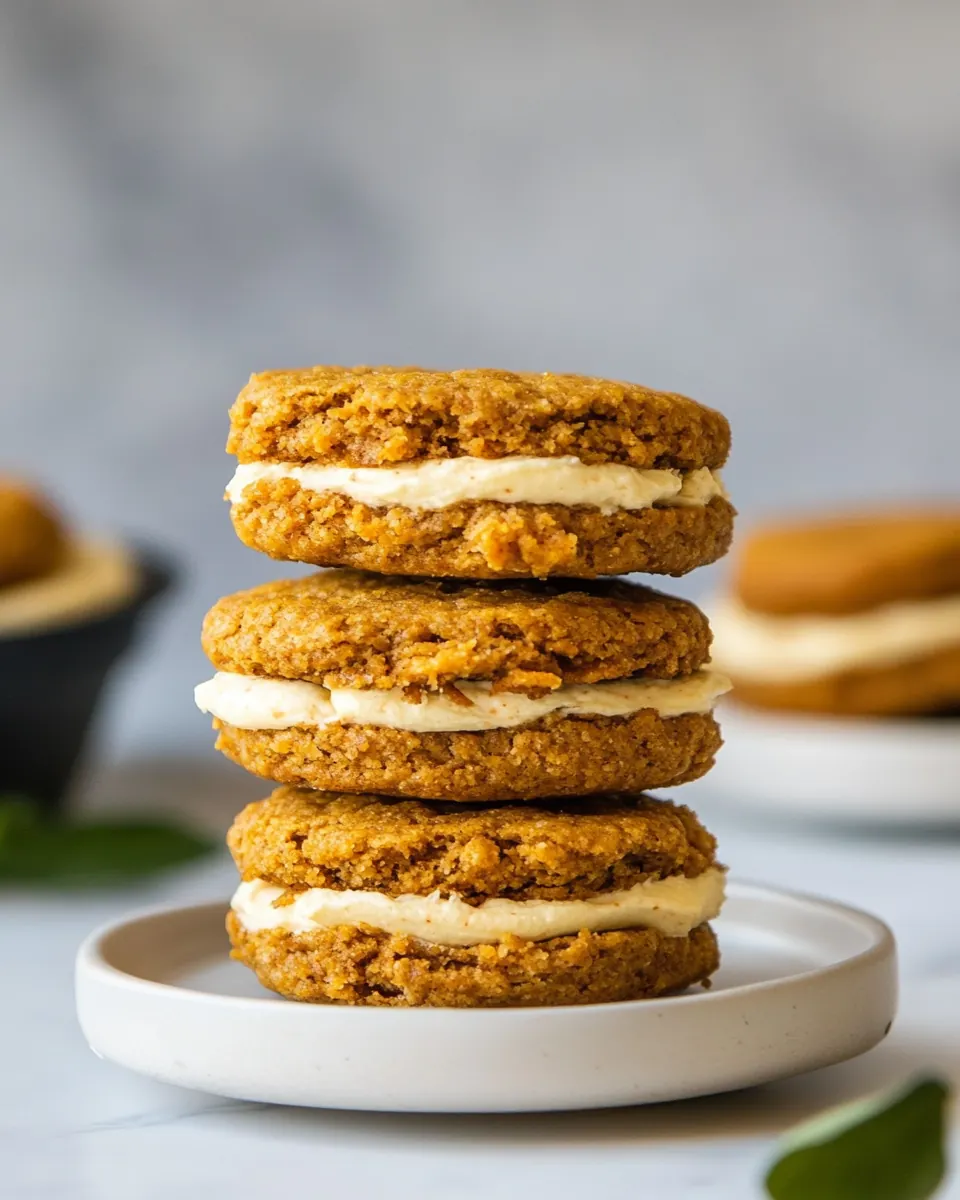
These ingredients are chosen to create balance between spice, texture, and moisture. The key players are the carrots, which bring natural sweetness and moisture, the oats and flours that shape the cookie structure, and the cream cheese filling which provides tang and richness. Taken together they form a cookie that is tender but sturdy enough to sandwich, warmly spiced, and full of small surprises like coconut and raisins.
- 1/2 cup unsalted butter 113 grams, room temperature (1 stick): Cream until light and fluffy to provide the cookie dough with richness, moisture, and a tender crumb; contributes buttery flavor and structure when creamed with sugars.
- 1/2 cup coconut oil 114 grams: Incorporate as a soft fat that adds tenderness and a subtle coconut aroma; helps with spread and moisture while complementing butter for texture balance.
- 1 cup brown sugar 213 grams: Cream with fats to add deep caramel-like sweetness and moisture; helps create a chewy texture and contributes to the cookies' brown color and flavor depth.
- 3/4 cup granulated sugar 150 grams: Cream with fats and sugars to lighten the dough, add sweetness, and contribute to a balanced sweetness profile; helps with aeration for tender cookies.
- 2 teaspoons kosher salt 6 grams: Season and enhance flavors while helping to balance sweetness; contributes to overall taste perception and strengthens gluten networks slightly.
- 1 1/2 teaspoons pure vanilla extract 6 grams: Add for aromatic warmth and sweet floral notes; enhances other flavors and contributes to the characteristic aroma of the cakes and filling.
- 2 large eggs 50 grams, room temperature: Bind and leaven the dough while adding moisture and richness; eggs provide structure, help trap air for lift, and emulsify fats and dry ingredients.
- 1 3/4 cup all-purpose flour 210 grams: Provide the primary structure and bulk for the cookies; contributes gluten for chew and stability while absorbing moisture from other ingredients.
- 1/2 cup bread flour 60 grams: Add extra chew and a slightly higher protein content for structure and chewiness; balances tenderness from all-purpose flour and affects final texture.
- 1 teaspoon baking soda 6 grams: React with acidic ingredients to produce carbon dioxide, giving lift and a lighter texture; helps cookies expand and creates a softer crumb.
- 1 teaspoon baking powder 4 grams: Provide additional leavening power and a finer, more controlled rise; complements baking soda to balance lift and texture without over-browning.
- 1 1/2 teaspoons ground cinnamon 5 grams: Season with warm, sweet spice to give classic carrot cake flavor; enhances the overall spice profile and pairs well with cinnamon and ginger.
- 1 1/2 teaspoons apple pie spice 5 grams: Add a complex mix of warm spices for depth and classic apple-pie-like warmth; complements cinnamon and ginger to create layered spice notes.
- 1 teaspoon ground ginger 3 grams: Provide a sharp, warm bite that complements the cinnamon and apple pie spice; helps brighten the spice blend without overpowering it.
- 1 cup old-fashioned oats 100 grams, slightly ground: Contribute hearty texture and a subtle nutty flavor when slightly ground; adds body, chew, and a wholesome element that complements carrots.
- 3/4 cup sweetened shredded coconut 64 grams: Add chewy, sweet tropical texture and flavor while enhancing moisture; provides contrast to oats and nuts and supports the carrot cake profile.
- 3 cups grated carrots 270 grams, from about 9 carrots (2 cups/180 grams yield after squeezing out water): Supply natural sweetness, moisture, and fiber while contributing vibrant orange color; grated and squeezed carrots bring authentic carrot cake character.
- 3/4 cup golden raisins 128 grams: Offer pockets of concentrated sweetness and chew while adding fruity flavor; golden raisins meld with spices to complement the carrot and nut components.
- 3/4 cup chopped roasted pecans 86 grams: Provide crunchy texture and buttery, roasted flavor that complements the spices and carrots; nuts also add richness and toothsomeness to the filling.
- 1 1/4 cup powdered sugar 141 grams: Sweeten and thicken the cream cheese filling while smoothing texture; powdered sugar helps stabilize the frosting and balance tanginess.
- 8 ounces cream cheese 227 grams, room temperature (1 brick): Create a tangy, creamy base for the frosting that adds richness and soft texture; cream cheese brings classic carrot cake creaminess and flavor.
- 5 tablespoons unsalted butter 71 grams, room temperature: Enrich the frosting with extra butterfat for a silkier, smoother spread; helps stabilize and aid in spreading while boosting mouthfeel.
- 2 tablespoons sour cream 28 grams, room temperature: Add tang and slight acidity to balance the sweet frosting while loosening texture slightly; sour cream contributes creaminess and smoothness.
- 1/2 teaspoon pure vanilla extract 2 grams: Provide a sweet aromatic note and enhance vanilla flavor in the frosting; small amount of vanilla lifts and rounds the cream cheese mixture.
- 1/4 teaspoon ground ginger: Spice the frosting subtly with warm ginger notes that echo the cookies; ground ginger adds depth and continuity with the cookie spices.
- 1/2 teaspoon kosher salt: Enhance overall flavor and balance sweetness in the filling with a touch of salt; helps intensify other flavors and rounds the frosting.
- 1/2 lemon juiced and zested: Brighten the filling with fresh citrus zest and juice for acidity and aromatic oils; lemon adds a bright lift that cuts through richness.
- 1/2 orange juiced: Add fresh citrus juice for mild acidity and aromatic brightness to balance sweetness; orange juice complements carrot and spice flavors.
How to Make Carrot Cake Sandwich Cookies
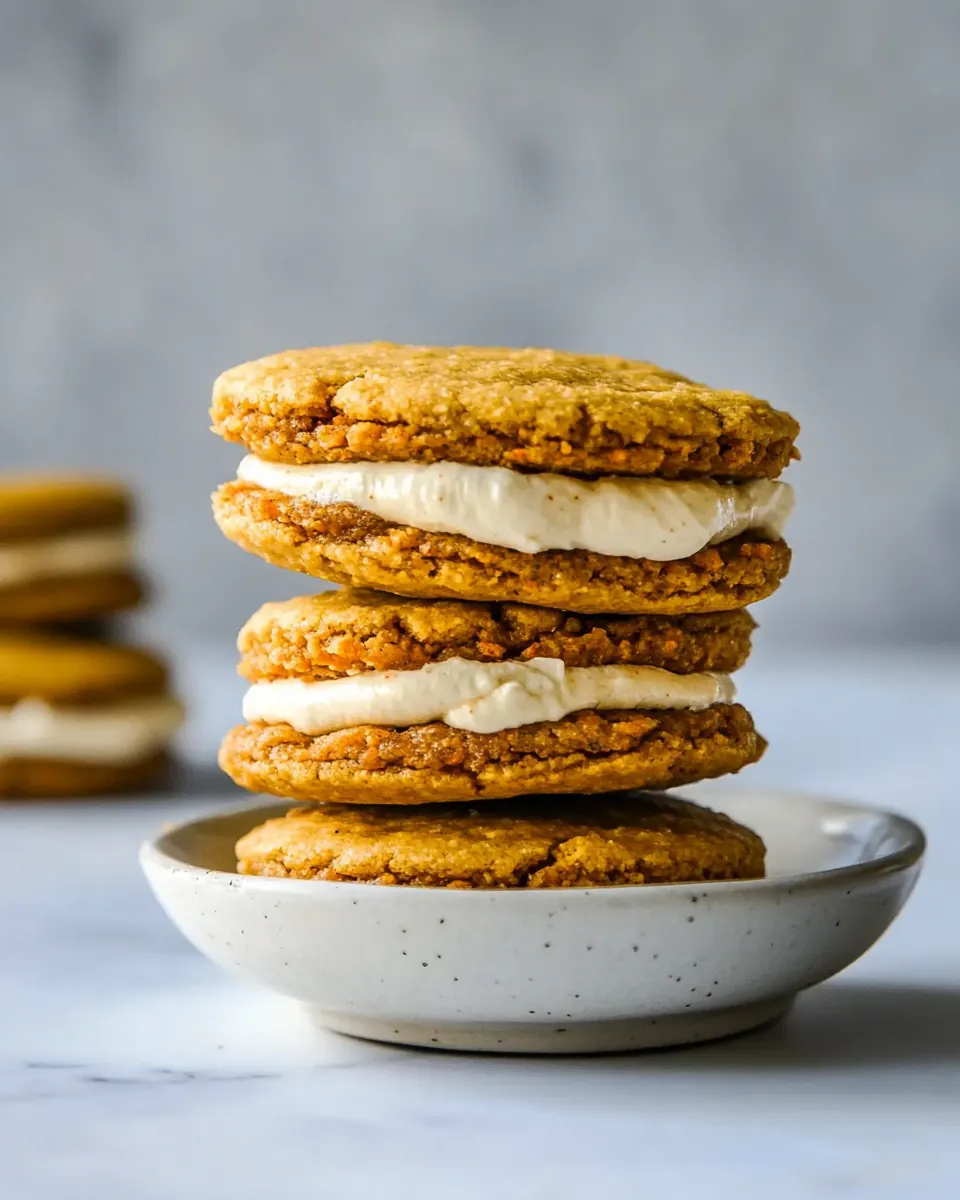
These directions walk through transforming simple pantry ingredients into warmly spiced cookies and a bright cream cheese filling. I like to move methodically so the textures and flavors develop properly, and I recommend prepping your workspace before you begin. Below, each step is expanded with sensory cues and troubleshooting so you know what to expect as you bake.
- Process the oats in a food processor by pulsing 3-5 times. The oats should still have pieces that are approximately 1/2 the size of original oats (not fully ground); set aside.: The oats should still have pieces that are approximately 1/2 the size of original oats (not fully ground); set aside.: Close your eyes for a moment and listen as the food processor hums in short bursts, the oats breaking down with a gentle, rhythmic chop. You want a mix of tiny bits and a few recognizable flakes so the texture remains interesting, not powdery; this creates pockets of chew in the finished cookie. If you overprocess into a fine powder the dough will lose that rustic oat bite, and the cookies may become denser. A common mistake is pulsing too long because you think it will speed things up, but watch the bowl and stop when you see a coarse meal with some oat flakes still visible. Clean the processor gasket and blade right away if you used sticky oats or any oily add ins, to keep everything functioning smoothly.
- Grate the carrots and place the grated carrots on 3-4 layers of paper towels. Top the carrots with more paper towels and tightly roll up the carrots, squeezing as you roll to remove as much moisture as possible; set aside.: Top the carrots with more paper towels and tightly roll up the carrots, squeezing as you roll to remove as much moisture as possible; set aside.: You will feel the dampness release as you squeeze, and it almost perfumes your hands with fresh vegetal sweetness. Removing moisture prevents the dough from becoming overly wet and ensures the cookies hold their shape while baking. If you skip this step the cookies can spread and become soggy around the middle, losing the tender structure you want. A helpful trick is to press firmly and rotate the roll, squeezing until the towels have absorbed most of the liquid. If the carrots remain very wet, pat them again or let them sit in the towels for a few extra minutes before adding to the batter.
- In the bowl of a stand mixer fitted with the paddle attachment, beat the butter, coconut oil, brown sugar, and granulated sugar together until light and fluffy, about 3 minutes at medium speed.: : As you beat, the mixture will lighten in color and become airy, a sign that air is being incorporated which helps the cookies rise and have a tender crumb. The sound will go from a rapid whir to a slightly subdued rhythm as the fats and sugars emulsify. If the mixture looks grainy, keep beating a bit longer; if the fats are too warm and glossy it means they are over softened and the dough may spread in the oven. Avoid using a whisk attachment here, it can over aerate and change texture.
- Add the salt and vanilla and beat another 2 minutes at medium speed until fully incorporated, smooth, and fluffy.: : The aroma of vanilla will bloom when it hits the warm fats, lifting the other flavors. You want a homogeneous, glossy mixture without streaks of uncombined ingredients. If you see pockets of sugar or oil the texture will be uneven in the finished cookies, so scrape the bowl and finish beating until smooth. Be mindful not to overbeat once eggs are added as this can create excessive air.
- On medium-low speed, add the eggs, one at a time, scraping down the bowl after adding each egg. Mix just until fully incorporated, about 30 seconds per egg.: Mix just until fully incorporated about 30 seconds per egg.: You will notice the batter smoothing out after each addition, becoming silkier and slightly looser. Adding eggs slowly helps maintain an emulsion so the fat and water components do not separate. If you add them too quickly the batter can curdle and appear broken; scrape the bowl and beat gently until smooth to rescue it. Using cold eggs can cause the batter to seize slightly, so room temperature eggs are preferred for ease of mixing.
- In a large bowl, sift the all-purpose flour, bread flour, baking soda, baking powder, cinnamon, apple pie spice, and ground ginger together. Add the flour mixture to the wet ingredients in one addition and mix on low speed until the flour is incorporated and no dry flour can be seen. (Don’t mix too long or too much gluten will form, making the cookies a little tough.): Add the flour mixture to the wet ingredients in one addition and mix on low speed until the flour is incorporated and no dry flour can be seen.: The sifted dry mix should smell faintly of spice and look uniform, which ensures even distribution of leavening and flavor. When you add it all at once and mix gently you avoid overdeveloping gluten, keeping the cookies tender. If you see streaks of flour after a minute of mixing, scrape the bowl and fold carefully with a spatula until fully combined. Overmixing here gives a tougher cookie, so stop as soon as the dough looks cohesive.
- Add the oats, coconut, grated carrots, raisins, and pecans and mix on the lowest speed just until incorporated.: : At this stage you will get glimpses of texture and color as the orange of the carrots , brown of the raisins , and flecks of pecans come together. The dough should be studded with mix ins but still hold together when scooped. If you mix too vigorously the fruits and nuts can break down and the dough may become gummy, so low speed or hand folding is preferable. A typical error is adding too many mix ins or unevenly distributing them, so check the batter and redistribute by hand if needed.
- Cover the dough and refrigerate for 30 minutes before scooping and baking.: : Chilling firms the fats which helps cookies keep their shape in the oven and also deepens the flavors. You will feel the dough tighten as it cools; this is normal and helpful for neat, puffy cookies. Skipping refrigeration can lead to excessive spreading and thin, flat cookies. If you are short on time you can freeze scoops briefly, but note the texture may differ slightly from a fully chilled dough.
- While the dough rests in the refrigerator, adjust the oven rack to the middle position, heat the oven to 350°F, and line 2 baking sheets with parchment.: : Preheating ensures an even bake right away, and using the middle rack avoids too much browning on the top or bottom. The oven will make a steady warming hum as it reaches temperature, and the parchment provides a nonstick barrier that prevents overbrowning on the bottoms. If you place sheets too close together the air will not circulate properly, so keep them spaced. An oven thermometer can help if your oven runs hot or cool.
- When ready to bake, scoop cookie dough using a #40 scoop (a 2-tablespoon scoop) and place scoops of cookie dough 2 inches apart onto the lined cookie sheets.: : The uniform scoops create even baking times and similarly sized cookies that match up when you sandwich them. You should see small domes form and the dough should be slightly chilled to reduce spreading. If the dough is sticky and clings to the scoop, dip the scoop in cold water between portions. Crowding the pans leads to merged cookies and uneven baking.
- Bake 12-15 minutes, rotating the cookie sheet halfway through baking. The cookies should be slightly darker in color with slightly firm edges and centers still slightly soft to the touch.: The cookies should be slightly darker in color with slightly firm edges and centers still slightly soft to the touch.: As they bake you will notice the edges setting first and the centers keeping a tender give; the aroma of spices will become more pronounced and the tops may develop gentle fissures. Rotate the sheet for even browning and remove when edges are set but centers yield slightly under a fingertip. Overbaking leads to dry cookies, while underbaking may result in collapse when cooling, so watch closely in the final minutes.
- Let the cookies cool for 1 minute on the baking sheet, then use a spatula to transfer the cookies to a wire rack to completely cool.: : The cookies continue to firm as they cool, and transferring them prevents steam from making the bottoms soggy. You will feel the residual warmth and the scent of spices will be strongest in this moment. If you attempt to frost warm cookies the filling can melt and ooze, so patience is rewarded. A common slip is leaving them on the sheet too long where they can overcook from residual heat.
- While the cookies cool, make the frosting: In the bowl of a stand mixer fitted with the paddle attachment, cream the powdered sugar, cream cheese, and butter together for 3 minutes on medium speed, or until light and fluffy.: : The frosting will change from dense to airy, gaining volume and a cloud like appearance. The texture should be smooth and spreadable, with the tang of the cream cheese cutting through the sugar. If the mixture looks grainy, continue beating a bit before adding liquids. Too warm ingredients can yield a runny frosting, so keep components at room temperature, not melted.
- Add sour cream, vanilla extract, ground ginger, salt, lemon juice and zest, and orange juice. Beat on medium speed until smooth and fully incorporated, about 1 minute.: : When the citrus hits the bowl the frosting brightens instantly, and the aroma becomes fresher and alive. This balance of tang and sugar keeps the filling from feeling heavy. If the frosting seems too loose chill for a short time and then whip again to reach spreading consistency. Overdoing citrus will thin it excessively, so measure carefully.
- The frosting can be used immediately. If making ahead, the frosting will keep refrigerated in an airtight container for up to 3 days. When ready to use, let the filling come to room temperature and fluff it up using an electric mixer with a paddle attachment at medium speed for 1 minute before using.: When ready to use let the filling come to room temperature and fluff it up using an electric mixer with a paddle attachment at medium speed for 1 minute before using.: You will notice the frosting regain its fluffiness as it warms, making it easy to pipe or spread. If it separates slightly, whipping rescues it quickly. A common issue is storing without an airtight seal which can dry the frosting out; keep it well covered.
- To assemble the cookies, spread about 1 1/2 tablespoons of the cream cheese filling onto the flat side of 24 cookies and top with a second cookie (flat sides together). Slightly press the sandwich cookie together so both sides stick together.: Slightly press the sandwich cookie together so both sides stick together.: The moment you press them together you will see the filling gently edge out, creating an inviting profile. The balance of cookie to filling should be even so each bite has spice crumb and tang. Press too firmly and you will squeeze out too much filling; press too lightly and the sandwiches may separate. Place assembled cookies on a rack or tray and let the filling set briefly before stacking for storage.
Tips and Tricks about Carrot Cake Sandwich Cookies
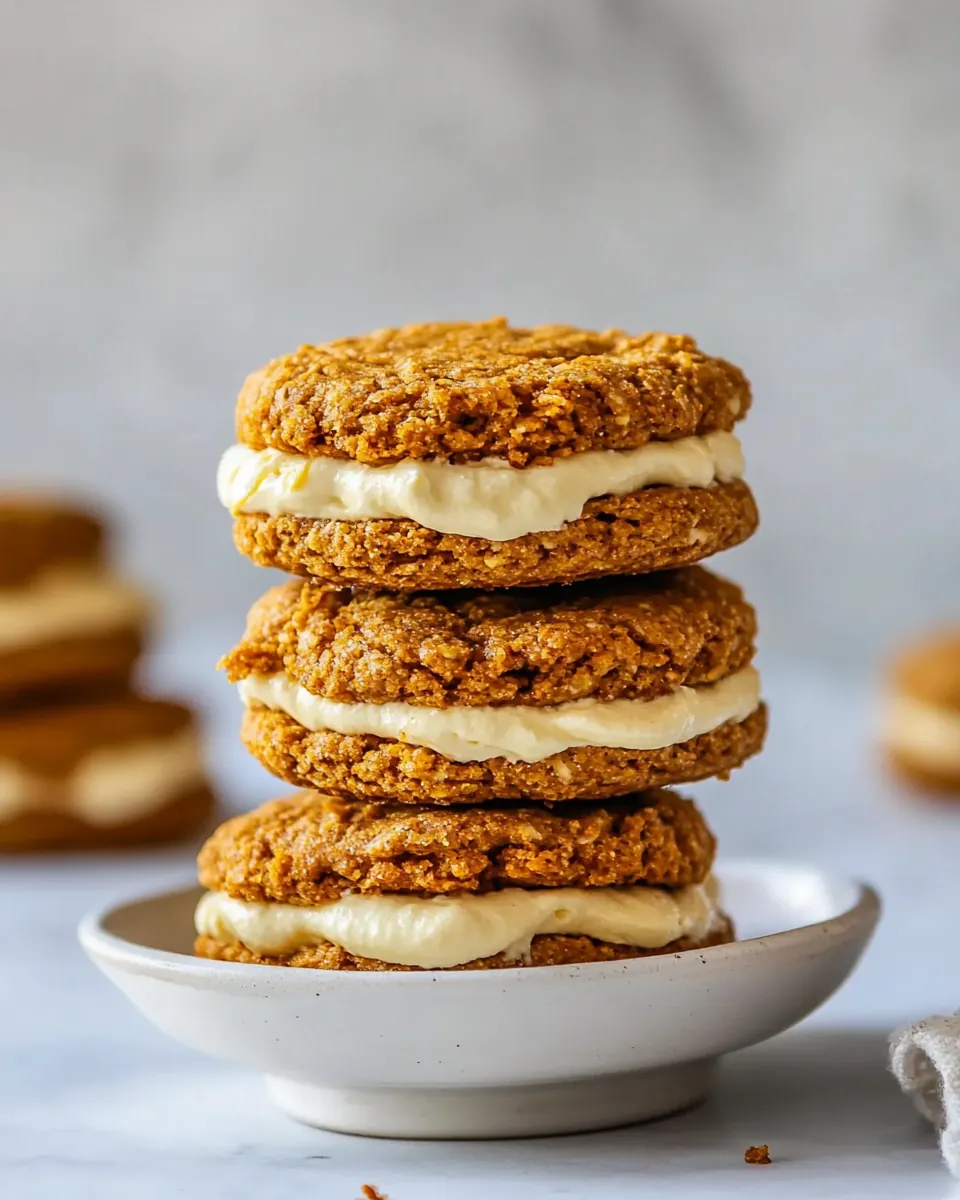
I like to think of these tips as small habits that produce consistently excellent cookies. Read them once before baking, and keep them nearby while you work. They will help you get the texture and flavor just right.
- Plan Ahead: Allow the dough to chill for the recommended 30 minutes to firm up the fats and concentrate flavors; chilled dough bakes into taller, chewier cookies rather than flattened discs.
- Measure Precisely: Spoon and level your flour rather than scooping directly from the bag to avoid dense cookies; weighing ingredients is even more reliable if you have a scale.
- Toast the Pecans: Lightly toasting the pecans brings forward nutty aroma and crunch, enhancing texture without changing the recipe proportions.
- Adjust Sweetness: If you prefer less sweetness in the filling reduce the powdered sugar by small increments and taste as you go, balancing with citrus to maintain brightness.
- Storage Strategy: Store assembled cookies in an airtight container in the refrigerator for up to 3 days, or freeze individually wrapped for longer storage up to 2 months for convenient treats.
Side Dish Ideas for Carrot Cake Sandwich Cookies
These cookies are delightful on dessert platters, brunch boards, or packed for celebrations. Below are creative serving ideas and practical storage notes to help you present them well for different occasions.
- Brunch Spread: Arrange the cookies alongside fresh fruit and coffee for a cozy weekend brunch; their spice and tang pair well with citrus fruits and sturdy coffees.
- Holiday Plate: For Easter or fall gatherings, stack them on a decorative platter with small notes describing the ingredients, making them feel festive and homemade.
- Picnic Friendly: Pack in a shallow, airtight container with parchment layers to prevent sticking, and bring chilled for best texture; these travel well and are easy to serve outdoors.
- Gift Packaging: Wrap in parchment and tie with twine or place in a small tin for gifting; include a note to refrigerate if not eaten the same day to keep the frosting fresh.
- Make Ahead: Bake the cookies and store unfrosted in an airtight container for up to 2 days, prepare the frosting separately and assemble on the day you plan to serve for optimal freshness.
- Seasonal Pairings: Serve with hot spiced tea or coffee during cooler months to complement the warming spices, or pair with chilled cider for a fall themed presentation.
- Storage Tips: For longer storage freeze assembled cookies on a sheet until firm then transfer to a freezer bag, keeping for up to 2 months; thaw in the refrigerator before serving.
FAQ
Conclusion
Carrot Cake Sandwich Cookies shine because they condense all the cozy flavor of carrot cake into a neat, handheld treat that is both texturally interesting and balanced. The tender, spiced cookie studded with oats, coconut, raisins, and pecans pairs beautifully with a tangy, citrus bright cream cheese filling, making every bite feel thoughtfully composed. I encourage you to give this recipe a try whether you are baking for friends, a holiday, or just to brighten an ordinary afternoon. With a little planning and attention to moisture control, these cookies come together reliably and reward you with a bakery worthy result that is perfect for sharing.

Carrot Cake Sandwich Cookies
Equipment
- Kitchen Scale (optional)
- Food Processor
- Stand mixer
- 2 Baking Sheet
- Cookie Portion Scoop
Ingredients
- 1/2 cup unsalted butter 113 grams, room temperature (1 stick) Cream until light and fluffy to provide the cookie dough with richness, moisture, and a tender crumb; contributes buttery flavor and structure when creamed with sugars.
- 1/2 cup coconut oil 114 grams Incorporate as a soft fat that adds tenderness and a subtle coconut aroma; helps with spread and moisture while complementing butter for texture balance.
- 1 cup brown sugar 213 grams Cream with fats to add deep caramel-like sweetness and moisture; helps create a chewy texture and contributes to the cookies' brown color and flavor depth.
- 3/4 cup granulated sugar 150 grams Cream with fats and sugars to lighten the dough, add sweetness, and contribute to a balanced sweetness profile; helps with aeration for tender cookies.
- 2 teaspoons kosher salt 6 grams Season and enhance flavors while helping to balance sweetness; contributes to overall taste perception and strengthens gluten networks slightly.
- 1 1/2 teaspoons pure vanilla extract 6 grams Add for aromatic warmth and sweet floral notes; enhances other flavors and contributes to the characteristic aroma of the cakes and filling.
- 2 large eggs 50 grams, room temperature Bind and leaven the dough while adding moisture and richness; eggs provide structure, help trap air for lift, and emulsify fats and dry ingredients.
- 1 3/4 cup all-purpose flour 210 grams Provide the primary structure and bulk for the cookies; contributes gluten for chew and stability while absorbing moisture from other ingredients.
- 1/2 cup bread flour 60 grams Add extra chew and a slightly higher protein content for structure and chewiness; balances tenderness from all-purpose flour and affects final texture.
- 1 teaspoon baking soda 6 grams React with acidic ingredients to produce carbon dioxide, giving lift and a lighter texture; helps cookies expand and creates a softer crumb.
- 1 teaspoon baking powder 4 grams Provide additional leavening power and a finer, more controlled rise; complements baking soda to balance lift and texture without over-browning.
- 1 1/2 teaspoons ground cinnamon 5 grams Season with warm, sweet spice to give classic carrot cake flavor; enhances the overall spice profile and pairs well with cinnamon and ginger.
- 1 1/2 teaspoons apple pie spice 5 grams Add a complex mix of warm spices for depth and classic apple-pie-like warmth; complements cinnamon and ginger to create layered spice notes.
- 1 teaspoon ground ginger 3 grams Provide a sharp, warm bite that complements the cinnamon and apple pie spice; helps brighten the spice blend without overpowering it.
- 1 cup old-fashioned oats 100 grams, slightly ground Contribute hearty texture and a subtle nutty flavor when slightly ground; adds body, chew, and a wholesome element that complements carrots.
- 3/4 cup sweetened shredded coconut 64 grams Add chewy, sweet tropical texture and flavor while enhancing moisture; provides contrast to oats and nuts and supports the carrot cake profile.
- 3 cups grated carrots 270 grams, from about 9 carrots (2 cups/180 grams yield after squeezing out water) Supply natural sweetness, moisture, and fiber while contributing vibrant orange color; grated and squeezed carrots bring authentic carrot cake character.
- 3/4 cup golden raisins 128 grams Offer pockets of concentrated sweetness and chew while adding fruity flavor; golden raisins meld with spices to complement the carrot and nut components.
- 3/4 cup chopped roasted pecans 86 grams Provide crunchy texture and buttery, roasted flavor that complements the spices and carrots; nuts also add richness and toothsomeness to the filling.
- 1 1/4 cup powdered sugar 141 grams Sweeten and thicken the cream cheese filling while smoothing texture; powdered sugar helps stabilize the frosting and balance tanginess.
- 8 ounces cream cheese 227 grams, room temperature (1 brick) Create a tangy, creamy base for the frosting that adds richness and soft texture; cream cheese brings classic carrot cake creaminess and flavor.
- 5 tablespoons unsalted butter 71 grams, room temperature Enrich the frosting with extra butterfat for a silkier, smoother spread; helps stabilize and aid in spreading while boosting mouthfeel.
- 2 tablespoons sour cream 28 grams, room temperature Add tang and slight acidity to balance the sweet frosting while loosening texture slightly; sour cream contributes creaminess and smoothness.
- 1/2 teaspoon pure vanilla extract 2 grams Provide a sweet aromatic note and enhance vanilla flavor in the frosting; small amount of vanilla lifts and rounds the cream cheese mixture.
- 1/4 teaspoon ground ginger Spice the frosting subtly with warm ginger notes that echo the cookies; ground ginger adds depth and continuity with the cookie spices.
- 1/2 teaspoon kosher salt Enhance overall flavor and balance sweetness in the filling with a touch of salt; helps intensify other flavors and rounds the frosting.
- 1/2 lemon juiced and zested Brighten the filling with fresh citrus zest and juice for acidity and aromatic oils; lemon adds a bright lift that cuts through richness.
- 1/2 orange juiced Add fresh citrus juice for mild acidity and aromatic brightness to balance sweetness; orange juice complements carrot and spice flavors.
Instructions
- Process the oats in a food processor by pulsing 3-5 times. The oats should still have pieces that are approximately 1/2 the size of original oats (not fully ground); set aside.: The oats should still have pieces that are approximately 1/2 the size of original oats (not fully ground); set aside.: Close your eyes for a moment and listen as the food processor hums in short bursts, the oats breaking down with a gentle, rhythmic chop. You want a mix of tiny bits and a few recognizable flakes so the texture remains interesting, not powdery; this creates pockets of chew in the finished cookie. If you overprocess into a fine powder the dough will lose that rustic oat bite, and the cookies may become denser. A common mistake is pulsing too long because you think it will speed things up, but watch the bowl and stop when you see a coarse meal with some oat flakes still visible. Clean the processor gasket and blade right away if you used sticky oats or any oily add ins, to keep everything functioning smoothly.
- Grate the carrots and place the grated carrots on 3-4 layers of paper towels. Top the carrots with more paper towels and tightly roll up the carrots, squeezing as you roll to remove as much moisture as possible; set aside.: Top the carrots with more paper towels and tightly roll up the carrots, squeezing as you roll to remove as much moisture as possible; set aside.: You will feel the dampness release as you squeeze, and it almost perfumes your hands with fresh vegetal sweetness. Removing moisture prevents the dough from becoming overly wet and ensures the cookies hold their shape while baking. If you skip this step the cookies can spread and become soggy around the middle, losing the tender structure you want. A helpful trick is to press firmly and rotate the roll, squeezing until the towels have absorbed most of the liquid. If the carrots remain very wet, pat them again or let them sit in the towels for a few extra minutes before adding to the batter.
- In the bowl of a stand mixer fitted with the paddle attachment, beat the butter, coconut oil, brown sugar, and granulated sugar together until light and fluffy, about 3 minutes at medium speed.: : As you beat, the mixture will lighten in color and become airy, a sign that air is being incorporated which helps the cookies rise and have a tender crumb. The sound will go from a rapid whir to a slightly subdued rhythm as the fats and sugars emulsify. If the mixture looks grainy, keep beating a bit longer; if the fats are too warm and glossy it means they are over softened and the dough may spread in the oven. Avoid using a whisk attachment here, it can over aerate and change texture.
- Add the salt and vanilla and beat another 2 minutes at medium speed until fully incorporated, smooth, and fluffy.: : The aroma of vanilla will bloom when it hits the warm fats, lifting the other flavors. You want a homogeneous, glossy mixture without streaks of uncombined ingredients. If you see pockets of sugar or oil the texture will be uneven in the finished cookies, so scrape the bowl and finish beating until smooth. Be mindful not to overbeat once eggs are added as this can create excessive air.
- On medium-low speed, add the eggs, one at a time, scraping down the bowl after adding each egg. Mix just until fully incorporated, about 30 seconds per egg.: Mix just until fully incorporated about 30 seconds per egg.: You will notice the batter smoothing out after each addition, becoming silkier and slightly looser. Adding eggs slowly helps maintain an emulsion so the fat and water components do not separate. If you add them too quickly the batter can curdle and appear broken; scrape the bowl and beat gently until smooth to rescue it. Using cold eggs can cause the batter to seize slightly, so room temperature eggs are preferred for ease of mixing.
- In a large bowl, sift the all-purpose flour, bread flour, baking soda, baking powder, cinnamon, apple pie spice, and ground ginger together. Add the flour mixture to the wet ingredients in one addition and mix on low speed until the flour is incorporated and no dry flour can be seen. (Don’t mix too long or too much gluten will form, making the cookies a little tough.): Add the flour mixture to the wet ingredients in one addition and mix on low speed until the flour is incorporated and no dry flour can be seen.: The sifted dry mix should smell faintly of spice and look uniform, which ensures even distribution of leavening and flavor. When you add it all at once and mix gently you avoid overdeveloping gluten, keeping the cookies tender. If you see streaks of flour after a minute of mixing, scrape the bowl and fold carefully with a spatula until fully combined. Overmixing here gives a tougher cookie, so stop as soon as the dough looks cohesive.
- Add the oats, coconut, grated carrots, raisins, and pecans and mix on the lowest speed just until incorporated.: : At this stage you will get glimpses of texture and color as the orange of the carrots , brown of the raisins , and flecks of pecans come together. The dough should be studded with mix ins but still hold together when scooped. If you mix too vigorously the fruits and nuts can break down and the dough may become gummy, so low speed or hand folding is preferable. A typical error is adding too many mix ins or unevenly distributing them, so check the batter and redistribute by hand if needed.
- Cover the dough and refrigerate for 30 minutes before scooping and baking.: : Chilling firms the fats which helps cookies keep their shape in the oven and also deepens the flavors. You will feel the dough tighten as it cools; this is normal and helpful for neat, puffy cookies. Skipping refrigeration can lead to excessive spreading and thin, flat cookies. If you are short on time you can freeze scoops briefly, but note the texture may differ slightly from a fully chilled dough.
- While the dough rests in the refrigerator, adjust the oven rack to the middle position, heat the oven to 350°F, and line 2 baking sheets with parchment.: : Preheating ensures an even bake right away, and using the middle rack avoids too much browning on the top or bottom. The oven will make a steady warming hum as it reaches temperature, and the parchment provides a nonstick barrier that prevents overbrowning on the bottoms. If you place sheets too close together the air will not circulate properly, so keep them spaced. An oven thermometer can help if your oven runs hot or cool.
- When ready to bake, scoop cookie dough using a #40 scoop (a 2-tablespoon scoop) and place scoops of cookie dough 2 inches apart onto the lined cookie sheets.: : The uniform scoops create even baking times and similarly sized cookies that match up when you sandwich them. You should see small domes form and the dough should be slightly chilled to reduce spreading. If the dough is sticky and clings to the scoop, dip the scoop in cold water between portions. Crowding the pans leads to merged cookies and uneven baking.
- Bake 12-15 minutes, rotating the cookie sheet halfway through baking. The cookies should be slightly darker in color with slightly firm edges and centers still slightly soft to the touch.: The cookies should be slightly darker in color with slightly firm edges and centers still slightly soft to the touch.: As they bake you will notice the edges setting first and the centers keeping a tender give; the aroma of spices will become more pronounced and the tops may develop gentle fissures. Rotate the sheet for even browning and remove when edges are set but centers yield slightly under a fingertip. Overbaking leads to dry cookies, while underbaking may result in collapse when cooling, so watch closely in the final minutes.
- Let the cookies cool for 1 minute on the baking sheet, then use a spatula to transfer the cookies to a wire rack to completely cool.: : The cookies continue to firm as they cool, and transferring them prevents steam from making the bottoms soggy. You will feel the residual warmth and the scent of spices will be strongest in this moment. If you attempt to frost warm cookies the filling can melt and ooze, so patience is rewarded. A common slip is leaving them on the sheet too long where they can overcook from residual heat.
- While the cookies cool, make the frosting: In the bowl of a stand mixer fitted with the paddle attachment, cream the powdered sugar, cream cheese, and butter together for 3 minutes on medium speed, or until light and fluffy.: : The frosting will change from dense to airy, gaining volume and a cloud like appearance. The texture should be smooth and spreadable, with the tang of the cream cheese cutting through the sugar. If the mixture looks grainy, continue beating a bit before adding liquids. Too warm ingredients can yield a runny frosting, so keep components at room temperature, not melted.
- Add sour cream, vanilla extract, ground ginger, salt, lemon juice and zest, and orange juice. Beat on medium speed until smooth and fully incorporated, about 1 minute.: : When the citrus hits the bowl the frosting brightens instantly, and the aroma becomes fresher and alive. This balance of tang and sugar keeps the filling from feeling heavy. If the frosting seems too loose chill for a short time and then whip again to reach spreading consistency. Overdoing citrus will thin it excessively, so measure carefully.
- The frosting can be used immediately. If making ahead, the frosting will keep refrigerated in an airtight container for up to 3 days. When ready to use, let the filling come to room temperature and fluff it up using an electric mixer with a paddle attachment at medium speed for 1 minute before using.: When ready to use let the filling come to room temperature and fluff it up using an electric mixer with a paddle attachment at medium speed for 1 minute before using.: You will notice the frosting regain its fluffiness as it warms, making it easy to pipe or spread. If it separates slightly, whipping rescues it quickly. A common issue is storing without an airtight seal which can dry the frosting out; keep it well covered.
- To assemble the cookies, spread about 1 1/2 tablespoons of the cream cheese filling onto the flat side of 24 cookies and top with a second cookie (flat sides together). Slightly press the sandwich cookie together so both sides stick together.: Slightly press the sandwich cookie together so both sides stick together.: The moment you press them together you will see the filling gently edge out, creating an inviting profile. The balance of cookie to filling should be even so each bite has spice crumb and tang. Press too firmly and you will squeeze out too much filling; press too lightly and the sandwiches may separate. Place assembled cookies on a rack or tray and let the filling set briefly before stacking for storage.
Notes
- Plan Ahead: Allow the dough to chill for the recommended 30 minutes to firm up the fats and concentrate flavors; chilled dough bakes into taller, chewier cookies rather than flattened discs.
- Measure Precisely: Spoon and level your flour rather than scooping directly from the bag to avoid dense cookies; weighing ingredients is even more reliable if you have a scale.
- Toast the Pecans: Lightly toasting the pecans brings forward nutty aroma and crunch, enhancing texture without changing the recipe proportions.
- Adjust Sweetness: If you prefer less sweetness in the filling reduce the powdered sugar by small increments and taste as you go, balancing with citrus to maintain brightness.
- Storage Strategy: Store assembled cookies in an airtight container in the refrigerator for up to 3 days, or freeze individually wrapped for longer storage up to 2 months for convenient treats.