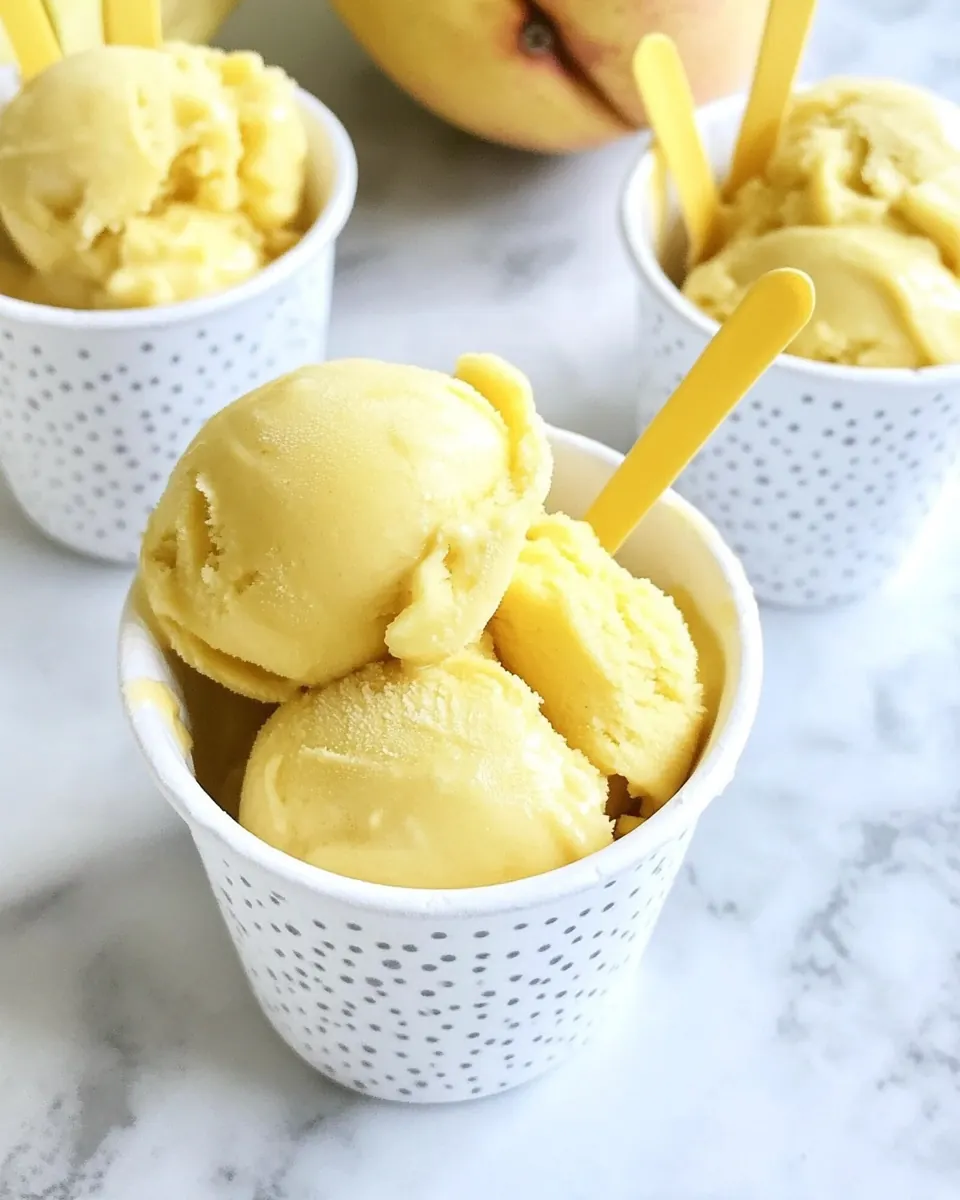
Creamy Mango Ice Cream
Creamy Mango Ice Cream is the recipe I reach for when summer heat makes me crave something cold, bright, and uncomplicated. I still remember the first time I blended frozen fruit into a silky, scoopable dessert that tasted indulgent yet wholesome, and since then I keep a stash of frozen mango and banana on hand for emergency treats. That first bowl felt like a small culinary triumph, because it proved you do not need an ice cream maker to achieve luscious texture and real fruit flavor.
Over the years I have learned a few tricks that make this version especially reliable. I play with the ripeness of the fresh fruit before freezing, and I pay close attention to how the blender responds so the final texture is velvety rather than icy. Sharing a bowl of Creamy Mango Ice Cream with friends always starts easy conversation, and I love how simple tweaks to toppings transform it from a quick snack to a party-ready dessert. I promise you will find this recipe fast to assemble, forgiving in technique, and endlessly adaptable, so it quickly became a staple in my kitchen.
Recipe Snapshot
10 mins
10 mins
Easy
150 kcal
American
Vegan, Gluten-Free
Desserts
High speed blender, Tamper
The Magic of This Creamy Mango Ice Cream
Pure fruit flavor that sings
I love how Creamy Mango Ice Cream puts fresh mango front and center. Because the recipe uses frozen fruit only, the taste is concentrated and vibrant, not masked by heavy dairy. That bright tropical note makes every spoonful feel like a mini vacation.
Speed and simplicity
This is one of those recipes I turn to when time is tight. You only need a few minutes in the blender to go from frozen cubes to smooth, scoopable texture. If you are juggling work and family, this dessert delivers satisfaction without fuss.
Natural sweetness without refined sugar
The combination of ripe mango and banana provides a rounded sweetness and creamy mouthfeel, so you rarely need extra sweeteners. I appreciate how the fruit carries its own sugars and nutrients, making it feel like an indulgence that is also a little virtuous.
Textural magic that feels indulgent
When blended correctly, the mix becomes airy yet dense, similar to soft serve. I like to emphasize the texture because it is what convinces people this is real ice cream. Achieving that silkiness is all about frozen fruit size and pulse technique in your blender.
Versatility for all occasions
This recipe doubles as a quick breakfast treat, an after school snack, or an elegant dessert when dressed up with toppings. I often switch toppings based on the season, which keeps it feeling fresh and exciting for repeat evenings at home.
Everything You Need for Creamy Mango Ice Cream
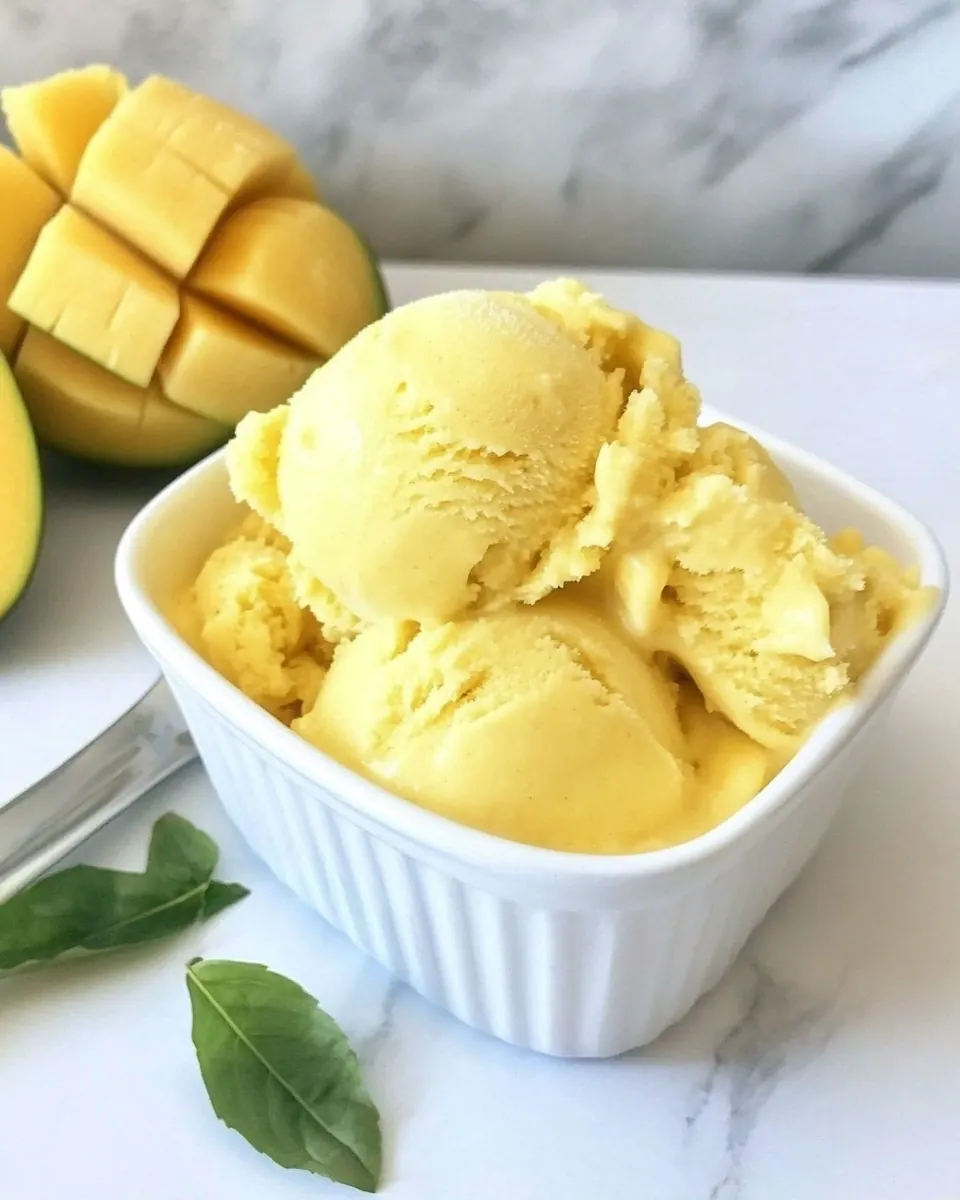
These ingredients are intentionally minimal. The philosophy here is to let the fruit do the heavy lifting. The key players are frozen mango for bright tropical flavor and frozen banana for creamy body. Together they create a smooth, naturally sweet base that mimics classic ice cream texture without dairy.
- 2 cup mango cubes, frozen: Blended to provide natural sweetness, creamy texture, and vibrant mango flavor for the ice cream base; frozen cubes also help chill the mixture quickly, reducing the need for additional ice and improving consistency; purees smoothly when processed, contributing body and a luxurious mouthfeel; can be adjusted in quantity to intensify mango presence without adding extra sugar.
- 2 medium banana: Mashed to add natural creaminess, sweetness, and thickening properties that enhance the ice cream’s smooth texture; ripe bananas contribute binding and stabilizing effects, reducing iciness and improving scoopability; offers a mellow fruity undertone that complements mango without overpowering it; can be frozen beforehand to increase firmness and speed churning.
Making Creamy Mango Ice Cream
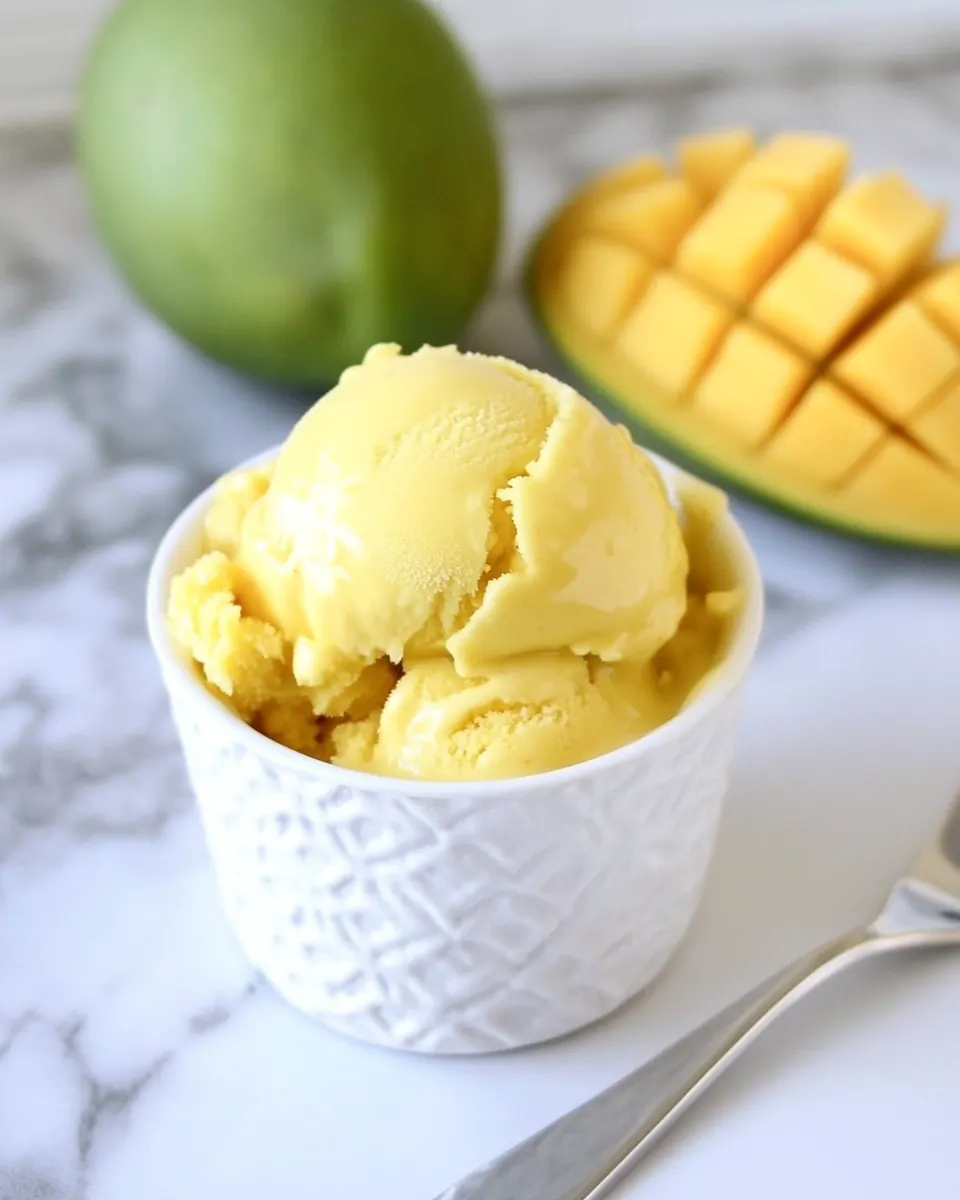
Blending frozen fruit into a scoopable dessert is deceptively simple, but a few technique notes make all the difference. I like to work steadily and listen to the blender, adjusting speed and using a tamper if available to encourage even processing. The directions below expand each action into sensory cues and troubleshooting advice so you can get consistent results every time.
- Freeze 2 bananas.: The scent of ripe banana before freezing is sweet and floral, and once frozen they take on a firm, chalky texture that your blender needs to crush. Freeze them whole or in slices so they chill thoroughly. Why this matters, I have found, is that fully frozen bananas create the creamy body that prevents iciness; if they are only partly frozen you will end up with a loose, grainy texture. A common error is slicing them very thin or leaving them only partially frozen, which can release water and thin the final mixture. If your bananas stick together in one block, tap the container on the counter to separate pieces before blending. When you start to pulse, listen for a steady whir rather than long motor strain which indicates the blender is coping well.
- In a high speed blender combine the mango and banana.: As you add frozen mango and frozen banana into the jar, note the initial weight and density, the fruit should sit packed but not overflowing. The blender jar will feel heavy and cold to the touch. Combining the two frozen fruits allows the sweeter banana to cushion and cream the brighter mango , which balances flavor and texture. If you skip combining and blend only one fruit first, you risk uneven smoothing. A tip I use is to layer fruit in alternate colors so the blades catch both textures at once. Avoid cramming in too much frozen fruit, because that can stall the blades. If the blender struggles, remove a small portion and process in two batches for best results.
- Using a tamper put the blender on the highest speed setting. Mash the mixture until fully mixed and forms into “nice cream”.: When you engage high speed, the sound will change from an initial clatter to a smoother roar as the fruit starts to circulate and shear under the blades. The tamper helps push dense pieces toward the blades without stopping the motor, which encourages rapid, even breakdown into a creamy mass. This technique matters because slow blending tends to create gritty ice crystals rather than a cohesive cream. Watch for the mixture pulling away from the sides and forming a silky ribbon, that is your visual cue. A common mistake is jamming the tamper too forcefully, which can strain the motor or cause the lid to shift; use steady pressure only. If your blender does not have a tamper, pause several times and scrape the sides to keep the mix moving.
- Scoop up and enjoy with your favorite toppings.: As the blades work, you will see the texture transition from chunky to pillowy and dense. Smell the shift too, the aroma becomes sweeter and more rounded as the fruit cells break and release their sugars. This stage is essential for achieving that scoopable, soft serve feel, because it indicates the ice crystals have been disrupted and integrated into a smooth matrix. If you stop too early you will end up with a frosty, fragmented result; if you overwork it and heat the motor for too long, the mixture may become too soft or slightly melty. To troubleshoot, chill the bowl briefly if it looks watery, then reblend in short bursts. Tap the blender jar to dislodge any pockets of fruit that are stuck to the sides so everything becomes homogeneous.
- Scoop up and enjoy with your favorite toppings: When the texture is right, the surface will be dense and satiny, and a spoon will cut cleanly through like soft serve. The temperature should be cold but not rock hard, and the aroma will be intensely fruity. Presenting it immediately preserves the airy structure; if you plan to store it, spoon into a shallow container and press a piece of plastic wrap onto the surface to minimize ice crystals. A very common mistake is refreezing without protection, which creates an icy top layer. If that happens, let it soften at room temperature for a few minutes before scooping and stirring briskly to restore creaminess. Enjoy right away for the best mouthfeel and brightest flavor.
Tips and Variations
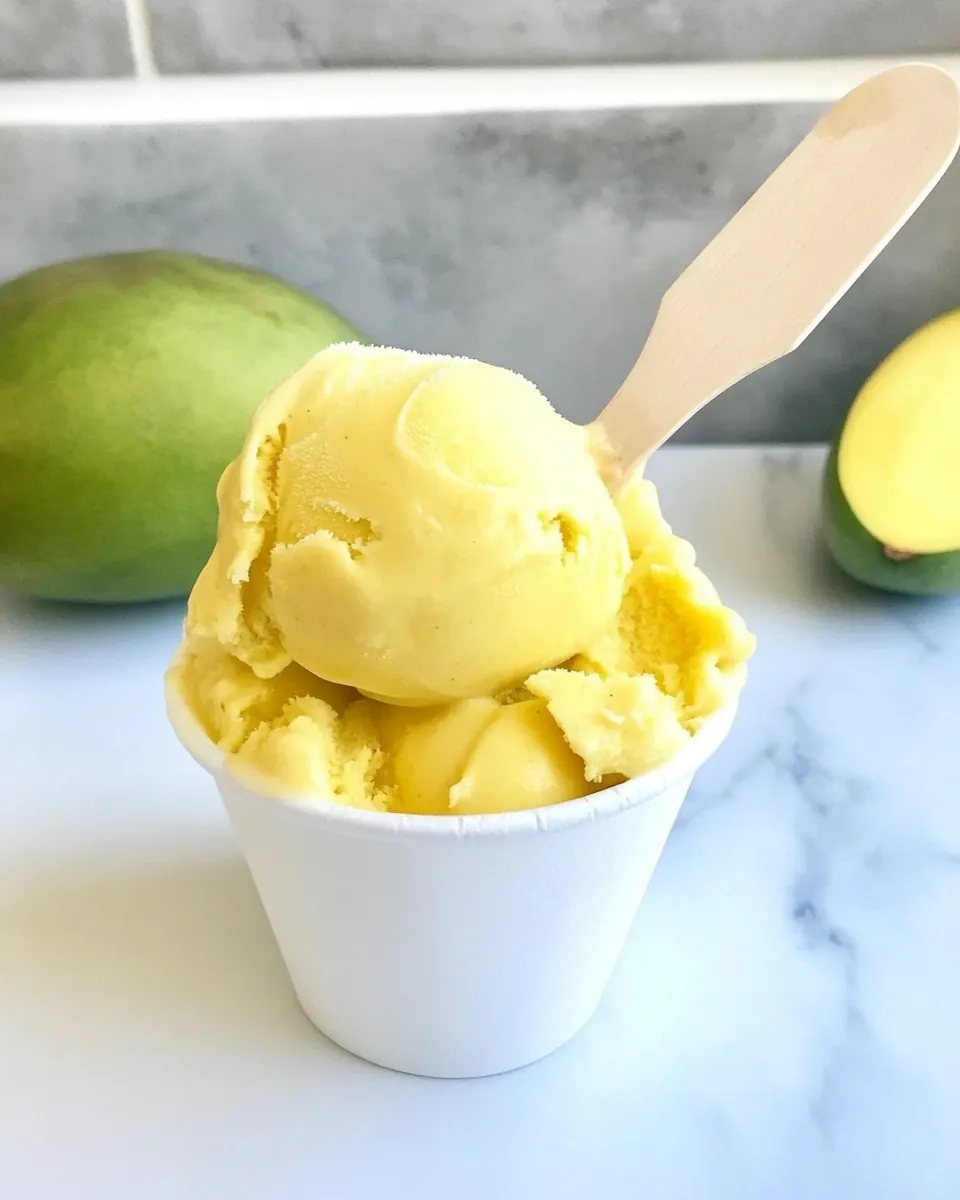
This dessert is a fantastic blank canvas. With a few small shifts you can play with texture, sweetness, and presentation. Below are practical tips and subtle variations to keep Creamy Mango Ice Cream interesting whether you are making it weekly or for a special occasion.
- Freeze ripe fruit whenever possible, because it yields the best natural sweetness and aroma when blended into ice cream.
- Layer fruit in the blender by alternating colors, because it helps the blades catch both textures evenly and prevents clumping.
- Pulse before going to high speed to break up the largest chunks, because this reduces strain on the motor and improves final texture.
- Use a tamper or stop to scrape during blending, because it ensures all pieces are processed and avoids cold pockets or unblended lumps.
- Serve immediately or shallow freeze for later, because shallow containers freeze faster and form fewer large ice crystals than deep tubs.
Accompaniments for Creamy Mango Ice Cream
This is a dessert that pairs beautifully with many simple additions. Think about temperature contrasts, crunchy textures, or aromatic touches to lift the flavor. Below I list ways to serve it across different occasions, and how to store leftovers so the quality stays high.
- Fresh fruit such as extra sliced mango or berries brightens the dish, creating a refreshing complement for warm afternoons or post lunch treats.
- Crumbled cookies or granola add textural contrast, making the bowl feel more indulgent for casual dinner parties.
- Nut toppings provide crunch and a toasty note, which is great for evening desserts and pairs well with chilled fruitiness.
- Shallow freezing for storage is the best method, because it reduces the formation of large ice crystals and preserves scoopability for up to one week.
- Serving occasions include light summer lunches, Ramadan iftar treats that are cool and refreshing, or a family friendly dessert after dinner because it is naturally sweet and easy to prepare.
- Presentation ideas like using chilled bowls or adding a citrus zest sprinkle enhance aroma and make the dish feel more sophisticated for guests.
FAQ
Conclusion
This recipe stands out for its simplicity and the bright, natural flavor that frozen ripe fruit delivers. I encourage you to try Creamy Mango Ice Cream because it proves how few ingredients are needed to create something memorable and scoopable at home. Making it is quick, forgiving, and endlessly customizable, so once you have the technique down you will find numerous ways to adapt it for different occasions or flavor preferences.
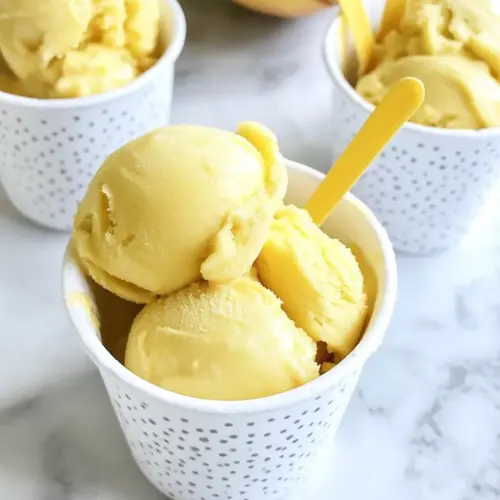
Creamy Mango Ice Cream
Equipment
- High Speed Blender
- Tamper
Ingredients
- 2 cup mango cubes, frozen Blended to provide natural sweetness, creamy texture, and vibrant mango flavor for the ice cream base; frozen cubes also help chill the mixture quickly, reducing the need for additional ice and improving consistency; purees smoothly when processed, contributing body and a luxurious mouthfeel; can be adjusted in quantity to intensify mango presence without adding extra sugar.
- 2 medium banana Mashed to add natural creaminess, sweetness, and thickening properties that enhance the ice cream’s smooth texture; ripe bananas contribute binding and stabilizing effects, reducing iciness and improving scoopability; offers a mellow fruity undertone that complements mango without overpowering it; can be frozen beforehand to increase firmness and speed churning.
Instructions
- Freeze 2 bananas.: The scent of ripe banana before freezing is sweet and floral, and once frozen they take on a firm, chalky texture that your blender needs to crush. Freeze them whole or in slices so they chill thoroughly. Why this matters, I have found, is that fully frozen bananas create the creamy body that prevents iciness; if they are only partly frozen you will end up with a loose, grainy texture. A common error is slicing them very thin or leaving them only partially frozen, which can release water and thin the final mixture. If your bananas stick together in one block, tap the container on the counter to separate pieces before blending. When you start to pulse, listen for a steady whir rather than long motor strain which indicates the blender is coping well.
- In a high speed blender combine the mango and banana.: As you add frozen mango and frozen banana into the jar, note the initial weight and density, the fruit should sit packed but not overflowing. The blender jar will feel heavy and cold to the touch. Combining the two frozen fruits allows the sweeter banana to cushion and cream the brighter mango , which balances flavor and texture. If you skip combining and blend only one fruit first, you risk uneven smoothing. A tip I use is to layer fruit in alternate colors so the blades catch both textures at once. Avoid cramming in too much frozen fruit, because that can stall the blades. If the blender struggles, remove a small portion and process in two batches for best results.
- Using a tamper put the blender on the highest speed setting. Mash the mixture until fully mixed and forms into “nice cream”.: When you engage high speed, the sound will change from an initial clatter to a smoother roar as the fruit starts to circulate and shear under the blades. The tamper helps push dense pieces toward the blades without stopping the motor, which encourages rapid, even breakdown into a creamy mass. This technique matters because slow blending tends to create gritty ice crystals rather than a cohesive cream. Watch for the mixture pulling away from the sides and forming a silky ribbon, that is your visual cue. A common mistake is jamming the tamper too forcefully, which can strain the motor or cause the lid to shift; use steady pressure only. If your blender does not have a tamper, pause several times and scrape the sides to keep the mix moving.
- Scoop up and enjoy with your favorite toppings.: As the blades work, you will see the texture transition from chunky to pillowy and dense. Smell the shift too, the aroma becomes sweeter and more rounded as the fruit cells break and release their sugars. This stage is essential for achieving that scoopable, soft serve feel, because it indicates the ice crystals have been disrupted and integrated into a smooth matrix. If you stop too early you will end up with a frosty, fragmented result; if you overwork it and heat the motor for too long, the mixture may become too soft or slightly melty. To troubleshoot, chill the bowl briefly if it looks watery, then reblend in short bursts. Tap the blender jar to dislodge any pockets of fruit that are stuck to the sides so everything becomes homogeneous.
- Scoop up and enjoy with your favorite toppings: When the texture is right, the surface will be dense and satiny, and a spoon will cut cleanly through like soft serve. The temperature should be cold but not rock hard, and the aroma will be intensely fruity. Presenting it immediately preserves the airy structure; if you plan to store it, spoon into a shallow container and press a piece of plastic wrap onto the surface to minimize ice crystals. A very common mistake is refreezing without protection, which creates an icy top layer. If that happens, let it soften at room temperature for a few minutes before scooping and stirring briskly to restore creaminess. Enjoy right away for the best mouthfeel and brightest flavor.
Notes
- Freeze ripe fruit whenever possible, because it yields the best natural sweetness and aroma when blended into ice cream.
- Layer fruit in the blender by alternating colors, because it helps the blades catch both textures evenly and prevents clumping.
- Pulse before going to high speed to break up the largest chunks, because this reduces strain on the motor and improves final texture.
- Use a tamper or stop to scrape during blending, because it ensures all pieces are processed and avoids cold pockets or unblended lumps.
- Serve immediately or shallow freeze for later, because shallow containers freeze faster and form fewer large ice crystals than deep tubs.
