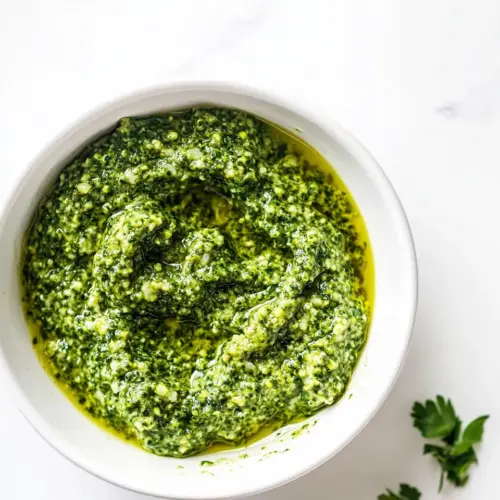
Broccoli Pesto
Broccoli Pesto is a creamy, bright green sauce that blends toasted pine nuts, tender broccoli, and fragrant basil into an easy weeknight dinner staple. This spreadable, slightly nutty pesto adds fresh lemony zing and savory Parmesan for a texture that clings to pasta and vegetables. Make a jar to lift lunches and dinners with minimal effort and maximum flavor.
Equipment
- Oven
- Small baking sheet
- Food Processor
Ingredients
- 1/2 cup pine nuts Toasted until fragrant and slightly golden, adds a rich, nutty backbone and pleasant crunch that complements the creamy pesto texture. Use sparingly to avoid bitterness, and pulse to incorporate evenly into the sauce.
- 2 1/2 cups broccoli cut into small florets and tightly packed Blanched and shocked to preserve color, provides the primary vegetable body and a slightly earthy, mild flavor that bulk up the pesto. Chop into small florets to ensure smooth blending and an even green hue throughout the sauce.
- 1 cup basil tightly packed Washed and packed tightly, contributes bright, aromatic herbal notes and fresh green color to balance the richness of nuts and cheese. Add just before blending to preserve volatile oils and vibrant flavor.
- 1 tablespoon fresh lemon juice Squeezed for brightness, cuts through the richness and lifts the overall flavor while preventing the pesto from tasting heavy. Add gradually and taste to achieve a balanced tang that complements the basil and cheese.
- 1 teaspoon lemon zest Zested finely to deliver concentrated citrus oils that enhance aroma and add subtle brightness without additional acidity. Sprinkle in small amounts to avoid overpowering the pesto’s herbal character.
- 1 teaspoon fresh garlic minced Minced finely to provide pungent, savory depth and a subtle heat that melds with the other components when blended. Incorporate in small quantities and adjust to taste, as raw garlic can dominate if overused.
- 1/2 cup Parmesan cheese grated and lightly packed (roughly 30 g) Grated finely to lend savory umami, creaminess, and a slightly salty edge, helping to bind the pesto into a cohesive, rich sauce. Fold in near the end of blending to preserve texture and distribute flavor evenly.
- 1/2 cup extra virgin olive oil Poured slowly while blending to create a smooth, silky emulsion that carries flavors and provides a luscious mouthfeel. Use good-quality extra virgin olive oil for optimal flavor and drizzle until desired consistency is reached.
- 3/4 to 1 teaspoon salt or to taste Measured and adjusted to taste to enhance and balance all flavors without overwhelming the pesto’s natural brightness. Start at the lower amount and increase gradually, tasting as you go to reach the preferred seasoning.
Instructions
- Heat your oven to 400°F and spread the pine nuts on a small baking sheet. Bake until golden brown, about 4 to 7 minutes.: The moment the nuts hit the hot sheet the kitchen fills with a warm, toasty scent, and you should hear a faint whisper as they begin to brown. This quick heat concentrates oils inside the pine nuts , making their flavor richer and more complex. Watch them constantly, rotating the pan if your oven runs hot, because they can go from golden to burnt in a blink. A typical mistake is leaving them unattended, which often produces bitter, unusable bits. You'll know they're ready when the color deepens to a light golden brown and they smell distinctly nutty.
- Transfer the warm pine nuts to a food processor and process until they are mostly broken down.: As the minutes pass, pay attention to both aroma and color because ovens vary. Light popping or a soft sizzle can be the only audible cue beyond the fragrance. Remove them as soon as they reach an even golden hue to avoid any burnt aftertaste. Allow the nuts to cool briefly; hot oils will continue to cook internal edges if left on the pan. Dropping them straight into the processor while too hot can release extra oil, altering texture.
- Add the broccoli and process until broken down. Then, add the basil, lemon juice, lemon zest, and garlic, and process until well combined.: When you pulse the pine nuts , you should see coarse crumbs begin to form, and the aroma will intensify. This broken-down texture forms the backbone of the pesto and helps bind the other components. Avoid overprocessing into a paste at this stage because you want small granular bits to remain for mouthfeel. One common error is running the machine too long, which can release too much oil and make the final sauce greasy.
- Add in the Parmesan cheese and process until well combined.: Adding the broccoli will change the processor's sound to a steadier hum, and the mixture should begin to look uniformly green. Process until the florets are reduced to small, grainy pieces, which creates body without turning the sauce into a puree. The visual cue is a cohesive but slightly textured mass. Over-blending here removes the pleasant tooth of the broccoli , so stop when you still see tiny flecks.
- With the food processor running, very slowly stream in the olive oil. When you reach the consistency of pesto, season with salt to taste and serve.: At this stage the aroma should brighten noticeably as the basil and lemon oils release. The lemon zest gives tiny bright flecks, and the minced garlic warms the blend with savory notes. Process just until everything is integrated and fragrant, because prolonged blending will dull the fresh herb perfume. A typical misstep is adding too much garlic early, which can dominate; taste and adjust after a short blend.
- Add in the Parmesan cheese and process until well combined: When the Parmesan cheese goes in, the mixture gains a slightly thicker, creamier appearance and an umami scent. The cheese melts into the warm bits and helps the sauce cohere. Let the processor run long enough for even distribution, but pause to scrape down the sides so no dry pockets remain. Adding large clumps of cheese at once may cause uneven incorporation, so sprinkle it in and check texture frequently.
- With the food processor running, very slowly stream in the olive oil: The slow stream is crucial because it creates a silky emulsion that binds the nuts, vegetables, and cheese. As the oil incorporates, watch the mixture change from coarse to glossy and smooth. This step affects mouthfeel most of all, and the right pace yields a sauce that clings to pasta or spoons easily onto bread. Pouring too quickly prevents emulsification, leaving the oil separated and greasy on top rather than integrated.
- When you reach the consistency of pesto, season with salt to taste and serve: The final texture should be spreadable but not watery, with a subtle sheen from the extra virgin olive oil . Taste carefully because the Parmesan cheese already contributes salt, so adjust slowly. If the sauce seems too thick, add a small splash of water or more oil in measured amounts, tasting as you go. A common mistake is over-salting at this stage, which can make the pesto heavy and mask the herbs. Serve immediately for brightest color and flavor, or store briefly refrigerated if needed.
Notes
- Boost texture by reserving a tablespoon of toasted pine nuts to stir in at the end, which adds a little crunch and contrast.
- Lighten the sauce if you prefer a looser consistency by adding one to two tablespoons of warm pasta cooking water while tossing the pasta.
- Make it dairy free by omitting the Parmesan cheese and increasing the pine nuts slightly, then adjust salt to taste for a similar savory depth.
- Store smart by pressing plastic wrap directly onto the pesto surface before sealing the jar, this minimizes oxidation and keeps the color vibrant.
- Turn it into a spread by chilling the pesto until firm, then spreading on crusty bread for sandwiches or crostini topped with roasted vegetables.