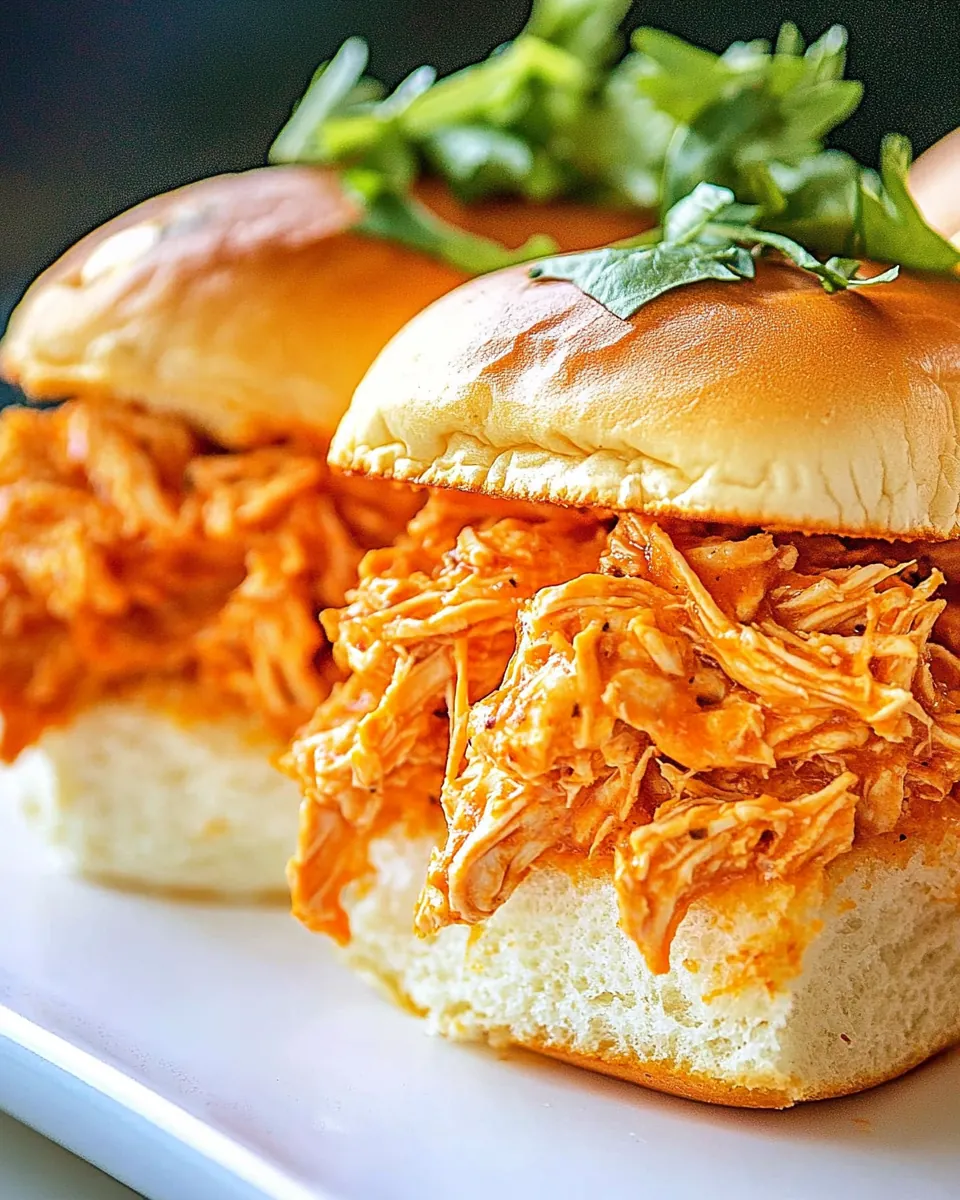
Buffalo Chicken Sliders
Buffalo Chicken Sliders have been my go to for game nights and rushed weeknight dinners when I want something messy, spicy, and utterly satisfying.
Years ago I learned how small moments can turn into memories over a tray of handheld bites, and these sliders always start conversations. I remember schlepping a slow cooker to a friend meet up, the house filling with a warm, vinegary aroma while everyone tried to guess the secret. That memory nudges me to keep this recipe in regular rotation, because it delivers bold flavor with minimal fuss. There is comfort in how simple ingredients like chicken, butter, and a lively hot sauce come together to create juicy, tender filling that clings to soft rolls. Each time I assemble these, I tweak the shred texture or toast the rolls a touch more, and that tiny change can elevate the whole plate.
What I love most is the versatility, you can serve them at a casual brunch or a late night gathering and they fit right in. My kitchen often smells of warm vinegar and butter while I build these, and friends always ask for the recipe. I keep my method flexible, offering both quick pressure cooker directions and slow cooker comfort for when I want to set it and forget it. No matter how you make them, the payoff is the same: a saucy, tender chicken filling tucked into pillowy rolls that everyone grabs greedily.
Recipe Snapshot
40 mins
10 mins
30 mins
Medium
350 kcal
American
Keto, Gluten-Free
Dinner
Pressure cooker, Slow cooker, Two forks
Why This Buffalo Chicken Sliders Shines
Tangy, bold flavor that packs a punch
I love how Buffalo Chicken Sliders deliver a sharp, vinegary heat from the hot sauce balanced by the richness of butter. That contrast keeps each bite bright and addictive, and it hooks guests immediately.
Speed and convenience without compromising taste
We can choose the pressure cooker route for a fast finish, or the slow cooker for hands off warmth. Both methods concentrate flavor into the shredded chicken, which means you get restaurant caliber texture at home with almost no babysitting.
Party friendly and universally loved
These sliders are inherently social, they are perfect for passing around at parties, and everyone can customize toppings. I always find that having a tray of warm rolls and saucy chicken gets people talking and coming back for seconds.
Flexible to suit the crowd
We can make them milder, fiery, or somewhere in between just by adjusting the ratio of hot sauce to butter. I often keep extra sauce at the ready for friends who want to add an extra kick.
Simple ingredient list, big payoff
The magic here is that a handful of straightforward pantry items transform into something soulful and memorable. I appreciate recipes like Buffalo Chicken Sliders that do not require exotic ingredients, but still taste thoughtful and elevated.
Key Ingredients for Buffalo Chicken Sliders
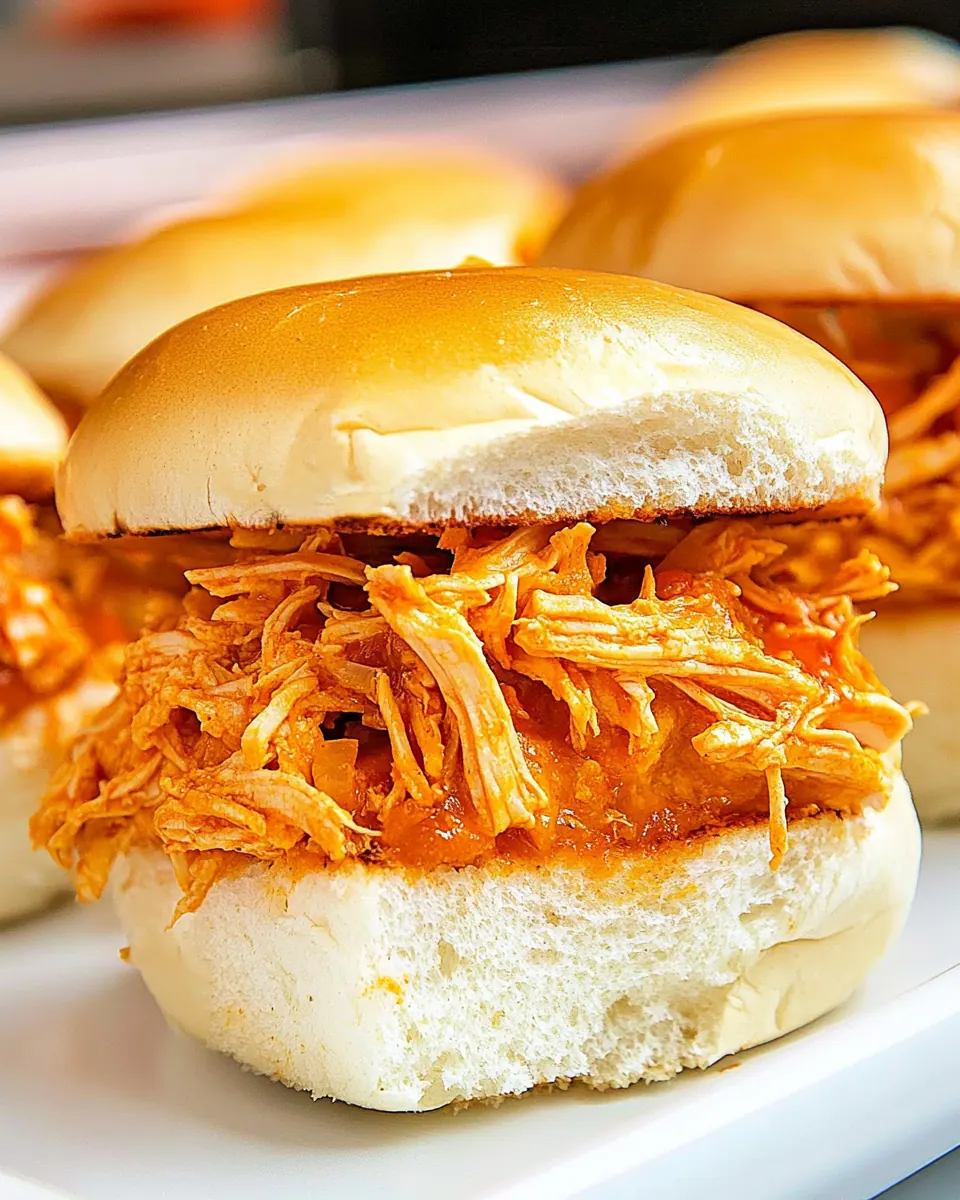
The philosophy behind these ingredients is one of balance and efficiency. The few components each play a clear role: the chicken provides a tender base and protein, the hot sauce offers bright acidity and heat, the butter smooths and rounds the sauce, and the ranch mix adds savory, herby notes to tie everything together. Soft dinner rolls are the perfect canvas, soaking up juices while remaining delicate enough for a handheld bite. Together these players create a harmonious textural and flavor contrast that makes every slider satisfying.
- 2 pounds chicken: Shredded or cubed and cooked to moist tenderness, provides the primary protein and base flavor for the sliders; absorbs sauce and seasonings well to make each bite hearty and filling.
- 12 ounces Frank’s Red Hot Sauce: Bold and tangy hot sauce that delivers the characteristic spicy, vinegar-forward Buffalo flavor; combines with butter to create a glossy, balanced sauce that coats the chicken evenly.
- 1/2 cup butter: Melted to add rich creaminess and mellow heat, helps stabilize and round out the hot sauce for a smoother, less sharp finish; contributes a silky mouthfeel that keeps the sliders indulgent.
- 2 tablespoons dry ranch dressing mix: Powdered seasoning mix that introduces savory, herby ranch notes and a touch of tang; acts as an easy way to season the sauce and complement the Buffalo heat without extra prep.
- 16 dinner rolls cut in half horizontally: Soft bread split to form slider-sized buns, provides structure and a tender vehicle for the sauced chicken; toasting or warming enhances texture and helps contain juices for neat, handheld serving.
Directions for Buffalo Chicken Sliders
These directions give both pressure cooker and slow cooker paths so you can choose what fits your day. Read through the steps, then pick the method you prefer, because both lead to juicy shredded chicken that soaks up the buffalo sauce beautifully.
- Place the chicken, hot sauce, butter, and ranch dressing mix into the pressure cooker.: The aroma that rises as these ingredients hit the hot metal is immediate, sharp vinegar notes from the hot sauce mingling with the rich, toasty scent of melting butter . The reason we combine everything at once is to allow the liquids and aromatics to penetrate the chicken during pressurized cooking, which ensures a uniformly flavored interior. While the pressure cooker traps steam and intensifies flavors, watch for early foaming as sauces heat rapidly, which can interfere with sealing. A common pitfall is trying to use frozen chicken without increasing cook time, which can prevent proper pressure build and unevenly cooked meat.
- Place the lid on the pot, and make sure the vent is closed.: You will hear a soft click and eventually steam begins to build, a change from the raw, sharp scent to a mellowing, concentrated aroma. Proper sealing is critical because pressure transforms the texture, making tough fibers relax into tender shreds. If the vent is not closed the cooker will not pressurize, leading to longer cook times and drier meat, so double check the seal and the position of the vent before leaving it to work.
- Cook for 12 minutes on high pressure. Perform a natural release.: During high pressure, the pot emits a low hum and the kitchen fills with a richer, deeper buffalo fragrance. The short, intense cook cooks the chicken through while keeping juices locked in. Allowing a natural release is purposeful, it gradually reduces pressure and prevents sudden fluid loss, which protects moisture in the meat. A common error is forcing a quick release too early, which can make the shredded texture dry and stringy, so be patient and let the pressure drop on its own for the best tenderness.
- Shred the chicken, and then add some of the juices from the pot to the shredded chicken.: When you open the lid you will notice a concentrated, tangy liquid at the bottom full of flavor. As you shred the warm chicken , use two forks and pull with gentle, confident motions until you see fine, moist strands. Tossing in spoonfuls of the pan juices brings glossy coating and amplifies flavor, making each strand succulent. A mistake here is shredding cold chicken, which becomes stringy; always shred while warm and add juices incrementally to avoid making the mixture too wet.
- Place the chicken, hot sauce, butter, and ranch dressing mix into the slow cooker.: Moving to the slow cooker yields a completely different sensory experience, the room fills with a long simmered, rounded buffalo scent as butter slowly melts and integrates. This method is excellent when you want to set it in the morning and come back to a bubbling, infused filling. Make sure ingredients are distributed evenly in the slow cooker vessel, because crowding can lead to inconsistent cooking. Avoid overfilling the pot which can delay reaching safe cooking temperatures and lengthen the time needed.
- Cook on high for 3 to 4 hours, or on low for 4 to 6 hours.: The slow simmer develops depth, softening connective tissue and creating a tender result that pulls apart with little effort. On high settings you will notice more rapid bubbling and a livelier scent, while low yields a calmer, steadier aroma and a slightly thicker sauce as water evaporates slowly. A frequent misstep is using the high setting then leaving it too long which can dry the meat; check at the earlier time if you prefer the most moist outcome.
- Shred the chicken, and then add some of the juices from the pot to the shredded chicken.: After the long cook the juices are concentrated and rich, and shredding yields silky strands that soak up those flavors. Stirring in the cooking liquid makes the texture luscious and cohesive, and you can adjust the sauciness by adding more or less of that liquid. One troubleshooting tip is to skim excess fat if the surface looks greasy, a spoon is all you need to remove excess without losing flavor.
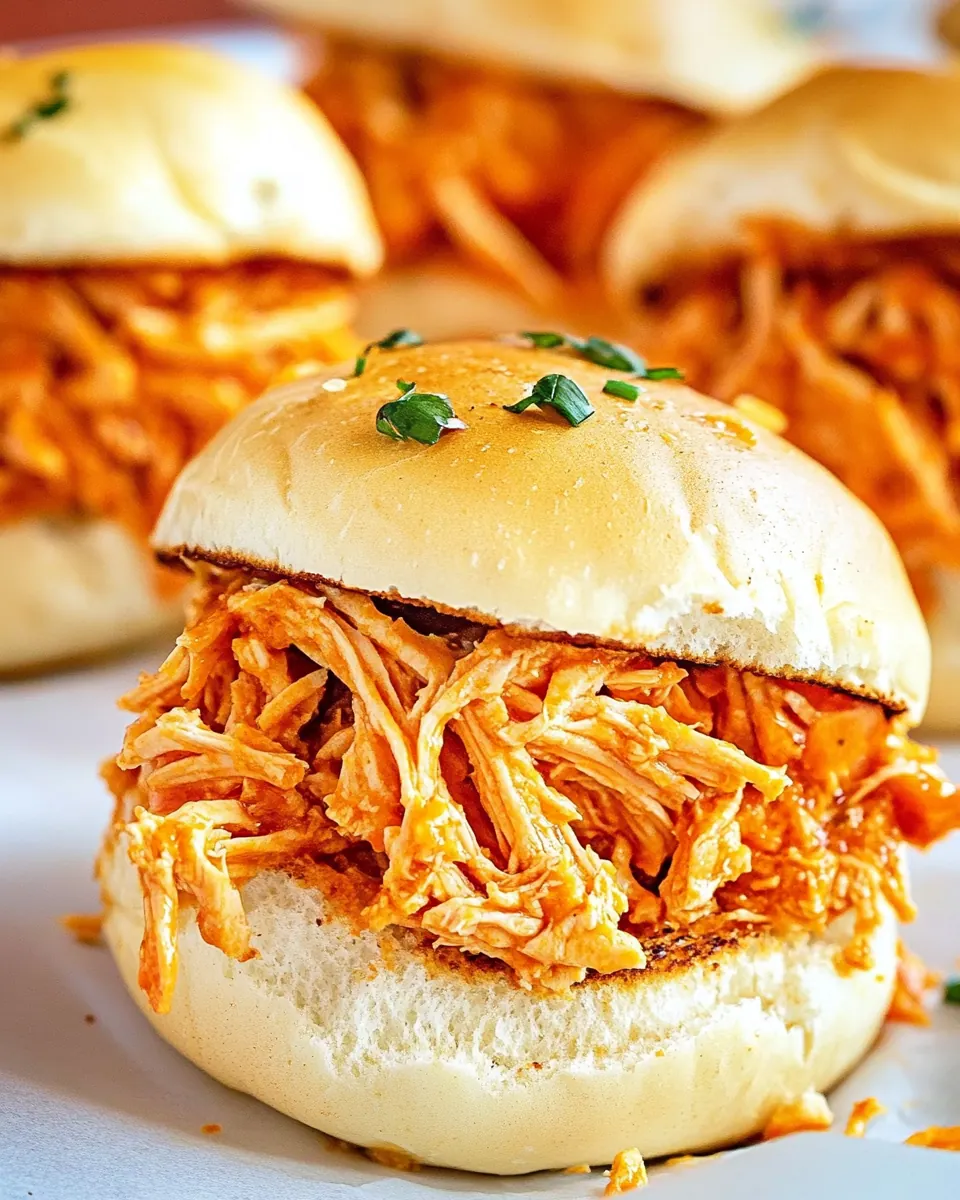
- Place the shredded chicken into the dinner rolls and add any desired toppings.: The final assembly is tactile and joyful, the warm rolls steaming slightly as you press in the saucy chicken . Lightly toasting the cut sides beforehand creates a pleasant crunch and prevents sogginess, while toppings like crisp vegetables or extra sauce introduce contrast. When building sandwiches, work quickly so the rolls retain warmth but avoid overstuffing which makes them hard to eat; portion the filling evenly so every slider stays intact.
Ways to Customize
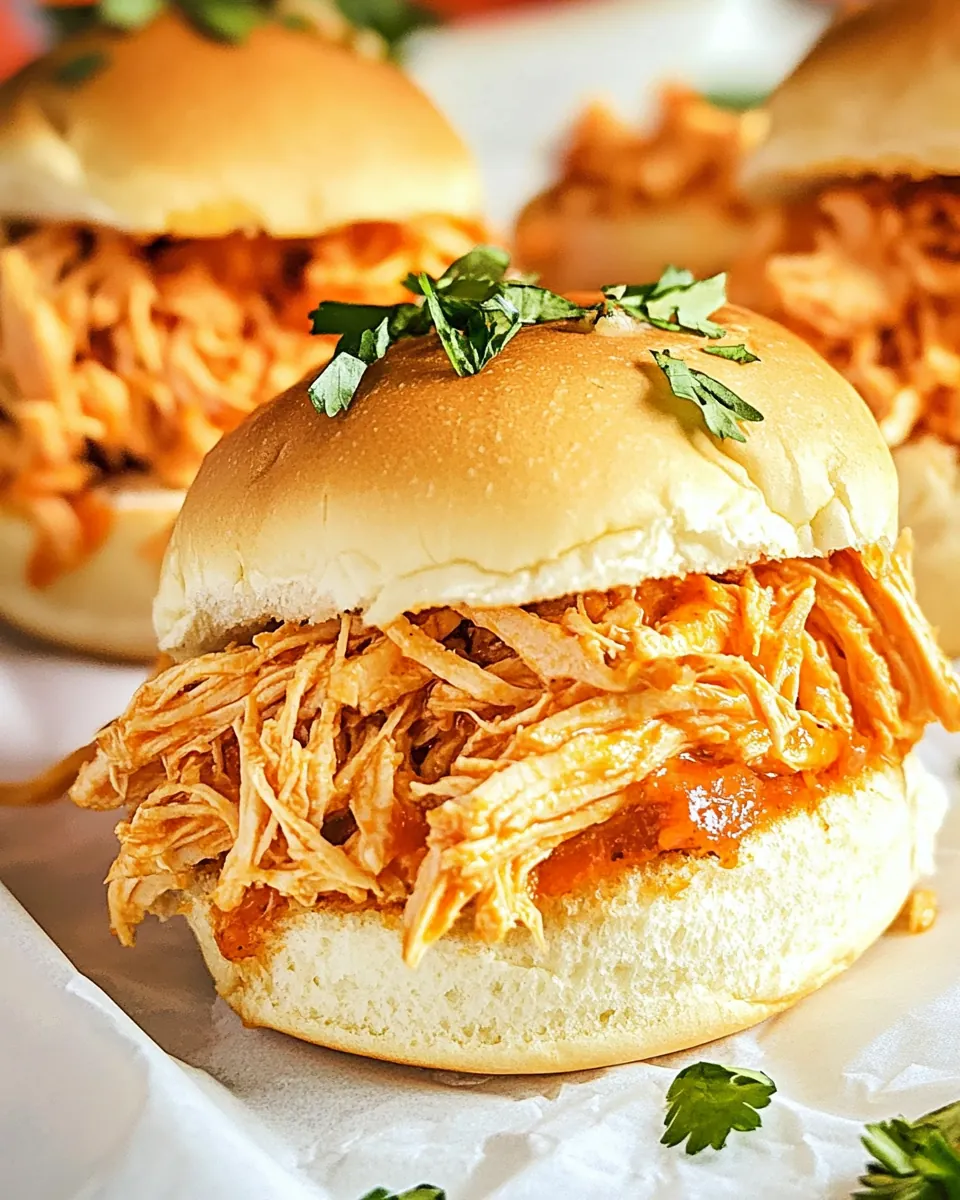
There are simple, effective ways to make Buffalo Chicken Sliders your own without changing the core technique. These suggestions focus on texture, heat level, and presentation so you can tailor the meal to any crowd or occasion.
- Adjust the heat by varying the amount of hot sauce you use, adding less for milder bites or more for serious heat hungry guests.
- Richer sauce by increasing the butter slightly, which will produce a silkier, more velvety coating that clings to the shredded chicken.
- Make ahead by cooking the chicken earlier in the day and reheating gently with reserved juices to keep the meat moist when serving.
- Toast the rolls on a griddle or under a broiler for added crunch, which helps balance the soft interior of the slider.
- Control sauciness by adding the pot juices gradually after shredding so you can reach the exact consistency you prefer.
What to Serve With Buffalo Chicken Sliders
These sliders pair well with cooling, crisp sides and are ideal for casual gatherings. Focus on contrasting textures and flavors to complement the spicy, buttery chicken.
- Creamy dip like ranch or blue cheese, served on the side for dipping or drizzling, helps temper heat and adds a cooling element.
- Crisp slaw with vinegar forward dressing brings a crunchy counterpoint that cuts through richness and adds brightness.
- Pickled vegetables such as quick pickles or sliced pickled cucumbers introduce an acidic pop that refreshes the palate between bites.
- Simple fries or potato wedges provide a classic game day companion that everyone expects with handheld sandwiches.
- Fresh vegetable platter with carrot and celery sticks is a traditional pairing that also gives a crisp contrast and a cooling option for spicy sliders.
- Occasions and timing These sliders are perfect for casual lunches, game day spreads, or family dinners, and they travel well for potlucks and picnics.
- Storage tips Store leftover shredded chicken in an airtight container with a little of the cooking juices to keep it moist, and refrigerate for up to three days.
- Seasonal pairing In cooler months, pair with warm sides like roasted potatoes; in warmer months, serve with light, vinegary salads for contrast.
FAQ
Conclusion
Buffalo Chicken Sliders stand out because they deliver big flavor from a small handful of ingredients, offering spicy, buttery, and savory notes that everyone loves. Give them a try the next time you need an easy, crowd pleasing dish that comes together with minimal effort but maximum payoff. These sliders are forgiving, versatile, and perfect for gatherings or a satisfying weeknight meal, so make a batch and enjoy the lively, saucy bites with friends and family.

Buffalo Chicken Sliders
Equipment
- Pressure Cooker
- Slow Cooker
- Two forks
Ingredients
- 2 pounds chicken Shredded or cubed and cooked to moist tenderness, provides the primary protein and base flavor for the sliders; absorbs sauce and seasonings well to make each bite hearty and filling.
- 12 ounces Frank’s Red Hot Sauce Bold and tangy hot sauce that delivers the characteristic spicy, vinegar-forward Buffalo flavor; combines with butter to create a glossy, balanced sauce that coats the chicken evenly.
- 1/2 cup butter Melted to add rich creaminess and mellow heat, helps stabilize and round out the hot sauce for a smoother, less sharp finish; contributes a silky mouthfeel that keeps the sliders indulgent.
- 2 tablespoons dry ranch dressing mix Powdered seasoning mix that introduces savory, herby ranch notes and a touch of tang; acts as an easy way to season the sauce and complement the Buffalo heat without extra prep.
- 16 dinner rolls cut in half horizontally Soft bread split to form slider-sized buns, provides structure and a tender vehicle for the sauced chicken; toasting or warming enhances texture and helps contain juices for neat, handheld serving.
Instructions
- Place the chicken, hot sauce, butter, and ranch dressing mix into the pressure cooker.: The aroma that rises as these ingredients hit the hot metal is immediate, sharp vinegar notes from the hot sauce mingling with the rich, toasty scent of melting butter . The reason we combine everything at once is to allow the liquids and aromatics to penetrate the chicken during pressurized cooking, which ensures a uniformly flavored interior. While the pressure cooker traps steam and intensifies flavors, watch for early foaming as sauces heat rapidly, which can interfere with sealing. A common pitfall is trying to use frozen chicken without increasing cook time, which can prevent proper pressure build and unevenly cooked meat.
- Place the lid on the pot, and make sure the vent is closed.: You will hear a soft click and eventually steam begins to build, a change from the raw, sharp scent to a mellowing, concentrated aroma. Proper sealing is critical because pressure transforms the texture, making tough fibers relax into tender shreds. If the vent is not closed the cooker will not pressurize, leading to longer cook times and drier meat, so double check the seal and the position of the vent before leaving it to work.
- Cook for 12 minutes on high pressure. Perform a natural release.: During high pressure, the pot emits a low hum and the kitchen fills with a richer, deeper buffalo fragrance. The short, intense cook cooks the chicken through while keeping juices locked in. Allowing a natural release is purposeful, it gradually reduces pressure and prevents sudden fluid loss, which protects moisture in the meat. A common error is forcing a quick release too early, which can make the shredded texture dry and stringy, so be patient and let the pressure drop on its own for the best tenderness.
- Shred the chicken, and then add some of the juices from the pot to the shredded chicken.: When you open the lid you will notice a concentrated, tangy liquid at the bottom full of flavor. As you shred the warm chicken , use two forks and pull with gentle, confident motions until you see fine, moist strands. Tossing in spoonfuls of the pan juices brings glossy coating and amplifies flavor, making each strand succulent. A mistake here is shredding cold chicken, which becomes stringy; always shred while warm and add juices incrementally to avoid making the mixture too wet.
- Place the chicken, hot sauce, butter, and ranch dressing mix into the slow cooker.: Moving to the slow cooker yields a completely different sensory experience, the room fills with a long simmered, rounded buffalo scent as butter slowly melts and integrates. This method is excellent when you want to set it in the morning and come back to a bubbling, infused filling. Make sure ingredients are distributed evenly in the slow cooker vessel, because crowding can lead to inconsistent cooking. Avoid overfilling the pot which can delay reaching safe cooking temperatures and lengthen the time needed.
- Cook on high for 3 to 4 hours, or on low for 4 to 6 hours.: The slow simmer develops depth, softening connective tissue and creating a tender result that pulls apart with little effort. On high settings you will notice more rapid bubbling and a livelier scent, while low yields a calmer, steadier aroma and a slightly thicker sauce as water evaporates slowly. A frequent misstep is using the high setting then leaving it too long which can dry the meat; check at the earlier time if you prefer the most moist outcome.
- Shred the chicken, and then add some of the juices from the pot to the shredded chicken.: After the long cook the juices are concentrated and rich, and shredding yields silky strands that soak up those flavors. Stirring in the cooking liquid makes the texture luscious and cohesive, and you can adjust the sauciness by adding more or less of that liquid. One troubleshooting tip is to skim excess fat if the surface looks greasy, a spoon is all you need to remove excess without losing flavor.
- Place the shredded chicken into the dinner rolls and add any desired toppings.: The final assembly is tactile and joyful, the warm rolls steaming slightly as you press in the saucy chicken . Lightly toasting the cut sides beforehand creates a pleasant crunch and prevents sogginess, while toppings like crisp vegetables or extra sauce introduce contrast. When building sandwiches, work quickly so the rolls retain warmth but avoid overstuffing which makes them hard to eat; portion the filling evenly so every slider stays intact.
Notes
- Adjust the heat by varying the amount of hot sauce you use, adding less for milder bites or more for serious heat hungry guests.
- Richer sauce by increasing the butter slightly, which will produce a silkier, more velvety coating that clings to the shredded chicken.
- Make ahead by cooking the chicken earlier in the day and reheating gently with reserved juices to keep the meat moist when serving.
- Toast the rolls on a griddle or under a broiler for added crunch, which helps balance the soft interior of the slider.
- Control sauciness by adding the pot juices gradually after shredding so you can reach the exact consistency you prefer.