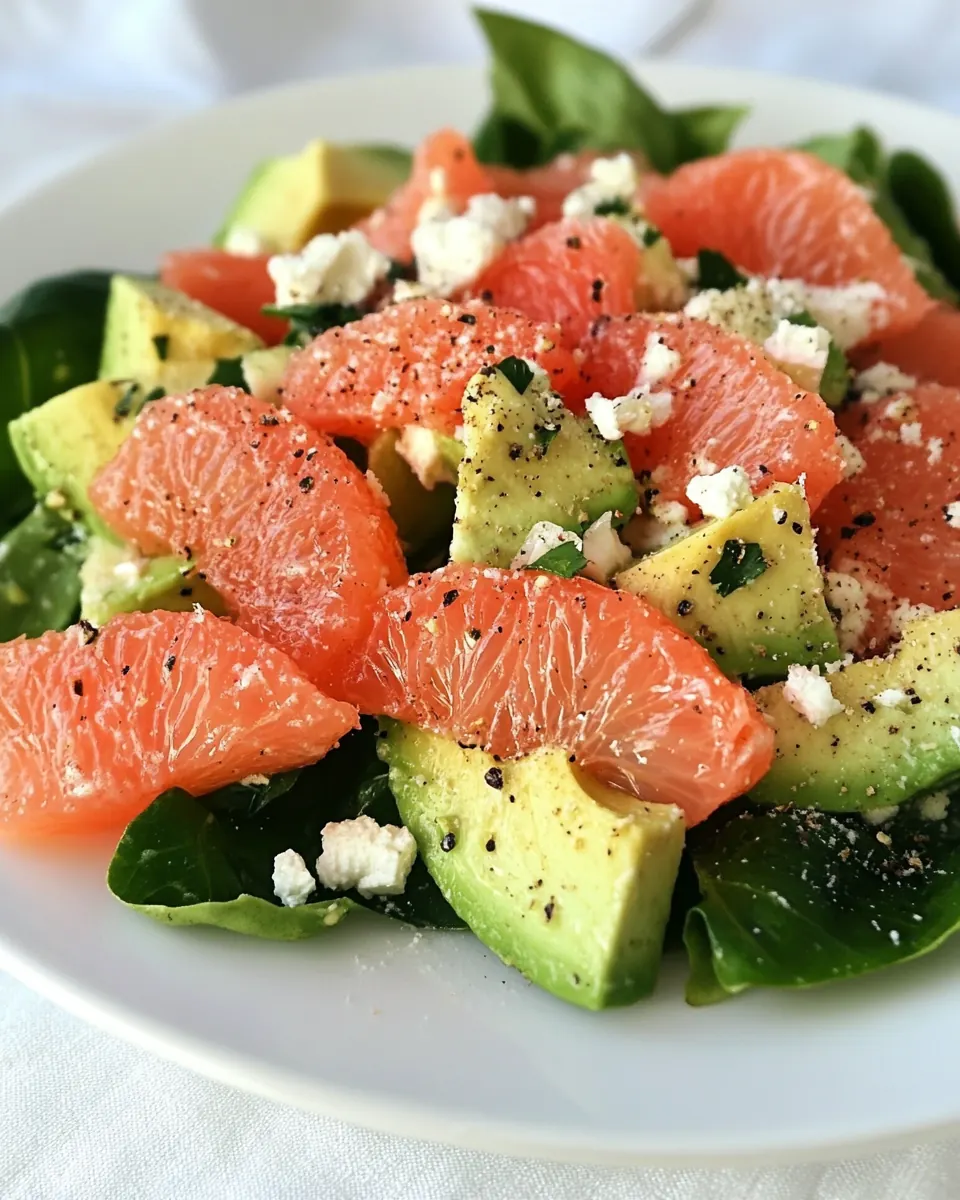
Grapefruit Avocado Salad
Grapefruit Avocado Salad was the bowl I reached for on a warm spring Sunday when I wanted something bright, fresh, and a little indulgent without feeling heavy.
I remember standing at my kitchen counter, the citrus scent thick in the air as I peeled the grapefruit, feeling the sticky juice run down my wrist, and thinking how the silky avocado would be the perfect foil for the tart, slightly bitter slices. That day I was feeding a mix of friends, some who wanted protein and others who preferred light bites, so I kept cooked shrimp on the side and let everyone compose their plates. The crunch of the Boston Bib lettuces made every forkful feel celebratory, and the little drizzle of a simple citrus dressing tied everything together.
Over the years I have tweaked this into a go to when I need a last minute showstopper. It travels well to picnics, it feels seasonal for spring gatherings, and it doubles as an elegant starter or a complete lunch when topped with a generous portion of shrimp. I love how the leftover grapefruit juice becomes a secret ingredient that lifts the dressing to the next level, adding both aroma and an extra layer of freshness.
Recipe Snapshot
15 mins
10 mins
5 mins
Easy
320 kcal
American
Gluten-Free, Low FODMAP
Salads
Saucepan, Mixing bowl, Whisk, Paring knife, Cutting board
What We Adore About This Grapefruit Avocado Salad
Bright, layered flavors that balance each bite
I love how the combination of grapefruit and avocado gives you opposing textures and flavors that actually complement one another. The tartness from the grapefruit keeps the richness of the avocado from feeling cloying, and the crisp Boston Bib lettuces add lift. When I eat this, I notice the tension between acid and creaminess in every forkful.
Flexible protein options make it crowd friendly
We often add cooked shrimp to make it more substantial, but the salad is lovely without it. This flexibility means you can serve it as a light starter or a complete main, depending on your gathering. I appreciate a recipe that adapts to guests with different appetites.
Quick assembly, big payoff
The technique is simple, so I can get everything ready in minutes and still present something that looks carefully composed. The dressing comes together fast, and using reserved grapefruit juice intensifies the citrus notes without extra fuss. For busy weeknights, this salad feels like a treat that did not take hours to make.
Seasonal and visually beautiful
The color contrast between the pale green avocado, the rosy grapefruit, and the emerald Boston Bib lettuces makes it a perfect spring table centerpiece. I serve it when I want a dish that looks as good as it tastes, and people often comment on how refreshing it feels in the middle of a meal.
Minimal, real ingredients
I value recipes that rely on a few high quality items rather than a long list of extras. A good olive oil, fresh citrus, and perfectly ripe avocado are all you need to make the flavors sing. I find that keeping the ingredient list focused helps the salad feel honest and seasonal.
Ingredients You’ll Need for Grapefruit Avocado Salad
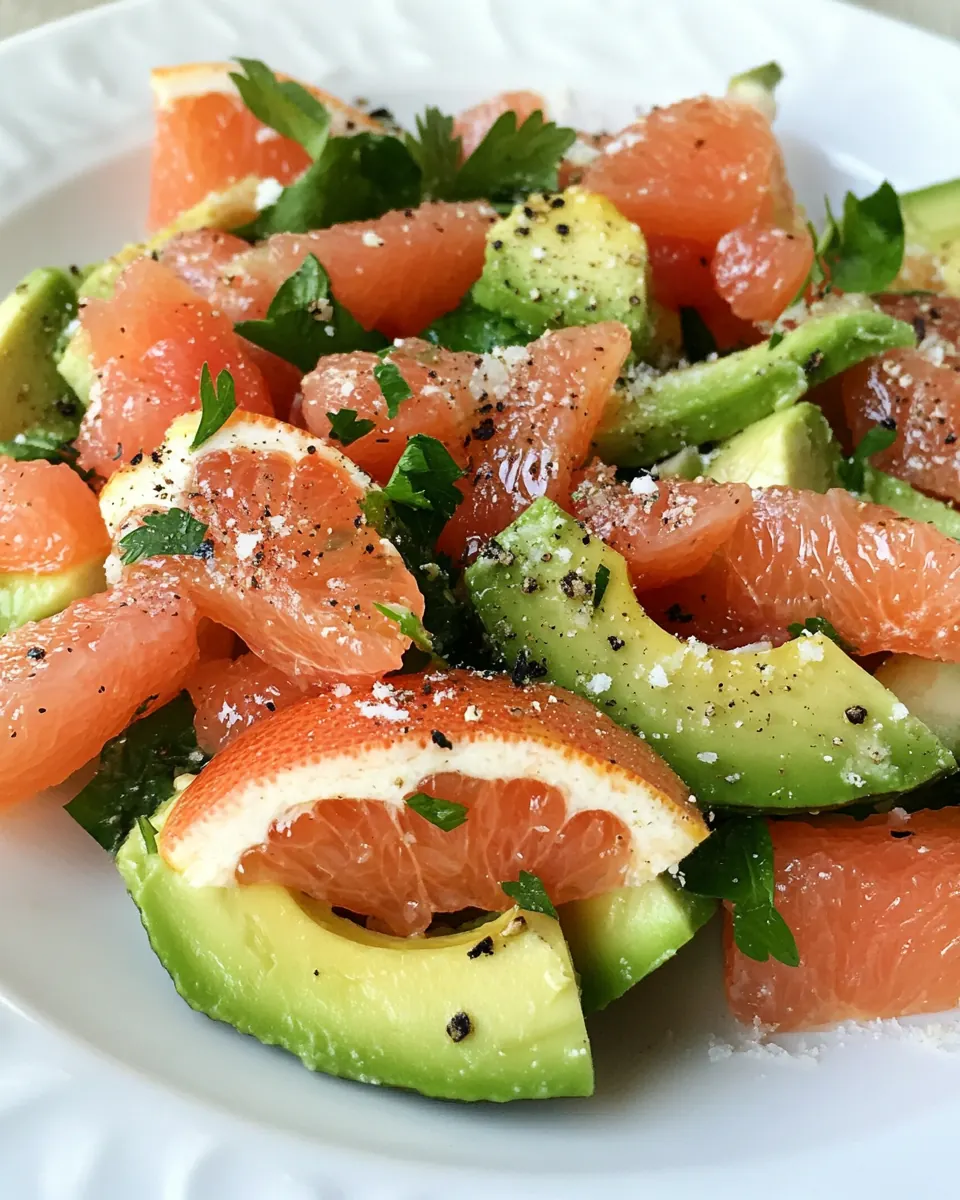
These ingredients are all about contrast and balance, playing off each other to create a bright, satisfying salad. The latex creamy avocado tempers the tartness of the grapefruit, while the crisp Boston Bib lettuces provide structure. If you choose to include the protein, the shrimp adds a savory note that transforms the salad into a main course. The dressing ingredients are intentionally simple to highlight the fresh produce.
- 2 heads Boston Bib lettuces, chopped: Provide a crisp, tender base for the salad that adds mild, slightly sweet flavor and a pleasing leafy texture when chopped and tossed with other components. Offer a neutral backdrop that balances richer elements like avocado and shrimp while delivering volume and freshness. Hold dressings well on their ruffled surfaces, helping distribute flavor throughout each bite.
- 2 avocados, peeled, and sliced into 1/2'' wedges: Bring a rich, creamy texture and buttery mouthfeel that contrasts with citrus brightness; slice into 1/2'' wedges to maintain structure and visual appeal. Contribute healthy monounsaturated fats that help carry fat-soluble flavors and provide a satisfying richness to the salad. Add subtle, nutty undertones that complement both seafood and citrus components.
- 2 grapefruits: Supply bright, tangy citrus flavor and juicy segments that cut through richer ingredients for a refreshing, zesty element. Provide both acid and aromatic oils from the peel that enhance overall brightness and complexity when segmented and added to the salad. Offer visual contrast and a burst of natural sweetness balanced by characteristic grapefruit bitterness.
- 1 pound raw shrimp, shelled () (optional): Add a lean, sweet seafood protein that offers firm, slightly briny texture when cooked and chilled, serving as an optional upgrade to make the salad more substantial. Pair well with citrus and avocado, absorbing vinaigrette flavors while contributing body and satisfying chewiness. Offer versatility—can be omitted for a vegetarian version without compromising the salad's core flavors.
- 1/2 cup olive oil: Serve as the primary fat component for the dressing, lending a smooth mouthfeel and mellow fruitiness that binds other dressing ingredients together. Help mellow the acidity of citrus juices and mustard while coating salad elements for balanced, cohesive flavor. Provide a stable oil base that aids in emulsification and improves overall palatability of the vinaigrette.
- 1/4 cup lemon juice: Deliver bright acidity and fresh citrus aromatics that help brighten and lift the salad's flavors, balancing the richness of avocado and olive oil. Act as a key acidic component in the dressing to create contrast and enhance other ingredients' tastiness. Offer natural acidity that aids in slightly curing shrimp if combined briefly prior to serving.
- 1 teaspoon dijon mustard: Emulsify and stabilize the vinaigrette while adding a subtle savory tang that complements citrus and olive oil. Work as a binding flavor to create a cohesive dressing, enhancing mouthfeel and preventing oil separation. Contribute a piquant note that helps balance sweetness and acidity in the dressing.
- 1 tablespoon granulated sugar: Introduce a touch of sweetness to balance grapefruit bitterness and lemon acidity, creating a more rounded, harmonious dressing. Help tone down sharp citrus edges and enhance the perception of other flavors without making the salad overtly sweet. Dissolve easily into the vinaigrette for uniform sweetness distribution.
- 2 tablespoons grapefruit juice (leftover from peeling the grapefruit): Provide concentrated grapefruit acidity and aroma reclaimed from the peeled fruit to intensify citrus notes in the dressing while minimizing waste. Add small bursts of fresh, authentic grapefruit flavor that tie the salad components together and reinforce the main fruit theme. Assist in balancing the vinaigrette by contributing both juice and subtle bitterness unique to grapefruit.
Step by Step Instructions for Grapefruit Avocado Salad
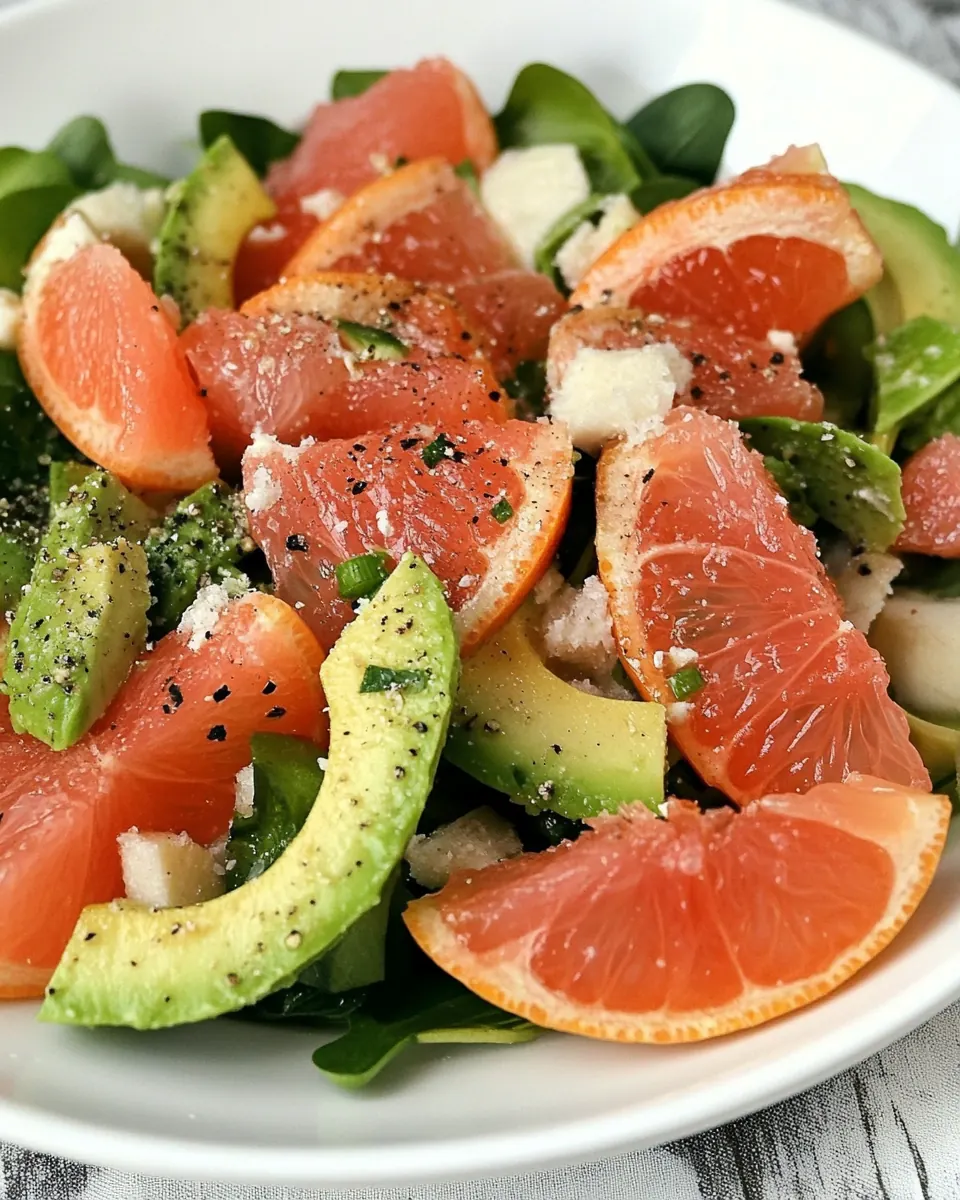
This salad comes together quickly, and the steps below guide you through cooking the optional shrimp, segmenting the grapefruit, and building the bowl. I like to work in stages so nothing gets soggy and the textures stay distinct.
- Add olive oil to saucepan over medium high heat. Add garlic and cook for 30 seconds.: The moment the olive oil shimmers you know the pan is hot enough to give an immediate sizzle. You should smell a faint warm olive aroma and see the surface sheen ripple, which signals readiness for the next aromatics. This heat helps seal and cook the shrimp quickly, keeping them tender rather than rubbery. A common mistake is overheating so the oil smokes, which can impart a bitter flavor, so keep the heat at medium high and watch closely.
- Add shrimp and saute for a few seconds, just until pink on both sides (don't overcook!).: When you add minced garlic , it should hiss softly and release a fragrant, savory perfume in under a minute. The edges will just begin to change color, and the aroma becomes heady and inviting. This short cooking time mellows raw sharpness while preserving freshness. Overcooking is a risk here; if you let the garlic brown it will taste bitter, so remove it from heat promptly after 30 seconds.
- Peel the rind off the grapefruit. Halve it, and then remove the skin from each individual slice so that you're just left with slices of grapefruit flesh. Do this over a plate, and save any juice that accumulates on the plate.: As the shrimp hit the hot oil they should start to curl and change from translucent to an opaque pink in a matter of moments. Listen for a light sizzle and watch for the exterior to firm up without tightening too much. Properly cooked shrimp are springy and slightly glossy, with a sweet briny scent. Overcooking will make them tough and rubbery, so aim to remove them the instant they are evenly pink and just set through.
- Layer bib lettuce with avocado and grapefruit.: The rind and pith should come away cleanly with a sharp paring knife, leaving bright flesh exposed. You will see the pale membrane and pith separate from the vibrant segments; remove them so only the juicy flesh remains. Do this over a plate to catch any runoff, which can be saved for the dressing. A common slip is leaving pith behind which can introduce unwanted bitterness, so take your time with a steady knife.
- Top with cooked shrimp. Pour desired amount of dressing on top.: Once the rind is removed, quarter or halve the fruit and use the knife to trim away the membranes around each segment. The result should be clean, jewel like slices that release bright juices. Pay attention to the texture, the segments should be plump and glistening. If you pull too roughly you can tear the flesh, losing juice and presentation, so work with gentle, precise cuts.
- For the dressing, whisk all ingredients together in a bowl until well combined.: The collected grapefruit juice is a concentrated burst of flavor you can use in the dressing. It will smell citrusy and bright, and adding it provides an immediate lift. Many cooks discard this liquid, but rescuing it intensifies the salad’s cohesion. Not saving the juice is a missed opportunity to boost flavor, so be sure to reserve it.
- Layer bib lettuce with avocado and grapefruit: Assemble by placing chopped Boston Bib lettuces as a base, arranging the sliced avocado and segmented grapefruit on top in an even pattern. The visual contrast is important, and the textures should remain distinct so each forkful includes leaf, fruit, and cream. Handle the avocado gently to avoid mashing, and shake off excess juice from the fruit if it seems too wet. A common error is overdressing the leaves too early which makes them limp, so wait to dress until just before serving.
- Top with cooked shrimp: Place the warm or room temperature shrimp on the salad just before serving to maintain their tender texture and to let their savory flavor mingle with the citrus. The contrast between warm shrimp and cool greens adds an attractive temperature play. If the shrimp are left on too long they can leak juices that soften the lettuce, so add them at the last minute for the best texture.
- Pour desired amount of dressing on top: Drizzle the dressing over the salad, watching how it beads and then gently soaks into the leaves and fruit. You want enough to coat without making the base soggy; start modest and add more as needed. The dressing should glisten and carry small droplets on each ingredient, amplifying aroma and flavor. A regular mistake is drenching the salad, which drowns the subtle contrasts, so apply sparingly and taste as you go.
- For the dressing, whisk all ingredients together in a bowl until well combined: As you whisk the olive oil , lemon juice , reserved grapefruit juice , dijon mustard , and granulated sugar , the mixture should emulsify into a slightly thickened, glossy dressing that coats the back of a spoon. You will smell a bright citrus aroma and notice the texture become smoother. Emulsifying ensures a balanced mouthfeel and prevents separation. If the dressing separates, keep whisking and add a small splash of water or extra mustard to rebind it.
Helpful Hints
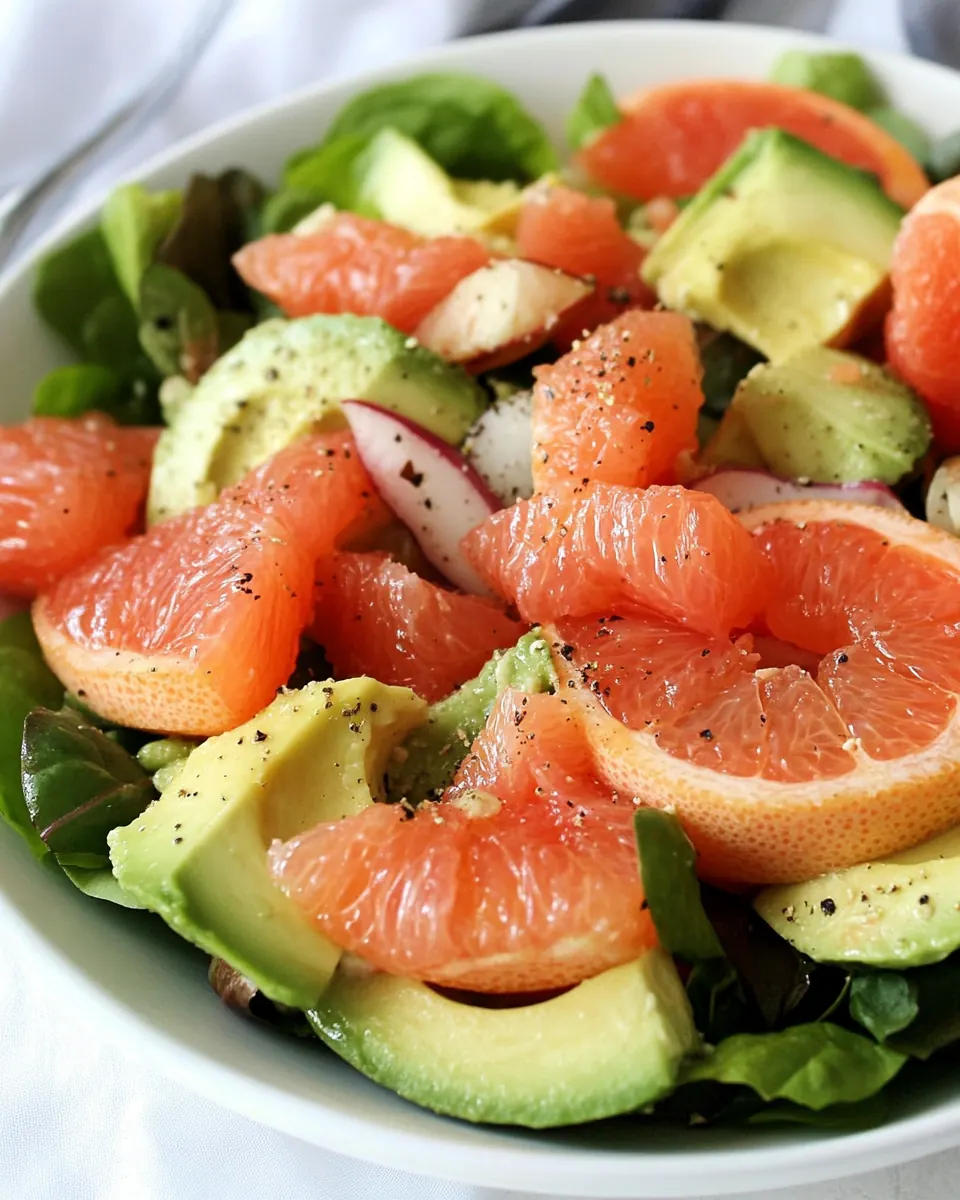
I like to keep these practical tips on hand when making this salad, they help ensure consistent results and make the process less stressful. Below are expanded suggestions that cover assembly, ingredient timing, and flavor balancing so you get the best texture and taste every time.
- Pick ripe but firm avocados, they should yield slightly to gentle pressure but not feel mushy. This ensures the wedges hold their shape when you slice them into 1/2″ pieces. If the avocado is underripe it will be hard and flavorless, and if overripened it will collapse into the greens.
- Use a sharp paring knife for grapefruit segmentation, a sharp blade helps you remove pith cleanly and keeps the segments intact. Working carefully produces neat slices and prevents shredding the flesh, which preserves both presentation and the valuable juice that becomes part of the dressing.
- Cook shrimp just until pink, they go from translucent to opaque quickly, often in under two minutes per side depending on size. Overcooking is the most common error, leading to toughness, so watch for a uniform pink color and a slight curl as your signal to stop.
- Emulsify the dressing well, whisk the olive oil and citrus vigorously with the dijon mustard so the mixture thickens slightly and clings to the salad. A well emulsified dressing distributes evenly, giving each bite balanced flavor and preventing oil separation on the plate.
- Assemble just before serving, especially if you include shrimp, to keep the Boston Bib lettuces crisp. If you must prepare early, keep the components separate and dress only at the last minute to avoid limp leaves and watery texture.
- Taste and adjust sweetness, the amount of granulated sugar needed depends on the grapefruit variety. Start with the listed amount and add more sparingly if the fruit is particularly tart, balancing without making the dressing overtly sweet.
Serving This Grapefruit Avocado Salad
This salad works beautifully as a light lunch or a refined starter for a dinner. Its bright citrus notes suit spring and early summer menus, and with the optional shrimp it can serve as a complete meal for one or two people when paired with simple side items.
- Serve as a starter, portion the salad onto small plates to awaken the palate before a heavier main course. The vivid colors and fresh citrus prepare guests for richer flavors to follow.
- Present as a main for lunch, top larger bowls with a generous portion of cooked shrimp to make it filling. Add a piece of crusty bread on the side for an easy, satisfying midday meal.
- Good for spring gatherings, the seasonal nature of the grapefruit and tender Boston Bib lettuces make this a lovely dish for garden parties or holiday brunches during warmer months.
- Storage, keep components separate in airtight containers: dress the salad just before serving and store peeled, sliced avocado with a squeeze of lemon juice to delay browning. The dressing can be refrigerated for up to three days and whisked before use.
- Serving temperature, serve the salad chilled or at room temperature; slightly cooled shrimp works well against crisp greens, but avoid serving everything straight from the fridge so the flavors can sing.
- Occasions, this salad fits casual lunches, elegant brunches, and spring dinners, and it pairs well with grilled fish or light poultry if you expand the menu.
FAQ
Conclusion
This Grapefruit Avocado Salad stands out for its bright interplay of textures and flavors, where creamy avocado meets tart grapefruit and crisp lettuces. Give it a try when you want a quick yet elegant dish that feels both light and satisfying. It is ideal for spring meals, casual lunches, or as a refreshing starter for guests; assemble at the last minute and savor the contrast in every bite.
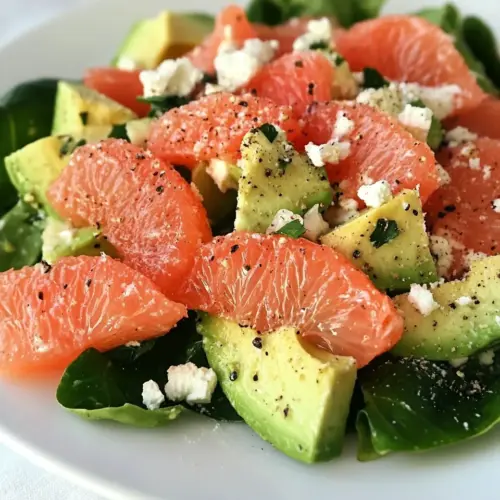
Grapefruit Avocado Salad
Equipment
- Saucepan
- Mixing Bowl
- Whisk
- Paring knife
- Cutting Board
Ingredients
- 2 heads Boston Bib lettuces, chopped Provide a crisp, tender base for the salad that adds mild, slightly sweet flavor and a pleasing leafy texture when chopped and tossed with other components. Offer a neutral backdrop that balances richer elements like avocado and shrimp while delivering volume and freshness. Hold dressings well on their ruffled surfaces, helping distribute flavor throughout each bite.
- 2 avocados, peeled, and sliced into 1/2'' wedges Bring a rich, creamy texture and buttery mouthfeel that contrasts with citrus brightness; slice into 1/2'' wedges to maintain structure and visual appeal. Contribute healthy monounsaturated fats that help carry fat-soluble flavors and provide a satisfying richness to the salad. Add subtle, nutty undertones that complement both seafood and citrus components.
- 2 grapefruits Supply bright, tangy citrus flavor and juicy segments that cut through richer ingredients for a refreshing, zesty element. Provide both acid and aromatic oils from the peel that enhance overall brightness and complexity when segmented and added to the salad. Offer visual contrast and a burst of natural sweetness balanced by characteristic grapefruit bitterness.
- 1 pound raw shrimp, shelled (optional) Add a lean, sweet seafood protein that offers firm, slightly briny texture when cooked and chilled, serving as an optional upgrade to make the salad more substantial. Pair well with citrus and avocado, absorbing vinaigrette flavors while contributing body and satisfying chewiness. Offer versatility—can be omitted for a vegetarian version without compromising the salad's core flavors.
- 1/2 cup olive oil Serve as the primary fat component for the dressing, lending a smooth mouthfeel and mellow fruitiness that binds other dressing ingredients together. Help mellow the acidity of citrus juices and mustard while coating salad elements for balanced, cohesive flavor. Provide a stable oil base that aids in emulsification and improves overall palatability of the vinaigrette.
- 1/4 cup lemon juice Deliver bright acidity and fresh citrus aromatics that help brighten and lift the salad's flavors, balancing the richness of avocado and olive oil. Act as a key acidic component in the dressing to create contrast and enhance other ingredients' tastiness. Offer natural acidity that aids in slightly curing shrimp if combined briefly prior to serving.
- 1 teaspoon dijon mustard Emulsify and stabilize the vinaigrette while adding a subtle savory tang that complements citrus and olive oil. Work as a binding flavor to create a cohesive dressing, enhancing mouthfeel and preventing oil separation. Contribute a piquant note that helps balance sweetness and acidity in the dressing.
- 1 tablespoon granulated sugar Introduce a touch of sweetness to balance grapefruit bitterness and lemon acidity, creating a more rounded, harmonious dressing. Help tone down sharp citrus edges and enhance the perception of other flavors without making the salad overtly sweet. Dissolve easily into the vinaigrette for uniform sweetness distribution.
- 2 tablespoons grapefruit juice (leftover from peeling the grapefruit) Provide concentrated grapefruit acidity and aroma reclaimed from the peeled fruit to intensify citrus notes in the dressing while minimizing waste. Add small bursts of fresh, authentic grapefruit flavor that tie the salad components together and reinforce the main fruit theme. Assist in balancing the vinaigrette by contributing both juice and subtle bitterness unique to grapefruit.
Instructions
- Add olive oil to saucepan over medium high heat. Add garlic and cook for 30 seconds.: The moment the olive oil shimmers you know the pan is hot enough to give an immediate sizzle. You should smell a faint warm olive aroma and see the surface sheen ripple, which signals readiness for the next aromatics. This heat helps seal and cook the shrimp quickly, keeping them tender rather than rubbery. A common mistake is overheating so the oil smokes, which can impart a bitter flavor, so keep the heat at medium high and watch closely.
- Add shrimp and saute for a few seconds, just until pink on both sides (don't overcook!).: When you add minced garlic , it should hiss softly and release a fragrant, savory perfume in under a minute. The edges will just begin to change color, and the aroma becomes heady and inviting. This short cooking time mellows raw sharpness while preserving freshness. Overcooking is a risk here; if you let the garlic brown it will taste bitter, so remove it from heat promptly after 30 seconds.
- Peel the rind off the grapefruit. Halve it, and then remove the skin from each individual slice so that you're just left with slices of grapefruit flesh. Do this over a plate, and save any juice that accumulates on the plate.: As the shrimp hit the hot oil they should start to curl and change from translucent to an opaque pink in a matter of moments. Listen for a light sizzle and watch for the exterior to firm up without tightening too much. Properly cooked shrimp are springy and slightly glossy, with a sweet briny scent. Overcooking will make them tough and rubbery, so aim to remove them the instant they are evenly pink and just set through.
- Layer bib lettuce with avocado and grapefruit.: The rind and pith should come away cleanly with a sharp paring knife, leaving bright flesh exposed. You will see the pale membrane and pith separate from the vibrant segments; remove them so only the juicy flesh remains. Do this over a plate to catch any runoff, which can be saved for the dressing. A common slip is leaving pith behind which can introduce unwanted bitterness, so take your time with a steady knife.
- Top with cooked shrimp. Pour desired amount of dressing on top.: Once the rind is removed, quarter or halve the fruit and use the knife to trim away the membranes around each segment. The result should be clean, jewel like slices that release bright juices. Pay attention to the texture, the segments should be plump and glistening. If you pull too roughly you can tear the flesh, losing juice and presentation, so work with gentle, precise cuts.
- For the dressing, whisk all ingredients together in a bowl until well combined.: The collected grapefruit juice is a concentrated burst of flavor you can use in the dressing. It will smell citrusy and bright, and adding it provides an immediate lift. Many cooks discard this liquid, but rescuing it intensifies the salad’s cohesion. Not saving the juice is a missed opportunity to boost flavor, so be sure to reserve it.
- Layer bib lettuce with avocado and grapefruit: Assemble by placing chopped Boston Bib lettuces as a base, arranging the sliced avocado and segmented grapefruit on top in an even pattern. The visual contrast is important, and the textures should remain distinct so each forkful includes leaf, fruit, and cream. Handle the avocado gently to avoid mashing, and shake off excess juice from the fruit if it seems too wet. A common error is overdressing the leaves too early which makes them limp, so wait to dress until just before serving.
- Top with cooked shrimp: Place the warm or room temperature shrimp on the salad just before serving to maintain their tender texture and to let their savory flavor mingle with the citrus. The contrast between warm shrimp and cool greens adds an attractive temperature play. If the shrimp are left on too long they can leak juices that soften the lettuce, so add them at the last minute for the best texture.
- Pour desired amount of dressing on top: Drizzle the dressing over the salad, watching how it beads and then gently soaks into the leaves and fruit. You want enough to coat without making the base soggy; start modest and add more as needed. The dressing should glisten and carry small droplets on each ingredient, amplifying aroma and flavor. A regular mistake is drenching the salad, which drowns the subtle contrasts, so apply sparingly and taste as you go.
- For the dressing, whisk all ingredients together in a bowl until well combined: As you whisk the olive oil , lemon juice , reserved grapefruit juice , dijon mustard , and granulated sugar , the mixture should emulsify into a slightly thickened, glossy dressing that coats the back of a spoon. You will smell a bright citrus aroma and notice the texture become smoother. Emulsifying ensures a balanced mouthfeel and prevents separation. If the dressing separates, keep whisking and add a small splash of water or extra mustard to rebind it.
Notes
- Pick ripe but firm avocados, they should yield slightly to gentle pressure but not feel mushy. This ensures the wedges hold their shape when you slice them into 1/2" pieces. If the avocado is underripe it will be hard and flavorless, and if overripened it will collapse into the greens.
- Use a sharp paring knife for grapefruit segmentation, a sharp blade helps you remove pith cleanly and keeps the segments intact. Working carefully produces neat slices and prevents shredding the flesh, which preserves both presentation and the valuable juice that becomes part of the dressing.
- Cook shrimp just until pink, they go from translucent to opaque quickly, often in under two minutes per side depending on size. Overcooking is the most common error, leading to toughness, so watch for a uniform pink color and a slight curl as your signal to stop.
- Emulsify the dressing well, whisk the olive oil and citrus vigorously with the dijon mustard so the mixture thickens slightly and clings to the salad. A well emulsified dressing distributes evenly, giving each bite balanced flavor and preventing oil separation on the plate.
- Assemble just before serving, especially if you include shrimp, to keep the Boston Bib lettuces crisp. If you must prepare early, keep the components separate and dress only at the last minute to avoid limp leaves and watery texture.
- Taste and adjust sweetness, the amount of granulated sugar needed depends on the grapefruit variety. Start with the listed amount and add more sparingly if the fruit is particularly tart, balancing without making the dressing overtly sweet.