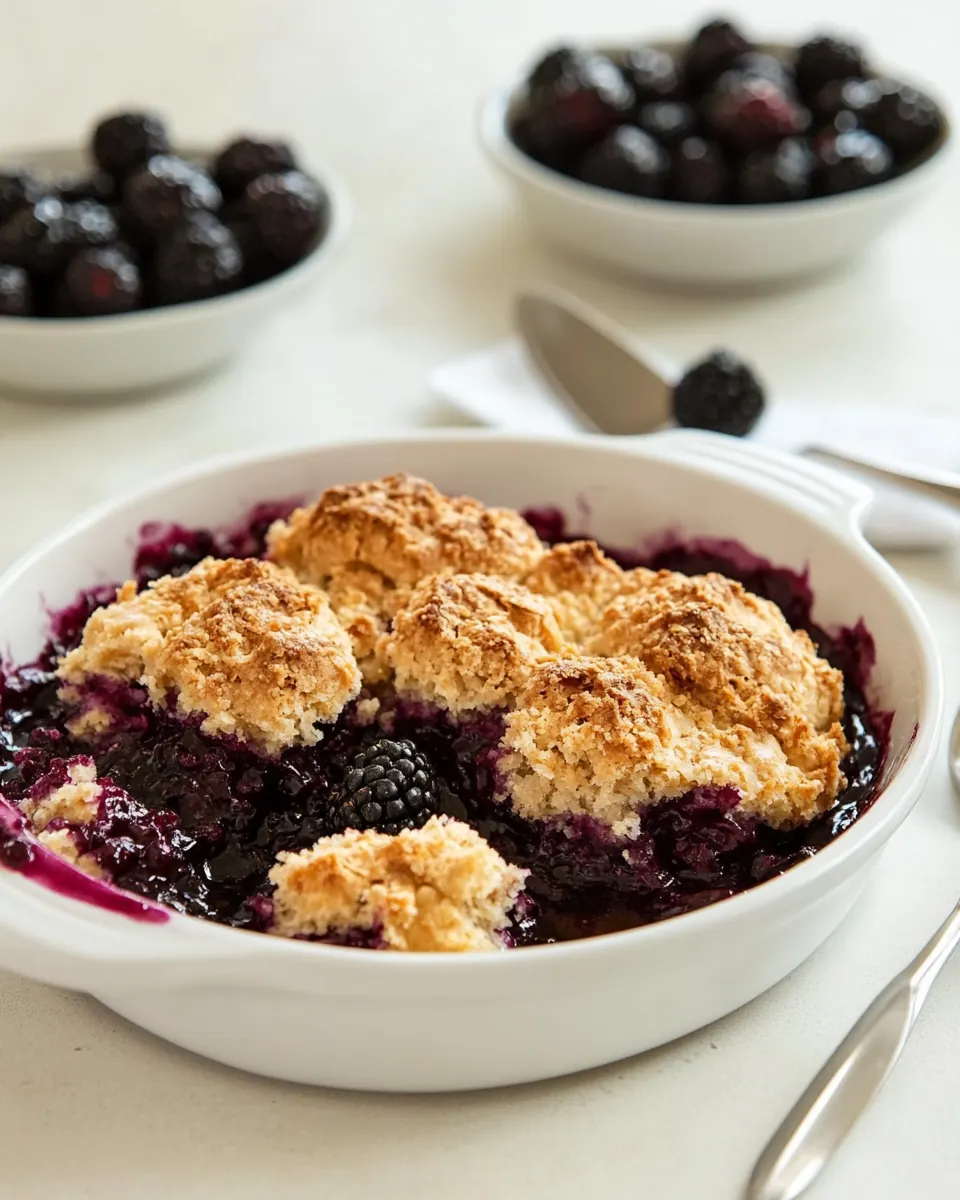
Blackberry Cobbler
Blackberry Cobbler has been my go to summer treat since I learned to bake alongside my grandmother in a tiny kitchen that always smelled faintly of sugar and lemon.
There is something honest about the way the fruit bubbles up and the topping browns, and I still remember the first time I carried a warm pan to the table, the steam fogging my glasses while everyone leaned in for a taste. Over the years I adapted that original method, swapping a few techniques and trusting simple, fresh ingredients like blackberries and butter to do the heavy lifting. When friends ask for a dessert that is both comforting and easy to scale, I reach for this Blackberry Cobbler, because it hits nostalgia and practicality at once.
On late afternoons I like to let the fruit macerate just enough to sing with brightness from lemon juice, while the topping gets a little rustic with oats and a tender crumb from all purpose flour. Serving it warm makes the kitchen feel like a hug, and serving it room temperature lets the flavors settle into one another for the next day. I hope this version becomes part of your sunny afternoons, whether you are hosting a crowd or making a quiet single pan for yourself.
Recipe Snapshot
1 hr 5 mins
20 mins
45 mins
Medium
250 kcal
American
Gluten-Free, Low FODMAP
Desserts
Baking dish, Mixing bowls, Pastry blender, Wire rack, Oven
What You’ll Enjoy About This Blackberry Cobbler
Effortless seasonal flavor
I love how Blackberry Cobbler showcases fresh blackberries with minimal fuss, so you get peak summer taste without complicated prep. The fruit cooks down into a thick, jamlike base that feels indulgent but is basically just fruit, sugar, and a little cornstarch to give it body.
Rustic, textural contrast
The contrast between the juicy berry layer and the slightly crunchy, oat studded topping is why I return to this recipe. The combination of old fashioned oats and tender dough brings chew and crunch, and the small pieces of cold butter create pockets of rich flakiness.
Reliable technique for home bakers
There is nothing finicky about the method, which is perfect when you want a dessert that still feels homemade. I prefer this approach because the dough is forgiving, and the scoop and drop technique yields a pleasing irregular crust that browns beautifully, even if your hands are busy with other tasks.
Flexible and forgiving
This cobbler adapts to what you have on hand, and it tolerates slight timing tweaks so you can get dinner on the table first, then bake while you finish cleaning up. The simple ingredient list makes it easy to scale up for guests or halve for a small household.
Comfort food that feels celebratory
When I serve Blackberry Cobbler, people smile before they taste it. It strikes a balance between everyday baking and a special occasion dessert, which is why I keep it in my repertoire for both potlucks and quiet weekend treats.
Ingredients Required for Blackberry Cobbler
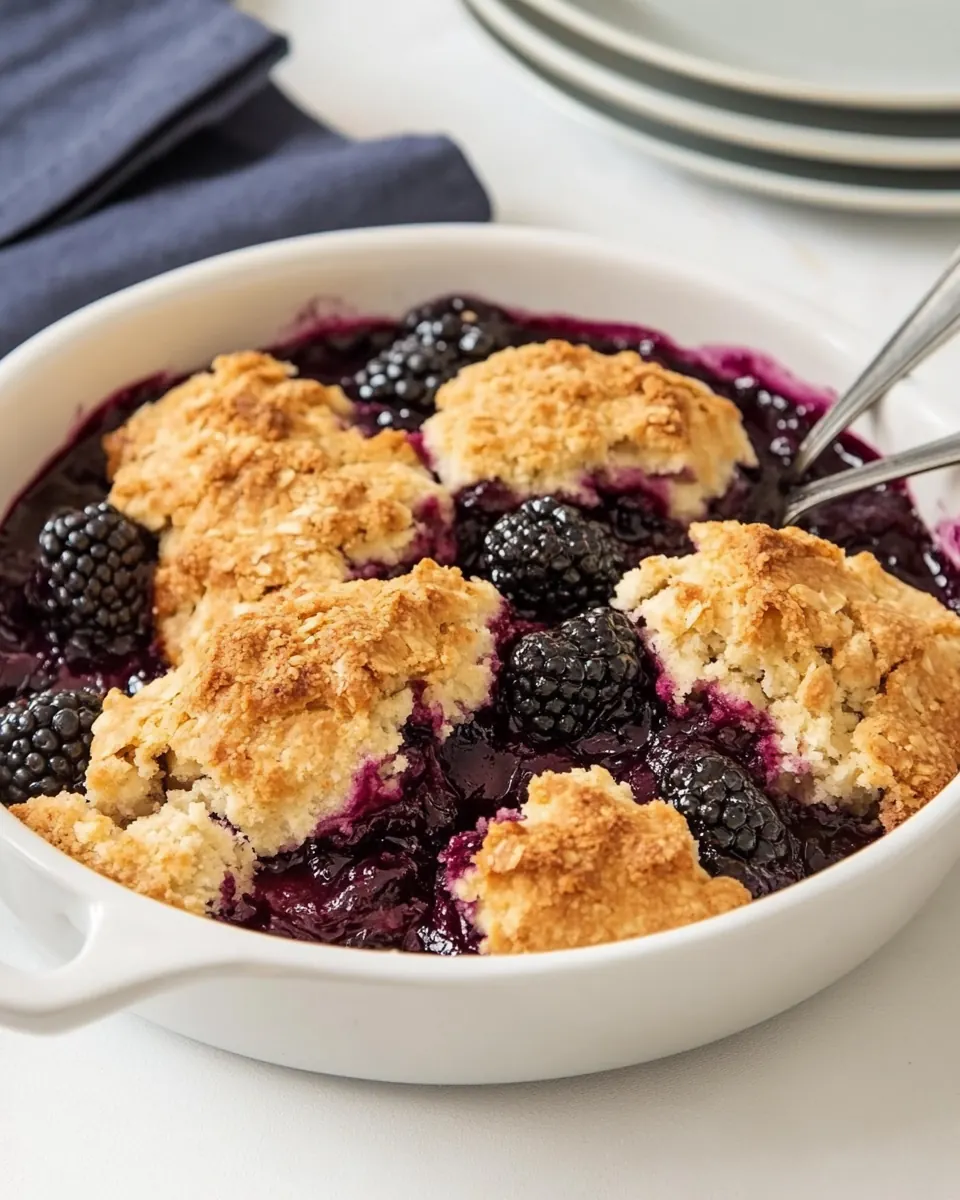
These ingredients are straightforward and purposeful. The fruit forms the star, while the dry components build structure and texture. The key players are blackberries for juicy brightness, cornstarch to thicken the filling, and a mix of all purpose flour and old fashioned oats to create a topping that is both tender and slightly crunchy. The small amount of butter and milk finish the dough with richness and moisture.
- 2 pounds (about 907 grams) fresh blackberries or other berries (about 6 cups): Provide juicy sweetness and body to the filling; macerate with sugar to draw out juices and supply the primary berry flavor and texture that defines the cobbler.
- cup (133 grams) plus 4 tablespoons (48 grams) granulated sugar, divided: Sweeten and balance berry tartness while creating syrup when combined with fruit juices; divided use allows part for macerating the berries and part for sprinkling into the topping for light caramelization.
- 1/4 cup (24 grams) cornstarch: Thicken the berry juices into a glossy filling; mix with sugar before combining with fruit to prevent lumps and ensure a stable, spoonable consistency when baked.
- 1 tablespoon (15 grams) fresh lemon juice: Brighten and lift the fruit flavors while adding a touch of acidity; incorporate into the filling to balance sweetness and enhance the overall brightness of the cobbler.
- 1 teaspoon (3 grams) kosher salt, divided: Enhance overall flavor complexity and control sweetness perception; divide salt between filling and topping to deepen flavors without making the dessert salty.
- 1 cup (125 grams) all-purpose flour: Provide structure and tenderness to the biscuit-like topping; combine with leavening and butter to create the base of the cobbler’s crust.
- 1/2 cup (55 grams) old-fashioned oats: Add rustic texture and nutty flavor to the topping while absorbing some moisture; oats contribute chew and contrast to the soft baked dough.
- 2 teaspoons (10 grams) baking powder: Leaven the topping so it rises and becomes light and pillowy; distribute evenly in the dry mix to ensure consistent rise throughout the cobbler crust.
- 5 tablespoons (70 grams) cold unsalted butter: Create flakiness and richness in the topping by cutting cold butter into the dry ingredients; small cold pieces produce pockets of buttery steam that yield tender layers.
- 1/2 cup (120 grams) whole milk: Moisten and bind the topping ingredients while contributing richness; use cold milk to hydrate the dough and form a cohesive batter that bakes into a tender crust.
Putting Together Blackberry Cobbler
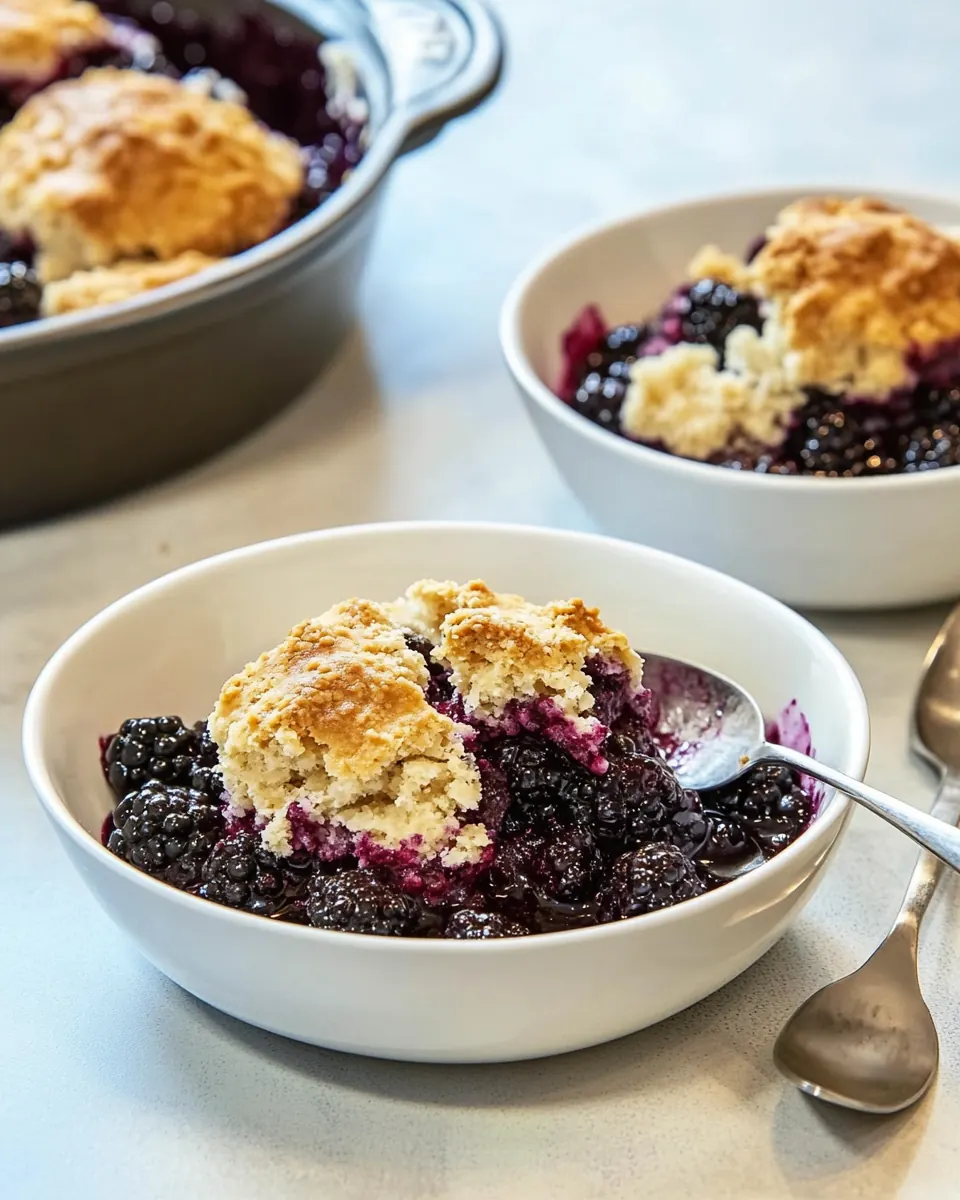
The assembly is straightforward and forgiving, which is why I make this when I want something that smells like summer and still fits into a busy evening. I walk you through how each action changes texture and flavor so the results are consistent and reassuring.
- Preheat oven to 375°F (190°C). Lightly spray a 1 1/2- to 2-quart baking dish with baking spray with flour.: Warm air envelops the oven as it comes to temperature, and you might notice a faint toasty scent when it reaches heat. Preheating ensures the butter in the topping hits a hot environment immediately, which helps create small steam pockets and an even rise. One common mistake is sliding the pan into an oven that is not fully preheated, which can lead to slower browning and a denser topping, so always wait until the oven signals it is ready.
- In a large bowl, stir together berries, ? cup (133 grams) sugar, cornstarch, lemon juice, and 1/2 teaspoon (1.5 grams) salt until combined, slightly mashing berries to release juices. Pour mixture into prepared pan.: The first smells here are bright and fruity, with sugar drawing moisture out of the blackberries and cornstarch starting to dissolve into the juices. As you gently mash a few berries, you will see deeper purple streaks and a glossy sheen forming, and the mixture should feel syrupy rather than watery. The reason for slight mashing is to release enough juice to mingle with the sugar while still retaining some whole berries for textural contrast. A frequent error is overmashing and losing berry texture, which makes the filling too uniform, so stop as soon as some juice is visible and a few berries are crushed.
- In a medium bowl, whisk together flour, oats, 2 tablespoons (24 grams) sugar, baking powder, and remaining 1/2 teaspoon (1.5 grams) salt. Using a pastry blender or your hands, cut in cold butter until butter pieces are pea-size; stir in milk. Using a 3-tablespoon spring-loaded scoop, scoop dough, and drop onto berry mixture in pan. Using your hands, slightly flatten dough, if desired. Sprinkle remaining 2 tablespoons (24 grams) sugar onto dough.: As you work the cold butter into the dry mix, you will feel coarse pebbles of dough, and little flecks of butter will remain visible. Those pea sized lumps are the secret to a flaky texture, since they melt during baking, creating steam. After adding milk , the dough will come together into a soft, slightly sticky mass, smelling of oats and warm grain. People sometimes overwork this dough, which can develop gluten and make the topping tough, so aim for just combined.
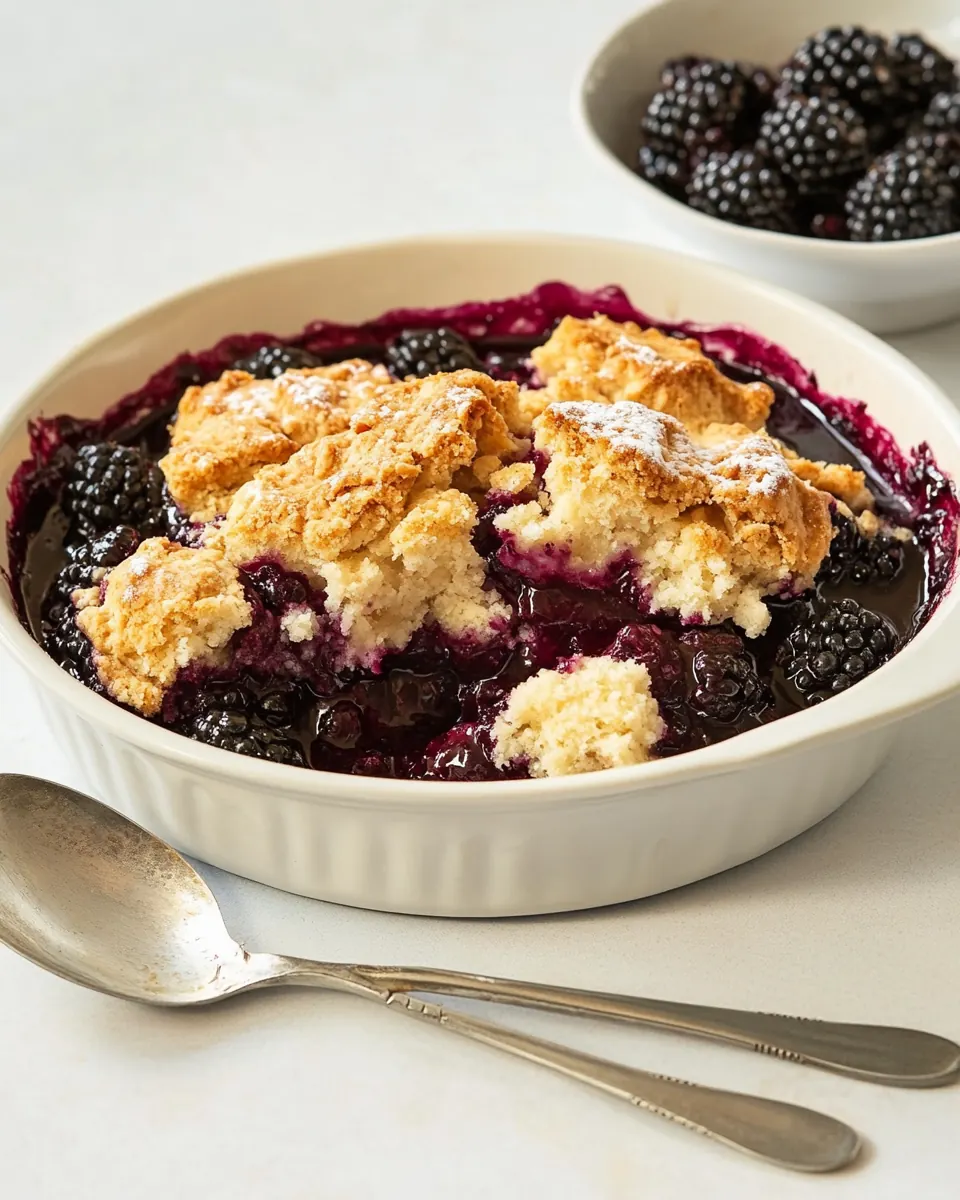
- Bake until topping is golden and berry mixture is thick and bubbly, 40 to 45 minutes, covering with foil during final 20 minutes of baking to prevent excess browning. Let cool on a wire rack for at least 30 minutes. Serve warm or at room temperature.: Dropping the dough yields an irregular, rustic top that bakes into golden islands. When the pieces hit the bubbling fruit they will sink just a touch, creating pockets where syrup gathers. Lightly flattening helps the topping brown more evenly and melds the surface with the fruit juices. The sugar on top carmelizes and creates a pleasant crunchy finish. Avoid pressing too hard or spreading the dough thin, as that can cause uneven baking and a soggy center under the topping.
- Bake until topping is golden and berry mixture is thick and bubbly, 40 to 45 minutes, covering with foil during final 20 minutes of baking to prevent excess browning. Let cool on a wire rack for at least 30 minutes. Serve warm or at room temperature.: During baking you will hear gentle bubbling and smell caramelizing sugars and toasty oats, signals that the filling is reducing and the topping is crisping. The bubbling indicates the cornstarch has activated, thickening the juices, while the topping will go from pale to a warm golden brown. Covering with foil in the final stage avoids an overly dark crust while still letting the center cook through. After removing from the oven, resting on a wire rack lets the filling settle and thicken further; cutting in too soon can result in runny portions, so wait the recommended time. A typical oversight is underbaking slightly, which leaves a slippery filling, so rely on those audible bubbles and a golden topping to know it is done.
Substitutions and Tips
This section expands on small tweaks and practical notes that make the recipe even more reliable in any kitchen. Below are tips I use to accommodate ingredient variations, timing constraints, and serving preferences.
- If berries are very juicy reduce the initial sugar by a tablespoon to avoid an overly loose filling, since extra juice combined with sugar can thin the mixture and require longer baking time.
- If you do not have fresh blackberries frozen blackberries work well, but do not thaw them completely before mixing, as partial freezing helps prevent the filling from becoming overly watery during assembly.
- For a crisper topping sprinkle the assembled dough with a teaspoon of extra sugar before baking to encourage caramelization and a crunchy finish without changing the interior texture.
- If you prefer less sweetness reduce the sugar in the filling by up to one quarter cup, tasting as you go if you are working with especially sweet berries.
- To make ahead prepare the filling and store it covered in the baking dish for up to twelve hours in the refrigerator, then add the topping and bake when ready to serve.
How to Serve Blackberry Cobbler
This cobbler is versatile enough for casual family dinners and warm enough for celebratory weekend gatherings. Serving it properly enhances textures and highlights the fruity center, so I recommend thinking about temperature and accompaniments when plating.
- Serve warm with vanilla ice cream for a classic contrast of hot and cold, the melting ice cream creating a creamy foil to the sticky berry filling.
- Offer whipped cream as an alternative topping for a lighter finish that still adds luxurious mouthfeel without overpowering the blackberries.
- Present at summer brunch alongside coffee and light salads where the cobbler acts as a sweet centerpiece that pairs well with bright dishes.
- Store leftovers loosely covered at room temperature for a day, or refrigerate in an airtight container for up to three days, reheating gently to revive the topping.
- Pair with seasonal fruit like stone fruit during late summer to create a mixed fruit spread that highlights local produce and adds variety to a dessert table.
- For potlucks transport in the baking dish and reheat at your destination; add a quick sprinkle of sugar and a few seconds under a broiler if you want to refresh the topping crispness.
FAQ
Conclusion
What makes this Blackberry Cobbler special is its simplicity and the way fresh fruit and a humble oat topping combine to create something both nostalgic and satisfying. Give it a try on a warm afternoon or for a casual dinner with friends, and you will likely find it becoming a repeat request. I hope this cobbler brings the same comforting moments to your table that it has to mine, whether served warm with a scoop of something creamy or at room temperature as a sweet finish to the day.
Blackberry Cobbler
Equipment
- Baking Dish
- Mixing Bowls
- Pastry blender
- Wire Rack
- Oven
Ingredients
- 2 pounds (about 907 grams) fresh blackberries or other berries (about 6 cups) Provide juicy sweetness and body to the filling; macerate with sugar to draw out juices and supply the primary berry flavor and texture that defines the cobbler.
- cup (133 grams) plus 4 tablespoons (48 grams) granulated sugar, divided Sweeten and balance berry tartness while creating syrup when combined with fruit juices; divided use allows part for macerating the berries and part for sprinkling into the topping for light caramelization.
- 1/4 cup (24 grams) cornstarch Thicken the berry juices into a glossy filling; mix with sugar before combining with fruit to prevent lumps and ensure a stable, spoonable consistency when baked.
- 1 tablespoon (15 grams) fresh lemon juice Brighten and lift the fruit flavors while adding a touch of acidity; incorporate into the filling to balance sweetness and enhance the overall brightness of the cobbler.
- 1 teaspoon (3 grams) kosher salt, divided Enhance overall flavor complexity and control sweetness perception; divide salt between filling and topping to deepen flavors without making the dessert salty.
- 1 cup (125 grams) all-purpose flour Provide structure and tenderness to the biscuit-like topping; combine with leavening and butter to create the base of the cobbler’s crust.
- 1/2 cup (55 grams) old-fashioned oats Add rustic texture and nutty flavor to the topping while absorbing some moisture; oats contribute chew and contrast to the soft baked dough.
- 2 teaspoons (10 grams) baking powder Leaven the topping so it rises and becomes light and pillowy; distribute evenly in the dry mix to ensure consistent rise throughout the cobbler crust.
- 5 tablespoons (70 grams) cold unsalted butter Create flakiness and richness in the topping by cutting cold butter into the dry ingredients; small cold pieces produce pockets of buttery steam that yield tender layers.
- 1/2 cup (120 grams) whole milk Moisten and bind the topping ingredients while contributing richness; use cold milk to hydrate the dough and form a cohesive batter that bakes into a tender crust.
Instructions
- Preheat oven to 375°F (190°C). Lightly spray a 1 1/2- to 2-quart baking dish with baking spray with flour.: Warm air envelops the oven as it comes to temperature, and you might notice a faint toasty scent when it reaches heat. Preheating ensures the butter in the topping hits a hot environment immediately, which helps create small steam pockets and an even rise. One common mistake is sliding the pan into an oven that is not fully preheated, which can lead to slower browning and a denser topping, so always wait until the oven signals it is ready.
- In a large bowl, stir together berries, ? cup (133 grams) sugar, cornstarch, lemon juice, and 1/2 teaspoon (1.5 grams) salt until combined, slightly mashing berries to release juices. Pour mixture into prepared pan.: The first smells here are bright and fruity, with sugar drawing moisture out of the blackberries and cornstarch starting to dissolve into the juices. As you gently mash a few berries, you will see deeper purple streaks and a glossy sheen forming, and the mixture should feel syrupy rather than watery. The reason for slight mashing is to release enough juice to mingle with the sugar while still retaining some whole berries for textural contrast. A frequent error is overmashing and losing berry texture, which makes the filling too uniform, so stop as soon as some juice is visible and a few berries are crushed.
- In a medium bowl, whisk together flour, oats, 2 tablespoons (24 grams) sugar, baking powder, and remaining 1/2 teaspoon (1.5 grams) salt. Using a pastry blender or your hands, cut in cold butter until butter pieces are pea-size; stir in milk. Using a 3-tablespoon spring-loaded scoop, scoop dough, and drop onto berry mixture in pan. Using your hands, slightly flatten dough, if desired. Sprinkle remaining 2 tablespoons (24 grams) sugar onto dough.: As you work the cold butter into the dry mix, you will feel coarse pebbles of dough, and little flecks of butter will remain visible. Those pea sized lumps are the secret to a flaky texture, since they melt during baking, creating steam. After adding milk , the dough will come together into a soft, slightly sticky mass, smelling of oats and warm grain. People sometimes overwork this dough, which can develop gluten and make the topping tough, so aim for just combined.
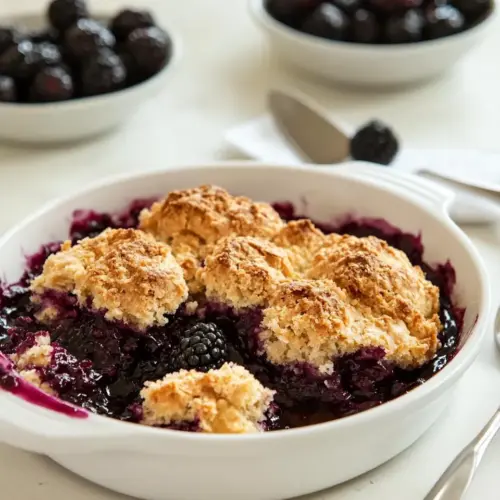
- Bake until topping is golden and berry mixture is thick and bubbly, 40 to 45 minutes, covering with foil during final 20 minutes of baking to prevent excess browning. Let cool on a wire rack for at least 30 minutes. Serve warm or at room temperature.: Dropping the dough yields an irregular, rustic top that bakes into golden islands. When the pieces hit the bubbling fruit they will sink just a touch, creating pockets where syrup gathers. Lightly flattening helps the topping brown more evenly and melds the surface with the fruit juices. The sugar on top carmelizes and creates a pleasant crunchy finish. Avoid pressing too hard or spreading the dough thin, as that can cause uneven baking and a soggy center under the topping.
- Bake until topping is golden and berry mixture is thick and bubbly, 40 to 45 minutes, covering with foil during final 20 minutes of baking to prevent excess browning. Let cool on a wire rack for at least 30 minutes. Serve warm or at room temperature.: During baking you will hear gentle bubbling and smell caramelizing sugars and toasty oats, signals that the filling is reducing and the topping is crisping. The bubbling indicates the cornstarch has activated, thickening the juices, while the topping will go from pale to a warm golden brown. Covering with foil in the final stage avoids an overly dark crust while still letting the center cook through. After removing from the oven, resting on a wire rack lets the filling settle and thicken further; cutting in too soon can result in runny portions, so wait the recommended time. A typical oversight is underbaking slightly, which leaves a slippery filling, so rely on those audible bubbles and a golden topping to know it is done.
Notes
- If berries are very juicy reduce the initial sugar by a tablespoon to avoid an overly loose filling, since extra juice combined with sugar can thin the mixture and require longer baking time.
- If you do not have fresh blackberries frozen blackberries work well, but do not thaw them completely before mixing, as partial freezing helps prevent the filling from becoming overly watery during assembly.
- For a crisper topping sprinkle the assembled dough with a teaspoon of extra sugar before baking to encourage caramelization and a crunchy finish without changing the interior texture.
- If you prefer less sweetness reduce the sugar in the filling by up to one quarter cup, tasting as you go if you are working with especially sweet berries.
- To make ahead prepare the filling and store it covered in the baking dish for up to twelve hours in the refrigerator, then add the topping and bake when ready to serve.