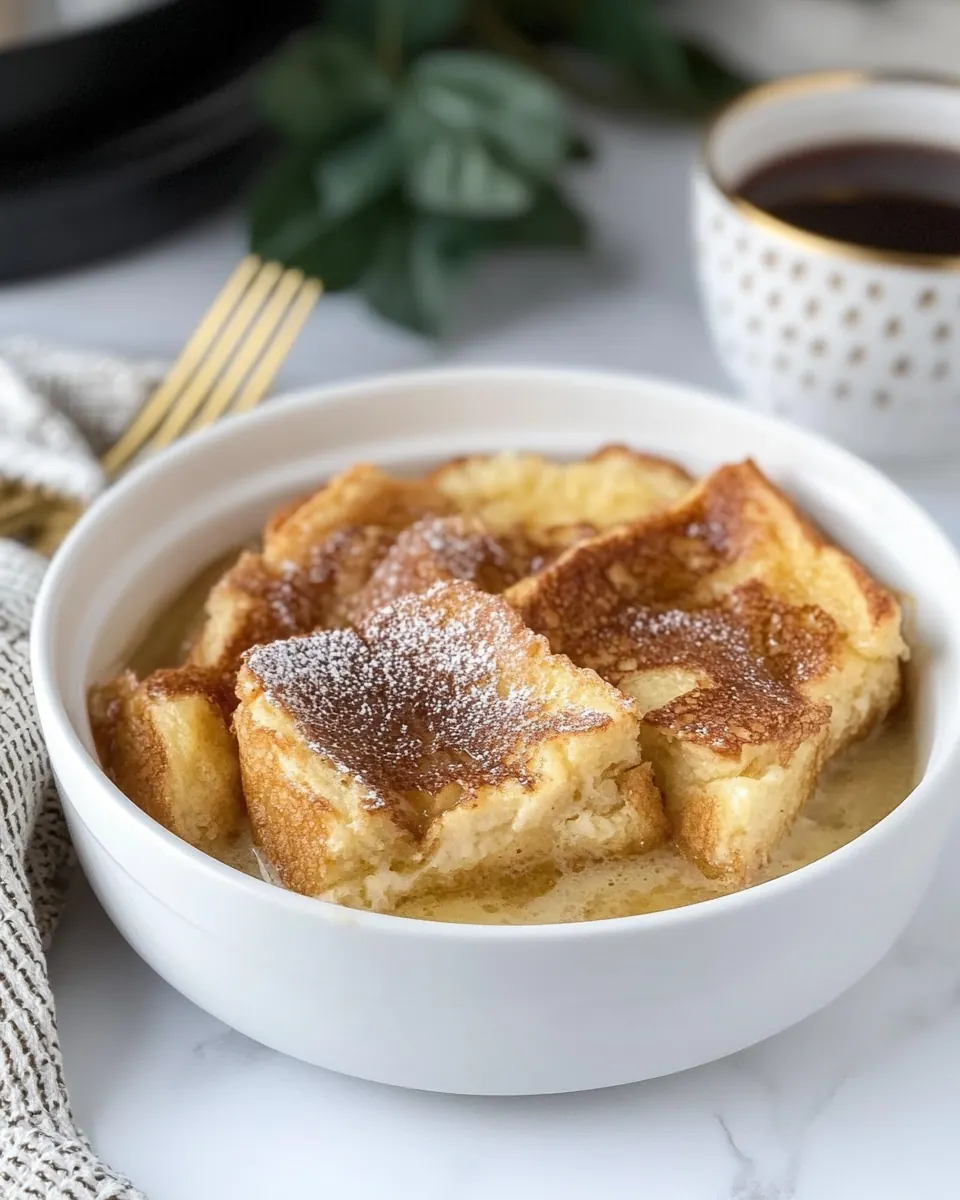
Instant Pot French Toast Casserole
Instant Pot French Toast Casserole is one of those recipes I turn to when a slow morning needs comfort and a touch of hands off magic. I first made it on a rainy weekend when friends arrived with sleepy smiles, and the bread and custard filled the kitchen with warm, spiced aromas that felt like a hug. From that first bake I was sold on how simple ingredients become something that tastes indulgent without a ton of fuss.
Since then I have tweaked the ratios, played with bread types, and learned little tricks for making the top crisp while keeping the interior custardy. Each time I pull it from the pot, steam rises and the scent of cinnamon and maple syrup makes everyone gather. I love that you can assemble it the night before, sleep on it, and wake up to a breakfast that almost cooks itself. It’s perfect for hectic holiday mornings or slow weekend brunches when you want something special with minimal active time.
Recipe Snapshot
45 mins
10 mins
35 mins
Medium
350 kcal
American
Gluten-Free, Low FODMAP
Breakfast
Electric Pressure Cooker (6 or 8 quart), 7 inch cake pan
What You’ll Enjoy About This Instant Pot French Toast Casserole
1. Hands off convenience with big results
I adore how Instant Pot French Toast Casserole turns a fiddly breakfast into a near effortless ritual. You can soak the bread overnight, seal it, and let the pressure cooker do the heavy lifting. The result is uniformly set custard with pockets of pillowy bread, and you get consistent texture every time which is a real win on busy mornings.
2. Deep comforting flavors from simple pantry items
The lineup here reads like something you already have: eggs, half and half, a dash of nutmeg, and maple syrup. Those modest elements combine into a custard that is rich, slightly sweet, and warmly spiced. I find the vanilla and cinnamon transform plain slices of bread into a decadent morning treat, so it’s perfect when you want a big flavor payoff with little shopping.
3. Flexible and forgiving
I love that this casserole forgives small mistakes. If your bread was not perfectly stale, a short bake at low heat dries it out; if the custard seems a touch thin, chilling overnight gives it time to absorb. You can use many types of bread without ruining the dish, and small timing or temperature variances in the pressure cooker rarely wreck the final texture.
4. Crowd friendly and make ahead
This recipe scales nicely, so it’s my go to for a crowd. Assemble in the evening, refrigerate, and pressure cook when guests arrive. The ability to prepare ahead means I can spend more time hosting and less time fussing over the stove, which always makes me happier.
5. Dessert like finish or breakfast staple
Serve it with a dusting of powdered sugar or a drizzle of extra maple syrup, and it feels like dessert for breakfast. I often switch between a simple glaze and warm syrup depending on the mood. That versatility keeps this recipe in heavy rotation at my house because it fits both weekday breakfasts and celebratory brunches.
What to Gather for Instant Pot French Toast Casserole
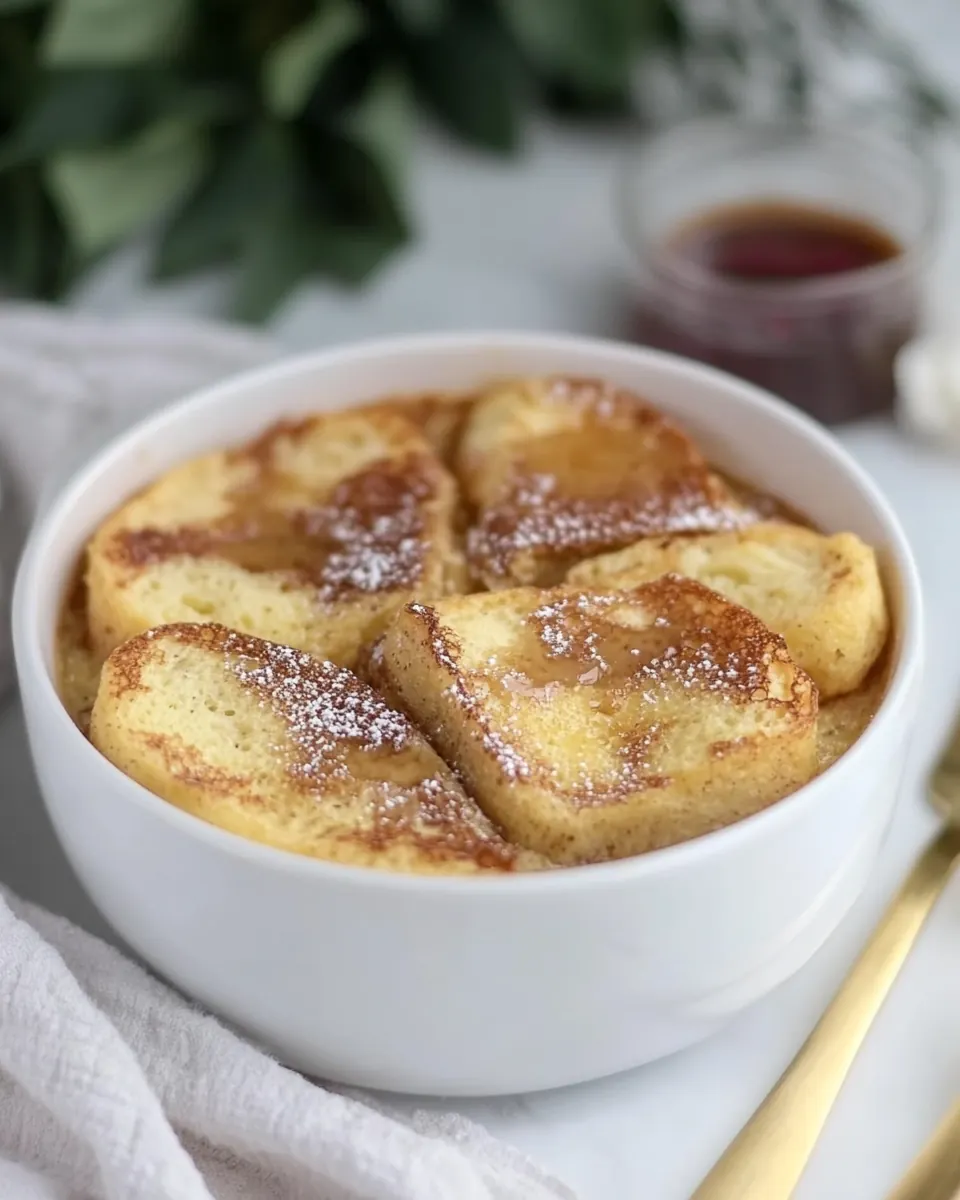
The ingredients here are about balance. The custard base of eggs and half and half provides creaminess and structure, while the bread soaks and yields the soft, tender interior. Aromatics like vanilla, cinnamon, and nutmeg are the supporting cast that give the casserole its signature warm notes, and the maple syrup lends sweetness and depth. Together the components create a dish that is comforting, rich, and forgiving.
- 8 cups bread, cubed into 1-inch chunks: Cubed into 1-inch chunks to provide hearty texture and allow custard to soak evenly; cubes create a mix of soft interior and slightly crisp edges once baked. Use slightly stale bread for best absorption and to avoid a soggy casserole; arrange cubes in the dish to ensure even custard distribution.
- 1 tablespoon butter: Softened to coat the baking dish or to enrich the custard with a subtle buttery flavor; butter adds a golden finish and prevents sticking during cooking. Melt gently to avoid browning and spread evenly for consistent nonstick properties and added richness throughout the casserole.
- 6 large eggs: Beaten well to create the custard base that binds the bread cubes and sets during pressure cooking; eggs provide structure, richness, and a silky mouthfeel. Combine until homogeneous to ensure smooth texture and even cooking, and use large eggs for predictable moisture and protein content.
- 1 1/2 cups half and half: Poured into the egg mixture to make a rich, creamy custard that soaks into the bread cubes; half and half balances creaminess without excessive fat. Chill-sensitive and perishable, keep refrigerated until use and whisk gently to incorporate fully with eggs for a smooth custard.
- 1 teaspoon vanilla extract: Added to the custard for aromatic sweet notes and to deepen flavor complexity; vanilla enhances the overall perception of sweetness without adding sugar. Use pure vanilla extract for best flavor and stir in thoroughly to distribute its aroma evenly through the casserole.
- 1 teaspoon cinnamon: Sprinkled into the custard to contribute warm, woody spice and enhance the dessert-like profile of the dish; cinnamon complements maple and vanilla flavors. Measure carefully to avoid overpowering the custard, and mix well to prevent clumping and ensure consistent spice throughout.
- 1/4 teaspoon grated nutmeg: Grated finely to impart subtle nutty warmth and aromatic depth; nutmeg pairs with cinnamon to round out the spice profile. Use freshly grated nutmeg for the most vibrant flavor and add a small amount to avoid dominating the custard.
- pinch of salt: Added as a small seasoning to balance and enhance sweetness while lifting flavors; salt sharpens and rounds out the overall taste. Dissolve into the custard mix to evenly distribute its effect and prevent any metallic or flat notes in the finished casserole.
- 1/4 cup maple syrup: Drizzled into or served alongside the casserole to contribute natural sweetness and a characteristic maple flavor that complements spices. Use pure maple syrup for depth of flavor and either incorporate into the custard or warm slightly for easier pouring over baked portions.
- 2 tablespoons milk: Mixed with powdered sugar to create a glaze or drizzle that adds extra moisture and sweetness; milk thins the sugar to desired consistency. Add gradually to achieve a pourable texture that will set slightly on cooling, enhancing presentation and mouthfeel.
- 1 teaspoon vanilla extract: Stirred into the glaze to provide aromatic vanilla flavor and round out the sugary icing; vanilla complements the maple and spice notes. Use pure vanilla extract and mix thoroughly to ensure the glaze carries an even, pleasant scent and flavor.
- 1 cup powdered sugar, sifted: Sifted and combined with liquids to form a smooth glaze that adds sweetness and a delicate finish; powdered sugar provides body and quick dissolving properties. Whisk with milk and vanilla until glossy and pourable, then drizzle over warm slices for an attractive, sweet topping.
The Method for Instant Pot French Toast Casserole
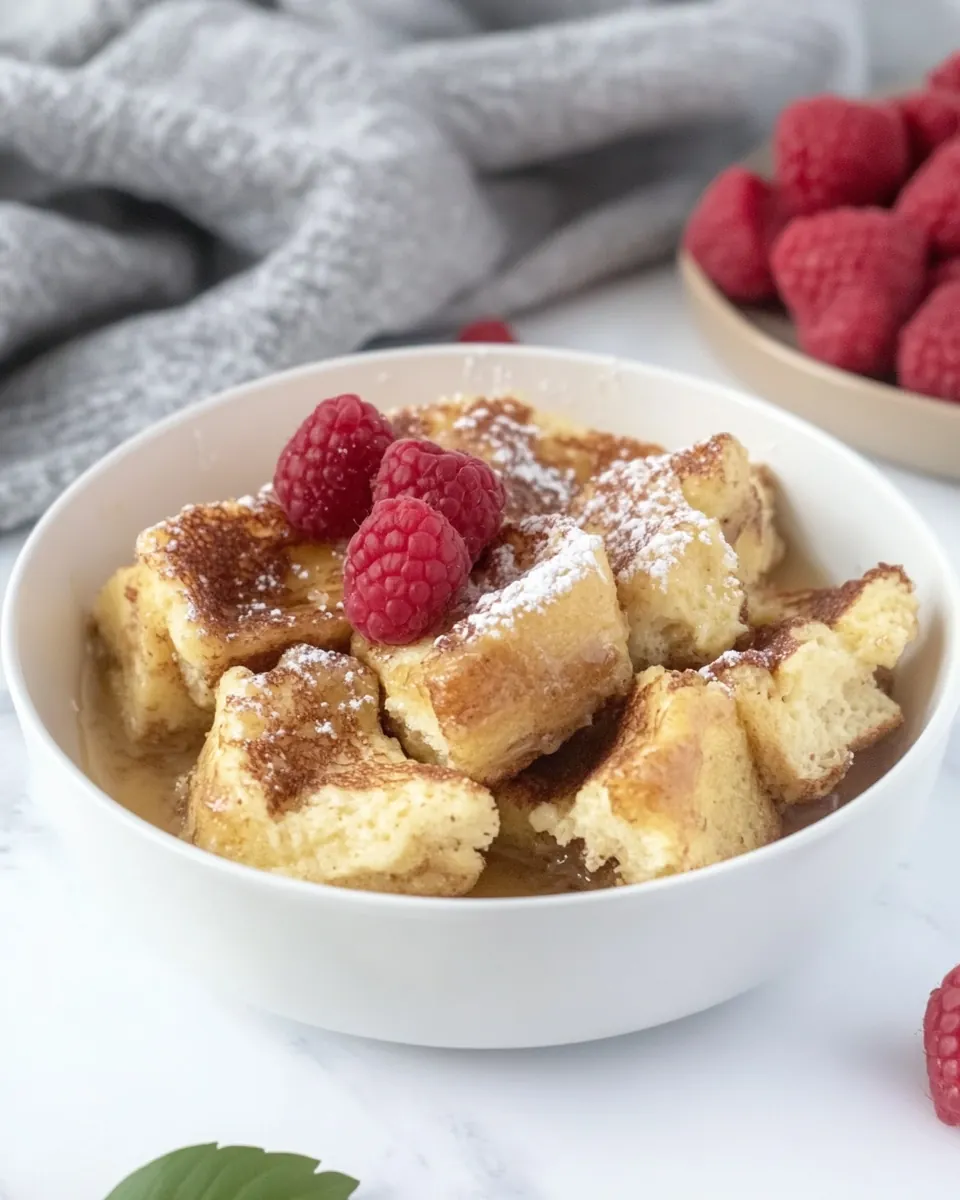
This is a hands off, comforting method that combines an overnight soak with pressure cooking for consistent texture. Take your time with the soaking step because it makes the difference between a dry bake and a custardy center. When cooking in the Instant Pot, follow visual cues and the aroma to know when you have achieved the right set.
- If your bread is not already dried out, place 8 cups bread (cubed) on a sheet pan and bake it at 300℉/150℃ for 10-15 minutes or until dried out. Alternatively, cover the sheet pan and let the bread dry out overnight at room temperature.: As the bread bakes at 300℉/150℃ you will notice it losing moisture and developing a slightly toasted scent, which signals it is ready to soak the custard without becoming mushy. The sound is subtle a faint crackle as the crusts dry, and visually the cubes will look drier and feel crisp at the edges. This drying process matters because stale or dried bread soaks the custard instead of turning into a soggy mass, helping the center remain custardy while the edges hold some shape. A common pitfall is trying to skip this step with very fresh bread , which can lead to a gluey texture; if in doubt, give it an extra five minutes in the oven or let it sit uncovered overnight.
- Prepare a 7 x 4-inch baking dish by brushing with a generous layer of butter.: Rubbing the pan with a tablespoon of softened butter creates a protective barrier so the casserole slides out cleanly after cooking, and it adds a hint of browned butter aroma to the edges. Visually you want a thin glossy coat on every interior surface, which prevents sticking and eases serving. If you skimp on the butter, pieces can cling to the pan and tear when you try to portion, so be generous.
- In a large mixing bowl, whisk together the 6 large eggs, 1 1/2 cups half and half, 1 teaspoon vanilla extract, 1 teaspoon cinnamon, 1/4 teaspoon grated nutmeg, pinch of salt, and 1/4 cup maple syrup. Add the dried-out bread and toss the bread with the custard to fully moisten.: As you whisk the eggs and half and half together, the mixture will become smooth and glossy, releasing a warm spice perfume from the cinnamon and nutmeg . When you add the bread , press and fold gently to ensure each cube is saturated, watching for the custard to disappear into the cubes rather than puddle at the bottom. This step matters because even soaking distributes flavor and sets the texture; inadequate tossing leaves dry pockets, while over handling can break the cubes into mush. A troubleshooting note: if some cubes resist soaking, press them gently with a spatula so the custard penetrates the center.
- Pour the bread and custard into the prepared cake pan and cover with plastic wrap. Refrigerate for at least 8 hours or up to 18 hours. This allows the bread to absorb the custard fully.: During the chill phase you will notice the custard tighten and the bread become saturated and plump, a sign it has fully absorbed the liquid so the interior will be custardlike not dry. The overnight rest not only deepens flavor but stabilizes texture so the casserole holds together during pressure cooking. A mistake here is rushing the soak time which results in a center that has not absorbed enough custard; patience is essential for the best finish.
- When ready to pressure cook, remove the casserole from the refrigerator and remove the plastic wrap. Cover tightly with foil. Pour in 1 1/2 cups of cold tap water into the inner pot and then place in the metal trivet. Place the assembled casserole onto the trivet and seal the instant pot.: The cold water in the inner pot creates the steam needed for the Instant Pot to build pressure, and the trivet keeps the casserole elevated so it cooks gently and evenly. When you set the pan in place, listen for a slight clink of metal to confirm it is secure. Covering the dish with foil traps steam and prevents condensation from dripping onto the top during cooking. A common error is underfilling the water or skipping the trivet, which can cause uneven cooking or damage to the pot.
- Set the cooking time to 35 minutes on high pressure.: While the pressure builds you will notice a hush settle in the kitchen, and after 35 minutes the custard will be set through the center with a slight jiggle like a dense pudding. High pressure penetrates the casserole quickly while keeping moisture uniform, producing a creamy interior that conventional ovens may take longer to achieve. Avoid opening the pot early, since premature release can make the center collapse and become watery.
- Once the cooking time has elapsed, allow the pressure to release naturally or do a quick release of pressure. Remove the french toast casserole from the instant pot and remove the foil.: Natural release lets internal temperature decline slowly, which helps the custard finish setting without sudden texture changes, whereas a quick release speeds things up but can introduce extra moisture. When you lift the foil, steam will billow and a warm, spiced aroma will fill the air; the top should look set though possibly pale. A common slip is rushing to uncover while still under pressure which is unsafe, so always ensure the valve shows the pot is fully depressurized.
- If desired, broil for 3-4 minutes to crisp and brown up the top of the casserole.: Transferring the pan under a hot broiler produces a caramelized, golden top that contrasts the tender interior, adding crunchy texture and toasted notes. Watch closely as broilers vary widely, and listen for a faint crackle as sugars caramelize. Overbrowning can happen quickly, so stand by the oven and rotate if needed to achieve even color.
- Serve with the vanilla glaze or additional maple syrup.: When you plate a wedge, drizzle with the glaze or warm maple syrup , and you will see steam rise against the glossy topping. The glaze offers a bright sweet finish that clings to the surface, while extra syrup soaks into the edges for pockets of sweetness. A serving error is pouring too much syrup which masks the custard flavors, so start light and add as desired.
- In a large mixing bowl, whisk together the 2 tablespoons milk and 1 teaspoon vanilla extract. Add in 1 cup powdered sugar (sifted) and whisk to incorporate, adding more milk or powdered sugar as needed until a thick glaze is formed.: The glaze should be smooth and glossy, with a viscosity that allows it to stream slowly off a spoon. The scent of vanilla will lift the glaze and echo the custard, creating harmony between the topping and the casserole. If the glaze is too thin, sift in more powdered sugar a tablespoon at a time until it thickens; if too thick, thin with a few drops of milk. Avoid exceeding a drop or two at once to prevent overshooting the texture.
Tips and Tricks about Instant Pot French Toast Casserole
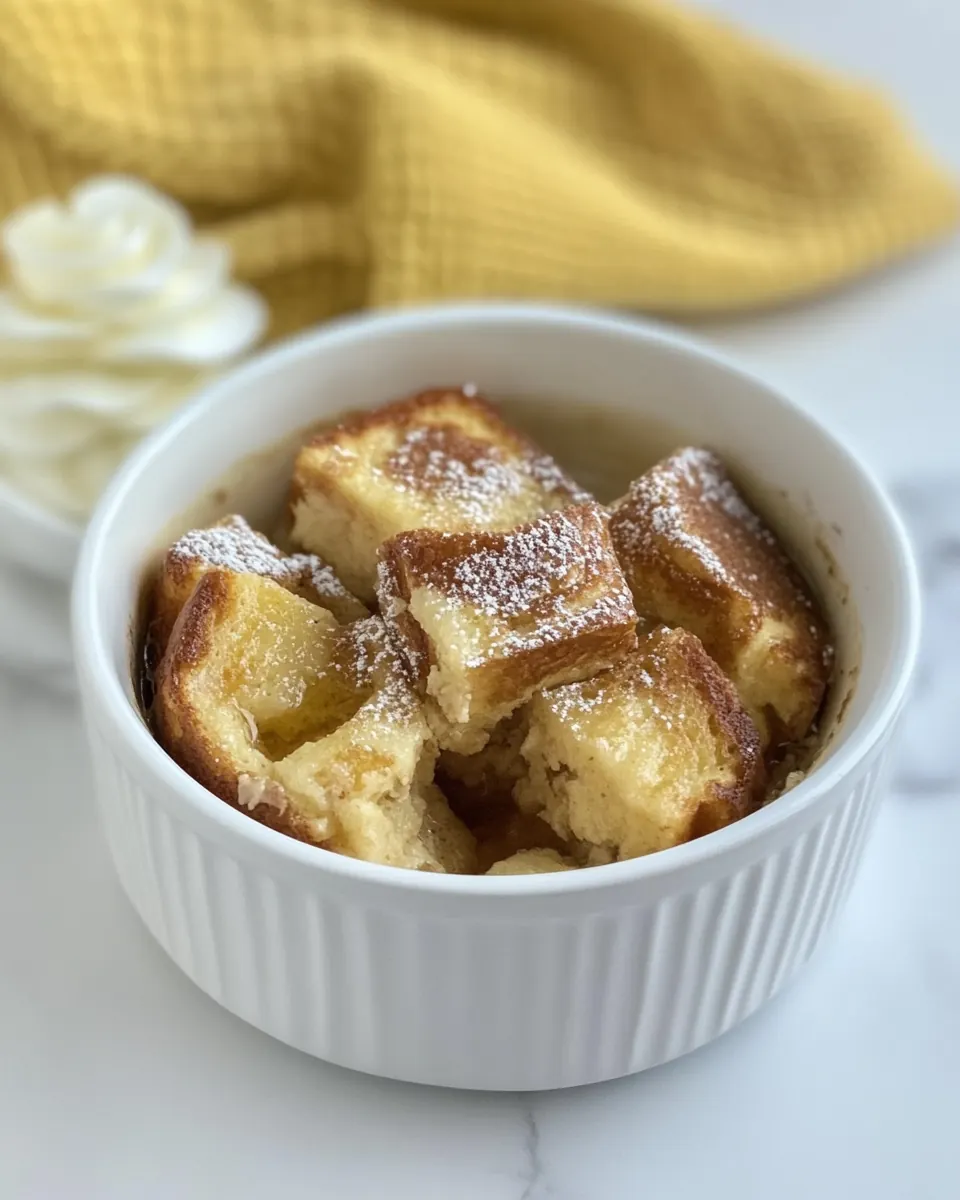
This recipe rewards a little planning and a few small techniques that elevate the final result. Below are practical tips I use every time to ensure a tender interior, a nicely caramelized top, and easy serving for guests.
- Use stale or dried bread: Drying the bread helps it absorb the custard without disintegrating, giving you that ideal custardy interior paired with slightly chewy edges.
- Chill overnight: Refrigerating the assembled casserole for 8 to 18 hours ensures even custard absorption and deeper flavor integration, which yields a better set during pressure cooking.
- Generous buttering: Coat your pan with enough butter so slices release cleanly after cooking, it also adds subtle flavor to the edges.
- Watch the broiler: When crisping the top, stay nearby and rotate the pan if needed since broilers can brown unevenly and quickly.
- Tweak the glaze consistency: Adjust glaze thickness with small additions of milk or powdered sugar so it drizzles but still clings to the casserole.
Great Combinations for Instant Pot French Toast Casserole
This casserole is versatile, fitting lazy weekends, busy holiday mornings, or whenever you want an easy dish that feeds a crowd. Consider pairing with light sides for balance, or keep it simple with a hot beverage and fresh fruit. Below are serving suggestions, storage tips, and occasion ideas to match the mood and season.
- Brunch with fresh fruit: Serve slices alongside a platter of seasonal fruit to add brightness and acidity that cuts the richness. Berries, orange segments, or sliced apples all work well and bring contrast.
- Breakfast for a crowd: For holiday mornings or family gatherings, make one or two pans and keep warm in a low oven after broiling the tops. Portion into warm plates so each serving retains the custardy interior.
- Simple weekday treat: Reheat individual portions in the microwave or oven for a quick, satisfying breakfast. Store leftovers covered in the refrigerator for up to four days and reheat gently so you do not dry it out.
- Serve with toppings on the side: Offer warmed maple syrup, the vanilla glaze, and a dusting of powdered sugar so guests can customize sweetness. Presenting toppings separately keeps the casserole from becoming overly sweet right away.
- Freezing and make ahead: Freeze portions in airtight containers for up to three months, defrost overnight before reheating. This makes it a solid make ahead option for future busy mornings.
- Occasions: This works beautifully for weekend brunches, holiday breakfasts such as Christmas morning or special occasions where you want a comforting, shareable dish that doesn’t demand last minute attention.
FAQ
Conclusion
What makes this Instant Pot French Toast Casserole special is how few steps produce a comforting, custardy breakfast that feels indulgent yet remains effortless. I encourage you to give it a try because the overnight soak and pressure cooking create consistent texture and deep flavor with minimal active time. Serve it for a relaxed weekend brunch or a holiday morning, and enjoy the warm spice notes paired with a simple glaze or extra maple syrup.
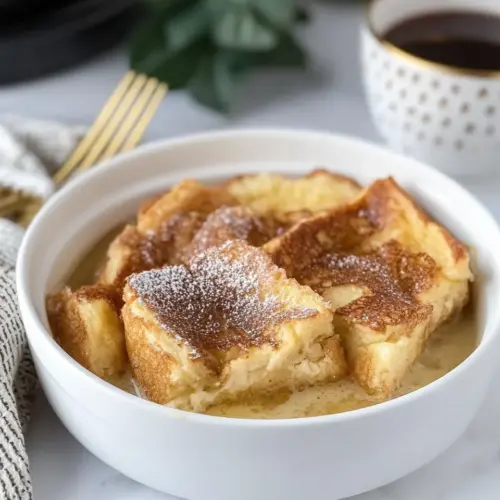
Instant Pot French Toast Casserole
Equipment
- Electric Pressure Cooker (6 or 8 quart)
- 7 inch cake pan
Ingredients
- 8 cups bread, cubed into 1-inch chunks Cubed into 1-inch chunks to provide hearty texture and allow custard to soak evenly; cubes create a mix of soft interior and slightly crisp edges once baked. Use slightly stale bread for best absorption and to avoid a soggy casserole; arrange cubes in the dish to ensure even custard distribution.
- 1 tablespoon butter Softened to coat the baking dish or to enrich the custard with a subtle buttery flavor; butter adds a golden finish and prevents sticking during cooking. Melt gently to avoid browning and spread evenly for consistent nonstick properties and added richness throughout the casserole.
- 6 large eggs Beaten well to create the custard base that binds the bread cubes and sets during pressure cooking; eggs provide structure, richness, and a silky mouthfeel. Combine until homogeneous to ensure smooth texture and even cooking, and use large eggs for predictable moisture and protein content.
- 1 1/2 cups half and half Poured into the egg mixture to make a rich, creamy custard that soaks into the bread cubes; half and half balances creaminess without excessive fat. Chill-sensitive and perishable, keep refrigerated until use and whisk gently to incorporate fully with eggs for a smooth custard.
- 1 teaspoon vanilla extract Added to the custard for aromatic sweet notes and to deepen flavor complexity; vanilla enhances the overall perception of sweetness without adding sugar. Use pure vanilla extract for best flavor and stir in thoroughly to distribute its aroma evenly through the casserole.
- 1 teaspoon cinnamon Sprinkled into the custard to contribute warm, woody spice and enhance the dessert-like profile of the dish; cinnamon complements maple and vanilla flavors. Measure carefully to avoid overpowering the custard, and mix well to prevent clumping and ensure consistent spice throughout.
- 1/4 teaspoon grated nutmeg Grated finely to impart subtle nutty warmth and aromatic depth; nutmeg pairs with cinnamon to round out the spice profile. Use freshly grated nutmeg for the most vibrant flavor and add a small amount to avoid dominating the custard.
- pinch of salt Added as a small seasoning to balance and enhance sweetness while lifting flavors; salt sharpens and rounds out the overall taste. Dissolve into the custard mix to evenly distribute its effect and prevent any metallic or flat notes in the finished casserole.
- 1/4 cup maple syrup Drizzled into or served alongside the casserole to contribute natural sweetness and a characteristic maple flavor that complements spices. Use pure maple syrup for depth of flavor and either incorporate into the custard or warm slightly for easier pouring over baked portions.
- 2 tablespoons milk Mixed with powdered sugar to create a glaze or drizzle that adds extra moisture and sweetness; milk thins the sugar to desired consistency. Add gradually to achieve a pourable texture that will set slightly on cooling, enhancing presentation and mouthfeel.
- 1 teaspoon vanilla extract Stirred into the glaze to provide aromatic vanilla flavor and round out the sugary icing; vanilla complements the maple and spice notes. Use pure vanilla extract and mix thoroughly to ensure the glaze carries an even, pleasant scent and flavor.
- 1 cup powdered sugar, sifted Sifted and combined with liquids to form a smooth glaze that adds sweetness and a delicate finish; powdered sugar provides body and quick dissolving properties. Whisk with milk and vanilla until glossy and pourable, then drizzle over warm slices for an attractive, sweet topping.
Instructions
- If your bread is not already dried out, place 8 cups bread (cubed) on a sheet pan and bake it at 300℉/150℃ for 10-15 minutes or until dried out. Alternatively, cover the sheet pan and let the bread dry out overnight at room temperature.: As the bread bakes at 300℉/150℃ you will notice it losing moisture and developing a slightly toasted scent, which signals it is ready to soak the custard without becoming mushy. The sound is subtle a faint crackle as the crusts dry, and visually the cubes will look drier and feel crisp at the edges. This drying process matters because stale or dried bread soaks the custard instead of turning into a soggy mass, helping the center remain custardy while the edges hold some shape. A common pitfall is trying to skip this step with very fresh bread , which can lead to a gluey texture; if in doubt, give it an extra five minutes in the oven or let it sit uncovered overnight.
- Prepare a 7 x 4-inch baking dish by brushing with a generous layer of butter.: Rubbing the pan with a tablespoon of softened butter creates a protective barrier so the casserole slides out cleanly after cooking, and it adds a hint of browned butter aroma to the edges. Visually you want a thin glossy coat on every interior surface, which prevents sticking and eases serving. If you skimp on the butter, pieces can cling to the pan and tear when you try to portion, so be generous.
- In a large mixing bowl, whisk together the 6 large eggs, 1 1/2 cups half and half, 1 teaspoon vanilla extract, 1 teaspoon cinnamon, 1/4 teaspoon grated nutmeg, pinch of salt, and 1/4 cup maple syrup. Add the dried-out bread and toss the bread with the custard to fully moisten.: As you whisk the eggs and half and half together, the mixture will become smooth and glossy, releasing a warm spice perfume from the cinnamon and nutmeg . When you add the bread , press and fold gently to ensure each cube is saturated, watching for the custard to disappear into the cubes rather than puddle at the bottom. This step matters because even soaking distributes flavor and sets the texture; inadequate tossing leaves dry pockets, while over handling can break the cubes into mush. A troubleshooting note: if some cubes resist soaking, press them gently with a spatula so the custard penetrates the center.
- Pour the bread and custard into the prepared cake pan and cover with plastic wrap. Refrigerate for at least 8 hours or up to 18 hours. This allows the bread to absorb the custard fully.: During the chill phase you will notice the custard tighten and the bread become saturated and plump, a sign it has fully absorbed the liquid so the interior will be custardlike not dry. The overnight rest not only deepens flavor but stabilizes texture so the casserole holds together during pressure cooking. A mistake here is rushing the soak time which results in a center that has not absorbed enough custard; patience is essential for the best finish.
- When ready to pressure cook, remove the casserole from the refrigerator and remove the plastic wrap. Cover tightly with foil. Pour in 1 1/2 cups of cold tap water into the inner pot and then place in the metal trivet. Place the assembled casserole onto the trivet and seal the instant pot.: The cold water in the inner pot creates the steam needed for the Instant Pot to build pressure, and the trivet keeps the casserole elevated so it cooks gently and evenly. When you set the pan in place, listen for a slight clink of metal to confirm it is secure. Covering the dish with foil traps steam and prevents condensation from dripping onto the top during cooking. A common error is underfilling the water or skipping the trivet, which can cause uneven cooking or damage to the pot.
- Set the cooking time to 35 minutes on high pressure.: While the pressure builds you will notice a hush settle in the kitchen, and after 35 minutes the custard will be set through the center with a slight jiggle like a dense pudding. High pressure penetrates the casserole quickly while keeping moisture uniform, producing a creamy interior that conventional ovens may take longer to achieve. Avoid opening the pot early, since premature release can make the center collapse and become watery.
- Once the cooking time has elapsed, allow the pressure to release naturally or do a quick release of pressure. Remove the french toast casserole from the instant pot and remove the foil.: Natural release lets internal temperature decline slowly, which helps the custard finish setting without sudden texture changes, whereas a quick release speeds things up but can introduce extra moisture. When you lift the foil, steam will billow and a warm, spiced aroma will fill the air; the top should look set though possibly pale. A common slip is rushing to uncover while still under pressure which is unsafe, so always ensure the valve shows the pot is fully depressurized.
- If desired, broil for 3-4 minutes to crisp and brown up the top of the casserole.: Transferring the pan under a hot broiler produces a caramelized, golden top that contrasts the tender interior, adding crunchy texture and toasted notes. Watch closely as broilers vary widely, and listen for a faint crackle as sugars caramelize. Overbrowning can happen quickly, so stand by the oven and rotate if needed to achieve even color.
- Serve with the vanilla glaze or additional maple syrup.: When you plate a wedge, drizzle with the glaze or warm maple syrup , and you will see steam rise against the glossy topping. The glaze offers a bright sweet finish that clings to the surface, while extra syrup soaks into the edges for pockets of sweetness. A serving error is pouring too much syrup which masks the custard flavors, so start light and add as desired.
- In a large mixing bowl, whisk together the 2 tablespoons milk and 1 teaspoon vanilla extract. Add in 1 cup powdered sugar (sifted) and whisk to incorporate, adding more milk or powdered sugar as needed until a thick glaze is formed.: The glaze should be smooth and glossy, with a viscosity that allows it to stream slowly off a spoon. The scent of vanilla will lift the glaze and echo the custard, creating harmony between the topping and the casserole. If the glaze is too thin, sift in more powdered sugar a tablespoon at a time until it thickens; if too thick, thin with a few drops of milk. Avoid exceeding a drop or two at once to prevent overshooting the texture.
Notes
- Use stale or dried bread: Drying the bread helps it absorb the custard without disintegrating, giving you that ideal custardy interior paired with slightly chewy edges.
- Chill overnight: Refrigerating the assembled casserole for 8 to 18 hours ensures even custard absorption and deeper flavor integration, which yields a better set during pressure cooking.
- Generous buttering: Coat your pan with enough butter so slices release cleanly after cooking, it also adds subtle flavor to the edges.
- Watch the broiler: When crisping the top, stay nearby and rotate the pan if needed since broilers can brown unevenly and quickly.
- Tweak the glaze consistency: Adjust glaze thickness with small additions of milk or powdered sugar so it drizzles but still clings to the casserole.