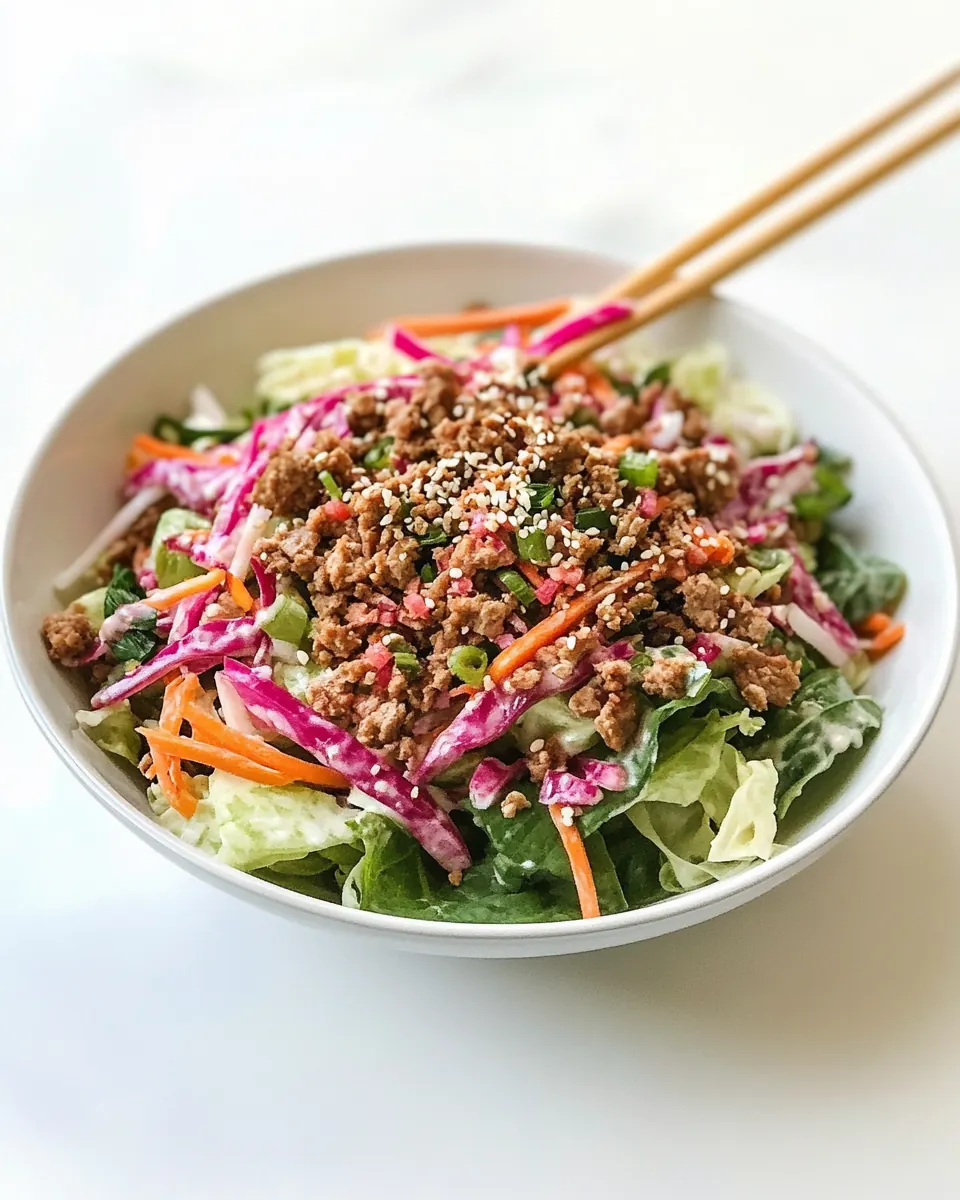
Egg Roll Salad with Asian Style Dressing
Egg Roll Salad with Asian Style Dressing is one of those recipes I reach for when I want big flavor without fuss. The first time I made it I was short on time but craving something crunchy and bright, so I turned pantry staples into a bowl that felt celebratory and simple at once.
I remember standing at the counter, listening to the sizzle as the ground turkey breast hit the skillet while the kitchen filled with warm garlic and ginger aromas. There was a comfort to tossing crisp Napa cabbage and shredded carrot with a tangy, savory dressing, and then piling the juicy, seasoned meat on top. It felt like an assembly of textures, each bite a contrast between crisp greens and tender protein.
That night it became my go to for quick weeknight meals, and over time I tweaked the dressing until it sang, balancing the acidity of rice vinegar, the toasty edge of sesame oil, and a touch of sweetness from honey. I like how the fresh cilantro and green onion add brightness at the end, like a final clap of flavor.
Recipe Snapshot
20 mins
10 mins
10 mins
Easy
320 kcal
Asian
Gluten-Free, Paleo
Salads
Large skillet, Large bowl, Small mixing bowl, Tongs
Why You Need This Egg Roll Salad with Asian Style Dressing
Crunch and Comfort
I love how Egg Roll Salad with Asian Style Dressing gives you crunchy texture without frying. The mix of shredded Napa cabbage, chopped kale, and shredded carrot creates a lively mouthfeel that feels both satisfying and light. I often find myself reaching for this recipe when I want something hearty but not heavy.
Bold, Balanced Dressing
The dressing is a small assembly that changes everything. A few pantry items like rice vinegar, soy sauce, and sesame oil transform the salad into a cohesive dish. I especially appreciate the way the honey tames the acidity while the grated ginger and minced garlic bring warmth.
Quick Weeknight Win
This recipe cooks up fast, so it’s perfect for evenings when you want a balanced meal but don’t have time to fuss. Browning the ground turkey breast takes minutes and the assembly is mostly tossing and drizzling. I rely on this when my schedule is tight but I still want a homemade plate.
Flexible and Crowd Friendly
I appreciate that you can scale it easily for a few or many. The individual components are forgiving, so I tweak quantities freely and it still turns out. When I host friends, I let everyone pile their own bowl and add the fresh herbs at the end.
Fresh Finishes
Finishing with chopped cilantro and green onion brightens the whole plate. I always add them last to preserve their color and zing, and that small step always gets compliments.
What to Buy for Egg Roll Salad with Asian Style Dressing
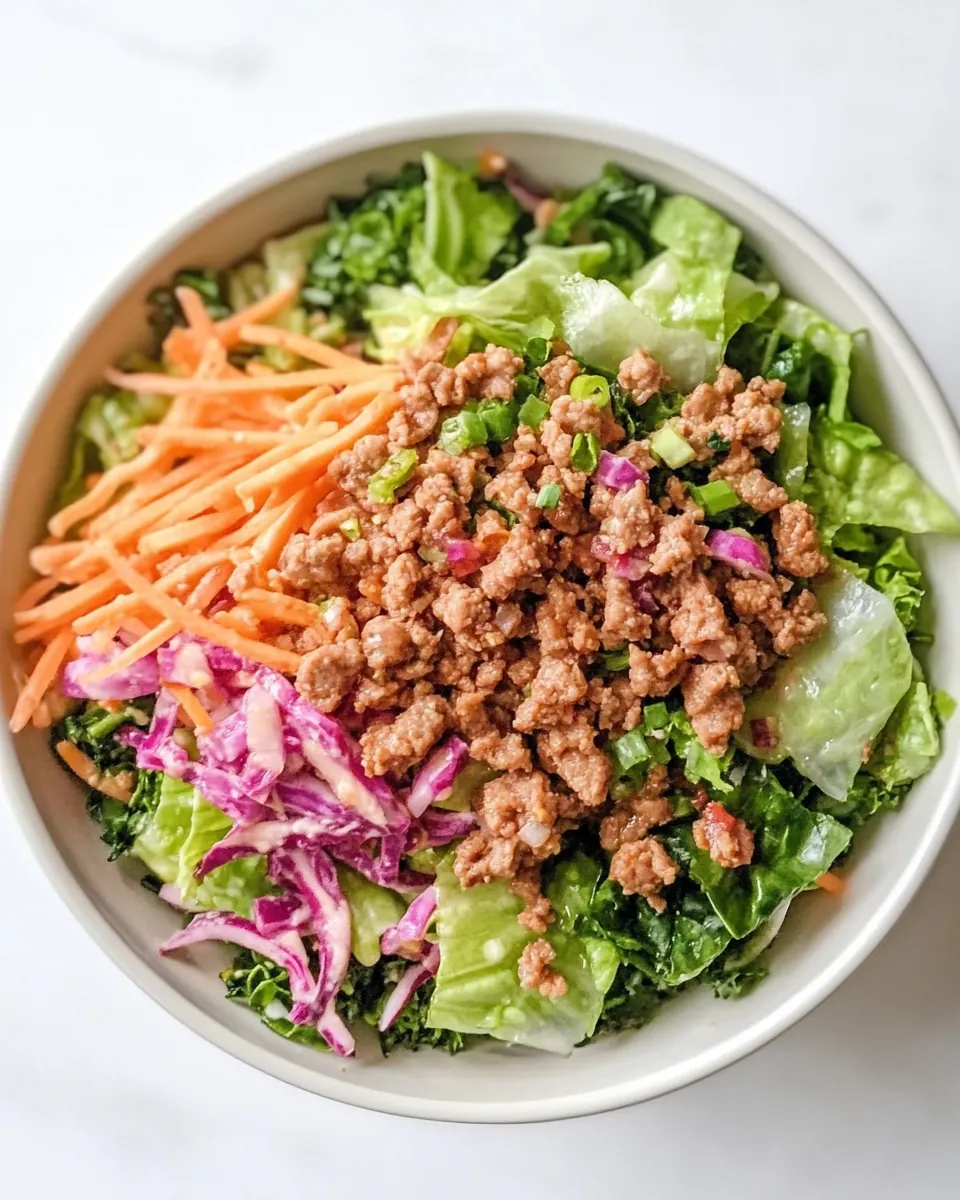
These ingredients work together like a small orchestra. The key players are the crisp vegetables, which provide texture, and the seasoned ground turkey breast, which brings savory depth. The dressing ties everything together, with acid, salt, oil, and a touch of sweetness. Fresh herbs finish the dish with aromatic brightness.
- 1 pound ground turkey breast: Brown and crumble to develop a savory base for the salad while adding lean protein and moisture to bind other flavors; cook until no pink remains and drain excess fat if necessary for a lighter texture.
- 3 garlic cloves minced: Sauté gently to release pungent aromatics that infuse the turkey and dressing; mince fine so pieces disperse evenly, providing bright garlicky notes throughout the salad.
- 1 tablespoon ginger fresh, grated: Grate finely to impart warm, peppery citrus-like heat that balances the richness of the meat and oils; use fresh ginger for maximum aroma and a clean, zesty backbone.
- 4 cups Napa cabbage shredded: Shred coarsely to contribute crisp, juicy bulk and a mild, slightly sweet cabbage flavor that mimics egg roll filling; toss with dressing just before serving to retain crunch.
- 2 cups kale stems removed and roughly chopped: Chop stems roughly to add sturdy, slightly bitter leafy texture and concentrated nutrients; remove thick ribs if necessary and massage lightly with dressing to soften without losing structure.
- 1 carrot large, shredded: Shred thinly to introduce natural sweetness, color, and tender bite that complements the cabbage and turkey; use a coarse grater for uniform strands that meld with the dressing.
- 1/3 cup red onion sliced thin: Slice thin to provide sharp, slightly sweet onion flavor and delicate crunch; tone intensity by soaking if desired, then drain and combine for layered savory notes.
- 1/4 cup rice vinegar: Acidify and brighten the dressing with a clean, slightly tangy profile that cuts through richness; measure precisely to balance sweet and salty components for optimal dressing harmony.
- 1 tablespoon soy sauce low-sodium: Season lightly and deepen umami in the dressing while controlling sodium; choose low-sodium to manage overall salt levels and enhance other flavors without overpowering.
- 2 tablespoons sesame oil: Add a toasty aroma and silky mouthfeel that ties together the dressing and salad components; use toasted sesame oil sparingly for pronounced nutty character.
- 1 tablespoon honey: Sweeten subtly to balance vinegar and soy, creating a harmonious sweet-sour profile in the dressing; dissolve well to distribute a gentle caramelized hint throughout the salad.
- 1/4 cup cilantro fresh, roughly chopped: Chop roughly to contribute fresh herbaceous brightness and a hint of citrus-like flavor that lifts the overall dish; scatter through the salad for intermittent bursts of freshness.
- 1/4 cup green onion roughly chopped: Chop roughly to add mild oniony crunch and scallion fragrance that complements both meat and dressing; use both green and white parts for layered, fresh notes.
How to Prepare Egg Roll Salad with Asian Style Dressing
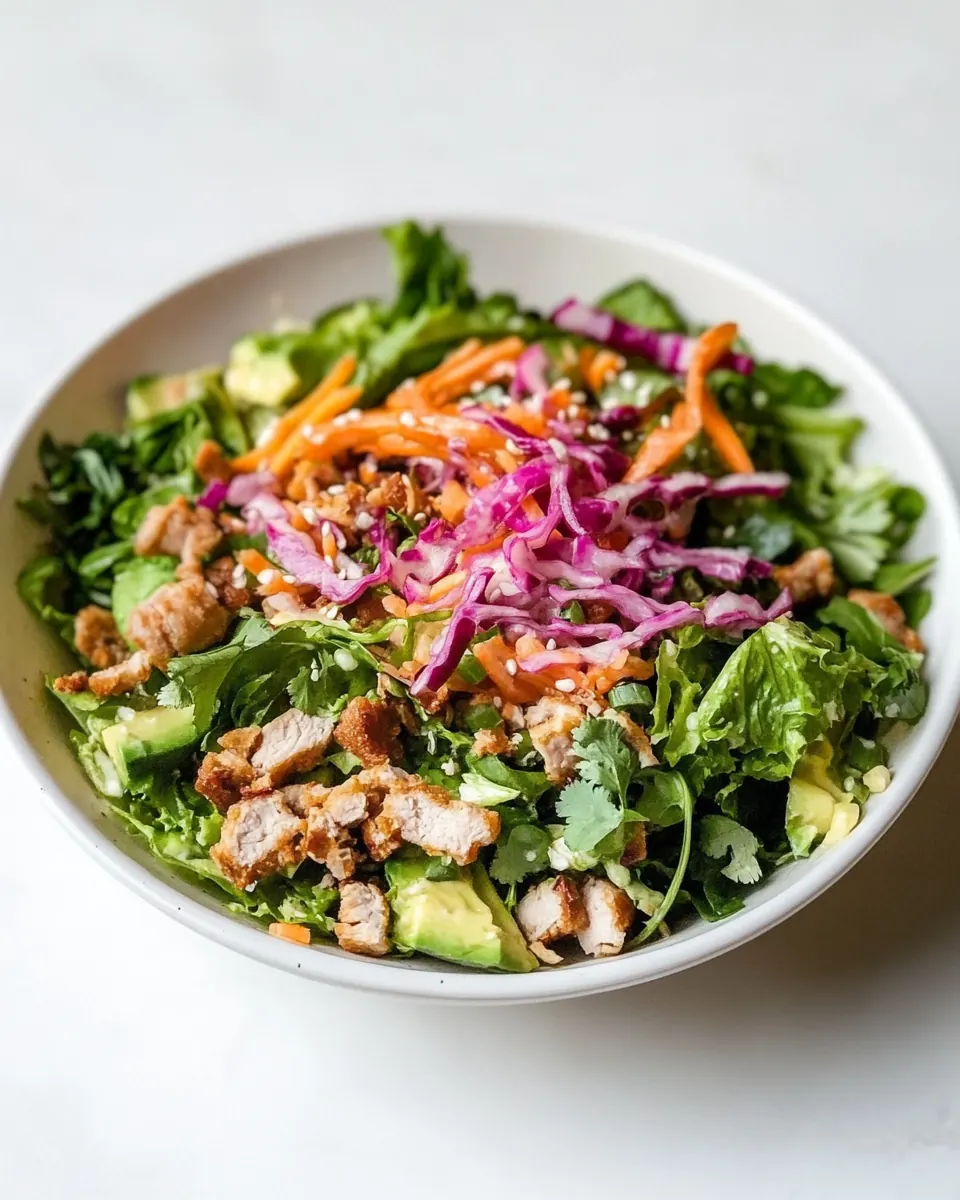
Preparing this salad is straightforward but there are moments where attention pays off. The following steps expand on the original directions so you can nail textures and seasoning with confidence.
- In a large skillet on medium heat, cook the ground turkey breaking it into small pieces as it cooks. When the turkey is about half cooked, add half the garlic and half the ginger. Continue to cook until the turkey is cooked through. Remove from pan.: As the ground turkey breast hits the warm skillet you will hear a steady, gentle sizzle and smell a mild, meaty aroma developing. Let the meat brown without crowding the pan so moisture can evaporate and small caramelized bits form, those browned edges add deep savory flavor. Use a sturdy spatula to break the meat into small pieces as it cooks so every piece gets contact with the hot surface and browns evenly. A common mistake is stirring too often and keeping the pan too cool, which leads to gray, steamed meat instead of flavorful browned crumbles. If the turkey releases a lot of liquid, raise the heat slightly and let the liquid reduce so you regain sizzling, this concentrates flavor. Keep an eye out for little golden brown bits, they indicate Maillard reaction and a richer taste. Season lightly now if you like, but be cautious because the dressing will add salt later, and over salting can make the final dish flat.
- In a large bowl, combine the Napa cabbage, kale, shredded carrot, and red onion. Toss and set aside.: At the halfway point the turkey will still be pink but heated through, adding the minced garlic and grated ginger allows those aromatics to bloom without burning. The heat should be medium so the garlic softens and releases sweet, roasted notes while the ginger releases bright, peppery warmth. Stir the aromatics into the meat so they mingle with the juices, which helps the flavor infuse every bite. A common pitfall is adding garlic to a pan that is too hot, causing it to char and turn bitter, so lower the heat if you see dark flecks forming. Pay attention to the smell, it should shift from raw to toasty and fragrant, signaling the aromatics are ready.
- In a small mixing bowl, combine the rice vinegar, soy sauce, sesame oil, honey, and other half of the garlic and ginger. Whisk well until combined. Drizzle over the Napa cabbage mixture and toss to coat the ingredients in the dressing. Divide the Napa mixture into four serving bowls.: Finish cooking the ground turkey breast until there is no pink remaining and juices run clear, the texture should be tender yet slightly firm. You may notice steam rising and the sizzling will slow when the meat is fully cooked, those are visual cues that the protein is done. Taste a small piece for seasoning and texture, and adjust if needed, but remember the dressing contributes significant flavor later. Overcooking will dry the meat, making it crumbly and tough, so remove from heat promptly once done. Letting the turkey rest a minute off heat helps redistribute juices and keeps it moist when assembled over the salad.
- Top each bowl with the cooked ground turkey. Sprinkle the fresh cilantro and green onion on top.: Once the meat is cooked and aromatic, transfer it to a bowl or plate to cool slightly so it does not wilt the greens. You will notice a toasty, savory aroma lingering in the pan from the browned bits, which can be deglazed for other uses if desired. Leaving the meat to sit for a moment helps it settle and keeps the salad crisp when assembled. A typical error is adding hot meat directly to the greens, which can steam and soggy them, so give it a short rest. While it cools, the flavors continue to meld, and it becomes easier to sprinkle evenly over the salad without clumping.
- In a large bowl, combine the Napa cabbage, kale, shredded carrot, and red onion: When you toss the shredded Napa cabbage , chopped kale , grated carrot , and sliced red onion together you should see a colorful mix of textures and shapes. The cabbage and carrot provide crispness, the kale adds substance, and the onion layers in sharpness. Use your hands or tongs to mix gently so the vegetables stay bright and crisp rather than bruised. Mixing by hand allows you to feel for even distribution and ensures the dressing will cling to varied surfaces. A common mistake is overdressing at this stage, so hold off until the dressing is ready to avoid limp greens. Look for a balance of colors and textures in the bowl, which is a good sign the salad will be lively on the plate.
- Toss and set aside: After combining, give the vegetables a quick toss so they are intermixed, then set the bowl aside while you prepare the dressing and finish the meat. This pause prevents the greens from sitting dressed too long and losing their crunch. If you must wait, refrigerate briefly to keep everything fresh, but avoid chilling the cooked meat so the contrast between warm and crisp remains. A typical oversight is letting dressed greens sit at room temperature for too long, which leads to a dull, soggy salad. Aim to dress and serve within a short window for the best texture.
- In a small mixing bowl, combine the rice vinegar, soy sauce, sesame oil, honey, and other half of the garlic and ginger: When you whisk together rice vinegar , low sodium soy sauce , fragrant sesame oil , honey , and the remaining raw aromatics, the dressing should smell bright, nutty, and slightly sweet. The oil carries the aromatics and smooths the vinegar, while the honey tames acidity and ties flavors together. Whisk vigorously until the honey integrates and the dressing appears glossy, this helps it cling to the vegetables. A common slip is using too much oil, which can make the salad heavy, or too much vinegar, which can make it sharp, so balance carefully and taste as you go. The raw garlic and ginger in the dressing add a fresh kick that contrasts the cooked aromatics in the meat.
- Whisk well until combined: A well emulsified dressing will coat the vegetables evenly, creating a unified flavor with each bite. You should see a uniform, slightly viscous liquid that drapes over the leaves rather than pooling at the bottom. If the dressing separates, whisk again just before use to re emulsify, or add a tiny pinch of warm water to help bring it back together. Overwhisking is not usually a problem here, but under mixing leaves pockets of concentrated flavors that can overwhelm a single bite. Taste and tweak gently, adjusting the honey or soy sauce if needed to reach your preferred balance.
- Drizzle over the Napa cabbage mixture and toss to coat the ingredients in the dressing: As you drizzle the dressing, the bowl will fill with an inviting aroma of sesame and vinegar, and tossing will ensure the dressing reaches every bit of Napa cabbage and shredded carrot . Use tongs to lift and turn the vegetables, preventing bruising while distributing the dressing. Visual cues to watch for include a light sheen on the leaves and the dressing clinging to the fibrous surfaces rather than pooling. A frequent error is overdressing, so start with less, toss, then add more if needed. Properly dressed, the salad will look glossy and fragrant, promising balanced bites.
- Divide the Napa mixture into four serving bowls: Portioning the salad into individual bowls helps maintain crispness and presentation, letting each diner add protein and garnishes as they like. The colors should be vivid, with shredded carrot and red onion peeking through the cabbage and kale. Leaving room on top for the warm meat ensures the salad keeps its structure and does not become soggy. A common mistake is overcrowding bowls, which makes the salad hard to eat and clumps the dressing. Aim for airy piles so each forkful includes a mixture of textures.
- Top each bowl with the cooked ground turkey: Scatter warm ground turkey breast over each portion so the savory richness contrasts with the crisp, cool vegetables. The warmth will slightly loosen the dressing where they meet, creating a pleasant melding of temperatures and textures. Make sure the turkey is spread evenly so each bite gets some protein and those browned bits are distributed. A typical error is piling all the meat in the center which leads to uneven bites; instead, scatter or crumble it across the entire salad.
- Sprinkle the fresh cilantro and green onion on top: Finish the bowls with chopped cilantro and green onion for bright herbal notes and visual appeal, their fresh scent lifts the whole dish. Add them just before serving to preserve their color and crunch. Tasting at this final stage lets you confirm balance and add a final pinch of salt or a tiny drizzle of dressing if needed. Avoid adding these herbs too early as they can wilt and lose vibrancy, diminishing the fresh finish that makes the salad sing.
Customization Ideas
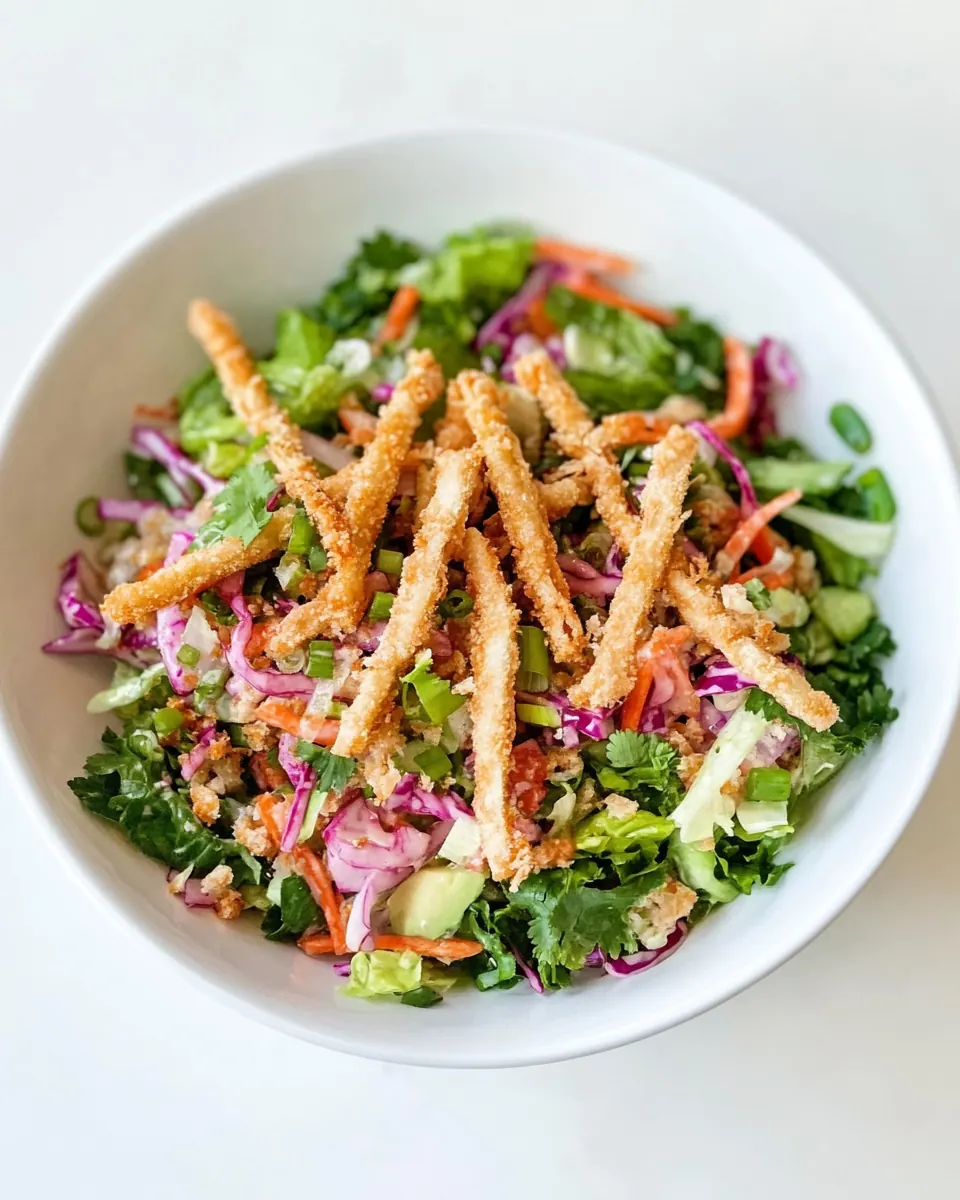
This section gives ideas for small swaps and finishing touches that keep the soul of Egg Roll Salad with Asian Style Dressing intact while letting you make it your own. These tips help with texture, heat level, and presentation.
- Make it spicier Add a pinch of crushed red pepper or a drizzle of chili sauce to the dressing to bring heat without masking the other flavors.
- Swap the protein Use lean ground chicken or turkey if you prefer a different texture, keeping the same seasoning to maintain flavor balance.
- Play with herbs Substitute or add fresh herbs like basil for a slightly different aromatic profile, added at the end to keep freshness.
- Adjust sweetness Increase or decrease honey to taste, balancing acidity and salt to match your preference for sweeter or tangier dressings.
- Make ahead Chop and store the vegetables separately and prepare the dressing in advance, then toss and assemble just before serving to keep crunch.
Best Served With
This salad shines across many dining scenarios. It works as a light lunch, a weeknight dinner, or a colorful dish for gatherings. Serve it immediately after assembling to preserve crispness, and consider the accompaniments below.
- Casual lunches Serve the salad in bowls for a quick, satisfying midday meal that feels fresh and balanced.
- Weeknight dinners Pair with steamed rice or a simple noodle side if you want a heartier plate for family meals.
- Entertaining Lay out bowls buffet style and let guests assemble their own portions for an interactive dinner party experience.
- Seasonal pairings Bright spring produce like young greens and herbs complements the salad, making it ideal for light seasonal menus.
- Storage tips Keep the dressing separate and store the vegetables in an airtight container for up to two days, then toss and top with protein when ready to serve.
FAQ
Conclusion
Egg Roll Salad with Asian Style Dressing stands out for its lively textures, bold dressing, and speedy assembly. It balances crisp, fresh vegetables with savory, browned turkey and a nutty tang from sesame oil, making it a satisfying meal that never feels heavy. Give it a try on a busy weeknight or when you want something both bright and comforting, and enjoy how quickly pantry ingredients become a memorable bowl.
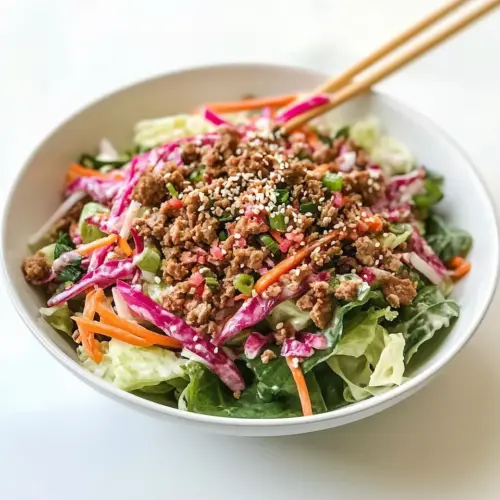
Egg Roll Salad with Asian Style Dressing
Equipment
- Large Skillet
- Large Bowl
- Small mixing bowl
- Tongs
Ingredients
- 1 pound ground turkey breast Brown and crumble to develop a savory base for the salad while adding lean protein and moisture to bind other flavors; cook until no pink remains and drain excess fat if necessary for a lighter texture.
- 3 garlic cloves minced Sauté gently to release pungent aromatics that infuse the turkey and dressing; mince fine so pieces disperse evenly, providing bright garlicky notes throughout the salad.
- 1 tablespoon ginger fresh, grated Grate finely to impart warm, peppery citrus-like heat that balances the richness of the meat and oils; use fresh ginger for maximum aroma and a clean, zesty backbone.
- 4 cups Napa cabbage shredded Shred coarsely to contribute crisp, juicy bulk and a mild, slightly sweet cabbage flavor that mimics egg roll filling; toss with dressing just before serving to retain crunch.
- 2 cups kale stems removed and roughly chopped Chop stems roughly to add sturdy, slightly bitter leafy texture and concentrated nutrients; remove thick ribs if necessary and massage lightly with dressing to soften without losing structure.
- 1 carrot large, shredded Shred thinly to introduce natural sweetness, color, and tender bite that complements the cabbage and turkey; use a coarse grater for uniform strands that meld with the dressing.
- 1/3 cup red onion sliced thin Slice thin to provide sharp, slightly sweet onion flavor and delicate crunch; tone intensity by soaking if desired, then drain and combine for layered savory notes.
- 1/4 cup rice vinegar Acidify and brighten the dressing with a clean, slightly tangy profile that cuts through richness; measure precisely to balance sweet and salty components for optimal dressing harmony.
- 1 tablespoon soy sauce low-sodium Season lightly and deepen umami in the dressing while controlling sodium; choose low-sodium to manage overall salt levels and enhance other flavors without overpowering.
- 2 tablespoons sesame oil Add a toasty aroma and silky mouthfeel that ties together the dressing and salad components; use toasted sesame oil sparingly for pronounced nutty character.
- 1 tablespoon honey Sweeten subtly to balance vinegar and soy, creating a harmonious sweet-sour profile in the dressing; dissolve well to distribute a gentle caramelized hint throughout the salad.
- 1/4 cup cilantro fresh, roughly chopped Chop roughly to contribute fresh herbaceous brightness and a hint of citrus-like flavor that lifts the overall dish; scatter through the salad for intermittent bursts of freshness.
- 1/4 cup green onion roughly chopped Chop roughly to add mild oniony crunch and scallion fragrance that complements both meat and dressing; use both green and white parts for layered, fresh notes.
Instructions
- In a large skillet on medium heat, cook the ground turkey breaking it into small pieces as it cooks. When the turkey is about half cooked, add half the garlic and half the ginger. Continue to cook until the turkey is cooked through. Remove from pan.: As the ground turkey breast hits the warm skillet you will hear a steady, gentle sizzle and smell a mild, meaty aroma developing. Let the meat brown without crowding the pan so moisture can evaporate and small caramelized bits form, those browned edges add deep savory flavor. Use a sturdy spatula to break the meat into small pieces as it cooks so every piece gets contact with the hot surface and browns evenly. A common mistake is stirring too often and keeping the pan too cool, which leads to gray, steamed meat instead of flavorful browned crumbles. If the turkey releases a lot of liquid, raise the heat slightly and let the liquid reduce so you regain sizzling, this concentrates flavor. Keep an eye out for little golden brown bits, they indicate Maillard reaction and a richer taste. Season lightly now if you like, but be cautious because the dressing will add salt later, and over salting can make the final dish flat.
- In a large bowl, combine the Napa cabbage, kale, shredded carrot, and red onion. Toss and set aside.: At the halfway point the turkey will still be pink but heated through, adding the minced garlic and grated ginger allows those aromatics to bloom without burning. The heat should be medium so the garlic softens and releases sweet, roasted notes while the ginger releases bright, peppery warmth. Stir the aromatics into the meat so they mingle with the juices, which helps the flavor infuse every bite. A common pitfall is adding garlic to a pan that is too hot, causing it to char and turn bitter, so lower the heat if you see dark flecks forming. Pay attention to the smell, it should shift from raw to toasty and fragrant, signaling the aromatics are ready.
- In a small mixing bowl, combine the rice vinegar, soy sauce, sesame oil, honey, and other half of the garlic and ginger. Whisk well until combined. Drizzle over the Napa cabbage mixture and toss to coat the ingredients in the dressing. Divide the Napa mixture into four serving bowls.: Finish cooking the ground turkey breast until there is no pink remaining and juices run clear, the texture should be tender yet slightly firm. You may notice steam rising and the sizzling will slow when the meat is fully cooked, those are visual cues that the protein is done. Taste a small piece for seasoning and texture, and adjust if needed, but remember the dressing contributes significant flavor later. Overcooking will dry the meat, making it crumbly and tough, so remove from heat promptly once done. Letting the turkey rest a minute off heat helps redistribute juices and keeps it moist when assembled over the salad.
- Top each bowl with the cooked ground turkey. Sprinkle the fresh cilantro and green onion on top.: Once the meat is cooked and aromatic, transfer it to a bowl or plate to cool slightly so it does not wilt the greens. You will notice a toasty, savory aroma lingering in the pan from the browned bits, which can be deglazed for other uses if desired. Leaving the meat to sit for a moment helps it settle and keeps the salad crisp when assembled. A typical error is adding hot meat directly to the greens, which can steam and soggy them, so give it a short rest. While it cools, the flavors continue to meld, and it becomes easier to sprinkle evenly over the salad without clumping.
- In a large bowl, combine the Napa cabbage, kale, shredded carrot, and red onion: When you toss the shredded Napa cabbage , chopped kale , grated carrot , and sliced red onion together you should see a colorful mix of textures and shapes. The cabbage and carrot provide crispness, the kale adds substance, and the onion layers in sharpness. Use your hands or tongs to mix gently so the vegetables stay bright and crisp rather than bruised. Mixing by hand allows you to feel for even distribution and ensures the dressing will cling to varied surfaces. A common mistake is overdressing at this stage, so hold off until the dressing is ready to avoid limp greens. Look for a balance of colors and textures in the bowl, which is a good sign the salad will be lively on the plate.
- Toss and set aside: After combining, give the vegetables a quick toss so they are intermixed, then set the bowl aside while you prepare the dressing and finish the meat. This pause prevents the greens from sitting dressed too long and losing their crunch. If you must wait, refrigerate briefly to keep everything fresh, but avoid chilling the cooked meat so the contrast between warm and crisp remains. A typical oversight is letting dressed greens sit at room temperature for too long, which leads to a dull, soggy salad. Aim to dress and serve within a short window for the best texture.
- In a small mixing bowl, combine the rice vinegar, soy sauce, sesame oil, honey, and other half of the garlic and ginger: When you whisk together rice vinegar , low sodium soy sauce , fragrant sesame oil , honey , and the remaining raw aromatics, the dressing should smell bright, nutty, and slightly sweet. The oil carries the aromatics and smooths the vinegar, while the honey tames acidity and ties flavors together. Whisk vigorously until the honey integrates and the dressing appears glossy, this helps it cling to the vegetables. A common slip is using too much oil, which can make the salad heavy, or too much vinegar, which can make it sharp, so balance carefully and taste as you go. The raw garlic and ginger in the dressing add a fresh kick that contrasts the cooked aromatics in the meat.
- Whisk well until combined: A well emulsified dressing will coat the vegetables evenly, creating a unified flavor with each bite. You should see a uniform, slightly viscous liquid that drapes over the leaves rather than pooling at the bottom. If the dressing separates, whisk again just before use to re emulsify, or add a tiny pinch of warm water to help bring it back together. Overwhisking is not usually a problem here, but under mixing leaves pockets of concentrated flavors that can overwhelm a single bite. Taste and tweak gently, adjusting the honey or soy sauce if needed to reach your preferred balance.
- Drizzle over the Napa cabbage mixture and toss to coat the ingredients in the dressing: As you drizzle the dressing, the bowl will fill with an inviting aroma of sesame and vinegar, and tossing will ensure the dressing reaches every bit of Napa cabbage and shredded carrot . Use tongs to lift and turn the vegetables, preventing bruising while distributing the dressing. Visual cues to watch for include a light sheen on the leaves and the dressing clinging to the fibrous surfaces rather than pooling. A frequent error is overdressing, so start with less, toss, then add more if needed. Properly dressed, the salad will look glossy and fragrant, promising balanced bites.
- Divide the Napa mixture into four serving bowls: Portioning the salad into individual bowls helps maintain crispness and presentation, letting each diner add protein and garnishes as they like. The colors should be vivid, with shredded carrot and red onion peeking through the cabbage and kale. Leaving room on top for the warm meat ensures the salad keeps its structure and does not become soggy. A common mistake is overcrowding bowls, which makes the salad hard to eat and clumps the dressing. Aim for airy piles so each forkful includes a mixture of textures.
- Top each bowl with the cooked ground turkey: Scatter warm ground turkey breast over each portion so the savory richness contrasts with the crisp, cool vegetables. The warmth will slightly loosen the dressing where they meet, creating a pleasant melding of temperatures and textures. Make sure the turkey is spread evenly so each bite gets some protein and those browned bits are distributed. A typical error is piling all the meat in the center which leads to uneven bites; instead, scatter or crumble it across the entire salad.
- Sprinkle the fresh cilantro and green onion on top: Finish the bowls with chopped cilantro and green onion for bright herbal notes and visual appeal, their fresh scent lifts the whole dish. Add them just before serving to preserve their color and crunch. Tasting at this final stage lets you confirm balance and add a final pinch of salt or a tiny drizzle of dressing if needed. Avoid adding these herbs too early as they can wilt and lose vibrancy, diminishing the fresh finish that makes the salad sing.
Notes
- Make it spicier Add a pinch of crushed red pepper or a drizzle of chili sauce to the dressing to bring heat without masking the other flavors.
- Swap the protein Use lean ground chicken or turkey if you prefer a different texture, keeping the same seasoning to maintain flavor balance.
- Play with herbs Substitute or add fresh herbs like basil for a slightly different aromatic profile, added at the end to keep freshness.
- Adjust sweetness Increase or decrease honey to taste, balancing acidity and salt to match your preference for sweeter or tangier dressings.
- Make ahead Chop and store the vegetables separately and prepare the dressing in advance, then toss and assemble just before serving to keep crunch.
