Healthy Collard Greens
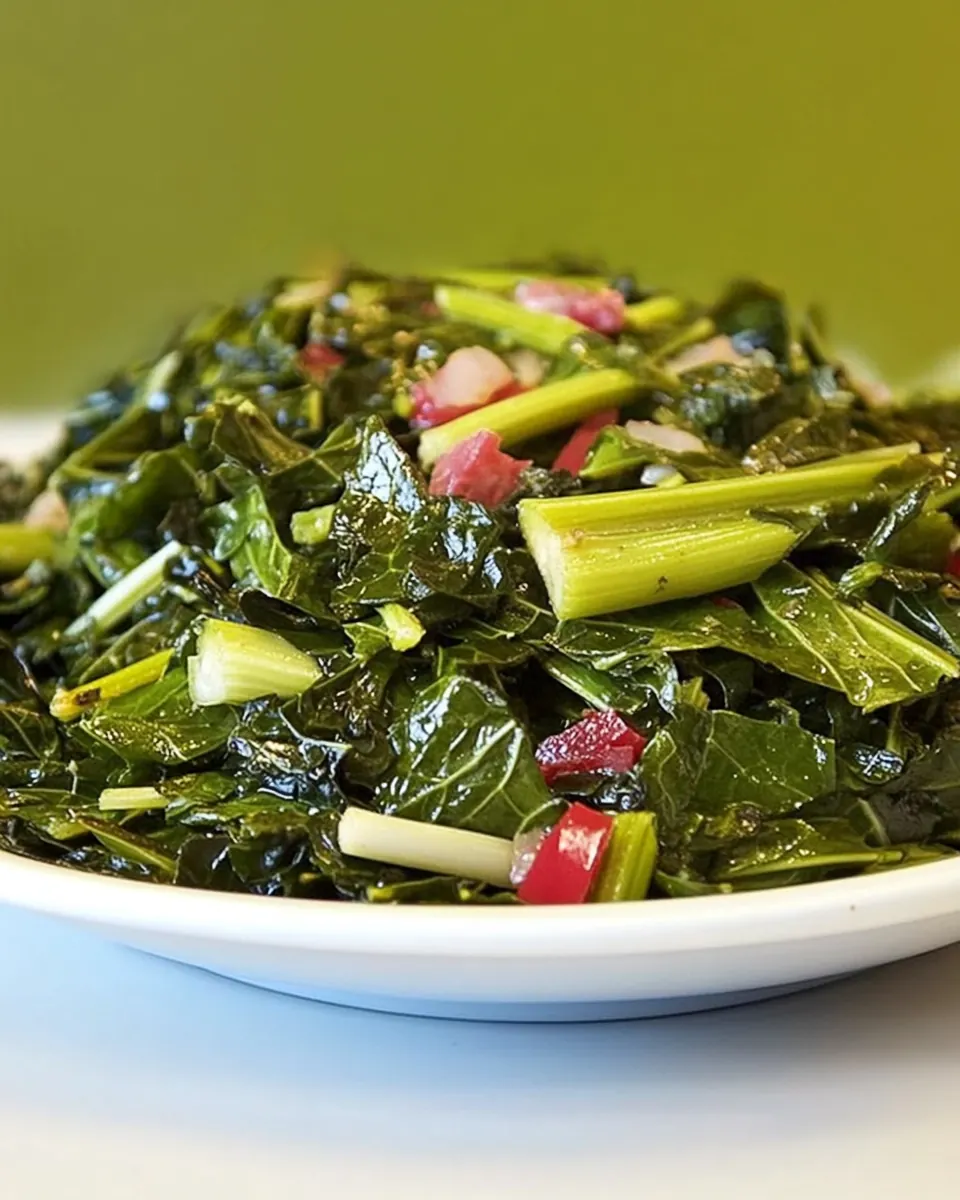
Healthy Collard Greens are one of those recipes that feels like a warm handshake from my kitchen, a dish I turn to when I want comfort without heaviness. The first time I made these, I was chasing something bright and nourishing after a week of heavy meals, and the way the leaves softened into a silky, savory broth convinced me this would become a staple. I remember the sound of the onions sizzling in the pan, the garlic perfume lifting, and the gentle hiss as the stock met the greens, and I knew I had found that balance I craved.
There is a small ritual to preparing Healthy Collard Greens that I cherish, starting with the tactile pleasure of stripping stems and rinsing away grit, to the satisfying chop of stacked leaves. It feels meditative, almost like tuning an instrument before a performance. I love serving these at casual family dinners, where everyone dips cornbread into the rich cooking liquid and talks a little slower. Over time I have adjusted little things to suit my mood, but the heart of the dish remains the same, nourishing and straightforward.
Recipe Snapshot
1 hr 10 mins
20 mins
50 mins
Medium
150 kcal
American
Paleo, Whole30
Side Dishes
Large pot, Knife, Cutting board, Slotted spoon, Large bowl
What Makes This Healthy Collard Greens Special
Hearty nourishment with gentle technique
I adore Healthy Collard Greens because they deliver deep, soulful flavor without heavy fat. Collards are sturdy greens that respond well to slow simmering, which breaks down their fibers into a tender, silky texture while keeping a satisfying bite when cooked properly. The result is a bowl that feels both wholesome and indulgent, a combination I find hard to resist.
Simple pantry forward
One reason I reach for this recipe on weeknights is that it relies on a handful of pantry friendly staples like olive oil, garlic, and chicken stock or vegetable stock. These ingredients do the heavy lifting, layering savory depth and bright notes with very little fuss. I like recipes where technique and timing amplify basic ingredients into something memorable.
Flexible and family friendly
We can make small swaps without losing the soul of the dish, so the recipe suits many diets and preferences. Removing the smoked turkey and leaning on stock and a touch of liquid smoke or dried chiles still gives a smoky backbone. I appreciate that it works equally well as a humble side or the centerpiece of a vegetarian meal when paired with protein rich sides.
Textural contrast and serving joy
What truly stands out is the interplay between silky leaves and the glossy, flavorful cooking liquid known as pot likker. I love how dipping warm cornbread into that broth becomes part of the experience, making each bite interactive and comforting. That contrast is why this recipe elevates simple greens into a communal dish people remember.
Nutritious and satisfying
Lastly, Healthy Collard Greens pack nutrition into every spoonful. Collards are rich in vitamins and fiber, and simmering them gently in a seasoned broth preserves nutrients while adding flavor. For me, few dishes balance health and satisfaction so well, which is why I keep coming back to it.
Ingredients You’ll Need for Healthy Collard Greens
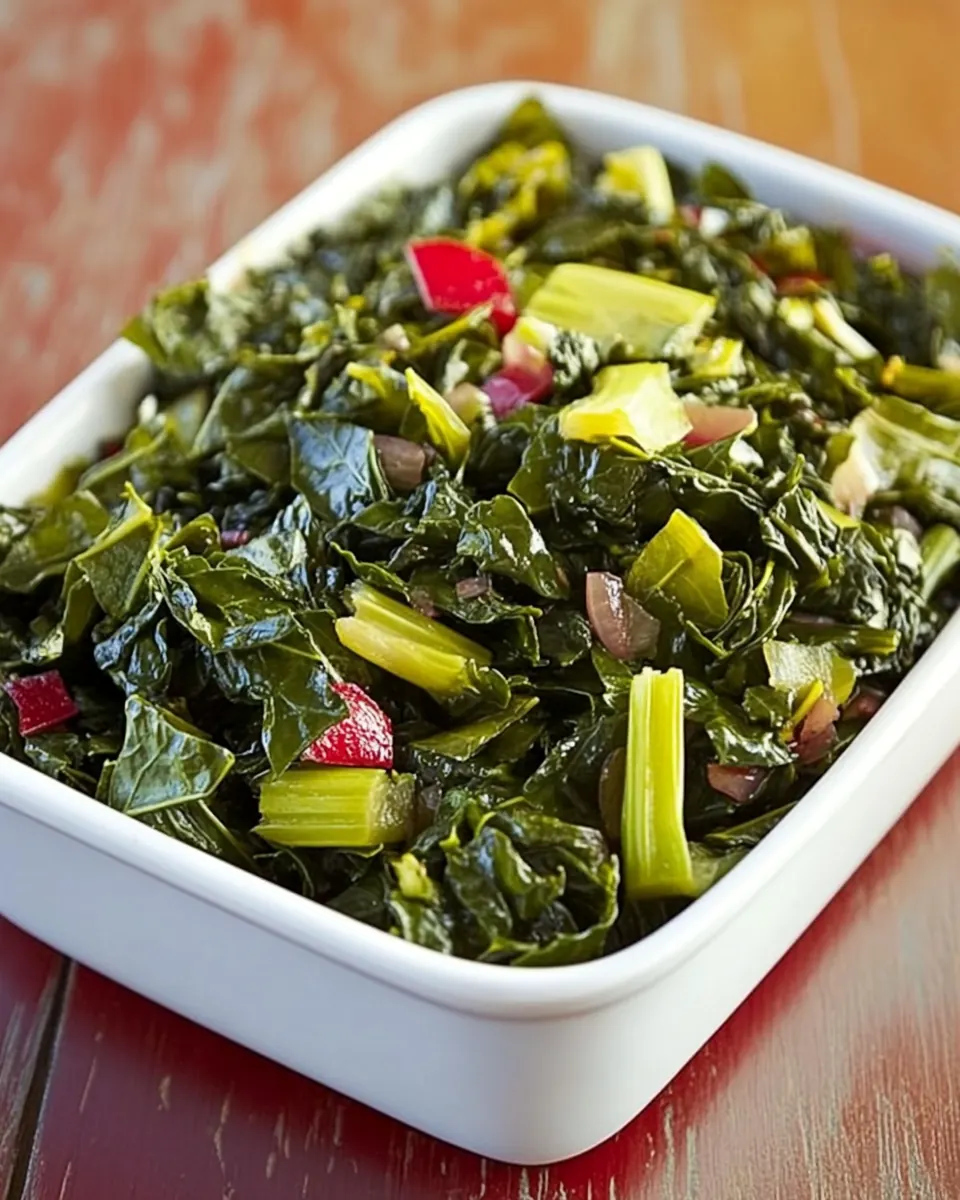
These ingredients are purposefully straightforward, chosen to draw out the natural soul of the greens. The focus is on building savory depth with aromatics and stock, then letting the sturdy collard greens soften slowly in a seasoned liquid. Each item plays a clear role, from the fragrant base to the smoky element that rounds everything out.
- 1 tablespoon olive oil: Heat and lightly flavor the pan while providing a healthy fat for sautéing aromatics and tenderizing vegetables; olive oil also helps carry fat-soluble flavors and contributes a subtle fruity note to the dish.
- 1 large white onion chopped: Add savory sweetness and body when chopped and softened; cooking the onion builds a flavor base that mellows its sharpness and complements the greens and smoked meat.
- 2 garlic cloves minced: Infuse pungent, aromatic depth when minced and sautéed briefly; garlic brightens the overall profile and pairs with the onion to enhance savory complexity.
- 2 smoked turkey wings or legs see alternatives in notes section: Lend a smoky, savory backbone and meaty richness to the broth as it simmers with the greens; the turkey adds depth of flavor and umami while reducing the need for additional salt.
- 1 teaspoon salt: Season gently to enhance and balance flavors throughout cooking; salt encourages the greens to release moisture and helps the smoked meat and aromatics integrate.
- 1 teaspoon black pepper freshly ground: Contribute warm, sharp seasoning when freshly ground; black pepper adds a mild heat and aromatic lift that complements the smoky and earthy elements.
- 3 cups chicken stock or vegetable stock, low sodium preferred: Provide the cooking liquid and layered savory notes while keeping sodium controlled if low-sodium stock is chosen; the stock hydrates the greens and concentrates flavors during simmering.
- 1 tablespoon cider vinegar (optional): Brighten and balance richness with a touch of acidity when added optional; cider vinegar brings a subtle tang that lifts the flavors and rounds out the dish.
- 2 pounds bunches fresh collard greens about 2 bunches: Deliver the main vegetable component with hearty texture and a slightly bitter, earthy flavor; collard greens hold up to long simmering and absorb the smoky, savory broth while becoming tender.
Recipe Directions for Healthy Collard Greens
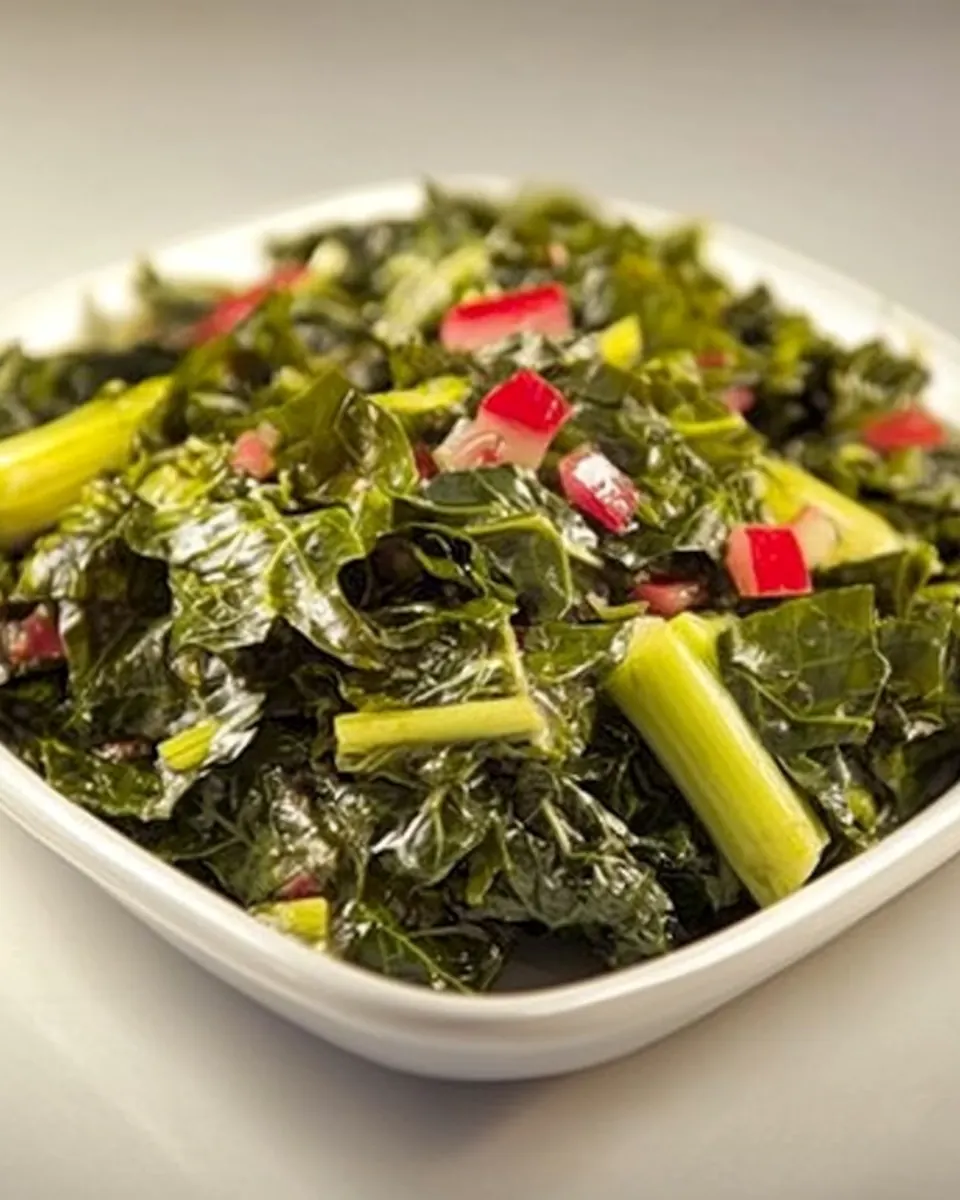
I like to think of the cooking process as a slow conversation with the ingredients, coaxing layers of flavor out of a few simple components. Below you will find clear steps to guide you through cleaning, chopping, building the base, simmering, and finishing so the greens come out tender and richly flavored.
- Prepare the collard greens by first removing the stems. Pull them off by hand or cut them out with a knife. Wash the leaves in a very large bowl of water or clean sink filled with water, allowing the soot from the greens to sink to the bottom of the container. Repeat by cleaning the container, and resubmerging in clean water. To test a leaf for no grit, simply bite into one. Never dump the leaves into a strainer with the water, or the leaves will get dirty.: As you handle the collard greens , notice the crispness of the stems and the leathery texture of the leaves, and take a moment to feel each leaf as you pull or cut the stem away. Washing in a very large bowl or clean sink filled with water allows grit and soot to sink to the bottom, which keeps your leaves bright and toothsome rather than sandy. I always change the water and resubmerge the leaves once or twice until the water runs clear; it's a slow but satisfying ritual that protects texture and mouthfeel. A common mistake is rushing this step and leaving grit behind, which leads to an unpleasant sandy bite. If the leaf still tastes gritty when you bite it, repeat the rinse until the texture is smooth. The why here is simple, grit ruins the experience, and clean leaves allow the other flavors to shine.
- Stack the leaves and cut across into about 1-inch sized ribbons.: When you stack the washed collard greens , you'll feel a satisfying heft that makes slicing easy and efficient. Cutting across into roughly 1 inch ribbons ensures even cooking, so some pieces do not overcook while others remain tough. The visual cue is neat, uniform ribbons that will wilt uniformly in the pot and create a pleasing mouthfeel. A common misstep is chopping too coarsely or too finely; too large and they stay leathery, too small and they overmelt. Keep your knife steady and use a rocking motion for clean cuts. The reason this matters is texture, consistent ribbons deliver predictable tenderness.
- In a large pot over medium-high heat, add oil and onions. Saute onions for 5 minutes over medium-high heat until softened and translucent. Add the garlic and saute quickly for an additional 30 seconds or so, just until golden and fragrant. Add the turkey wings, the stock, the greens, and the salt and pepper and bring just to a boil.: As the olive oil warms, it will ripple and smell faintly fruity, signaling it's ready for the onion . Saute the onion for about five minutes until softened and translucent, listening for a soft sizzling sound and watching for a glossy surface. When you add the minced garlic , it should sizzle quickly for thirty seconds or so, releasing fragrant, toasty aromas and turning a delicate golden color; avoid letting it darken, which introduces bitterness. Adding the smoked turkey , the stock , the collard greens , and the salt and black pepper and bringing to a boil creates a heady steam filled with savory smoke and sweet onion notes. A common error is overheating the oil and burning the garlic, resulting in acrid flavor. The technique here matters because gentle sauté builds the base, while boiling briefly begins the braising process that infuses the leaves.
- Optional cooking method: Steam just until wilted to maintain the amazing nutrients of collard greens.: Steam just until wilted to maintain the amazing nutrients of collard greens : If you choose the steaming route, you will notice the leaves go from rigid to glossy and flexible quickly, releasing a bright vegetal aroma and a fresher green color. Steaming preserves fragile vitamins and gives a snappier texture compared to a long simmer. The sound is softer than boiling, more like a gentle whisper as condensation falls back into the pan. A trap to avoid is oversteaming, which leaves the leaves limp and lacking depth; stop when they are tender but still vibrant. This method matters when you want a lighter version with brisk mouthfeel and retained nutrients.
- Reduce the heat to low. Cover, and simmer for 45 minutes, until the greens are tender.: As you lower the flame, pay attention to the pan as the vigorous bubbling calms into gentle movement, a slow simmer that allows flavors to meld without aggressive evaporation. Covering the pot traps steam and softens the collard greens slowly over about forty five minutes, turning them tender and deeply flavored. The visual cue is leaves that fold easily and have a uniform, rich color, and the sound is a gentle murmur rather than a roar. A frequent mistake is keeping the heat too high, which can make the greens tough and evaporate too much stock; monitor the simmer and add a splash of stock if the pot looks dry. The why here is extraction, slow heat extracts collagen and smoke into the broth while preserving silkiness.
- Remove the smoked turkey wings (if used) from the liquid. Remove the skin and bones from the turkey wing and tear the meat into bite-sized pieces. Remove the chiles and discard. Add the turkey meat back to the liquid. Stir the vinegar into the greens, if using, just prior to serving or serve on the side, to be sprinkled in as a condiment.: When the smoked turkey is tender, lift it out and allow it to cool just enough to handle, then strip away skin and bones and shred the meat into bite sized pieces. The broth will smell intensely savory and smoky, and adding the shredded meat back into the pot returns concentrated flavor and satisfying texture. Be careful not to over handle the meat, which can become stringy; gently tear it into pieces. A common oversight is discarding the meat with the bones, which wastes a rich component; keep the meat and return it to the greens. The rationale is flavor and texture, the shredded meat reintroduces a meaty counterpoint to the silky leaves.
- Use a slotted spoon to serve on a plate, or serve in individual side dish bowls with the broth and dip cornbread, corn muffins, or other biscuits into the broth when eating, as is traditional.: Adding the cider vinegar just prior to serving introduces a bright, acidic pop that lifts the savory broth and balances the smoke and richness. You will notice the aroma sharpen slightly and the flavors become more distinct on the palate, with the vinegar cutting through any heaviness. If offering it on the side, guests can personalize their bowl, which I always appreciate at a casual table. A common mistake is adding acid too early which flattens during long simmering; reserve it for finishing. The why is balance, acid wakes up the other flavors and makes the greens taste fresher and more complex.
- Use a slotted spoon to serve on a plate: When serving, the slotted spoon lets you present tender ribbons of collard greens while leaving some shimmering broth behind, or you may choose to ladle both the greens and the pot likker into bowls for dipping cornbread. The sound of the ladle and the sight of glossy leaves in a shallow pool of golden broth is gratifying and signals readiness. Avoid serving directly from a crowded pot without skimming any excess fat, which can leave the bowl greasy. This final step matters because presentation and portioning affect perceived richness and the interactive joy of dipping cornbread into the broth.
Customization Ideas
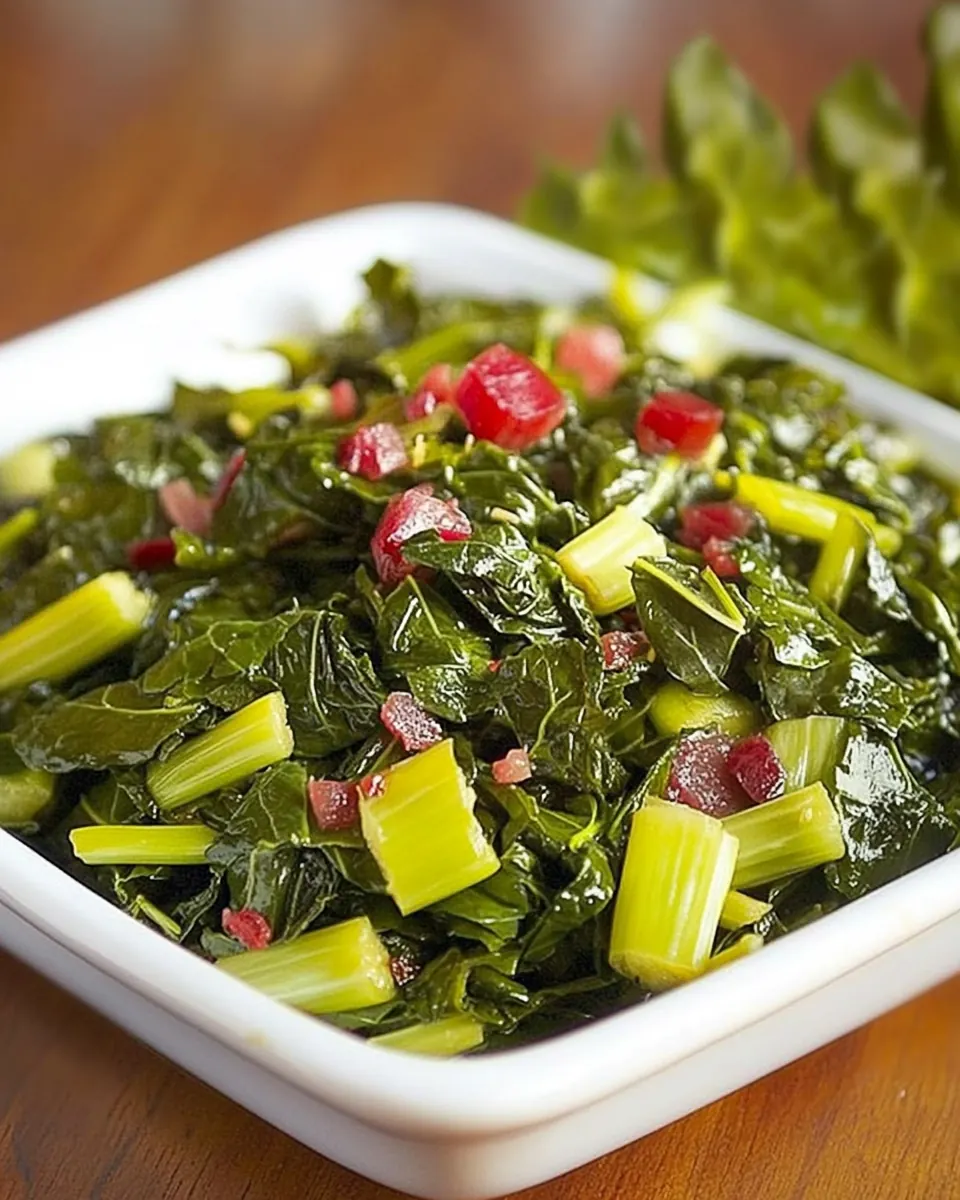
If you like to personalize dishes, these ideas give you room to tailor Healthy Collard Greens without breaking the recipe. Each tip starts with a short bolded phrase to make adaptation quick and easy.
- Boost the smoke by adding a small piece of smoked turkey during cooking or a splash of liquid smoke for vegetarian friendly depth.
- Brighten with acid by serving cider vinegar on the side so guests can add tang to taste, which lifts the savory broth beautifully.
- Keep it lighter by steaming the collard greens just until wilted, preserving more nutrients and giving a fresher texture.
- Make it vegan by using vegetable stock and substituting smoked flavor with dried chiles or a touch of liquid smoke, as noted in the recipe notes.
- Stretch the pot likker by cooling and freezing any extra broth for future soups or to flavor beans, it is a concentrated stock full of savory goodness.
- Serve family style by placing the pot at the center of the table so everyone can ladle out greens and dip cornbread into the broth for a convivial meal.
What Complements This Healthy Collard Greens
Healthy Collard Greens pairs wonderfully with rustic, starch forward sides and works across occasions from weeknight dinners to special holiday tables. Below are serving ideas, storage guidance, and pairing suggestions to make the most of this dish.
- Classic sides Serve with warm cornbread or corn muffins, using the pot likker as a dip to add rustic comfort to each bite. The contrast between the tender greens and the crumbly bread is deeply satisfying.
- Protein pairings This recipe stands up well alongside roasted or grilled proteins for heartier meals, though it is also plenty satisfying on its own when served with grain bowls or legumes.
- Occasions Ideal for family dinner, communal gatherings, or fall and winter menus when hearty greens feel seasonally appropriate. It also fits well into Ramadan if you are looking for nourishing, easy to portion dishes.
- Storage Cool the greens and broth to room temperature, then refrigerate in airtight containers for up to four days, or freeze the pot likker separately for up to three months to use as stock later.
- Seasonal pairings In cooler months, serve with roasted root vegetables and warm grains; in milder seasons, pair with lighter roasted squash or simple grilled vegetables to balance texture and warmth.
FAQ
Conclusion
Healthy Collard Greens shine because they transform simple ingredients into a deeply flavored, nourishing dish that feels like home. The balance of smoky, savory broth and tender leaves makes this recipe both comforting and versatile. I hope you give it a try for a weeknight meal or a family gathering, and enjoy the ritual of dipping cornbread into that rich pot likker. Let the slow simmer and thoughtful finishing touches do the work, and savor the warmth this bowl brings to your table.
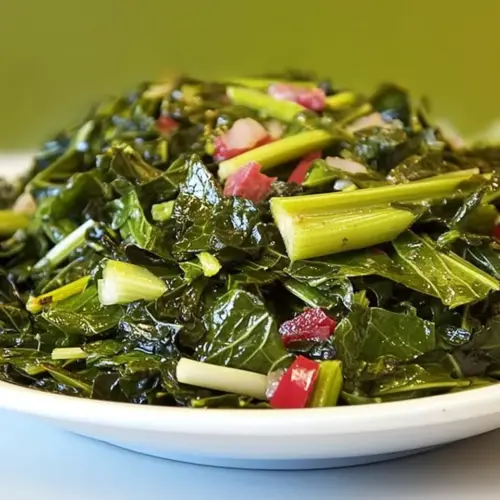
Healthy Collard Greens
Equipment
- Large Pot
- Knife
- Cutting Board
- Slotted Spoon
- Large Bowl
Ingredients
- 1 tablespoon olive oil Heat and lightly flavor the pan while providing a healthy fat for sautéing aromatics and tenderizing vegetables; olive oil also helps carry fat-soluble flavors and contributes a subtle fruity note to the dish.
- 1 large white onion chopped Add savory sweetness and body when chopped and softened; cooking the onion builds a flavor base that mellows its sharpness and complements the greens and smoked meat.
- 2 garlic cloves minced Infuse pungent, aromatic depth when minced and sautéed briefly; garlic brightens the overall profile and pairs with the onion to enhance savory complexity.
- 2 smoked turkey wings or legs see alternatives in notes section Lend a smoky, savory backbone and meaty richness to the broth as it simmers with the greens; the turkey adds depth of flavor and umami while reducing the need for additional salt.
- 1 teaspoon salt Season gently to enhance and balance flavors throughout cooking; salt encourages the greens to release moisture and helps the smoked meat and aromatics integrate.
- 1 teaspoon black pepper freshly ground Contribute warm, sharp seasoning when freshly ground; black pepper adds a mild heat and aromatic lift that complements the smoky and earthy elements.
- 3 cups chicken stock or vegetable stock, low sodium preferred Provide the cooking liquid and layered savory notes while keeping sodium controlled if low-sodium stock is chosen; the stock hydrates the greens and concentrates flavors during simmering.
- 1 tablespoon cider vinegar optional Brighten and balance richness with a touch of acidity when added optional; cider vinegar brings a subtle tang that lifts the flavors and rounds out the dish.
- 2 pounds bunches fresh collard greens about 2 bunches Deliver the main vegetable component with hearty texture and a slightly bitter, earthy flavor; collard greens hold up to long simmering and absorb the smoky, savory broth while becoming tender.
Instructions
- Prepare the collard greens by first removing the stems. Pull them off by hand or cut them out with a knife. Wash the leaves in a very large bowl of water or clean sink filled with water, allowing the soot from the greens to sink to the bottom of the container. Repeat by cleaning the container, and resubmerging in clean water. To test a leaf for no grit, simply bite into one. Never dump the leaves into a strainer with the water, or the leaves will get dirty.: As you handle the collard greens , notice the crispness of the stems and the leathery texture of the leaves, and take a moment to feel each leaf as you pull or cut the stem away. Washing in a very large bowl or clean sink filled with water allows grit and soot to sink to the bottom, which keeps your leaves bright and toothsome rather than sandy. I always change the water and resubmerge the leaves once or twice until the water runs clear; it's a slow but satisfying ritual that protects texture and mouthfeel. A common mistake is rushing this step and leaving grit behind, which leads to an unpleasant sandy bite. If the leaf still tastes gritty when you bite it, repeat the rinse until the texture is smooth. The why here is simple, grit ruins the experience, and clean leaves allow the other flavors to shine.
- Stack the leaves and cut across into about 1-inch sized ribbons.: When you stack the washed collard greens , you'll feel a satisfying heft that makes slicing easy and efficient. Cutting across into roughly 1 inch ribbons ensures even cooking, so some pieces do not overcook while others remain tough. The visual cue is neat, uniform ribbons that will wilt uniformly in the pot and create a pleasing mouthfeel. A common misstep is chopping too coarsely or too finely; too large and they stay leathery, too small and they overmelt. Keep your knife steady and use a rocking motion for clean cuts. The reason this matters is texture, consistent ribbons deliver predictable tenderness.
- In a large pot over medium-high heat, add oil and onions. Saute onions for 5 minutes over medium-high heat until softened and translucent. Add the garlic and saute quickly for an additional 30 seconds or so, just until golden and fragrant. Add the turkey wings, the stock, the greens, and the salt and pepper and bring just to a boil.: As the olive oil warms, it will ripple and smell faintly fruity, signaling it's ready for the onion . Saute the onion for about five minutes until softened and translucent, listening for a soft sizzling sound and watching for a glossy surface. When you add the minced garlic , it should sizzle quickly for thirty seconds or so, releasing fragrant, toasty aromas and turning a delicate golden color; avoid letting it darken, which introduces bitterness. Adding the smoked turkey , the stock , the collard greens , and the salt and black pepper and bringing to a boil creates a heady steam filled with savory smoke and sweet onion notes. A common error is overheating the oil and burning the garlic, resulting in acrid flavor. The technique here matters because gentle sauté builds the base, while boiling briefly begins the braising process that infuses the leaves.
- Optional cooking method: Steam just until wilted to maintain the amazing nutrients of collard greens.: Steam just until wilted to maintain the amazing nutrients of collard greens : If you choose the steaming route, you will notice the leaves go from rigid to glossy and flexible quickly, releasing a bright vegetal aroma and a fresher green color. Steaming preserves fragile vitamins and gives a snappier texture compared to a long simmer. The sound is softer than boiling, more like a gentle whisper as condensation falls back into the pan. A trap to avoid is oversteaming, which leaves the leaves limp and lacking depth; stop when they are tender but still vibrant. This method matters when you want a lighter version with brisk mouthfeel and retained nutrients.
- Reduce the heat to low. Cover, and simmer for 45 minutes, until the greens are tender.: As you lower the flame, pay attention to the pan as the vigorous bubbling calms into gentle movement, a slow simmer that allows flavors to meld without aggressive evaporation. Covering the pot traps steam and softens the collard greens slowly over about forty five minutes, turning them tender and deeply flavored. The visual cue is leaves that fold easily and have a uniform, rich color, and the sound is a gentle murmur rather than a roar. A frequent mistake is keeping the heat too high, which can make the greens tough and evaporate too much stock; monitor the simmer and add a splash of stock if the pot looks dry. The why here is extraction, slow heat extracts collagen and smoke into the broth while preserving silkiness.
- Remove the smoked turkey wings (if used) from the liquid. Remove the skin and bones from the turkey wing and tear the meat into bite-sized pieces. Remove the chiles and discard. Add the turkey meat back to the liquid. Stir the vinegar into the greens, if using, just prior to serving or serve on the side, to be sprinkled in as a condiment.: When the smoked turkey is tender, lift it out and allow it to cool just enough to handle, then strip away skin and bones and shred the meat into bite sized pieces. The broth will smell intensely savory and smoky, and adding the shredded meat back into the pot returns concentrated flavor and satisfying texture. Be careful not to over handle the meat, which can become stringy; gently tear it into pieces. A common oversight is discarding the meat with the bones, which wastes a rich component; keep the meat and return it to the greens. The rationale is flavor and texture, the shredded meat reintroduces a meaty counterpoint to the silky leaves.
- Use a slotted spoon to serve on a plate, or serve in individual side dish bowls with the broth and dip cornbread, corn muffins, or other biscuits into the broth when eating, as is traditional.: Adding the cider vinegar just prior to serving introduces a bright, acidic pop that lifts the savory broth and balances the smoke and richness. You will notice the aroma sharpen slightly and the flavors become more distinct on the palate, with the vinegar cutting through any heaviness. If offering it on the side, guests can personalize their bowl, which I always appreciate at a casual table. A common mistake is adding acid too early which flattens during long simmering; reserve it for finishing. The why is balance, acid wakes up the other flavors and makes the greens taste fresher and more complex.
- Use a slotted spoon to serve on a plate: When serving, the slotted spoon lets you present tender ribbons of collard greens while leaving some shimmering broth behind, or you may choose to ladle both the greens and the pot likker into bowls for dipping cornbread. The sound of the ladle and the sight of glossy leaves in a shallow pool of golden broth is gratifying and signals readiness. Avoid serving directly from a crowded pot without skimming any excess fat, which can leave the bowl greasy. This final step matters because presentation and portioning affect perceived richness and the interactive joy of dipping cornbread into the broth.
Notes
- Boost the smoke by adding a small piece of smoked turkey during cooking or a splash of liquid smoke for vegetarian friendly depth.
- Brighten with acid by serving cider vinegar on the side so guests can add tang to taste, which lifts the savory broth beautifully.
- Keep it lighter by steaming the collard greens just until wilted, preserving more nutrients and giving a fresher texture.
- Make it vegan by using vegetable stock and substituting smoked flavor with dried chiles or a touch of liquid smoke, as noted in the recipe notes.
- Stretch the pot likker by cooling and freezing any extra broth for future soups or to flavor beans, it is a concentrated stock full of savory goodness.
- Serve family style by placing the pot at the center of the table so everyone can ladle out greens and dip cornbread into the broth for a convivial meal.