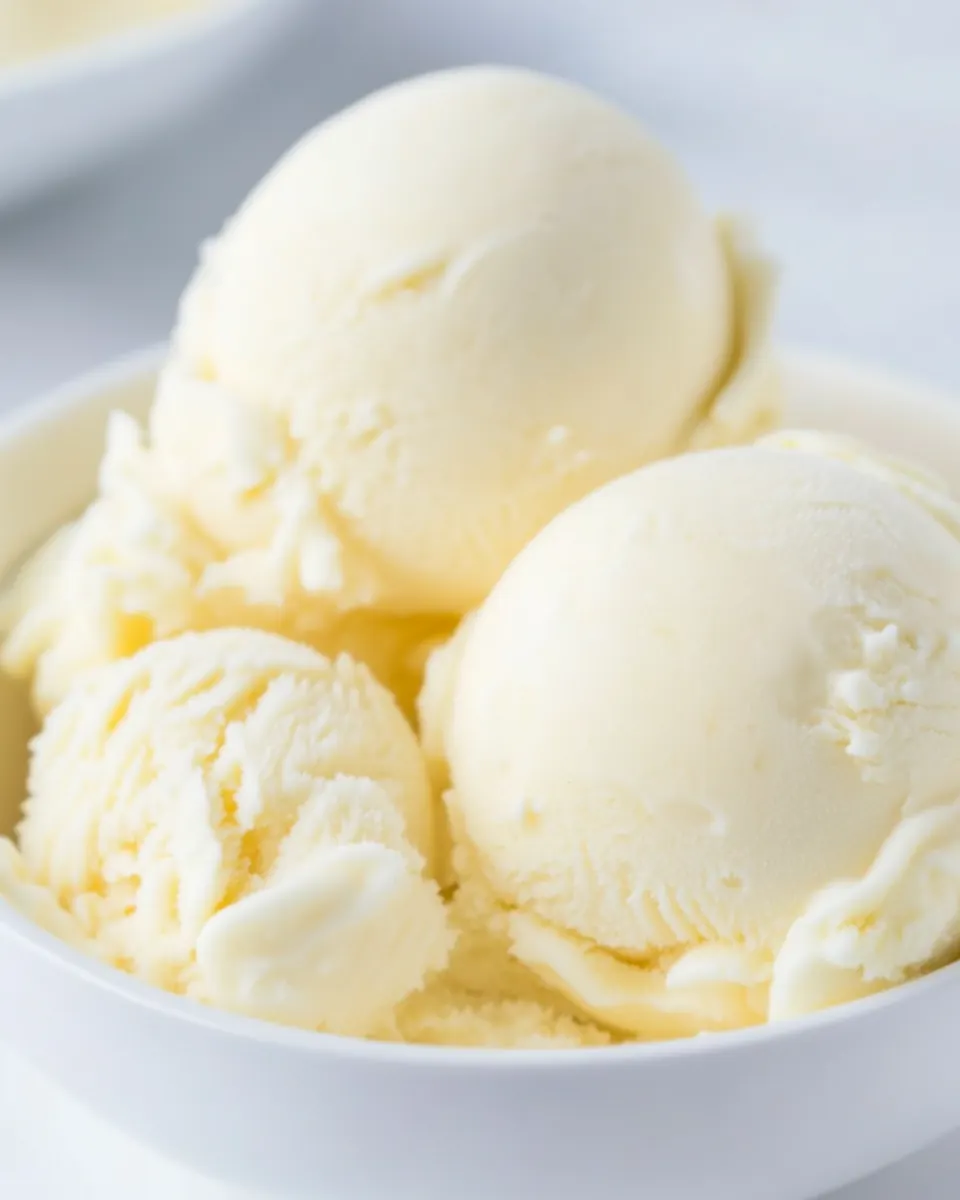
Sugar Free Frozen Yogurt
Sugar Free Frozen Yogurt is one of those recipes I come back to when the heat is high and I want something cool, bright, and genuinely simple. The first time I made Sugar Free Frozen Yogurt, I was testing ways to keep treats light for guests who preferred less sugar, and it turned into a weekend ritual. I remember the hum of the blender and the cheer in the kitchen when everyone took that first spoonful, surprised that something this creamy could be so clean and fresh.
Over the years I learned to respect the few ingredients that do the heavy lifting here, especially the texture that good Greek yogurt brings. I’ll tell you honestly, there were a couple of experiments that fizzled, but this version balances tang, creaminess, and a gentle sweetness without relying on regular sugar. If you love simple routines, you will appreciate how the method folds together basic tools and a little patience for a scoopable reward.
Recipe Snapshot
2 mins
1 mins
1 mins
Easy
120 kcal
American
Gluten-Free, AIP
Desserts
Mixing bowl, Whisk, Refrigerator, Ice cream maker, High speed blender or food processor, Freezer, Ice cube trays or shallow containers
The Magic of This Sugar Free Frozen Yogurt
It keeps things light without losing flavor
I love how Sugar Free Frozen Yogurt delivers creamy satisfaction while staying light on added sugars. Because I use a strong, tangy Greek yogurt, the mouthfeel is rich and memorable, so you do not miss standard ice cream clout. For friends watching carbs or sugar, this is my go to dessert because everyone walks away happy and satiated.
Flexible sweetening options
One of the reasons I keep coming back to this recipe is the sweetener flexibility. Depending on your pantry, you can use allulose for a nearly identical texture to sugar, or a touch of honey if you prefer a natural sweetener and are not strict about sugar free. I clearly remember being surprised at how a small change in sweetener shifted the flavor profile, which makes this recipe an excellent canvas for customization.
Two easy paths to frozen bliss
I like that you can either churn this in a machine or use the blender plus freeze trick. When I need immediate gratification, the ice cream maker churn gives that soft serve texture in minutes. On slow afternoons, the freeze and reblend route is perfect, and I often use it when I want to control texture more deliberately. Both methods create that silky, spoonable result we crave.
Minimal ingredients, maximum impact
This recipe respects simplicity. With only Greek yogurt, a sweetener, and optional vanilla extract, each ingredient is a star. I like the way this pared down list eliminates guesswork, making it approachable for cooks at any level. The clarity of the ingredient list means the final frozen yogurt tastes honest, clean, and bright.
Kid friendly and crowd ready
I often bring a tub of Sugar Free Frozen Yogurt to gatherings because it satisfies different palates. Parents appreciate the lower sugar, and kids adore the creamy texture, so it bridges preferences with little fuss. The recipe scales well, which is why it has become my summer staple for casual get togethers.
Main Ingredients for Sugar Free Frozen Yogurt
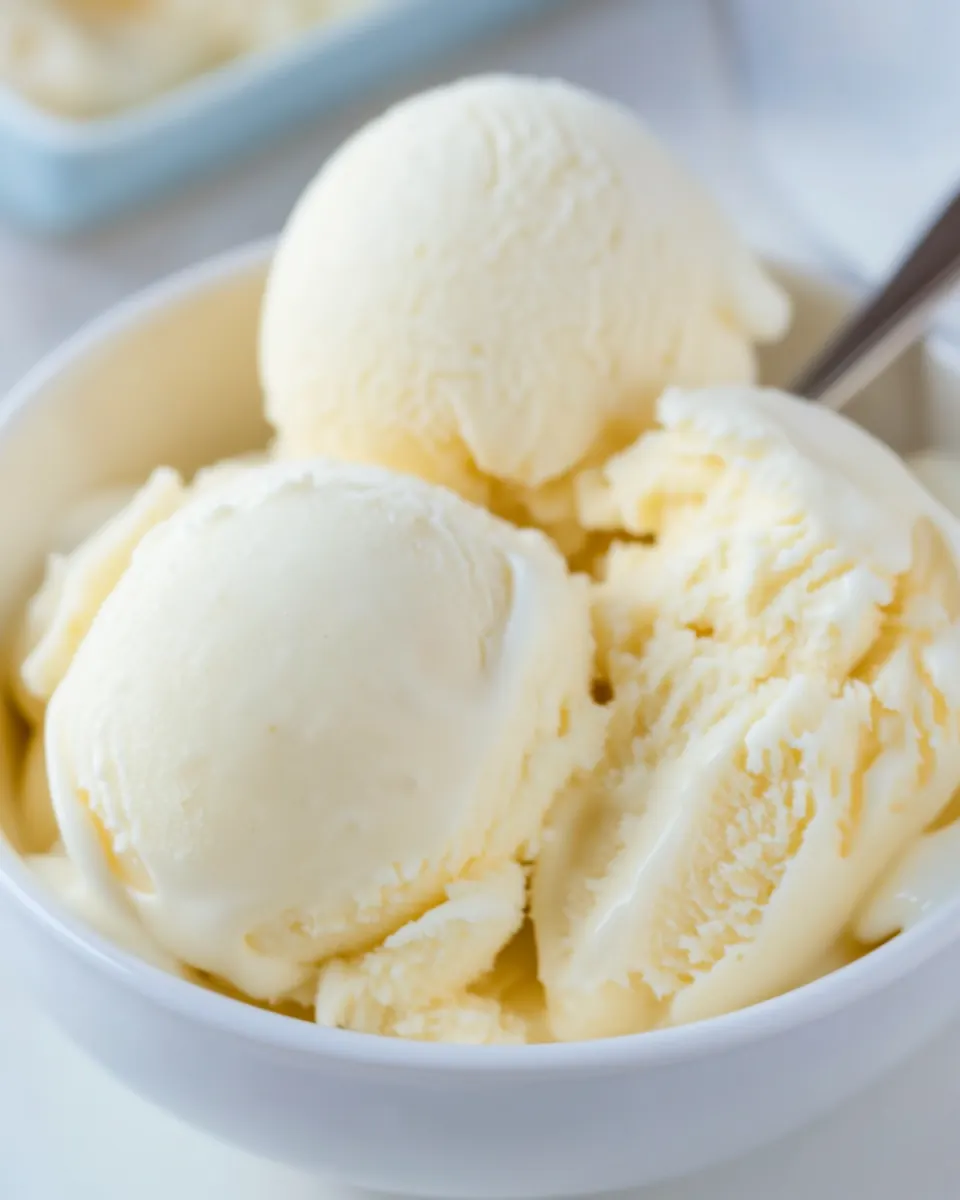
The philosophy behind these ingredients is restraint. Each item plays a clear role: the dairy foundation for body, the sweetener for balance, and a touch of flavor to round it out. When combined, they deliver a refreshing frozen treat that feels indulgent yet straightforward. I like to think of the list as a small orchestra where every player matters.
- 3 cups Greek yogurt non-fat or full fat * See notes: Provide creamy, tangy base and rich texture for the frozen yogurt; its protein content helps stabilize the mixture while delivering a smooth mouthfeel. Can use non-fat for lighter results or full-fat for a richer, creamier finish, and chilling before churning improves consistency. Adds body that balances sweeteners and flavorings, ensuring a pleasant scoopable frozen dessert.
- 2/3 cups allulose OR 1/3 cup honey: Sweeten and control freezing point to achieve scoopable texture while contributing mild flavor depending on choice; allulose lowers freezing point more effectively for softer frozen yogurt. Honey offers a natural sweet note and slightly different freezing behavior, so adjust proportions and churning time accordingly. Also contributes to overall sweetness intensity and mouthfeel without overpowering the yogurt base.
- 1 teaspoon vanilla extract (optional): Enhance and brighten overall flavor with aromatic warmth and subtle depth, making the frozen yogurt taste more complex and rounded. Optional use allows customization of flavor intensity; adding during blending ensures even distribution. Small amount accentuates dairy and sweet notes without masking the yogurt's natural tang.
Putting Together Sugar Free Frozen Yogurt
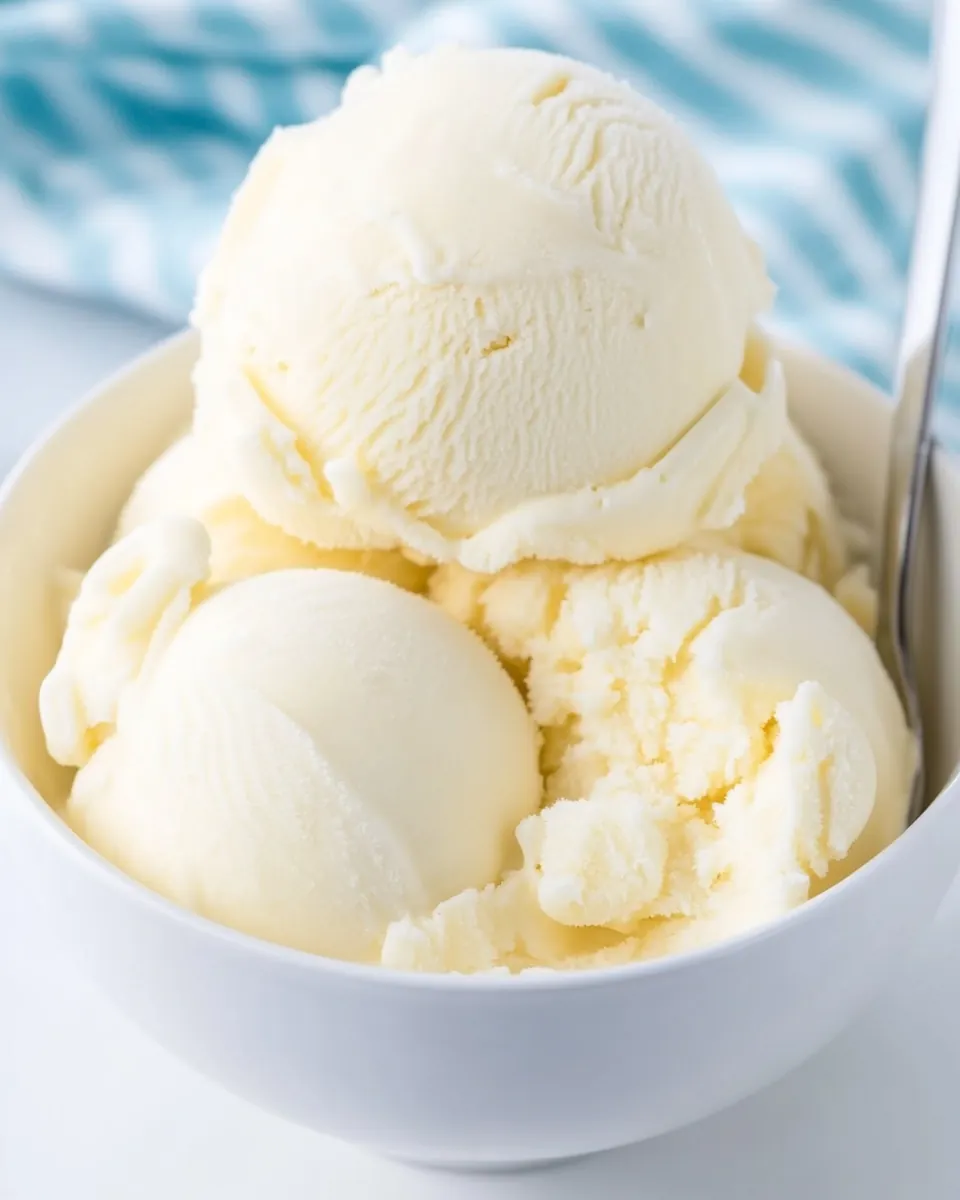
This recipe is forgiving, and the techniques are straightforward whether you use an ice cream maker or a blender plus freeze method. I like to take a relaxed approach, paying attention to texture and chill time. Below I expand each direction into detailed, sensory rich guidance so you can recreate the exact soft, spoonable finish I aim for.
- In a mixing bowl, whisk together all the ingredients until the sweetener has dissolved. Cover the bowl and place it in the refrigerator for an hour.: The first thing you will notice is the glossy sheen that forms when you whisk Greek yogurt and sweetener together, a visual cue that the sweetener is integrating. Listen for the soft swish of the whisk as the mixture smooths out, and tilt the bowl to check for streaks of dry sweetener. The whisking releases a faint tangy aroma from the Greek yogurt , which signals the base is ready. This step matters because dissolved sweetener ensures an even freeze and smoother final texture. A common mistake is under whisking, which leaves grainy pockets in the churned yogurt, so take a minute to fully dissolve the sweetener.
- Add the chilled yogurt mixture into your ice cream maker and churn using the frozen yogurt setting, or until it turns into a soft serve texture.: Chilling tightens the mixture and helps it reach a uniform temperature, which improves churn performance and expedites freezing. As it cools, the surface becomes slightly firmer and the aroma calms into a gentle tang. This pause lets Greek yogurt hydrate the sweetener and become more cohesive. The reason this matters is temperature consistency, colder mix whips and freezes into a creamier texture. Avoid skipping this rest, because adding a warm mixture to your ice cream maker can yield a thin, icy result rather than a smooth scoop.
- Serve immediately, or place in the freezer, covered.: As the maker churns, you will hear a steady, satisfied hum and see the mixture thicken against the bowl walls. The aroma becomes more concentrated and the texture transitions from pourable to a soft, cloud like mass that folds slowly. Churning incorporates air which gives that light mouthfeel and prevents large ice crystals. This technique matters because proper churning replicates the texture of commercial frozen yogurt. One trap is over churning, which can make the mixture too firm or icy, so stop as soon as you reach a soft serve consistency.
- Add all the ingredients into a high speed blender or food processor. Blend until smooth.: If you serve right away, the texture is luxuriously soft, with a gentle scoop that holds yet yields easily under a spoon. The aroma is bright and fresh, and the first mouthful should coat your palate with tangy creaminess. If you prefer a firmer set, transfer to a covered container and freeze until set. Cooling longer will firm up the treat but can mute some aromatic notes, so allow a brief thaw before serving. A common error is forgetting to cover the container, which can lead to freezer burn and off flavors.
- Pour the yogurt mixture into ice cube trays or shallow containers. Place in the freezer until frozen.: When you choose the blender route, the initial pulse is important; you want a smooth, even blend without over aerating. You will see the mixture stream into a satiny ribbon that hints at a softer final texture. The high speed action helps dissolve sweetener and break down any tiny yogurt lumps, giving a uniform base for freezing. This method matters because it is an excellent alternative when you do not have an ice cream maker. Avoid running the blender too long or at too high a speed, which can warm the mixture and affect the freezing step.
- Once frozen, place back into the blender and blend until you reach a soft serve frozen yogurt consistency.: At this stage the sound shifts to a higher pitch and the mixture flattens out visually into a glossy, uniform batter. The aroma will be clean and slightly sweet, and you should notice no gritty bits when you taste a spoonful. Smoothness is essential because lumps freeze into hard pockets that ruin the texture later. If your blend still shows small specks, scrape down the sides and pulse again. A frequent oversight is not checking the bottom of the blender, which can hide unmixed bits.
- Pour the yogurt mixture into ice cube trays or shallow containers: Spreading the mixture into small, thin shapes increases surface area and speeds freezing, producing tiny crystals that break down smoothly on re blending. You might hear a faint splash as you pour, and the surface will look glassy before it frosts. The thin shapes mean you can process them quickly later, giving a near instant soft serve when re blended. One pitfall is filling containers too thickly, which results in long freeze times and coarser texture when re processed.
- Place in the freezer until frozen: This is where patience pays off, because a complete freeze makes the next blending stage effortless. Inside the freezer, the mixture hardens into opaque ice with a firm snap when you tap it. Proper freezing promotes small ice crystals, which ultimately creates a smooth, scoopable product after re blending. Beware of freezing alongside strongly scented items, as yogurt can pick up odors if not sealed well.
- Once frozen, place back into the blender and blend until you reach a soft serve frozen yogurt consistency: As you pulse the frozen cubes, you will hear a rhythmic chop followed by a smoother, creamier sound as the pieces collapse into each other. The texture should transform from coarse shards into a velvety, spoonable mass with a glossy finish and bright tang. This technique matters because it replicates churning through physical shear and warmth from the blades, producing a soft serve almost indistinguishable from machine churn. A common mistake is blending too long which warms the mixture excessively and makes it runny, so use short pulses and scrape down as needed.
Tips and Variations
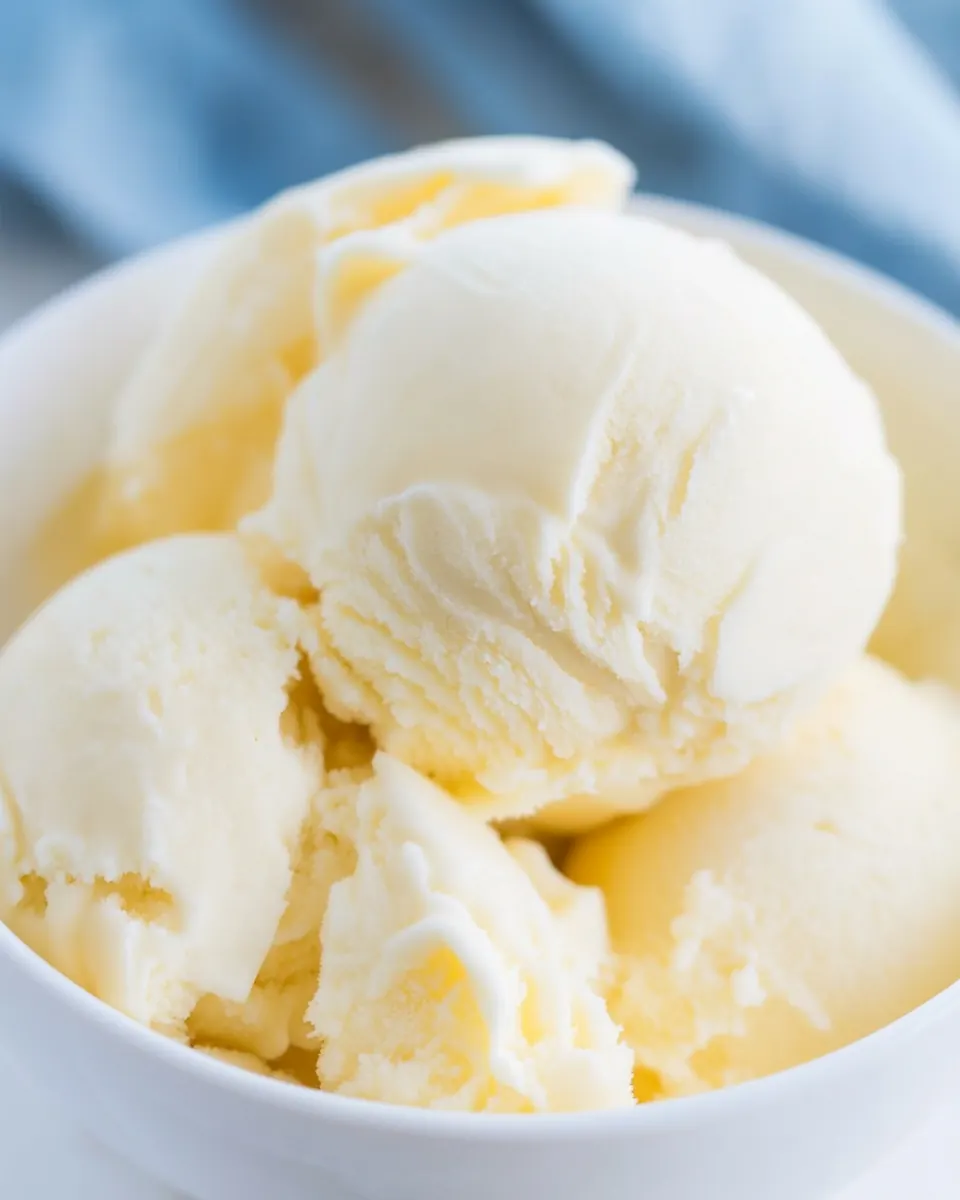
I like to offer small adjustments that preserve the soul of the recipe while letting you tailor texture and flavor. Below are practical tips and variations that I use depending on the season and the tools I have on hand.
- Choose your yogurt wisely Use thick, strained Greek yogurt for the creamiest result; thin yogurts will freeze icier and require longer churn or additional methods to reach a soft serve texture.
- Sweetener swap insights Allulose gives a closer to sugar freeze behavior while honey will yield a softer set and floral notes, so pick based on your texture priority and dietary needs.
- Machine versus no machine An ice cream maker shortens churn time and often delivers a smoother texture, but the freeze and reblend method is a reliable substitute that produces comparable results when executed patiently.
- Prevent freezer burn Store your frozen yogurt in an airtight container with minimal headspace and press a sheet of parchment directly on the surface before sealing to keep the texture pristine.
- Adjust sweetness incrementally Sweetness perception changes when cold, so taste slightly under sweet at room temperature knowing the chilled product will taste milder; you can always add a touch more next time.
Serving Options for Sugar Free Frozen Yogurt
This frozen yogurt is versatile, and I often adapt serving styles to the occasion and time of day. Below are practical serving ideas, storage notes, and pairing suggestions to elevate how you present it.
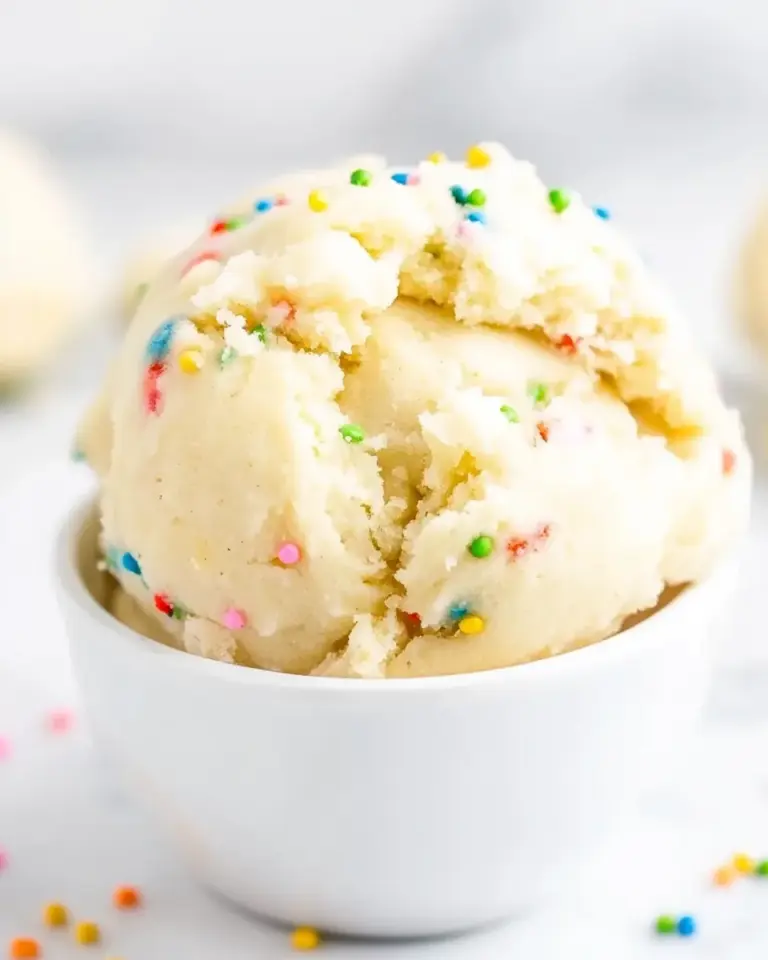
- Scoop and serve plain A classic approach, where you spoon chilled Sugar Free Frozen Yogurt into bowls for a clean, tang forward dessert ideal for warm afternoons or casual family snacks.
- Top with fresh fruit Lightly spoon on seasonal berries or sliced stone fruit to add textural contrast and natural sweetness, making this suitable for brunch or a lighter dessert after dinner.
- Make parfaits Layer the frozen yogurt with small amounts of granola and fruit for a composed breakfast style treat, great for summer brunches or potluck contributions.
- Party sized tubs For gatherings, keep a larger container in the freezer and allow guests to scoop, serve with small bowls, and offer a couple of simple toppings so everyone customizes their portion.
- Storage tips Store in a freezer friendly container with a tight lid for up to two months; let it sit at room temperature for about 15 minutes before scooping to restore scoopable texture.
- Seasonal pairings In summer, pair with grilled fruit or citrus segments for brightness; in cooler months, serve small scoops after heavier meals as a refreshing palate cleanser.
FAQ
Conclusion
This recipe stands out because it transforms just a few simple ingredients into a remarkably creamy, refreshing frozen treat that feels indulgent without heavy sugar. Try it because it is approachable, adaptable, and forgiving whether you use an ice cream maker or the freeze and reblend method. I hope you enjoy the way the bright tang of Greek yogurt combines with the gentle sweetness to create a scoopable dessert that fits easily into warm days and casual gatherings.
Sugar Free Frozen Yogurt
Equipment
- Mixing Bowl
- Whisk
- Refrigerator
- Ice Cream Maker
- High-speed blender or food processor
- Freezer
- Ice cube trays or shallow containers
Ingredients
- 3 cups Greek yogurt non-fat or full fat * See notes Provide creamy, tangy base and rich texture for the frozen yogurt; its protein content helps stabilize the mixture while delivering a smooth mouthfeel. Can use non-fat for lighter results or full-fat for a richer, creamier finish, and chilling before churning improves consistency. Adds body that balances sweeteners and flavorings, ensuring a pleasant scoopable frozen dessert.
- 2/3 cups allulose OR 1/3 cup honey Sweeten and control freezing point to achieve scoopable texture while contributing mild flavor depending on choice; allulose lowers freezing point more effectively for softer frozen yogurt. Honey offers a natural sweet note and slightly different freezing behavior, so adjust proportions and churning time accordingly. Also contributes to overall sweetness intensity and mouthfeel without overpowering the yogurt base.
- 1 teaspoon vanilla extract optional Enhance and brighten overall flavor with aromatic warmth and subtle depth, making the frozen yogurt taste more complex and rounded. Optional use allows customization of flavor intensity; adding during blending ensures even distribution. Small amount accentuates dairy and sweet notes without masking the yogurt's natural tang.
Instructions
- In a mixing bowl, whisk together all the ingredients until the sweetener has dissolved. Cover the bowl and place it in the refrigerator for an hour.: The first thing you will notice is the glossy sheen that forms when you whisk Greek yogurt and sweetener together, a visual cue that the sweetener is integrating. Listen for the soft swish of the whisk as the mixture smooths out, and tilt the bowl to check for streaks of dry sweetener. The whisking releases a faint tangy aroma from the Greek yogurt , which signals the base is ready. This step matters because dissolved sweetener ensures an even freeze and smoother final texture. A common mistake is under whisking, which leaves grainy pockets in the churned yogurt, so take a minute to fully dissolve the sweetener.
- Add the chilled yogurt mixture into your ice cream maker and churn using the frozen yogurt setting, or until it turns into a soft serve texture.: Chilling tightens the mixture and helps it reach a uniform temperature, which improves churn performance and expedites freezing. As it cools, the surface becomes slightly firmer and the aroma calms into a gentle tang. This pause lets Greek yogurt hydrate the sweetener and become more cohesive. The reason this matters is temperature consistency, colder mix whips and freezes into a creamier texture. Avoid skipping this rest, because adding a warm mixture to your ice cream maker can yield a thin, icy result rather than a smooth scoop.
- Serve immediately, or place in the freezer, covered.: As the maker churns, you will hear a steady, satisfied hum and see the mixture thicken against the bowl walls. The aroma becomes more concentrated and the texture transitions from pourable to a soft, cloud like mass that folds slowly. Churning incorporates air which gives that light mouthfeel and prevents large ice crystals. This technique matters because proper churning replicates the texture of commercial frozen yogurt. One trap is over churning, which can make the mixture too firm or icy, so stop as soon as you reach a soft serve consistency.
- Add all the ingredients into a high speed blender or food processor. Blend until smooth.: If you serve right away, the texture is luxuriously soft, with a gentle scoop that holds yet yields easily under a spoon. The aroma is bright and fresh, and the first mouthful should coat your palate with tangy creaminess. If you prefer a firmer set, transfer to a covered container and freeze until set. Cooling longer will firm up the treat but can mute some aromatic notes, so allow a brief thaw before serving. A common error is forgetting to cover the container, which can lead to freezer burn and off flavors.
- Pour the yogurt mixture into ice cube trays or shallow containers. Place in the freezer until frozen.: When you choose the blender route, the initial pulse is important; you want a smooth, even blend without over aerating. You will see the mixture stream into a satiny ribbon that hints at a softer final texture. The high speed action helps dissolve sweetener and break down any tiny yogurt lumps, giving a uniform base for freezing. This method matters because it is an excellent alternative when you do not have an ice cream maker. Avoid running the blender too long or at too high a speed, which can warm the mixture and affect the freezing step.
- Once frozen, place back into the blender and blend until you reach a soft serve frozen yogurt consistency.: At this stage the sound shifts to a higher pitch and the mixture flattens out visually into a glossy, uniform batter. The aroma will be clean and slightly sweet, and you should notice no gritty bits when you taste a spoonful. Smoothness is essential because lumps freeze into hard pockets that ruin the texture later. If your blend still shows small specks, scrape down the sides and pulse again. A frequent oversight is not checking the bottom of the blender, which can hide unmixed bits.
- Pour the yogurt mixture into ice cube trays or shallow containers: Spreading the mixture into small, thin shapes increases surface area and speeds freezing, producing tiny crystals that break down smoothly on re blending. You might hear a faint splash as you pour, and the surface will look glassy before it frosts. The thin shapes mean you can process them quickly later, giving a near instant soft serve when re blended. One pitfall is filling containers too thickly, which results in long freeze times and coarser texture when re processed.
- Place in the freezer until frozen: This is where patience pays off, because a complete freeze makes the next blending stage effortless. Inside the freezer, the mixture hardens into opaque ice with a firm snap when you tap it. Proper freezing promotes small ice crystals, which ultimately creates a smooth, scoopable product after re blending. Beware of freezing alongside strongly scented items, as yogurt can pick up odors if not sealed well.
- Once frozen, place back into the blender and blend until you reach a soft serve frozen yogurt consistency: As you pulse the frozen cubes, you will hear a rhythmic chop followed by a smoother, creamier sound as the pieces collapse into each other. The texture should transform from coarse shards into a velvety, spoonable mass with a glossy finish and bright tang. This technique matters because it replicates churning through physical shear and warmth from the blades, producing a soft serve almost indistinguishable from machine churn. A common mistake is blending too long which warms the mixture excessively and makes it runny, so use short pulses and scrape down as needed.
Notes
- Choose your yogurt wisely Use thick, strained Greek yogurt for the creamiest result; thin yogurts will freeze icier and require longer churn or additional methods to reach a soft serve texture.
- Sweetener swap insights Allulose gives a closer to sugar freeze behavior while honey will yield a softer set and floral notes, so pick based on your texture priority and dietary needs.
- Machine versus no machine An ice cream maker shortens churn time and often delivers a smoother texture, but the freeze and reblend method is a reliable substitute that produces comparable results when executed patiently.
- Prevent freezer burn Store your frozen yogurt in an airtight container with minimal headspace and press a sheet of parchment directly on the surface before sealing to keep the texture pristine.
- Adjust sweetness incrementally Sweetness perception changes when cold, so taste slightly under sweet at room temperature knowing the chilled product will taste milder; you can always add a touch more next time.