Light and Lovely Lemon Cupcakes
Light and Lovely Lemon Cupcakes have a way of turning an ordinary afternoon into something cheerful and bright. The first time I baked these, I was chasing sunlight through the kitchen window while the citrus scent curled through the house, and that memory is why this recipe lives in my regular rotation.
I remember juggling a toddler and a mixing bowl, stealing a lick of frosting between tasks, and feeling proud that such a simple set of pantry staples could produce delicate, tender cupcakes with a tangy lemon lift. They are the kind of treat I bring to neighbor visits, where the plates always come back empty and smiles linger. Over time I refined the method to keep the crumb light while layering in real lemon flavor, so every bite feels fresh and balanced.
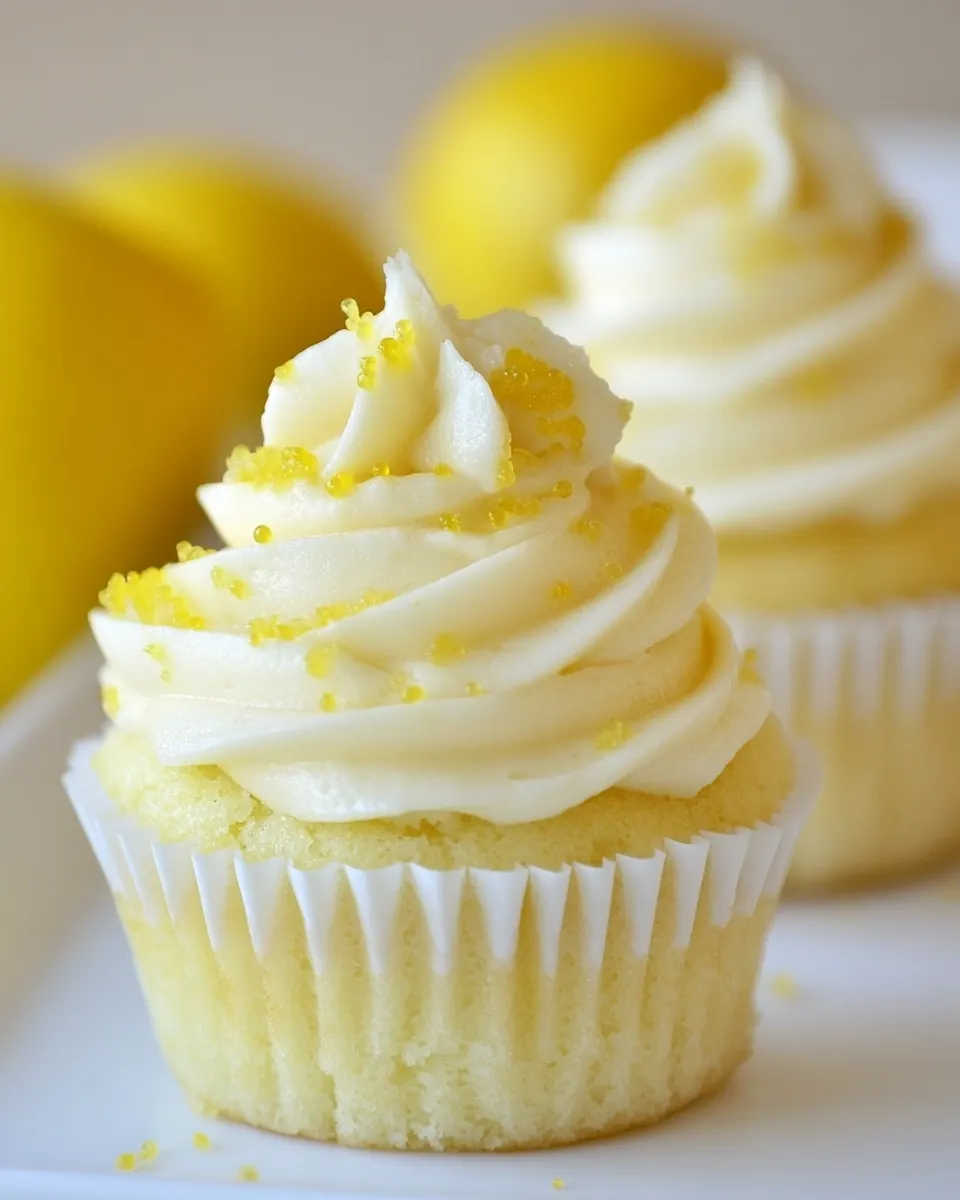
These cupcakes are forgiving enough for weeknight baking, yet pretty enough for a small celebration. I love how the frosting pipes into soft peaks, and how the crumb remains moist thanks to the sour cream and egg whites. When friends ask for a dessert that is not too sweet, I hand them one of these and watch their eyes widen.
Recipe Snapshot
40 mins
20 mins
20 mins
Easy
250 kcal
American
Gluten-Free, Low FODMAP
Desserts
12 mold muffin tin, Paper liners, Stand mixer or large bowl, Paddle attachment or whisk, Measuring cups and spoons, Wire rack, Piping bag (optional)
Why This Light and Lovely Lemon Cupcakes Is a Winner
Bright citrus flavor without being overwhelming
I love that Light and Lovely Lemon Cupcakes use both lemon zest and fresh lemon juice, which gives a layered citrus profile. The zest adds floral, aromatic notes, while the juice adds a clean, tangy acidity that brightens the batter and the frosting. This balance means the lemon lifts the whole cupcake without making it puckery.
Delicate, tender crumb thanks to the technique
Using cake flour and beating melted butter with sugar creates a tender structure that is still sturdy enough to hold the frosting. I appreciate how the recipe avoids heavy mixing, which preserves airiness. When I follow the steps and stop mixing as soon as things come together, the cupcakes bake up soft and springy, rather than dense.
Moisture from sour cream and egg whites
Including sour cream and using just the egg whites keeps the texture pleasantly moist and light. The tang from the sour cream complements lemon beautifully, and the whites reduce richness just enough that the crumb stays airy. I often find that this combination prevents the dryness that plagues many cupcakes.
Flexible, crowd friendly frosting
The buttercream here is straightforward to adjust. Start with four cups of confectioners sugar and add more if you prefer a stiffer texture for piping. The inclusion of heavy cream smooths the frosting and helps it hold shape without becoming overly sweet. I like making a small test swirl to fine tune consistency before finishing the whole batch.
Reliable for home bakers of all levels
I find this recipe reliably forgiving, whether you are baking with a stand mixer or a simple bowl and whisk. The steps are clear, and the results are consistent when you pay attention to key signals like batter thickness and the toothpick test for doneness. Because of that dependability, these cupcakes are my go to when I need a pretty dessert in a pinch.
Key Ingredients for Light and Lovely Lemon Cupcakes
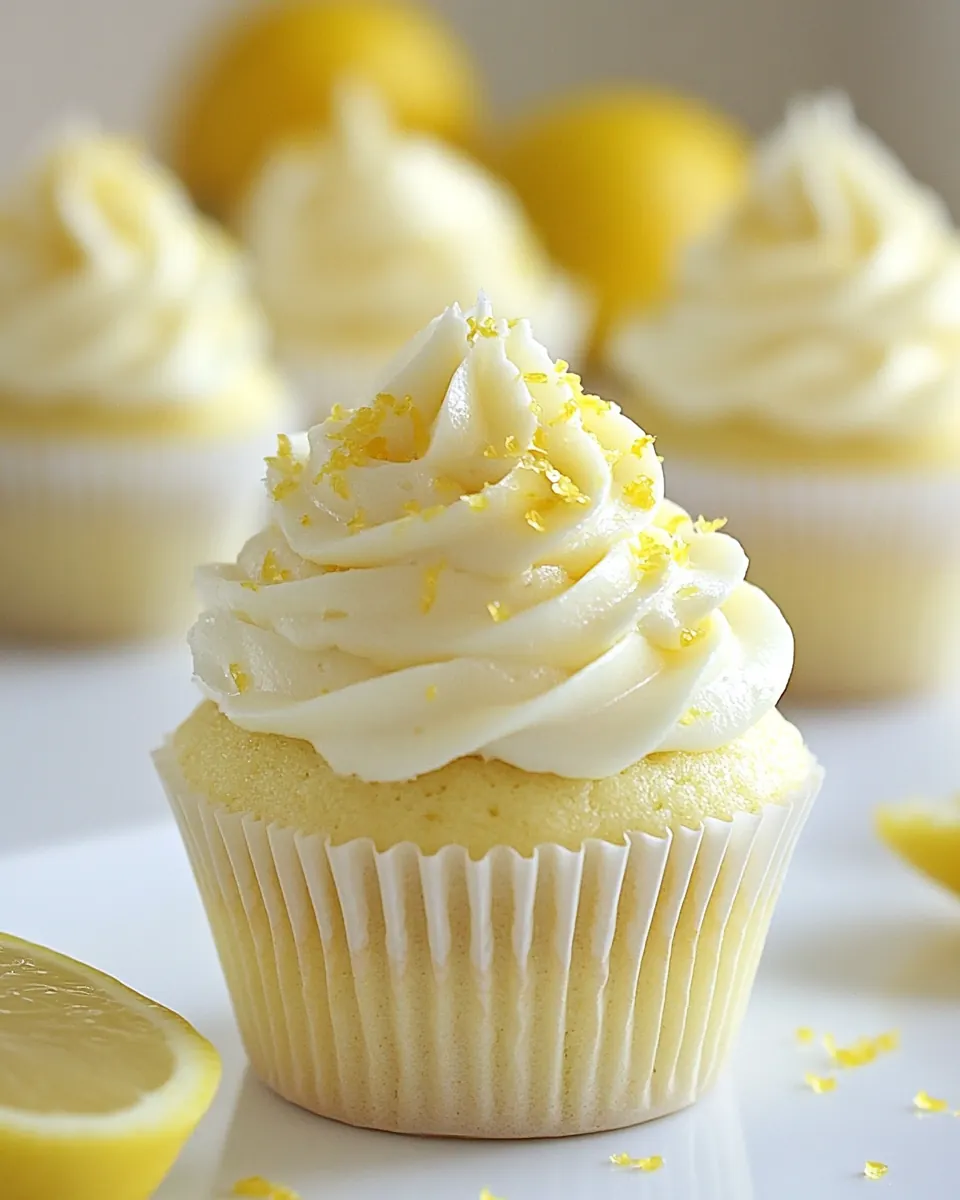
These ingredients are chosen to create a light, tender crumb with bright lemon flavor. The mix of cake flour, dairy, and egg whites gives a delicate structure, while the butter and sugar provide richness for the frosting. Each component plays a supporting role so the lemon remains the star.
- 1 3/4 cups cake flour: Provides a tender, delicate crumb and lighter texture compared to all-purpose flour; helps cupcakes stay soft while absorbing liquids and fats evenly. Sifts easily to remove lumps and should be measured gently to avoid compacting, ensuring accurate volume for proper structure.
- 1 1/2 teaspoons baking powder: Leavens the batter by releasing carbon dioxide when combined with moisture and heat, producing lift and a tender rise. Balances with the acidic components so cupcakes are light without a metallic or bitter aftertaste.
- 1/4 teaspoons salt: Balances flavor and enhances the other ingredients while slightly tightening the gluten to prevent excessive spread. Used sparingly to avoid producing a dense or overly salty crumb.
- 1/2 cups sour cream (I used full fat): Adds richness and moisture with a slight tang that brightens flavors and tenderizes the crumb; contributes to a fine, moist texture. Full-fat sour cream provides stability and prevents cupcakes from drying out during baking.
- 1/2 cup milk (I used whole): Thins the batter for proper consistency and adds moisture while contributing mild richness, especially when using whole milk. Helps dissolve sugar and assists in developing a smooth batter that bakes evenly.
- 2 large egg whites, at room temperature: Provides structure and stability while contributing to a lighter texture than whole eggs; egg whites help incorporate air when beaten and set as they cook. Room temperature whites incorporate more easily, aiding in achieving consistent rise.
- 1 stick (4 ounces) unsalted butter, melted: Adds concentrated butterfat and flavor while contributing to a tender, moist crumb; using melted butter helps blend evenly with wet ingredients and creates a slightly denser, richer cupcake. Cooling slightly before combining prevents cooking the eggs in the batter.
- 1 cup granulated sugar: Sweetens the cupcakes and assists with tenderness by interacting with fats and liquids; sugar also helps with browning and contributes to moisture retention. Creaming sugar properly with fats helps incorporate air for a lighter texture.
- 1 tablespoon fresh lemon juice: Delivers bright citrus acidity and aromatic freshness that balances sweetness and enhances overall flavor; lemon juice also reacts with leaveners when needed. Fresh juice provides a cleaner, more vibrant taste than bottled alternatives.
- Zest of one lemon (about 2 teaspoons): Provides concentrated aromatic oils that intensify lemon flavor without adding extra liquid; zest adds a fragrant, bright citrus note. Finely grated zest disperses evenly through batter for consistent flavor in every bite.
- 2 sticks unsalted butter (very soft): Forms the base of the frosting, offering richness, creaminess, and the ability to hold structure; very soft butter whips smoothly with sugar to create a stable, spreadable frosting. Using unsalted butter allows precise control over overall saltiness in the frosting.
- 4 5 cups confectioners sugar: Sweetens and thickens the frosting while providing structure and a smooth texture when sifted and incorporated; quantity controls frosting stiffness and sweetness level. Gradually adding confectioners sugar helps achieve desired consistency without lumping.
- 1 teaspoon lemon juice: Adds a touch of bright acidity to the frosting that balances sweetness and enhances lemon flavor; small amounts prevent curdling while giving a fresh finish. Incorporating lemon juice carefully preserves frosting stability and taste.
- 1 teaspoon lemon zest: Contributes concentrated lemon aroma and a final pop of citrus flavor in the frosting without adding liquid volume; zest lifts and brightens the sweet components. Fresh zest yields volatile oils that give a more authentic lemon profile than extracts.
- 2 tablespoons heavy cream: Adjusts frosting consistency and adds silkiness, moisture, and a slight richness that helps achieve a spreadable, creamy texture. Heavy cream smooths powdered sugar and butter together while contributing a luxurious mouthfeel.
How to Prepare Light and Lovely Lemon Cupcakes
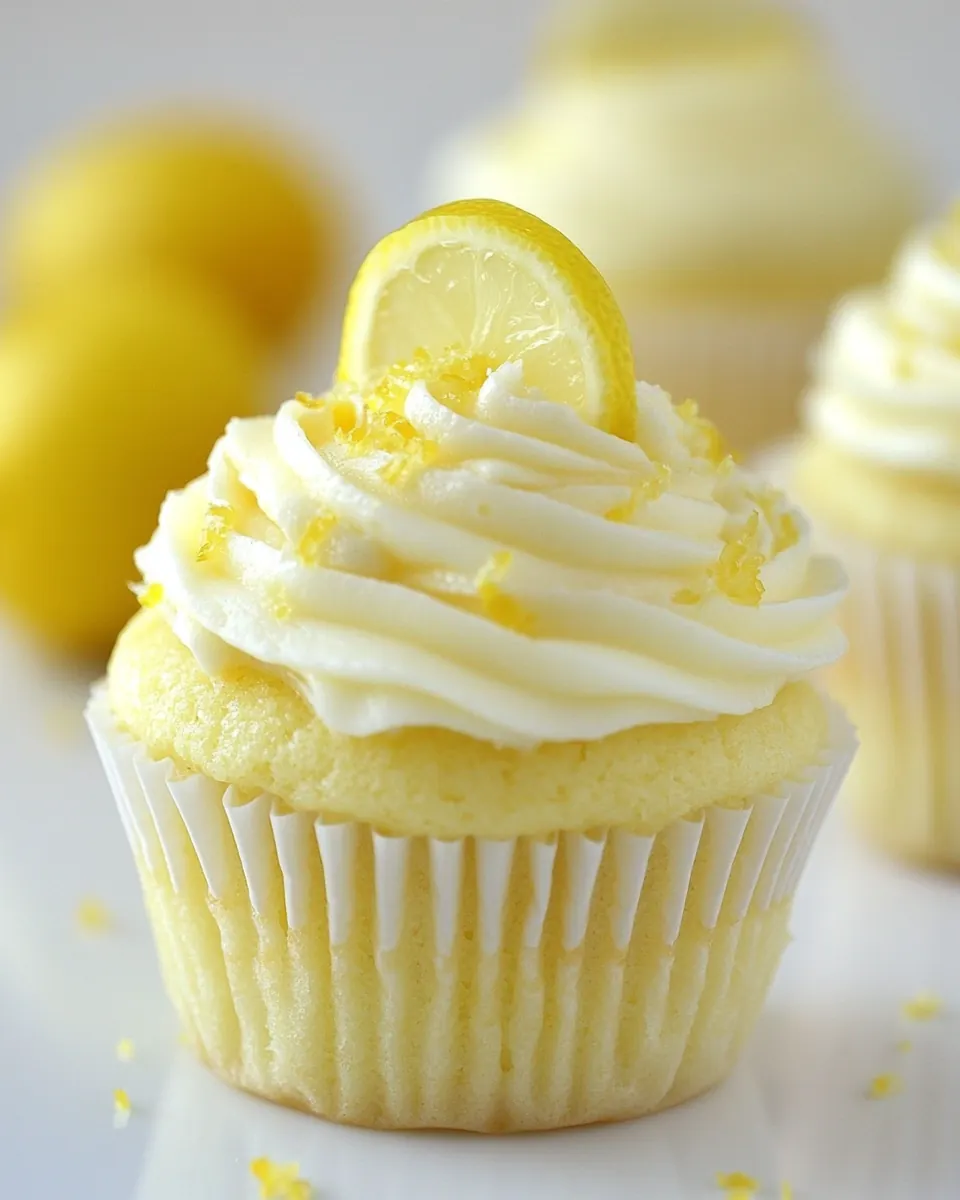
These steps will guide you through making cupcakes with a tender crumb and bright lemon flavor. I like to keep my mise en place ready so the process flows, and I pay attention to texture cues at each stage to ensure consistent results. Below I expand each direction into a sensory rich, practical walkthrough.
- Preheat oven to 350 degrees (F). Line a 12 mold muffin tin with paper liners; set aside.: When you step into the kitchen you should already smell warm air as the oven reaches 350 degrees F , which creates a stable environment for even rise. Lining the pan with paper liners makes removal effortless and keeps the bottoms tender rather than forming a hard crust. A common mistake is placing the pan in a cold oven, which alters baking time and texture. If your oven runs hot or cool, use an oven thermometer to confirm the actual temperature so the cupcakes do not overbake or remain underdone.
- In a medium bowl combine flour, baking powder, and salt; mix well to combine. Set aside.: As you whisk the dry mix you will notice a faint floury aroma and an even, sandy texture, which signals that the leavening is distributed. This step ensures pockets of baking powder will not create uneven domes or tunnels. Avoid vigorous beating, which can develop gluten and yield tough cupcakes. If your baking powder seems old, replace it to prevent flat results.
- In a large measuring cup or bowl combine sour cream, milk, and egg whites; mix well to combine. Set aside.: Stirring these wet ingredients produces a glossy, slightly thick batter component, and the mixture should feel smooth on your spoon. Room temperature egg whites blend more easily and help with incorporation. If the mixture looks curdled, check that the melted butter is not too hot when added later, as heat can coagulate the whites.
- In a large bowl or stand mixer fitted with the paddle attachment beat melted butter and sugar on medium speed until well combined; about 2 minutes. Add lemon juice and lemon zest and beat for another minute on medium speed. Slowly add the flour mixture to the butter/sugar combination, beating until just combined. Add in sour cream/milk/egg combo and beat on low until just combined. Over-mixing will result in a dryer/denser cake.: Right away you will notice the sugar and melted butter forming a satin like mixture that smells faintly of caramelized butter. Adding the lemon juice and zest at this point ensures the aroma disperses throughout the batter. When folding in the flour, watch for streaks of flour to disappear; that indicates the right stopping point. Adding the wet combo last yields a batter that holds air and moisture. A typical error is overworking the batter, which tightens the structure and yields a heavier cupcake. If your batter becomes stiff, stop mixing and proceed to portioning to avoid a dense crumb.
- Divide the cupcake batter evenly into the 12 molds, then place the pan in the oven. Bake for 18-20 minutes, or until a toothpick inserted into the center of a cupcake comes out clean. Allow cupcakes to cool completely before topping with frosting.: Portioning the batter evenly gives consistent rise and baking. Use a spoon or ice cream scoop to distribute batter so each cupcake finishes at the same time. As they bake you will see the tops turn a light golden and the scent of lemon will intensify, which are good visual cues. The toothpick test confirms doneness without overbaking. A common pitfall is opening the oven too often, which can cause uneven domes or collapse. Let the cupcakes cool fully on a wire rack so the crumb sets and the frosting does not melt when applied.
- Beat butter until light and fluffy. Slowly, add 4 cups of sugar, beating on low until well combined. Add in lemon juice, zest, and cream; beat until combined. Add additional confectioners sugar as needed, stopping when you've reached your desired consistency. Place frosting in piping bag, or simply slather onto cooled cupcakes.: The frosting process begins with softened unsalted butter whipped to a pale, airy texture that feels almost marshmallow like. Adding the confectioners sugar gradually prevents a gritty texture and keeps the frosting smooth. When you add the lemon juice , zest , and heavy cream , the mix loosens into a glossy, spreadable consistency that smells bright and creamy. If it gets too loose, add more sugar a little at a time; if too stiff, a splash of cream will smooth it. Avoid overheating the butter or overbeating once the sugar is in, as that can create a greasy mouthfeel. Pipe or spread once cupcakes are fully cool so the frosting holds shape and does not melt.
Ways to Adapt This Recipe
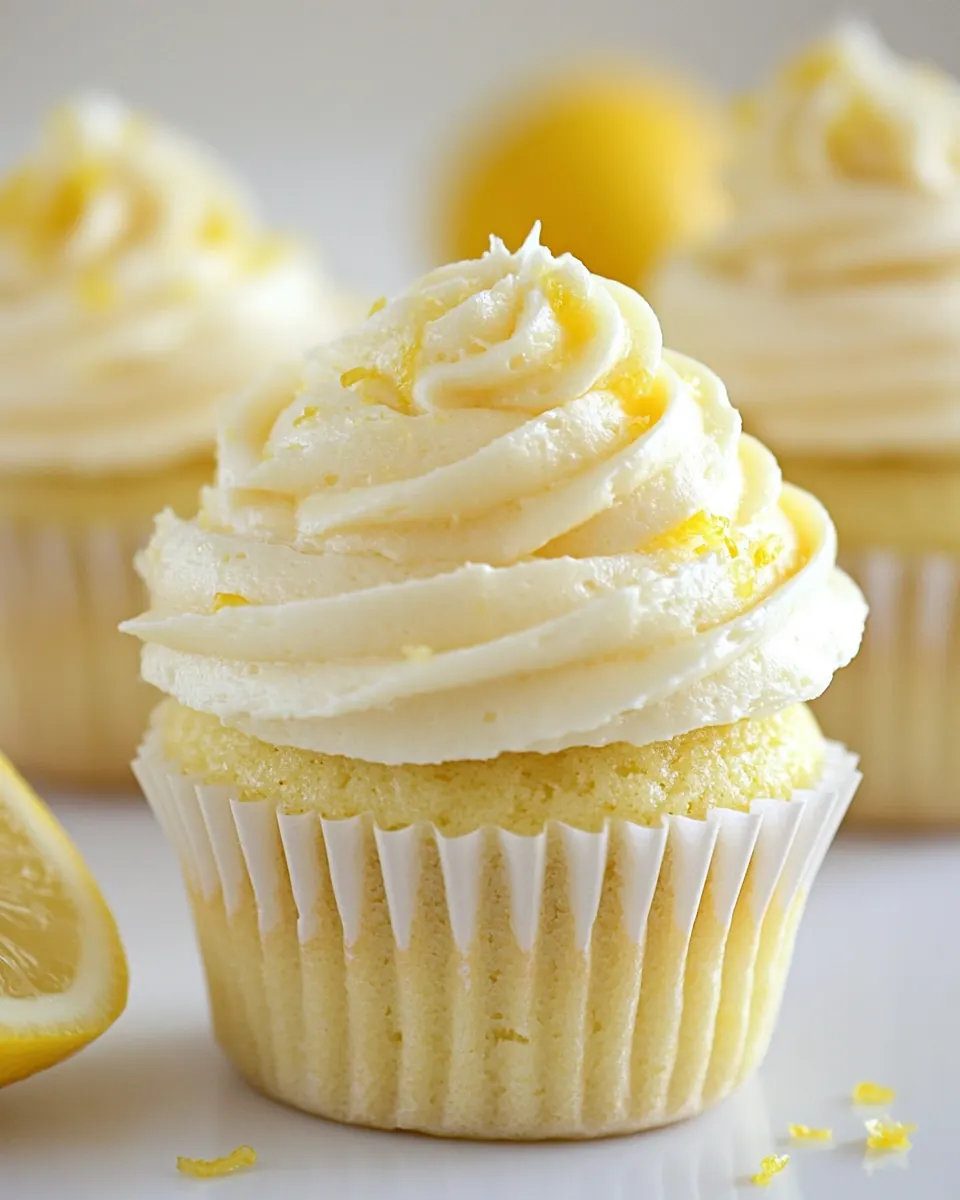
These ideas help you tailor Light and Lovely Lemon Cupcakes to different tastes and needs. Below are practical, tested tips that keep the texture intact while allowing for creative adjustments.
- Use low fat dairy cautiously: Swapping full fat sour cream for a lower fat version will reduce richness; expect a slightly drier crumb and consider a teaspoon more milk to balance moisture.
- Adjust sweetness of the frosting: Start with four cups of confectioners sugar and add more only if needed for stiffness; this prevents the frosting from overpowering the lemon.
- Make cupcakes ahead: Bake the cupcake bases a day in advance and store them in an airtight container; frost on the day you serve for the freshest texture and flavor.
- Stiffen frosting for piping: If you need sharp piping details, chill the frosting briefly after mixing to firm it up before transferring to a piping bag.
- Brighten flavor with extra zest: If you want a more aromatic result, increase the amount of lemon zest slightly, but avoid the pith to prevent bitterness.
What Complements This Light and Lovely Lemon Cupcakes
These cupcakes pair well with light beverages and simple accompaniments that enhance their citrus profile. Below are serving ideas, occasions, and storage notes to help you present them beautifully and keep them fresh.
- Afternoon tea or brunch: Serve a platter of Light and Lovely Lemon Cupcakes alongside delicate tea sandwiches for a sunny brunch. The citrus notes cut through richer bites and feel seasonally appropriate for spring gatherings or baby showers.
- Outdoor gatherings: These cupcakes travel well in a sturdy container and are perfect for picnics, where the lemon brightness complements green salads and light mains. Keep them shaded to prevent the frosting from softening in warm weather.
- Simple dessert course: Present two cupcakes per person with a small bowl of fresh berries to echo the tartness and provide a colorful contrast on the plate. They work well as a light dessert after a richer meal.
- Storage tips: Store unfrosted cupcakes in an airtight container at room temperature for up to two days. If frosted, refrigerate in a single layer with a loose lid for up to three days, and bring back to room temperature before serving for the best texture and flavor.
- Seasonal pairings: In spring, pair with floral salads or chilled soups. Their brightness also complements lighter occasions like bridal showers or Ramadan if served after evening meals as a gentle, citrus finish.
FAQ
Conclusion
These cupcakes stand out for their feather light crumb and honest lemon flavor, making them a springtime favorite that is both elegant and approachable. I encourage you to give them a try, starting with room temperature ingredients and paying attention to texture cues as you mix and bake. Share them with friends or keep them for a quiet afternoon treat, and enjoy how a few simple techniques turn pantry staples into something special.
Light and Lovely Lemon Cupcakes
Equipment
- 12 mold muffin tin
- Paper liners
- Stand mixer or large bowl
- Paddle attachment or whisk
- Measuring Cups and Spoons
- Wire Rack
- Piping Bag, optional
Ingredients
- 1 3/4 cups cake flour Provides a tender, delicate crumb and lighter texture compared to all-purpose flour; helps cupcakes stay soft while absorbing liquids and fats evenly. Sifts easily to remove lumps and should be measured gently to avoid compacting, ensuring accurate volume for proper structure.
- 1 1/2 teaspoons baking powder Leavens the batter by releasing carbon dioxide when combined with moisture and heat, producing lift and a tender rise. Balances with the acidic components so cupcakes are light without a metallic or bitter aftertaste.
- 1/4 teaspoons salt Balances flavor and enhances the other ingredients while slightly tightening the gluten to prevent excessive spread. Used sparingly to avoid producing a dense or overly salty crumb.
- 1/2 cups sour cream (I used full fat) Adds richness and moisture with a slight tang that brightens flavors and tenderizes the crumb; contributes to a fine, moist texture. Full-fat sour cream provides stability and prevents cupcakes from drying out during baking.
- 1/2 cup milk (I used whole) Thins the batter for proper consistency and adds moisture while contributing mild richness, especially when using whole milk. Helps dissolve sugar and assists in developing a smooth batter that bakes evenly.
- 2 large egg whites, at room temperature Provides structure and stability while contributing to a lighter texture than whole eggs; egg whites help incorporate air when beaten and set as they cook. Room temperature whites incorporate more easily, aiding in achieving consistent rise.
- 1 stick (4 ounces) unsalted butter, melted Adds concentrated butterfat and flavor while contributing to a tender, moist crumb; using melted butter helps blend evenly with wet ingredients and creates a slightly denser, richer cupcake. Cooling slightly before combining prevents cooking the eggs in the batter.
- 1 cup granulated sugar Sweetens the cupcakes and assists with tenderness by interacting with fats and liquids; sugar also helps with browning and contributes to moisture retention. Creaming sugar properly with fats helps incorporate air for a lighter texture.
- 1 tablespoon fresh lemon juice Delivers bright citrus acidity and aromatic freshness that balances sweetness and enhances overall flavor; lemon juice also reacts with leaveners when needed. Fresh juice provides a cleaner, more vibrant taste than bottled alternatives.
- Zest of one lemon (about 2 teaspoons) Provides concentrated aromatic oils that intensify lemon flavor without adding extra liquid; zest adds a fragrant, bright citrus note. Finely grated zest disperses evenly through batter for consistent flavor in every bite.
- 2 sticks unsalted butter (very soft) Forms the base of the frosting, offering richness, creaminess, and the ability to hold structure; very soft butter whips smoothly with sugar to create a stable, spreadable frosting. Using unsalted butter allows precise control over overall saltiness in the frosting.
- 4 -5 cups confectioners sugar Sweetens and thickens the frosting while providing structure and a smooth texture when sifted and incorporated; quantity controls frosting stiffness and sweetness level. Gradually adding confectioners sugar helps achieve desired consistency without lumping.
- 1 teaspoon lemon juice Adds a touch of bright acidity to the frosting that balances sweetness and enhances lemon flavor; small amounts prevent curdling while giving a fresh finish. Incorporating lemon juice carefully preserves frosting stability and taste.
- 1 teaspoon lemon zest Contributes concentrated lemon aroma and a final pop of citrus flavor in the frosting without adding liquid volume; zest lifts and brightens the sweet components. Fresh zest yields volatile oils that give a more authentic lemon profile than extracts.
- 2 tablespoons heavy cream Adjusts frosting consistency and adds silkiness, moisture, and a slight richness that helps achieve a spreadable, creamy texture. Heavy cream smooths powdered sugar and butter together while contributing a luxurious mouthfeel.
Instructions
- Preheat oven to 350 degrees (F). Line a 12 mold muffin tin with paper liners; set aside.: When you step into the kitchen you should already smell warm air as the oven reaches 350 degrees F , which creates a stable environment for even rise. Lining the pan with paper liners makes removal effortless and keeps the bottoms tender rather than forming a hard crust. A common mistake is placing the pan in a cold oven, which alters baking time and texture. If your oven runs hot or cool, use an oven thermometer to confirm the actual temperature so the cupcakes do not overbake or remain underdone.
- In a medium bowl combine flour, baking powder, and salt; mix well to combine. Set aside.: As you whisk the dry mix you will notice a faint floury aroma and an even, sandy texture, which signals that the leavening is distributed. This step ensures pockets of baking powder will not create uneven domes or tunnels. Avoid vigorous beating, which can develop gluten and yield tough cupcakes. If your baking powder seems old, replace it to prevent flat results.
- In a large measuring cup or bowl combine sour cream, milk, and egg whites; mix well to combine. Set aside.: Stirring these wet ingredients produces a glossy, slightly thick batter component, and the mixture should feel smooth on your spoon. Room temperature egg whites blend more easily and help with incorporation. If the mixture looks curdled, check that the melted butter is not too hot when added later, as heat can coagulate the whites.
- In a large bowl or stand mixer fitted with the paddle attachment beat melted butter and sugar on medium speed until well combined; about 2 minutes. Add lemon juice and lemon zest and beat for another minute on medium speed. Slowly add the flour mixture to the butter/sugar combination, beating until just combined. Add in sour cream/milk/egg combo and beat on low until just combined. Over-mixing will result in a dryer/denser cake.: Right away you will notice the sugar and melted butter forming a satin like mixture that smells faintly of caramelized butter. Adding the lemon juice and zest at this point ensures the aroma disperses throughout the batter. When folding in the flour, watch for streaks of flour to disappear; that indicates the right stopping point. Adding the wet combo last yields a batter that holds air and moisture. A typical error is overworking the batter, which tightens the structure and yields a heavier cupcake. If your batter becomes stiff, stop mixing and proceed to portioning to avoid a dense crumb.
- Divide the cupcake batter evenly into the 12 molds, then place the pan in the oven. Bake for 18-20 minutes, or until a toothpick inserted into the center of a cupcake comes out clean. Allow cupcakes to cool completely before topping with frosting.: Portioning the batter evenly gives consistent rise and baking. Use a spoon or ice cream scoop to distribute batter so each cupcake finishes at the same time. As they bake you will see the tops turn a light golden and the scent of lemon will intensify, which are good visual cues. The toothpick test confirms doneness without overbaking. A common pitfall is opening the oven too often, which can cause uneven domes or collapse. Let the cupcakes cool fully on a wire rack so the crumb sets and the frosting does not melt when applied.
- Beat butter until light and fluffy. Slowly, add 4 cups of sugar, beating on low until well combined. Add in lemon juice, zest, and cream; beat until combined. Add additional confectioners sugar as needed, stopping when you've reached your desired consistency. Place frosting in piping bag, or simply slather onto cooled cupcakes.: The frosting process begins with softened unsalted butter whipped to a pale, airy texture that feels almost marshmallow like. Adding the confectioners sugar gradually prevents a gritty texture and keeps the frosting smooth. When you add the lemon juice , zest , and heavy cream , the mix loosens into a glossy, spreadable consistency that smells bright and creamy. If it gets too loose, add more sugar a little at a time; if too stiff, a splash of cream will smooth it. Avoid overheating the butter or overbeating once the sugar is in, as that can create a greasy mouthfeel. Pipe or spread once cupcakes are fully cool so the frosting holds shape and does not melt.
Notes
- Use low fat dairy cautiously: Swapping full fat sour cream for a lower fat version will reduce richness; expect a slightly drier crumb and consider a teaspoon more milk to balance moisture.
- Adjust sweetness of the frosting: Start with four cups of confectioners sugar and add more only if needed for stiffness; this prevents the frosting from overpowering the lemon.
- Make cupcakes ahead: Bake the cupcake bases a day in advance and store them in an airtight container; frost on the day you serve for the freshest texture and flavor.
- Stiffen frosting for piping: If you need sharp piping details, chill the frosting briefly after mixing to firm it up before transferring to a piping bag.
- Brighten flavor with extra zest: If you want a more aromatic result, increase the amount of lemon zest slightly, but avoid the pith to prevent bitterness.