Leek Alfredo
Leek Alfredo has been one of those comforting dishes I turn to on cold evenings when I want something creamy but not fussy. My first memory of it was a snowy night when I opened the fridge and found a lonely bunch of leek and a tub of heavy cream, and I decided to make a sauce that felt a little luxurious without asking for much work. That first attempt became a repeat performance, because the gentle, sweet warmth of the leek melting into a satin sauce felt like a small celebration for two.
Over time I refined the method, learning to coax the mild oniony flavor of the leek so it sings without overpowering the dish. I love that this recipe turns pantry staples like butter, flour, and milk into something that clings to each strand of pasta. When friends stop by unexpectedly, I can pull this together while juggling conversation and wine glasses, and it still manages to feel special. Each bite is creamy, subtle, and cozy, which is exactly what I want when the weather pushes me indoors.
There are little rituals I’ve adopted that make a big difference, such as washing and slicing the leek carefully so you get soft ribbons instead of gritty bits, and finishing with freshly grated Asiago or Parmesan cheese for a salty, bright lift. The result is a simple, elegant weeknight pasta that pairs well with a crisp salad or steamed greens. Once you try this version of Leek Alfredo, you may find it becoming your fallback for nights when comfort matters more than showmanship.
Recipe Snapshot
25 mins
10 mins
15 mins
Easy
400 kcal
Italian
Gluten-Free, Low FODMAP
Dinner
Skillet, Saucepan, Colander, Whisk
The Beauty of This Leek Alfredo
Silky, not cloying
I love how Leek Alfredo manages to be rich without feeling heavy. The combination of heavy cream and whole milk gives a smooth mouthfeel, while the roux made from butter and all purpose flour stabilizes the sauce so it clings to pasta instead of sliding off. That balance is what keeps each forkful satisfying and approachable.
Leek as the quiet star
The leek brings a mellow, sweet onion note that is less aggressive than raw onion or garlic, so the sauce tastes refined and rounded. I appreciate how the softened ribbons of leek fold into the sauce and provide gentle texture, rather than competing with the cheese or cream.
Fast and forgiving
I always turn to this recipe when time is short. With about a half hour from start to finish, it’s perfect for an easy weeknight dinner. The steps are forgiving, so if you simmer a little longer to thicken the sauce or slightly overcook the leek, you still end up with a delicious meal.
Ingredient-driven flavor
This sauce relies on a few solid ingredients rather than complicated tricks, which makes it accessible. A little bouillon base brings depth, and finishing with freshly grated Asiago or Parmesan cheese lifts the whole dish. I like that simple pan technique and quality basics result in restaurant worthy taste at home.
Comfort that travels
Leek Alfredo is versatile enough to serve for family dinner, a casual get together, or a quiet solo supper. It’s rich enough to feel indulgent, yet familiar and homey. I often make extra sauce and toss it with freshly cooked spaghetti for a crowd pleasing bowl everyone will reach for again and again.
What You’ll Need for Leek Alfredo
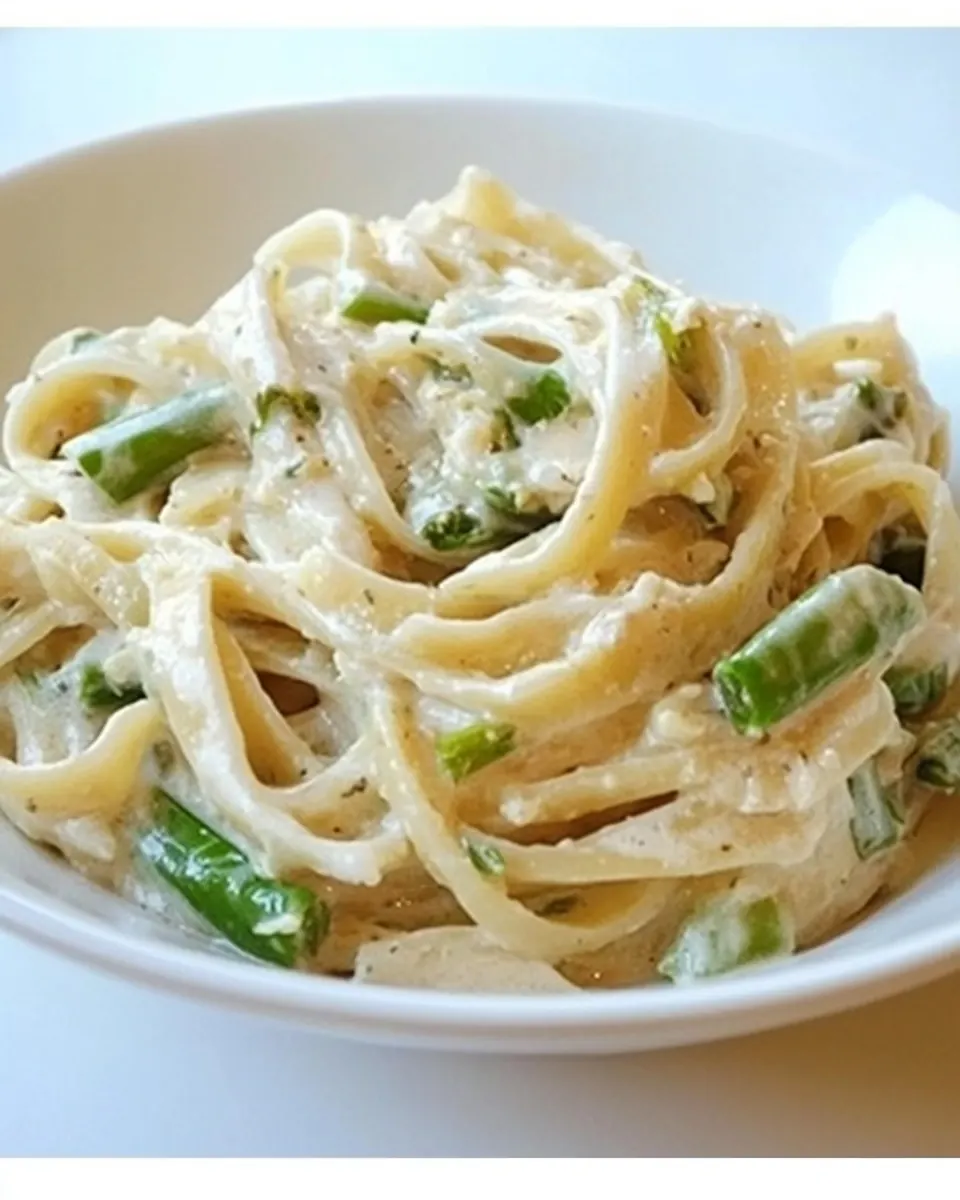
These ingredients are chosen for a simple philosophy, build a stable, creamy sauce, and showcase the gentle sweetness of the leek. The roux acts as the backbone, the dairy gives silkiness, and the bouillon and cheese bring umami. Each player has a job: texture, body, or bright finishing flavor, and together they create a cohesive Alfredo that is greater than the sum of its parts.
- 1 large leek, sliced then thoroughly washed in colander and drained: Sliced and thoroughly washed to remove grit and dirt from between the layers; provides a mild onion-like sweetness and tender texture when sautéed, forming the aromatic base of the sauce.
- 3 tablespoons butter: Melted in the pan to provide rich flavor and a silky mouthfeel; acts as the cooking fat to sauté the leeks and to help create a smooth, cohesive sauce.
- 2 tablespoons all-purpose flour: Whisked into melted butter to form a roux that thickens the sauce; cooks briefly to remove raw flour taste while giving body and stability to the Alfredo.
- 1/2 cup heavy cream: Added after the roux to enrich the sauce with a luxurious, creamy texture; contributes fat and a subtle dairy sweetness that enhances mouthfeel and flavor.
- 1 cup whole milk: Poured in to loosen the roux and extend the sauce while adding a gentle, milky backdrop; helps balance richness and creates a smooth, pourable consistency.
- 1 2 teaspoons chicken or vegetable bouillon base (e.g., Better Than Bouillon): Dissolved into the sauce to introduce concentrated savory depth; supplies umami and saltiness that elevates the overall flavor profile without using straight salt alone.
- 3/4 teaspoons salt: Sprinkled to season the sauce and heighten flavor; works with the bouillon and cheese to ensure the dish is properly seasoned and balanced.
- 1/4 teaspoon freshly ground black pepper: Ground and added to provide bright, aromatic heat and contrast; complements the creaminess with a subtle peppery bite and enhances overall complexity.
- 10 ounces spaghetti, cooked al dente (or pasta of choice): Cooked al dente and tossed with the sauce to provide structure and satisfyingly chewy texture; serves as the neutral vehicle that carries the creamy leek Alfredo to the plate.
- freshly grated Asiago or Parmesan cheese for serving: Freshly grated over the finished pasta to add savory, salty, nutty notes and a slightly granular texture; melts into the hot sauce to enrich flavor and create a cohesive finish.
Cooking Instructions for Leek Alfredo
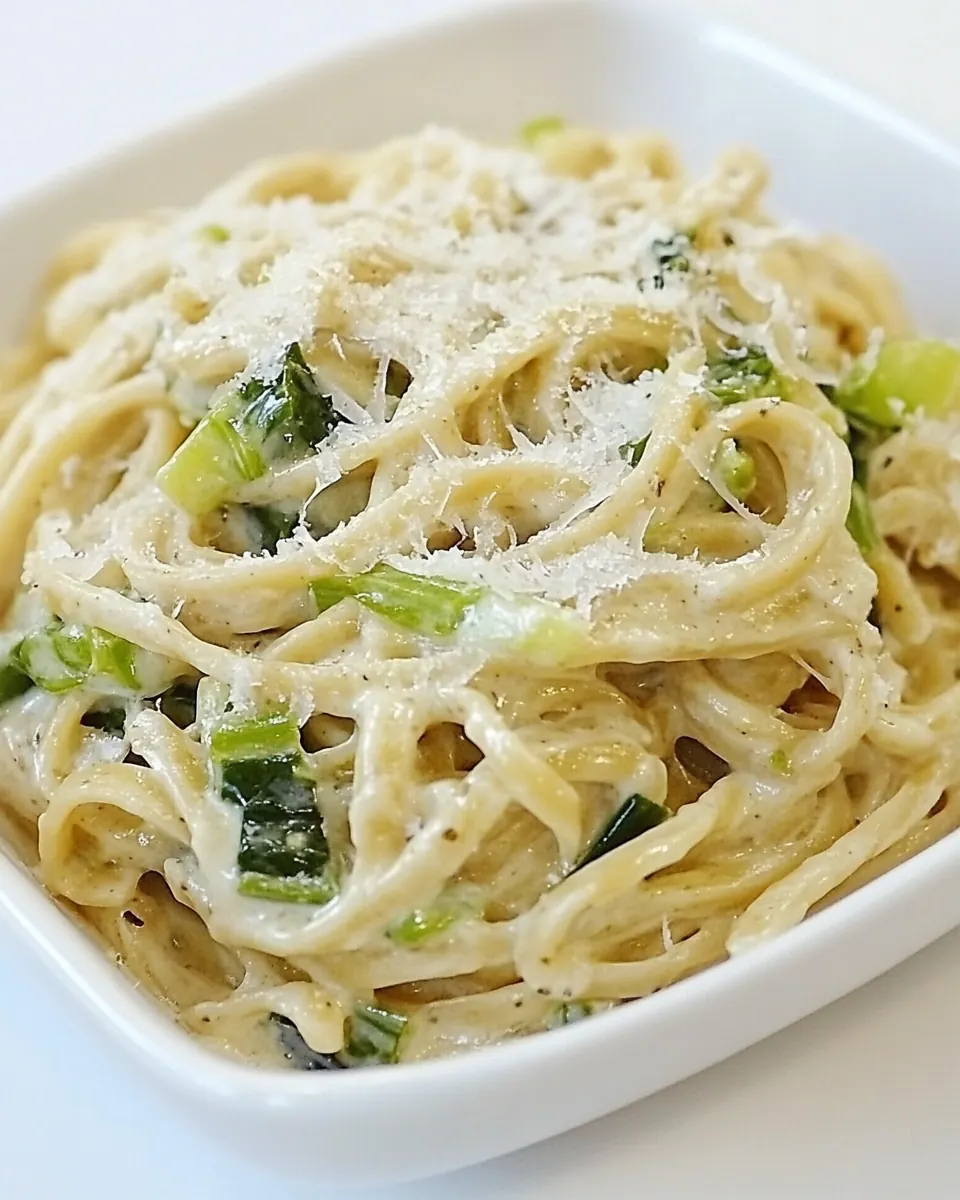
These step by step instructions will walk you through transforming simple pantry items into a creamy, clingy sauce that envelopes pasta. I want you to pay attention to texture and aroma at each stage, because they tell you when to move forward. Keep your tools ready, and taste as you go.
- Heat the butter in a skillet over medium-high heat and saute the leek until soft, 5-7 minutes. Stir in the flour and cook for another minute or two. Stir in the cream and milk and add the bouillon, salt and pepper. Bring to a boil, reduce the heat to medium, cover and simmer for 5 minutes until thickened. Add salt and pepper to taste. Add the cooked spaghetti and toss to coat. Serve immediately with freshly grated Asiago or Parmesan cheese.: First, you will notice butter melting quietly, then the sound shifts to a gentle sizzle as the sliced leek joins the pan, releasing a soft, fragrant sweetness that fills the kitchen. The visual cue is the leek turning translucent with edges that may take on a light golden tint, signaling the sugars are developing. This step softens fibers so the leek blends into the sauce, rather than remaining chewy. Why it matters, I always say, is that properly softened leek creates a mellow base without any harsh onion bite, which keeps the Alfredo delicate. A common mistake is using too high heat, which will brown the leek too quickly and introduce bitter notes. If you see rapid darkening, lower the heat to medium and stir more often to promote even cooking.
- Stir in the flour and cook for another minute or two: At this point you will add the all purpose flour to the warm pan and it will smell faintly toasted as the raw edge cooks off, giving the roux a subtle, nutty aroma. Visually you should see the mixture become pasty and coat the leek and pan, which is the roux forming. This stage is crucial because cooking the flour removes raw starch taste and helps the sauce thicken smoothly when liquids are added. If you skip this brief cook time, the sauce can taste floury or grainy. A trap I warn about is letting the roux darken too much; you need it pale to medium for this sauce, so stir constantly and watch color closely.
- Stir in the cream and milk and add the bouillon, salt and pepper: As you whisk in the heavy cream and whole milk , the roux will melt into the liquids, and steam rises with a comforting dairy sweetness. The texture should shift from pasty to a velvety stream, and you will hear a soft popping as the mixture warms. Add the bouillon base in small increments so you control the savory depth; the aroma will deepen to a rounded, savory creaminess. This is where flavors harmonize, and the milk tempers the richness of the cream. A common slip is adding cold dairy too quickly, which can create lumps, so add slowly while whisking to keep the sauce silky.
- Bring to a boil, reduce the heat to medium, cover and simmer for 5 minutes until thickened: You will see small, rolling bubbles as the sauce hits a gentle boil; this is the moment starches activate and the sauce starts to thicken. Reducing to medium and covering traps steady heat to finish the thickening process. The surface will glisten and the sauce should coat the back of a spoon, leaving a defined film when you run your finger through it. Texture here is everything, because under reduced sauce will be too thin and over reduced can become pasty. To avoid this, watch the consistency and stir occasionally. If the sauce separates or looks curdled, lower the heat and whisk vigorously to bring it back together.
- Add salt and pepper to taste: After simmering, the aroma becomes more concentrated and it is time to taste. Adjust the salt and black pepper gently, because the bouillon and grated cheese later will contribute saltiness. This tasting step calibrates the balance between savory and creamy, ensuring the final dish is bright rather than flat. A typical error is over seasoning at this stage, especially with concentrated bouillon, so add small amounts and re-taste after a minute to let flavors settle.
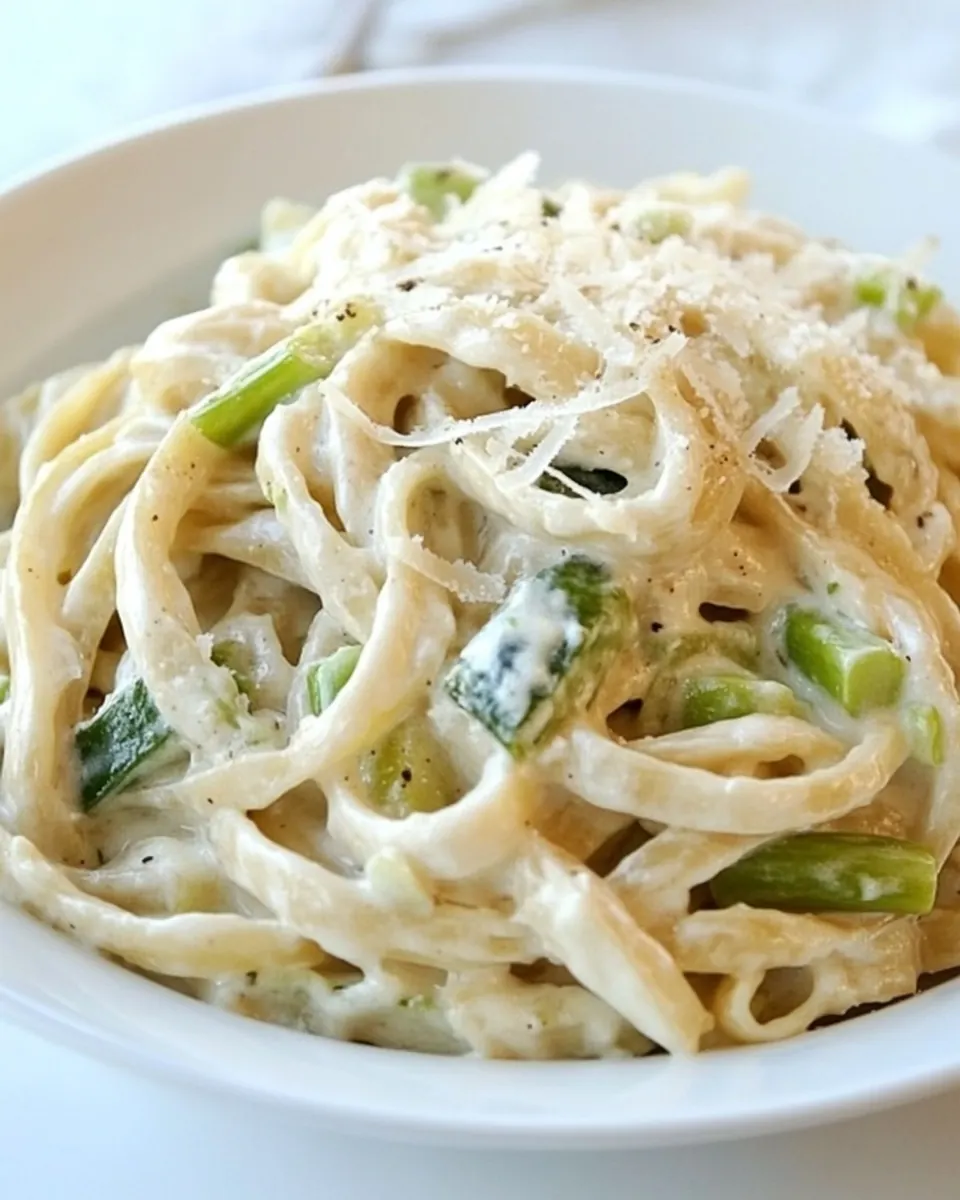
- Add the cooked spaghetti and toss to coat: The final act is folding the al dente spaghetti into the sauce. You will hear a soft gliding sound as the pasta meets the sauce and visually see the strands become slick and glossy, each one sheathed in creamy sauce. Tossing briefly warms the pasta and integrates sauce into its crevices, producing cohesive bites where sauce and noodle are balanced. This step matters because it ensures the sauce clings rather than pools. A common mistake is adding pasta that is too hot or too wet; reserve a little pasta water to adjust consistency if the sauce tightens, and toss quickly to avoid overcooking the pasta in the hot sauce.
- Serve immediately with freshly grated Asiago or Parmesan cheese: Serve the pasta while it is hot so the sauce stays silky and the grated Asiago or Parmesan cheese melts slightly on contact, releasing sharp, salty notes that lift the cream. Visually, you want a light dusting of cheese that glistens when it melts and a few ribbons of leek visible among the pasta. The aroma at the table should be inviting, with the cheese adding a nutty finish. One pitfall is letting the plated pasta sit too long, which causes the sauce to tighten; serve promptly to preserve the ideal texture.
Variations to Try
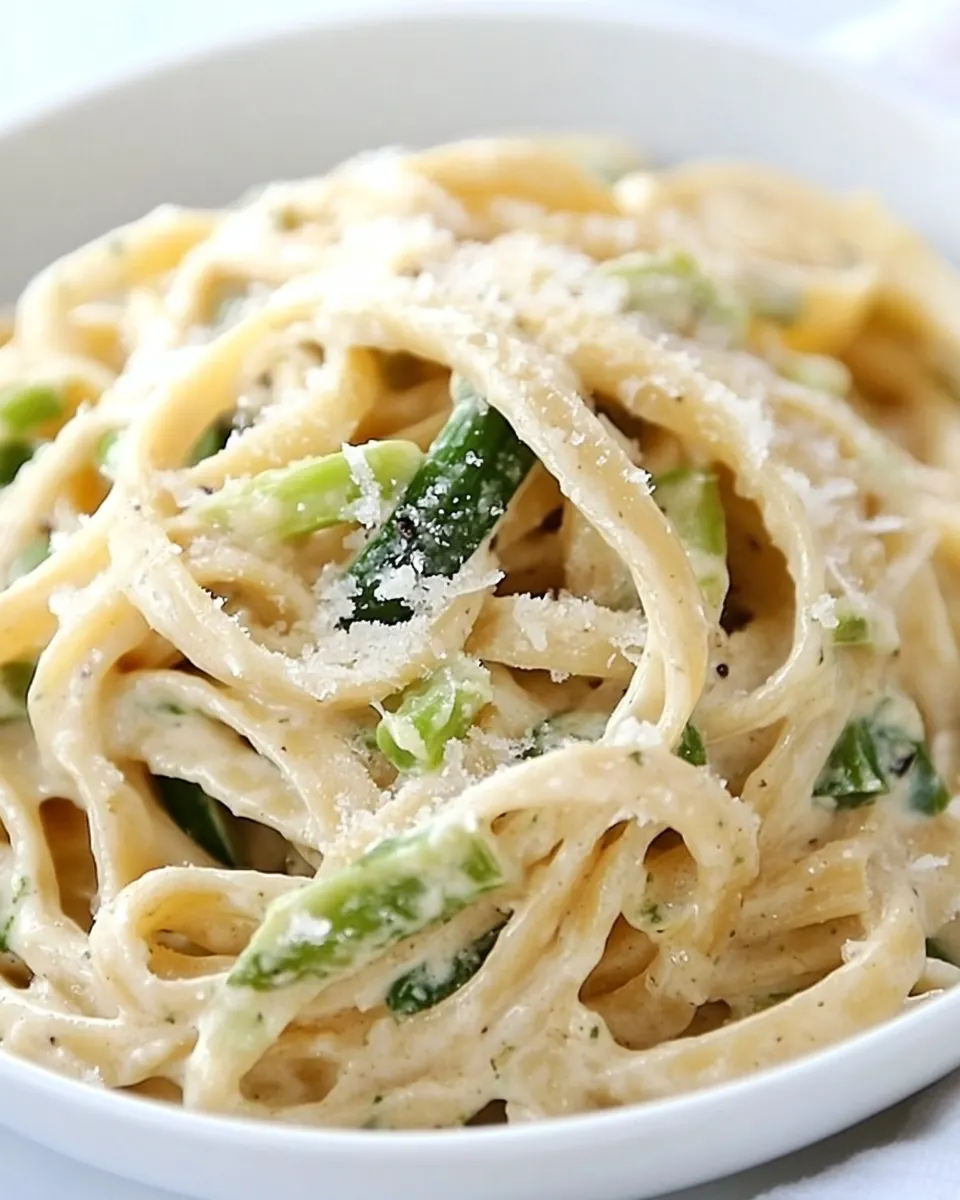
This short intro explains ways to personalize the dish while keeping the core comforting profile intact. Below are practical variations that adjust texture, depth, and presentation without changing the essential method.
- Cheese swap: Try finishing with Asiago for a sharper, nuttier hit, or use Parmesan for a classic, salty lift; freshly grated cheese melts best and brightens the sauce.
- Milk ratio: Adjust the balance of heavy cream and whole milk to make the sauce lighter or richer, but keep the roux proportion the same to maintain thickness.
- Bouillon control: Add the bouillon base in small increments and taste as you go to avoid over salting, because concentrated bases can quickly overpower the gentle leek flavor.
- Pasta choice: While the recipe uses spaghetti, you can use other long or short pasta shapes, keeping in mind that shapes with grooves hold more sauce and change the bite.
- Make ahead: Prepare the sauce up to the simmer step, cool quickly, and refrigerate; rewarm gently while adding a splash of milk to revive texture before tossing with freshly cooked spaghetti.
Serve This Leek Alfredo With
This intro covers serving contexts and pairings to elevate the meal, outlining side dishes and occasions where the recipe shines. Think simple accompaniments and storage advice to keep the experience effortless.
- Light green salad: Pair with a crisp salad dressed with a zesty vinaigrette to cut through the cream and add refreshing contrast to the plate.
- Steamed vegetables: Gentle steamed vegetables like broccoli or green beans offer color and texture, and their slight bite balances the silky sauce.
- Occasion ideas: Serve the dish for a cozy weeknight dinner, a casual lunch, or a small holiday meal when you want comforting richness without fuss.
- Storage tips: Store leftover pasta without cheese in an airtight container for up to two days, and reheat gently with a splash of milk to loosen the sauce.
- Seasonal pairing: This recipe is ideal for winter evenings when the warm, creamy profile feels particularly satisfying, pairing nicely with hearty soups or roasted root vegetables.
FAQ
Conclusion
Leek Alfredo stands out for its gentle, savory personality and velvety texture that feels indulgent without being complicated. It’s a comforting, approachable dish that comes together with everyday pantry items and a little attention to technique. Give it a try on a chilly night or when you want a simple but elegant pasta that highlights the sweet depth of leek. I hope it becomes one of your reliable recipes for cozy dinners and easy entertaining.
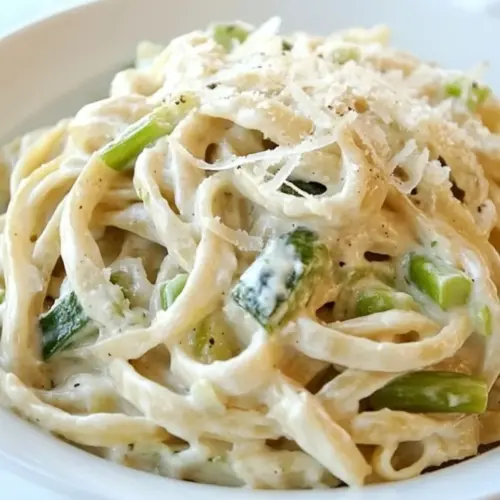
Leek Alfredo
Equipment
- Skillet
- Saucepan
- Colander
- Whisk
Ingredients
- 1 large leek, sliced then thoroughly washed in colander and drained Sliced and thoroughly washed to remove grit and dirt from between the layers; provides a mild onion-like sweetness and tender texture when sautéed, forming the aromatic base of the sauce.
- 3 tablespoons butter Melted in the pan to provide rich flavor and a silky mouthfeel; acts as the cooking fat to sauté the leeks and to help create a smooth, cohesive sauce.
- 2 tablespoons all-purpose flour Whisked into melted butter to form a roux that thickens the sauce; cooks briefly to remove raw flour taste while giving body and stability to the Alfredo.
- 1/2 cup heavy cream Added after the roux to enrich the sauce with a luxurious, creamy texture; contributes fat and a subtle dairy sweetness that enhances mouthfeel and flavor.
- 1 cup whole milk Poured in to loosen the roux and extend the sauce while adding a gentle, milky backdrop; helps balance richness and creates a smooth, pourable consistency.
- 1 -2 teaspoons chicken or vegetable bouillon base (e.g., Better Than Bouillon) Dissolved into the sauce to introduce concentrated savory depth; supplies umami and saltiness that elevates the overall flavor profile without using straight salt alone.
- 3/4 teaspoons salt Sprinkled to season the sauce and heighten flavor; works with the bouillon and cheese to ensure the dish is properly seasoned and balanced.
- 1/4 teaspoon freshly ground black pepper Ground and added to provide bright, aromatic heat and contrast; complements the creaminess with a subtle peppery bite and enhances overall complexity.
- 10 ounces spaghetti, cooked al dente (or pasta of choice) Cooked al dente and tossed with the sauce to provide structure and satisfyingly chewy texture; serves as the neutral vehicle that carries the creamy leek Alfredo to the plate.
- freshly grated Asiago or Parmesan cheese for serving Freshly grated over the finished pasta to add savory, salty, nutty notes and a slightly granular texture; melts into the hot sauce to enrich flavor and create a cohesive finish.
Instructions
- Heat the butter in a skillet over medium-high heat and saute the leek until soft, 5-7 minutes. Stir in the flour and cook for another minute or two. Stir in the cream and milk and add the bouillon, salt and pepper. Bring to a boil, reduce the heat to medium, cover and simmer for 5 minutes until thickened. Add salt and pepper to taste. Add the cooked spaghetti and toss to coat. Serve immediately with freshly grated Asiago or Parmesan cheese.: First, you will notice butter melting quietly, then the sound shifts to a gentle sizzle as the sliced leek joins the pan, releasing a soft, fragrant sweetness that fills the kitchen. The visual cue is the leek turning translucent with edges that may take on a light golden tint, signaling the sugars are developing. This step softens fibers so the leek blends into the sauce, rather than remaining chewy. Why it matters, I always say, is that properly softened leek creates a mellow base without any harsh onion bite, which keeps the Alfredo delicate. A common mistake is using too high heat, which will brown the leek too quickly and introduce bitter notes. If you see rapid darkening, lower the heat to medium and stir more often to promote even cooking.
- Stir in the flour and cook for another minute or two: At this point you will add the all purpose flour to the warm pan and it will smell faintly toasted as the raw edge cooks off, giving the roux a subtle, nutty aroma. Visually you should see the mixture become pasty and coat the leek and pan, which is the roux forming. This stage is crucial because cooking the flour removes raw starch taste and helps the sauce thicken smoothly when liquids are added. If you skip this brief cook time, the sauce can taste floury or grainy. A trap I warn about is letting the roux darken too much; you need it pale to medium for this sauce, so stir constantly and watch color closely.
- Stir in the cream and milk and add the bouillon, salt and pepper: As you whisk in the heavy cream and whole milk , the roux will melt into the liquids, and steam rises with a comforting dairy sweetness. The texture should shift from pasty to a velvety stream, and you will hear a soft popping as the mixture warms. Add the bouillon base in small increments so you control the savory depth; the aroma will deepen to a rounded, savory creaminess. This is where flavors harmonize, and the milk tempers the richness of the cream. A common slip is adding cold dairy too quickly, which can create lumps, so add slowly while whisking to keep the sauce silky.
- Bring to a boil, reduce the heat to medium, cover and simmer for 5 minutes until thickened: You will see small, rolling bubbles as the sauce hits a gentle boil; this is the moment starches activate and the sauce starts to thicken. Reducing to medium and covering traps steady heat to finish the thickening process. The surface will glisten and the sauce should coat the back of a spoon, leaving a defined film when you run your finger through it. Texture here is everything, because under reduced sauce will be too thin and over reduced can become pasty. To avoid this, watch the consistency and stir occasionally. If the sauce separates or looks curdled, lower the heat and whisk vigorously to bring it back together.
- Add salt and pepper to taste: After simmering, the aroma becomes more concentrated and it is time to taste. Adjust the salt and black pepper gently, because the bouillon and grated cheese later will contribute saltiness. This tasting step calibrates the balance between savory and creamy, ensuring the final dish is bright rather than flat. A typical error is over seasoning at this stage, especially with concentrated bouillon, so add small amounts and re-taste after a minute to let flavors settle.
- Add the cooked spaghetti and toss to coat: The final act is folding the al dente spaghetti into the sauce. You will hear a soft gliding sound as the pasta meets the sauce and visually see the strands become slick and glossy, each one sheathed in creamy sauce. Tossing briefly warms the pasta and integrates sauce into its crevices, producing cohesive bites where sauce and noodle are balanced. This step matters because it ensures the sauce clings rather than pools. A common mistake is adding pasta that is too hot or too wet; reserve a little pasta water to adjust consistency if the sauce tightens, and toss quickly to avoid overcooking the pasta in the hot sauce.
- Serve immediately with freshly grated Asiago or Parmesan cheese: Serve the pasta while it is hot so the sauce stays silky and the grated Asiago or Parmesan cheese melts slightly on contact, releasing sharp, salty notes that lift the cream. Visually, you want a light dusting of cheese that glistens when it melts and a few ribbons of leek visible among the pasta. The aroma at the table should be inviting, with the cheese adding a nutty finish. One pitfall is letting the plated pasta sit too long, which causes the sauce to tighten; serve promptly to preserve the ideal texture.
Notes
- Cheese swap: Try finishing with Asiago for a sharper, nuttier hit, or use Parmesan for a classic, salty lift; freshly grated cheese melts best and brightens the sauce.
- Milk ratio: Adjust the balance of heavy cream and whole milk to make the sauce lighter or richer, but keep the roux proportion the same to maintain thickness.
- Bouillon control: Add the bouillon base in small increments and taste as you go to avoid over salting, because concentrated bases can quickly overpower the gentle leek flavor.
- Pasta choice: While the recipe uses spaghetti, you can use other long or short pasta shapes, keeping in mind that shapes with grooves hold more sauce and change the bite.
- Make ahead: Prepare the sauce up to the simmer step, cool quickly, and refrigerate; rewarm gently while adding a splash of milk to revive texture before tossing with freshly cooked spaghetti.