
Beef Broth Pasta with Onion and Parmesan
Beef Broth Pasta with Onion and Parmesan is one of those humble dishes I reach for on chilly evenings when I want something comforting but not fussy.
Years ago I learned to cook this in a tiny kitchen with a single burner, stirring patiently while the scent of simmering beef broth and sweet onion filled the room. That memory shaped how I treat simple recipes now, favoring small gestures that reward you with big flavor. I still love the gentle ritual of adding warm broth bit by bit, watching the pasta absorb it and become glossy and tender. It taught me that patience and good ingredients matter more than complicated techniques.
When friends come over, this is the dish I make when I want to chat at the stove and not disappear into pans. A shower of freshly grated Parmesan cheese at the end brightens everything, and a handful of bright fresh parsley gives it lift. For weeknight dinners or a simple weekend supper, it hits the sweet spot between cozy and sophisticated, and it always reminds me of kitchens that smelled like home.
Recipe Snapshot
20 mins
5 mins
15 mins
Medium
350 kcal
Italian
Gluten-Free, Low FODMAP
Dinner
Large pan, Small pan
What Sets This Beef Broth Pasta with Onion and Parmesan Apart
Comfort from Minimal Ingredients
I love how Beef Broth Pasta with Onion and Parmesan turns pantry basics into a comforting meal. With just beef broth, pasta, onion, and a bit of butter, you get layered savory notes that feel luxurious without effort. Each ingredient plays a clear role, and the result tastes far more complex than the list suggests.
Technique That Elevates
Slowly adding warm beef broth while stirring builds a silky sauce that clings to each strand or tube of pasta. I appreciate that this method rewards attention rather than fancy gear. It also lets you control texture precisely, from slightly toothsome to pillowy soft.
Fast Enough for Weeknights
Because prep is minimal and the dish cooks quickly, Beef Broth Pasta with Onion and Parmesan fits perfectly into busy evenings. I often start this after work and still have time to set the table and toss a simple salad, while the kitchen fills with an inviting aroma.
Flexible and Trustworthy
I adore how forgiving this recipe is. Whether you use spiral shapes or a sturdy tube, the core technique stays the same. If you need to stretch the broth, a little boiling water keeps you on track without compromising texture too much.
Finishing Touches That Make a Difference
A generous shower of freshly grated Parmesan cheese and a scatter of fresh parsley add brightness and creaminess. Those final moments transform a simple pan of cooked pasta into something memorable, and I never skip them.
What You Need for Beef Broth Pasta with Onion and Parmesan
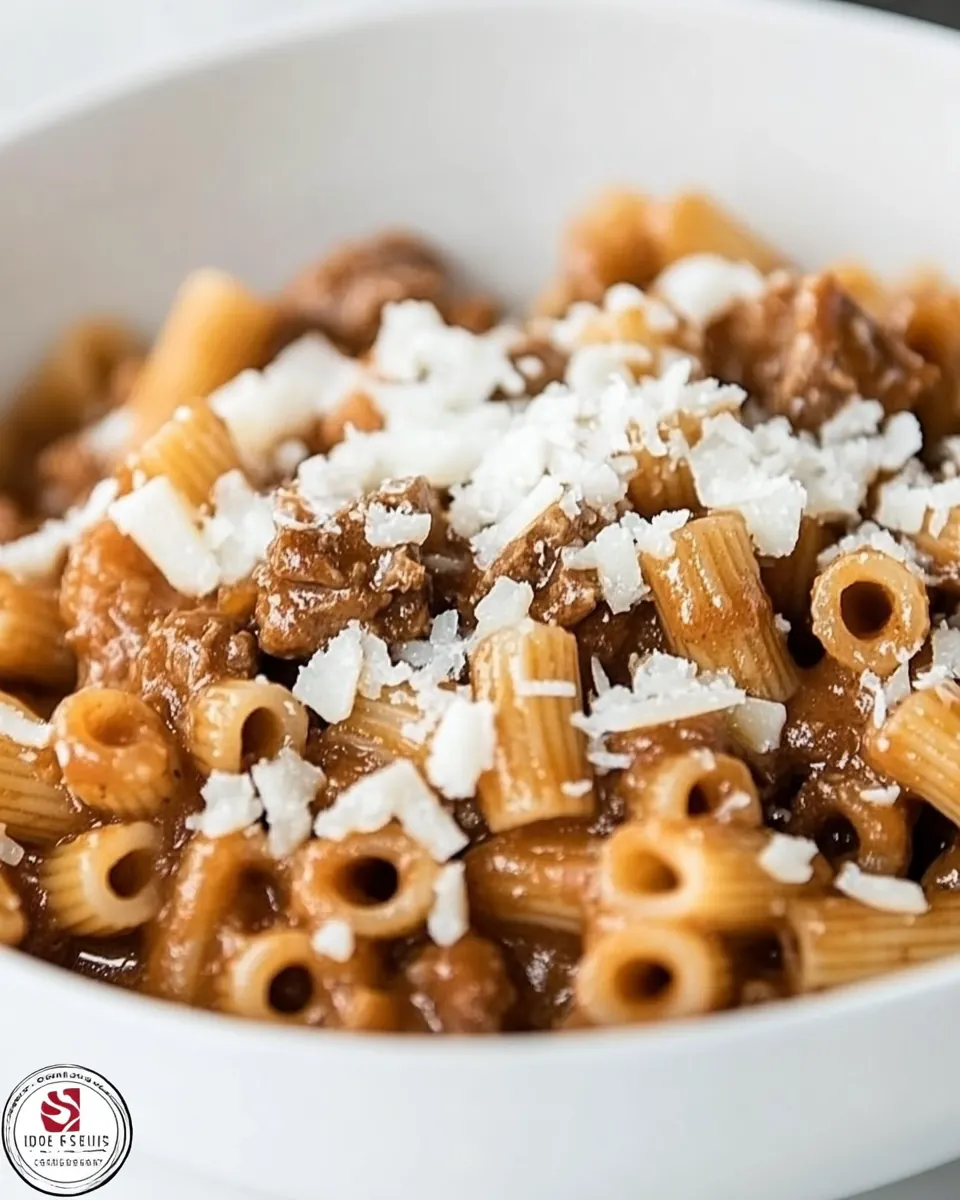
These ingredients are built around a simple philosophy: a flavorful liquid, a sturdy pasta, and aromatics to carry the taste. The key players are the beef broth which provides depth, the onion which adds sweetness, and finishing elements like Parmesan cheese and fresh parsley that lift and round the dish.
- 2 1/2 cups beef broth: Simmer gently to serve as the flavorful cooking liquid that infuses the pasta with rich, savory beef notes; contributes body and depth to the overall sauce. Adjust quantity as needed for desired pasta texture and sauciness, and heat before adding pasta to ensure even cooking.
- 1 onion: Slice thinly and sauté to provide sweet, aromatic complexity and a subtle caramelized backbone to the dish; adds moisture and savory balance when cooked until translucent or golden. Use white or yellow varieties for traditional flavor and cut to uniform size for even cooking.
- 2 tablespoon butter: Melt gently to create a silky finish and help form an emulsified sauce with the broth; adds richness and mouthfeel while carrying flavors from the onion and cheese. Add toward the end of cooking to prevent separation and keep a glossy consistency.
- 1 teaspoon olive oil: Heat briefly to prevent sticking and to build initial flavor through a light oil coating; contributes a subtle fruity note and helps brown the onion if desired. Use at medium heat and combine with butter for balanced cooking fats.
- 10 oz pasta: Boil until al dente to act as the main carbohydrate component, absorbing the savory broth and carrying the sauce; provides texture and bulk to the dish. Choose a shape that captures the sauce well and cook according to package directions, adjusting time for personal preference.
- 1/3 cup freshly grated Parmesan cheese: Grate finely and stir in to contribute salty, umami-rich sharpness that rounds out the broth-based sauce; helps thicken and bind the liquid slightly while enhancing overall flavor. Add off heat or near the end to melt evenly without clumping.
- fresh parsley: Chop finely to add bright, herbaceous contrast and a fresh finish that lightens the rich beef and cheese flavors; sprinkles a pop of color and aromatic lift when used as a garnish. Add just before serving to preserve freshness and fragrance.
Recipe Steps for Beef Broth Pasta with Onion and Parmesan
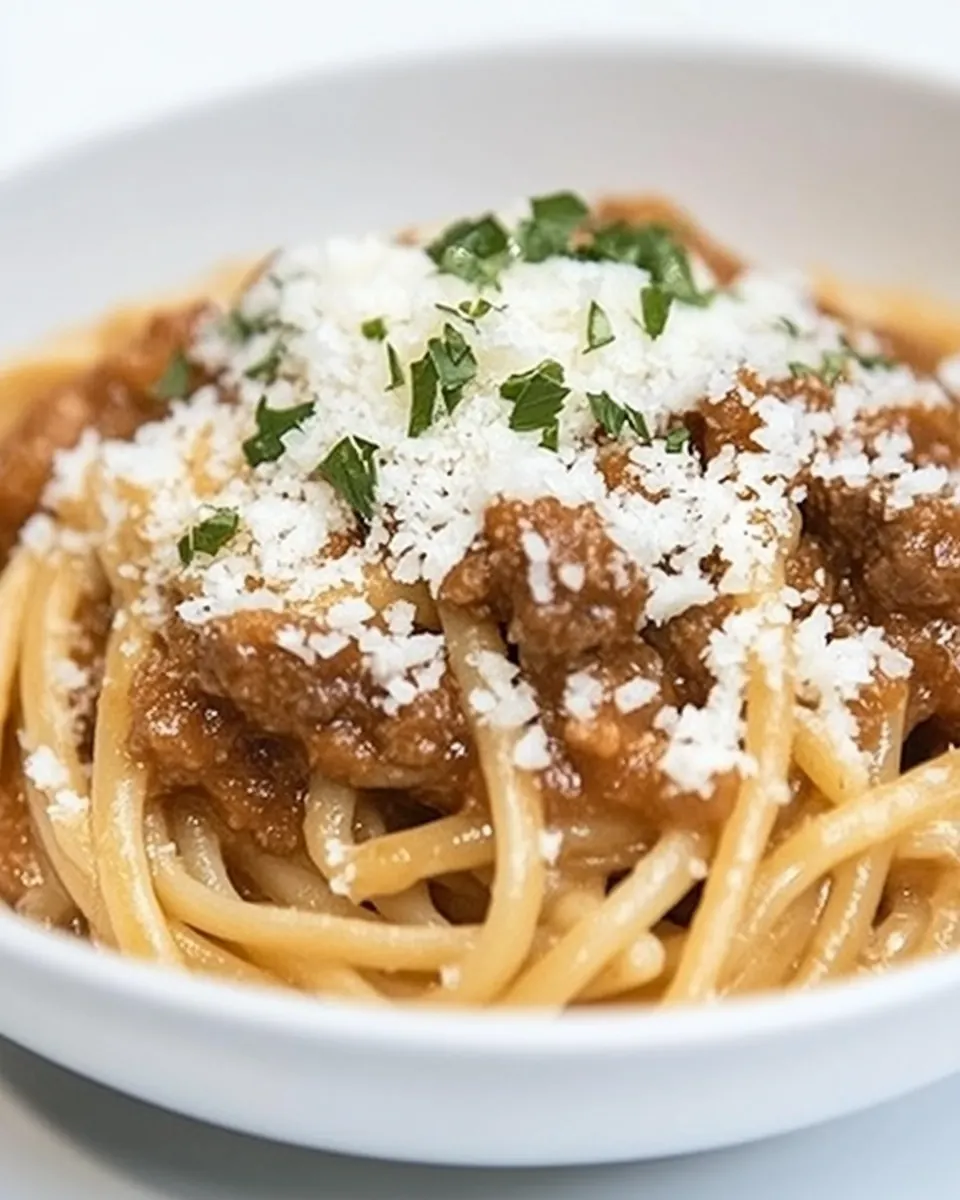
These steps are written to guide you slowly and sensorially through the pan work. Keep the beef broth warm if possible, and focus on texture and aroma as your cues while you stir and finish.
- Pour the beef broth into a small pan and bring it to a simmer.: You will smell the savory depth of the beef broth as it warms, a low steady steam rising from the pan. Keeping the broth at a gentle simmer makes it blend smoothly into the pasta , and it speeds cooking because you are not cooling the pan every time you add liquid. A common error is letting the broth boil hard, which concentrates saltiness and can reduce the gentle seasoning; keep it at a soft simmer to prevent that.
- Peel and finely chop the onion.: When you slice and chop the onion , its sharp bite will make your eyes water briefly and release a bright, pungent aroma. Finely chopped pieces melt into the sauce more readily, creating even sweetness without large raw chunks. Avoid cutting too coarsely, which can leave chewy bits, and don’t overrun the blade so you end up with a paste.
- In a large pan, melt the butter and olive oil together over low heat.: The gentle hiss and faint nutty scent from the butter with a touch of olive oil sets the stage for tendering the onion . This combination raises the smoke point and produces a glossy fat that coats the pasta . If you crank the heat, the fats will brown and change flavor profile, so keep the flame low to preserve sweetness.
- Add the onion to the butter and cook, for about 5 minutes until the onion is soft.: As the onion sweats, it should go translucent and release a faint caramelized scent, without taking on much color. The sound is a low, steady sizzle; the texture becomes silky when pressed with a spoon. Overcooking to deep brown will add a different, sweeter note which can be fine, but it will alter the balance intended here.
- Add the pasta and stir it well so it is coated in the onion butter.: When you toss the dry or par-cooked pasta in the pan, each piece should glisten from the butter and oil, picking up the aromatic sweetness of the onion . That initial coating helps the subsequent broth cling to the surface. Make sure the pieces are distributed evenly so they cook uniformly; clumping will cause uneven texture.
- Pour in about 1/2 cup of the beef broth and constantly stir until it has fully absorbed.: The first addition should sizzle softly and then be absorbed, leaving the pasta looking glossy. You will notice a steady evaporation and a comforting, savory steam. Constant stirring encourages even absorption and prevents sticking. A frequent mistake is adding too much liquid at once, which creates a soupy mess instead of the intended saucy coating.
- Continue stirring and adding the beef broth, 1/2 cup at a time until the pasta is al dente.: With each ladle the pan will sound slightly more active and the sauce will thicken and cling. Test the pasta by biting a piece; it should have a slight resistance then soften to perfect tenderness. Patience is the technique here, and rushing by overheating or adding cold liquid will stall the cooking and may over soften or break the pasta .
- If you run out of broth then continue with boiling water.: If your beef broth runs short, switch to hot boiling water to finish the cook so you do not dilute flavor, the pasta will still hydrate and reach al dente. You might miss some depth, so taste and adjust seasoning at the end. Do not add cold water, as it will shock the pan and stall the cooking.
- Remove from heat and season generously with black pepper.: As soon as the pasta reaches the right texture, pulling the pan off the heat preserves the glossy sauce and prevents overcooking. The pepper's aroma will bloom as it hits the warm surface, lifting the savory notes. Avoid oversalting earlier; seasoning at the end lets you balance without overdoing it.
- Serve garnished with parsley and plenty of grated parmesan.: The final visual is important, a sprinkling of bright fresh parsley and a generous dusting of freshly grated Parmesan cheese creating contrast in color and a creamy finish. The cheese melts, adding a silky sheen and umami lift. Don’t forget to reserve a little to pass at the table for last minute topping.
Expert Tips about Beef Broth Pasta with Onion and Parmesan
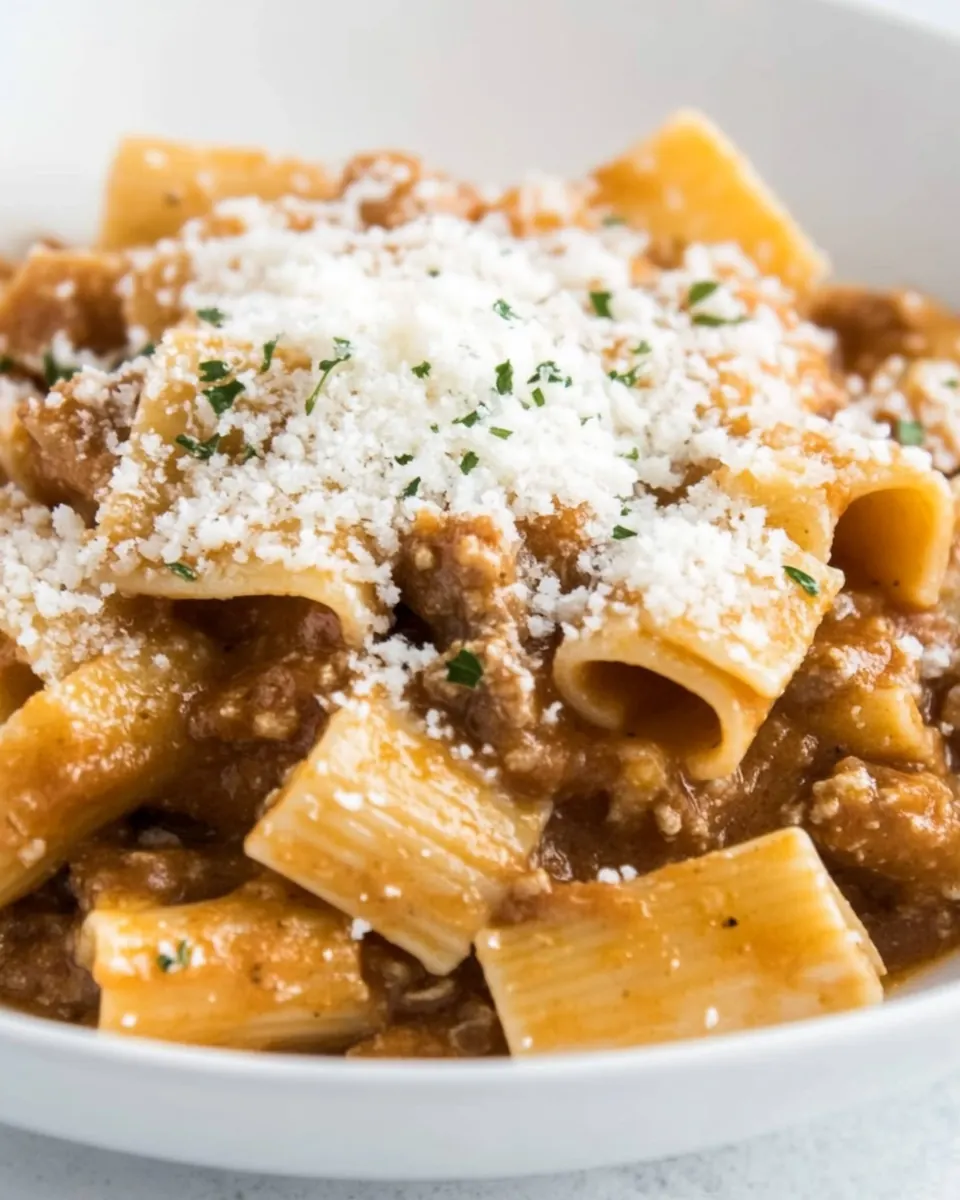
This short introduction points you toward small actions that yield the best texture and flavor. Read each tip and keep a note of the practical adjustments I rely on when cooking for guests or myself.
- Warm your broth: Keeping the beef broth warm in a separate pan prevents temperature shocks and helps the pasta cook evenly and quickly.
- Use fine grating for cheese: Freshly grated Parmesan cheese melts smoothly into the sauce creating a silkier finish than pre-grated options.
- Choose sturdy pasta shapes: Tubular or spiral pasta holds the sauce better and survives the constant stirring required for this method.
- Low and slow with aromatics: Cooking the onion gently in butter and olive oil draws out sweetness without bitter browning, building a balanced base.
- Reserve finishing salt and pepper: Season toward the end so you can judge saltiness after the Parmesan cheese is added, avoiding an overly salty final dish.
How to Enjoy Beef Broth Pasta with Onion and Parmesan
This dish fits many occasions from quiet weeknight dinners to a cozy winter lunch. Below are serving ideas, pairing notes, and storage tips that help you present and preserve the pasta at its best.
- Serve warm as a main: Plate the pasta hot, finish with extra grated Parmesan cheese and chopped fresh parsley for a satisfying, simple main course suitable for small dinners.
- Pair with a light side: Offer a crisp green salad to cut the richness, adding a tangy vinaigrette to contrast the savory beef broth base.
- Weeknight comfort: This recipe is ideal for busy nights because it cooks quickly and needs minimal prep, making it an easy weeknight dinner with little cleanup.
- Seasonal suggestion: In winter, let this dish anchor a comforting meal, served alongside roasted vegetables for a heartier plate.
- Leftover storage: Cool quickly and refrigerate in an airtight container for up to three days; reheat gently with a splash of warmed water or broth to restore creaminess.
- Make-ahead note: Keep the beef broth warm and cook the onion ahead of time, then combine and finish with Parmesan cheese just before serving for a quick finish.
FAQ
Conclusion
This dish stands out for turning humble pantry ingredients into a comforting, elegant meal. It relies on a simple technique and the quality of a few key ingredients to yield a glossy, flavorful plate that feels special. Give it a try on a cool night when you want something warming but not fussy. You might be surprised how satisfying a small set of ingredients can be when they are handled with attention and finished with fresh Parmesan cheese and parsley.
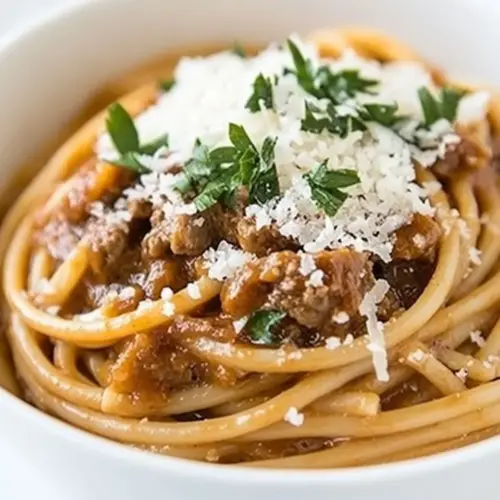
Beef Broth Pasta with Onion and Parmesan
Equipment
- Large Pan
- Small Pan
Ingredients
- 2 1/2 cups beef broth Simmer gently to serve as the flavorful cooking liquid that infuses the pasta with rich, savory beef notes; contributes body and depth to the overall sauce. Adjust quantity as needed for desired pasta texture and sauciness, and heat before adding pasta to ensure even cooking.
- 1 onion Slice thinly and sauté to provide sweet, aromatic complexity and a subtle caramelized backbone to the dish; adds moisture and savory balance when cooked until translucent or golden. Use white or yellow varieties for traditional flavor and cut to uniform size for even cooking.
- 2 tablespoon butter Melt gently to create a silky finish and help form an emulsified sauce with the broth; adds richness and mouthfeel while carrying flavors from the onion and cheese. Add toward the end of cooking to prevent separation and keep a glossy consistency.
- 1 teaspoon olive oil Heat briefly to prevent sticking and to build initial flavor through a light oil coating; contributes a subtle fruity note and helps brown the onion if desired. Use at medium heat and combine with butter for balanced cooking fats.
- 10 oz pasta Boil until al dente to act as the main carbohydrate component, absorbing the savory broth and carrying the sauce; provides texture and bulk to the dish. Choose a shape that captures the sauce well and cook according to package directions, adjusting time for personal preference.
- 1/3 cup freshly grated Parmesan cheese Grate finely and stir in to contribute salty, umami-rich sharpness that rounds out the broth-based sauce; helps thicken and bind the liquid slightly while enhancing overall flavor. Add off heat or near the end to melt evenly without clumping.
- fresh parsley Chop finely to add bright, herbaceous contrast and a fresh finish that lightens the rich beef and cheese flavors; sprinkles a pop of color and aromatic lift when used as a garnish. Add just before serving to preserve freshness and fragrance.
Instructions
- Pour the beef broth into a small pan and bring it to a simmer.: You will smell the savory depth of the beef broth as it warms, a low steady steam rising from the pan. Keeping the broth at a gentle simmer makes it blend smoothly into the pasta , and it speeds cooking because you are not cooling the pan every time you add liquid. A common error is letting the broth boil hard, which concentrates saltiness and can reduce the gentle seasoning; keep it at a soft simmer to prevent that.
- Peel and finely chop the onion.: When you slice and chop the onion , its sharp bite will make your eyes water briefly and release a bright, pungent aroma. Finely chopped pieces melt into the sauce more readily, creating even sweetness without large raw chunks. Avoid cutting too coarsely, which can leave chewy bits, and don’t overrun the blade so you end up with a paste.
- In a large pan, melt the butter and olive oil together over low heat.: The gentle hiss and faint nutty scent from the butter with a touch of olive oil sets the stage for tendering the onion . This combination raises the smoke point and produces a glossy fat that coats the pasta . If you crank the heat, the fats will brown and change flavor profile, so keep the flame low to preserve sweetness.
- Add the onion to the butter and cook, for about 5 minutes until the onion is soft.: As the onion sweats, it should go translucent and release a faint caramelized scent, without taking on much color. The sound is a low, steady sizzle; the texture becomes silky when pressed with a spoon. Overcooking to deep brown will add a different, sweeter note which can be fine, but it will alter the balance intended here.
- Add the pasta and stir it well so it is coated in the onion butter.: When you toss the dry or par-cooked pasta in the pan, each piece should glisten from the butter and oil, picking up the aromatic sweetness of the onion . That initial coating helps the subsequent broth cling to the surface. Make sure the pieces are distributed evenly so they cook uniformly; clumping will cause uneven texture.
- Pour in about 1/2 cup of the beef broth and constantly stir until it has fully absorbed.: The first addition should sizzle softly and then be absorbed, leaving the pasta looking glossy. You will notice a steady evaporation and a comforting, savory steam. Constant stirring encourages even absorption and prevents sticking. A frequent mistake is adding too much liquid at once, which creates a soupy mess instead of the intended saucy coating.
- Continue stirring and adding the beef broth, 1/2 cup at a time until the pasta is al dente.: With each ladle the pan will sound slightly more active and the sauce will thicken and cling. Test the pasta by biting a piece; it should have a slight resistance then soften to perfect tenderness. Patience is the technique here, and rushing by overheating or adding cold liquid will stall the cooking and may over soften or break the pasta .
- If you run out of broth then continue with boiling water.: If your beef broth runs short, switch to hot boiling water to finish the cook so you do not dilute flavor, the pasta will still hydrate and reach al dente. You might miss some depth, so taste and adjust seasoning at the end. Do not add cold water, as it will shock the pan and stall the cooking.
- Remove from heat and season generously with black pepper.: As soon as the pasta reaches the right texture, pulling the pan off the heat preserves the glossy sauce and prevents overcooking. The pepper's aroma will bloom as it hits the warm surface, lifting the savory notes. Avoid oversalting earlier; seasoning at the end lets you balance without overdoing it.
- Serve garnished with parsley and plenty of grated parmesan.: The final visual is important, a sprinkling of bright fresh parsley and a generous dusting of freshly grated Parmesan cheese creating contrast in color and a creamy finish. The cheese melts, adding a silky sheen and umami lift. Don’t forget to reserve a little to pass at the table for last minute topping.
Notes
- Warm your broth: Keeping the beef broth warm in a separate pan prevents temperature shocks and helps the pasta cook evenly and quickly.
- Use fine grating for cheese: Freshly grated Parmesan cheese melts smoothly into the sauce creating a silkier finish than pre-grated options.
- Choose sturdy pasta shapes: Tubular or spiral pasta holds the sauce better and survives the constant stirring required for this method.
- Low and slow with aromatics: Cooking the onion gently in butter and olive oil draws out sweetness without bitter browning, building a balanced base.
- Reserve finishing salt and pepper: Season toward the end so you can judge saltiness after the Parmesan cheese is added, avoiding an overly salty final dish.
