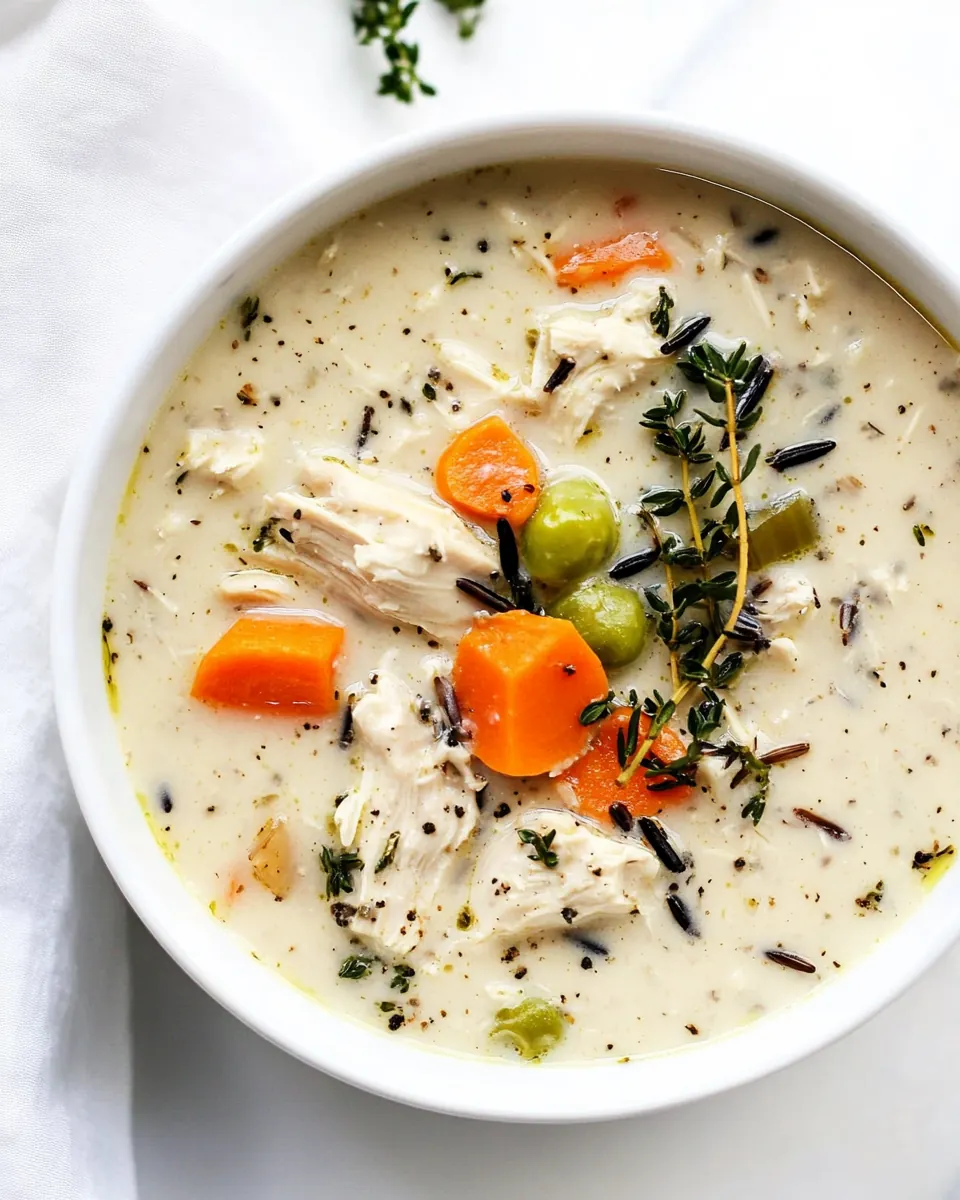
Instant Pot Creamy Chicken and Wild Rice Soup
Instant Pot Creamy Chicken and Wild Rice Soup is the kind of bowl I reach for when the air turns sharp and everyone in the house wants something warm, familiar, and a touch indulgent. The first time I made this, I was half exhausted after a long day of errands, and I loved how the pressure cooker turned humble pantry staples into something that smelled like a restaurant without a lot of fuss. That evening the house filled with a savory steam that felt like a welcome blanket, and my partner kept coming back for small tastes before dinner was even served.
I remember stirring the pot and thinking how well the textures play together, the tender bite of the chicken, the chewy pockets of wild rice, and the velvet of the dairy. Making this brought back memories of cozy family kitchens, but with a modern, fast method that still honors slow cooked depth. Over the years I adjusted little things, like the final splash of lemon juice and the cornstarch slurry, to get the exact silkiness I wanted. That tiny tweak brightened the whole pot in a way I wasn’t expecting.
Recipe Snapshot
35 mins
15 mins
20 mins
Medium
350 kcal
American
Gluten-Free, Low FODMAP
Soups
Pressure cooker, Large pot, Dutch oven, Mixing bowl
Why This Instant Pot Creamy Chicken and Wild Rice Soup Works
Comfort with Speed
I love that Instant Pot Creamy Chicken and Wild Rice Soup gives you the slow cooked flavors in a fraction of the time. Using pressure changes the way stock and rice release flavor, so you get deep savory notes without babysitting a pot for hours. I’ve relied on this for weeknights when I want comfort but also have a schedule to keep.
Balanced Texture
The combination of long grain wild rice and tender chicken creates a satisfying chew against the creamy broth. I appreciate how the rice holds just enough bite so the soup never feels mushy, and the final addition of cream cheese and milk gives a lush mouthfeel that feels special but not heavy.
Ingredient Simplicity
This recipe showcases what I call smart pantry cooking. With staples like butter, canned chicken broth, simple aromatics, and a packet of wild rice, you can make something restaurant worthy. I often find comfort in minimalism, and this soup proves a few good ingredients can go a long way.
Make Ahead and Leftover Friendly
I often make a double batch, because the flavors meld overnight and the texture stays lovely after reheating gently. The cornstarch and cream cheese help the broth remain thick and cohesive, even after refrigeration. For busy families, that reliability is invaluable.
Flexible for Two Cooking Paths
I appreciate having both pressure cooker and stovetop directions in the recipe. If I have time, the stovetop simmer brings a different, homey rhythm. If I’m in a rush, the Instant Pot creates deep flavor quickly, which fits my rotating life of slow and fast days.
What You’ll Need for Instant Pot Creamy Chicken and Wild Rice Soup
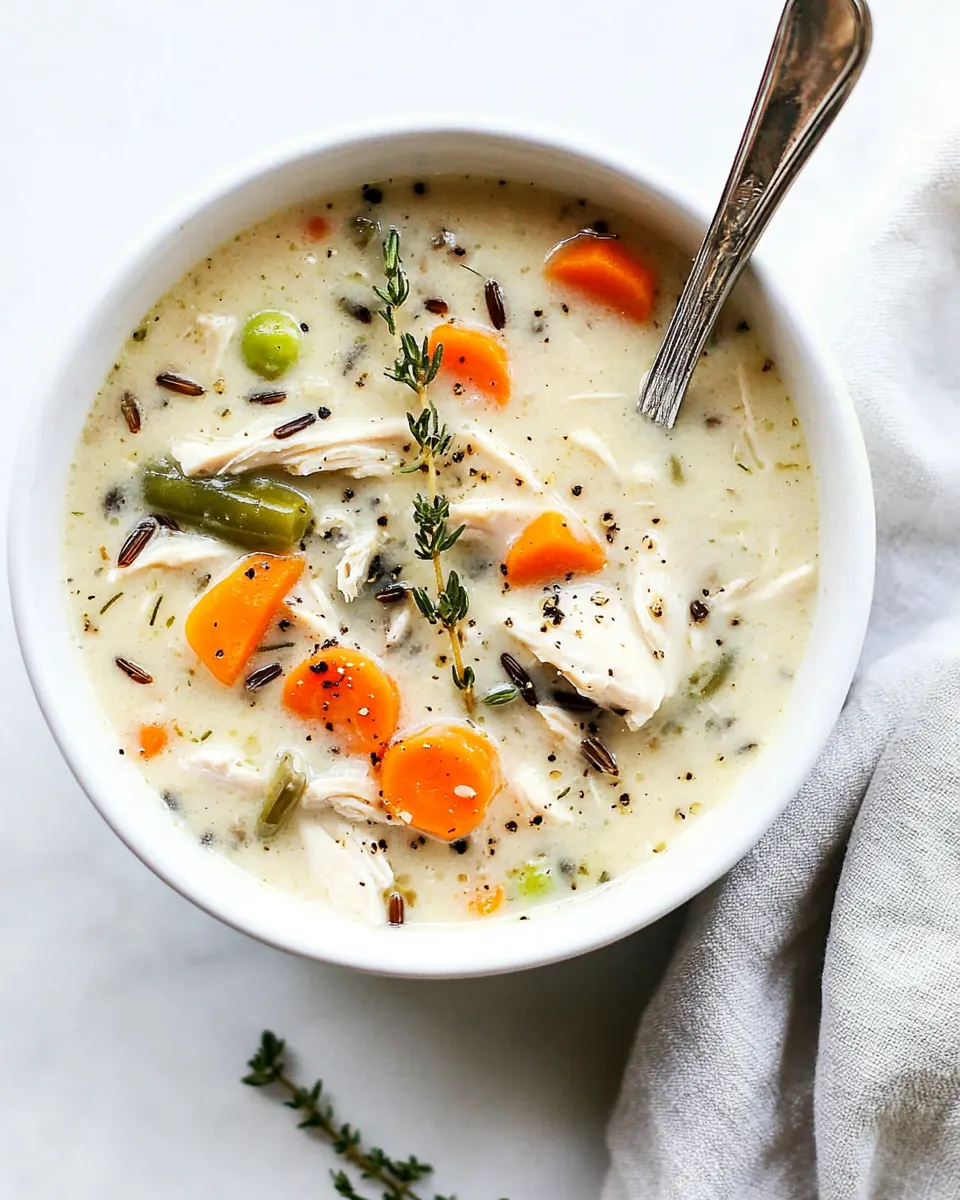
These ingredients are chosen to build a rich, layered soup. The aromatics form the savory base, the wild rice and chicken provide hearty texture, and the dairy elements finish the broth with silkiness. Together they strike a balance of body, flavor, and comfort.
- 2 tablespoons butter: Melted to provide a rich cooking fat that sautés aromatics and prevents sticking, contributing a silky mouthfeel to the soup. Helps carry flavors from onions, carrots, and celery while adding a subtle buttery richness to the final broth.
- 1 cup chopped onion: Chopped finely to release sweet, aromatic flavors when softened, forming the flavor base of the soup. Sweats down with butter to create depth and sweetness that balances savory elements throughout cooking.
- 1 cup diced carrots: Diced for texture and natural sweetness, adding color and body to each spoonful as it softens. Cooks alongside onions and celery to build a layered vegetable base that complements the chicken and rice.
- 1 cup diced celery: Diced into bite–size pieces to contribute a mild, savory crunch that mellows when cooked, enhancing the classic mirepoix profile. Adds moisture and aromatic complexity while blending smoothly with the other vegetables.
- 2 large boneless skinless chicken breasts, diced into bite-size pieces: Diced into bite–size pieces to provide the primary protein, lending hearty texture and savory flavor to the soup. Cooks quickly under pressure and absorbs surrounding flavors while keeping tender bites throughout.
- 2 14.5-ounce cans chicken broth (or homemade), (or 4 cups / 1 quart): Used as the liquid base to simmer and cook rice and chicken, imparting savory, concentrated poultry flavor to the soup. Balances seasonings and enriches the broth, forming the main body of the soup's liquid.
- 1 package (6 ounces) long-grain wild rice, (such as Uncle Ben's minus the seasoning packet): Added to supply nutty, chewy grains that give the soup substance and a rustic texture as they cook through. Absorbs broth and releases starches that contribute to the soup's thickness and hearty character.
- 1 tablespoon chopped parsley: Chopped to add a bright, fresh herbaceous note that lifts heavier components and adds color contrast. Stirred in near the end to preserve freshness and provide a light, clean finish to each bowl.
- 1 teaspoon kosher salt: Measured to season the soup and enhance all other flavors while helping to draw out moisture from ingredients during cooking. Balances the richness of dairy and butter, ensuring a well-seasoned final dish.
- 1/2 teaspoon freshly ground black pepper: Ground to add mild heat and aromatic depth without overpowering, complementing the salt and other spices. Sprinkled during or after cooking to adjust seasoning and accentuate savory notes.
- Dash of red pepper flakes: Added sparingly to introduce a touch of heat and complexity, elevating the overall flavor profile without dominating. Provides subtle warmth that contrasts nicely with creamy dairy elements.
- 2 tablespoons cornstarch: Mixed with cold liquid to create a slurry that thickens the broth, giving the soup a silky, cohesive texture. Added gradually to avoid lumps and to control final consistency without altering flavor.
- 4 ounces cream cheese, cubed: Cubed to melt into the hot soup and create a smooth, tangy creaminess that enriches the base. Softens into the broth and helps stabilize the texture, adding a slight tang that brightens richness.
- 1 cup milk: Poured in to lighten and thin the cream cheese while contributing a mild dairy sweetness and fluidity to the soup. Helps achieve a smooth, drinkable consistency and balances richer dairy components.
- 1 cup half-and-half: Added to increase creaminess and deepen mouthfeel with a higher fat content that rounds out flavors. Blends with milk and cream cheese to produce the signature velvety texture of the finished soup.
- 1 tablespoon lemon juice: Squeezed to add a touch of acidity that brightens flavors, cutting through richness and balancing the creamy elements. Stirred in at the end to preserve fresh citrus notes and enhance overall taste harmony.
- Freshly ground black pepper: Ground freshly to finish and season the soup with aromatic peppery notes, providing a final contrast to richness. Sprinkled at serving to adjust seasoning and lift flavors with a crisp spice edge.
Making This Instant Pot Creamy Chicken and Wild Rice Soup
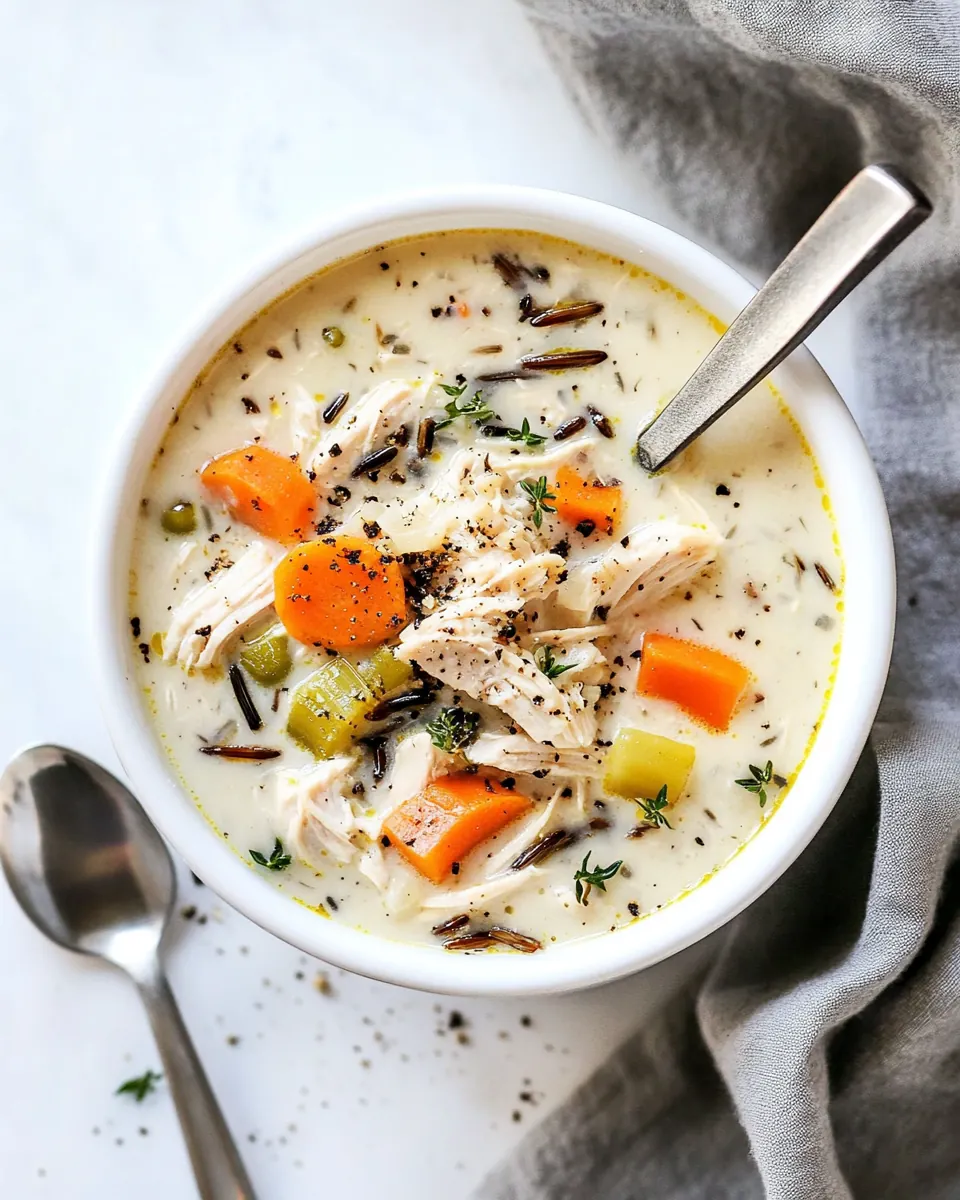
These directions walk you through both the pressure cooker path I use most and the stovetop fallback. The goal is to help you sense when the vegetables are ready, how the broth should look, and when the rice and chicken have reached the perfect tenderness. Read each part once, then cook with confidence.
- Select Browning/Sauté function and melt the butter in the pressure cooking pot. Add the onion, carrots, and celery and sauté for about 5 minutes, stirring occasionally, until the vegetables are tender.: The aroma of melting butter is rich and inviting, it smells nutty as it warms and helps release the aromatic oils from the onion . You will hear a faint sizzle when the butter reaches the right temperature and the surface will shimmer. This step matters because the fat carries flavor molecules and helps the vegetables soften without sticking, creating a mellow, slightly sweet base. Watch carefully because overheated butter will brown and can lend a bitter note; if it begins to brown too fast, reduce heat immediately. A common mistake is rushing with high heat which results in burnt bits and a harsher flavor profile.
- Stir in the chicken, chicken broth, rice, parsley, salt, pepper and red pepper flakes. Lock the lid in place and select High Pressure and 5 minutes cooking time.: As the vegetables hit the pot you will hear the gentle sizzle, and within minutes their raw edge will soften into a sweeter, deeper aroma. The onions will turn translucent, the carrots will lose their raw crunch but keep shape, and the celery will become glossy and fragrant. This softening unlocks sugars and builds complexity in the broth, which is why I never skip proper sautéing. Stir occasionally so no single piece browns too much; uneven cooking can leave some pieces raw while others char. A frequent misstep here is undercooking the vegetables, which leaves a raw sharpness in the finished soup.
- When the cook time ends, turn off the pressure cooker. Let the pressure release naturally for 5 minutes (just let it sit, the steam will escape on its own), then finish with a quick release (be cautious and use a wooden spoon to shift the pressure relief valve so the hearty blow of steam escapes.): When you add the chicken and broth you'll notice the pot releasing steam and the scent intensifying into a savory chorus. The grains of wild rice will settle through the liquid, and the salt and pepper start to season the entire pot. This layering matters because the rice will absorb the seasoned broth, so starting with a well seasoned liquid ensures flavor throughout. Avoid dumping everything on top and walking away; make sure the rice is submerged for even cooking. A common error is skimping on salt early, expecting to fix it later, which often results in a flat tasting soup.
- In a small bowl, whisk the cornstarch and cold water until smooth. Select Simmer/Sauté and add the slurry to the pot stirring constantly. Stir in the cream cheese until melted. Stir in the milk, half-and-half and lemon juice and heat through (do not bring to a boil). Serve sprinkled with more parsley and black pepper if desired.: As the pressure builds you will hear a steady hum and occasional clicks, and the pot will feel full of steam energy, which concentrates flavors quickly. Using high pressure for a short period is perfect for wild rice blends that include long grain rice, and it cooks the diced chicken through without drying it out. This technique gives depth similar to long simmering, but in a controlled time. Mistakes here include not sealing the valve properly which prevents pressure from building, so ensure the lid locks and the vent is closed.
- Heat the butter in a large pot or dutch oven over medium high heat until shimmering and add the onion, carrots, and celery and sauté for about 5 minutes, stirring occasionally, until the vegetables are tender. Stir in the chicken, chicken broth, rice, parsley, salt, pepper and red pepper flakes.: After the timer finishes, letting the cooker sit for 5 minutes of natural release allows continued gentle cooking and helps the rice plump without violent boiling. The pot will hiss subtly as pressure equalizes slowly. Finishing with a quick release requires care; I use a wooden spoon to nudge the pressure relief valve and keep my hands clear of the steam. This staged release reduces the chance of splattering and overcooked grains. A common mistake is performing an immediate quick release without the natural rest, which can leave the rice unevenly cooked.
- Bring to a boil then reduce to simmer and simmer for 30 minutes or until rice is tender and chicken is cooked through.: The natural rest softens textures further and deepens flavor by allowing heat to finish the rice gently. After five minutes the quick release will drop pressure so you can open the pot, and you may notice a savory steam and concentrated aroma. Taking this two step approach helps avoid sudden texture shifts in the grains and proteins. Be cautious when releasing pressure quickly; direct steam away from faces and hands. Forgetting safety precautions can cause burns, so always use a utensil to shift the valve and keep clear.
- In a small bowl, whisk the cornstarch and cold water until smooth and add to the pot, stirring constantly. Raise the heat to medium high and stir in the cream cheese until melted. Stir in the milk, half-and-half and lemon juice and cook until thickened. Serve sprinkled with more parsley if desired.: The slurry should be glossy and without lumps, and when added to hot liquid it thickens the broth immediately. The tactile part is simple, you want a uniform texture that will blend invisibly into the soup. The 'why' is that cornstarch provides a clear, velvety thickness without changing flavor, unlike flour which needs a fat base. If you add cornstarch lumps they will stay as gritty bits, so whisk thoroughly and strain if necessary to avoid texture issues.
- Select Simmer/Sauté and add the slurry to the pot stirring constantly: As you rewarm the soup, the slurry will begin to thicken the liquid almost immediately, creating a glossy sheen. Constant stirring prevents localized thickening and ensures an even consistency. This action helps the starch molecules hydrate and bond with the water, forming the silkiness you want. A typical mistake is dropping the slurry in and walking away, which results in uneven clumps or a banded texture in the broth.
- Stir in the cream cheese until melted: Adding cubed cream cheese brings a tangy richness and smooth mouthfeel when fully incorporated. You will see it soften, then vanish into the broth, leaving a creamy opalescent finish. Melt it slowly so it blends uniformly rather than separating into oily streaks. Overheating here can cause the dairy to separate, so keep the heat gentle and stir until completely smooth.
- Stir in the milk, half-and-half and lemon juice and heat through (do not bring to a boil): The final dairy lift ties everything together in a silky, slightly brightened broth, and the small amount of lemon juice cuts the richness so flavors remain lively. Heat just enough for a warm, spoonable soup; boiling can break the emulsion and cause curdling. If the pot comes to a hard boil, reduce the heat and whisk continuously to restore smoothness. A frequent slip is overheating which leads to a grainy texture and lost brightness.
- Serve sprinkled with more parsley and black pepper if desired: The finishing garnish is about aroma and freshness, the bright green parsley and a final crack of black pepper add contrast to the creamy bowl. You will notice a pleasant citrus lift from the earlier lemon and a warm peppery scent. Serve immediately while the soup is at its creamiest. Leaving it to sit for too long without gentle reheating can thicken it further or mute the fresh herb notes, so reheat gently if needed.
- Heat the butter in a large pot or dutch oven over medium high heat until shimmering and add the onion, carrots, and celery and sauté for about 5 minutes, stirring occasionally, until the vegetables are tender: On the stovetop the butter should shimmer but not brown, and the vegetables will release savory steam as they soften. This step builds the same foundational sweetness and aroma as the pressure method, but gives you more control and a slightly different caramelized flavor. Stir to prevent sticking and maintain even cooking. A mistake to avoid is overheating which causes the butter to brown too fast and overshadow the delicate vegetables.
- Stir in the chicken, chicken broth, rice, parsley, salt, pepper and red pepper flakes: In the Dutch oven everything will combine and the pot will begin to breathe savory steam, signaling the start of long simmer development. Ensuring the rice is submerged allows even hydration and consistent texture. This approach deepens flavor gradually as the rice and chicken mingle with the broth. A common error is not covering the pot adequately, which can cause excessive evaporation and uneven cooking.
- Bring to a boil then reduce to simmer and simmer for 30 minutes or until rice is tender and chicken is cooked through: The simmer stage is where flavors meld and the rice softens to the right chew. You will see small bubbles and a gentle surface movement, and the aroma will become rounder and fuller. Patience here yields the best texture for the wild rice . Avoid boiling vigorously, which can break apart rice grains and make the chicken tough; keep it a gentle simmer.
- In a small bowl, whisk the cornstarch and cold water until smooth and add to the pot, stirring constantly: The slurry thickens the broth into a clingy, silky sauce that coats each grain and piece of chicken . Stirring prevents lumps and ensures an even consistency; you should see the liquid take on a glossy sheen. Be careful to dissolve the cornstarch fully before adding to avoid gritty bits in the soup.
- Raise the heat to medium high and stir in the cream cheese until melted: Bringing the pot briefly to medium high helps the cream cheese melt smoothly and integrate, creating that indulgent finish. Whisk as needed so no pieces remain floating, and once melted lower the heat immediately to keep the dairy stable. Overheating can separate the dairy and change the texture.
- Stir in the milk, half-and-half and lemon juice and cook until thickened: Finish by incorporating the remaining dairy and the lemon juice to brighten the broth, heating until just thickened and warm. The final texture should feel velvety and coat the spoon. Avoid boiling which risks curdling; gentle heat keeps the emulsion intact.
- Serve sprinkled with more parsley if desired: A final sprinkle of parsley refreshes the bowl with color and scent. Serve hot, and enjoy the balance of creamy and savory with each spoonful. Don’t let the soup sit too long before serving or the textures and brightness will dull.
Helpful Hints
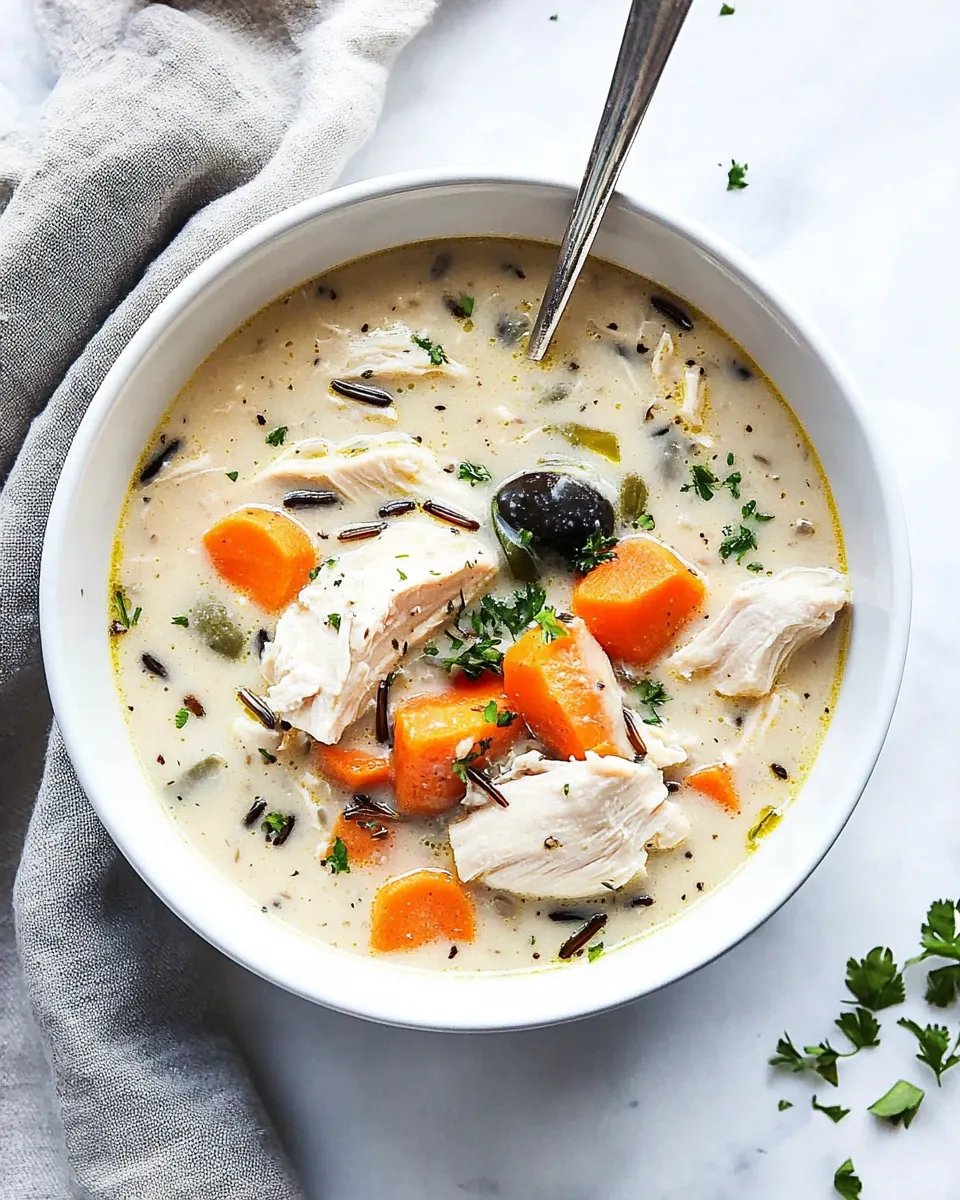
These practical notes come from repeated cooks and small adjustments that made a big difference. I include warming, storage, and texture tips so you can make the soup reliably every time.
- Control the heat when sautéing — Keep the temperature moderate so the butter and vegetables soften without burning. This preserves the sweetness of the onion and prevents bitter browned bits from altering the soup’s flavor.
- Dissolve cornstarch completely — Mix the cornstarch with cold water until silky, then add gradually while stirring. This avoids lumps and gives a glossy, even texture to the broth.
- Use low sodium broth — Starting with a milder stock lets you season deliberately. After adding the dairy, taste and adjust salt carefully since cream can mute perceived seasoning.
- Cube the cream cheese small — Smaller pieces melt faster and more evenly into the hot soup, producing a smooth finish without lingering pockets of tangy cheese.
- Finish with lemon for brightness — A tablespoon of lemon juice at the end lifts the richness and balances the creamy mouthfeel, making each spoonful feel lighter and more layered.
What to Pair With Instant Pot Creamy Chicken and Wild Rice Soup
This soup pairs beautifully with simple, textured sides that complement the creamy broth. Whether you are serving it for a casual weeknight or a cozy winter dinner, choose accompaniments that add crunch, acid, or fresh herbs to balance the bowl.
- Crusty bread — A warm loaf is perfect for dipping and adds a satisfying chew to each spoonful.
- Green salad — A bright salad with a tangy vinaigrette cuts the richness and refreshes the palate between bites.
- Roasted vegetables — Seasonal roasted roots or Brussels sprouts bring caramelized flavors that contrast the creaminess.
- Light sandwich — A small turkey or chicken sandwich on whole grain bread works well for a heartier meal pairing.
- Occasions — This soup is ideal for winter evenings, casual family dinners, or when you need a comforting bowl on a rainy day.
- Storage tips — Cool completely, store in airtight containers, and refrigerate up to four days. Reheat gently on the stovetop over low heat.
- Make ahead — The flavors often deepen overnight. Rewarm slowly and add a splash of milk if it thickens too much.
- Serving style — Serve in warmed bowls and finish with a sprinkle of parsley and freshly ground black pepper for an inviting presentation.
- Seasonal pairings — In winter, pair with roasted root vegetables; in milder months, a crisp green salad complements the creaminess.
- Portioning — This recipe scales well for family meals and is freezer friendly in individual portions for quick lunches.
FAQ
Conclusion
This Instant Pot Creamy Chicken and Wild Rice Soup stands out for its comforting creaminess, tender chicken, and the satisfying chew of wild rice. It combines quick pressure cooking with thoughtful finishing touches so you get deep flavor without a long simmer. Give it a try on a busy evening or when you want a bowl that feels like a warm hug; I think you’ll be surprised how quickly it becomes a go to. Serve it with simple sides, savor the aromas, and enjoy the easy comfort it brings to the table.
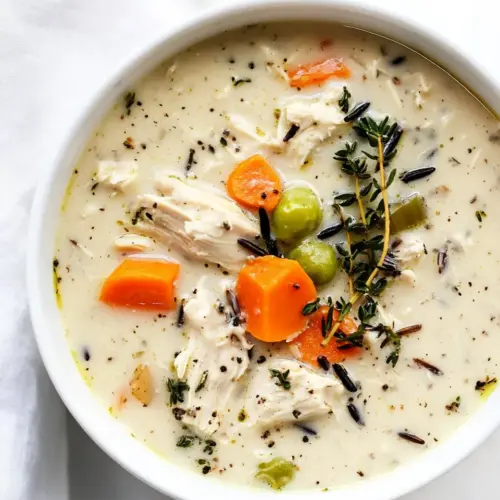
Instant Pot Creamy Chicken and Wild Rice Soup
Equipment
- Pressure Cooker
- Large Pot
- Dutch Oven
- Mixing Bowl
Ingredients
- 2 tablespoons butter Melted to provide a rich cooking fat that sautés aromatics and prevents sticking, contributing a silky mouthfeel to the soup. Helps carry flavors from onions, carrots, and celery while adding a subtle buttery richness to the final broth.
- 1 cup chopped onion Chopped finely to release sweet, aromatic flavors when softened, forming the flavor base of the soup. Sweats down with butter to create depth and sweetness that balances savory elements throughout cooking.
- 1 cup diced carrots Diced for texture and natural sweetness, adding color and body to each spoonful as it softens. Cooks alongside onions and celery to build a layered vegetable base that complements the chicken and rice.
- 1 cup diced celery Diced into bite-size pieces to contribute a mild, savory crunch that mellows when cooked, enhancing the classic mirepoix profile. Adds moisture and aromatic complexity while blending smoothly with the other vegetables.
- 2 large boneless skinless chicken breasts, diced into bite-size pieces Diced into bite-size pieces to provide the primary protein, lending hearty texture and savory flavor to the soup. Cooks quickly under pressure and absorbs surrounding flavors while keeping tender bites throughout.
- 2 14.5-ounce cans chicken broth (or homemade), (or 4 cups / 1 quart) Used as the liquid base to simmer and cook rice and chicken, imparting savory, concentrated poultry flavor to the soup. Balances seasonings and enriches the broth, forming the main body of the soup's liquid.
- 1 package (6 ounces) long-grain wild rice, (such as Uncle Ben's minus the seasoning packet) Added to supply nutty, chewy grains that give the soup substance and a rustic texture as they cook through. Absorbs broth and releases starches that contribute to the soup's thickness and hearty character.
- 1 tablespoon chopped parsley Chopped to add a bright, fresh herbaceous note that lifts heavier components and adds color contrast. Stirred in near the end to preserve freshness and provide a light, clean finish to each bowl.
- 1 teaspoon kosher salt Measured to season the soup and enhance all other flavors while helping to draw out moisture from ingredients during cooking. Balances the richness of dairy and butter, ensuring a well-seasoned final dish.
- 1/2 teaspoon freshly ground black pepper Ground to add mild heat and aromatic depth without overpowering, complementing the salt and other spices. Sprinkled during or after cooking to adjust seasoning and accentuate savory notes.
- Dash of red pepper flakes Added sparingly to introduce a touch of heat and complexity, elevating the overall flavor profile without dominating. Provides subtle warmth that contrasts nicely with creamy dairy elements.
- 2 tablespoons cornstarch Mixed with cold liquid to create a slurry that thickens the broth, giving the soup a silky, cohesive texture. Added gradually to avoid lumps and to control final consistency without altering flavor.
- 4 ounces cream cheese, cubed Cubed to melt into the hot soup and create a smooth, tangy creaminess that enriches the base. Softens into the broth and helps stabilize the texture, adding a slight tang that brightens richness.
- 1 cup milk Poured in to lighten and thin the cream cheese while contributing a mild dairy sweetness and fluidity to the soup. Helps achieve a smooth, drinkable consistency and balances richer dairy components.
- 1 cup half-and-half Added to increase creaminess and deepen mouthfeel with a higher fat content that rounds out flavors. Blends with milk and cream cheese to produce the signature velvety texture of the finished soup.
- 1 tablespoon lemon juice Squeezed to add a touch of acidity that brightens flavors, cutting through richness and balancing the creamy elements. Stirred in at the end to preserve fresh citrus notes and enhance overall taste harmony.
- Freshly ground black pepper Ground freshly to finish and season the soup with aromatic peppery notes, providing a final contrast to richness. Sprinkled at serving to adjust seasoning and lift flavors with a crisp spice edge.
Instructions
- Select Browning/Sauté function and melt the butter in the pressure cooking pot. Add the onion, carrots, and celery and sauté for about 5 minutes, stirring occasionally, until the vegetables are tender.: The aroma of melting butter is rich and inviting, it smells nutty as it warms and helps release the aromatic oils from the onion . You will hear a faint sizzle when the butter reaches the right temperature and the surface will shimmer. This step matters because the fat carries flavor molecules and helps the vegetables soften without sticking, creating a mellow, slightly sweet base. Watch carefully because overheated butter will brown and can lend a bitter note; if it begins to brown too fast, reduce heat immediately. A common mistake is rushing with high heat which results in burnt bits and a harsher flavor profile.
- Stir in the chicken, chicken broth, rice, parsley, salt, pepper and red pepper flakes. Lock the lid in place and select High Pressure and 5 minutes cooking time.: As the vegetables hit the pot you will hear the gentle sizzle, and within minutes their raw edge will soften into a sweeter, deeper aroma. The onions will turn translucent, the carrots will lose their raw crunch but keep shape, and the celery will become glossy and fragrant. This softening unlocks sugars and builds complexity in the broth, which is why I never skip proper sautéing. Stir occasionally so no single piece browns too much; uneven cooking can leave some pieces raw while others char. A frequent misstep here is undercooking the vegetables, which leaves a raw sharpness in the finished soup.
- When the cook time ends, turn off the pressure cooker. Let the pressure release naturally for 5 minutes (just let it sit, the steam will escape on its own), then finish with a quick release (be cautious and use a wooden spoon to shift the pressure relief valve so the hearty blow of steam escapes.): When you add the chicken and broth you'll notice the pot releasing steam and the scent intensifying into a savory chorus. The grains of wild rice will settle through the liquid, and the salt and pepper start to season the entire pot. This layering matters because the rice will absorb the seasoned broth, so starting with a well seasoned liquid ensures flavor throughout. Avoid dumping everything on top and walking away; make sure the rice is submerged for even cooking. A common error is skimping on salt early, expecting to fix it later, which often results in a flat tasting soup.
- In a small bowl, whisk the cornstarch and cold water until smooth. Select Simmer/Sauté and add the slurry to the pot stirring constantly. Stir in the cream cheese until melted. Stir in the milk, half-and-half and lemon juice and heat through (do not bring to a boil). Serve sprinkled with more parsley and black pepper if desired.: As the pressure builds you will hear a steady hum and occasional clicks, and the pot will feel full of steam energy, which concentrates flavors quickly. Using high pressure for a short period is perfect for wild rice blends that include long grain rice, and it cooks the diced chicken through without drying it out. This technique gives depth similar to long simmering, but in a controlled time. Mistakes here include not sealing the valve properly which prevents pressure from building, so ensure the lid locks and the vent is closed.
- Heat the butter in a large pot or dutch oven over medium high heat until shimmering and add the onion, carrots, and celery and sauté for about 5 minutes, stirring occasionally, until the vegetables are tender. Stir in the chicken, chicken broth, rice, parsley, salt, pepper and red pepper flakes.: After the timer finishes, letting the cooker sit for 5 minutes of natural release allows continued gentle cooking and helps the rice plump without violent boiling. The pot will hiss subtly as pressure equalizes slowly. Finishing with a quick release requires care; I use a wooden spoon to nudge the pressure relief valve and keep my hands clear of the steam. This staged release reduces the chance of splattering and overcooked grains. A common mistake is performing an immediate quick release without the natural rest, which can leave the rice unevenly cooked.
- Bring to a boil then reduce to simmer and simmer for 30 minutes or until rice is tender and chicken is cooked through.: The natural rest softens textures further and deepens flavor by allowing heat to finish the rice gently. After five minutes the quick release will drop pressure so you can open the pot, and you may notice a savory steam and concentrated aroma. Taking this two step approach helps avoid sudden texture shifts in the grains and proteins. Be cautious when releasing pressure quickly; direct steam away from faces and hands. Forgetting safety precautions can cause burns, so always use a utensil to shift the valve and keep clear.
- In a small bowl, whisk the cornstarch and cold water until smooth and add to the pot, stirring constantly. Raise the heat to medium high and stir in the cream cheese until melted. Stir in the milk, half-and-half and lemon juice and cook until thickened. Serve sprinkled with more parsley if desired.: The slurry should be glossy and without lumps, and when added to hot liquid it thickens the broth immediately. The tactile part is simple, you want a uniform texture that will blend invisibly into the soup. The 'why' is that cornstarch provides a clear, velvety thickness without changing flavor, unlike flour which needs a fat base. If you add cornstarch lumps they will stay as gritty bits, so whisk thoroughly and strain if necessary to avoid texture issues.
- Select Simmer/Sauté and add the slurry to the pot stirring constantly: As you rewarm the soup, the slurry will begin to thicken the liquid almost immediately, creating a glossy sheen. Constant stirring prevents localized thickening and ensures an even consistency. This action helps the starch molecules hydrate and bond with the water, forming the silkiness you want. A typical mistake is dropping the slurry in and walking away, which results in uneven clumps or a banded texture in the broth.
- Stir in the cream cheese until melted: Adding cubed cream cheese brings a tangy richness and smooth mouthfeel when fully incorporated. You will see it soften, then vanish into the broth, leaving a creamy opalescent finish. Melt it slowly so it blends uniformly rather than separating into oily streaks. Overheating here can cause the dairy to separate, so keep the heat gentle and stir until completely smooth.
- Stir in the milk, half-and-half and lemon juice and heat through (do not bring to a boil): The final dairy lift ties everything together in a silky, slightly brightened broth, and the small amount of lemon juice cuts the richness so flavors remain lively. Heat just enough for a warm, spoonable soup; boiling can break the emulsion and cause curdling. If the pot comes to a hard boil, reduce the heat and whisk continuously to restore smoothness. A frequent slip is overheating which leads to a grainy texture and lost brightness.
- Serve sprinkled with more parsley and black pepper if desired: The finishing garnish is about aroma and freshness, the bright green parsley and a final crack of black pepper add contrast to the creamy bowl. You will notice a pleasant citrus lift from the earlier lemon and a warm peppery scent. Serve immediately while the soup is at its creamiest. Leaving it to sit for too long without gentle reheating can thicken it further or mute the fresh herb notes, so reheat gently if needed.
- Heat the butter in a large pot or dutch oven over medium high heat until shimmering and add the onion, carrots, and celery and sauté for about 5 minutes, stirring occasionally, until the vegetables are tender: On the stovetop the butter should shimmer but not brown, and the vegetables will release savory steam as they soften. This step builds the same foundational sweetness and aroma as the pressure method, but gives you more control and a slightly different caramelized flavor. Stir to prevent sticking and maintain even cooking. A mistake to avoid is overheating which causes the butter to brown too fast and overshadow the delicate vegetables.
- Stir in the chicken, chicken broth, rice, parsley, salt, pepper and red pepper flakes: In the Dutch oven everything will combine and the pot will begin to breathe savory steam, signaling the start of long simmer development. Ensuring the rice is submerged allows even hydration and consistent texture. This approach deepens flavor gradually as the rice and chicken mingle with the broth. A common error is not covering the pot adequately, which can cause excessive evaporation and uneven cooking.
- Bring to a boil then reduce to simmer and simmer for 30 minutes or until rice is tender and chicken is cooked through: The simmer stage is where flavors meld and the rice softens to the right chew. You will see small bubbles and a gentle surface movement, and the aroma will become rounder and fuller. Patience here yields the best texture for the wild rice . Avoid boiling vigorously, which can break apart rice grains and make the chicken tough; keep it a gentle simmer.
- In a small bowl, whisk the cornstarch and cold water until smooth and add to the pot, stirring constantly: The slurry thickens the broth into a clingy, silky sauce that coats each grain and piece of chicken . Stirring prevents lumps and ensures an even consistency; you should see the liquid take on a glossy sheen. Be careful to dissolve the cornstarch fully before adding to avoid gritty bits in the soup.
- Raise the heat to medium high and stir in the cream cheese until melted: Bringing the pot briefly to medium high helps the cream cheese melt smoothly and integrate, creating that indulgent finish. Whisk as needed so no pieces remain floating, and once melted lower the heat immediately to keep the dairy stable. Overheating can separate the dairy and change the texture.
- Stir in the milk, half-and-half and lemon juice and cook until thickened: Finish by incorporating the remaining dairy and the lemon juice to brighten the broth, heating until just thickened and warm. The final texture should feel velvety and coat the spoon. Avoid boiling which risks curdling; gentle heat keeps the emulsion intact.
- Serve sprinkled with more parsley if desired: A final sprinkle of parsley refreshes the bowl with color and scent. Serve hot, and enjoy the balance of creamy and savory with each spoonful. Don’t let the soup sit too long before serving or the textures and brightness will dull.
Notes
- Control the heat when sautéing — Keep the temperature moderate so the butter and vegetables soften without burning. This preserves the sweetness of the onion and prevents bitter browned bits from altering the soup's flavor.
- Dissolve cornstarch completely — Mix the cornstarch with cold water until silky, then add gradually while stirring. This avoids lumps and gives a glossy, even texture to the broth.
- Use low sodium broth — Starting with a milder stock lets you season deliberately. After adding the dairy, taste and adjust salt carefully since cream can mute perceived seasoning.
- Cube the cream cheese small — Smaller pieces melt faster and more evenly into the hot soup, producing a smooth finish without lingering pockets of tangy cheese.
- Finish with lemon for brightness — A tablespoon of lemon juice at the end lifts the richness and balances the creamy mouthfeel, making each spoonful feel lighter and more layered.
