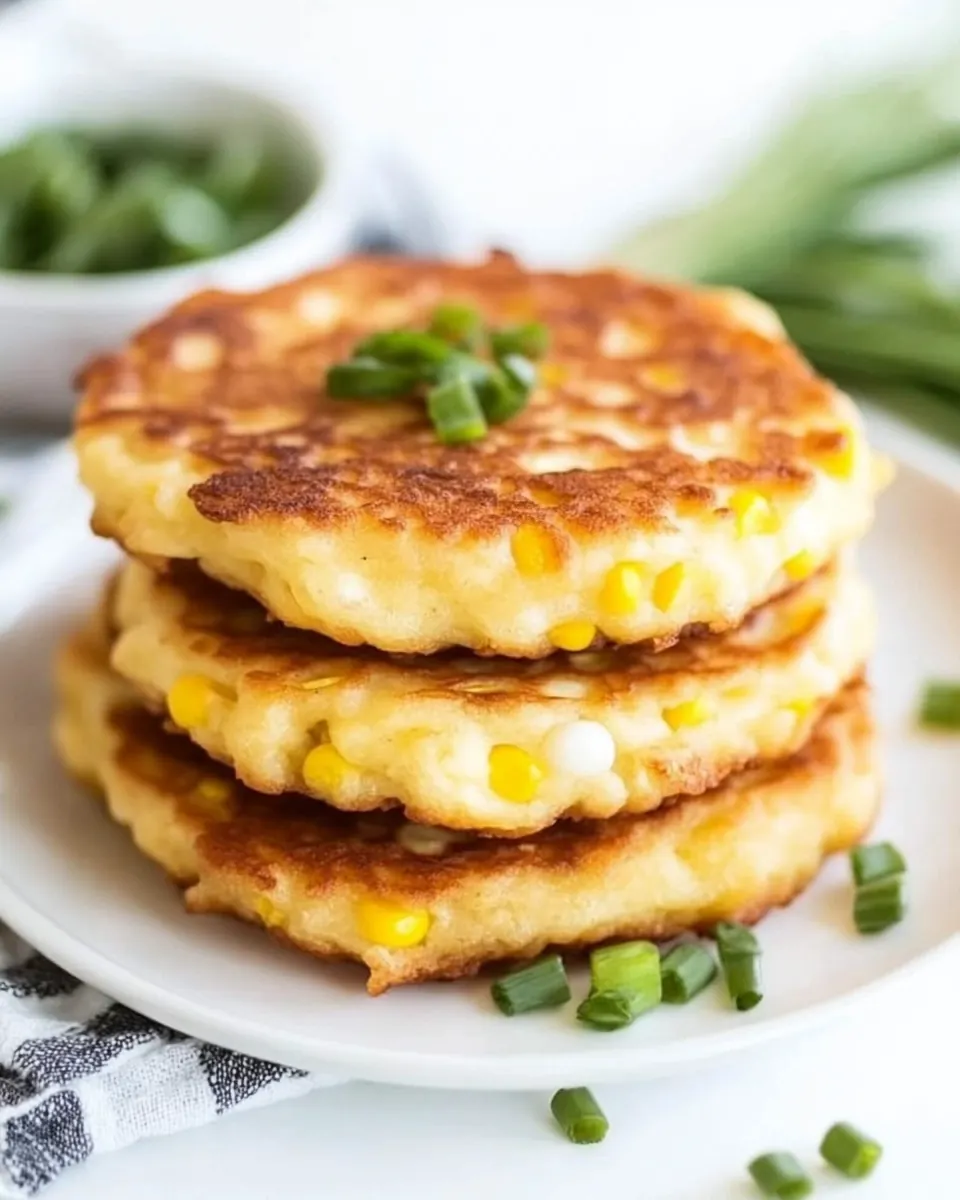
Easy Corn Fritters
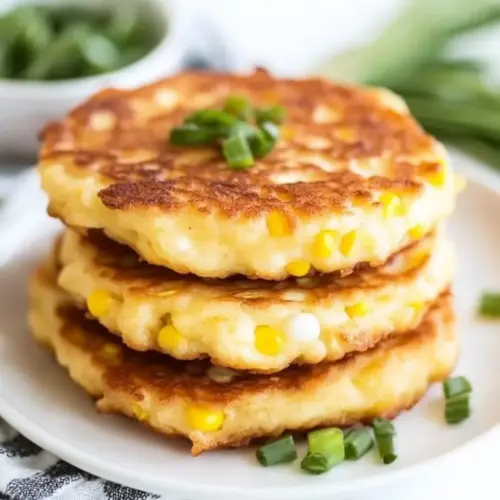
Easy Corn Fritters have been my go-to snack when summer corn comes into its sweetest stride, and they always disappear before I can snap a photo. I remember the first time I made them for a late afternoon neighborhood gathering, carrying a pan steaming with golden rounds, and watching neighbors’ faces light up at that first crunchy bite. There’s something joyful about the contrast between the crispy exterior and the tender, slightly sweet corn inside, and I still grin when someone asks for the recipe.
These fritters feel like an honest, homey dish that bridges breakfast and appetizer, which is why I often serve them when friends drop by unexpectedly. I learned to tweak small details over several summers, like using a touch of corn starch to sharpen the crust and keeping the oil just hot enough so the fritters cook through without burning. Each version taught me a little more about balancing texture and timing.
Recipe Snapshot
20 mins
5 mins
15 mins
Medium
180 kcal
American
Gluten-Free, Low FODMAP
Appetizers
Large non-stick skillet, Mixing bowls, Whisk, Spatula, Wire rack
What You’ll Enjoy About This Easy Corn Fritters
1. Crunchy outside, tender inside
I love how Easy Corn Fritters yield that perfect crisp shell while preserving a moist interior. When I press the batter into the skillet, I can already hear a subtle sizzle that promises a satisfying crunch. That contrast keeps everyone coming back for more, and it makes them feel thoughtfully composed despite being so simple.
2. Fast, friendly, and flexible
These fritters come together quickly, and I appreciate how forgiving the batter is. Whether I’m feeding a hungry family after soccer practice or whipping up a casual brunch, this recipe fits right in. You can adapt small details based on what you have at hand, and I often tweak the garnishes depending on the mood of the meal.
3. Great for peak fresh corn
When sweet summer corn is at peak, it’s wasteful not to celebrate it. Folding kernels into the batter preserves that burst of fresh flavor and natural sweetness, making each bite bright and seasonal. I always feel like I’m showcasing summer in a tiny, delicious package.
4. Crowd pleaser and conversation starter
I’ve served these at neighborhood potlucks and watched them vanish. They are easy to eat, easy to pass around, and they invite conversation about small variations. People love to suggest finishing touches, which makes serving them interactive and fun.
5. Simple pantry backbone
The backbone ingredients are things most cooks already keep around, so the threshold for making Easy Corn Fritters is low. That makes them a reliable option when you want something comforting and quick without a special trip to the store.
Essential Ingredients for Easy Corn Fritters
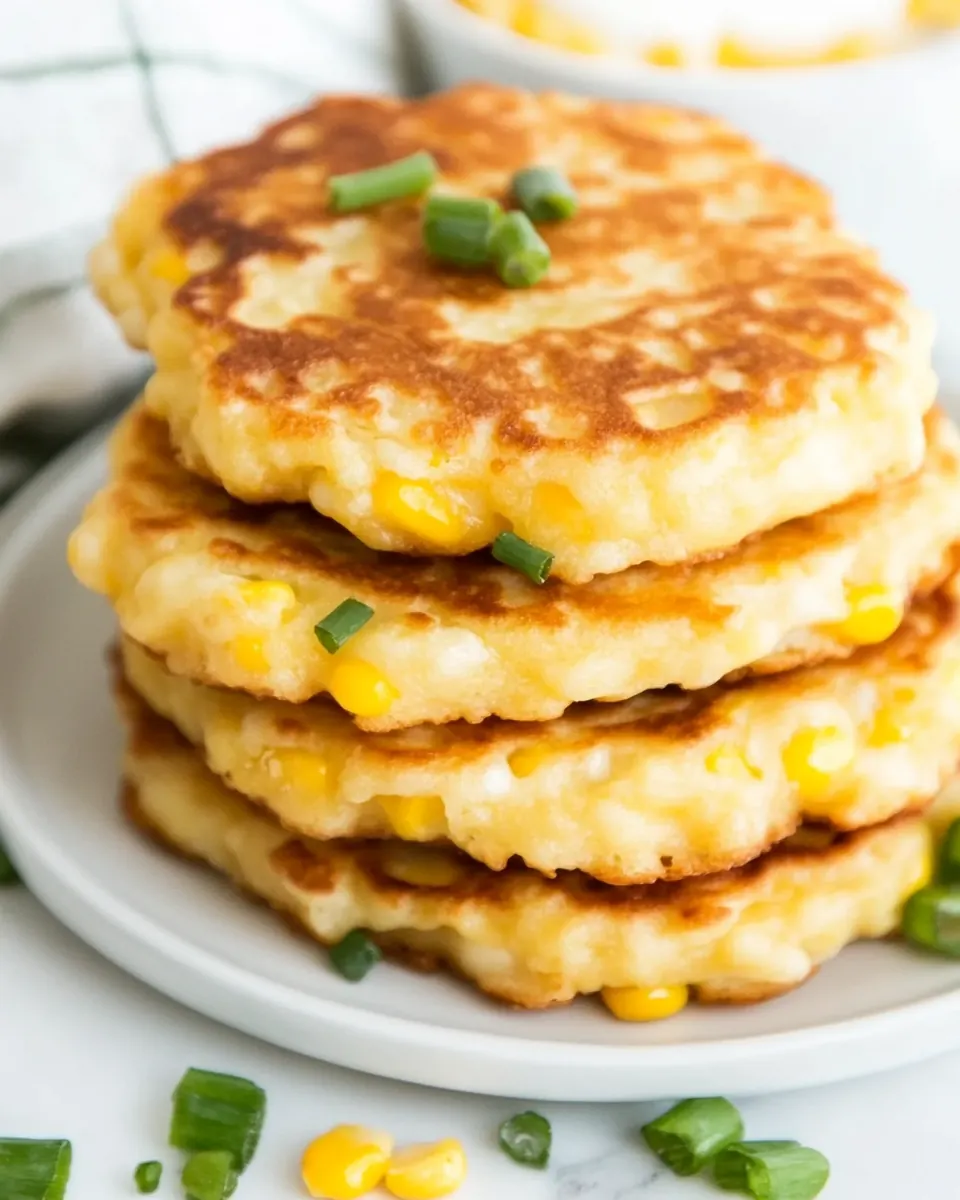
These ingredients are deliberately straightforward, focused on achieving a balance between structure, moisture, and flavor. The dry components create a tender but stable batter, while the wet elements hydrate and bind. The kernels are the star, contributing sweetness and texture, and the oil is essential for delivering that golden, crunchy exterior. Together, they produce fritters that are crisp, slightly sweet, and warmly savory.
- 1 cup all-purpose flour: Provide structure and bulk to the batter, creating a tender yet slightly chewy texture when cooked; combine with wet ingredients until just mixed to avoid overdeveloping gluten, and help bind the fritters together while giving them body.
- 1 tablespoon sugar: Add a touch of sweetness to balance the savory corn and enhance overall flavor; dissolve into the dry mix so it evenly distributes and contributes to gentle browning on the fritter surface.
- 1 1/2 teaspoons baking powder: Lighten the batter by producing small air pockets, resulting in fluffier, lighter fritters; whisk into the dry ingredients and ensure even dispersion for consistent rise during frying.
- 1 teaspoon salt: Season the batter to bring out the natural flavors of the corn and other ingredients; incorporate into the dry mix and adjust later to taste so the fritters are well-balanced and savory.
- 1 tablespoon packed corn starch: Improve crispness and help absorb excess moisture from the corn kernels, yielding a crisper exterior; mix into the dry ingredients to create a slightly drier batter that fries up golden and crunchy.
- 1/2 cup whole milk: Hydrate the dry components and create the liquid base for the batter, contributing richness and helping achieve the desired pourable consistency; warm slightly if desired to help dissolve ingredients and blend smoothly.
- 2 large eggs: Bind the batter, provide richness and structure, and promote browning; beat with the milk to form a cohesive mixture that helps the fritters hold together during frying while adding a tender crumb.
- 3 ears of shucked and trimmed corn, or about 1 3/4 cup of kernels: Contribute natural sweetness, texture, and bursts of corn flavor that define the fritters; cut from the cob or use kernels, fold into the batter gently so pieces remain intact and distribute evenly for consistent bites.
- Pepper to taste: Enhance overall flavor with a touch of heat and complexity, rounding out the sweetness of the corn; add to taste while mixing the batter and adjust before frying to avoid overpowering the delicate flavors.
- neutral flavor oil for frying: Provide the medium for frying and determine how quickly the fritters brown and crisp; choose a neutral oil with a high smoke point, heat to the proper temperature, and maintain it for even, golden results.
- garnishes of sour cream, sliced green onions, or maple syrup (optional): Offer complementary finishing touches that add creaminess, freshness, or a sweet-savory contrast to the fritters; serve alongside or on top to allow diners to customize each bite with preferred garnishes.
How to Make Easy Corn Fritters
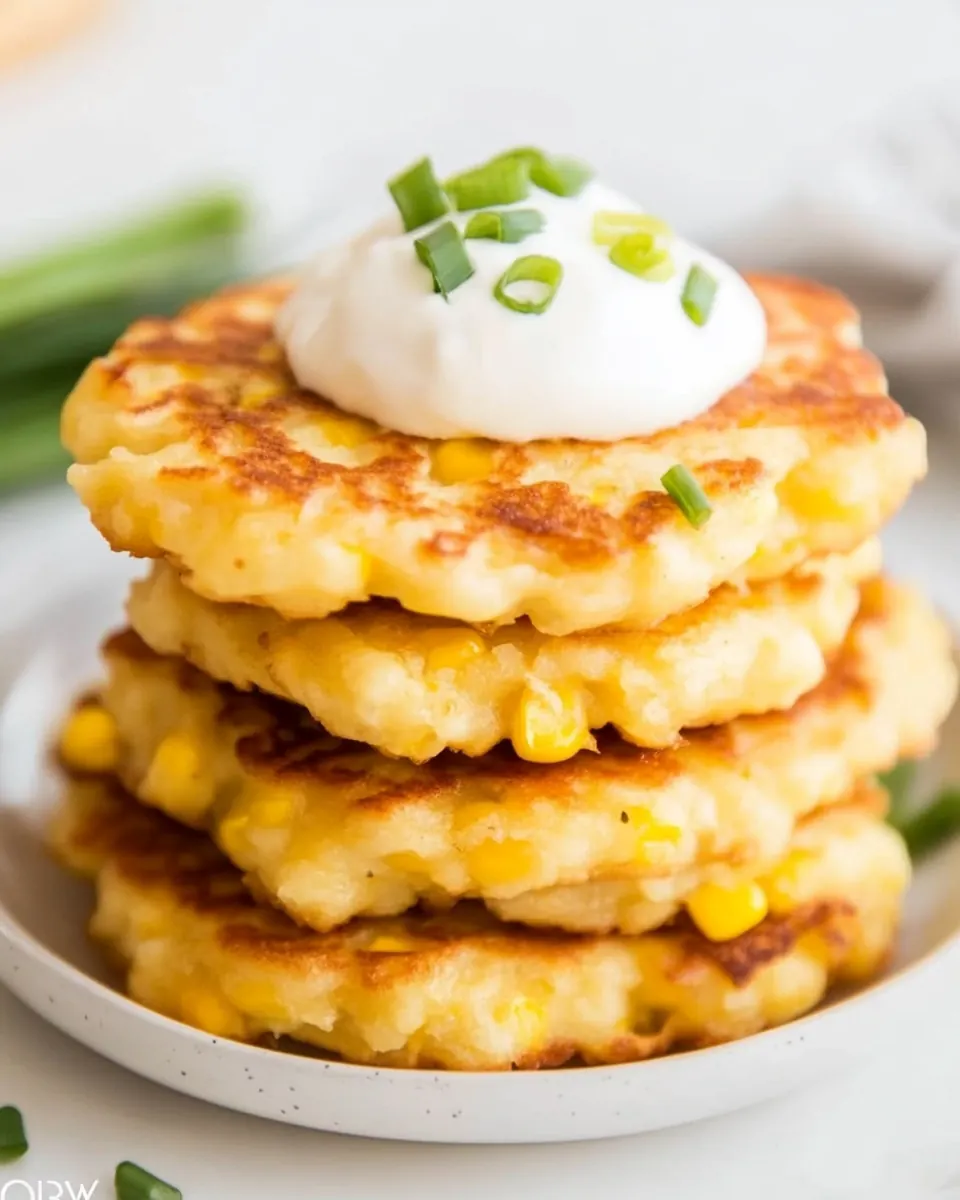
I like to think of frying these fritters as a rhythm, where heating the oil and scooping batter become a small, satisfying ritual. Keep your mise en place ready, because once the oil reaches temperature, the process moves quickly. As you work, pay attention to the visual and auditory cues that signal when a fritter is perfectly done.
- Mix all the flour, sugar, baking powder, salt, pepper, and corn starch in a large bowl and set to the side.: The moment you toss the dry ingredients together you will notice a faint, floury scent that anchors the batter, and combining them first ensures even distribution of leavening and seasoning. This evenness matters because unevenly mixed baking powder can cause pockets of excessive rise or bland spots, which affects texture and taste. One helpful technique is to whisk briskly until the mixture looks uniform and slightly aerated. Watch out for lumps of corn starch or flour that hide within the mixture, they can make the batter grainy. A common mistake here is skipping the salt or not measuring precisely, which makes the end result underflavored.
- In a separate medium-size bowl, whisk the milk and eggs together and then add it to the dry ingredients bowl.: When you whisk the milk and eggs , you should get a glossy, slightly foamy blend that smells rich and fresh, and adding it to the dry mix brings the elements into contact so hydration begins uniformly. This liquid-first whisking helps the batter bind smoothly and reduces the risk of pockets of dry flour. Pour the wet mixture in the center of the dry ingredients so it is easier to fold in without overworking the batter. Avoid dumping cold liquids into the center without mixing, because that can lead to uneven texture and streaks of flour. A frequent misstep is under-beating the eggs which can leave stringy whites in the batter.
- Whisk together everything until combined.: As you whisk, observe the batter transform from a dry pile and liquid into a cohesive mass that carries a soft sheen, and gently scraping the bowl ensures no dry pockets remain. You want a batter that is smooth with observable body, not runny, because thickness is what lets the fritters hold shape in the oil. Stir just until the ingredients are integrated, too much mixing develops gluten in the flour and will make the fritters tough rather than tender. If you spot streaks of dry flour, fold them in with a spatula rather than vigorous beating. The easy trap here is overmixing in pursuit of perfection, which actually harms texture.
- Fold the corn into the batter.: When you fold in the corn kernels, you should see bright yellow bursts throughout the pale batter, and the sweet corn aroma becomes more pronounced. Folding preserves the airiness created by the leavening while distributing the kernels evenly so each bite has balance. Use a gentle motion, bringing batter from the bottom up, instead of aggressive stirring that can flatten the mixture. Ensure the kernels are not too wet, because excess water will thin the batter and affect frying, and a common misstep is adding watery frozen corn without thawing and draining.
- Heat about a 1/3 cup of neutral flavored oil in a large non-stick skillet over medium heat until it is about 350° and add 2 to 3 tablespoons of the corn fritter batter into the oil making sure to press down to form a circle shape.: As the oil warms, you will notice a faint shimmer and a slight aroma but no smoke; that shimmer signals readiness, and when a small drop of batter sizzles on contact and rises slowly, you are near 350° which is ideal for frying. Adding spoonfuls and pressing them creates contact for even browning and promotes a golden edge, and that initial contact should produce an immediate gentle sizzle, not a violent boil. The press helps the fritter spread uniformly so the center cooks through. If the oil is too cool the fritters will soak oil and be greasy, and if it is too hot they will brown outside but remain raw inside.
- Repeat the process in the pan as room is provided. Do not put too close to each other.: Spacing is important because crowded fritters lower the oil temperature and cause uneven cooking, and you will hear the crowding shift the sizzle to a quieter hiss. Give each fritter breathing room so hot oil circulates around the edges, yielding even golden coloring. Work in small batches and keep used fritters on a rack so their bottom stays crisp, rather than on paper which steams them. A common mistake is overfilling the pan to save time, which increases cooking time and makes the fritters heavier.
- Fry the fritters for about 2 minutes per side or until golden brown and cooked throughout.: As they cook, watch for a deepening golden color and listen for a steady, medium sizzle; flip when the underside is a rich amber and the edges look set. The interior should feel springy, not mushy, when lightly pressed, and you can break one open to check that the center is cooked and not doughy. This short, focused frying time locks in moisture while creating that irresistible crispy exterior, which is why temperature control is crucial. Avoid flipping too often, which can prevent proper browning and cause the fritters to fall apart.
- Serve them with your favorite toppings.: Once plated, the fritters will smell of toasted corn and warm batter, and finishing them with garnishes enhances contrast and freshness. I like a dollop of sour cream for tang, a sprinkle of sliced green onions for brightness, or a drizzle of maple syrup for a playful sweet note. Serve immediately while they are hot and crisp; letting them sit too long will soften the crust. A typical error is plating too many at once, which cools them rapidly instead of keeping them invitingly warm.
Recipe Notes about Easy Corn Fritters
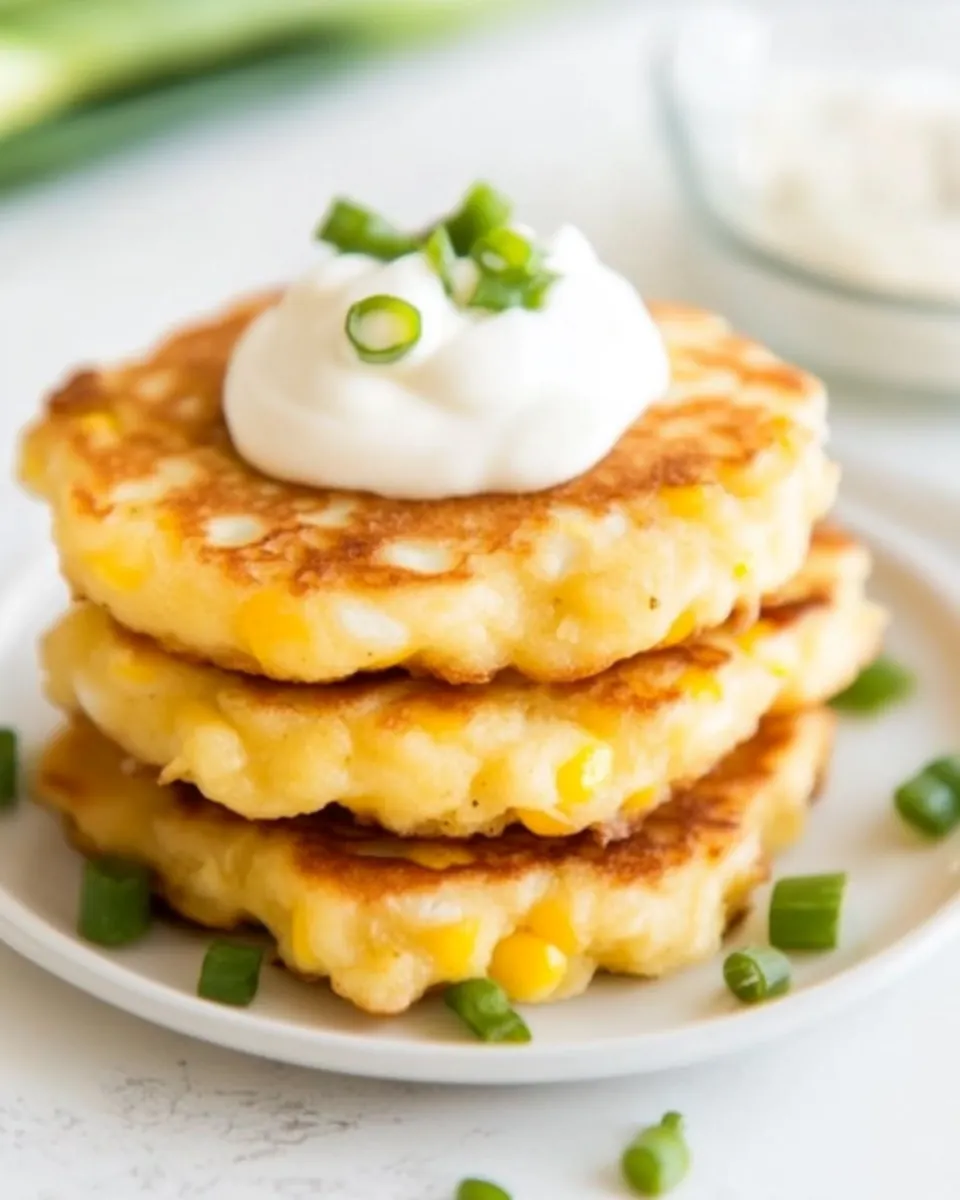
I like to keep these notes close when I make Easy Corn Fritters, because small adjustments make a big difference in texture and flavor. Read through them before frying so you avoid common issues and have the best possible results. The tips below expand on timing, storage, reheating, and gentle flavor variations.
- Make ahead: You can keep cooked fritters warm on a rack over a sheet pan in an oven set to 200° F for up to 30 minutes, this helps when serving to guests so everything stays crisp and hot.
- Storage: Cover and refrigerate the fritters for up to 4 days, and when freezing, wrap tightly and store for up to 3 months; thaw overnight in the refrigerator before reheating to maintain texture.
- Reheating: To reheat, arrange fritters on a rack over a sheet pan and bake at 350° until heated through about 4 to 6 minutes, this restores crispness better than microwaving.
- Batter consistency: Before adding the corn, the batter should resemble a very thick pancake batter; if it looks too thin add a touch more flour sparingly to maintain shape while frying.
- Flavor add-ins: If you want to experiment, try adding finely chopped jalapeños, onions, or garlic to the batter for savory depth, but keep quantities modest so the corn remains the star.
- Frying vessel: You can use a deep pot to keep fritters round and more uniformly shaped, but be mindful of oil volume and safe frying practices.
What Complements This Easy Corn Fritters
These fritters can be dressed up for brunch, served as a snack at gatherings, or paired as a side for casual dinners. I often choose garnishes and accompaniments that either contrast the sweetness of the corn or echo it for a cohesive plate. Below I outline serving ideas and storage notes to help you plan a meal around them.
- Brunch pairing: Serve with a small bowl of maple syrup and a side of fresh fruit for a playful sweet-savory brunch offering, perfect for lazy weekend mornings.
- Appetizer style: Offer sour cream and sliced green onions as toppings and place the fritters on a platter so guests can customize each bite during casual get togethers.
- Weeknight side: Pair with a crisp green salad for a light dinner, the fritters add warmth and substance while the salad contributes brightness and texture contrast.
- Seasonal occasions: Highlight these in the summer when local corn is at its peak, they work well for cookouts, potlucks, and outdoor gatherings where handheld foods shine.
- Storage and leftovers: Store cooled fritters in an airtight container in the refrigerator for up to 4 days, and reheat in the oven to revive crispness before serving.
- Serving sizes: These fritters are great as a shared plate or snack; plan on 2 to 3 per person when serving as an appetizer, and more if they are the main snack.
FAQ
Conclusion
What makes these fritters special is the simple interplay of crisp exterior and sweet corn studded interior, resulting in a snack that feels both homey and celebratory. I encourage you to give them a try the next time you have fresh corn or want a quick, crowd pleasing bite, because they come together fast and reward you with comforting texture and flavor. Whether you serve them for brunch, as a side, or a shareable appetizer, they have a way of bringing people to the table and sparking small moments of joy.
Easy Corn Fritters
Equipment
- Large non stick skillet
- Mixing Bowls
- Whisk
- Spatula
- Wire Rack
Ingredients
- 1 cup all-purpose flour Provide structure and bulk to the batter, creating a tender yet slightly chewy texture when cooked; combine with wet ingredients until just mixed to avoid overdeveloping gluten, and help bind the fritters together while giving them body.
- 1 tablespoon sugar Add a touch of sweetness to balance the savory corn and enhance overall flavor; dissolve into the dry mix so it evenly distributes and contributes to gentle browning on the fritter surface.
- 1 1/2 teaspoons baking powder Lighten the batter by producing small air pockets, resulting in fluffier, lighter fritters; whisk into the dry ingredients and ensure even dispersion for consistent rise during frying.
- 1 teaspoon salt Season the batter to bring out the natural flavors of the corn and other ingredients; incorporate into the dry mix and adjust later to taste so the fritters are well-balanced and savory.
- 1 tablespoon packed corn starch Improve crispness and help absorb excess moisture from the corn kernels, yielding a crisper exterior; mix into the dry ingredients to create a slightly drier batter that fries up golden and crunchy.
- 1/2 cup whole milk Hydrate the dry components and create the liquid base for the batter, contributing richness and helping achieve the desired pourable consistency; warm slightly if desired to help dissolve ingredients and blend smoothly.
- 2 large eggs Bind the batter, provide richness and structure, and promote browning; beat with the milk to form a cohesive mixture that helps the fritters hold together during frying while adding a tender crumb.
- 3 ears of shucked and trimmed corn, or about 1 3/4 cup of kernels Contribute natural sweetness, texture, and bursts of corn flavor that define the fritters; cut from the cob or use kernels, fold into the batter gently so pieces remain intact and distribute evenly for consistent bites.
- Pepper to taste Enhance overall flavor with a touch of heat and complexity, rounding out the sweetness of the corn; add to taste while mixing the batter and adjust before frying to avoid overpowering the delicate flavors.
- neutral flavor oil for frying Provide the medium for frying and determine how quickly the fritters brown and crisp; choose a neutral oil with a high smoke point, heat to the proper temperature, and maintain it for even, golden results.
- Optional garnishes of sour cream, sliced green onions, or maple syrup Offer complementary finishing touches that add creaminess, freshness, or a sweet-savory contrast to the fritters; serve alongside or on top to allow diners to customize each bite with preferred garnishes.
Instructions
- Mix all the flour, sugar, baking powder, salt, pepper, and corn starch in a large bowl and set to the side.: The moment you toss the dry ingredients together you will notice a faint, floury scent that anchors the batter, and combining them first ensures even distribution of leavening and seasoning. This evenness matters because unevenly mixed baking powder can cause pockets of excessive rise or bland spots, which affects texture and taste. One helpful technique is to whisk briskly until the mixture looks uniform and slightly aerated. Watch out for lumps of corn starch or flour that hide within the mixture, they can make the batter grainy. A common mistake here is skipping the salt or not measuring precisely, which makes the end result underflavored.
- In a separate medium-size bowl, whisk the milk and eggs together and then add it to the dry ingredients bowl.: When you whisk the milk and eggs , you should get a glossy, slightly foamy blend that smells rich and fresh, and adding it to the dry mix brings the elements into contact so hydration begins uniformly. This liquid-first whisking helps the batter bind smoothly and reduces the risk of pockets of dry flour. Pour the wet mixture in the center of the dry ingredients so it is easier to fold in without overworking the batter. Avoid dumping cold liquids into the center without mixing, because that can lead to uneven texture and streaks of flour. A frequent misstep is under-beating the eggs which can leave stringy whites in the batter.
- Whisk together everything until combined.: As you whisk, observe the batter transform from a dry pile and liquid into a cohesive mass that carries a soft sheen, and gently scraping the bowl ensures no dry pockets remain. You want a batter that is smooth with observable body, not runny, because thickness is what lets the fritters hold shape in the oil. Stir just until the ingredients are integrated, too much mixing develops gluten in the flour and will make the fritters tough rather than tender. If you spot streaks of dry flour, fold them in with a spatula rather than vigorous beating. The easy trap here is overmixing in pursuit of perfection, which actually harms texture.
- Fold the corn into the batter.: When you fold in the corn kernels, you should see bright yellow bursts throughout the pale batter, and the sweet corn aroma becomes more pronounced. Folding preserves the airiness created by the leavening while distributing the kernels evenly so each bite has balance. Use a gentle motion, bringing batter from the bottom up, instead of aggressive stirring that can flatten the mixture. Ensure the kernels are not too wet, because excess water will thin the batter and affect frying, and a common misstep is adding watery frozen corn without thawing and draining.
- Heat about a 1/3 cup of neutral flavored oil in a large non-stick skillet over medium heat until it is about 350° and add 2 to 3 tablespoons of the corn fritter batter into the oil making sure to press down to form a circle shape.: As the oil warms, you will notice a faint shimmer and a slight aroma but no smoke; that shimmer signals readiness, and when a small drop of batter sizzles on contact and rises slowly, you are near 350° which is ideal for frying. Adding spoonfuls and pressing them creates contact for even browning and promotes a golden edge, and that initial contact should produce an immediate gentle sizzle, not a violent boil. The press helps the fritter spread uniformly so the center cooks through. If the oil is too cool the fritters will soak oil and be greasy, and if it is too hot they will brown outside but remain raw inside.
- Repeat the process in the pan as room is provided. Do not put too close to each other.: Spacing is important because crowded fritters lower the oil temperature and cause uneven cooking, and you will hear the crowding shift the sizzle to a quieter hiss. Give each fritter breathing room so hot oil circulates around the edges, yielding even golden coloring. Work in small batches and keep used fritters on a rack so their bottom stays crisp, rather than on paper which steams them. A common mistake is overfilling the pan to save time, which increases cooking time and makes the fritters heavier.
- Fry the fritters for about 2 minutes per side or until golden brown and cooked throughout.: As they cook, watch for a deepening golden color and listen for a steady, medium sizzle; flip when the underside is a rich amber and the edges look set. The interior should feel springy, not mushy, when lightly pressed, and you can break one open to check that the center is cooked and not doughy. This short, focused frying time locks in moisture while creating that irresistible crispy exterior, which is why temperature control is crucial. Avoid flipping too often, which can prevent proper browning and cause the fritters to fall apart.
- Serve them with your favorite toppings.: Once plated, the fritters will smell of toasted corn and warm batter, and finishing them with garnishes enhances contrast and freshness. I like a dollop of sour cream for tang, a sprinkle of sliced green onions for brightness, or a drizzle of maple syrup for a playful sweet note. Serve immediately while they are hot and crisp; letting them sit too long will soften the crust. A typical error is plating too many at once, which cools them rapidly instead of keeping them invitingly warm.
Notes
- Make ahead: You can keep cooked fritters warm on a rack over a sheet pan in an oven set to 200° F for up to 30 minutes, this helps when serving to guests so everything stays crisp and hot.
- Storage: Cover and refrigerate the fritters for up to 4 days, and when freezing, wrap tightly and store for up to 3 months; thaw overnight in the refrigerator before reheating to maintain texture.
- Reheating: To reheat, arrange fritters on a rack over a sheet pan and bake at 350° until heated through about 4 to 6 minutes, this restores crispness better than microwaving.
- Batter consistency: Before adding the corn, the batter should resemble a very thick pancake batter; if it looks too thin add a touch more flour sparingly to maintain shape while frying.
- Flavor add-ins: If you want to experiment, try adding finely chopped jalapeños, onions, or garlic to the batter for savory depth, but keep quantities modest so the corn remains the star.
- Frying vessel: You can use a deep pot to keep fritters round and more uniformly shaped, but be mindful of oil volume and safe frying practices.
